
Review · ROME
Rome: Fresh Pasta-Making Class with Wine and Gelato
Fresh pasta is one of the best ways to get beneath Rome’s restaurant scene. In this three-hour Trastevere cooking class, you make fettuccine and ravioli from scratch, then sit down to eat what you prepared with sauces, wine, and gelato. It is part lesson, part dinner, and part social evening.
I like two things in particular: the class teaches useful dough and sauce techniques you can repeat at home, and the small-group setting gives the evening an easy, friendly feel. Guides such as Elisa, Stefano, Luca, and Fernanda are often praised for clear instructions and a good sense of humor. The main drawback is practical: the meeting point is outdoors in a church square, and several people have found it less obvious than expected.
Key points
- Two fresh pastas: Make fettuccine and ravioli by hand, including the ravioli filling.
- Roman cooking lessons: Learn sauces based on local ingredients and classic Roman dishes such as amatriciana or puttanesca.
- A full evening meal: Appetizers, your homemade pasta, selected wines, prosecco, and gelato are included.
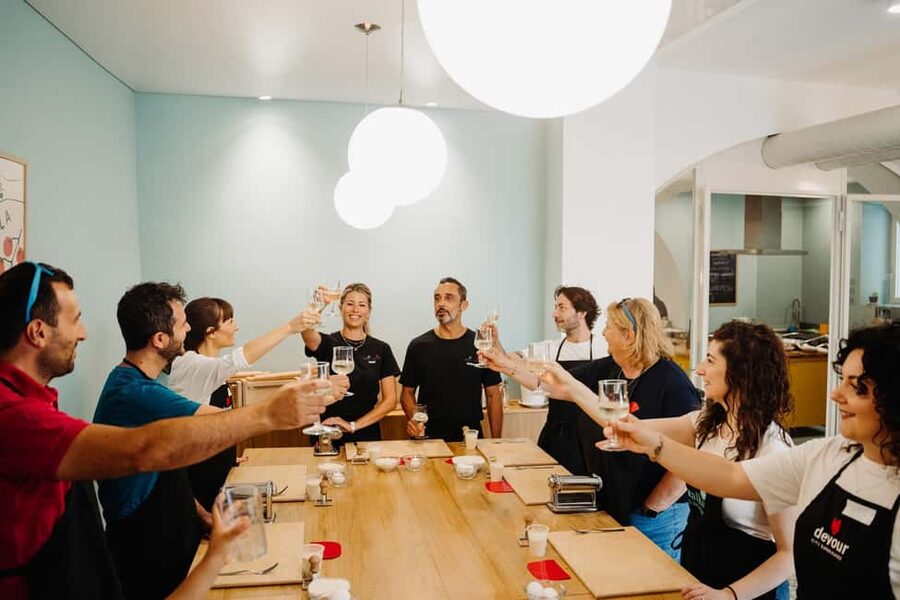
- Small, social classes: Shared and private options are available, with several groups reporting only four or five participants.
- Family-friendly pacing: Children as young as four have taken part, with pasta-making tasks adjusted to suit different ages.
- Recipe cards to take home: You leave with written recipes, making this more useful than a meal you simply forget after the last bite.
A pasta lesson in the heart of Trastevere
The experience begins at Piazza di San Giovanni della Malva, in front of the San Giovanni della Malva church. You should arrive 15 minutes early and look for a guide carrying a red bag or a Devour Tours sign.
This detail matters. The meeting point is in a square and courtyard area, not inside a restaurant with a bright cooking-class sign. One person had trouble finding the group because the location felt less obvious than expected. I would not arrive at the last minute, especially if you are navigating Trastevere after dark.
From there, the guide leads you to the cooking space. The venue has been described as clean, modern, spacious, and air conditioned. That last point is especially useful in summer, when a cool kitchen gives you a break from Rome’s heat.
The class is taught in English. The exact guide varies, but the teaching team has included Elisa, Stefano, Luca, Fernanda, Federica, Asia, Jamila, Alessandro, and others. The repeated praise is not just about the food. The instructors keep the pace moving, explain each step clearly, and make room for jokes and conversation.
A few more tastings around Rome worth a look
- Rome: Pasta Making Class with Wine, Limoncello, and Dessert
★ 4.9 · 3,177 reviews - Rome Cooking Class: Make Pasta and 3 Spritz Cocktails
★ 5.0 · 2,937 reviews - Learn to Make Pasta & Tiramisu with Wine and Limoncello Included
★ 5.0 · 2,345 reviews
Starting with prosecco and an Italian aperitivo
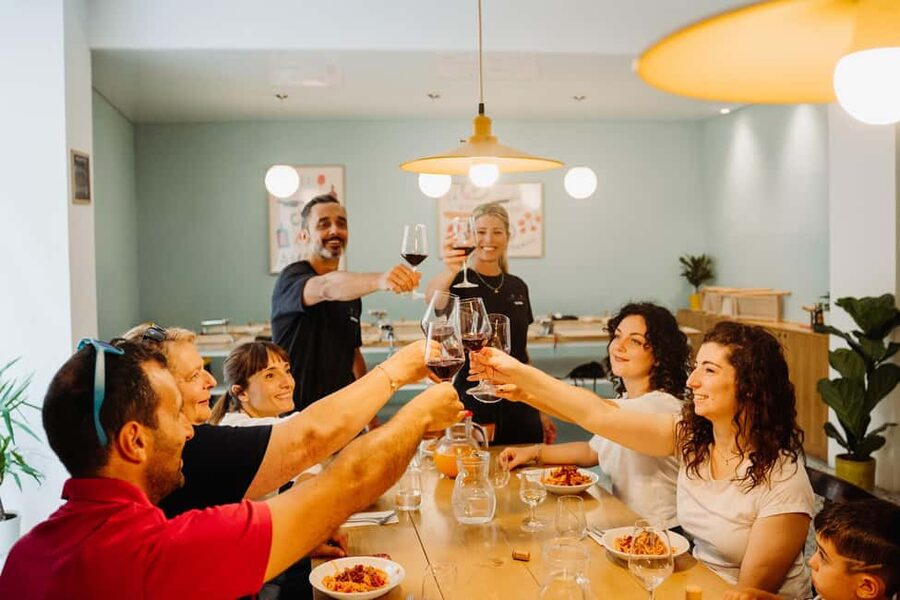
Your welcome begins with prosecco and light appetizers. This is a smart way to start a cooking class because you are not thrown straight into technical instructions while hungry and tired.
The aperitivo also gives the group time to get acquainted. In a shared class, you may be cooking beside people from several countries, and the relaxed opening helps turn a formal lesson into a communal meal.
I like this part because it gives the evening a distinctly Italian rhythm. An aperitivo is not simply a snack before dinner. It is a pause, a drink, and a little food before the main meal. Here, it helps you settle in before flour reaches the table.
The unlimited prosecco and wine add to the social mood, but keep the timing in mind. You still have dough to roll, pasta to shape, and sauces to prepare. If you want to get the most from the lesson, pace yourself and treat the drinks as part of the meal rather than the main event.
Making dough from flour and eggs
The central lesson starts with fresh pasta dough. Your chef explains how flour, eggs, and olive oil come together, then shows you how to judge the consistency.
That last skill is more useful than memorizing a fixed measurement. Pasta dough can change depending on egg size, flour, humidity, and how vigorously you knead. A professional chef can show you what the dough should feel like, which is hard to learn from a recipe card alone.
You work the dough by hand, then roll it out. The class is designed for beginners, so you do not need previous cooking experience. At the same time, experienced cooks should find enough practical detail to make the session worthwhile, particularly in the tips about texture, shaping, and sauces.
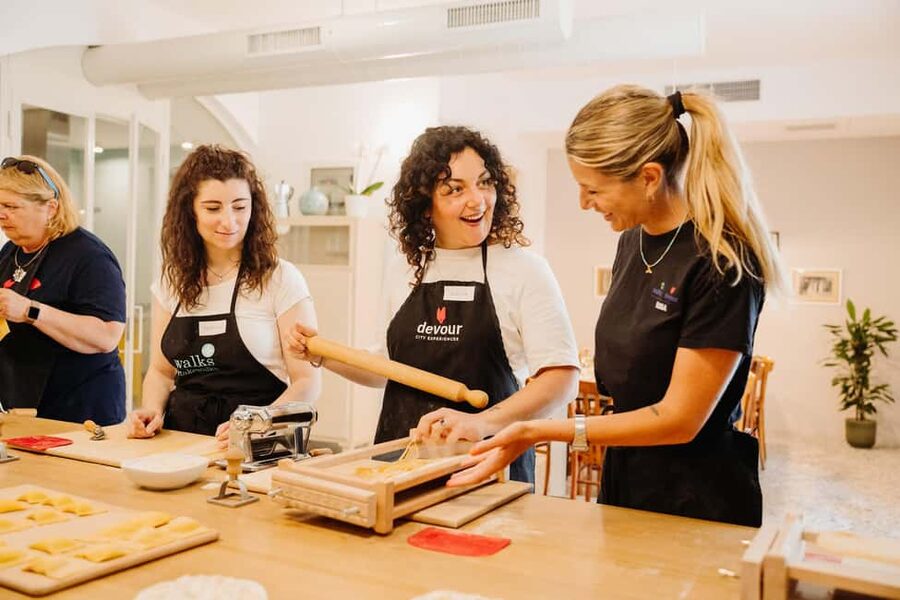
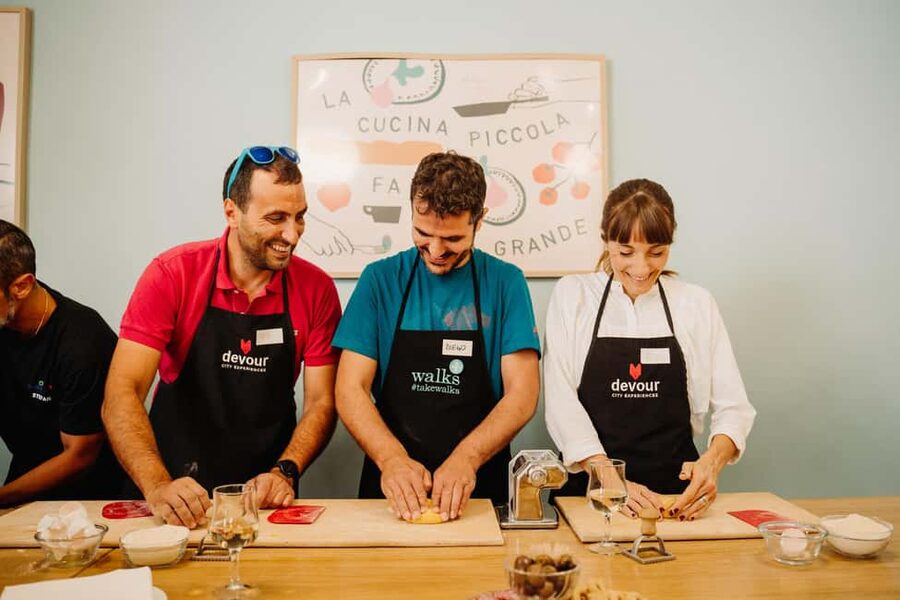
The lesson is hands-on rather than a demonstration where you watch someone else do the work. You roll, cut, and shape the dough yourself. That means your finished pasta may not look perfectly uniform, but that is part of the point. Handmade pasta has character, and the process teaches you more than a polished plate ever could.
Fettuccine and ravioli, two different pasta skills
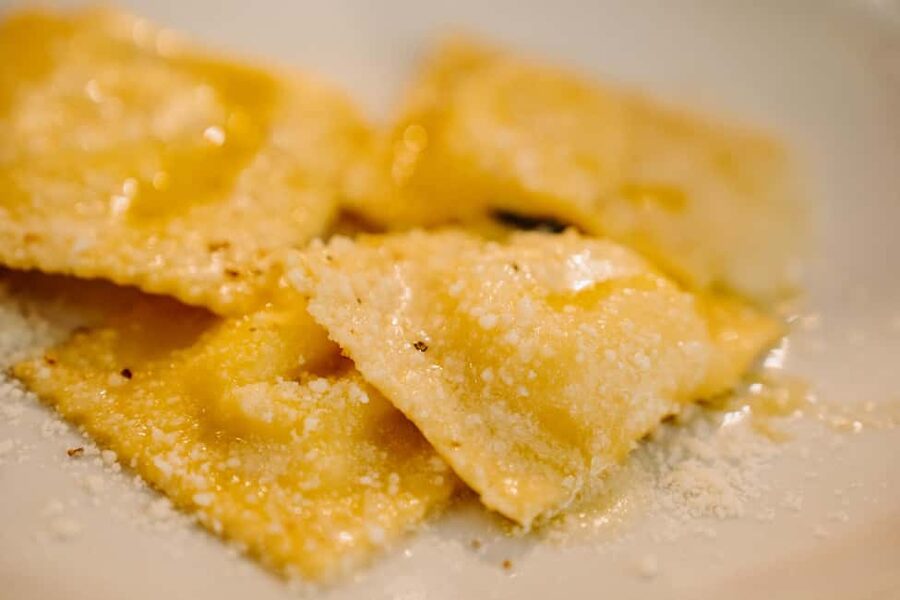
You make two types of pasta: fresh fettuccine and ravioli. This is a strong combination because the shapes require different techniques.
Fettuccine teaches you how to roll and cut long strands. You learn how thin the sheet should be and how to handle the pasta without turning it into a sticky mass.
Ravioli adds another layer. You prepare a filling, place it on the pasta sheet, seal the pockets, and cut them into individual pieces. The work demands a little more care because trapped air or a poorly sealed edge can cause problems during cooking.
The class lets you see the difference between everyday pasta and filled pasta. You are not only following recipes. You are learning how dough behaves when it is cut into ribbons, folded around filling, and cooked in water.
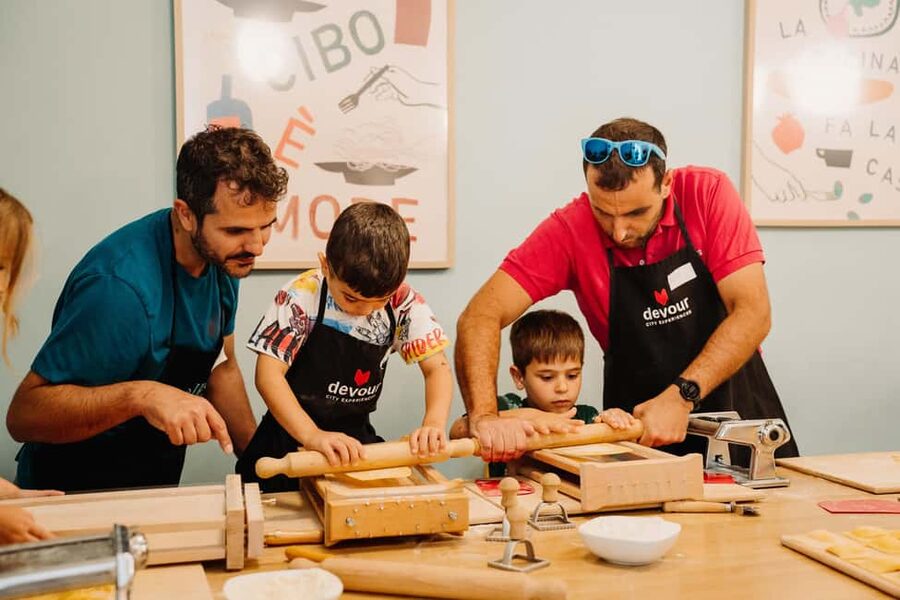
Families often find this section especially appealing. Children can help with rolling, cutting, and shaping, and several family groups with children between four and twelve found the instructions manageable. Younger children may not follow every explanation, but the class provides enough physical tasks to keep them involved.
Same town, a different glass:
- Rome: Tuscany & Montepulciano Day Trip with Lunch & Wine Tasting
★ 4.5 · 5,232 reviews - Fettuccine & Tiramisù: Cooking Class with Wine & Limoncello
★ 4.9 · 2,103 reviews - Pasta Cooking Class Near the Colosseum with 3 Spritz Cocktails
★ 5.0 · 1,686 reviews - Rome Tipsy Cooking Class: Make Pasta and Mix 3 Spritz Cocktails
★ 5.0 · 1,357 reviews
Preparing Roman sauces with seasonal ingredients
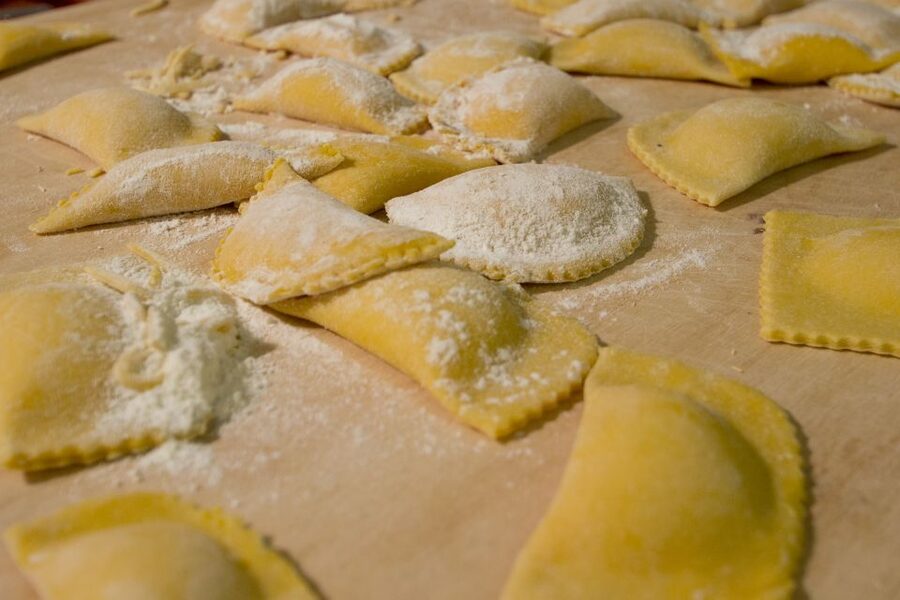
While the pasta rests, the focus shifts to sauces. The chef explains how to build traditional Roman flavors with fresh, seasonal ingredients sourced from local markets.
Specific sauces can vary, but the dishes prepared in different classes have included amatriciana and puttanesca. These recipes give you a useful introduction to Roman cooking because they rely on a few strong ingredients rather than a long list of complicated additions.
The sauce lesson is where the class gains real value for your home kitchen. Fresh pasta is fun, but many people struggle more with making a balanced sauce. You learn how to bring the ingredients together, how the sauce should coat the pasta, and how to match the sauce to the shape.
The chef also shares tips about Roman cuisine and food culture along the way. The information is woven into the cooking rather than delivered as a long talk, so the evening keeps its pace.
Sitting down to eat what you made
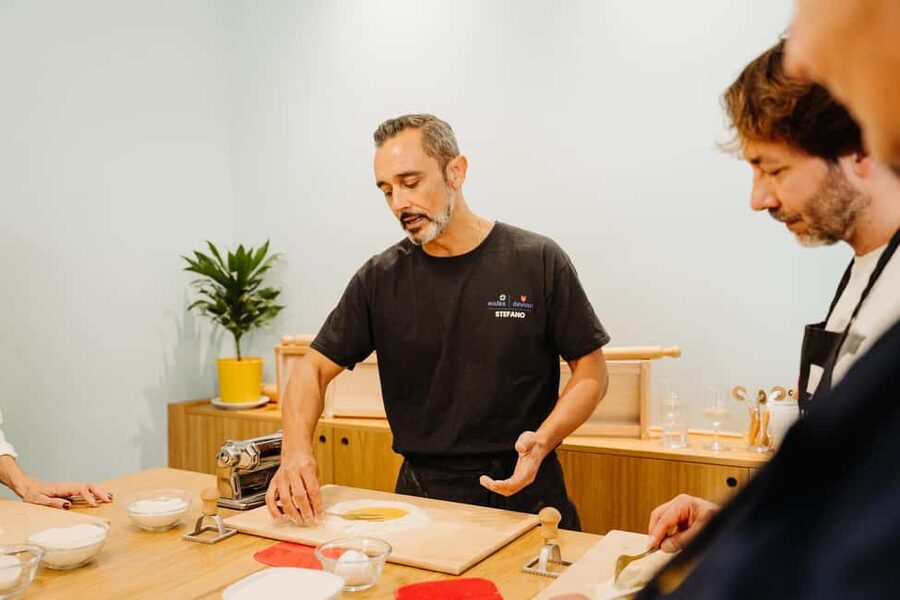
Once the pasta and sauces are ready, you sit at the table and eat the meal together. The menu includes two homemade pastas and sauces, appetizers, wine, and gelato.
This shared meal is the payoff, but it also serves as the final lesson. You can taste the difference between the two pasta shapes and see how each works with its sauce. You also get a better sense of the texture fresh pasta should have when cooked properly.
The dining portion feels more relaxed than the work at the counter. You can talk with the chef and the other people in the class, compare your pasta shapes, and ask questions that came up during the cooking.
That social side is a major reason to choose this experience instead of a private kitchen lesson with no group element. The private option is better if you want all the instructor’s attention or prefer a more personal setting. The shared class is the better value if you enjoy meeting people and want the evening to feel like a communal dinner.
Homemade gelato for the final course
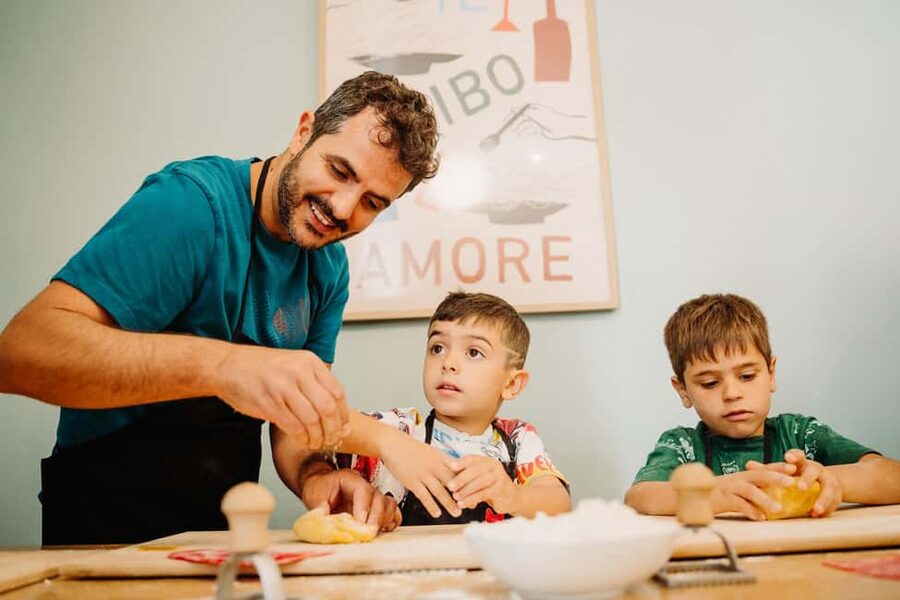
The class ends with gelato. It is a simple touch, but it rounds out the experience well. You begin with aperitivo, move through pasta and sauces, and finish with a classic Italian dessert.
The gelato lesson also gives the class a little variety. The evening is not three hours of kneading dough. You move between pasta-making, sauce preparation, dining, and dessert, which helps keep the pace comfortable.
You should not book this expecting an advanced pastry course. Gelato is part of the meal and the fun of the evening, not the main technical focus. The main learning remains fresh pasta and Roman sauces.
What the $69 price includes
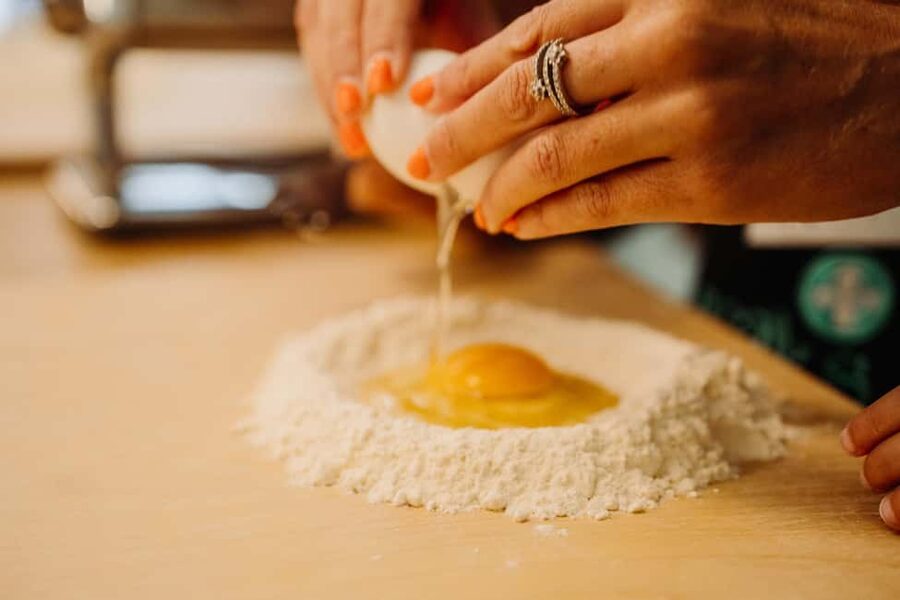
At $69 per person, the class is priced like a complete evening activity rather than a short cooking demonstration. Your fee covers the chef, all ingredients, appetizers, two pasta dishes, sauces, gelato, prosecco, and unlimited wine.
I think the value is strongest if you would otherwise spend money on dinner. You are not just paying for a meal. You are also getting instruction, hands-on practice, recipes, and a social experience in Trastevere.
The value is less obvious if you only want a quick lesson or do not drink alcohol. The wine and prosecco are part of the package, so a nondrinker may not use every included feature. Still, the cooking instruction and meal remain the core of the experience.
Private and shared formats are available, depending on the option selected. A small shared group can offer the best balance. Reports of classes with four people suggest that you may receive plenty of help without paying for a fully private session, though group size can vary.
Who will enjoy this Rome cooking class
I would recommend this class to:
- First-time pasta makers: The chefs explain the basic dough process and guide you through each stage.
- Families: Children have taken part successfully, and the cooking tasks are easy to understand with adult help.
- Couples and friends: The meal and wine make this a natural evening activity.
- Solo visitors: A shared class gives you an easy way to meet people without committing to a full group tour.
- Food-focused Rome visitors: You get practical cooking skills plus context about Roman dishes.
- People seeking a break from monuments: This is a seated, social activity that changes the pace of a busy sightseeing schedule.
It may not suit anyone who needs wheelchair or stroller access. The activity is not suitable for wheelchair users, and mobility limitations may make the venue and cooking setup difficult.
Dietary needs can generally be accommodated if you contact the operator before the class. Celiac requirements are the exception, so people with celiac disease should not rely on this experience. Do not wait until arrival to explain a restriction.
Useful timing and meeting advice
The duration is three hours, with starting times depending on the date. Since the class includes preparation, cooking, eating, and gelato, it is best treated as a full evening plan rather than something to squeeze between major sights.
Give yourself extra time to reach Piazza di San Giovanni della Malva. Trastevere is easy to enjoy on foot, but its small streets and courtyards can slow you down. Arrive 15 minutes early and wait in front of the church, looking for the red bag or Devour Tours sign.
No hotel pickup or drop-off is included. You are responsible for reaching the meeting point and making your way back afterward.
The booking terms are useful for uncertain plans. You can cancel up to 24 hours ahead for a full refund, and the reserve-now, pay-later option lets you hold a place without paying immediately. Check the available starting times before building the rest of your evening around it.
What makes the guides important
The food is only half the experience. The instructor controls the pace, helps when dough becomes difficult, and sets the tone around the table.
Names that have appeared in the teaching team include Elisa, Stefano, Luca, Fernanda, Federica, Asia, Jamila, Alessandro, and others. The strongest pattern is clear instruction paired with warmth and humor. That matters in a cooking class because a nervous beginner needs quick help without feeling clumsy.
Several families found that the chefs gave children extra attention. That does not mean every child will remain focused for three hours, but the combination of making, eating, and dessert gives younger participants several points of interest.
I also like the idea of booking this early in your Rome stay. The class includes advice about Roman food and local dishes, so you may leave with a better sense of what to order during the rest of your visit. One person wished they had scheduled it as their first activity for exactly this reason.
Final verdict: should you book it?
Book this class if you want more than another restaurant meal. You will make two kinds of pasta, learn sauce techniques, eat a complete meal, and leave with recipes you can use at home.
It is especially good for families, couples, first-time cooks, and anyone who enjoys a friendly group setting. The $69 price is fair because food, drinks, instruction, and dessert are all included. The main cautions are the unclear outdoor meeting point, the lack of wheelchair suitability, and the inability to accommodate celiac diets.
If those limits work for you, this is a practical and sociable way to spend three hours in Rome. Arrive early, bring an appetite, and pay attention to the dough. That is the part you will be glad to know when you try making ravioli in your own kitchen.
FAQ
Where does the pasta-making class meet?
Meet at Piazza di San Giovanni della Malva, 00153 Roma RM, in the square in front of the San Giovanni della Malva church. The guide will carry a red bag or a Devour Tours sign.
How long does the experience last?
The class lasts three hours. Available starting times depend on the date you select.
What pasta will I make?
You will make fresh fettuccine and ravioli, including the ravioli filling. You will also prepare sauces to serve with the pasta.
Are drinks and dessert included?
Yes. The experience includes prosecco, unlimited wine, appetizers, and gelato, along with the pasta dishes and sauces.
Is the class taught in English?
Yes. The instructor language is English.
Can children take part?
Yes. The class is suitable for families, and children of different ages have taken part. The activity information does not set a specific minimum age.
Can dietary restrictions be accommodated?
The class can adapt to dietary needs except for celiac requirements. Contact the operator before the class so food can be arranged.
More Workshops in Rome
- Rome: Pizza & Gelato Making Class with Wine & Limoncello
★ 4.7 · 499 reviews - Rome: Rooftop Cooking Class with Wine Tasting near Vatican
★ 5.0 · 184 reviews - Rome: Tipsy Painting Class with Fine Wine and Arts
★ 4.9 · 178 reviews - Rome: Pasta Cooking Class with Spritz Cocktails
★ 4.9 · 158 reviews
Just added around Rome
- Rome: Trastevere Wine Tasting with Food Pairing and Gelato★ 4.9 · 168 reviews
- Rome: Trionfale and Prati Food and Wine Tasting Tour★ 4.8 · 115 reviews
- Rome: Trastevere Food and Wine Tasting Tour★ 4.9 · 54 reviews
- Rome: Tipsy Painting Class with Fine Wine and Arts★ 4.9 · 178 reviews
- Rome: Private Tuk Tuk Tour with Hotel Pickup and Prosecco★ 4.9 · 68 reviews
- Rome: Pizza & Gelato Making Class with Wine & Limoncello★ 4.7 · 499 reviews
- Rome: Pizza Making Cooking Class With Spritz Cocktails★ 4.9 · 61 reviews
- Rome: Nightlife Tour & Guided Bar Crawl with Games & Karaoke★ 4.9 · 75 reviews
Drinks Tours, compared.

Unlimited Prosecco, Beer and Aperol Spritz Cruise
Read our review →
Evening Cruise with Optional Wine and Snacks
Read our review →
Douro Valley w/ Boat Tour, Wine Tasting & Lunch
Read our review →
Chichen Itza, Cenote & Valladolid Tour with Tequila and Lunch
Read our review →
Complete Douro Valley Wine Tour with Lunch, Wine Tastings and River Cruise
Read our review →
Small-Group Wine Tasting Experience in the Tuscan Countryside
Read our review →
Douro Valley with Winery Lunch, Tastings & Cruise
Read our review →Browse the lists this tour appears in