
Review · ROME
Rome: Tipsy Painting Class with Fine Wine and Arts
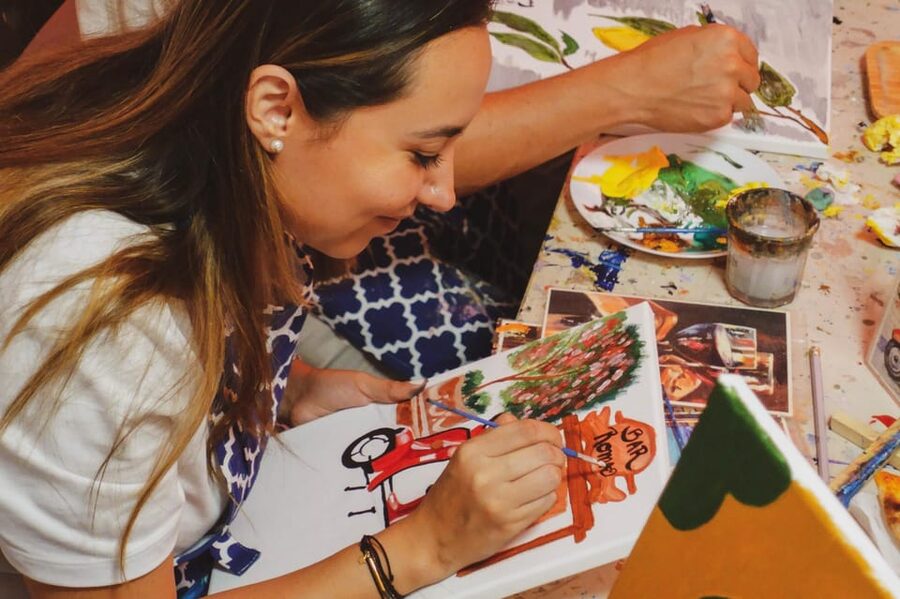
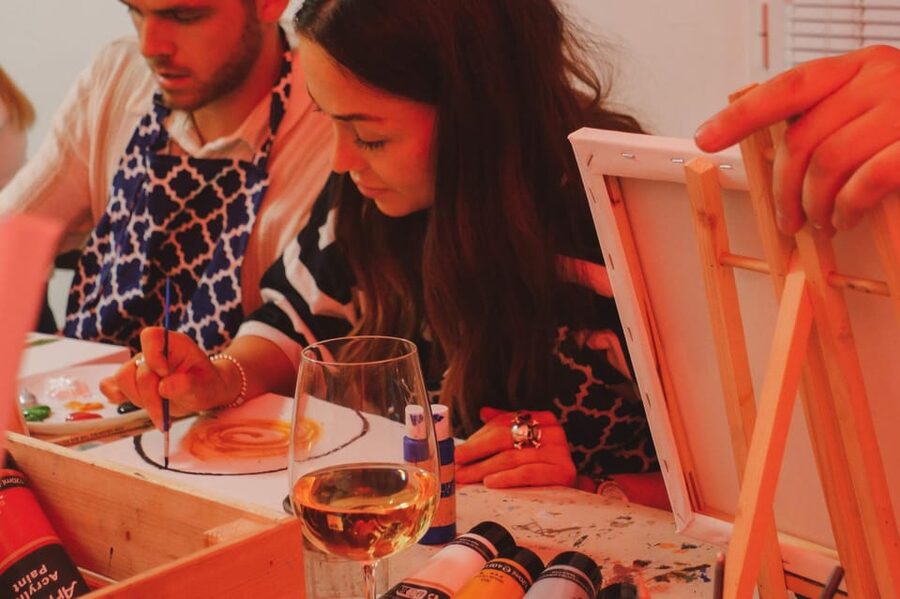
Painting Rome while sipping local wine is a fine way to spend an evening, especially when the class takes place inside a 17th-century palazzo. You choose from renowned Roman landmarks, work on canvas with supplied paints and brushes, and take your finished piece home.
I like the small group of up to 10, which gives the instructor room to help with technique and keeps the evening social rather than crowded. I also like the easy mix of art, unlimited Italian wine, Roman-style pizza, and music. The main thing to consider is that the food is described as pizza and light snacks, not a full dinner, so you may want to eat beforehand if you arrive hungry.
Key points at a glance
- Paint Rome in a historic setting: The class takes place in a studio inside a 17th-century palazzo.
- Get hands-on help: An English-speaking art instructor guides you through the painting, from early sketching to final details.
- Enjoy unlimited Italian wine: Red and white wine are available throughout the session.
- Take home a personal souvenir: Your finished canvas gives you a handmade memory of Rome.
- Keep the group intimate: A maximum of 10 participants makes it easier to ask for help and meet people.
- Expect a relaxed evening: Roman-style pizza, music, and a playful atmosphere are part of the experience.
A Roman evening that mixes canvas, wine, and conversation
Tipsy Painting by Carpe Diem Tours is less a formal art lesson than a guided creative night. You are not expected to arrive with painting experience. The point is to enjoy the process, try something new, and leave with a picture that reflects your own choices.
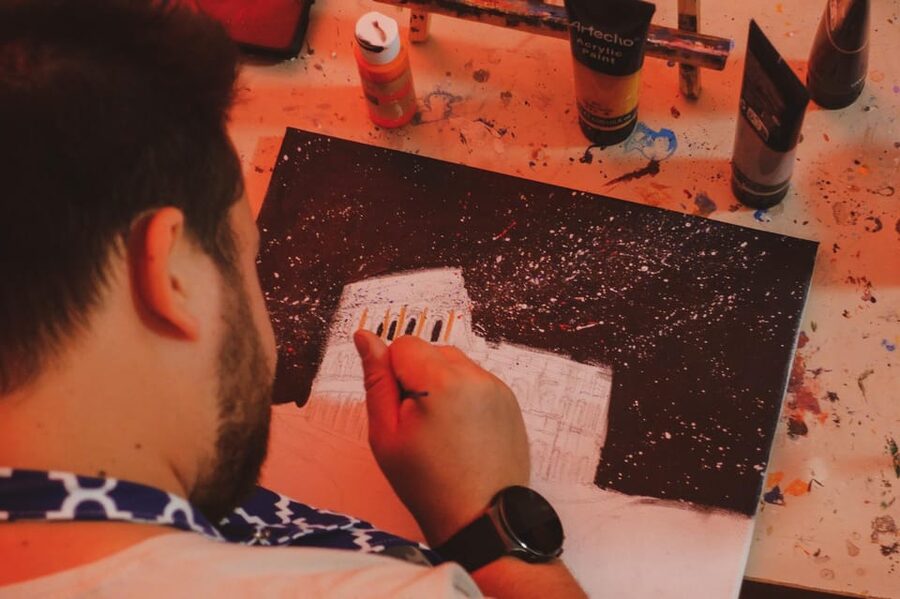
The theme centers on Rome. You may recreate a famous Roman landmark, using the city itself as your subject and inspiration. That gives the finished canvas more meaning than a generic art project. It becomes a small, personal souvenir tied to your time in Lazio.
The activity lasts three hours, while the painting session itself is described as about two and a half hours. That leaves room for introductions, wine pours, food, conversation, and the natural pauses that come with a social class. Plan to arrive five minutes early so you are ready when the session begins.
A few more tastings around Rome worth a look
- Rome: Pasta Making Class with Wine, Limoncello, and Dessert
★ 4.9 · 3,177 reviews - Rome Cooking Class: Make Pasta and 3 Spritz Cocktails
★ 5.0 · 2,937 reviews - Fettuccine & Tiramisù: Cooking Class with Wine & Limoncello
★ 4.9 · 2,103 reviews
Inside the 17th-century palazzo studio
The setting does much of the work here. Instead of painting in a plain modern classroom, you meet your instructor in a studio located inside a 17th-century palazzo. The supplied information does not give the exact street address, so check the meeting details carefully when booking and allow time to arrive.
A historic Roman building changes the mood before you pick up a brush. You are working in a place that feels connected to the city’s long artistic tradition, even though the class itself remains casual and friendly. The palazzo setting also helps this feel like a Rome activity rather than an indoor pastime that could happen anywhere.
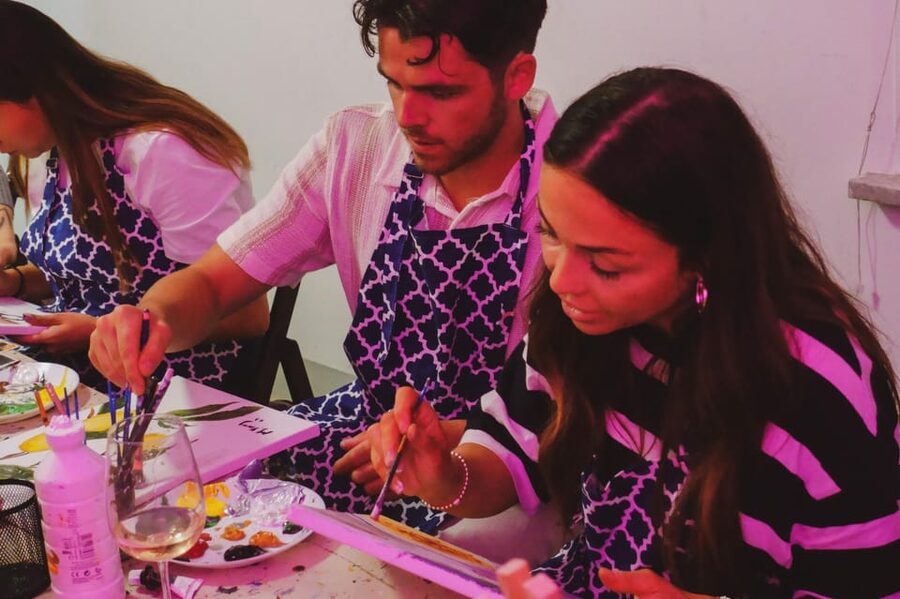
The group is limited to 10 people. That is a useful size for this kind of class. You can chat with the people around you without losing the instructor’s attention, and you have a reasonable chance of receiving individual help when a line, color, or proportion gives you trouble.
The atmosphere appears to depend heavily on the instructor leading your session. Several instructors have been praised for being welcoming, funny, and good at breaking the ice. Names connected with recent sessions include Giovanna, Maham, Smit, Benjamin, Kulsoom, Adais, Julia, Anna, and others. You cannot select a particular instructor from the information provided, but the range of positive comments suggests that the host is a major part of the evening.
Choosing and building your Roman painting
The class focuses on iconic Roman sites. The exact landmark or image may vary, so you should not book expecting one fixed painting every time. That flexibility is helpful if you like making your own choices, but less helpful if you want a precise, museum-style lesson on one famous work.
Your instructor guides you through the work rather than simply handing you a canvas and leaving you alone. The process is designed to be friendly to beginners, while people with more experience can make their painting more personal. You might follow the example closely, or use the Roman subject as a starting point for your own colors and details.
This is where the small group matters. A teacher can help you correct a shape, mix a better shade, or decide how much detail to add. One particularly useful feature is the encouragement to relax. That sounds simple, but it keeps the session from feeling like a test.
Do not expect a polished professional painting in the style of a museum master. You are creating a souvenir in a social setting, with wine, conversation, and a limited amount of time. The pleasure comes from seeing a blank canvas turn into something recognizable and personal.
Unlimited Italian wine, with a sensible caveat
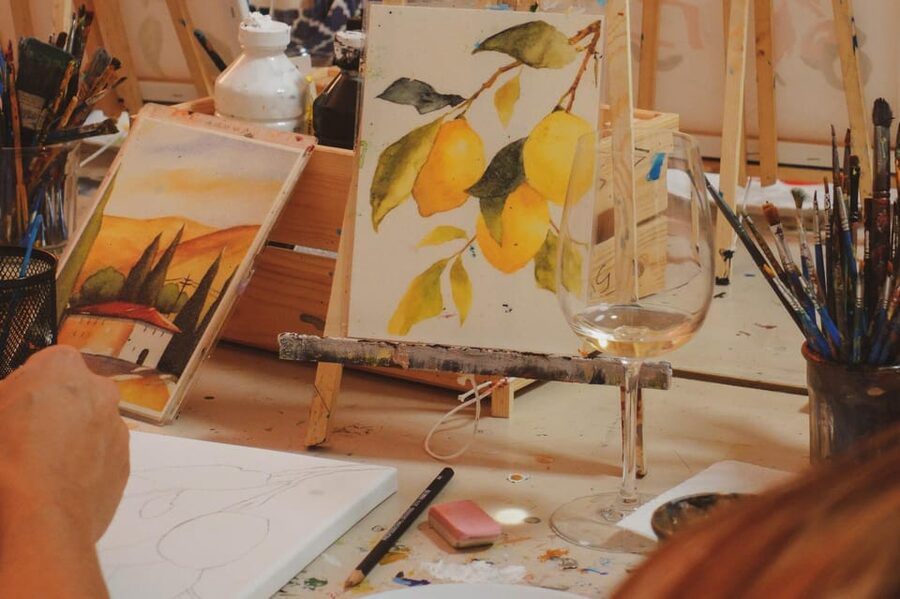
Wine is central to the format. Red and white Italian wine are available without a stated limit, and several comments specifically praise the regular top-ups. This is not a wine-tasting lesson, so you should not expect a detailed presentation about grapes, vineyards, or vintages. The wine is there to make the class more relaxed and social.
The phrase unlimited wine deserves practical attention. Three hours of painting can pass quickly, and it is easy to drink faster than you intended when you are also talking and concentrating on your canvas. Pace yourself, especially if you have evening plans afterward. The class is more enjoyable when you remain steady enough to paint and remember it.
Nonalcoholic drinks are available for people who do not drink and for participants under 18. That makes the activity more flexible than the name might suggest. Still, the main tone is clearly built around wine, so a non-drinker should choose it for the art and company rather than expecting an alcohol-free event.
The wine also affects the kind of activity this is. You are not signing up for a quiet, technical workshop. Music, conversation, laughter, and a few imperfect brushstrokes are part of the point. If you want a serious art course, look elsewhere. If you want to loosen up and try painting in Rome, the format fits.
Same town, a different glass:
- Rome: Tuscany & Montepulciano Day Trip with Lunch & Wine Tasting
★ 4.5 · 5,232 reviews - Learn to Make Pasta & Tiramisu with Wine and Limoncello Included
★ 5.0 · 2,345 reviews - Pasta Cooking Class Near the Colosseum with 3 Spritz Cocktails
★ 5.0 · 1,686 reviews - Rome Tipsy Cooking Class: Make Pasta and Mix 3 Spritz Cocktails
★ 5.0 · 1,357 reviews
Roman pizza and the question of dinner
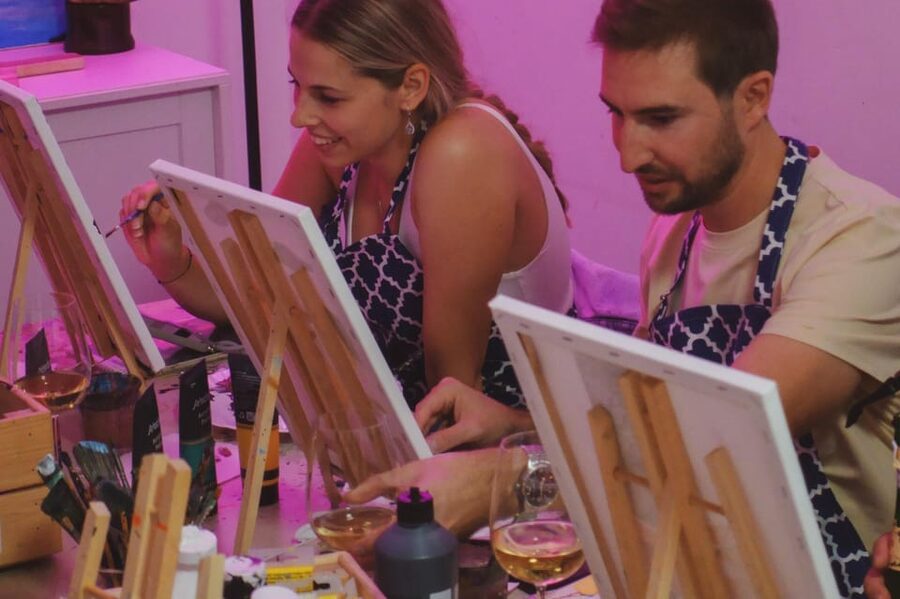
Roman-style pizza is included, along with the wine. This is a welcome touch because the class takes up much of an evening and food helps turn it into a complete outing.
The available information does not promise a broad meal or several courses. Some feedback suggests that the food can feel more like light bites than a substantial dinner, with crisps mentioned as an example of the snack selection. One person specifically wished for more food variety, while another found the food and wine very good.
My advice is simple: treat the pizza as part of the experience, not as a replacement for a full dinner. Have a proper meal before class if you are hungry, then enjoy the pizza and snacks while you paint. That way, you can focus on the canvas instead of wondering when dinner is coming.
Food can also help with the social side. Sharing a snack while working gives you an easy opening line with people you have just met. The group format suits solo visitors particularly well because the class creates conversation without requiring you to force it.
The instructors make or break the evening
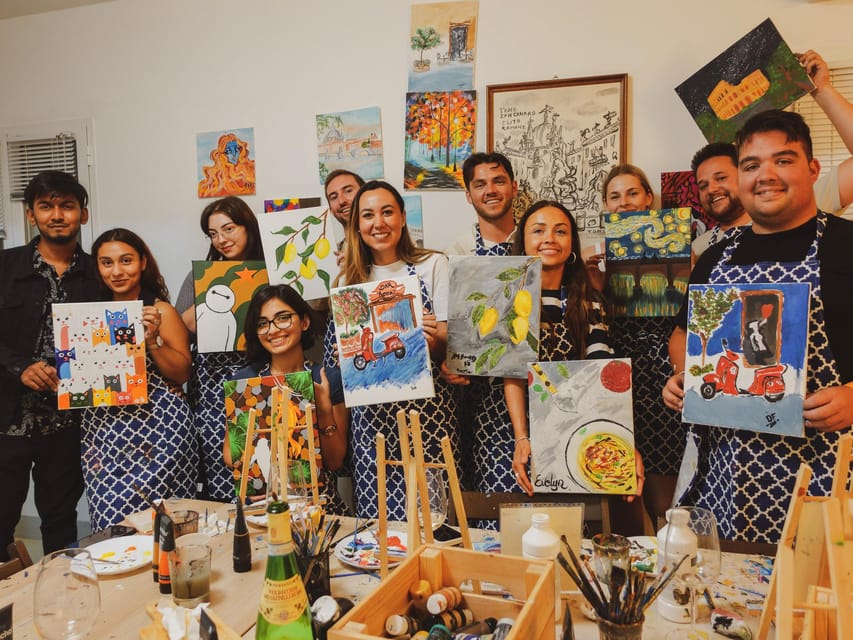
The art supplies are straightforward: canvas, paints, and brushes are provided. The more important resource is the person leading the class. A good instructor needs to explain basic techniques, keep the pace moving, offer help without taking over, and make beginners feel comfortable.
The strongest pattern in the feedback is praise for the hosts. Giovanna is repeatedly described as helpful, welcoming, and fun. Maham is singled out for her warm manner and ability to create a good atmosphere. Smit is praised for painting experience and practical help, while Benjamin is remembered for keeping the wine flowing and making the group feel at ease.
Kulsoom is associated with useful technique tips and an ability to break the ice quickly. Adais is described as energetic, and other instructors receive similar praise for creating a relaxed class. Since the assigned instructor can vary, consider these names examples of the teaching style rather than a promise of who you will meet.
The language of instruction is English. That keeps the class accessible to international visitors, and the social format gives you plenty of chances to ask questions as you work. The guidance is hands-on enough for a first-time painter, but you still have room to make the work your own.
Why the take-home canvas matters
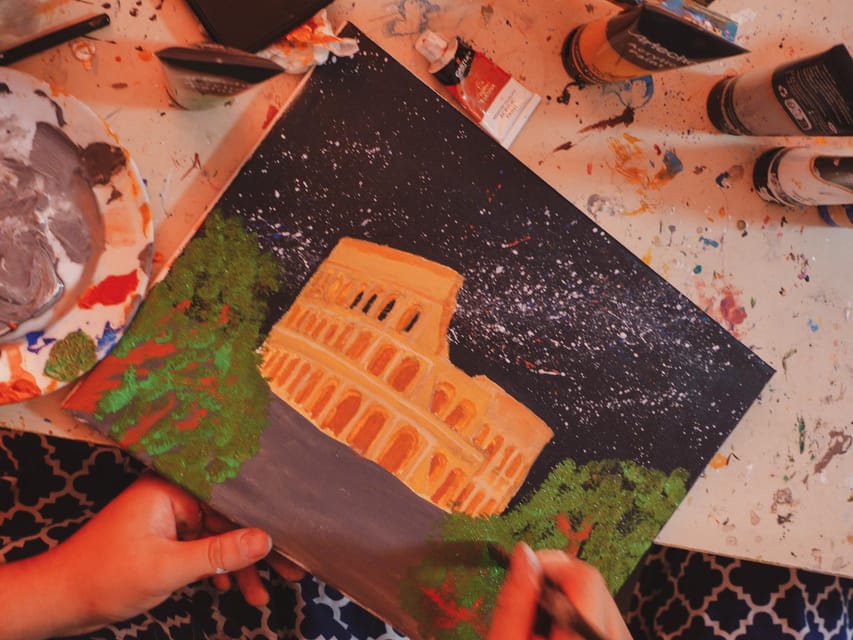
Rome offers no shortage of souvenirs, from small trinkets to expensive art prints. A painting you create yourself has a different value. It may not be perfect, but it carries the memory of the evening, the people you met, and the landmark you tried to capture.
The canvas is also easy to understand as a travel keepsake. A photograph records what you saw. Your painting records how you interpreted it. That makes it especially appealing if you are tired of buying objects that have no clear connection to your trip.
Bring realistic expectations. Your result will reflect your experience level, the time available, and the amount of wine you drink. The class encourages personal expression, so two people painting the same Roman subject may finish with very different results.
If you are traveling with a partner or friend, the paintings can become a shared memory without needing to look alike. If you are visiting alone, the finished canvas gives you something tangible to bring home from an evening spent meeting new people.
Who will get the most from this experience
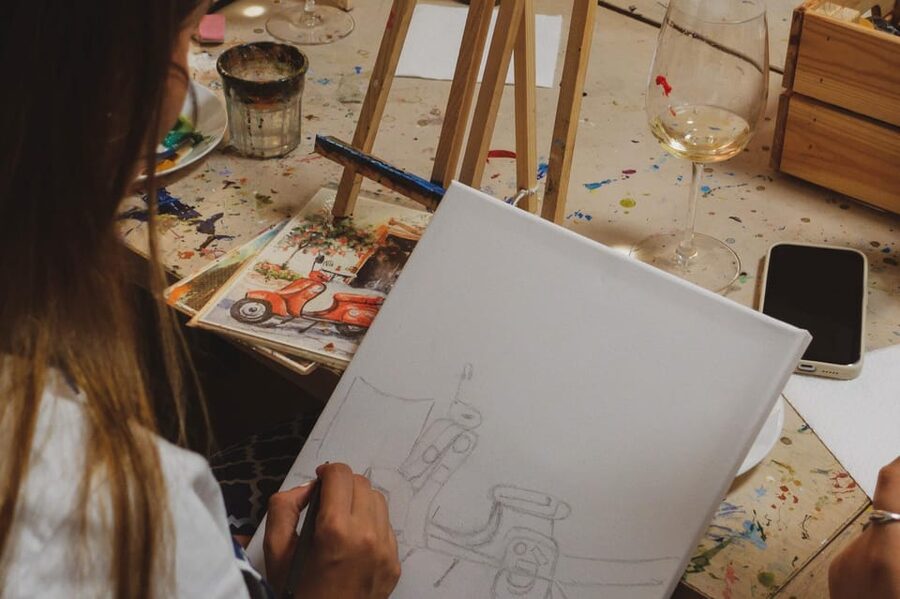
This class is a good match for:
- First-time painters: You receive supplies and step-by-step guidance.
- Couples: It offers a more interactive evening than simply sitting through dinner.
- Solo visitors: A small group and ice-breaking host make conversation easier.
- Friends looking for something different: The wine, music, and painting create a light evening out.
- Experienced artists: You can use the Roman subject as a base and add your own style.
- Older teens and non-drinkers: Nonalcoholic beverages are available, though the event remains wine-focused.
It may not suit you if you want a quiet, highly technical studio lesson, a full meal, or a serious wine education. The class is social first and instructional second. You are there to make art, but also to laugh, talk, and spend time in a historic setting.
Is $70 a fair price?
At $70 per person, the cost includes the studio, canvas, paints, brushes, instruction, unlimited Italian wine, Roman-style pizza, and a finished work to take home. That is a solid package for a three-hour evening activity, especially in Rome, where a meal and a separate attraction can quickly cost as much.
The value depends on what you want from the night. If you would normally pay for a painting class, drinks, and food separately, the combined price is reasonable. If you do not drink and mainly want formal art instruction, the value is less obvious because wine is one of the major inclusions.
The historic studio and small group also matter. You are not simply buying art materials. You are paying for a hosted evening with an instructor who helps you through the process and keeps the room sociable.
Free cancellation is available up to 24 hours before the start time, and you can reserve now and pay later. These options help if your Rome schedule is still shifting, but you should still arrive five minutes early once you commit to the session.
My practical advice before you book
Wear something you do not mind getting paint on, even though no clothing policy is provided. Keep your phone available for the meeting details, and do not plan a tightly timed activity immediately afterward. The class is scheduled for three hours, and social sessions can feel longer or shorter depending on the group.
Eat enough beforehand if you expect a full dinner. Take the wine slowly, particularly if you are not used to drinking while concentrating on a task. If you are under 18 or do not drink, confirm that the nonalcoholic options suit you, since the event’s identity is built around wine.
Most of all, do not judge your painting too early. Early sketches often look rough. The instructor’s job is to help you build the image layer by layer, and the relaxed setting works best when you accept a few crooked lines.
Should you book Tipsy Painting in Rome?
Book this if you want an easygoing evening with art, wine, pizza, and conversation, rather than another formal sightseeing stop. The 17th-century palazzo, small group, helpful instructors, and take-home canvas give the activity a clear sense of place and purpose.
Skip it if your priority is a full dinner, a serious painting curriculum, or a quiet night without alcohol. For most visitors who want a playful break from churches, ruins, and crowded piazzas, $70 buys a memorable Rome souvenir and three hours of guided creative time.
FAQ
How long does the Tipsy Painting class last?
The activity lasts three hours. The painting portion is described as about two and a half hours, with time also allowed for settling in, food, drinks, and conversation.
How much does the experience cost?
The listed price is $70 per person.
Where does the class take place?
The class takes place in a local studio inside a 17th-century palazzo in Rome, in the Lazio region.
What is included in the price?
The price includes studio access, a canvas, paints, brushes, unlimited Italian red or white wine, Roman-style pizza, and guidance from a local art instructor.
Is food included?
Yes. Roman-style pizza is included, along with the wine. The information describes the food as pizza and snacks rather than a full multi-course dinner.
Is the wine really unlimited?
Yes. Unlimited Italian wine is included during the class, with red and white options available.
Are nonalcoholic drinks available?
Yes. Nonalcoholic beverages are provided for participants under 18 and for people who do not drink alcohol.
Is the class taught in English?
Yes. The instructor language is English.
How many people are in each group?
The group is limited to 10 participants.
Can I cancel for a refund?
You can cancel up to 24 hours before the activity for a full refund. You can also reserve now and pay later.
Just added around Rome
- Rome: Trastevere Wine Tasting with Food Pairing and Gelato★ 4.9 · 168 reviews
- Rome: Trionfale and Prati Food and Wine Tasting Tour★ 4.8 · 115 reviews
- Rome: Private Tuk Tuk Tour with Hotel Pickup and Prosecco★ 4.9 · 68 reviews
- Rome: Trastevere Food and Wine Tasting Tour★ 4.9 · 54 reviews
- Rome: Pizza & Gelato Making Class with Wine & Limoncello★ 4.7 · 499 reviews
- Rome: Pizza Making Cooking Class With Spritz Cocktails★ 4.9 · 61 reviews
- Rome: Italian Food and Wine Guided Tasting Experience★ 4.8 · 92 reviews
- Rome: Nightlife Tour & Guided Bar Crawl with Games & Karaoke★ 4.9 · 75 reviews
Drinks Tours, compared.

Unlimited Prosecco, Beer and Aperol Spritz Cruise
Read our review →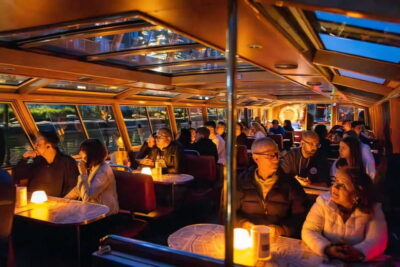
Evening Cruise with Optional Wine and Snacks
Read our review →
Douro Valley w/ Boat Tour, Wine Tasting & Lunch
Read our review →
Chichen Itza, Cenote & Valladolid Tour with Tequila and Lunch
Read our review →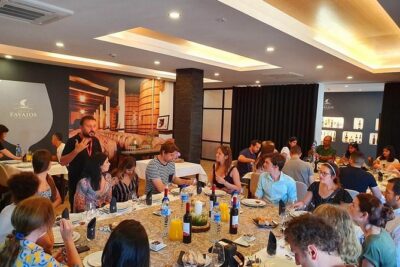
Complete Douro Valley Wine Tour with Lunch, Wine Tastings and River Cruise
Read our review →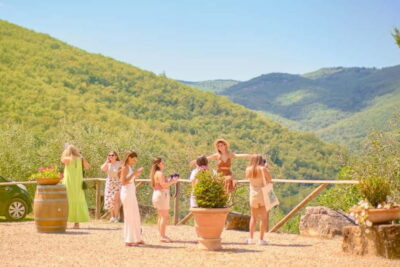
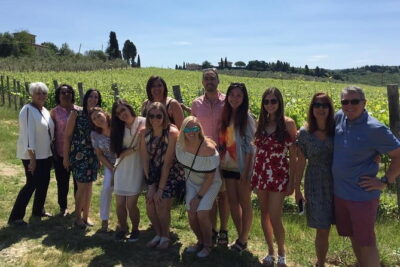
Small-Group Wine Tasting Experience in the Tuscan Countryside
Read our review →
Douro Valley with Winery Lunch, Tastings & Cruise
Read our review →Browse the lists this tour appears in