
Review · ROME
Fettuccine & Tiramisù: Cooking Class with Wine & Limoncello
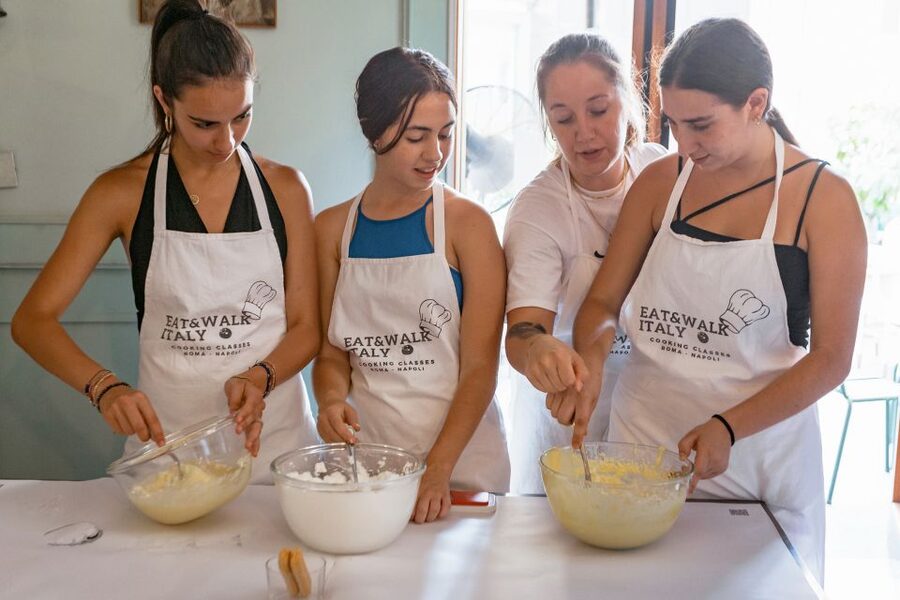
The best part of this three-hour class is that you do not simply watch a chef make pasta. You work the dough, shape the fettuccine, prepare tiramisu, and then eat the results at Gusto Restaurant in central Rome. The class is practical and social, with chefs such as Lori, Tommy, Mimi, Carlotta, and Mattia keeping the pace friendly and clear.
I like the simple menu: fresh pasta and tiramisu are dishes you can repeat at home without a professional kitchen. I also like the choice of sauce, since tomato and basil, amatriciana, and cacio e pepe give you three different Roman directions. The main consideration is pace: some sessions may feel rushed, and the sauces are not always demonstrated in detail.
Key points to know before booking
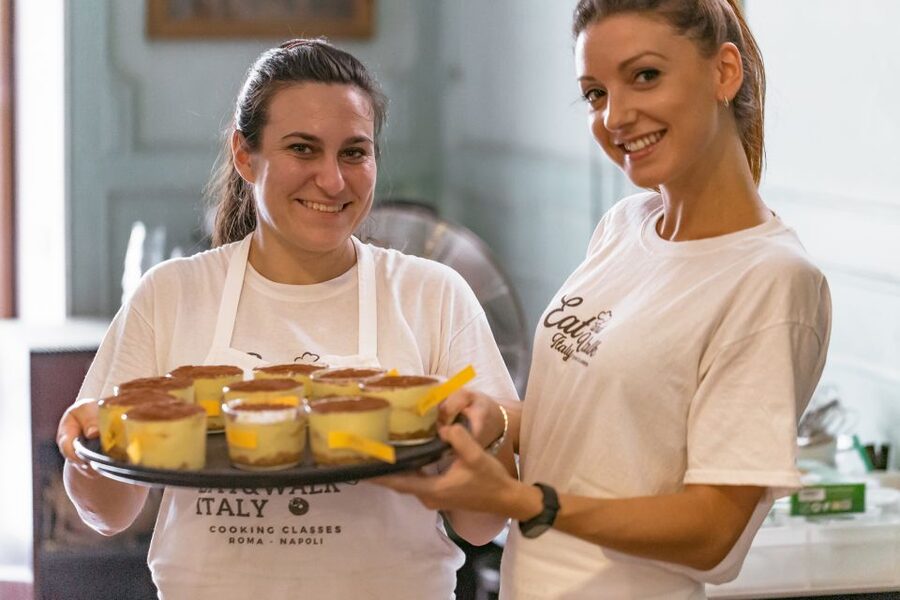
- You make two Italian classics: fresh fettuccine and tiramisu, with step-by-step help from an English-speaking chef.
- Your meal is part of the experience: eat the pasta you prepared with a glass of wine or a non-alcoholic drink.
- You choose the pasta sauce: select tomato and basil, amatriciana, or cacio e pepe.
- The class suits beginners: chefs are used to helping first-time pasta makers and keeping everyone involved.
- The setting is central Rome: meet at Gusto Restaurant, Via Giuseppe Zanardelli 14, and arrive 10 minutes early.
- The social side matters: you share a table, cooking tips, and a meal with people from different countries.
Making pasta instead of just photographing it
Rome offers plenty of opportunities to eat pasta. This class gives you a better souvenir: the ability to make it yourself.
You meet your chef at Gusto Restaurant, a central Roman restaurant with a comfortable setting for a group cooking lesson. The exact chef varies. Lori, Tommy, Mimi, Carlotta, Mattia, Maria, Kiki, Furio, and others have led sessions, and the strongest pattern is a warm, playful teaching style rather than a stiff demonstration.
The class is taught in English. That matters when you are learning dough texture, flour ratios, shaping, and timing. A pasta lesson can quickly become confusing if instructions are vague, but the chefs here are expected to guide you closely from start to finish.
I would arrive with the right attitude: you are here to work with your hands, make a few imperfect shapes, and have dinner afterward. Nobody needs to arrive with cooking experience. Several participants have been first-time pasta makers, and the class is designed so a beginner can keep up.
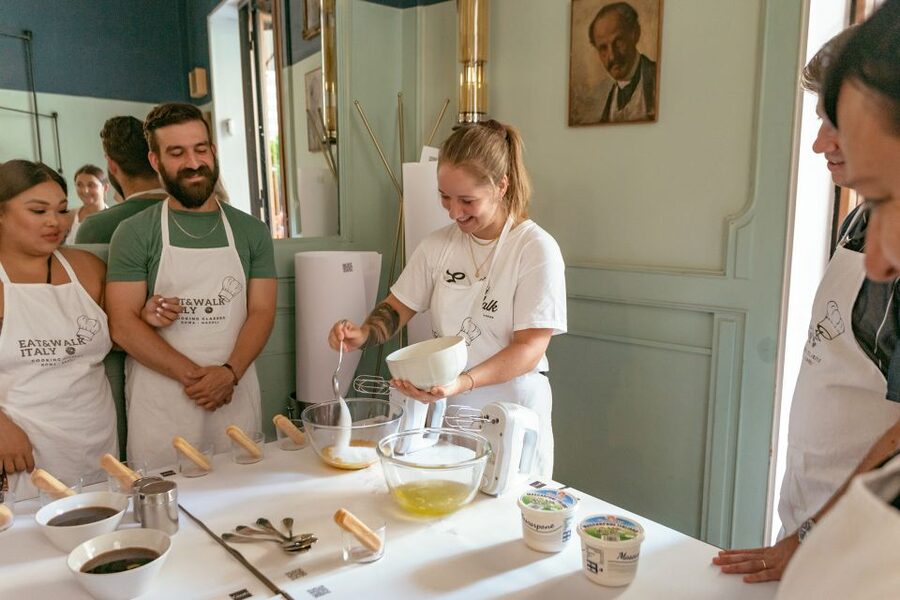
The social format is part of the appeal. You cook alongside other people and then sit down together. That makes this a good choice for solo visitors, couples, families with older children, and anyone who wants an evening away from the usual restaurant table.
More Liqueur Tastings in Rome:
- Rome: Pasta Making Class with Wine, Limoncello, and Dessert
★ 4.9 · 3,177 reviews - Learn to Make Pasta & Tiramisu with Wine and Limoncello Included
★ 5.0 · 2,345 reviews - Rome: Pizza & Gelato Making Class with Wine & Limoncello
★ 4.7 · 499 reviews
Tiramisu comes first for a practical reason
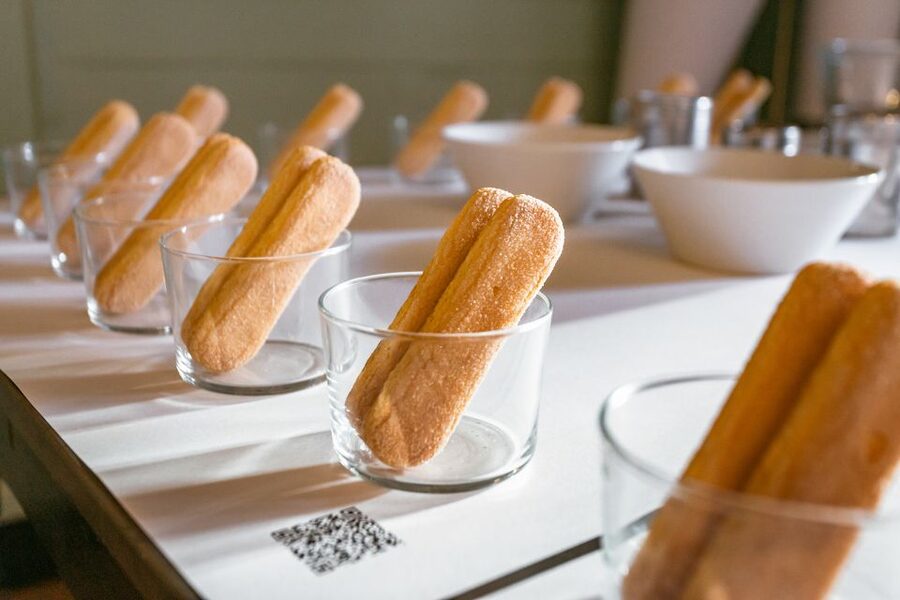
The class begins with tiramisu. That might seem odd when pasta is the headline dish, but there is a good kitchen reason: the dessert needs time to rest in the refrigerator.
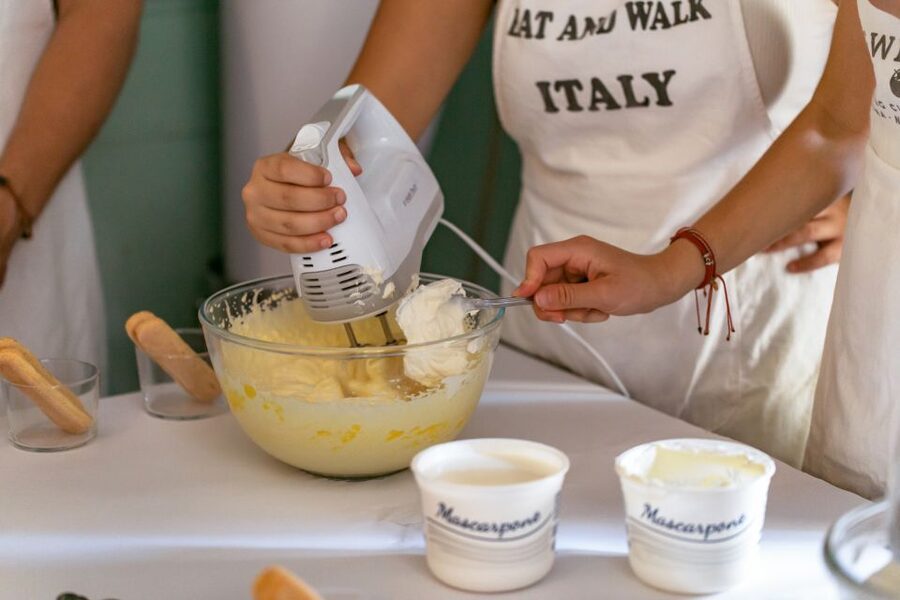
With your chef’s help, you assemble the tiramisu using fresh, simple ingredients. The process is broken into clear steps, so you learn how the layers come together rather than receiving a finished dessert at the end.
This is one of the more useful parts of the class for home cooks. Tiramisu does not require advanced equipment, and the method is easy to remember once you have made it. You also get to see how a few familiar ingredients can become a proper Italian dessert when the texture and proportions are right.
The class then places your tiramisu in the refrigerator while you turn to the pasta. That gives the dessert time to settle and keeps the three-hour schedule moving.
If tiramisu is your main interest, keep in mind that this is not a pastry course. You make one classic dessert as part of a larger pasta lesson. It is hands-on, but the pasta receives at least as much attention.
Rolling, cutting, and shaping fresh fettuccine
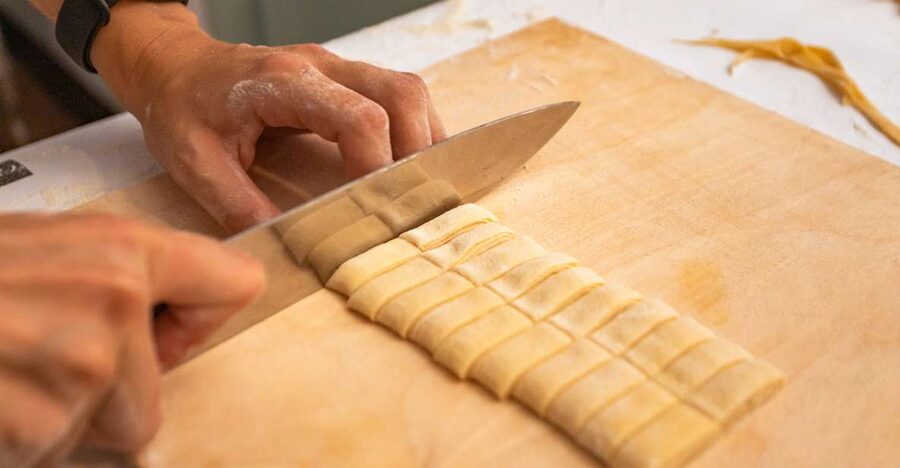
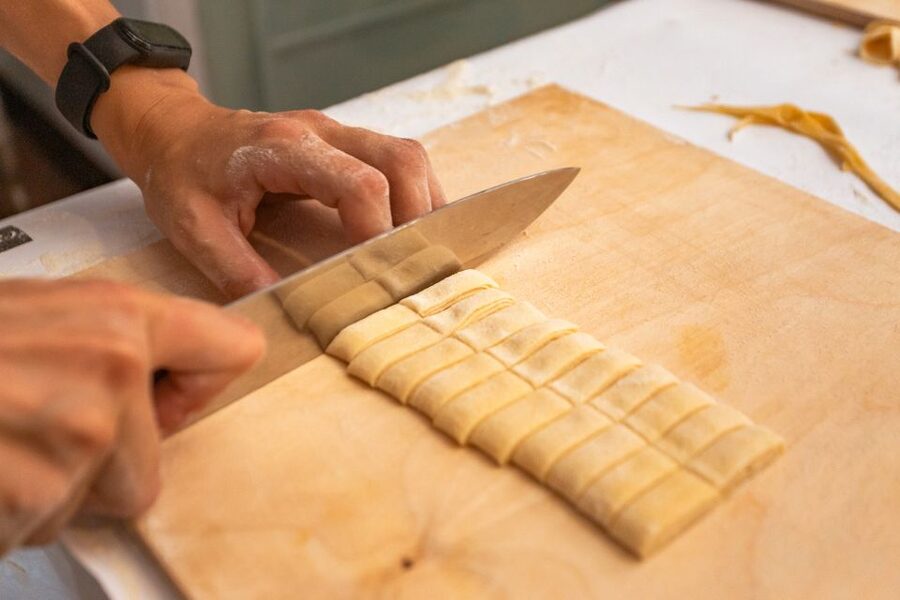
Next comes the pasta dough. The chef takes you through the basic recipe and shows you how to work it into a usable sheet. You then learn how to shape the famous fettuccine, rather than simply watching someone cut it for you.
This is where the class earns its price. A plate of handmade pasta in a restaurant is easy to order, but handling the dough gives you a better feel for the craft. You learn how the dough changes under your hands and how the strands should look before cooking.
The chefs are there to correct technique and keep the table moving. Mimi, for example, has been praised for giving equal attention to people at the table, including children. Lori is known for making instructions easy to follow and encouraging each person as they work. Those details matter more than flashy demonstrations because pasta success comes from small corrections.
The experience may include other pasta shapes during the lesson. Some sessions have included ravioli as well as fettuccine, but the advertised focus is fettuccine, so you should book this for the pasta and tiramisu rather than expecting a full survey of every Italian shape.
The hands-on nature also means the result will not look identical for everyone. That is part of the fun. You will likely leave with a better sense of how to repeat the recipe at home, even if your first strands are not perfectly uniform.
Choosing between three classic sauces
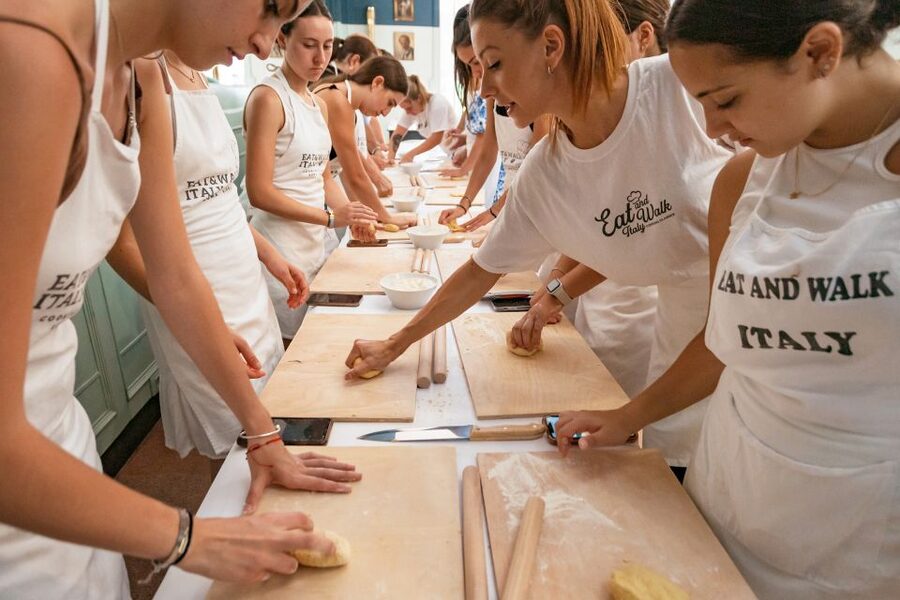
Once the fettuccine is ready, you choose a sauce from three options:
- Tomato and basil
- Amatriciana
- Cacio e pepe
This is a useful choice because the sauces offer different tastes and different levels of technique. Tomato and basil is the straightforward option, with a familiar, fresh profile. Amatriciana brings a stronger Roman identity. Cacio e pepe is simple on paper but depends on getting the cheese and pepper mixture to the right consistency.
Your pasta is cooked and served with the sauce you select. The meal is not an extra course added to the experience. It is the payoff for the work you have just done.
One point to watch is the level of sauce instruction. At least one participant wanted to see more of the sauce preparation, and that is a fair concern. The main lesson is dough, shaping, and tiramisu. The sauces are included so you can eat the pasta, but you may not receive a full technical lesson in each one.
If you want to take the most useful home lesson from the class, pay close attention to the pasta dough and ask questions about the sauce while there is time. The chefs are available to help, but the session moves through several tasks in three hours.
More Cooking Classes in Rome:
- Rome Cooking Class: Make Pasta and 3 Spritz Cocktails
★ 5.0 · 2,937 reviews - Pasta Cooking Class Near the Colosseum with 3 Spritz Cocktails
★ 5.0 · 1,686 reviews - Rome Tipsy Cooking Class: Make Pasta and Mix 3 Spritz Cocktails
★ 5.0 · 1,357 reviews - Pasta Making & Wine Tasting with Dinner in Frascati from Rome
★ 5.0 · 1,326 reviews
Eating your own work in a Roman restaurant
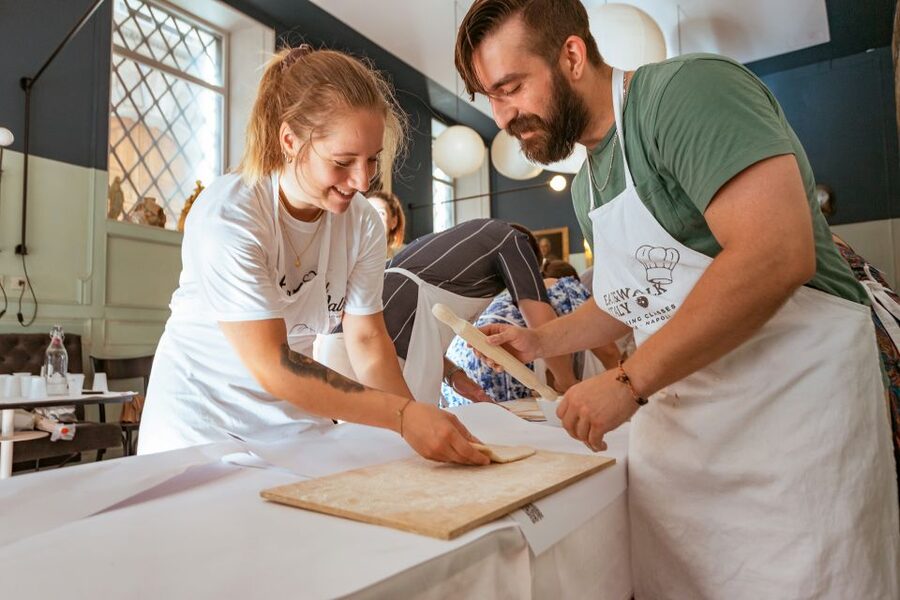
After the cooking, you sit down and eat the fettuccine and tiramisu you prepared. You receive a glass of Italian wine or a non-alcoholic drink, plus either limoncello or coffee. Water is included.
This meal changes the mood of the class. Instead of packing up and leaving with a recipe sheet, you get to enjoy the food while talking with the people at your table. The atmosphere is part restaurant, part shared kitchen, and that combination makes the experience feel more personal than a standard food demonstration.
The food is also a useful test of what you learned. If the pasta tastes good, you have a clear sense of what the method can produce. Several participants have particularly praised the homemade pasta and tiramisu, with some calling the meal one of the best they had during their time in Rome.
The wine pairing is modest but welcome. You are not booking a wine tasting, and the focus remains on cooking. Still, a glass with your pasta makes the final meal feel complete. Limoncello or coffee gives you a traditional finish without adding another complicated activity.
How the three-hour schedule feels
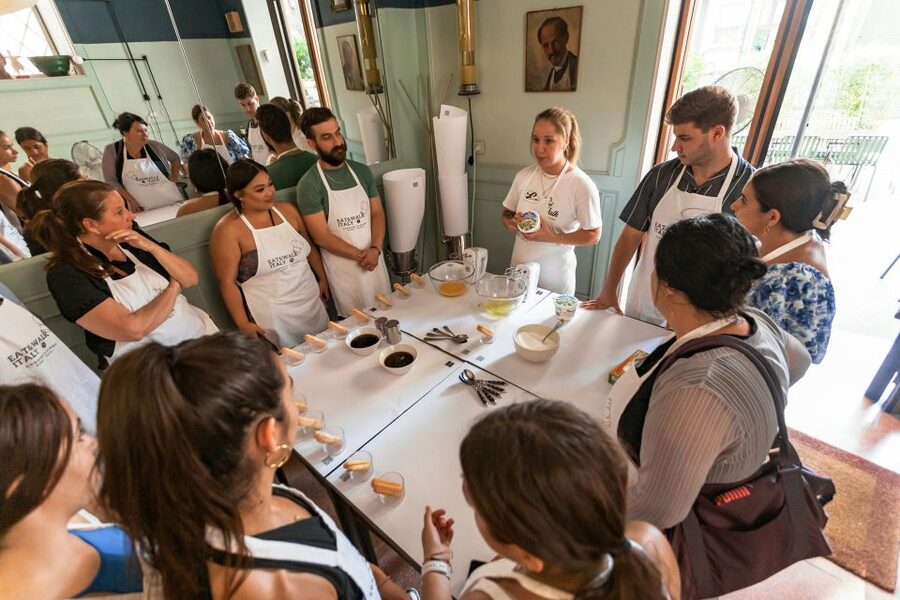
Three hours is enough time to cover both dishes without turning the class into a full-day commitment. You have time to prepare tiramisu, let it rest, make pasta, eat, and talk with the group.
The schedule can feel quick when the chef is demonstrating several steps in a row. One session was described as fast-paced, with some elements prepared in advance. That can be useful for staying on time, but it may disappoint you if you want every single ingredient handled from the beginning.
The best way to manage this is to stay engaged. Watch the chef closely, ask about anything that is unclear, and do not wait until the meal to raise a question. You are not expected to know the process already, but you do need to take part.
Arrive 10 minutes before the start at Gusto Restaurant, Via Giuseppe Zanardelli 14. The meeting point is in the heart of Rome, so allow enough time to find the restaurant and settle in. The activity provider is Eat and Walk Italy.
Group atmosphere and teaching style
A cooking class rises or falls on the instructor. Here, the individual chef makes a noticeable difference, although the overall teaching approach is consistent.
Lori has been praised for clear English, patience, and a way of making teenagers want to keep cooking. Tommy is known for humor and an ability to involve the whole table. Mimi brings high energy and gives personal help when someone gets stuck. Carlotta and Mattia have also been praised for keeping the class entertaining while explaining the steps clearly.
That range of teaching styles is worth considering. You may get a lively chef who jokes throughout the session, or a calmer instructor who focuses on technique. In both cases, the activity is meant to be interactive rather than a passive show.
The group setting can be a strength or a weakness. You may meet a couple, a family, or solo participants from several countries and trade cooking tips over the meal. But a loud or overly eager classmate can sometimes interrupt the chef or dominate demonstrations. That is a normal risk with any shared activity, not a flaw unique to this one.
The class has also worked well for families with teenagers. Children under four are not permitted, and the activity is best for older children who can follow instructions and take part at the table.
Is $66 good value in Rome?
At $66 per person, this is not the cheapest way to eat pasta in Rome. It is also not simply a restaurant meal. The price covers three hours of instruction, the cooking activity, fettuccine with your chosen sauce, tiramisu, wine or a non-alcoholic drink, limoncello or coffee, and water.
I consider that fair value if you want an activity as well as dinner. You are paying for the chef’s time, the ingredients, the restaurant setting, and the chance to make the dishes yourself. The recipe knowledge is the part that continues to pay off after you leave Rome.
The value is weaker if you mainly want a quiet meal or a detailed professional cooking course. This is a social group class, not private tuition. You may share the table with people who have different energy levels, and the lesson does not promise an in-depth study of every sauce.
For couples and families, the price also covers an easy shared memory. For solo visitors, it offers a ready-made social setting without requiring you to plan a separate dinner afterward.
Who should book this class?
I would recommend it most strongly to:
- First-time pasta makers
- Couples who want an activity beyond sightseeing
- Families with teenagers
- Solo visitors who enjoy shared meals
- Food lovers who want recipes they can repeat at home
- Anyone who likes learning by doing
You should think twice if you dislike group activities, want a private chef, or expect a long lesson on Roman sauces. You also need to be comfortable with a class that may move quickly and may include some prepared elements.
The central location makes it easy to add to a Rome sightseeing day, but the class itself lasts three hours. Do not book it between two tightly timed attractions. Arrive early, enjoy the process, and leave room for the meal at the end.
Booking, cancellation, and final advice
The class costs $66 per person and offers free cancellation up to 24 hours before the start time for a full refund. You can also reserve now and pay later, which helps if you are still arranging your Rome schedule.
You should book this class if you want to make two familiar Italian dishes with direct help, then sit down and eat them in a restaurant setting. The strongest reasons to go are the beginner-friendly instruction, the chance to make the actual pasta you eat, the choice of three sauces, and the warm teaching style associated with chefs such as Lori, Tommy, Mimi, and Carlotta.
Skip it if you are seeking a quiet, private meal or a highly technical course focused on sauce preparation. For most visitors, though, the combination of work, food, and conversation gives the $66 price a solid return. You leave with a full meal, a recipe memory, and a skill you can try again in your own kitchen.
FAQ
Where does the cooking class take place?
Meet your chef at Gusto Restaurant, Via Giuseppe Zanardelli 14, in the heart of Rome.
How long does the activity last?
The cooking class lasts three hours. Check the available start times when booking.
What language is the class taught in?
The instructor teaches in English.
What will I learn to make?
You will make fresh fettuccine and tiramisu with guidance from the chef.
Which pasta sauces can I choose?
You can choose tomato and basil, amatriciana, or cacio e pepe for your fettuccine.
What drinks are included?
You receive a glass of wine or a non-alcoholic drink, plus a glass of limoncello or coffee. Water is also included.
Are young children allowed to join?
Children under four years old are not allowed to take part.
Can I cancel for a full refund?
Yes. You can cancel up to 24 hours in advance for a full refund. You can also reserve your place and pay later.
More Workshops in Rome
- Rome: Fresh Pasta-Making Class with Wine and Gelato
★ 4.9 · 813 reviews - Rome: Rooftop Cooking Class with Wine Tasting near Vatican
★ 5.0 · 184 reviews - Rome: Tipsy Painting Class with Fine Wine and Arts
★ 4.9 · 178 reviews - Rome: Pasta Cooking Class with Spritz Cocktails
★ 4.9 · 158 reviews
Just added around Rome
- Rome: Trastevere Wine Tasting with Food Pairing and Gelato★ 4.9 · 168 reviews
- Rome: Trionfale and Prati Food and Wine Tasting Tour★ 4.8 · 115 reviews
- Rome: Trastevere Food and Wine Tasting Tour★ 4.9 · 54 reviews
- Rome: Tipsy Painting Class with Fine Wine and Arts★ 4.9 · 178 reviews
- Rome: Private Tuk Tuk Tour with Hotel Pickup and Prosecco★ 4.9 · 68 reviews
- Rome: Pizza & Gelato Making Class with Wine & Limoncello★ 4.7 · 499 reviews
- Rome: Pizza Making Cooking Class With Spritz Cocktails★ 4.9 · 61 reviews
- Rome: Nightlife Tour & Guided Bar Crawl with Games & Karaoke★ 4.9 · 75 reviews
Limoncello & Liqueur Tastings, compared.
Pasta Making Class with Wine, Limoncello, and Dessert
Read our review →
Sorrento Farm and Food Experience including Olive Oil, Limoncello, Wine tasting
Read our review →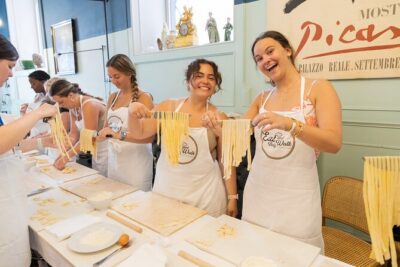
Learn to Make Pasta & Tiramisu with Wine and Limoncello Included
Read our review →
Coast and Capri Boat Trip with Limoncello Tasting
Read our review →
Pizza Lesson, Wine, and Limoncello at a Local Farm
Read our review →
Small Group Capri Island Boat Ride with Swimming and Limoncello
Read our review →
Pizza School with Wine and Limoncello Tasting in a Local Farm
Read our review →
Walking Food Tour in Sorrento w/ Limoncello Factory Lemon Grove
Read our review →Browse the lists this tour appears in