

Review · ARGENTINA
Premium Argentinian Wines and Malbec Tasting Experience
Argentina’s wine story comes into focus quickly at this Palermo Soho tasting, where three glasses introduce you to Torrontés, Pinot Noir, and Malbec. The host explains how Mendoza, Salta, and Patagonia produce wines with different flavors, so you get more than a pleasant drink and a plate of snacks.
I like the clear regional comparison and the chance to taste Argentina’s famous Malbec alongside less obvious choices. I also like the food pairing, with cheese, salami, or other local snacks giving the wine lesson a practical side. The main drawback is the meeting-point confusion: the information gives both Gorriti 4882 and Gorriti 4886, so check the final confirmation before setting out.
Key points
- Three core Argentine wines: Taste Torrontés, Pinot Noir, and Malbec during the session.
- A useful regional map: Compare Mendoza, Salta, and Patagonia through grape style and flavor.
- Food with the lesson: Pair the wine with cheeses, salami, and a typical Argentine appetizer.
- Strong hosts: Guides including Lourdes, Tomas, Faku, Myrian, and Pamela have led sessions in English, Spanish, or Portuguese.
- Central Palermo setting: Meet at Gorriti Street in Palermo Soho, with no hotel transport included.
- Best for adults: The tasting is not suitable for children under 18 or wheelchair users.
Three glasses that explain Argentine wine
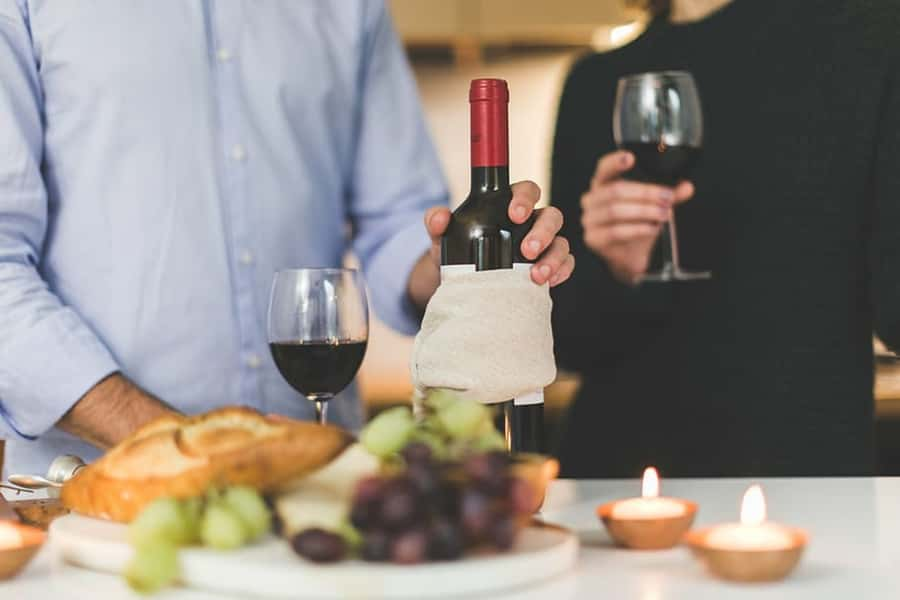
This experience works because it keeps the tasting focused. Instead of rushing through a long list of bottles, you taste three named varieties: Torrontés, Pinot Noir, and Malbec. That gives you a simple route through Argentina’s wine culture without requiring previous wine knowledge.
Malbec gets the headline, and rightly so. Argentina has made this grape its international calling card. Still, the session does not treat Malbec as the whole story. Torrontés brings attention to a local white variety, while Pinot Noir shows how a grape associated with cooler conditions can fit into Argentina’s wine picture.
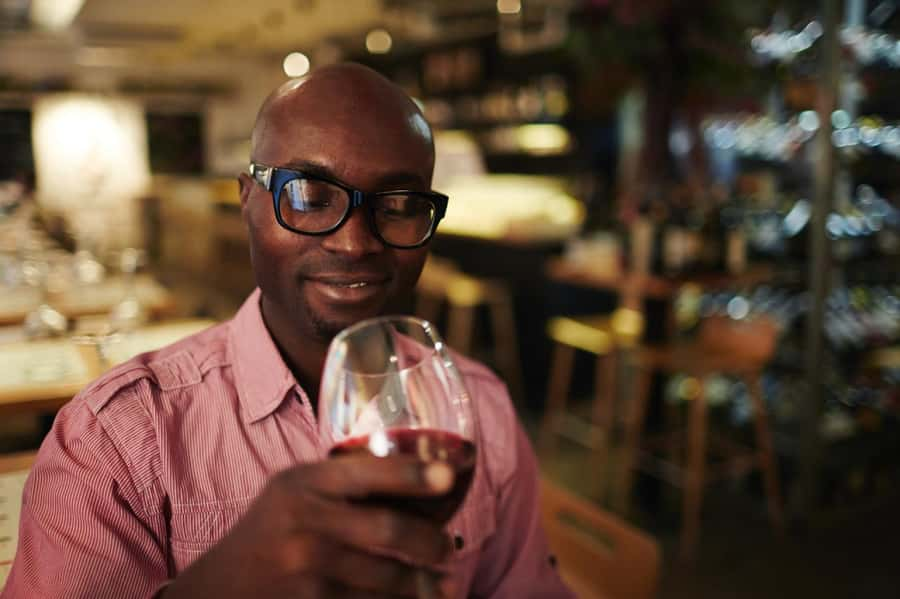
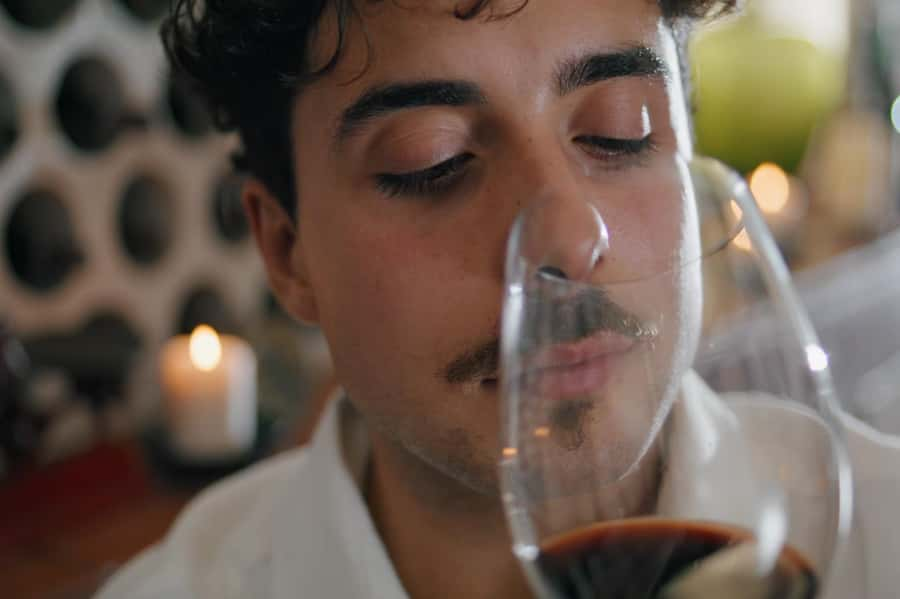
Your host discusses the appearance, aroma, and taste of each wine, then explains how food changes the experience. This is useful if you want to order wine confidently during the rest of your time in Buenos Aires. You are not simply told which bottle is good. You are given a way to notice what is in the glass.
The tasting also covers vintages, vineyard locations, grape varieties, and production methods. That level of detail gives the 90 minutes some substance, especially for anyone who has already visited a winery or taken a basic wine class.
A few more tastings around Argentina worth a look
- From Mendoza: 3 Wineries, Olive Oil Factory Tour & Tasting
★ 4.6 · 901 reviews - Mendoza: Half-Day Wine Tour with Tastings
★ 4.3 · 727 reviews - From Salta: Full-Day Tour to Cafayate with Wine Tasting
★ 4.5 · 478 reviews
What Mendoza, Salta, and Patagonia add to the lesson
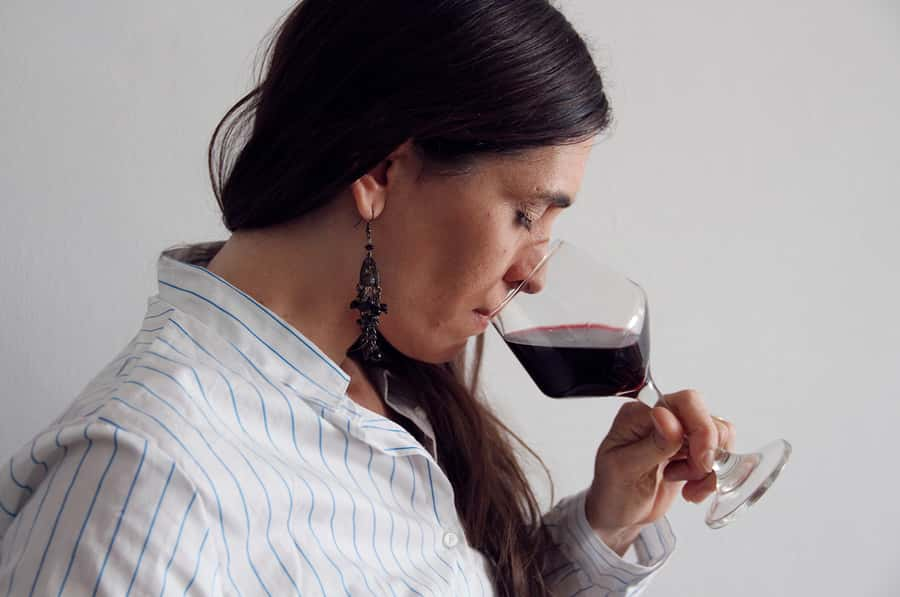
The most useful part of the presentation is the comparison between Argentina’s main wine regions. Mendoza, Salta, and Patagonia are not presented as interchangeable sources of wine. Your host explains how location affects flavor and character, helping you connect a bottle to its place of origin.
Mendoza is the country’s best-known wine region and the name most visitors will encounter when shopping for Argentine bottles. Salta adds a different regional identity, while Patagonia brings another point of comparison. The session focuses on these differences rather than asking you to memorize technical terms.
Some hosts use visual material to make the subject easier to follow. Faku, for example, has used old maps while explaining the development of winemaking in Argentina. That kind of detail can turn a short tasting into a wider lesson about how vineyards spread and how regional wine production developed.
You should expect a friendly class rather than a formal lecture. The hosts answer questions and discuss the wines in plain language. Several named hosts, including Lourdes, Tomas, Faku, Myrian, and Pamela, have received especially warm praise for their explanations and personal approach. The actual host can vary, so do not book expecting one specific person unless the operator confirms it.
Torrontés, Pinot Noir, and Malbec in sequence
The order of the tasting gives you three different ways to think about Argentine wine. Torrontés is the local white grape in the lineup. It helps prevent the tasting from becoming a parade of similar red wines and gives you a sense of the country’s wider range.
Pinot Noir offers another point of contrast. It is a familiar international variety, but its expression can change with growing conditions. Tasting it beside Torrontés and Malbec helps you focus on body, aroma, and finish rather than relying only on grape names.
Malbec is the central reference point. Your host explains why it became so strongly linked with Argentina and how examples from different areas can show different traits. If you already drink Malbec at home, this is the glass that may give you a better basis for comparing future bottles.
The wines are selected for teaching as well as drinking. That matters at this price. A tasting of random house pours would be easy to forget, but a flight built around regions and grape types gives you a practical framework to keep using.
Cheese, salami, and the Argentine table

Food is an important part of this activity, not a decorative extra. You receive an appetizer and small pairings such as cheese and salami, with the exact selection potentially changing. The food gives you something to eat during the tasting and shows how wine fits into an Argentine social meal.
Your host explains which foods work with each glass. You can taste the wine on its own, then try it with the pairing and notice how the impression changes. That is a useful lesson for anyone who finds wine descriptions too abstract.
The food also makes the session easier for people who do not want a purely technical class. You can ask about Argentine ingredients, local eating habits, and what to order later in Buenos Aires. The setting has been described as bright, high-ceilinged, and comfortable, while an earlier session took place in a cellar-style venue. The room may vary, so treat the atmosphere as part of the host’s venue rather than a fixed feature.
If you have dietary needs, tell the provider before booking and repeat them at the start. Myrian has accommodated a particularly complicated combination of dietary restrictions in the past, but that does not guarantee every request can be met every time. The supplied information does not promise a fixed allergy menu.
Same town, a different glass:
- From Salta: Cafayate Day Trip with Wine Tasting
★ 4.4 · 226 reviews - Buenos Aires: Wine Tasting and Lunch at Bodega Gamboa
★ 4.8 · 177 reviews - Mendoza: Full Day Wine Tour with 3 Course Lunch
★ 4.3 · 153 reviews - Mendoza Hop-On Hop-Off Wine Tour
★ 4.0 · 130 reviews
Meeting in Palermo Soho
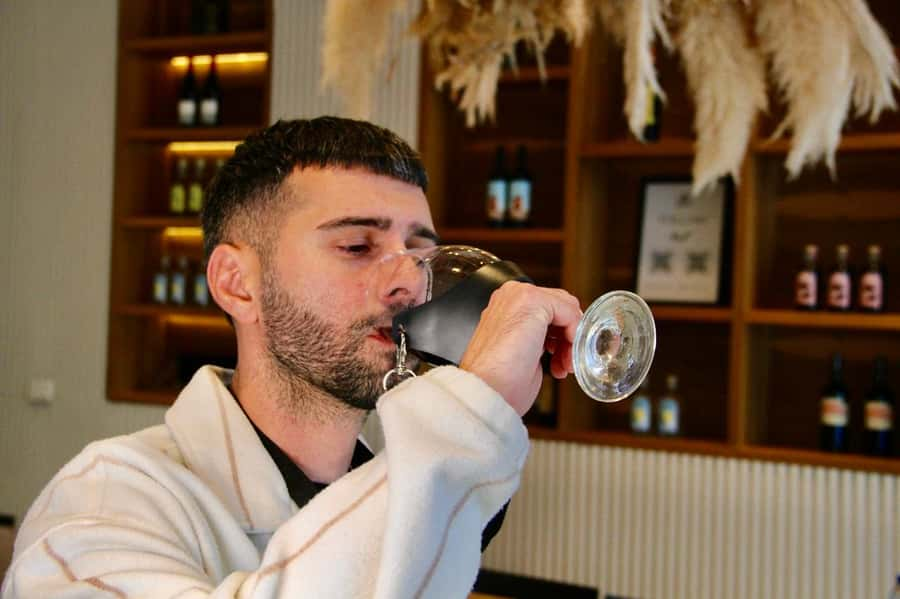
The tasting takes place in Palermo Soho, a practical area for an evening activity. The meeting address is listed as Gorriti 4882, while the important information also gives Gorriti 4886. These numbers are close, but you should still check the confirmation details so you do not arrive at the wrong doorway.
There is no hotel pickup or drop-off. You need to make your own way to Gorriti Street. One previous booking specifically advised taking an Uber, which is useful if you are unfamiliar with Buenos Aires or are arriving after dark. Public transport details are not provided, so do not assume a particular route from the available information.
Palermo Soho gives you options before or after the tasting. The activity itself lasts about 90 minutes, and the surrounding neighborhood has plenty of places to eat and browse. The itinerary also labels the visit as a two-hour activity, so allow a little extra time rather than planning a tight connection afterward. The advertised duration is 90 minutes, but the longer itinerary label is worth confirming when you book.
A relaxed class, not a winery visit
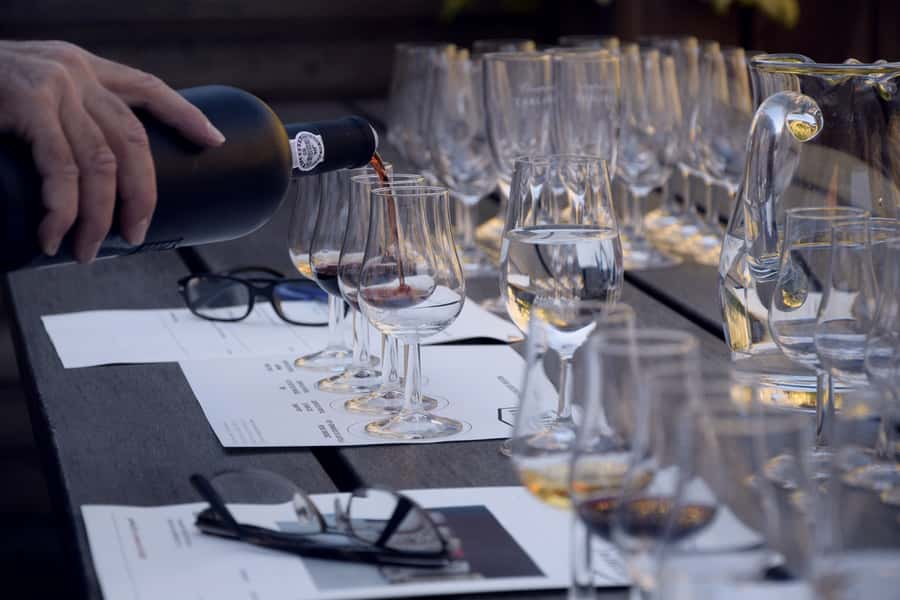
This is an urban tasting, not a trip to a vineyard. You will not be driven out to Mendoza, Salta, or Patagonia. Instead, the regional story comes to you through the host, the maps, the bottles, and the food.
That makes the experience efficient for a Buenos Aires visit. You can learn about Argentina’s wine-producing areas without giving up a full day to transport. The tradeoff is that you will not see vines, cellars, harvest work, or a working winery. If your main goal is to walk through vineyards, this is not the right format.
The guides make a major difference. Lourdes has been praised for explaining appearance, aroma, taste, and food pairing. Tomas has focused on regional wine production and the development of the wine industry. Faku has used antique maps and also helped with wider Buenos Aires suggestions. Pamela has been described as passionate about Argentine wine, while Myrian has paid close attention to personal needs.
Those details suggest a session that can adjust to the group. You can ask basic questions without feeling out of place, or spend more time on production and regional differences if you already know the basics. The language options are English, Spanish, and Portuguese.
Is $50 a fair price?
At $50 per person, the value depends on what you want from a tasting. You receive three wines, food pairings, a guided lesson, and a central Palermo location. Compared with simply ordering three glasses at a bar, the price includes the explanation and the chance to compare the wines in a planned sequence.
The value is strongest if you are curious about Argentine wine but do not have time for a winery excursion. You get a compact introduction to three grapes and three important regions, plus advice on pairing and ordering.
The price is less compelling if you mainly want a large amount of wine or a full meal. This is a tasting with an appetizer, not a dinner. The exact pour sizes are not specified, though one host has been praised for generous pours. I would treat that as a possible bonus, not something to count on when comparing prices.
The included professional host and food and drinks make the cost easier to justify. The lack of transport is normal for a central city tasting, but remember to add your own ride to the total.
Who will get the most from this tasting?
I would recommend it to adults who want a clear introduction to Argentine wine without committing a whole day. It suits first-time visitors, couples, small groups, and anyone who enjoys food as much as the drink itself.
It also works well for people who already know wine. The session may not replace an advanced sommelier class, but the comparison between Mendoza, Salta, and Patagonia gives experienced drinkers a useful local angle. The named grape flight keeps the class focused and easy to follow.
It is not suitable for children under 18. It is also not suitable for wheelchair users, according to the supplied activity information. The venue and access details are not described in enough depth for anyone who needs step-free entry or specific seating arrangements.
Because the experience continues in rain or storms, weather should not affect the tasting itself. It can affect your journey to Gorriti Street, so allow extra time in poor conditions.
Booking advice before you go
Confirm the meeting address, since both Gorriti 4882 and Gorriti 4886 appear in the details. Check the start time as well, because the main duration is 90 minutes while the itinerary description refers to two hours.
Use the language filter that suits you, with English, Spanish, and Portuguese available. If you have food allergies, celiac disease, lactose intolerance, or other restrictions, contact the provider ahead of time rather than waiting until the first pour.
The booking terms are flexible: you can reserve and pay later, and cancellation is free up to 24 hours before the activity for a full refund. That helps if your Buenos Aires plans are still moving around.
Should you book this Palermo wine tasting?
Book it if you want a compact, guided introduction to Argentine wine with three distinct grapes, regional context, and food pairings. The hosts are the strongest part of the experience, and names such as Lourdes, Tomas, Faku, Myrian, and Pamela are linked with clear explanations and warm conversation.
Skip it if you want a vineyard visit, a full dinner, or a large-scale tasting with many bottles. For $50, the experience offers education and comparison rather than quantity. For most adults spending a few days in Buenos Aires, it is a sensible way to understand what to order next, especially if you plan to keep exploring Palermo after the glasses are empty.
FAQ
Where does the wine tasting take place?
It takes place at Gorriti Street in Palermo Soho, Buenos Aires. The meeting details list Gorriti 4882 and, elsewhere, Gorriti 4886, so check your confirmation for the correct entrance.
How long does the experience last?
The advertised duration is 90 minutes. Another part of the activity information describes the Palermo visit as two hours, so allow extra time and confirm the schedule when booking.
Which wines will I taste?
The tasting includes Torrontés, Pinot Noir, and Malbec.
Which languages are available?
The live guide can conduct the experience in English, Spanish, or Portuguese.
Is food included?
Yes. Food and drinks are included, with an appetizer and pairings such as cheeses and salami provided during the tasting.
Is hotel pickup included?
No. You must make your own way to the meeting point in Palermo Soho.
Can children or wheelchair users join?
The activity is not suitable for children under 18 or wheelchair users.
Just added around Argentina
- Sailing with Wine Tasting in Buenos Aires★ 5.0 · 50 reviews
- Cocktail tour in Buenos Aires★ 5.0 · 44 reviews
- Mendoza: Premium Wine Tasting★ 4.4 · 48 reviews
- Mendoza: Top Wineries Guided Tour with Transportation★ 4.8 · 99 reviews
- Mendoza: Winebike Tasting Tour with Optional Lunch★ 4.1 · 73 reviews
- Mendoza: Wine Tasting Tour with Lunch and Private Transport★ 4.6 · 48 reviews
- Buenos Aires: Wine Tasting and Lunch at Bodega Gamboa★ 4.8 · 177 reviews
- Mendoza: Full Day Wine Tour with 3 Course Lunch★ 4.3 · 153 reviews
Drinks Tours, compared.

Unlimited Prosecco, Beer and Aperol Spritz Cruise
Read our review →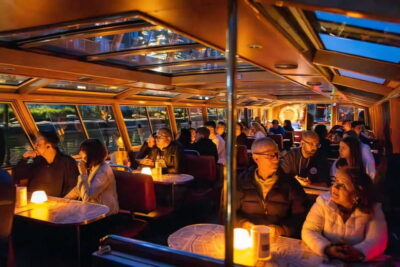
Evening Cruise with Optional Wine and Snacks
Read our review →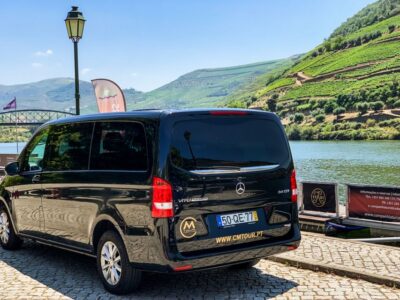
Douro Valley w/ Boat Tour, Wine Tasting & Lunch
Read our review →
Chichen Itza, Cenote & Valladolid Tour with Tequila and Lunch
Read our review →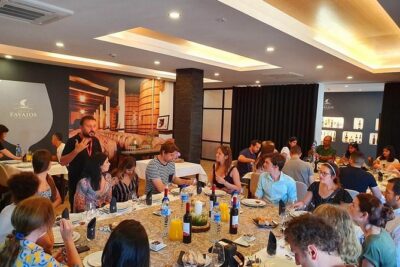
Complete Douro Valley Wine Tour with Lunch, Wine Tastings and River Cruise
Read our review →
Small-Group Wine Tasting Experience in the Tuscan Countryside
Read our review →
Douro Valley with Winery Lunch, Tastings & Cruise
Read our review →Browse the lists this tour appears in