
Review · MENDOZA
From Mendoza: 3 Wineries, Olive Oil Factory Tour & Tasting
Mendoza’s wine country is not just about one grand cellar. This six-hour Maipú tour gives you three distinct wine stops: an artisanal producer, an industrial winery, and a cellar focused on sweet wines. You finish with olive oil, bread, olive paste, and other small bites.
I like the wide range of tastings and the price. For $34, you get transport, four visits, and wine samples at every stop. I also like the bilingual format and the chance to compare young and aged wines, whites, reds, rosés, and sweeter styles in one afternoon.
The main consideration is time. Hotel pickups can take up to 45 minutes, and a bilingual group may hear explanations in both languages. Some visitors also found the olive oil stop crowded, while one noted that the vehicle audio system was weak.
Key points to know before booking
- Three different wine styles: Visit an artisanal winery, an industrial producer, and a sweet-wine cellar rather than seeing three similar bodegas.
- About 9 to 11 wine samples: Each winery generally offers three or four tastings, including different colors, ages, and styles.
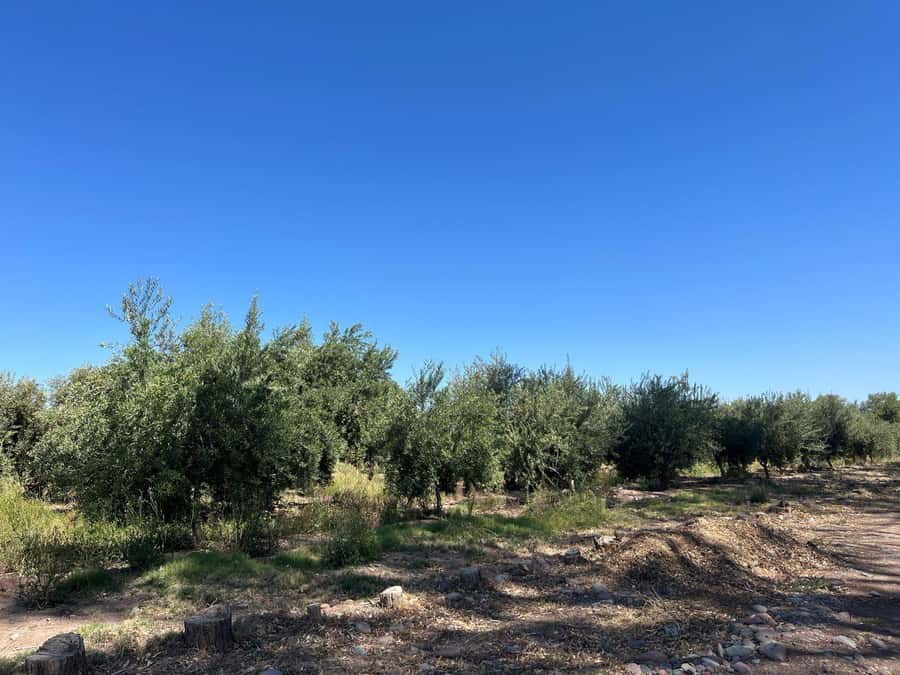
- A fourth stop for olive oil: Taste oils, bread, olive paste, and other local products at an olive oil factory.
- Bilingual guiding: The tour operates in English and Spanish, with guides including Dolores, Maru, Alejandro, and Rocío appearing on different departures.
- Strong value at $34: Transport, winery admissions, wine tastings, and olive oil samples are included.
- Afternoon timing: Pickup begins at 2:00 p.m., with return to Mendoza at about 8:00 p.m.
Why Maipú works well for a first wine tour
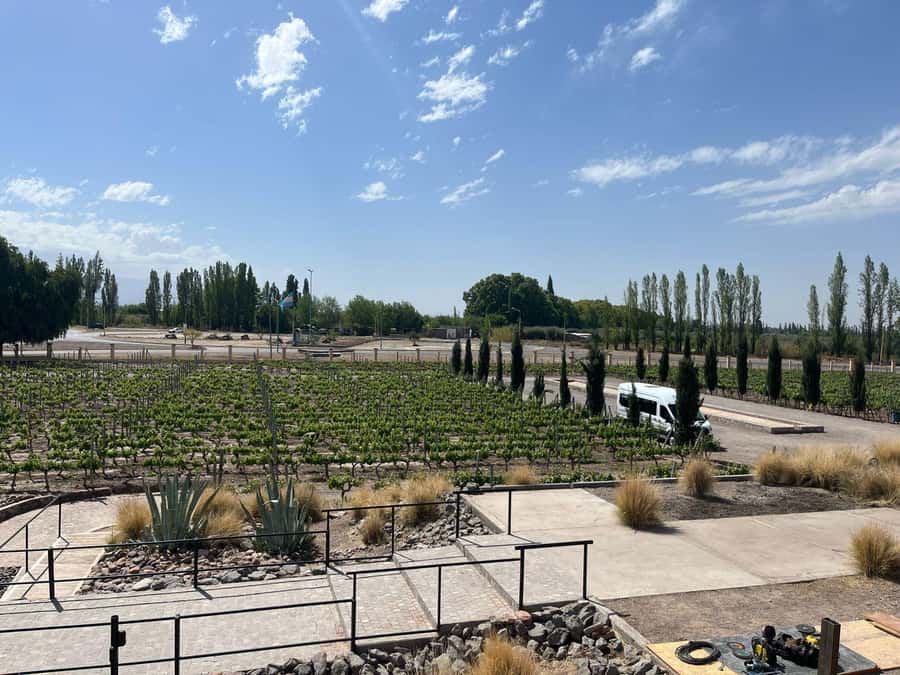
Maipú is one of the easiest wine areas to visit from Mendoza city. You do not need to arrange a long private transfer or choose between several distant bodegas. The tour keeps you near the city while still giving you a useful introduction to Mendoza’s wine culture.
I find the mix of producers more valuable than visiting three nearly identical wineries. The first stop may feel technical and organized, while another can feel more rustic or family-run. The contrast helps you understand that Mendoza wine is not made in just one way.
You will also hear about Mendoza’s dry climate, water supply, farming methods, and the role of irrigation. Guides such as Alejandro and Rocío have added context during the drives, while the staff at each winery explain the production process on site.
This is not a grand, formal wine estate tour with a long lunch. It is a compact tasting route designed to show you several sides of the region in half a day. That makes it a good choice if you have limited time in Mendoza or want to sample local wine before deciding which wineries deserve a longer visit.
More Winery Tours in Argentina:
- Mendoza: Top Wineries Guided Tour with Transportation
★ 4.8 · 99 reviews - Tuscany Day Trip from Florence: Siena, San Gimignano, Pisa and Lunch at a Winery
★ 5.0 · 21,634 reviews - Florence: Chianti Wineries Tour with Wine Tasting
★ 4.5 · 10,071 reviews
The 2:00 p.m. pickup and the pace of the afternoon
Pickup begins at 2:00 p.m. from selected hotels, hostels, and meeting points in central Mendoza. The vehicle may spend up to 45 minutes collecting everyone, so wait in your hotel lobby from about 10 minutes before the stated pickup time.
That collection period is the biggest logistical wrinkle. If you are ready to go at 2:00 p.m., you may still be sitting in the lobby for a while. On the other hand, hotel pickup saves you the trouble of finding a taxi or arranging a separate ride to Maipú.
The tour returns at about 8:00 p.m., making this a full afternoon and early evening outing. The schedule gives you time for four visits, but it does not leave room for a leisurely lunch or long stops in the vineyards.
Vehicles are air-conditioned and heated. Most departures use a van or similar vehicle, though one smaller group was transported in a sedan and found it a little tight. If comfort matters greatly to you, ask about the vehicle when booking, particularly for a small private-feeling departure.
First stop: an artisanal winery with hands-on explanations
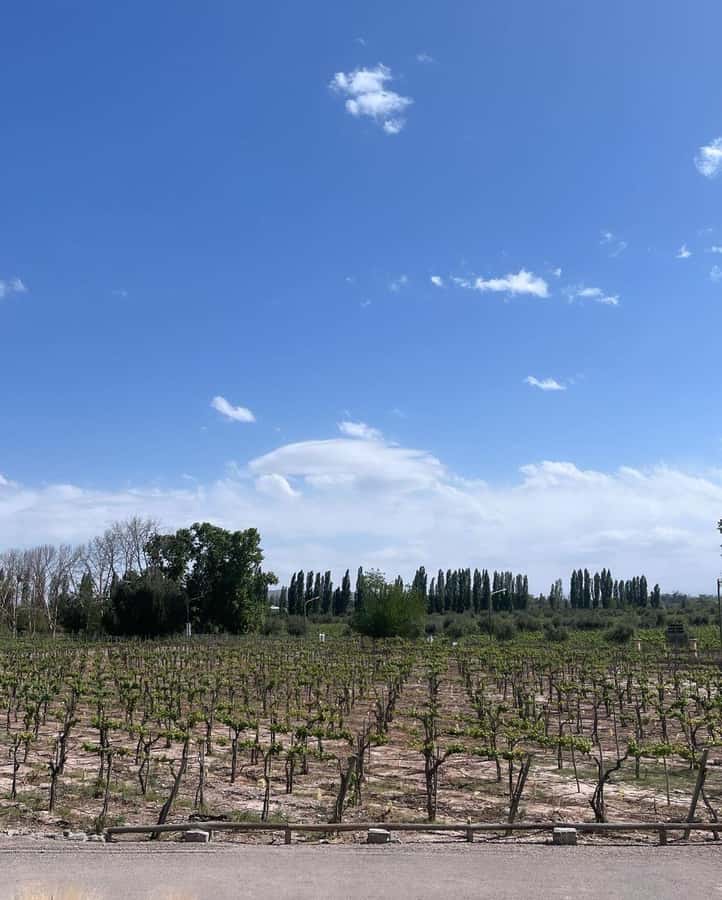
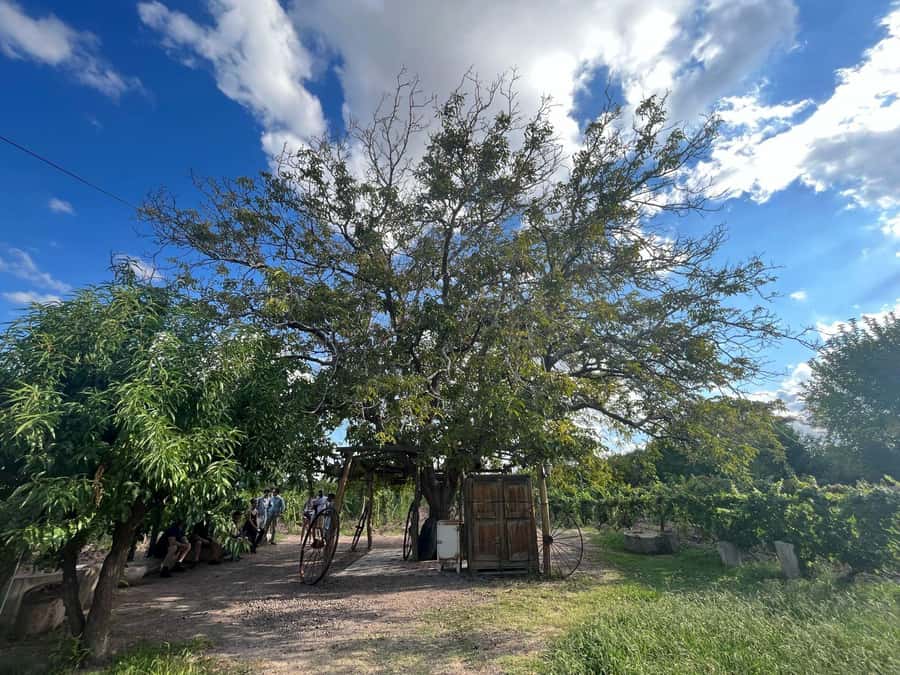
The artisanal winery is usually the kind of stop that makes the region feel personal. Rather than focusing only on large-scale production, the visit shows you smaller methods and a more local style of winemaking.
You can expect an explanation of how grapes become wine, followed by several samples. The tastings are not limited to Malbec. Depending on the selected winery, you may compare white, red, rosé, young, and aged wines.
This is often the most useful stop for beginners. The guide can explain what changes as wine ages and why the same region produces such different results. You do not need much previous wine knowledge. The point is to taste carefully and notice the differences.
Some departures include a family-run or organic winery, and the exact property can vary. Bodegas such as Familia Cecchin or a similar producer may be used, while the advertised inclusions also name Vistandes or a comparable winery. Treat the named venues as examples rather than a promise of a fixed lineup.
The setting may be rustic rather than polished. That is part of the appeal, but it also means you should not expect every stop to have a large visitor center or elaborate presentation.
Second stop: industrial production and the useful side of scale
The industrial winery gives you a different picture. Here the emphasis is on larger production, equipment, and the systems needed to make wine in volume.
I like having this comparison in the same afternoon. After seeing a smaller producer, you can better understand why a large winery uses different tanks, storage areas, and production routines. The staff explain the stages rather than simply pouring a glass and moving on.
The tastings continue, usually with around three wines. Across the three wine stops, the total can reach roughly 9 to 11 samples. That is generous for the price, so pace yourself and use the water provided or available along the way.
The group may split into English and Spanish sections at the winery. This can make the explanation more personal, especially when a group of about 15 people is divided into smaller language groups. It also means the schedule can feel more organized than a single large bilingual talk.
A few English speakers found that switching rapidly between languages made some information harder to follow. The guides generally speak both languages well, but if you miss a point, ask for it to be repeated. The tour is more useful when you understand the explanation rather than simply counting glasses.
A few more tastings around Argentina worth a look
- Mendoza: Half-Day Wine Tour with Tastings
★ 4.3 · 727 reviews - From Salta: Full-Day Tour to Cafayate with Wine Tasting
★ 4.5 · 478 reviews - From Salta: Cafayate Day Trip with Wine Tasting
★ 4.4 · 226 reviews - Buenos Aires: Wine Tasting and Lunch at Bodega Gamboa
★ 4.8 · 177 reviews
Third stop: sweet wines and a change of style
The sweet-wine cellar is a smart addition because it prevents the afternoon from becoming a parade of similar Malbecs. Sweet wines are not to everyone’s taste, but this stop gives you a chance to see another part of Mendoza’s production.
If you normally prefer dry reds, you may not love every sample here. That is fine. Treat it as a comparison stop, not a test of your wine preferences. The point is to understand how sweetness changes the aroma, texture, and finish.
This winery can also be the most relaxed part of the day. By the final tasting, the group is usually more comfortable with one another, and the mood becomes lighter. One practical warning: with three or four pours at each winery, you can become tipsy even when the samples are modest. Eat beforehand, take small sips, and do not assume that a tasting is the same as a few tiny drops.
You can usually buy bottles and snacks at the stops. The prices have been described as reasonable, and there is no strong sales pressure. Bring enough room in your luggage if you are tempted, but remember that the tour price already includes the tasting portion.
The olive oil factory adds food, not just another drink
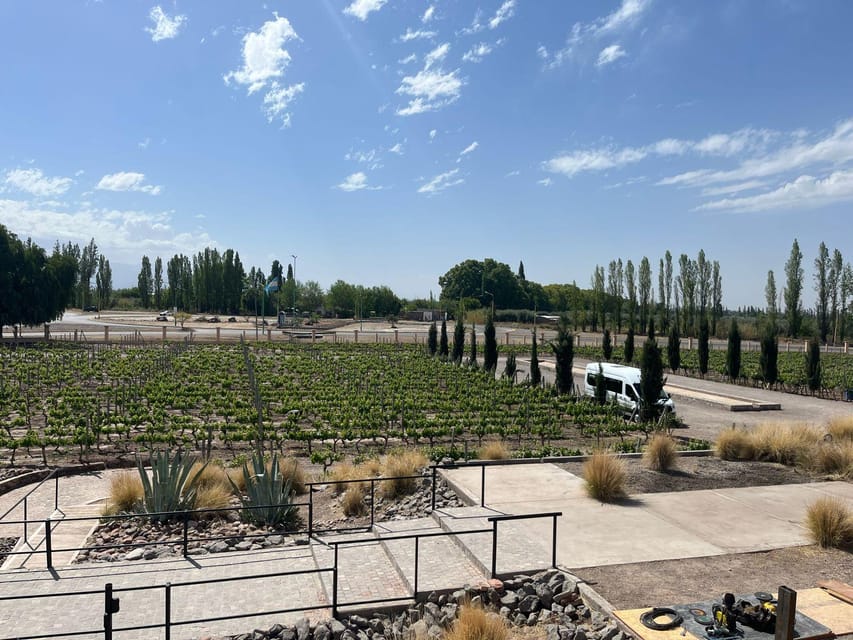
The olive oil factory is the fourth visit and a welcome change after several wine tastings. Instead of another cellar, you learn how olives are processed and taste different oils with bread, olive paste, and other delicacies.
The tasting can include four or five oils, depending on the departure. This makes it more than a quick snack stop. You can compare oils with different strengths and flavors, then try them with bread to see how the pairing changes.
I find this stop especially useful for anyone who enjoys cooking. You leave with a better sense of how to taste olive oil, not just how to buy a bottle with a handsome label. The products also make easy gifts, and the factory may sell olive oil and related foods.
The drawback is space. One departure found the olive oil factory crowded and not especially large. Another reported that the English explanation there was less clear than at the wineries. The stop is still worthwhile, but do not expect a long farm visit or a large museum.
The listed supplier may be Olivícola Boutique Pasrai or a similar producer. As with the wineries, the precise stop can change, so book this as a style of visit rather than as a guaranteed visit to one exact building.
Guides, languages, and the feel of the group
The tour’s main guide handles the route, timing, and practical details, while staff at each winery lead the technical presentations. Guides named in feedback include Dolores, Maru, Alejandro, Rocío, and Rosita, with the actual person depending on the departure.
Dolores has been praised for clear English, energy, and keeping the group moving. Maru has been described as friendly and attentive, while Alejandro has provided useful information about Mendoza’s climate and geography. These details matter because a wine tour can become confusing when the guide only handles transportation and leaves you to figure out the rest.
English and Spanish are both offered. If your group contains speakers of both languages, the tour may switch between them during the drive or divide at the wineries. That arrangement can work well, but bilingual delivery sometimes takes longer or feels less direct.
A few English speakers found the vehicle audio system unhelpful. If you are seated far from the guide, ask to move closer or request that key points be repeated at the next stop. The winery presentations themselves are usually easier to hear because they take place in smaller groups.
The small-group promise is generally supported by the format, though group size can vary. A departure of around 15 people may feel social rather than private, and the split by language can make each winery visit feel smaller.
What the $34 price really buys you
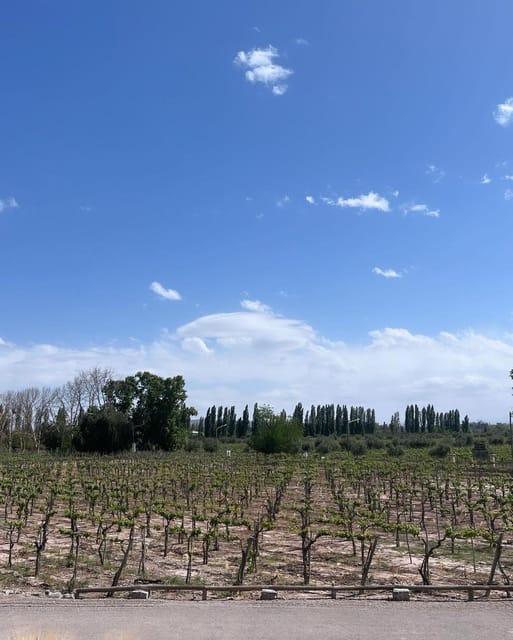
At $34, this tour is unusually good value for a visitor who wants a broad introduction. The price includes transportation from central Mendoza, entry to four places, wine tastings at all three wineries, and olive oil products at the final stop.
You are not paying only for wine. You are also paying for the route planning and the time saved by not having to reserve several separate visits. A private driver, individual winery appointments, and a long restaurant meal would cost much more.
The tradeoff is that the route is shared and the wineries may change. You get variety and convenience, not complete control over the schedule. If you already know the exact Mendoza bodegas you want to visit, a private arrangement may suit you better.
For a first visit, solo trip, or short stay, I think the value is excellent. You meet people from different countries, taste a wide range of wines, and finish with something savory. The tour also works well for couples or small groups that want an easy afternoon without planning every detail.
Who should book it, and who should choose something else
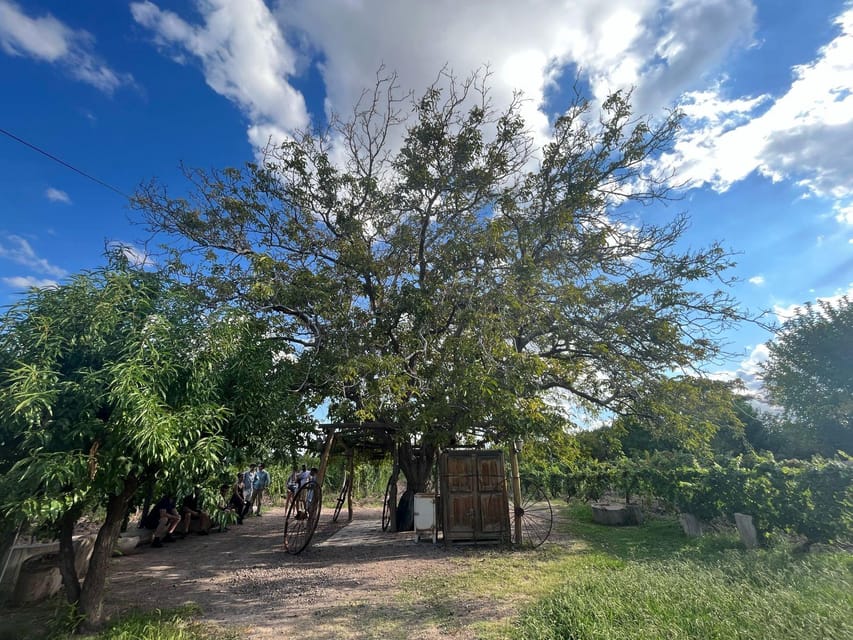
I would choose this tour if you want to:
- See three contrasting wineries in one afternoon
- Taste many wines without paying separate admission fees
- Visit Maipú without arranging transport
- Learn basic wine production in English, Spanish, or both
- Meet other people while traveling alone
- Add olive oil tasting to a wine-focused day
I would look elsewhere if you want a private tour, a long vineyard walk, a sit-down meal, or a fixed list of famous wineries. This route is about range and value, not luxury or deep specialization.
It is also not suitable for wheelchair users according to the activity information. The pickup wait, bilingual explanations, and possible crowding at the olive oil factory are worth considering before you reserve.
Final recommendation for a Maipú afternoon
I recommend this tour for most first-time visitors to Mendoza who want an easy, affordable introduction to local wine. The strongest part is the contrast between the artisanal, industrial, and sweet-wine stops, followed by olive oil and snacks.
Book it if you value variety more than a polished luxury setting. Arrive having eaten something, keep water nearby, listen for the language split, and allow extra time for hotel pickups. At $34, the combination of four visits, generous tastings, bilingual support, and included transport makes this one of the more practical ways to get your bearings in Maipú.
FAQ
How long does the tour last?
The tour lasts about six hours. Pickup begins around 2:00 p.m., and return to Mendoza is scheduled for about 8:00 p.m.
How many wineries will I visit?
You will visit three wineries in Maipú. The route is designed to include an artisanal winery, an industrial producer, and a sweet-wine cellar.
Is the olive oil factory included?
Yes. The olive oil factory is the fourth visit, and tastings of olive oil products are included.
How many wines will I taste?
You will generally taste three wines at each winery, though some departures describe three to four samples per stop. The total can be around 9 to 11 wines.
Are wine tastings included in the price?
Yes. The $34 price includes the wine tastings at all three wineries, along with the included olive oil products.
Is the tour offered in English?
Yes. Live guiding is available in English and Spanish. A bilingual group may hear both languages, and some departures split into smaller language groups at the wineries.
Where can I be picked up?
Pickup is available from selected Mendoza hotels, hostels, and meeting points, including the Sheraton Mendoza Hotel, Hilton Mendoza, Hotel Crillón Mendoza, Hostel Lagares, Hostel Central, Soltigua Apart Hotel, and other listed locations.
How long might I wait for pickup?
The operator can spend up to 45 minutes collecting passengers. You should wait in the lobby from 10 minutes before the scheduled pickup time.
Is the tour suitable for wheelchair users?
No. The activity is listed as unsuitable for wheelchair users.
Just added around Argentina
- Sailing with Wine Tasting in Buenos Aires★ 5.0 · 50 reviews
- Cocktail tour in Buenos Aires★ 5.0 · 44 reviews
- Mendoza: Premium Wine Tasting★ 4.4 · 48 reviews
- Mendoza: Top Wineries Guided Tour with Transportation★ 4.8 · 99 reviews
- Mendoza: Wine Tasting Tour with Lunch and Private Transport★ 4.6 · 48 reviews
- Mendoza: Winebike Tasting Tour with Optional Lunch★ 4.1 · 73 reviews
- Buenos Aires: Wine Tasting and Lunch at Bodega Gamboa★ 4.8 · 177 reviews
- Premium Argentinian Wines and Malbec Tasting Experience★ 4.6 · 60 reviews
Winery Tours, compared.
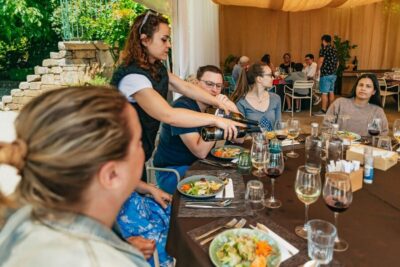
Douro Valley with Winery Lunch, Tastings & Cruise
Read our review →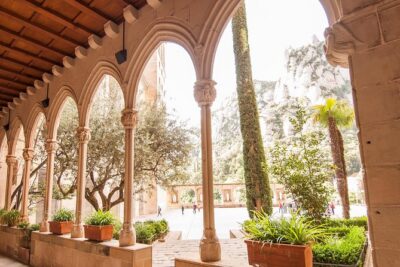
Montserrat with Black Madonna & Medieval Winery with Tapas/Lunch
Read our review →
Wine Tour: Paarl, Franschhoek & Stellenbosch incl 3 wineries
Read our review →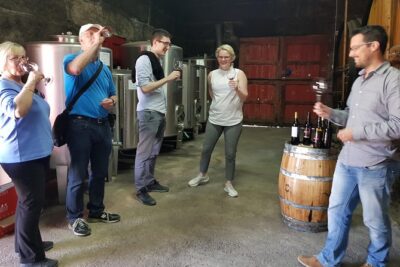
Douro Valley Tour: 2 Vineyard Visits, River Cruise, Winery Lunch
Read our review →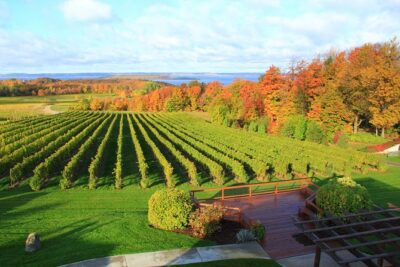
5-Hour Traverse City Wine Tour: 4 Wineries on Old Mission Peninsula
Read our review →
Tastings at 2 Wineries, Chef’s Lunch & Boat Tour
Read our review →
Douro Valley Tour: Visit 2 Wineries, Lunch & River Cruise
Read our review →Browse the lists this tour appears in