
Review · ARGENTINA
From Salta: Full-Day Tour to Cafayate with Wine Tasting
The road to Cafayate is the real event here. South of Salta, tobacco fields give way to red cliffs, narrow gorges, and strange stone shapes at the Devil’s Throat and House of the Parrots. I like the big variety of scenery and the way guides such as Monica, Julio, Eduardo, and Omar explain the geology instead of simply pointing at pretty rocks.
I also like the low price, the downtown hotel pickup, and the small minibus format. The main drawback is the long day: 13 hours, with about two hours on rough dirt roads. The winery visit is short, often limited to one bodega, and may be conducted only in Spanish.
Key points at a glance
- The Quebrada de las Conchas is the star: Red cliffs and unusual rock formations provide the strongest part of the day.
- Expect a long road trip: About two hours on rough roads and another two hours on the highway return make this a full commitment.
- Guides can make or break the day: The better guides, including Monica, Julio, Eduardo, Omar, and others, switch between English and Spanish with care.
- Wine is a supporting act: You visit one or two wineries in the description, but many departures stop at one, with a quick tasting.
- The $29 price is unusually good value: Transport, hotel pickup, guiding, and the main sightseeing route are included.
- Pack for comfort: Bring your passport or ID, sit near the front if you get carsick, and avoid this trip if you have serious back problems.
Why the road to Cafayate is worth your day
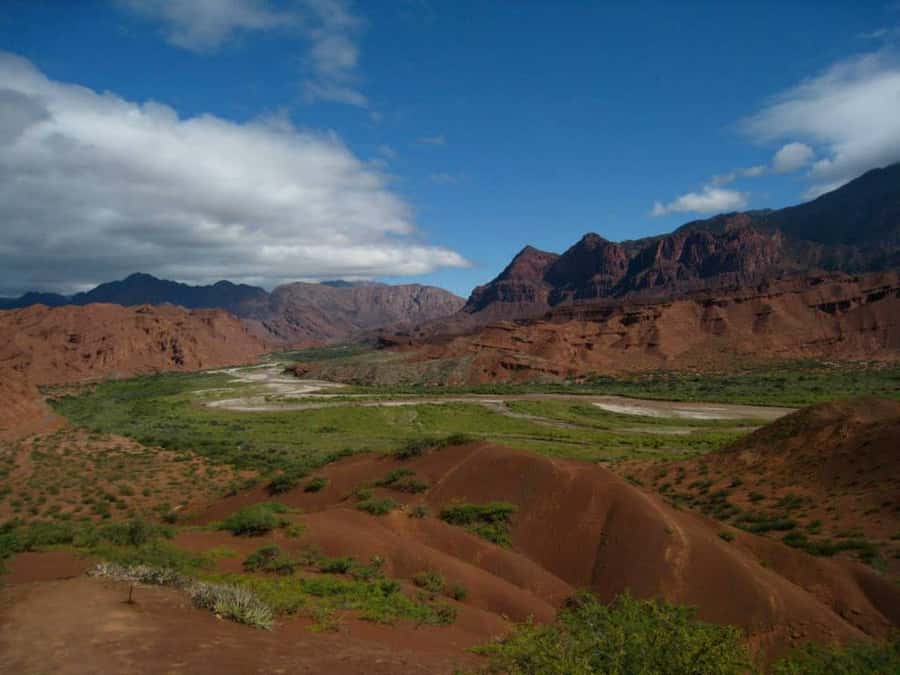
Cafayate lies south of Salta, but the route is far more than a transfer between two towns. Provincial Route 68 cuts through the Lerma Valley, where fields, farms, and tobacco plantations fill the early part of the drive.
The tobacco country gives the journey a useful local detail. You may see old and new chimneys made from adobe and clay, along with tobacco leaves laid out to dry in the sun. These are easy sights to miss if you travel straight to Cafayate by car without a guide.
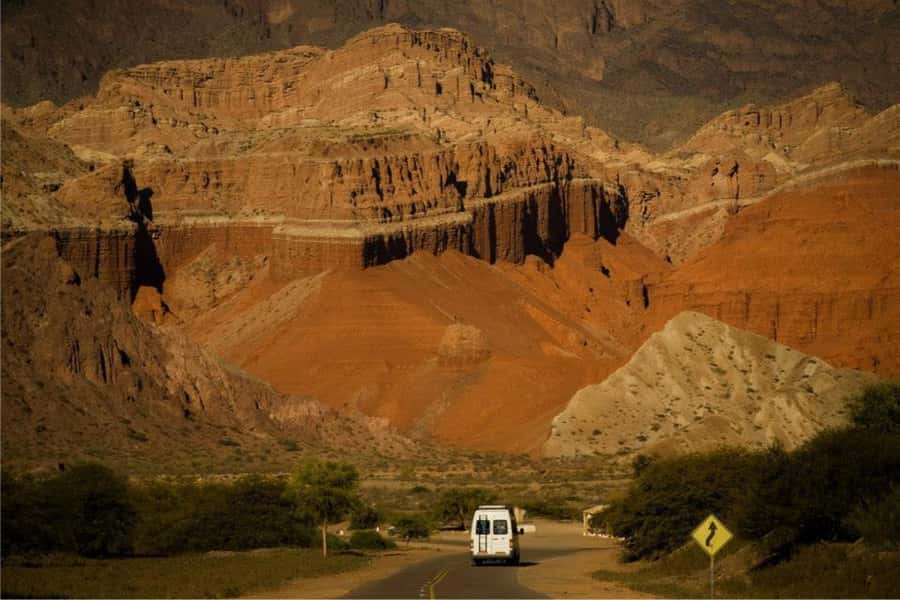
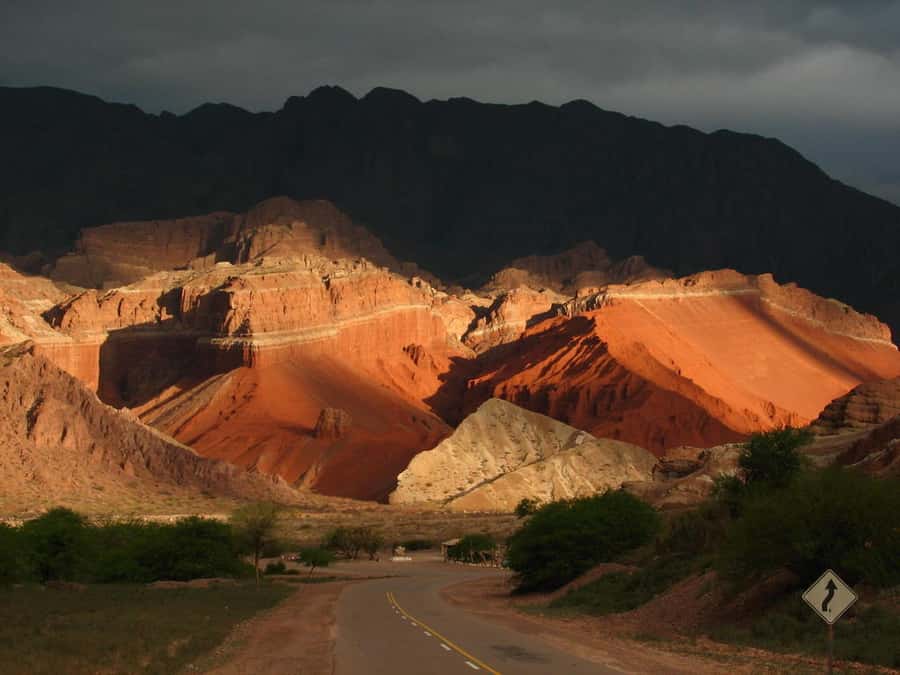
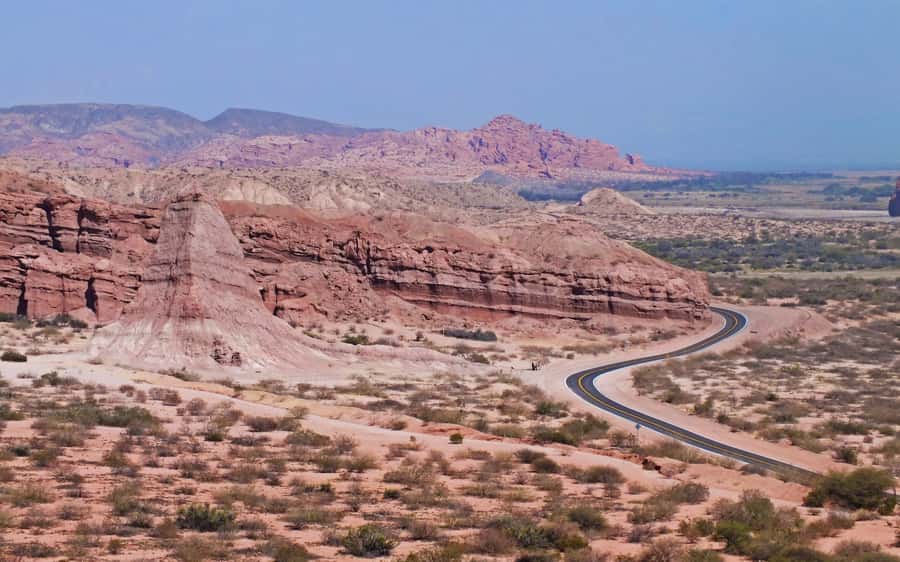
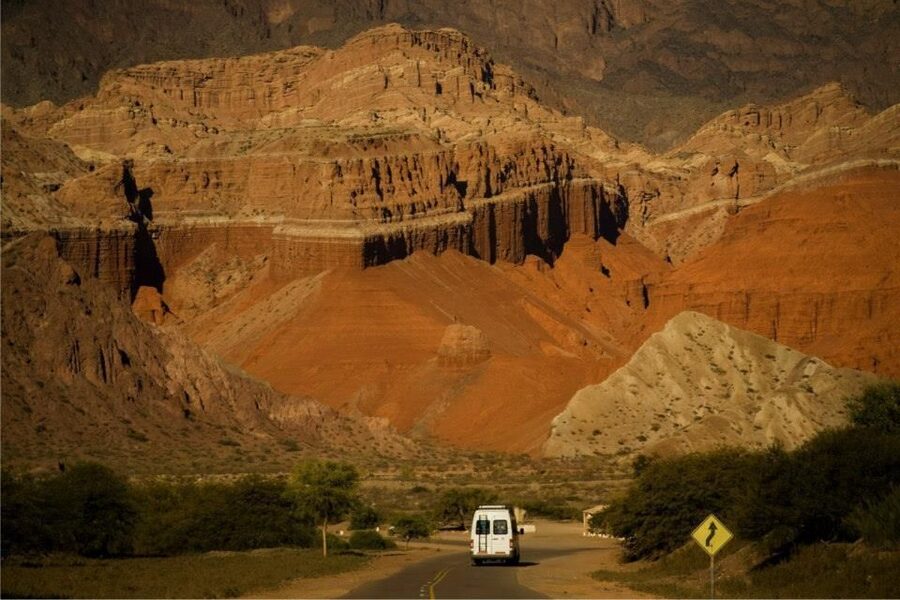
After the town of Alemania, the scenery changes sharply. The green agricultural valley gives way to dry, red mountain country. This is the beginning of the Quebrada de las Conchas, a dramatic corridor known for sculpted rock walls and bold colors.
Your guide should explain how wind, water, and geological layers shaped the formations. Guides such as Omar and Simona’s guide were praised for giving scientific explanations, while Monica and Eduardo added local history and cultural detail. That mix makes the stops more meaningful than a string of photo breaks.
More Wine Tastings in Argentina:
- From Salta: Cafayate Day Trip with Wine Tasting
★ 4.4 · 226 reviews - Buenos Aires: Wine Tasting and Lunch at Bodega Gamboa
★ 4.8 · 177 reviews - Sailing with Wine Tasting in Buenos Aires
★ 5.0 · 50 reviews
The Lerma Valley and tobacco country
The first section is gentler and more settled. From Salta, you travel through farmland and tobacco-growing areas before entering the drier terrain farther south.
This part may not deliver the instant drama of the red gorge, but it gives you a picture of the province as a working region. The adobe tobacco chimneys are especially interesting because they connect the view outside the window with the labor that supports local communities.
The early pickup window runs from 7:00 to 7:40 AM at downtown Salta hotels. Since the tour lasts 13 hours, you should expect a very full day rather than a relaxed outing. Bring water, sun protection, and something small to eat, since lunch is not included.
Alemania and the first red cliffs
The town of Alemania marks a clear change in the journey. From here, the road enters increasingly dry and colorful terrain, with red mountains and layered rock formations on either side.
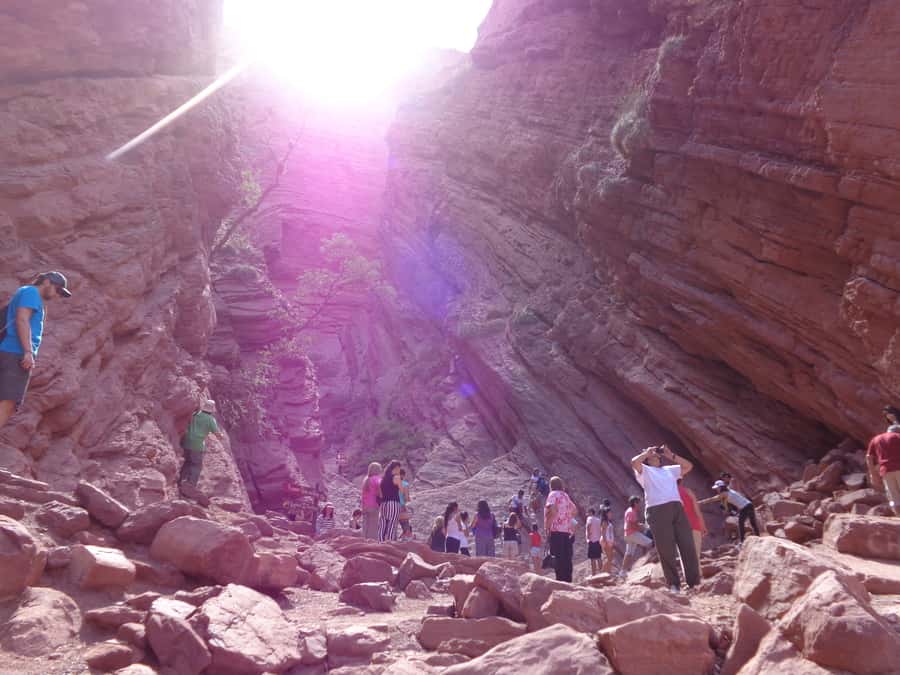
The guide normally points out major formations and explains the names attached to them. The Devil’s Throat is one of the most memorable stops, with a tall, narrow rock opening that gives the impression of a natural passage cut into the cliff.
The House of the Parrots is another named formation along the route. The attraction is not just the shape itself, but the way the names help you read the rock. This is a place where a guide adds real value, especially if you are interested in geology, plants, or the forces that shaped the area.
Several people who have taken the tour singled out the photo stops and the guide’s explanations. That is a good clue about how to use your time: enjoy the stops, listen during the drive, and do not expect a hiking tour. You have opportunities to get out and see the formations, but the schedule is built around sightseeing from the minibus rather than long walks.
What the 17 to 23 seat minibus feels like
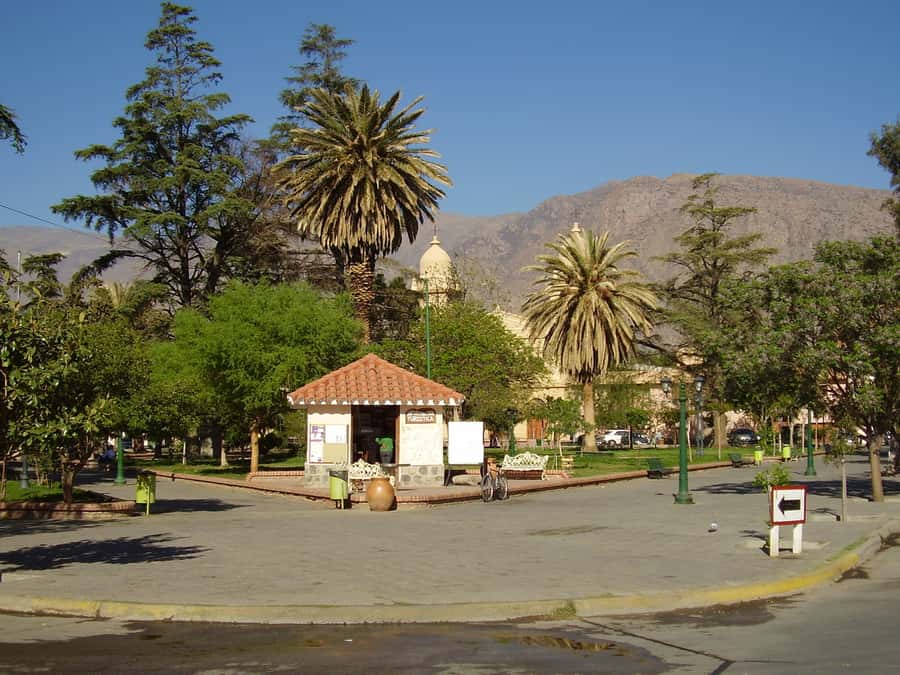
Transport is by air-conditioned minibus holding 17, 19, or 23 people. The vehicles are described as high quality, and the air conditioning matters in the dry, sunny northwestern Argentine climate.
The ride is generally comfortable, but the road is not always smooth. Around two hours are spent on low-quality dirt roads, and the rough sections can feel tiring, particularly if you sit at the back. If you are prone to motion sickness, ask for a front seat beside the driver when possible.
The vehicle may also be full. One account described the minibus as a little cramped when every seat was occupied. That is the tradeoff for a relatively inexpensive shared excursion. You get hotel pickup and a guided route without paying for a private car, but you give up space and control over the timing.
The return route uses a different road and includes about two hours on the highway. This means you do not simply repeat the morning’s drive, and the return scenery has a different feel. Still, the trip home is part of the day’s endurance test, so plan something quiet for the evening.
A few more tastings around Argentina worth a look
- Mendoza: Full Day Wine Tour with 3 Course Lunch
★ 4.3 · 153 reviews - Eastern Madeira: Full-Day Tour with Rum Tasting
★ 4.7 · 1,575 reviews - Full Day Trip To Ouzoud Waterfalls From Marrakech & Boat Tour
★ 4.5 · 1,308 reviews - Cape Town: Full-Day Winelands Tour with Wine Tastings & Food
★ 4.9 · 1,288 reviews
The winery stop in Cafayate
Cafayate is one of Argentina’s best-known wine areas, particularly for Torrontés, a fragrant white wine closely associated with the country. The tour includes a visit to a winery in the city, with the description allowing for one or two bodegas.
In practice, you should plan on one short winery visit rather than a full wine-focused day. The tasting has been described as quick, sometimes involving only two wines and sometimes around four samples. You may have time to buy a bottle or cellar-door wine, but do not expect a long vineyard walk, a private tasting room, or an in-depth winery program.
This detail matters because the title can make the experience sound like a dedicated wine tour. It is not. The rock formations and the drive are the main attractions, while the bodega provides a brief introduction to Cafayate’s wine culture.
A further point is language. The main guide speaks Spanish and English, but the winery presentation may be only in Spanish. Some guides, including Monica, translated the explanation for English speakers, but that should not be assumed. If wine production is your main reason for visiting Cafayate, book a separate bodega experience directly.
Lunch and free time in Cafayate
Lunch is not included, so you pay for your own meal. The day normally allows time in Cafayate for lunch and a walk around the central part of town, though the exact amount of free time can vary with traffic, road conditions, and the group schedule.
This is one place where expectations matter. You are not getting hours to explore Cafayate at your own pace. The town stop fits inside a much larger sightseeing loop.
I would use the time for a simple meal, a short look around the center, and perhaps a local wine purchase if that interests you. Keep an eye on the meeting time. A delayed lunch can put pressure on the return journey, and the tour still has several hours of driving ahead.
The guides are the strongest human part
The guide can shape your entire impression of this excursion. The best examples are people who explain the scenery in both languages without dropping the English content or rushing through a translation.
Monica is repeatedly described as energetic, funny, caring, and strong in both English and Spanish. She has also been described as an English and history teacher, which helps explain her ability to add cultural context rather than sticking to a basic script.
Julio is another guide who received strong praise for explaining the terrain, plants, and natural features. Eduardo was noted for giving equal attention to Spanish and English speakers and for explaining the Quebrada de las Conchas in detail. Omar was praised for discussing the geological background with patience.
The bilingual format can make the tour longer because each explanation is delivered twice. That is unavoidable in a mixed group, but a good guide keeps the pace moving. Some guides use shorter explanations in each language, which works better than giving one long talk and translating it afterward.
You should also be aware that guide quality can vary from departure to departure. The service includes a certified bilingual guide, but the individual guide is not guaranteed by name. The strongest experiences clearly depend on having someone who treats the route as a story, not just a checklist.
What is included, and what is not
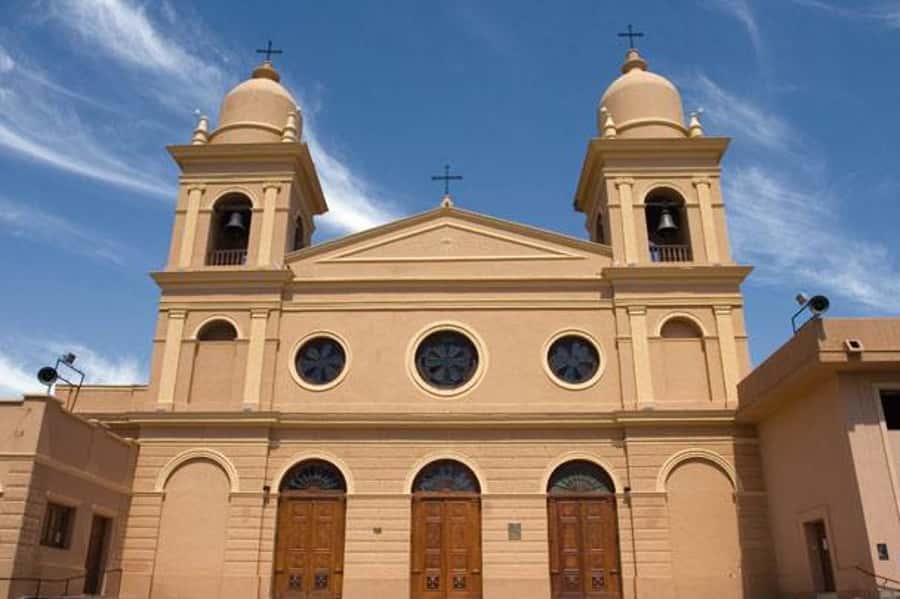
The $29 price covers downtown hotel pickup and drop-off, air-conditioned minibus transport, and a certified guide in English and Spanish. For a 13-hour excursion with a major scenic route, this is strong value.
You still pay for lunch and personal expenses. Wine purchases, snacks, and any extras in Cafayate are also your responsibility.
The price works best if your priority is seeing the Quebrada without renting a car. You avoid navigating rough roads, can listen to explanations along the way, and get a planned route with several scenic stops. A private vehicle would give you more freedom, but it would cost far more.
The value is less obvious if you mainly want a serious wine experience or several hours in Cafayate. In that case, the short bodega stop and limited town time may leave you wanting more.
Who should take this tour
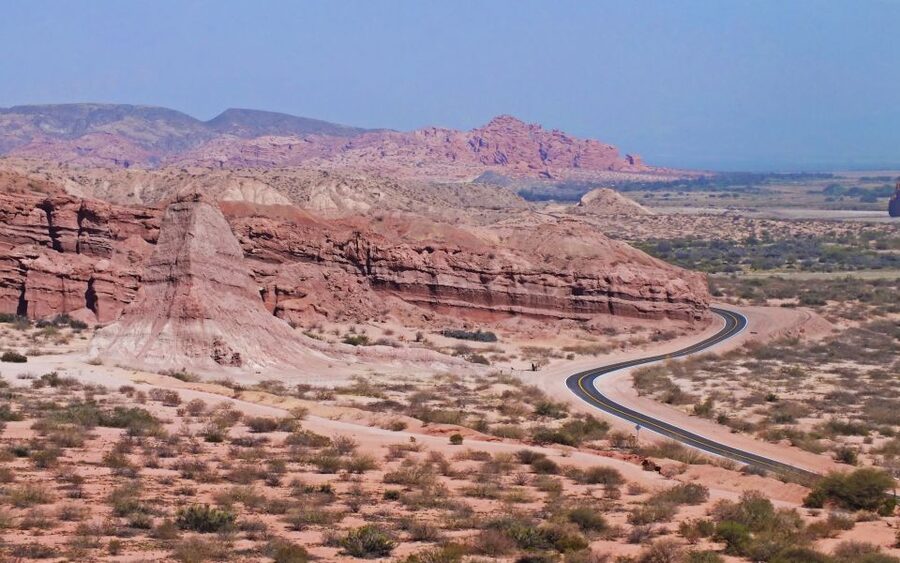
I would choose this excursion if you have only a few days in Salta and want to see the area’s most striking scenery without arranging transport yourself. It suits people who enjoy road trips, geology, photography, and guided sightseeing.
It is also a good choice for solo visitors or couples who want an easy way to meet other people. The shared minibus creates a social setting, and several guides add music, stories, or films about the places along the route.
You should think twice if you dislike long drives, rough roads, or fixed schedules. The excursion is not suitable for people with back problems, and the bumpy dirt sections may be unpleasant even if you are otherwise fit.
Children under two can travel free if they do not use their own seat. Anyone under 18 must be accompanied by an adult, and unaccompanied minors are not allowed.
Practical advice for a smoother day
Arrive ready for the early pickup window. Have your passport or ID card with you, since it is specifically required.
Choose the front of the minibus if you get carsick. The difference can be considerable on the rougher sections, especially after a full day of stops and driving.
Wear comfortable clothing and shoes for getting out at viewpoints. The tour is not built around extended hikes, but you will want to walk around the stops and take photographs.
Keep lunch flexible and carry a snack. The meal is not included, and the exact timing depends on the road and group.
If you speak English and the group is mixed, ask your guide how the winery explanation will be handled. The main tour should be bilingual, but the bodega presentation may not be.
Free cancellation is available up to 24 hours before departure, and you can reserve now and pay later. That is useful if your Salta plans may change, but it does not alter the basic reality of this trip: you are committing most of a day to the road.
Should you book the Salta to Cafayate tour?
Book it if you want the Quebrada de las Conchas, tobacco country, and Cafayate in one organized day for $29. The scenery is the reason to go, and the guide can add valuable detail about geology, culture, and local life.
Do not book it expecting a wine holiday. The winery visit is short, may involve only one bodega, and may be in Spanish. If you accept the tasting as a small extra rather than the main event, the tour offers excellent value.
My practical call is simple: choose this for the spectacular route and affordable transport, especially if Omar, Monica, Julio, or Eduardo is leading your departure. Choose a dedicated winery visit instead if wine production, leisurely tastings, and time in Cafayate matter more than seeing the gorge.
FAQ
How long does the Salta to Cafayate tour last?
The tour lasts about 13 hours, including hotel pickup, the drive to Cafayate, sightseeing stops, the winery visit, lunch time, and the return to Salta.
What time is hotel pickup?
Pickup from downtown Salta hotels is scheduled between 7:00 AM and 7:40 AM. Exact timing depends on your hotel and the route.
Is lunch included?
No. Lunch is not included, so you need to pay for your own meal and personal expenses.
How many wineries does the tour visit?
The description allows for one or two wineries, but you should plan for one winery. The visit is usually short rather than a full wine-focused program.
Is the tour available in English?
Yes. The certified guide speaks English and Spanish. The main sightseeing commentary is bilingual, but the winery presentation may be conducted only in Spanish.
What wine is Cafayate known for?
Cafayate is known for Torrontés wine. The tour introduces you to the local wine industry and includes a tasting.
Are the roads comfortable?
The vehicles are air-conditioned, but the trip includes about two hours on low-quality dirt roads and about two hours on the highway during the return. The dirt sections can be bumpy, especially in the back of the minibus.
Can children join the tour?
Children under two can travel free if they do not occupy a separate seat. Anyone under 18 must be accompanied by an adult, and unaccompanied minors are not allowed.
Just added around Argentina
- Sailing with Wine Tasting in Buenos Aires★ 5.0 · 50 reviews
- Cocktail tour in Buenos Aires★ 5.0 · 44 reviews
- Mendoza: Premium Wine Tasting★ 4.4 · 48 reviews
- Mendoza: Top Wineries Guided Tour with Transportation★ 4.8 · 99 reviews
- Mendoza: Wine Tasting Tour with Lunch and Private Transport★ 4.6 · 48 reviews
- Mendoza: Winebike Tasting Tour with Optional Lunch★ 4.1 · 73 reviews
- Buenos Aires: Wine Tasting and Lunch at Bodega Gamboa★ 4.8 · 177 reviews
- Premium Argentinian Wines and Malbec Tasting Experience★ 4.6 · 60 reviews
Wine Tasting Tours, compared.
Douro Valley w/ Boat Tour, Wine Tasting & Lunch
Read our review →
Complete Douro Valley Wine Tour with Lunch, Wine Tastings and River Cruise
Read our review →
Small-Group Wine Tasting Experience in the Tuscan Countryside
Read our review →
SMALL-GROUP Wine Safaris: Tuscan Wine Tasting Tours from Florence
Read our review →
San Gimignano, Siena, Monteriggioni, Chianti Day Trip with Lunch & Wine Tasting
Read our review →
Cálem Cellar Tour, Interactive Museum & Wine Tasting
Read our review →
Browse the lists this tour appears in