
Review · PORTO
Port Wine class with 3 or 5 Port tasting and pairings
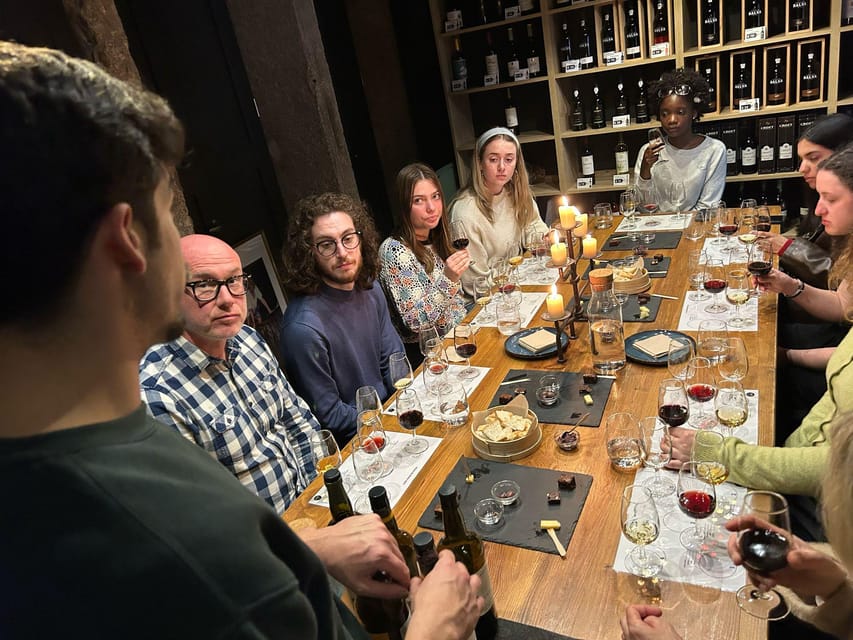
Port wine is best understood at a table, glass by glass, and this small-group class in central Porto gives you that chance without sending you across the river to a traditional cellar. In a room inside a shop opposite Palácio da Bolsa, you learn how Port was made, why it became famous, and how its styles differ.
I like the short, focused format and the generous food pairings. I also like the hosts’ easy humor. Rui, Ruan, and João are among the guides praised for making the class feel social as well as instructive. A surprise musical finish has even included guitar and singing.
The main consideration is simple: this is a tasting room, not a working wine cellar. If you want barrels, vineyard views, or a tour through the Douro Valley, this class will feel limited. If you want a convenient introduction to Port during a busy Porto visit, it is a strong value at $23 per person.
Key points to know before booking
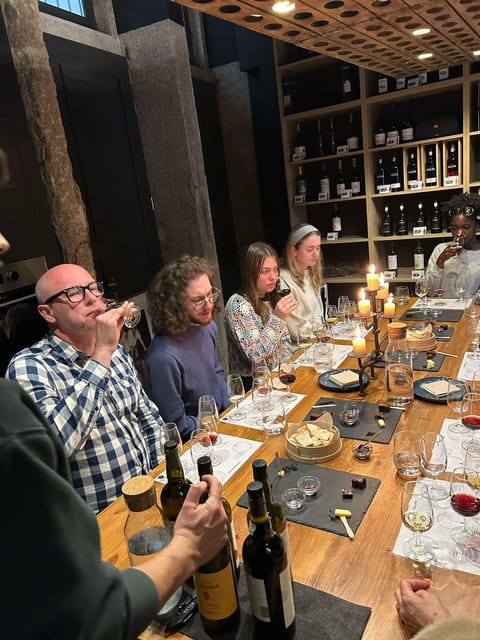
- Taste five Port styles in the longer option: White, Tawny, Ruby Reserve, and Late Bottled Vintage are included in the five-wine selection.
- Meet opposite Palácio da Bolsa: The room is in the same building as the tourist office, right in Porto’s city center.
- Expect a social class, not a cellar tour: The setting is an intimate shop room with no vineyard or barrel-cellar visit.
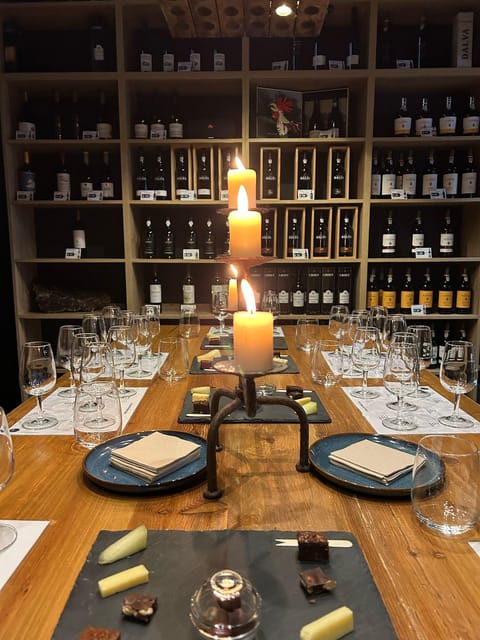
- Pair each pour with Portuguese snacks: Olives, fruit, cheese, chocolate, and brownie are served alongside the wine.
- Small groups make questions easy: The class is limited to 10 participants, and some sessions are much smaller.
- Choose five if you want more range: The three-Port option takes about 45 minutes, while five Ports take around 75 minutes.
A convenient Port lesson beside Palácio da Bolsa
The location is one of this experience’s biggest strengths. You meet at the provider’s shop directly opposite Palácio da Bolsa, one of Porto’s best-known buildings. That puts the tasting within easy reach of the Ribeira area, São Francisco Church, the riverfront, and the city’s central streets.
There is one practical detail to note. The class is held in a room inside the same building as the tourist office, rather than in a clearly marked wine cellar. Check in at the tourist office when you arrive. One participant found the storefront harder to identify because it did not immediately look like a wine shop, so allow a few extra minutes to get oriented.
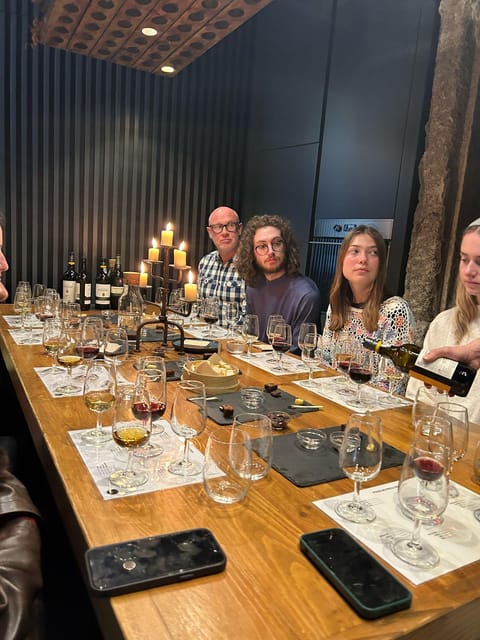
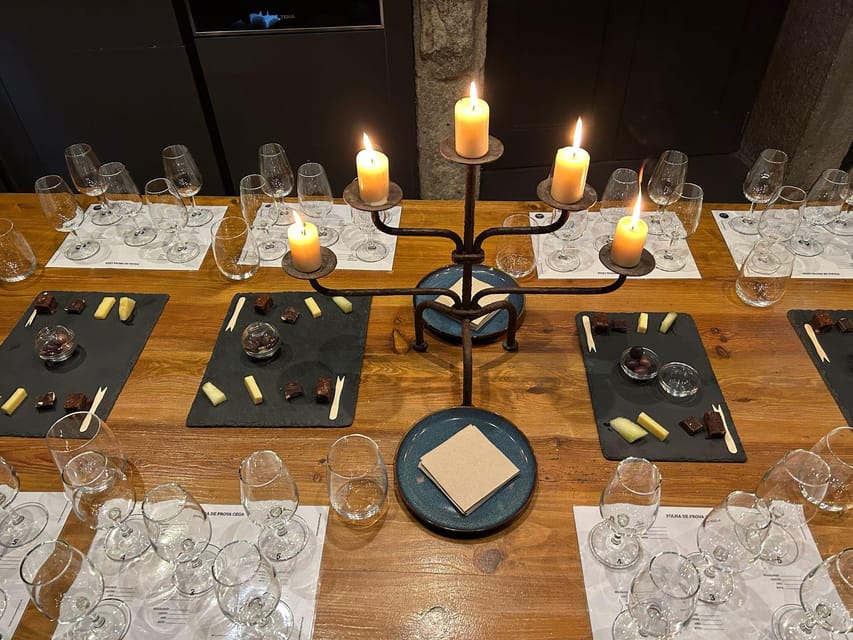
Once inside, you sit at a shared table in an intimate room. The maximum group size is 10, though some sessions have had only two, four, or a handful of participants. That smaller scale matters. You can ask about a style you dislike, compare notes with the people beside you, and get a more personal explanation from the host.
The room is wheelchair accessible. The seating has included benches in some sessions, which one person found less comfortable than ordinary chairs. That is a minor point, but worth knowing if you prefer firm individual seating.
More Port Wine Cellar Tours in Porto
- Porto: Live Fado Show with Glass of Port Wine
★ 4.8 · 6,498 reviews - Porto: Bridges Cruise & Sunset & Port Wine Cellar Option
★ 4.2 · 4,180 reviews - Porto: Fado & Port Wine in Traditional Portuguese Music Shop
★ 4.8 · 2,906 reviews
The opening lesson: how Port came to be
The class starts with the story of Port wine. The host explains how it was invented, why fortified wine became important, and how production developed over time. You are not simply handed a glass and told to guess the flavors.
This introduction gives the tasting a useful frame. Port is not just sweet red wine. The class explains the basic differences between the main categories and how production affects the final character. You learn why a pale White Port can feel very different from a Ruby Reserve, and why Tawny and Late Bottled Vintage belong to different parts of the Port family.
The best guides make this section conversational rather than academic. Rui, Ruan, and João are repeatedly praised for combining clear explanations with humor. Other hosts, including Pedro and José, have also led sessions. The personality of the guide matters here because Port can seem confusing at first. A good explanation turns five unfamiliar names into a simple sequence you can remember.
You may also hear about Porto, Vila Nova de Gaia, and the Douro region. The class does not take you into the valley, but the wider setting helps explain why Porto became so closely linked with this wine. If you later visit a Port lodge or travel into the Douro, you will have a much better idea of what you are looking at.
The three-Port option: a quick introduction
The shorter selection lasts about 45 minutes, depending on questions. It is a good fit if you have only a small opening in your schedule, want a light afternoon activity, or are not sure how much Port you will enjoy.
The exact wines in the three-glass option are not specified in the supplied details, so you should choose it for the format rather than for a guaranteed set of styles. The class still includes explanations and Portuguese snacks, giving you a compact introduction without taking up a large part of your day.
I would choose three Ports if your main goal is to learn the basics before dinner or another city activity. It also suits people who rarely drink fortified wine and would rather start slowly.
The tradeoff is variety. One participant who chose three wished they had booked five instead. That makes sense: Port’s differences become clearer when you can compare several styles side by side. If you already enjoy wine tasting, the longer option is likely the better use of the modest price difference.
The five-Port tasting: more range for your money
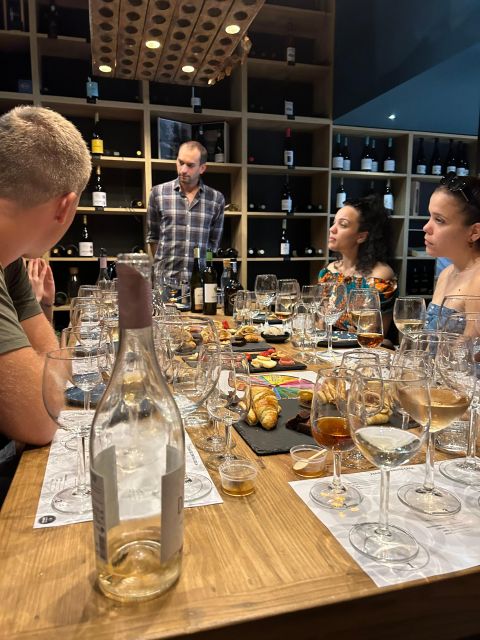
The five-Port option takes about 75 minutes, though the session may run closer to 90 minutes when the group has plenty of questions. It includes:
- Two White Ports
- One Tawny Port
- One Ruby Reserve Port
- One LBV, or Late Bottled Vintage, Port
This is the more useful choice for anyone who wants to understand Port rather than simply sample it. Two White Ports let you compare differences within one category, while Tawny, Ruby Reserve, and LBV show how broad the style range can be.
The tasting is served in stages, with the host explaining what you are drinking and how it was produced. The pace is relaxed rather than rushed. Several sessions have included generous pours, and one person noted that participants could receive a little more of a favorite style. You should still treat this as a tasting, not a full evening of drinking. Five fortified wines can add up quickly.
The five-wine selection also gives the host more room to answer practical questions. You can ask which styles work with dessert, which are lighter, and what to look for when buying a bottle. The activity is especially useful before visiting Porto’s wine shops or ordering Port at a restaurant.
Same town, a different glass:
- From Porto: Douro Valley w/ Boat Tour, Wine Tasting & Lunch
★ 4.7 · 19,061 reviews - Complete Douro Valley Wine Tour with Lunch, Wine Tastings and River Cruise
★ 5.0 · 12,920 reviews - Porto: Douro Valley with Winery Lunch, Tastings & Cruise
★ 4.7 · 7,002 reviews - Authentic Small Group Douro Wine Tour with Lunch & River Cruise
★ 5.0 · 4,775 reviews
Why the food pairings matter
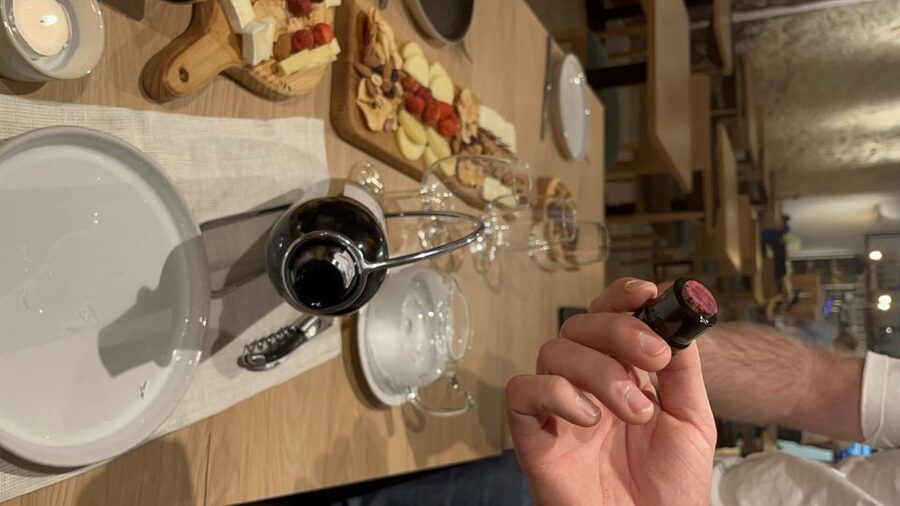
The food is not just decoration around the glasses. Each Port is paired with snacks such as olives, fruit, cheese, chocolate, and brownie. The host explains why the pairing works, which helps you see how sweetness, salt, acidity, and texture change the taste of the wine.
The savory snacks give the sweeter wines some balance. Chocolate and brownie make sense with fuller dessert-like styles, while cheese can show how a strong savory flavor changes the finish. You do not need to be an expert to notice the contrast. The class gives you a practical way to test your own preferences.
Portions of the food are described as good in both quality and quantity. That does not turn the session into lunch, but it is enough to make the tasting feel generous. If you are planning to attend between meals, the snacks are useful. I would not book it as a substitute for a proper meal.
The pairings also make the class more approachable for people who are unsure about fortified wine. You can taste the Port on its own, then try it with food. That second sip often tells you more than a long explanation.
The host makes the difference
This experience is built around the person leading the table. The strongest hosts make the class feel like a conversation with a sharp local guide, rather than a formal lecture.
Rui is frequently praised for mixing clear Port information with jokes and broad knowledge of Porto. Ruan has been described as entertaining, warm, and able to involve the whole group. João is noted for professional explanations and a friendly manner. The names of the guides can vary by date, but the pattern is clear: the host is expected to explain production, answer questions, and keep the group engaged.
That social side is useful for solo visitors. One solo participant was paired with another person before the tasting and later joined the group for drinks. Another solo visitor found the shared table easy to enjoy. You are not guaranteed to form new friendships, of course, but the small format gives conversation a natural opening.
Couples and friends fit easily too. One session had about six other people at the table, while another included only two additional participants. The international mix can add to the fun without turning the class into a noisy party.
A few sessions have ended with an unexpected performance. The host may play guitar or sing, with references to fado and flamenco in the entertainment. This is not listed as a formal part of every class, so treat it as a possible extra rather than something to book specifically for.
What this class does not include
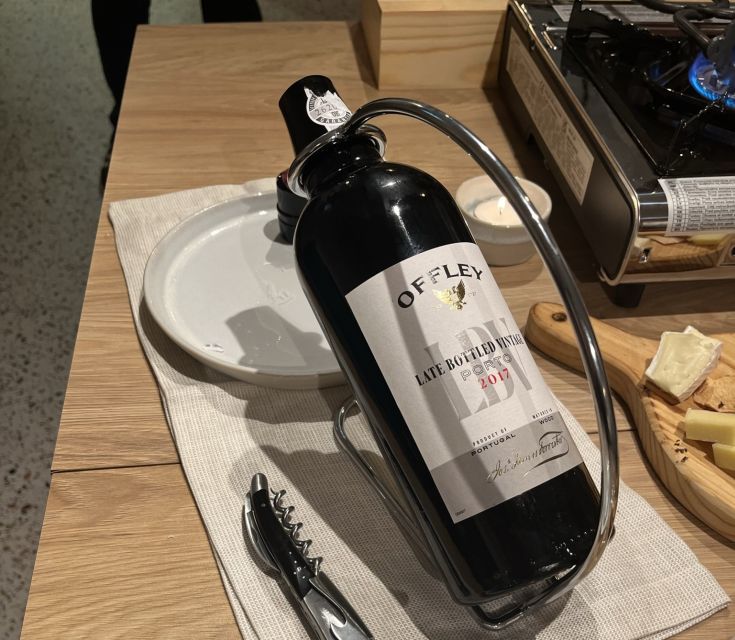
The description is clear that the experience happens inside a shop room, not in a cellar. That distinction matters in Porto, where many visitors picture dark storage rooms, old barrels, and views across the Douro.
You will not tour a vineyard or travel into the Douro Valley. You will not see the full production process on site. The class explains how Port is made, but the lesson is delivered at the table.
For some people, that is a drawback. If you have already visited several tastings and want a behind-the-scenes look, choose a cellar tour or a Douro excursion instead. The class is better suited to a first introduction, a rainy-day plan, or a tight city itinerary.
I see the lack of transport as a benefit for a different kind of visitor. You can reach the meeting point on foot, attend a one-hour session, and continue sightseeing without spending half a day on logistics. It is a practical city activity, not a rural wine journey.
Is $23 a fair price?
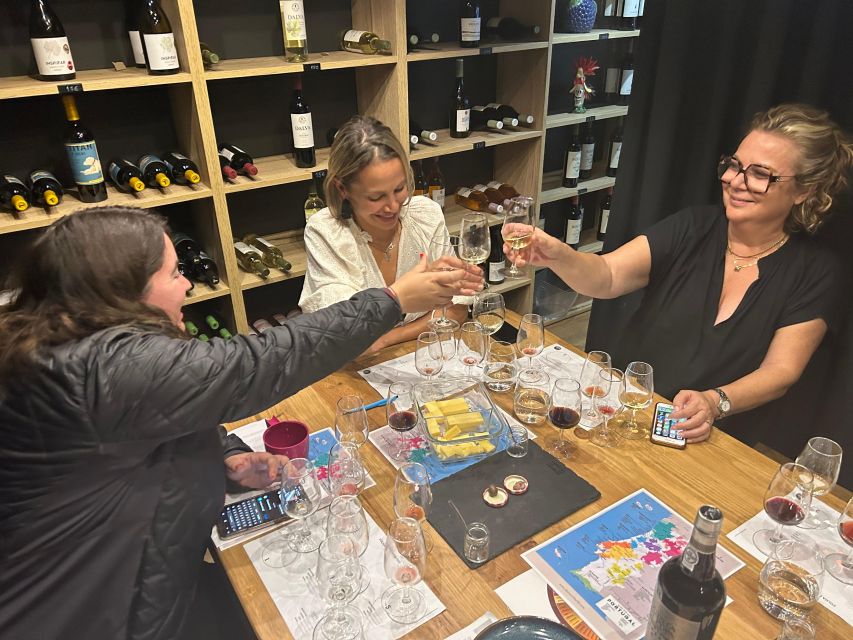
At $23 per person, this is inexpensive for a guided tasting of three or five Ports with food. The value is strongest in the five-Port version, since you receive a wider comparison and enough range to understand the basic categories.
You are paying for the guide’s explanations, the tasting, the pairings, and the central location. You are not paying for transport, a vineyard visit, or a cellar tour. That makes the price easy to judge: good for education and sampling, less suitable if you want a large-scale wine excursion.
The class also saves you from ordering several different Ports independently in bars or restaurants. You can compare them in a planned sequence and ask questions as you go. For a first visit to Porto, that is a useful introduction to one of the city’s defining products.
Free cancellation is available up to 24 hours before the start time, and you can reserve now and pay later. Availability and start times vary, so check the schedule when booking.
Who should book it?
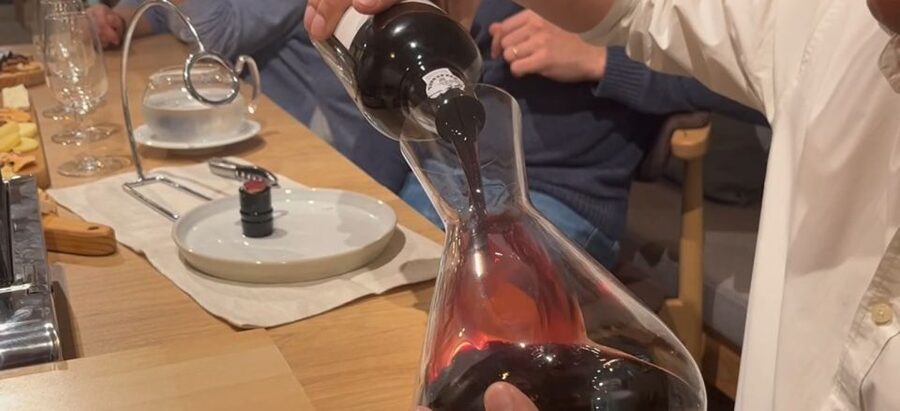
I would recommend the five-Port class to first-time Porto visitors, wine beginners, couples, solo visitors, and anyone who wants a clear introduction before exploring more of the city’s wine culture.
It also suits people with limited time. The central meeting point and short duration make it easy to fit between sightseeing stops. The English-speaking host keeps the session accessible, and the group size is limited to 10.
The three-Port version makes sense if you want a shorter activity or are cautious about fortified wine. Pick five if you enjoy comparisons, want more food pairings, or suspect you will leave wishing for another glass.
I would skip this particular experience if your main aim is a Douro Valley tour, a working cellar visit, or a detailed lesson in vineyard farming. For those goals, you need a longer outing elsewhere. For a friendly, affordable Port primer in the heart of Porto, this class gets the balance right.
FAQ
Where does the Port class take place?
It takes place in a room inside the provider’s shop in Porto city center, directly opposite Palácio da Bolsa. It is not held in a traditional cellar.
How do I find the meeting point?
The meeting point is the shop in front of Palácio da Bolsa. Check in at the tourist office because the class room is in the same building.
How long does the experience last?
The three-Port option takes about 45 minutes. The five-Port option takes around 1 hour and 15 minutes, and the full activity may last up to 90 minutes depending on questions.
How many Ports are included?
You can choose between three or five Port tastings. The five-Port selection includes two White Ports, one Tawny, one Ruby Reserve, and one LBV Port.
What food is served with the Port?
The pairings include olives, fruit, chocolate, cheese, and brownie. The host explains the relationship between the snacks and the wines.
Is the experience conducted in English?
Yes. The host or greeter conducts the class in English.
How large is the group?
The activity is limited to a maximum of 10 participants. Some sessions may be smaller, depending on bookings.
Is the tasting wheelchair accessible?
Yes, the activity is listed as wheelchair accessible.
Can I cancel or pay later?
You can cancel up to 24 hours before the activity for a full refund. A reserve-now, pay-later option is also available.
More Workshops in Porto
- Porto: Pastel de Nata Cooking Class with Port Wine – Sé
★ 4.8 · 888 reviews - Porto: Tile Painting Workshop with Tea and Port Wine
★ 4.9 · 66 reviews - Rome: Pasta Making Class with Wine, Limoncello, and Dessert
★ 4.9 · 3,177 reviews - Rome Cooking Class: Make Pasta and 3 Spritz Cocktails
★ 5.0 · 2,937 reviews
More Wine Tasting Classes in Porto
- Porto: Douro Valley Wine Tour with a Sommelier & Boat Trip
★ 5.0 · 463 reviews - Paris: French Wine Tasting Class with Sommelier
★ 4.8 · 550 reviews - Athens: Wine Tasting with a Sommelier under the Acropolis
★ 4.7 · 311 reviews - Paris: Wine and Cheese Tasting with a Chef Sommelier
★ 4.7 · 277 reviews
Just added around Porto
- Porto: Tuk tuk Tours with Port Wine Tasting★ 4.5 · 65 reviews
- Porto Wine Tasting Experience with Portuguese Tapas Plate★ 4.7 · 356 reviews
- Porto: Tile Painting Workshop with Tea and Port Wine★ 4.9 · 66 reviews
- Porto: Tile Painting and Cocktails in Downtown Porto★ 4.9 · 484 reviews
- Porto: Self-Guided Bike and Boat Tour with Port Wine Tasting★ 4.7 · 52 reviews
- Porto: Sunset Walking Tour with Port Wine and Views★ 4.6 · 95 reviews
- Porto: Tuk-Tuk Tour, Douro River Cruise, and Wine Tasting★ 4.3 · 152 reviews
- Porto: 4 Bar Pub Crawl, 7 Drinks, & Skip-the-Line Club Entry★ 4.6 · 485 reviews
Port Wine Cellar Tours, compared.
Live Fado Show with Port Wine at Lisboa em Fado
Read our review →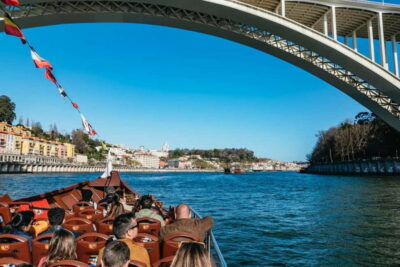
Bridges Cruise & Sunset & Port Wine Cellar Option
Read our review →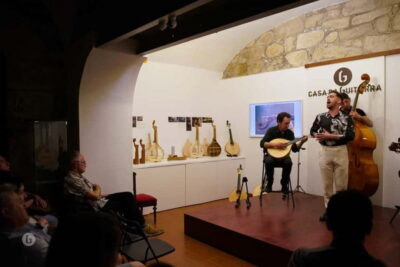
Fado & Port Wine in Traditional Portuguese Music Shop
Read our review →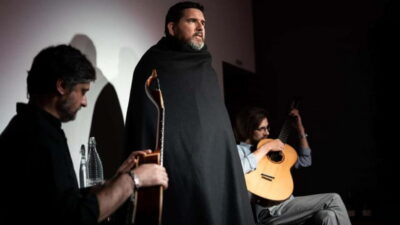
What is Fado? Commented Live Concert with Port Wine
Read our review →
Port Wine Lodges Tour Including 7 Port Wine Tastings (English)
Read our review →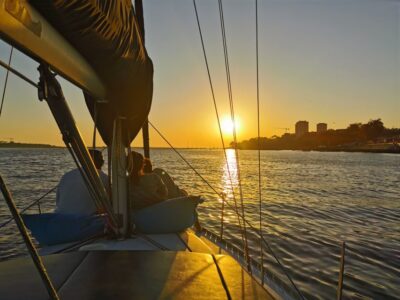
Charming Sailboat Cruise with Port Wine,Sunset Option
Read our review →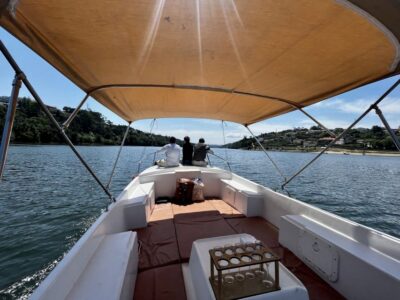
Douro River Boat Cruise with Port Wine Tasting
Read our review →Browse the lists this tour appears in