
Review · PORTO
Porto: What is Fado? Commented Live Concert with Port Wine
Fado na Baixa does more than place singers on a stage. It gives you a brisk, one-hour introduction to why this Portuguese music carries such weight, moving from Lisbon’s traditional sound to Coimbra’s student songs and later forms shaped by Amália Rodrigues. The short films and spoken explanations make the lyrics and musical styles easier to follow, even if you know nothing about Fado.
I especially like the contrast between the male and female singers and the two guitar styles, including the bright, unusual Portuguese guitar. I also like the Port pairing, which gives the hour a pleasant Porto flavor. The main compromise is time: one hour is enough for an introduction, but you may wish the music continued longer. The vintage chairs may also feel less comfortable than the performances deserve.
Key points to know before booking
- Lisbon and Coimbra in one hour: Hear two distinct Fado traditions, including Coimbra Fado performed by a male singer with a connection to Coimbra University.
- Music with context: Short films, personal testimonials, and commentary explain what you are hearing without turning the concert into a lecture.
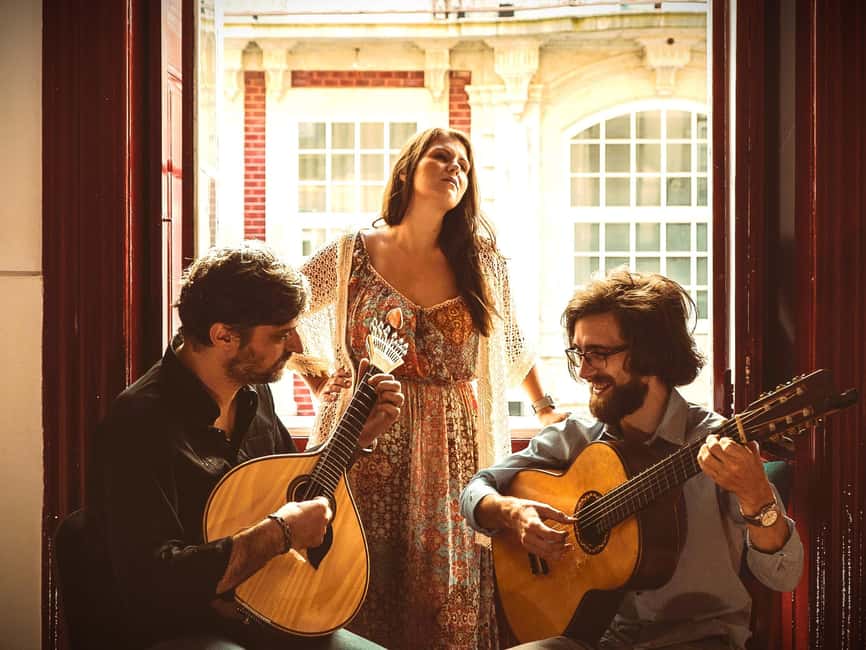
- Portuguese guitar up close: The musicians explain the instrument and show how Lisbon and Coimbra playing techniques differ.
- A small, intimate auditorium: The licensed venue occupies a 19th-century building at R. de São João 99, near the Douro River in Ribeira.
- Port included: Your ticket includes a glass of Tawny Port, with the cultural pairing built into the performance.
- Good value at $18: You get a live concert, multimedia presentation, audio guide, and wine for about the price of a casual meal in central Porto.
Why this Fado show works for first-time listeners
Fado can be hard to approach if you do not speak Portuguese. The music is emotional, the lyrics matter, and the quiet pauses between songs can feel mysterious when you do not know the customs.
Fado na Baixa solves that problem with a clear structure. Instead of asking you to sit through an unexplained concert, it gives you the basic story first, then lets the singers demonstrate it. Testimonials in English, French, Spanish, and other languages help explain the feeling behind the songs. The audio guide is also available in Portuguese, English, French, and Spanish.
That balance is important. The show does not try to translate every lyric or explain every musical detail. It gives you enough background to listen with sharper ears. You learn why Fado is tied to longing, fate, absence, fishermen, students, and the people left waiting at home.
I find this format especially useful if you have only one evening in Porto. You get a cultural introduction without committing to a long dinner show or a full night of music. The one-hour length also fits neatly before or after dinner in Ribeira.
More Port Wine Cellar Tours in Porto
- Porto: Live Fado Show with Glass of Port Wine
★ 4.8 · 6,498 reviews - Porto: Bridges Cruise & Sunset & Port Wine Cellar Option
★ 4.2 · 4,180 reviews - Porto: Fado & Port Wine in Traditional Portuguese Music Shop
★ 4.8 · 2,906 reviews
Inside the 19th-century auditorium near Ribeira
The Fado na Baixa auditorium is at R. de São João 99, 4050-553 Porto, in the heart of Ribeira. Its setting in a 19th-century building suits the music. You are not watching Fado in a large modern theater designed for thousands of people. The room is intended to keep the singers and instruments close.
That intimacy matters. Fado depends on small changes in a voice, the pause before a phrase, and the sharp response of the Portuguese guitar. A compact room lets you pay attention to those details.
The venue is licensed and wheelchair accessible. The staff speak Portuguese, Spanish, English, and French, which helps at the door and before the performance begins. The chairs have an old-fashioned, vintage appearance, though one Portuguese audience member felt they could use an upgrade. Since the show lasts only an hour, most people should find them manageable, but comfort-conscious visitors may want to keep this in mind.
The location also makes the concert easy to combine with a walk along the Douro. You do not need a separate transport plan once you are in central Porto. Check the exact starting time when booking, since the available sessions can vary.
The opening: traditional Lisbon Fado
The program begins with traditional Fado associated with Lisbon, the city where the style became widely established. This is the most familiar version for many first-time listeners: emotionally direct singing, expressive guitar accompaniment, and songs shaped by longing and fate.
The opening section gives you a sense of Fado’s traditional character before the show introduces later changes. The singers do not simply perform one song after another. Commentary and visual material set up the ideas behind the music, so you can hear the intensity with a little more understanding.
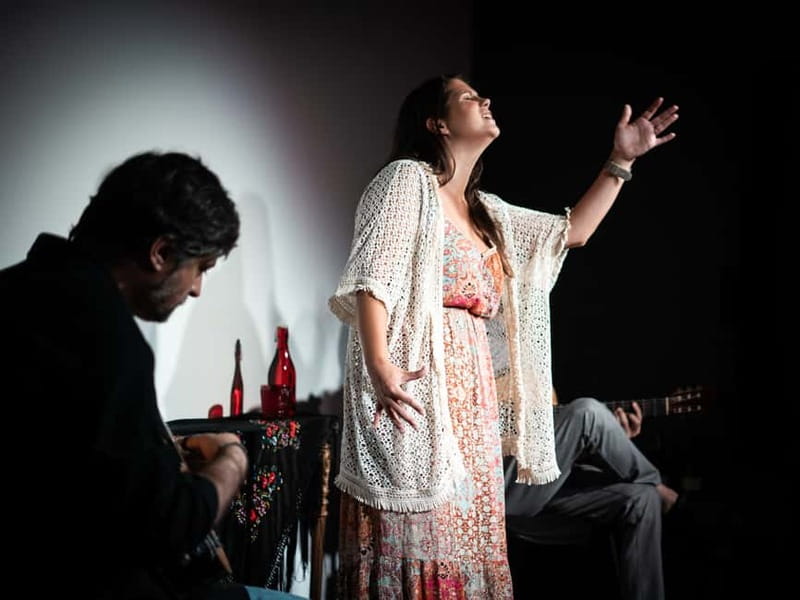
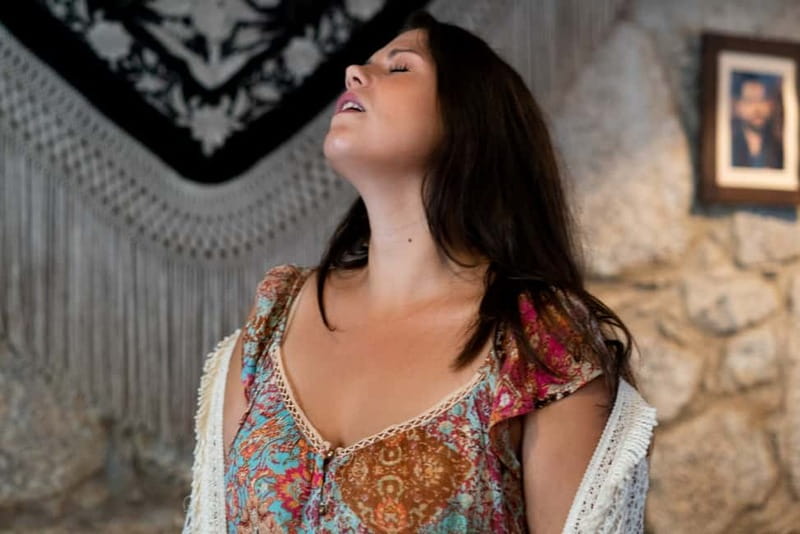
Expect both male and female voices during the performance. That contrast is valuable. A female singer and a male singer can bring different shades to the same broad tradition, and the program uses both rather than presenting Fado as a single sound.
The songs touch on themes connected with fishermen, absent loved ones, and the emotional pull of home. You do not need to understand every Portuguese word to catch the mood, but the explanations help you recognize why a particular song feels mournful, proud, or tender.
This section is also where the show feels most like a conventional concert. The singers and musicians carry the emotional work, while the commentary stays in the background. If you already know Lisbon Fado well, you may find this part familiar, but it remains a useful starting point for the rest of the program.
The Portuguese guitar and the Tawny Port pause
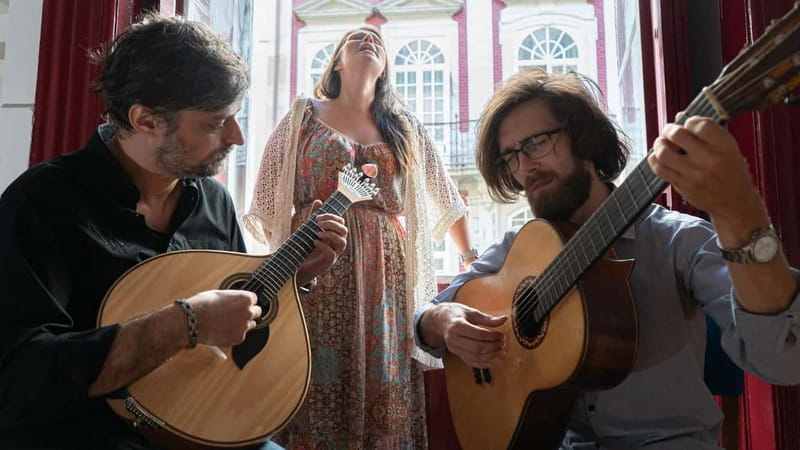
One of the most rewarding parts of the hour focuses on the Portuguese guitar. Its shape and sound differ from the standard guitar, and its bright, ringing notes can seem almost conversational beside the singer’s voice.
The musicians explain the instrument and highlight the different approaches used in Lisbon and Coimbra. This is not a technical masterclass, but it gives you a better reason to listen for changes in tone and phrasing.
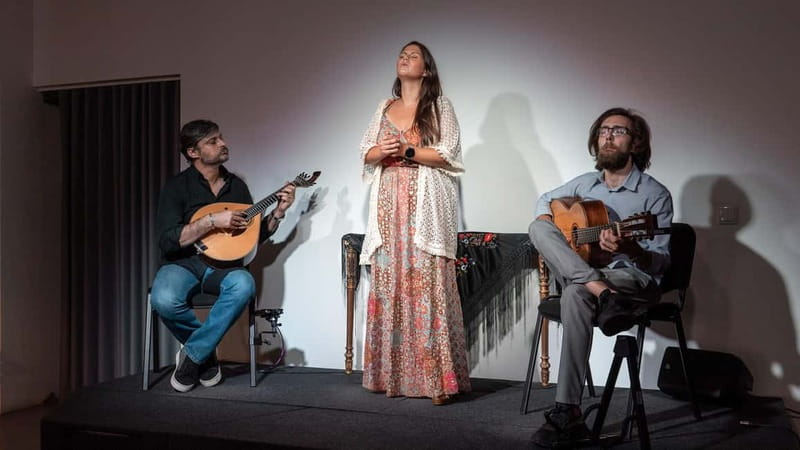
A musician identified in the program information is Mário Henriques, praised for his Portuguese guitar playing. Rato is also named as one of the guitarists. If you pay close attention during this section, you can hear why the instrument attracts so much interest, especially when it answers the singer rather than simply following along.
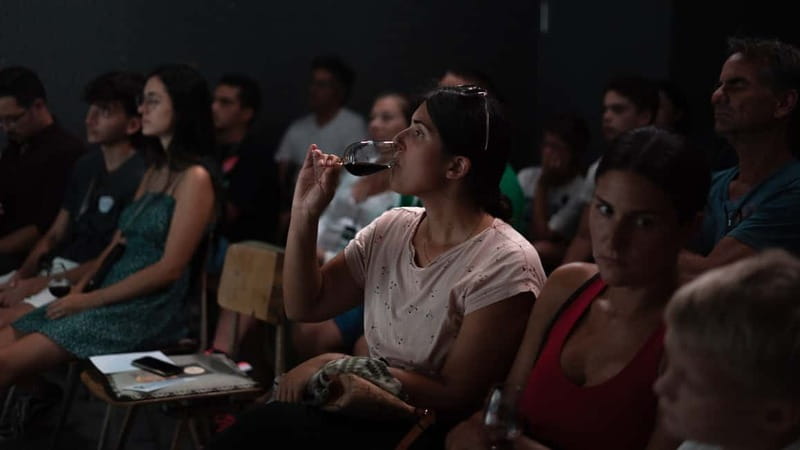
During this part, you receive a glass of Tawny Port. It is a modest serving, but it is a thoughtful touch rather than a random drink added to the ticket. Port is part of Porto’s identity, and the pairing gives you a taste of the city while you listen to one of Portugal’s best-known musical traditions.
The drink is alcoholic, so keep that in mind if you do not drink. One audience member specifically wished for a nonalcoholic alternative. The supplied information confirms the glass of Port, but does not confirm a replacement option, so ask the venue if that matters to you.
Same town, a different glass:
- From Porto: Douro Valley w/ Boat Tour, Wine Tasting & Lunch
★ 4.7 · 19,061 reviews - Complete Douro Valley Wine Tour with Lunch, Wine Tastings and River Cruise
★ 5.0 · 12,920 reviews - Porto: Douro Valley with Winery Lunch, Tastings & Cruise
★ 4.7 · 7,002 reviews - Authentic Small Group Douro Wine Tour with Lunch & River Cruise
★ 5.0 · 4,775 reviews
Coimbra Fado and the sound of Portuguese students
The program then turns south to Coimbra Fado, a style linked with the city’s university and its student traditions. This is not simply Lisbon Fado performed in another place. Coimbra Fado has its own character, repertoire, and performance customs.
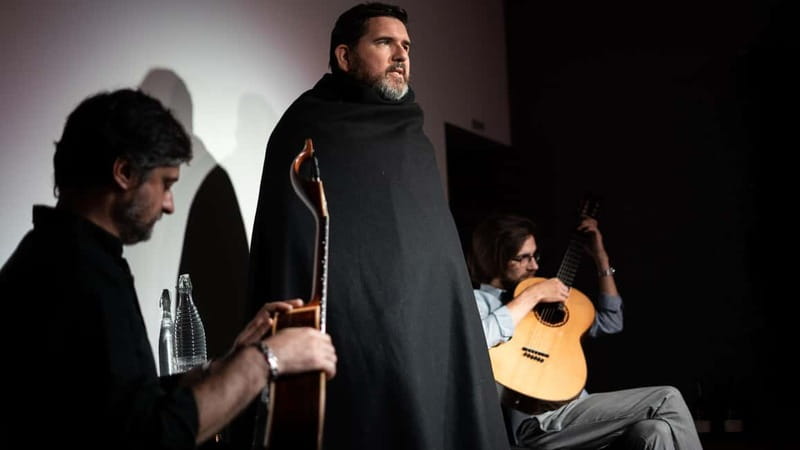
A male singer, described as a former Coimbra University student, performs this section in keeping with tradition. That personal connection gives the music a useful human angle. You are not only hearing a category of Portuguese song. You are seeing how university life and student memory helped shape a distinct form.
The mood can feel different from the more dramatic Lisbon material. Coimbra songs are often associated with students, academic life, farewells, and memories that follow people after university. One song, Balada de Despedida, has a particularly strong emotional effect in the program.
This part may be the most distinctive feature of the show. Many introductory Fado concerts focus almost entirely on Lisbon. By including Coimbra, Fado na Baixa gives you a broader view of Portuguese music and shows that Fado is not one fixed style.
If you have visited Coimbra, this section may carry extra meaning. If you have not, it still works as a quick introduction to the city’s musical identity. The performance makes clear why Coimbra Fado remains closely tied to student life.
Amália Rodrigues and the change from old to new
The next section introduces Amália Rodrigues, widely known as the queen of Portuguese Fado. The program explains how she reshaped traditional Fado and helped bring it to a much larger audience.
This is an important turning point. Without it, the show could leave you thinking that Fado is frozen in the past. Instead, you see how a major singer expanded the form while keeping its emotional center.
The presentation also places Amália within the broader story of Fado’s growth. Her influence helped bring new recognition to the music, but the show does not stop there. The final portion asks how Fado continues to live through new poetry, musical combinations, and performers who respect older forms.
That progression gives the performance a clear beginning, middle, and end. You first hear traditional material, then a regional variation, then a major figure who changed the music, followed by evidence that Fado continues to develop.
I like this approach because it helps you avoid a common mistake: treating Fado as a museum piece. The music has roots and rules, but it is still performed, reshaped, and passed on.
Short films, stories, and audience participation
The multimedia sections are brief enough to support the music rather than replace it. Short films explain the background and evolution of Fado, while personal testimonials offer a more direct sense of what the music means to Portuguese people.
The timing is one of the show’s strengths. The screen material appears between live sections, so you have time to absorb an idea before hearing it demonstrated. A number of audience members found the amount of history just right for a leisure activity: informative, but not so heavy that it felt like a classroom.
The show also includes interactive moments. You may be guided to sing along during parts of a few songs. This is not a full audience-participation spectacle, and you are not asked to perform alone. The interaction is gentle and gives the room a shared sense of occasion.
That element may appeal to families and visitors who prefer an active cultural experience. If you want a completely silent concert with no participation, you may find it slightly less formal than expected. For most first-time listeners, the interaction helps make the music feel less distant.
The performers and musical quality
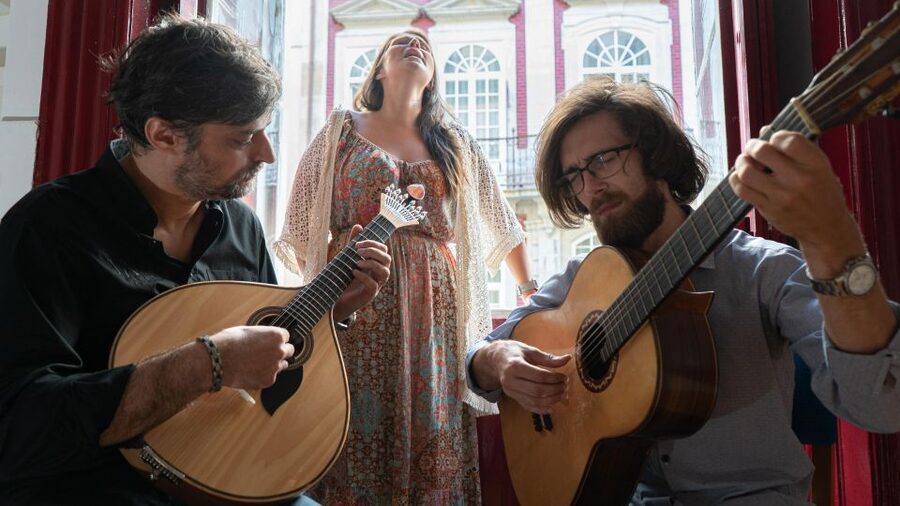
The performance features four artists: male and female Fado singers, a standard guitarist, and a Portuguese guitarist. That compact lineup keeps the focus on voices and strings.
The strongest praise goes to the singers and guitarists as a group. The singers bring different vocal colors, while the musicians provide the precise accompaniment Fado requires. The Portuguese guitar player attracts particular attention, especially from people familiar with string instruments.
The program is not presented as a lavish stage production. Its appeal rests on musicianship, closeness, and clear explanation. The room, the live voices, and the guitar work do most of the work.
The experience can vary slightly depending on which artists appear at your session. The supplied information identifies Mário Henriques and Rato among the musicians, but it does not provide a complete fixed cast list. If a particular performer matters to you, check with Fado na Baixa before booking.
Is $18 good value in Porto?
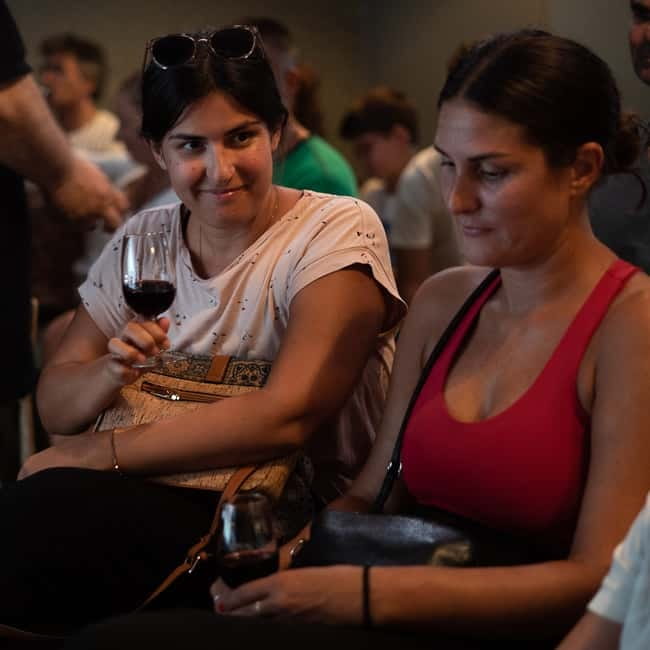
At $18 per person, I consider this a strong value for a short cultural activity. The ticket includes the live performance, multimedia content, audio guide, and a glass of Tawny Port. You are paying for more than a single concert song or a drink in a bar.
The best value comes from the explanation. If you already understand Fado and have attended several concerts, you may prefer a longer performance with less commentary. But if you are starting from zero, the context saves you from sitting through beautiful music without knowing what you are hearing.
The hour also protects your budget in another way. You can fit it into a day of sightseeing without giving up a full evening meal or another major attraction. It works well as an early evening plan, a break after walking through Porto, or a cultural stop before dinner.
The main limitation is that the show is an introduction, not an exhaustive concert. Several people wanted it to continue longer. That is a fair criticism, but the short format is also why it suits busy itineraries.
Who should book Fado na Baixa?
I would choose this experience if you want a clear first encounter with Portuguese music and do not speak Portuguese. The multilingual explanations, audio guide, visual material, and musical variety make the performance easy to follow.
It is also a good fit for couples, families with older children, and visitors who want something beyond churches, viewpoints, and port lodges. The interactive singing adds a little warmth without turning the event into a noisy show.
Music fans should pay special attention to the Portuguese guitar and the comparison between Lisbon and Coimbra techniques. The instrument is a reason to come on its own if you play guitar or enjoy hearing uncommon string styles.
You might choose something else if your main goal is a long, serious Fado concert with no commentary. This program gives you education, history, wine, and performance in equal measure. That broad approach is useful for beginners, but less focused than a specialist concert.
Booking is also sensible if you want a plan with some flexibility. Free cancellation is available up to 24 hours before the activity, and you can reserve now and pay later. The auditorium is wheelchair accessible, and the staff can assist in Portuguese, Spanish, English, or French.
Should you book this one-hour Fado experience?
For most first-time visitors to Porto, I would book it. The strongest reason is the way it connects the music to its setting, language, history, and people without requiring a full evening.
You get Lisbon Fado, Coimbra Fado, the Portuguese guitar, Amália Rodrigues, short films, audience participation, and Tawny Port in one compact program. The performers are the heart of the experience, but the explanations help you listen with more feeling and purpose.
Skip it only if you already know Fado well or want an uninterrupted concert lasting several hours. Otherwise, $18 buys a thoughtful introduction in a central, intimate venue, and the one-hour length leaves plenty of time for Porto’s other pleasures.
FAQ
Where is the Fado na Baixa concert held?
The auditorium is at R. de São João 99, 4050-553 Porto, in the Ribeira area near the Douro River.
How long does the Fado experience last?
The performance lasts one hour. Starting times vary, so check availability when choosing your session.
What languages are available?
The host or greeter can speak Portuguese, Spanish, English, or French. The audio guide is available in English, French, Spanish, and Portuguese.
Is Port wine included?
Yes. The experience includes a glass of Tawny Port served as part of the cultural pairing with the music.
Is the venue wheelchair accessible?
Yes. The auditorium is wheelchair accessible.
Can I cancel or pay later?
You can cancel up to 24 hours in advance for a full refund. You can also reserve your place and pay later, which keeps your plans flexible.
More Concerts in Porto
- Budapest: Prosecco Dinner Cruise with Live Music
★ 4.4 · 1,336 reviews - Frenchmen Street VIP Live Music Pub Crawl in New Orleans
★ 4.5 · 613 reviews - Porto: Authentic Fado Concert With Port Wine & Views
★ 4.8 · 543 reviews - Paris: Seine River Champagne Dinner Cruise with Live Music
★ 4.4 · 287 reviews
Just added around Porto
- Porto: Tuk tuk Tours with Port Wine Tasting★ 4.5 · 65 reviews
- Porto: Tile Painting and Cocktails in Downtown Porto★ 4.9 · 484 reviews
- Porto Wine Tasting Experience with Portuguese Tapas Plate★ 4.7 · 356 reviews
- Porto: Tile Painting Workshop with Tea and Port Wine★ 4.9 · 66 reviews
- Porto: Self-Guided Bike and Boat Tour with Port Wine Tasting★ 4.7 · 52 reviews
- Porto: Sunset Walking Tour with Port Wine and Views★ 4.6 · 95 reviews
- Porto: Tuk-Tuk Tour, Douro River Cruise, and Wine Tasting★ 4.3 · 152 reviews
- Porto: 4 Bar Pub Crawl, 7 Drinks, & Skip-the-Line Club Entry★ 4.6 · 485 reviews
Port Wine Cellar Tours, compared.
Live Fado Show with Port Wine at Lisboa em Fado
Read our review →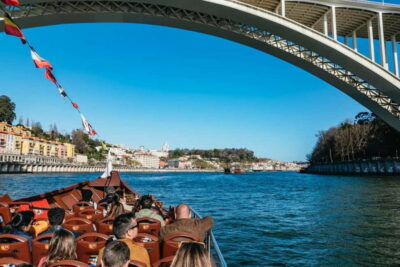
Bridges Cruise & Sunset & Port Wine Cellar Option
Read our review →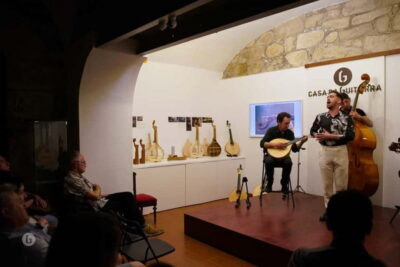
Fado & Port Wine in Traditional Portuguese Music Shop
Read our review →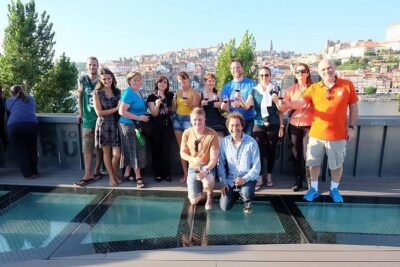
Port Wine Lodges Tour Including 7 Port Wine Tastings (English)
Read our review →
Charming Sailboat Cruise with Port Wine,Sunset Option
Read our review →
Douro River Boat Cruise with Port Wine Tasting
Read our review →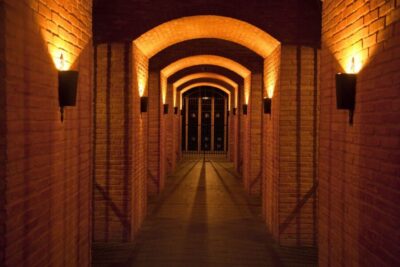
Graham’s Port Lodge Tour with Premium Wine Tastings
Read our review →Browse the lists this tour appears in