
Review · PERU
Cusco: Peruvian Cooking Class, Cocktails & Local Market Tour
San Pedro Market is the real opening act here. You begin among Cusco’s potatoes, quinoa, cacao, cheese, bread, fruit, and other local foods, then carry that market lesson into a cooking studio in the historic center. I especially like the market-to-table connection and the chance to make two pisco cocktails while you cook. The class also gives you a useful look at the Spanish, Andean, and coastal influences behind Peruvian food.
I like that Chef Jesus explains the story behind each dish instead of handing you a recipe and walking away. I also like the practical flexibility: vegetarian, vegan, gluten-free, and alcohol-free versions are available. The main consideration is that this is not a serious chef-training course. Some of the work involves assembling and plating prepared ingredients, so cooks seeking four hours of technical kitchen practice may find it lighter than expected.
Key points to know before booking
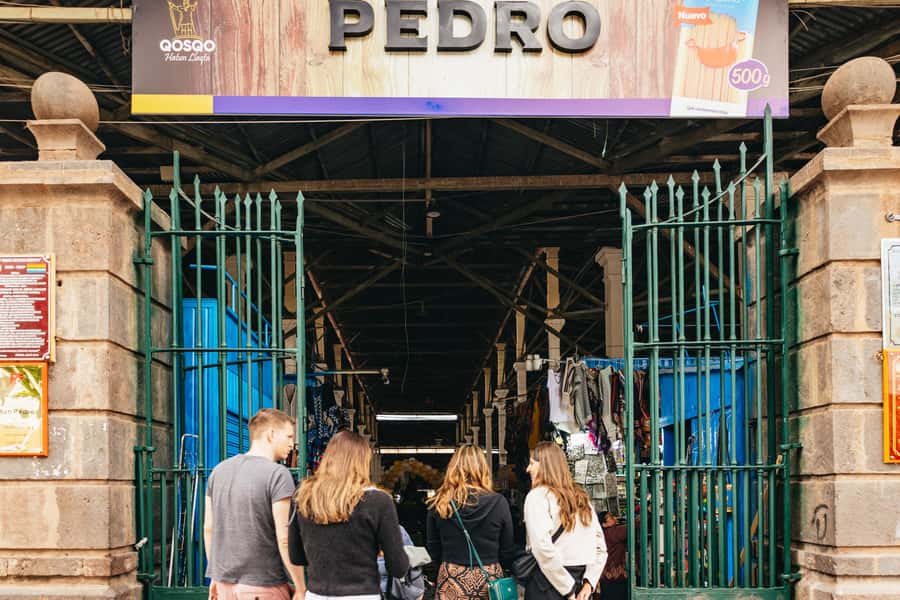
- San Pedro Market comes first: Meet at Door Number 1 and explore one of Cusco’s oldest markets before cooking.
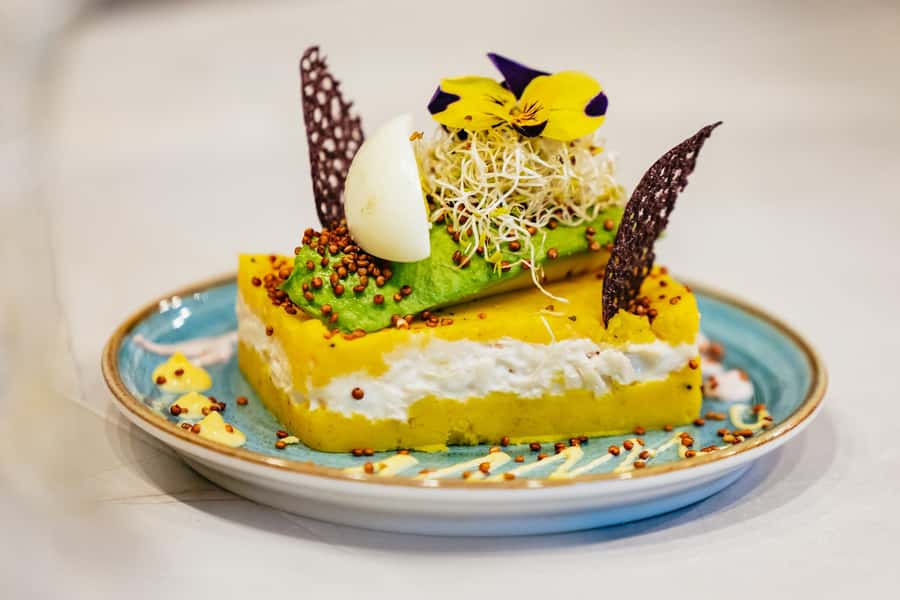
- Four Peruvian dishes are served: Prepare ceviche, causa limeña, quinoa tamales, and finish with picarones and honey.
- Two pisco cocktails are included: Alcohol-free versions are available, so everyone can join the drink-making.
- Chef-led and English-speaking: Chef Jesus is named as the lead, while sessions have also been led by Jorge and Eric.
- Small groups keep it personal: The class is limited to 10 participants.
- Plan around the altitude and the meal: Wear comfortable shoes, arrive hungry, and consider this a useful low-key activity while adjusting to Cusco.
Starting at San Pedro Market in Cusco
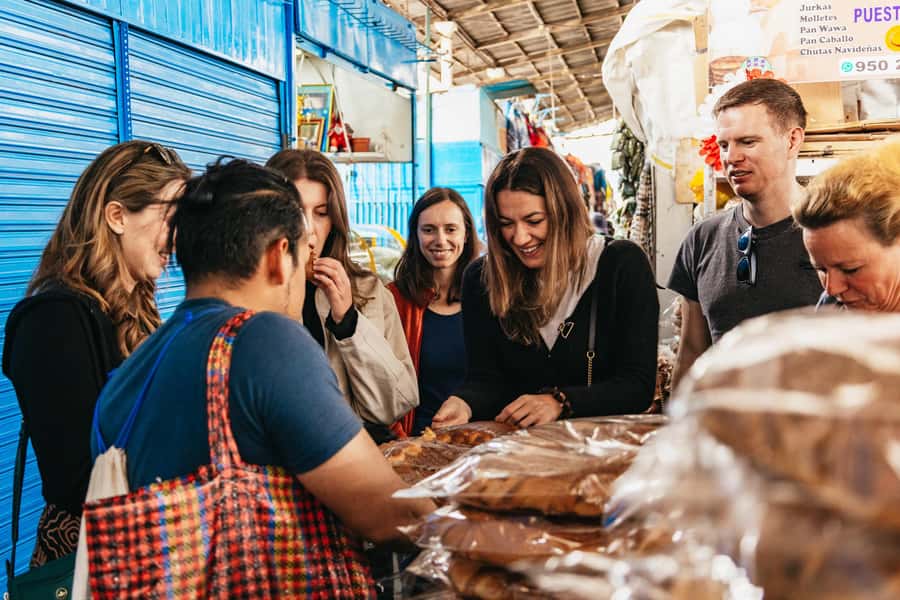
The class begins at Door Number 1 of San Pedro Market. This meeting point is central and easy to identify, but give yourself enough time to arrive without rushing. You will spend the first part on foot, so comfortable shoes matter more than stylish ones.
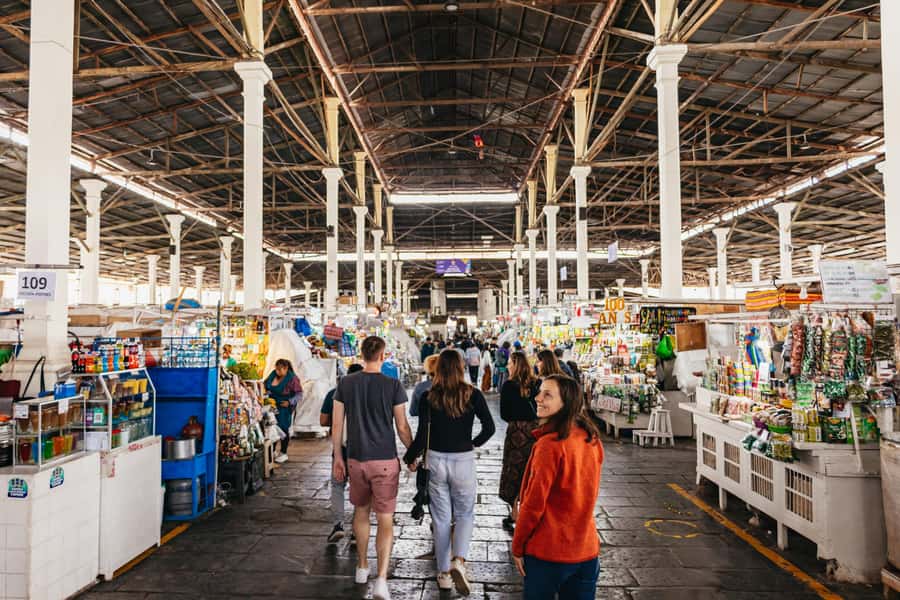
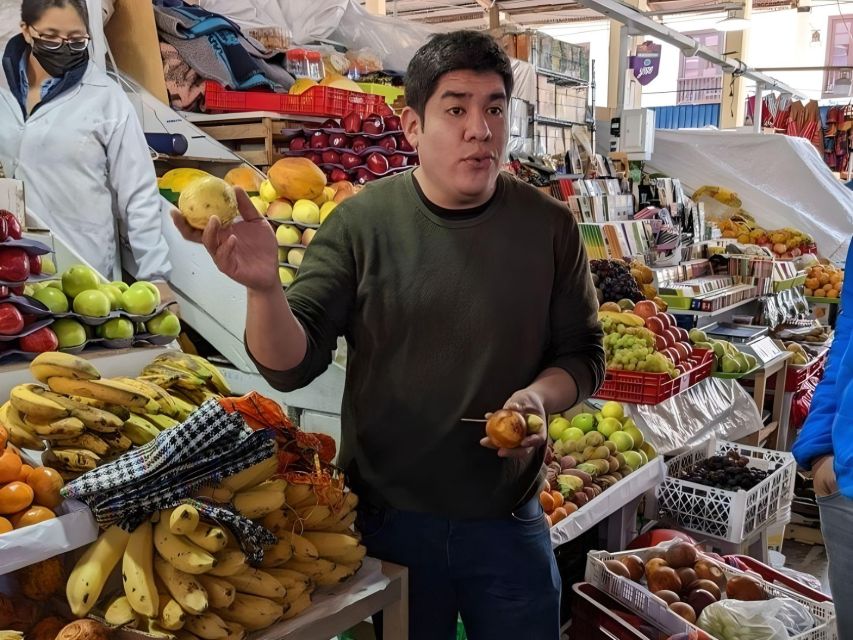
San Pedro is a useful place to begin learning Peruvian food because it brings many ingredients together in one working market. You can expect to see potatoes in many forms, quinoa, bread, cheese, cacao, chocolate, fruits, and other produce used in daily cooking. The point is not simply to walk through stalls and take photographs. Your guide connects what you see with what you will later prepare.
The market portion also gives you a better sense of how broad Peruvian cooking is. Cusco’s food is not limited to one signature dish or one type of ingredient. Andean staples such as quinoa and potatoes meet coastal preparations such as ceviche, while products introduced from elsewhere have become part of Peru’s food culture.
Sampling is part of the fun. You may try local cheese, bread, chocolate, coffee, or fruit as the guide explains what you are tasting. These small samples help you recognize the ingredients later, instead of meeting them only as anonymous items in a recipe.
The market can be crowded and lively, and it is a working food market rather than a polished cooking-school showroom. That is part of its value, but it also means you should expect walking, standing, close quarters, and plenty of visual activity. If you prefer quiet museums and carefully arranged displays, this opening may feel energetic. If you want a direct look at local food shopping, it is a strong start.
More Cocktail Classes in the world:
- Amsterdam: Luxury Saloon Boat Cruise with Cocktails & Waffle
★ 5.0 · 5,935 reviews - Amsterdam: Luxury Saloon Boat Cruise with Cocktails & Waffle
★ 4.6 · 4,393 reviews - Rome Cooking Class: Make Pasta and 3 Spritz Cocktails
★ 5.0 · 2,937 reviews
Walking from the market to the cooking studio
After the market visit, you take a short walk to a cooking studio in Cusco’s historic center. The change in setting is useful. You get the rougher, everyday market experience first, followed by a clean, organized kitchen where the food can be prepared and served comfortably.
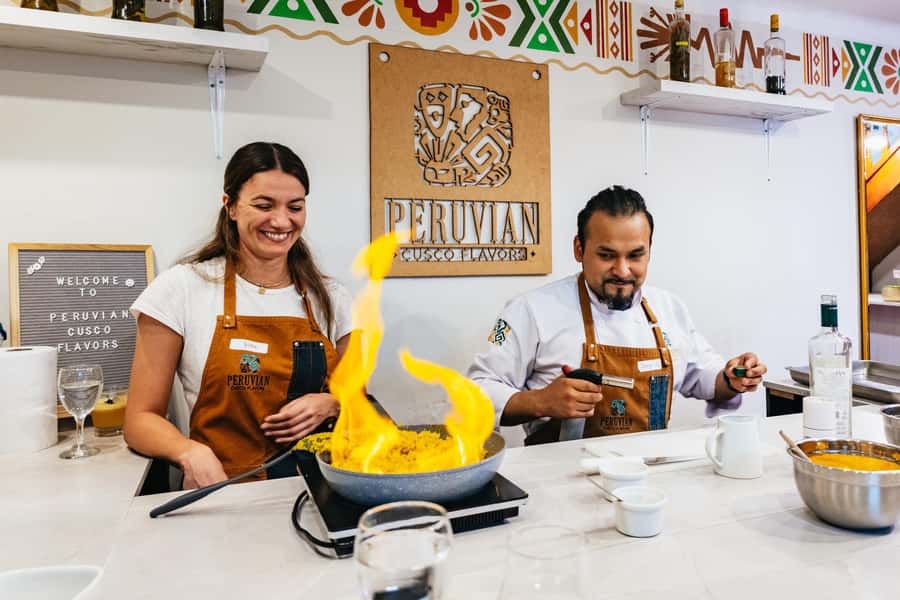
At the studio, you put on an apron and settle into the class. The group is limited to 10 people, which is a good size for a hands-on meal. You are not lost in a large demonstration crowd, and the chef has a reasonable chance to help with questions, dietary needs, and plating.
The class lasts about four hours, so set aside a substantial part of your afternoon or evening. One participant described it as a long afternoon, which is fair. You are not squeezing in a quick tasting between sightseeing stops. The reward is a full meal, two drinks, market samples, and time at the table with the group.
Making two Peruvian cocktails with pisco
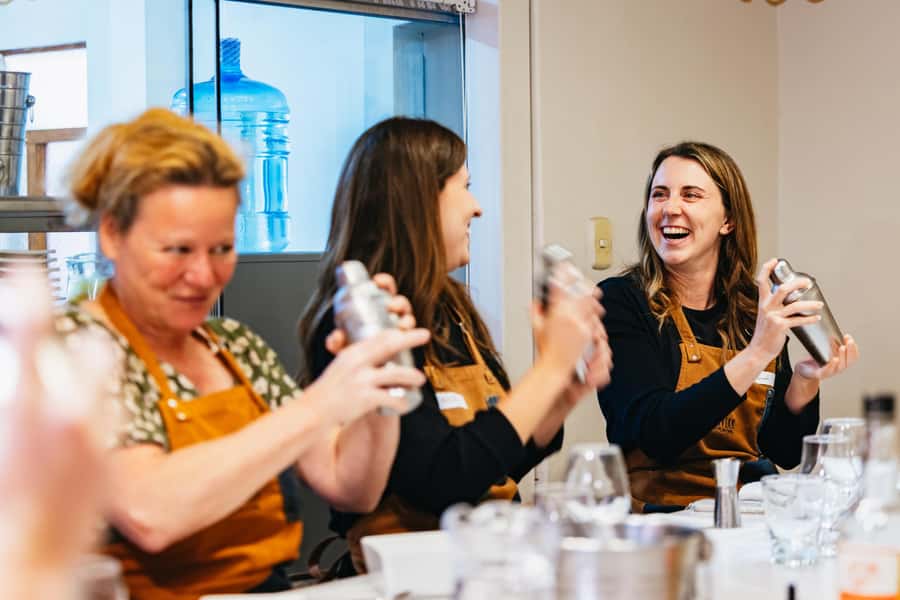
The drink-making begins before the main dishes. You prepare two Peruvian cocktails, with pisco as the central spirit. The class treats the drinks as part of the food lesson rather than an unrelated bar stop.
You receive step-by-step help, and you drink the cocktails during the session. That makes the class social from the beginning and gives you something to work on while the cooking gets underway. The drink portion is also a good introduction to pisco for anyone who has not tried it before.
You do not need to drink alcohol to take part. Non-alcoholic recipes are available, and the kitchen can prepare mocktails instead. This is particularly helpful for people who are driving, avoiding alcohol, or simply want to stay clear-headed at altitude.
The two drinks are included in the $67 price, along with the ingredients, class, market tour, water, and food. I consider that a fair package for a four-hour activity in central Cusco, especially because it includes both an organized market visit and a substantial meal. The value is less compelling if you only want a quick cocktail lesson or a simple restaurant lunch.
Ceviche, causa limeña, and quinoa tamales
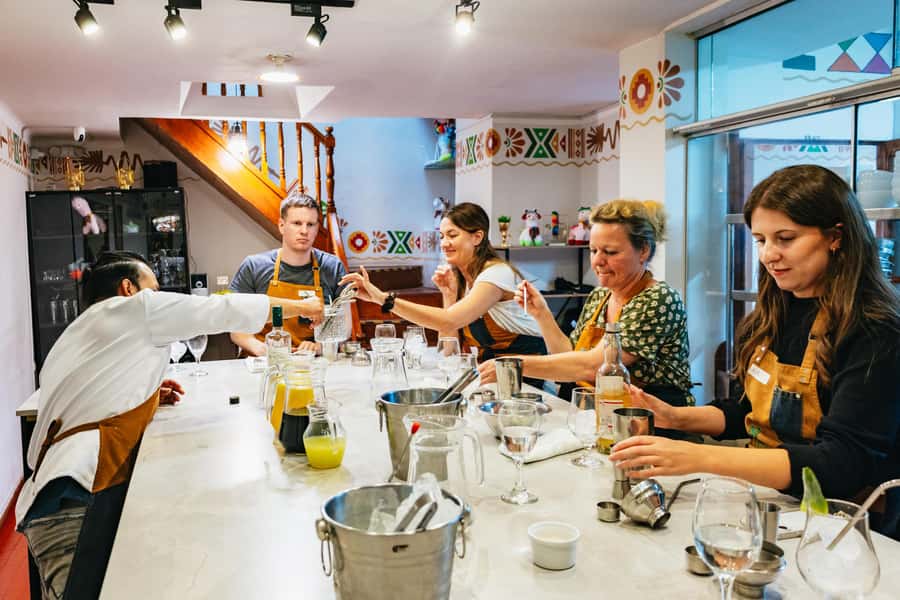
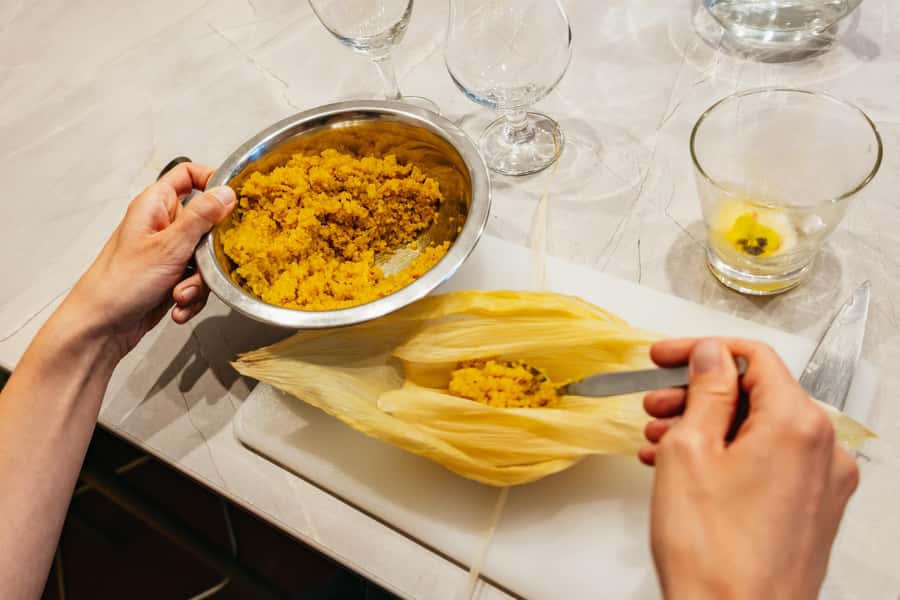
The main lesson covers three well-known Peruvian preparations: ceviche, causa limeña, and quinoa tamal. The chef explains each dish step by step, including its background and place in Peruvian cooking.
Ceviche is the coastal star of the menu. In the class, you learn how the ingredients come together into a bright, fresh dish. It gives you a taste of Peru’s Pacific influence and provides a useful contrast with the more Andean ingredients seen at the market.
Causa limeña is built around seasoned potato and layered or shaped presentation. This is one of the dishes where plating becomes part of the experience. You are not only combining ingredients. You are learning how a simple staple can become a carefully arranged appetizer.
The quinoa tamal brings an Andean grain into the meal. Since quinoa is one of the ingredients you see in the market, preparing it later makes the earlier visit feel purposeful. You begin to see how local products move from stall to plate.
The class is designed so that you can follow along without advanced cooking skills. You will receive clear instruction and help from the chef and assistants. At the same time, do not expect every element to be prepared from raw ingredients entirely by you. A participant described the class as more about assembling and presentation than intensive cooking. That is not a flaw for most people, but it is important to know before booking.
I see this format as a good choice for a first cooking class. You learn recognizable dishes, work with attractive ingredients, and finish with food that is ready to eat. You do not spend the entire session chopping onions or waiting for one difficult technique to work.
More Cooking Classes in the world:
- Rome: Pasta Making Class with Wine, Limoncello, and Dessert
★ 4.9 · 3,177 reviews - Barcelona Paella Cooking Class with Market Visit, Tapas & Sangria
★ 5.0 · 2,531 reviews - Fettuccine & Tiramisù: Cooking Class with Wine & Limoncello
★ 4.9 · 2,103 reviews - Pasta Cooking Class Near the Colosseum with 3 Spritz Cocktails
★ 5.0 · 1,686 reviews
Picarones and a full table of food
The meal ends with picarones served with honey. These Peruvian sweets are a fitting finish because they add a dessert course without turning the class into a formal pastry lesson.
By the end, you will have prepared two cocktails, three main dishes, and a sweet tasting. The meal can be generous, so arrive hungry. Several people specifically advised leaving room for the food, and that is practical advice rather than a slogan.
Sugar-free and gluten-free options are available for the picarones. Gluten-free, vegetarian, and vegan menus can also be arranged for the wider meal. If you have a dietary restriction, state it when booking and repeat it when you arrive. There was at least one instance of confusion about a gluten-free request, so clear communication is sensible.
Vegetarians and vegans are not pushed to the side with a plain salad. The kitchen can adapt traditional dishes, and vegetarian versions of Peruvian classics have been prepared during the class. Alcohol-free cocktails are also available, which makes the experience easier to share with a mixed group.
At the end, you sit down and eat together. That shared table is one of the class’s best features. Cooking gives a small group an immediate common task, and the meal gives everyone time to talk. The pisco may help, but the food does most of the work.
The chefs and teaching style
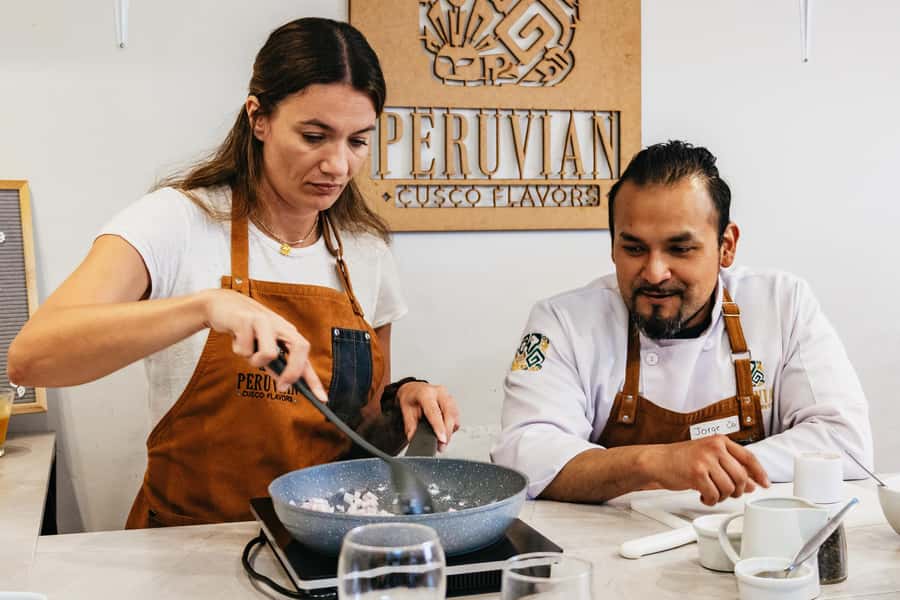
The experience names Chef Jesus as the chef guiding the class. Other sessions have been led by Jorge or Eric, so the exact instructor may vary. The consistent theme is a chef who explains ingredients, cooking methods, and the background of each dish while helping the group work through the meal.
Chef Jesus is praised for his personality and teaching style. Jorge is also described as friendly and well-informed, while Eric is noted for his enthusiasm and clear explanations. These details matter because a cooking class depends heavily on the person at the front of the room. A good chef keeps the pace moving, answers questions, and makes beginners feel capable.
The instruction is delivered in English. The guide does more than call out steps. You learn why ingredients matter, how dishes relate to Peruvian food culture, and how to present the finished plates. Recipe copies may be sent by email after the class, giving you a chance to repeat the meal at home.
I would not book this expecting a quiet, private lesson. The small group still includes people with different skill levels, dietary needs, and comfort with cooking. The upside is the social atmosphere. The downside is that you may not control every step or receive constant one-on-one attention.
Is $67 a good value in Cusco?
At $67 per person, this is not the cheapest way to eat in Cusco. You could find a filling local meal for much less. The comparison is not really with lunch, though. The price covers four hours, a guided market visit, ingredients, a chef-led lesson, two cocktails, three savory dishes, dessert, and water.
I think the price works best for people who value context and participation. You are paying to understand the ingredients, prepare the food, enjoy a structured meal, and spend time with a small group. The market visit also adds something you would not get from a cooking class held entirely indoors.
The value is stronger if you are new to Peruvian food. The class gives you a broad introduction in one sitting: Andean grains, potatoes, coastal ceviche, pisco, local sweets, and market produce. It can also help you decide what to order during the rest of your time in Peru.
The value is weaker if your priority is advanced technique. This is a friendly cultural cooking experience, not a professional kitchen course. You will learn useful methods and presentation, but some preparation is assisted or partly completed before you work with it.
The best time to fit this into your Cusco visit
This class works particularly well during your first days in Cusco, when you are still getting used to the altitude. It keeps you in the city center, involves no long drive, and gives you a calm reason to walk, sit, eat, and learn.
The activity does include standing and walking through the market, so it is not completely effortless. Still, it is less demanding than a major archaeological excursion or mountain hike. Several people used it as a gentler activity before the Inca Trail.
It also works well near the end of a Peru trip. By then, you may have tasted ceviche, potatoes, quinoa, and pisco without knowing how they fit together. The class helps pull those food experiences into one clear picture. You also leave with recipes you can try at home.
Avoid scheduling it when you need to rush to another attraction. Four hours is a real commitment, and the best part is the steady pace. You want enough time for the market, cocktails, cooking, eating, and conversation.
Who should book this cooking class?
I would recommend it to first-time visitors to Cusco who want food to explain the place, not just fill a plate. It suits couples, friends, solo participants, and small family groups with children aged 10 or older.
It is also a smart pick for mixed-diet groups. Vegetarian, vegan, gluten-free, sugar-free, and alcohol-free adjustments are available. The kitchen has experience making changes without removing people from the main activity.
Families should note the minimum age of 10. Younger children are not suitable for this experience. Older children who enjoy food and hands-on activities can take part, but the four-hour length may feel long for anyone who dislikes sitting, listening, and eating at a measured pace.
You should also book it if you want a social activity. The limited group size encourages conversation, and the shared meal gives solo visitors an easy way to meet people. If you prefer a private class or advanced culinary instruction, choose a different format.
Practical details for a smooth afternoon
Meet at Door Number 1 at San Pedro Market. Wear comfortable clothes and shoes, since the first portion involves walking and standing.
The class is offered in English and has a live guide. It is limited to 10 participants, but the exact starting time depends on availability. Check the schedule before planning your Cusco day.
Vegetarian, vegan, and gluten-free menus are available. Non-alcoholic cocktail recipes can be provided. Tell the team about dietary needs when you reserve, then confirm them at the start so the kitchen has the right plan.
Free cancellation is available up to 24 hours before the activity for a full refund. You can also reserve and pay later, which helps if your Peru plans are still shifting.
Should you book it?
I would book this class if you want a practical introduction to Cusco’s food culture and prefer doing something rather than watching another demonstration. The market visit, friendly chef instruction, and generous meal give the experience more substance than a simple tasting.
Book it early in your Cusco stay if you want an easy, useful activity while adjusting to the altitude. Book it near the end if you want to connect the foods you have tasted across Peru. Skip it only if you need an advanced technical class, dislike group activities, or cannot spare four hours.
For $67, you receive a full afternoon of food, drinks, context, and participation. That makes it a solid choice for curious eaters who want to take a small piece of Peruvian cooking home.
FAQ
Where does the Cusco cooking class begin?
Meet at Door Number 1 at San Pedro Market in Cusco.
How long does the activity last?
The full experience lasts four hours.
What food will I prepare?
You will prepare ceviche, causa limeña, and quinoa tamal. The experience also includes picarones with honey as a sweet finish.
Are drinks included?
Yes. Two cocktails are included, along with water. Non-alcoholic cocktail recipes are available.
Can I join if I am vegetarian, vegan, or gluten-free?
Yes. Vegetarian, vegan, and gluten-free menus are available. Sugar-free options are also available for the picarones.
Is the activity offered in English?
Yes. The live guide and cooking class are offered in English.
Are children allowed to join?
Children under 10 years old are not suitable for this activity.
More Shopping Tours in the world
- Palermo: Street Food and Local Market Tasting Tour
★ 4.9 · 540 reviews - Budapest Food Tour: Market to Tavern with 14+ Tasters & Wines
★ 5.0 · 434 reviews - Trevi Fountain, Pantheon, and Campo Dei Fiori Market Food and Wine Tour
★ 5.0 · 320 reviews - 101 Oliver Rum Tasting & Pairing And Taino Concept Store
★ 5.0 · 244 reviews
More Market Tours in the world
- Pike Place Market Tasting Tour
★ 5.0 · 1,696 reviews - Early-Bird Tasting Tour of Pike Place Market
★ 5.0 · 1,154 reviews - Paella Cooking Class, Wine Tasting & Central Market in Valencia
★ 5.0 · 1,150 reviews - Tbilisi:Mtskheta,Jvari,Bazaar,wine tasting,Chronicles of Georgia
★ 5.0 · 730 reviews
Just added around the world
- Catamaran Sunset Champagne Cruise Cape Town★ 4.5 · 85 reviews
- Luxury Sunset Cruise with Prosecco★ 4.5 · 71 reviews
- Private Tour of Top 5 Stellenbosch Wineries From Cape Town★ 4.0 · 56 reviews
- Private Stellenbosch, Franschhoek Paarl Wine Tour from Cape Town★ 5.0 · 89 reviews
- Full-Day Stellenbosch, Franschhoek and Paarl Wine Tasting Tour from Cape Town★ 4.0 · 98 reviews
- From CapeTown: Stellenbosch Half Day Wine Tour★ 4.5 · 287 reviews
- Private Full Day Stellenbosch Wine Tour with Pick Up and Drop Off★ 5.0 · 425 reviews
- Full Day Small Group Wine Tour Cape Town and Stellenbosch★ 5.0 · 79 reviews
Cocktail Classes & Tastings, compared.

Luxury Saloon Boat Cruise with Cocktails & Waffle
Read our review →Luxury Saloon Boat Cruise with Cocktails & Waffle
Read our review →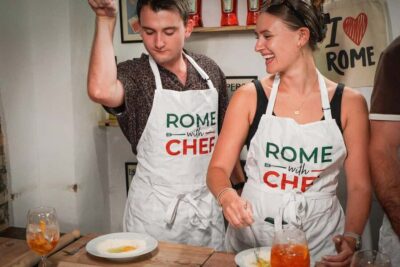
Rome Cooking Class: Make Pasta and 3 Spritz Cocktails
Read our review →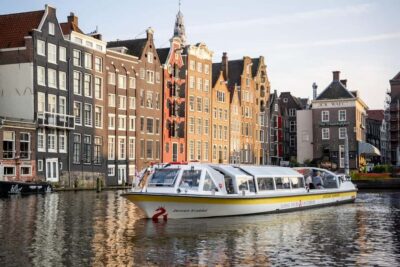
City Centre Canal Cruise & Free Flower Cocktail
Read our review →
Oahu’s Waikiki Coast: Moana’s Sunset Cocktail Sail
Read our review →
Food & Mixology Tour:Tequila,Tacos, Mezcal and Agave Cocktails
Read our review →
Pasta Cooking Class Near the Colosseum with 3 Spritz Cocktails
Read our review →
Key West Afternoon Snorkel Sail with Unlimited Cocktails!
Read our review →Browse the lists this tour appears in