
Review · FRANCE
Colmar: Highlights Walking Tour and Wine Tasting
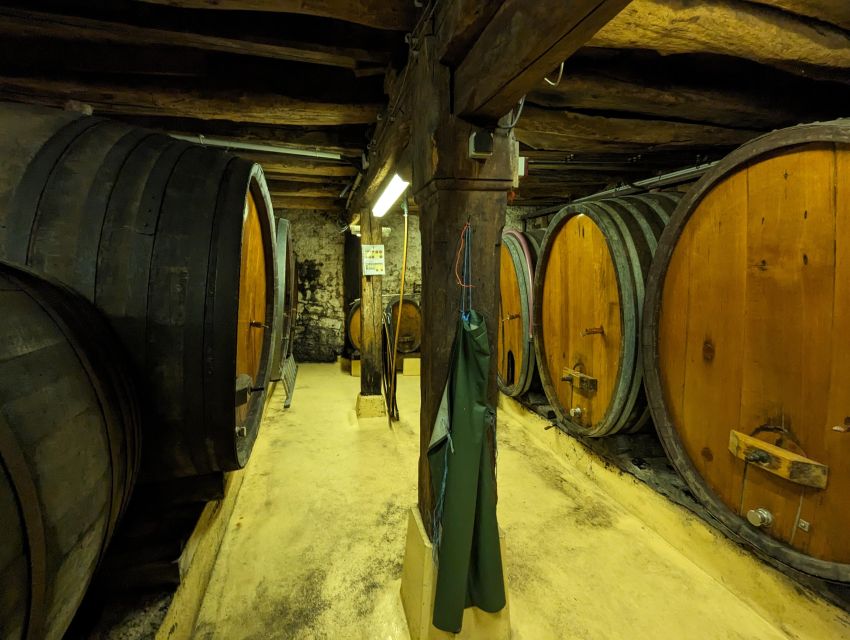
Colmar’s best surprise may be that its famous storybook streets lead to a real working wine cellar. This two-hour tour pairs a local walk with a tasting at Domaine Karcher, giving you both the town’s French and German past and a taste of the wines that define Alsace.
I like the small group limit of six, which lets you ask questions without shouting across a crowd. I also like the local angle: Nicolas grew up in Colmar and adds family stories, restaurant tips, and a clear explanation of what it means to be Alsatian. The main drawback is the short length. Two hours gives you a smart introduction, but not time to explore every museum or pause at every pretty street.
Key points at a glance
- A local guide from Colmar: Nicolas brings personal knowledge of the city, its culture, and its complicated French-German past.
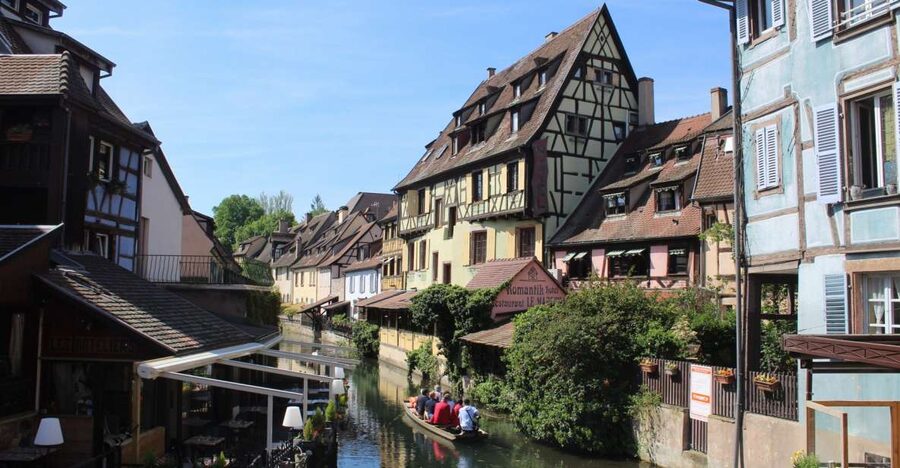
- Old Town on foot: See colorful half-timbered houses, Renaissance buildings, Gothic churches, narrow lanes, and the Little Venice area.
- A genuine winery stop: Finish at Domaine Karcher, a local cellar associated with wine production in Colmar since 1605.
- Alsatian white wines: Taste regional varieties such as Riesling, Gewurztraminer, and Pinot Gris, with several samples and an explanation of local wine-making.
- Small and personal: With no more than six participants, the walk can feel more like a friend showing you around than a standard group tour.
- Useful first-day choice: Nicolas offers suggestions for restaurants, museums, bars, shopping, and nearby places to visit after the tour.
Why this Colmar tour works so well
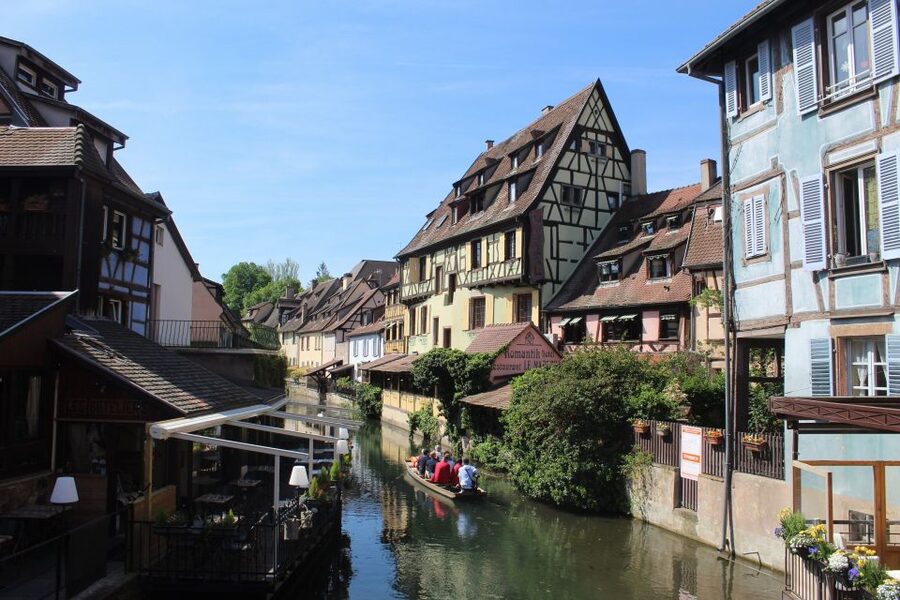
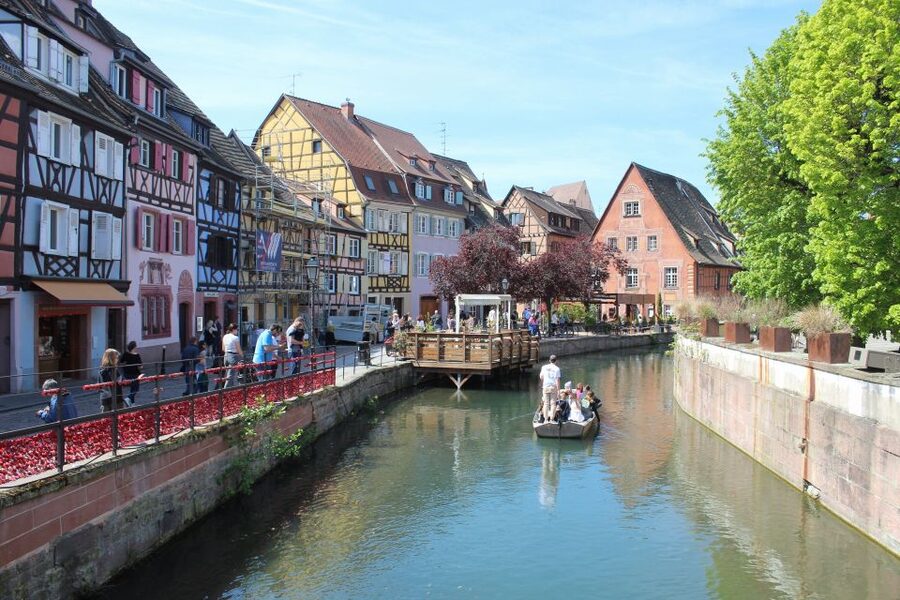
Colmar is easy to admire and surprisingly easy to misunderstand. Its colored façades, flower boxes, canals, and cobbled lanes can make the town feel like a stage set. A good guide helps you see past the postcard view and explains how the city became a meeting point for French and German language, food, architecture, and politics.
That is the real strength of this experience. You are not only walking through pretty streets. You are learning why the buildings look the way they do, why Alsace has such a distinct identity, and why Colmar is tied so closely to white wine.
The tour costs $53 per person for two hours. That is not the cheapest way to stroll around Colmar, since the Old Town is compact and easy to explore on your own. The value comes from the combination of a local history walk, personal recommendations, and a winery tasting that would be harder to arrange with the same ease on your own.
I would especially consider booking this for your first day in Colmar. The walk helps you get your bearings, and Nicolas’s suggestions can shape the rest of your stay. It is also a good fit if you want a short introduction rather than a full-day regional wine excursion.
More Wine Tasting Tours in France
- Bordeaux: Cité du Vin Entry Ticket and Wine Tasting
★ 4.6 · 3,885 reviews - Montmartre Hill French Gourmet Food and Wine Tasting Walking Tour
★ 5.0 · 2,588 reviews - From Paris: Loire Valley Castles Day Trip With Wine Tasting
★ 4.6 · 1,727 reviews
Starting at Parc du Champ de Mars
The meeting point is the Fontaine Bruat in Parc du Champ de Mars. This is a useful starting place because it puts you just outside the densest part of the Old Town before leading you into the historic center.
Be ready for a walking tour on cobblestones. The experience takes place rain or shine, so comfortable shoes and weather protection matter. The tour is not suitable for people with mobility impairments, and anyone who finds uneven streets difficult should take that limitation seriously.
The group size is limited to six participants. That number changes the feel of the tour. You can hear the guide more easily, stop for questions, and receive recommendations suited to your interests. Some departures may be especially small, and the tour can become almost private if only one or two people book.
The guide speaks English and French. Nicolas is the name most often associated with this experience, and his local connection is central to the tour. He grew up in Colmar and brings a personal sense of place to the history, rather than simply reciting dates from a guidebook.
Reading Colmar through its half-timbered houses
The walk moves through Colmar’s Old Town, where traditional half-timbered houses give the city its instantly recognizable look. Their bright colors and decorative details are lovely, but the guide adds the useful part: how architecture reflects the region’s past and local building traditions.
You will see Renaissance dwellings, Gothic religious buildings, and narrow medieval streets. These sights are close together, which makes a two-hour tour practical. You are not spending half the morning traveling between attractions. Instead, the story unfolds as you move through the center.
Nicolas’s approach, based on the information available for this experience, includes both the major sights and less obvious corners. That balance matters. A first visit should include the famous views, but the smaller lanes and overlooked details often help you remember Colmar long after you have taken the standard photographs.
The walk also gives context to Alsace’s shifting identity. The region has moved between French and German control, and that past can be seen in language, food, architecture, and local customs. Nicolas explains the blend in a direct, accessible way, with personal stories that make the subject easier to follow.
I would not expect a formal lecture. The appeal is a conversational walk with room for questions. If you want exact dates for every building or a specialist art-history tour, you may need a longer or more focused experience. If you want to understand what you are seeing as you wander, this format is more useful.
Colmar’s canals and the Little Venice area
The Old Town portion includes the Little Venice area, one of Colmar’s most photographed sections. Canals, bridges, and tightly packed historic façades create the fairytale mood that draws many people to town.
A guide earns the fee here by helping you look beyond the obvious view. You can learn how this part of Colmar relates to the city’s working past and why the waterways mattered, rather than simply stopping for a quick picture.
Keep in mind that the tour does not promise a leisurely photography session at every viewpoint. Two hours must cover the town’s main sights, its historical background, and the winery stop. If you want long pauses beside the canals, plan to return after the tour.
That is one reason I like doing this experience early in a visit. You can note the places you want to revisit, then come back later when you are free to take photographs, browse shops, or sit by the water.
More Wine Tastings in France:
- From Bordeaux: Afternoon Saint-Emilion Wine Tasting & snack
★ 4.8 · 1,581 reviews - Medoc or Saint Emilion Wine Tasting and Chateau from Bordeaux
★ 5.0 · 1,415 reviews - Saint Emilion Day Trip with Sightseeing Tour & Wine Tastings from Bordeaux
★ 5.0 · 1,120 reviews - Saint Emilion Half-Day Trip with Wine Tasting & Winery Visit from Bordeaux
★ 4.5 · 1,034 reviews
From town history to Alsace’s wine culture
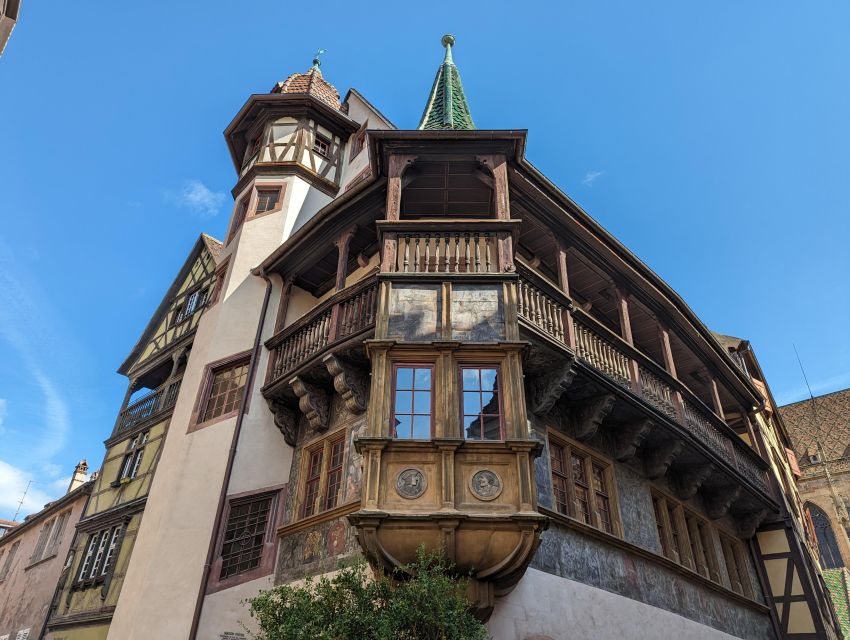
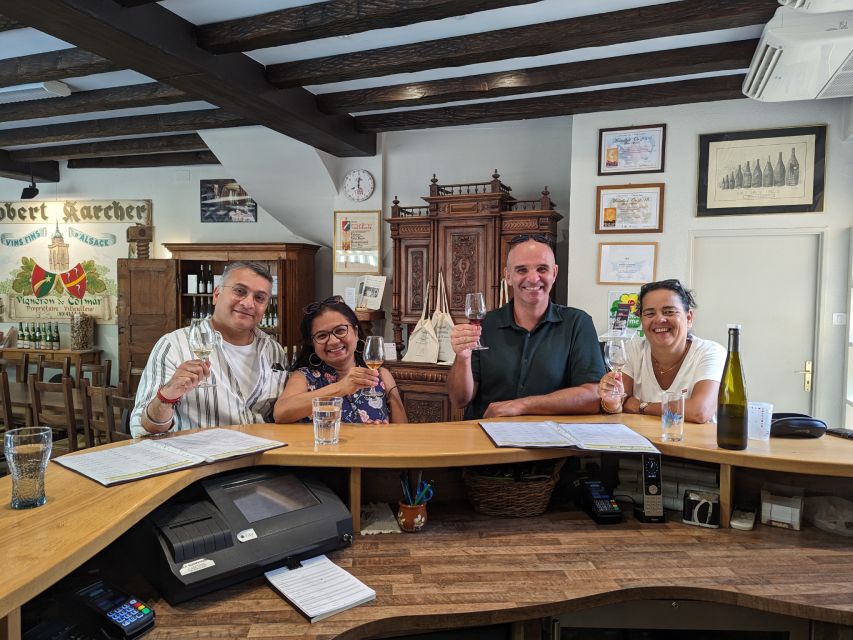
The tasting is the second half of the experience, and it gives the walking tour a clear sense of purpose. Colmar is known as the Capital of Alsace Wines, and the tasting explains what that title means in practice.
Alsace is especially known for white wines. You can expect an introduction to varieties such as:
- Riesling, a crisp white associated with Alsace and often valued for its freshness.
- Gewurztraminer, known for a more aromatic style.
- Pinot Gris, another important Alsatian grape with a fuller character.
The tasting is not simply a glass poured at the end of a walk. The experience includes an explanation of grape varieties and wine culture, and the cellar visit can show you how the wine is produced and stored.
Several tasting details appear especially useful. At some sessions, you can choose three wines from a much longer list, with one account describing around 24 options. Other sessions included three generous samples. The exact selection may vary, but you should expect a proper tasting rather than a token sip.
The wine stop is at a local winery connected with the Karcher family. Domaine Karcher and Robert Karcher & Fils are identified with a cellar dating to 1605, and the setting gives the tasting a strong local character. You are tasting in Colmar itself, not being sent out to a distant vineyard after the walk.
That distinction matters. Colmar is a convenient base for visiting the wider Alsace Wine Route, but a short city tour cannot take you through the countryside. This tasting offers a small piece of that wine culture without requiring transport or a full afternoon.
What makes the winery stop worthwhile
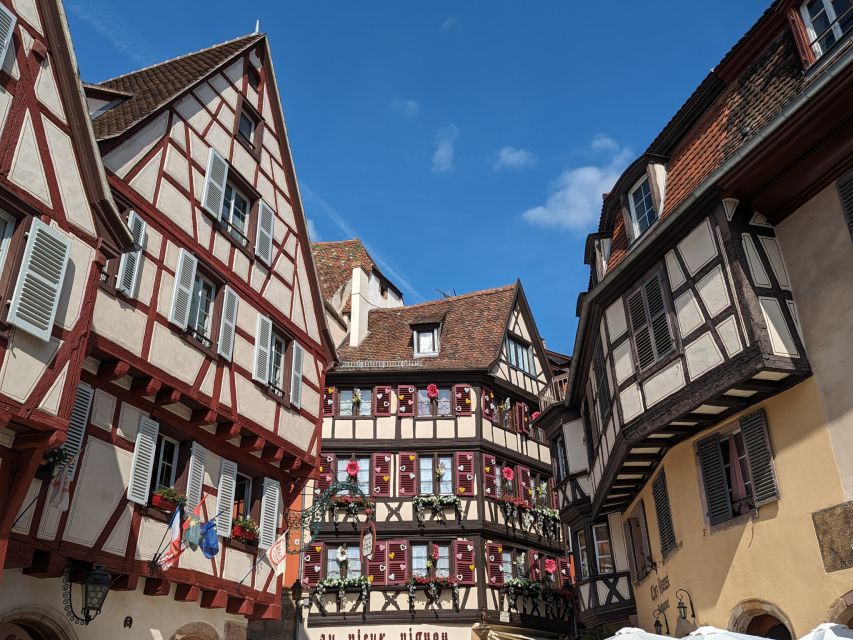
The best part of the cellar visit is the chance to speak with someone connected to the producer. The tasting has included explanations of production, the differences between vintages, and the character of individual wines.
You may also have the chance to buy a bottle. Several people used the tasting to choose wine to take home, and the winery has been able to arrange shipping to the United States. Shipping rules and costs can change, so ask at the cellar rather than assuming a bottle can be sent to your destination.
The atmosphere is described as relaxed, which suits a morning or early afternoon activity. Generous pours can make the tasting more substantial than expected, so pace yourself, especially if you have lunch plans afterward.
This is also a useful experience for people who know little about wine. You do not need to arrive with technical vocabulary. The guide and winery staff explain the regional grapes in plain terms, and tasting several styles side by side makes the differences easier to understand.
Wine experts may find the session too brief. You will not get a full vineyard visit, a long technical seminar, or an extensive look at every stage of production. The value is its local setting and its easy connection to the city walk.
Nicolas’s local perspective
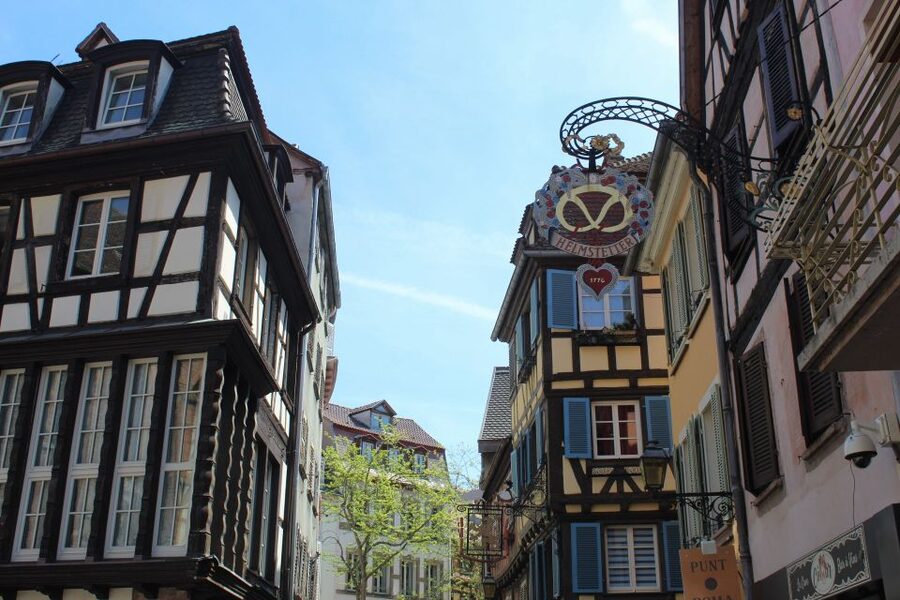
A local guide can make a major difference in Colmar, where the visual charm is obvious but the regional story takes more work. Nicolas explains the connection between French and German influences and what it means to be Alsatian today.
His style appears energetic and easy to follow. He has also been willing to answer questions well beyond the planned route and to suggest places for dinner, drinks, museums, shopping, and later visits around the region.
Those recommendations are one of the most practical benefits of booking early in your stay. You can ask where to eat after the tour, which museums deserve your time, or what to see next in Alsace. The advice is especially useful if you want to avoid choosing a restaurant solely because it sits on the prettiest street.
Nicolas also adds personal stories, including details from his own family and local life. Those moments help explain the region as a lived-in place rather than a collection of old façades.
The tour is available in English or French. English-language communication has been described as clear, and the small group gives you a better chance to ask for clarification if a historical point needs more explanation.
How much can you see in two hours?
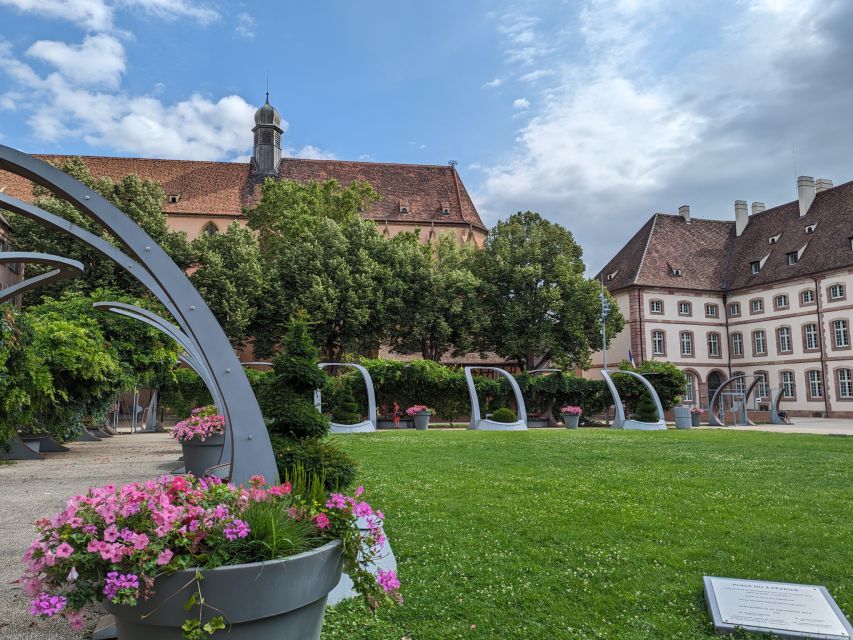
You can see the main Old Town sights and get a helpful introduction to Colmar, but you should set sensible expectations. This is not a complete city sightseeing program.
The two-hour schedule works because Colmar’s central sights are close together. You will walk through the historic center, hear about its architecture and past, visit notable areas such as Little Venice, and finish with wine. The pace is active but not designed as a long-distance hike.
The limitation is time. You will not have a separate visit to every museum, a long interior tour of each church, or an extended stop at every canal. The tour is best understood as an orientation with depth, not a full survey.
I like that balance for a first visit. You get enough information to make the city more meaningful, then keep the rest of the day open. If you prefer slow travel with long stops, you may find the schedule a little brisk, particularly if the group has many questions.
Who should book this experience?
I would recommend it to first-time visitors who want to understand Colmar before exploring alone. It is also a good match for couples, friends, and solo visitors who prefer a small group and want the ease of a planned tasting.
Wine drinkers will appreciate the direct connection between Colmar and Alsace’s white wines. Even if you are new to wine, the tasting gives you a friendly way to compare local grapes without committing to a full-day vineyard tour.
History fans should enjoy the explanation of French and German influences, especially because Nicolas connects regional events to ordinary local identity. Architecture lovers get a clear route through the half-timbered houses, Renaissance buildings, and Gothic landmarks.
Families should consider the walking conditions and the two-hour length. One account found the duration manageable with a six-month-old child, but the tour is not suitable for people with mobility impairments. The tasting portion is designed around wine, so it may not be the best choice for someone who does not drink or who wants a family activity with no alcohol focus.
The tour also suits anyone who wants recommendations for the rest of a Colmar stay. Nicolas has offered restaurant and bar suggestions, museum ideas, and tips for the surrounding area.
Practical details before you reserve
The meeting point is the Fontaine Bruat in Parc du Champ de Mars. Check the starting time when booking, since availability can change.
The tour lasts two hours and takes place in all weather. Wear shoes suitable for cobblestones and bring protection from rain or sun. The route is on foot, and the experience is not suitable for people with mobility impairments.
The price is $53 per person. With the guide, walking tour, and Alsatian wine tasting included, I consider that a fair price if you value local explanation and a proper winery visit. It is less compelling if you only want to photograph the Old Town, since you can walk through the center independently.
The booking terms are flexible: you can cancel up to 24 hours ahead for a full refund, and the reserve-now, pay-later option lets you hold a place without paying immediately. Those policies are useful for a changing itinerary, but they do not change the tour’s basic limitations: short duration, walking on uneven streets, and a tasting centered on wine.
Should you book the Colmar wine and walking tour?
Book it if you want a friendly introduction to Colmar, a local explanation of Alsace’s mixed identity, and a tasting in a real city winery. The small group, Nicolas’s local background, and the Karcher cellar make this more personal than a standard highlights walk.
Skip it if you want a full-day wine-country excursion, extensive museum time, or a tour designed around accessibility. You can also save the $53 by walking the Old Town independently, but you will miss the local stories, tailored recommendations, and guided tasting.
For most first-time visitors, I would schedule it near the start of the trip. It gives you the city’s basic map, its historical frame, and a better sense of what to eat and drink next. Two hours is enough to get started, and the wine at the end is a fitting introduction to the Alsatian table.
FAQ
Where does the Colmar walking tour meet?
Meet the guide at the Fontaine Bruat in Parc du Champ de Mars.
How long does the experience last?
The tour lasts two hours, including the Old Town walk and the Alsatian wine tasting.
What languages are available?
The tour is offered in English and French.
How large is the group?
The group is limited to six participants.
What wines are included in the tasting?
The tasting focuses on Alsatian wines, including regional white varieties such as Gewurztraminer, Riesling, and Pinot Gris.
Does the tour include a winery visit?
Yes. The walk ends with an Alsatian wine tasting at a local winery in Colmar. The experience has included a visit to the Karcher cellar.
Is the tour suitable for people with mobility impairments?
No. The experience is listed as unsuitable for people with mobility impairments and takes place on foot through streets that include cobblestones.
Can I cancel the booking?
You can cancel up to 24 hours in advance for a full refund. A reserve-now, pay-later option is also available.
More Walking Tours in France
- Nice Small-Group Walking Food Tour with Local Specialties & Wine Tasting
★ 4.5 · 558 reviews - Paris: Food and Wine Tasting Walking Tour in Le Marais
★ 4.9 · 446 reviews - Saint-Émilion: Vineyard Walking Tour and Tasting
★ 5.0 · 404 reviews - Paris: Walking Food Tour with Cheese, Wine and Delicacies
★ 4.7 · 323 reviews
Just added around France
- Saint Emilion Full Day Wine and Bike Tour★ 5.0 · 167 reviews
- Professional – Bordeaux Wine and Cheese Tasting with a walking tour★ 5.0 · 218 reviews
- Bordeaux Wine and Trade Museum Admission Ticket with Wine Tasting★ 4.5 · 599 reviews
- Medoc Afternoon Wine Tour – 2 Wineries, tastings & delicacies★ 4.5 · 74 reviews
- Bordeaux Wine Masterclass: Blending workshop with appetizer★ 5.0 · 113 reviews
- Saint-Emilion Small-Group Electric Bike Wine Tour Tastings & Lunch from Bordeaux★ 5.0 · 383 reviews
- Discovery of the Bordeaux vineyard in 3 wines★ 5.0 · 133 reviews
- Essential Wine Tour with Tasting & Chateau Visits from Bordeaux★ 5.0 · 133 reviews
Wine Tasting Tours, compared.

Douro Valley w/ Boat Tour, Wine Tasting & Lunch
Read our review →
Complete Douro Valley Wine Tour with Lunch, Wine Tastings and River Cruise
Read our review →
Small-Group Wine Tasting Experience in the Tuscan Countryside
Read our review →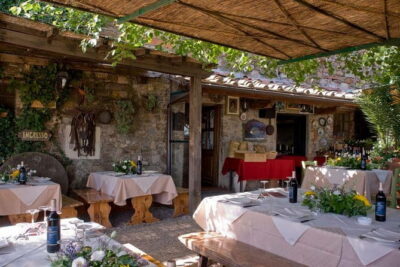
SMALL-GROUP Wine Safaris: Tuscan Wine Tasting Tours from Florence
Read our review →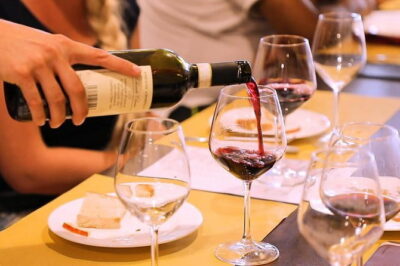
San Gimignano, Siena, Monteriggioni, Chianti Day Trip with Lunch & Wine Tasting
Read our review →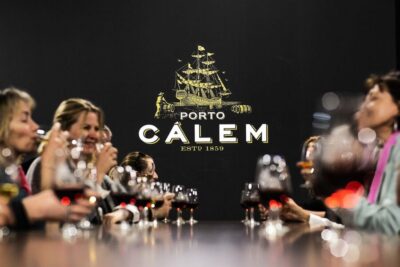
Cálem Cellar Tour, Interactive Museum & Wine Tasting
Read our review →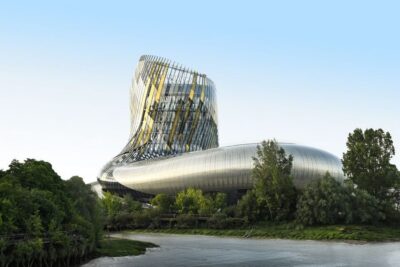
Browse the lists this tour appears in