
Review · FRANCE
Saint-Émilion: Vineyard Walking Tour and Tasting
The most appealing part of this Saint-Émilion wine tour is its family scale. Florent or Marie-Anne leads you through the vines, production rooms, and barrel cellar, explaining what happens from winter pruning to bottle. You also get unusual sights, including a six-meter wine bottle and a wind turbine used as part of the estate’s practical response to vineyard problems.
I like the direct access to the people who actually make the wine, and I like the balance between outdoor walking, machinery, and tasting. The four-wine tasting includes two Grand Cru wines, so the $29 price gives you more than a quick sip at a shop counter.
The main consideration is getting there. Château Haute-Nauve is about 3 kilometers from Saint-Émilion village, and transport is not included. The estate recommends arriving by car, so this is easier for drivers than for visitors relying on public transport.
Key points at Château Haute-Nauve
- A fourth-generation family estate: Florent or Marie-Anne gives you the story of the Mallet family and its work in Saint-Émilion.
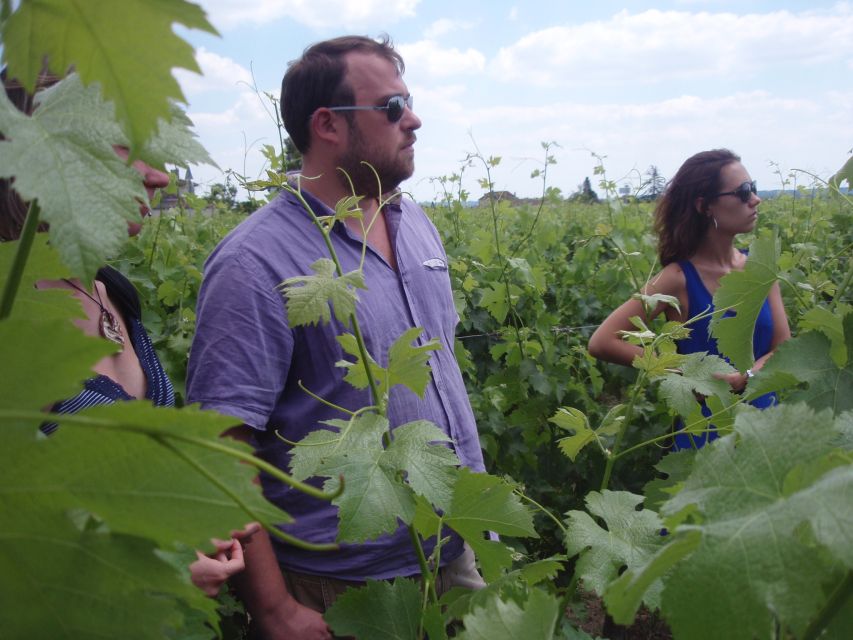
- A real vineyard walk: You see several vine plots and learn how the work changes through the seasons.
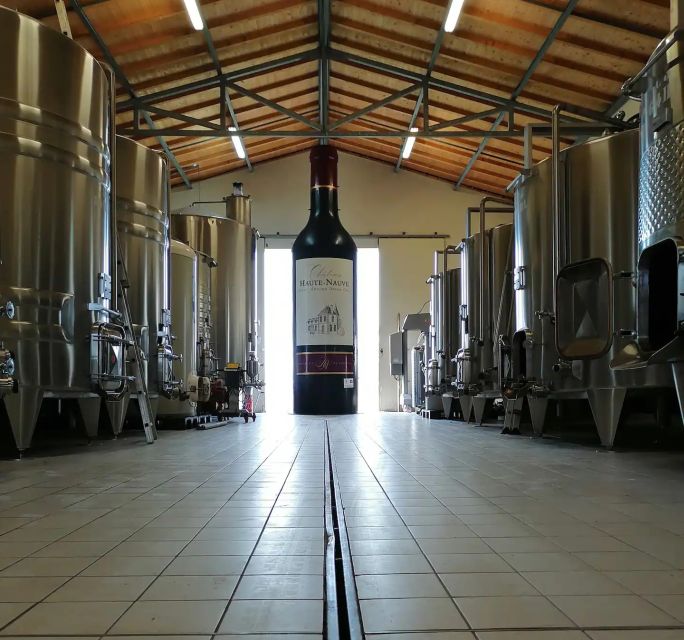
- A six-meter wine bottle: This striking feature connects with the estate’s efforts to deal with frost and other weather risks.
- Wine production in practical detail: The visit covers fermentation, pumping, pressing, and ageing in oak barrels.
- Four wines at the finish: The tasting includes four Château Haute-Nauve wines, with two carrying Grand Cru appellations.
- Small groups and two languages: Groups are limited to 10 people, with tours offered in English or French.
A family welcome three kilometers from Saint-Émilion
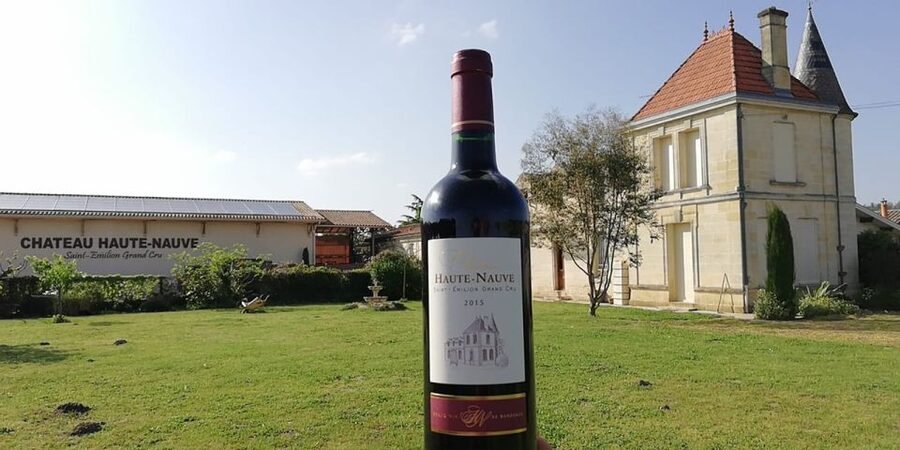
Château Haute-Nauve sits in the Saint-Émilion wine area, around 3 kilometers from the village itself. The meeting point is inside the estate, with parking near the large building marked by solar panels and a purple Château Haute-Nauve sign.
That setting matters. You are not beginning in a town tasting room or a polished city shop. You arrive at a working family winery, where the vines, buildings, equipment, and bottles all belong to the same operation. The experience feels connected from start to finish.
The estate is run by the fourth generation of the family. Florent is the guide most often named for the tour, while Marie-Anne may also lead it. Both are part of the family operation, which gives the visit a personal angle. You can ask about the estate’s decisions and hear answers from people who deal with the vines and wine production directly.
The group limit of 10 is another strong point. It is small enough for questions without making the visit feel like a private appointment. Several groups have also found themselves with a private or nearly private visit when bookings were light, though you should not count on that.
The official advice is to arrive by car. Some visitors have used a ride service from Saint-Émilion, but there is no transport included in the $29 price. If you are planning to taste wine, arrange a safe way to return before you begin.
More Vineyard Tours in France
- Saint-Émilion: Bordeaux Vineyard Tour and Wine Tasting
★ 4.8 · 578 reviews - Bordeaux: Vineyards Wine Tasting Half-Day Trip
★ 4.2 · 470 reviews - Half-Day Wine tour across Bordeaux’s Vineyards
★ 3.5 · 429 reviews
Walking through the vines with Florent or Marie-Anne
The tour begins outdoors among the vineyard plots. This is where you learn the basics of the Saint-Émilion appellation and the grape varieties used at the estate. The guide explains how the vines are cared for across the year, so you get a sense of the work before grapes ever reach the cellar.
I like this part because it keeps wine from becoming an abstract subject. You see the rows of vines and hear how the job changes with the seasons. The emphasis is not only on harvest time. Pruning, maintenance, weather, and crop protection all shape the final bottle.
The family story is also tied into the walk. Florent’s explanations connect the property’s past with its current choices, including new wine varieties, diversification, and sustainability. This gives you a useful view of modern winemaking at a small estate. Tradition matters, but it is not treated as a reason to ignore new tools or new risks.
Weather is one of the most practical subjects covered outdoors. Frost can damage a crop, and the estate has developed ways to respond. You will see a wind turbine and a giant wine bottle that has become one of the property’s most memorable features. The large bottle is about 6 meters tall and is connected with the estate’s frost protection approach.
There is also a useful lesson here for anyone who thinks wine is simply about soil and sunshine. A grower must deal with sudden cold, changing conditions, and the financial risk of a poor crop. The discussion of frost and diversification shows why a family winery needs both inherited know-how and fresh ideas.
Wear comfortable shoes. The visit includes a walk through the vineyard, and weather-appropriate clothing is important. In warm weather, bring whatever sun protection you normally use, though the stated requirements are simply suitable clothes and shoes.
From grapes to fermentation, pumping, and pressing
After the vines, you move inside to the vinification cellar. This section explains what happens after the grapes are harvested, with attention to the equipment and technology used at Château Haute-Nauve.
You will hear about fermentation, pumping, and pressing. These terms can sound technical, but the guide’s role is to show how each stage affects the wine. The machinery helps you understand that production is a working process, not a mysterious ritual carried out behind closed doors.
This is one of the better reasons to choose the tour over a simple tasting. A tasting tells you what is in the glass. The cellar visit helps explain why the wine has its color, texture, aroma, and weight. You can connect the vineyard work with the decisions made after harvest.
The estate also uses modern equipment alongside its family methods. That combination is worth noting. A small winery does not have to choose between old-fashioned identity and current technology. At Château Haute-Nauve, the family story includes both the older traditions of the property and the systems needed to produce wine today.
The pace is practical rather than rushed. About two hours covers the outdoor vineyard walk, the production building, the barrel cellar, and the tasting. You will not get a complete course in oenology, but you should leave with a clear outline of the journey from vine to bottle.
The barrel cellar and the role of ageing
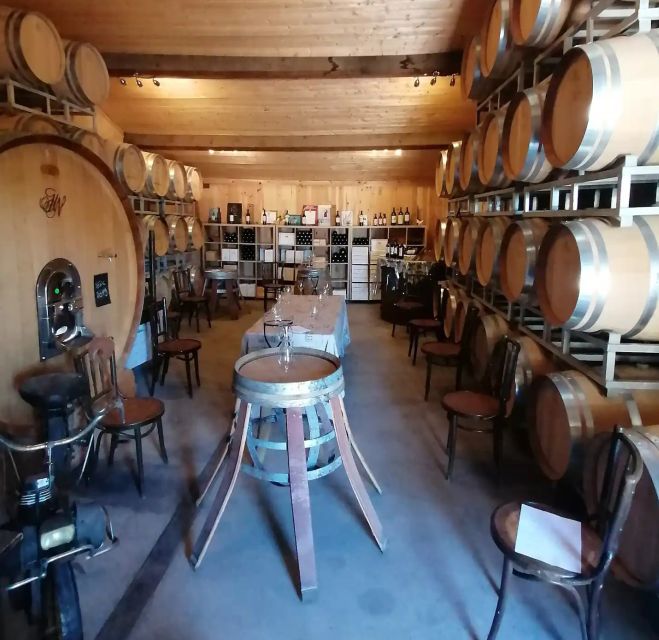
The final production stop is the barrel cellar. Here you learn how the wines are aged and see the methods used before bottling.
This part is especially helpful if you are still learning what barrel ageing means. It gives you a physical sense of the time involved. Wine does not go straight from pressing to a finished bottle. It rests, develops, and is handled through a series of decisions that affect the final style.
You can ask questions about the wines tasted at the end and relate them to what you have just seen. That connection makes the tasting more useful. Instead of treating each glass as an isolated sample, you have a basic framework for thinking about grape variety, place, fermentation, and ageing.
The visit does not include food, so do not expect a full meal or a cheese pairing. That keeps the price low, but it also means you should plan lunch or a snack separately, especially if you are visiting around midday.
Same town, a different glass:
- Paris: Moulin Rouge Cabaret Show Ticket with Champagne
★ 4.7 · 16,088 reviews - Loire Valley Castles Day Trip from Paris with Complementary Wine
★ 4.5 · 3,907 reviews - Bordeaux: Cité du Vin Entry Ticket and Wine Tasting
★ 4.6 · 3,885 reviews - Bordeaux: River Garonne Cruise with Glass of Wine and Canelé
★ 4.5 · 3,630 reviews
Four wines, including two Grand Cru bottles
The tour ends with a guided tasting of four wines made at the estate. Two carry Grand Cru appellations, giving you the chance to compare different bottles from the Château Haute-Nauve range rather than taste just one house wine.
The tasting is explained as you go. You can ask about the grape varieties, plots, vintages, and production choices connected with each wine. The format is friendly rather than stiff, which helps if you are new to Bordeaux wine or unsure what questions to ask.
The wines are described across a range of styles, from smooth to full-bodied. That makes the tasting a useful introduction to the estate’s range. You can compare how the wines differ instead of simply deciding that one is good and stopping there.
This is also the point where the tour’s earlier sections pay off. You have seen the vine plots, heard about weather and soil, watched the equipment, and visited the barrels. Now you can test some of those ideas in the glass.
Wine purchases are optional. Bottles are available to buy at the estate, but there is no pressure to purchase. If you find a favorite, buying directly lets you take home something tied to the place you have just visited. Remember to consider baggage space and any rules for carrying wine home.
Why the $29 price is good value
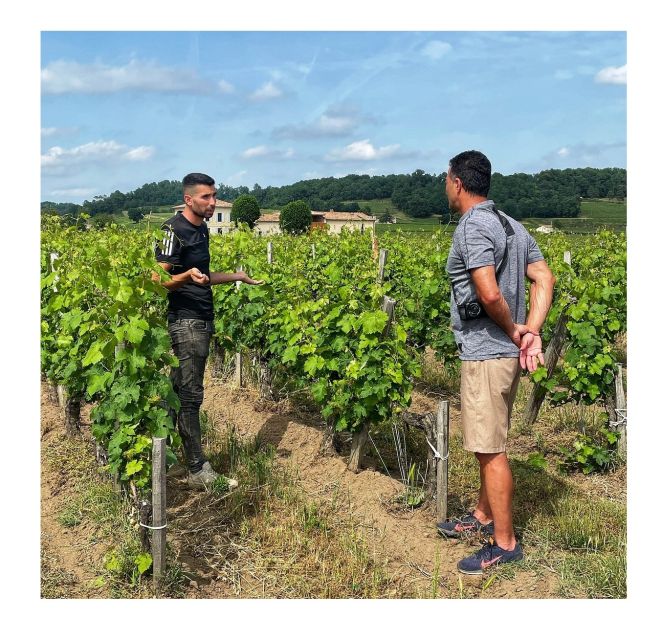
At $29 per person, this is a strong value for a two-hour experience in one of France’s best-known wine areas. You receive a vineyard walk, a family-led explanation of production, access to the cellars, and four tastings. Two Grand Cru wines add extra value, especially compared with a tasting that offers only one or two samples.
The price is most attractive if you want more than a photo stop and a glass of wine. You are paying for time with a fourth-generation producer and a clear explanation of the full process. The small group limit also makes the fee feel reasonable because the guide can answer questions and keep the visit personal.
There are costs outside the ticket. You must arrange your own transport, and food is not included. If you are already visiting Saint-Émilion by car, those limitations are easy to manage. If you are traveling without a car, the transport question deserves attention before booking.
The tour is also not designed as a long, luxurious estate day with a meal. It is a focused two-hour visit. That is a strength for a busy itinerary, but anyone wanting a half-day wine program should look for a longer option elsewhere.
Who will enjoy this tour most
I would recommend Château Haute-Nauve to anyone who wants to understand how wine is made without sitting through a formal lecture. Florent’s style is warm, clear, and lightly humorous, with plenty of room for questions. Marie-Anne may also guide the visit, giving you another family perspective.
It suits couples, small groups, and families. Children have taken part in the walk, and the machinery and giant bottle can add interest for people who are not yet old enough to taste wine. Since there is no stated minimum age in the supplied details, check the booking conditions if age is important to your group.
This is also a good choice for wine drinkers who have already visited larger estates. The family connection changes the feel of the visit. You hear about the decisions of one property, not only a broad explanation of Bordeaux production.
You should also consider it if you are curious about the work before harvest. Many wine visits focus on cellar techniques and tasting. Here, nearly half the experience can take place outdoors among the vines, with attention to seasonal maintenance, frost, and the realities of growing grapes.
The estate is listed as wheelchair accessible. Because the tour includes a vineyard walk, contact the provider if you need specific information about the outdoor route or ground conditions on your date.
Practical details before you book
The tour lasts two hours, but allow extra time for arrival and for browsing the estate’s wine collection afterward. Starting times vary, so check availability when you choose your date.
Tours are offered in English and French. If you book in English, you can expect the guide to explain the vineyard and production process in that language, as Florent has done for international groups.
Wear comfortable shoes and weather-appropriate clothing. This is not a visit where you stay indoors throughout. Sun, wind, heat, or damp conditions can affect your comfort in the vines.
The estate offers free cancellation up to 24 hours before the activity for a full refund. You can also reserve now and pay later, which is useful if your Saint-Émilion plans are still shifting.
The meeting point is not in the center of the village. Follow the directions to Château Haute-Nauve and look for the large building with solar panels and the purple sign. Parking is nearby. Since transport is not included and the estate recommends a car, sort out the return journey before tasting.
Should you book Château Haute-Nauve?
Book this tour if you want a personal, useful introduction to Saint-Émilion wine at a modest price. The strongest reasons are the family guide, the real vineyard walk, the practical look at fermentation and ageing, and the four-wine tasting with two Grand Cru bottles.
Skip it if you want a meal, a long estate visit, or a tour that begins in central Saint-Émilion without transport planning. For everyone else, especially first-time wine visitors and curious drinkers who want the story behind the bottle, Château Haute-Nauve offers a friendly two-hour stop with substance.
FAQ
Where is Château Haute-Nauve located?
The château is in the Saint-Émilion area of Nouvelle-Aquitaine, about 3 kilometers from Saint-Émilion village. The meeting point is inside the estate, near the large building with solar panels and the purple Château Haute-Nauve sign.
How long does the wine tour last?
The experience lasts two hours, including the vineyard walk, cellar visits, and tasting.
Who leads the tour?
The tour is led by a member of the family, either Florent or Marie-Anne. The estate is a fourth-generation family winery.
How many wines will I taste?
You will taste four wines from Château Haute-Nauve. Two of them have Grand Cru appellations.
Is transport included?
No. Transport is not included, and the estate recommends arriving by car. Parking is available near the main building.
Is the tour available in English?
Yes. Live tours are offered in English and French.
More Walking Tours in France
- Montmartre Hill French Gourmet Food and Wine Tasting Walking Tour
★ 5.0 · 2,588 reviews - Nice Small-Group Walking Food Tour with Local Specialties & Wine Tasting
★ 4.5 · 558 reviews - Paris: Food and Wine Tasting Walking Tour in Le Marais
★ 4.9 · 446 reviews - Paris: Walking Food Tour with Cheese, Wine and Delicacies
★ 4.7 · 323 reviews
Just added around France
- Saint Emilion Full Day Wine and Bike Tour★ 5.0 · 167 reviews
- Professional – Bordeaux Wine and Cheese Tasting with a walking tour★ 5.0 · 218 reviews
- Bordeaux Wine and Trade Museum Admission Ticket with Wine Tasting★ 4.5 · 599 reviews
- Medoc Afternoon Wine Tour – 2 Wineries, tastings & delicacies★ 4.5 · 74 reviews
- Bordeaux Wine Masterclass: Blending workshop with appetizer★ 5.0 · 113 reviews
- Saint-Emilion Small-Group Electric Bike Wine Tour Tastings & Lunch from Bordeaux★ 5.0 · 383 reviews
- Discovery of the Bordeaux vineyard in 3 wines★ 5.0 · 133 reviews
- Essential Wine Tour with Tasting & Chateau Visits from Bordeaux★ 5.0 · 133 reviews
Vineyard Tours, compared.
Douro Valley Tour: 2 Vineyard Visits, River Cruise, Winery Lunch
Read our review →
Toledo Tour & Vineyard Walk with Wine Tasting from Madrid
Read our review →
Half day Chianti Vineyard Escape from Florence with Wine Tastings
Read our review →
Douro Valley Wine Tour: 3 Vineyard Visits, Wine Tastings, Lunch
Read our review →
#1 Best 3hr Martha’s Vineyard shared Island Tour from Oak Bluffs
Read our review →
Private Self-Guided E-Bike Ride in Tuscany with Vineyard Visit
Read our review →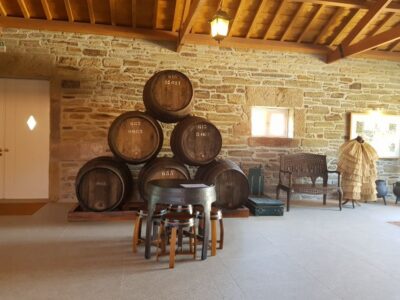
Browse the lists this tour appears in