
Review · BORDEAUX
Guided Bordeaux Wine Tasting Class with 6 Wines and pairings
Bordeaux wine can feel like a code of place names, grape blends, and grand classifications. This class makes the subject far more manageable, using six Bordeaux pours, an aroma game, and clear guidance from hosts such as Cécilia and Mathilde. You learn not only what is in your glass, but why it tastes that way.
I like the small groups of no more than six, which leave room for questions and can sometimes turn the session into a private tasting. I also like the practical food pairings and the take-home booklet, since they help you keep using the tasting method after you leave. The main consideration is that the food is designed as a tasting accompaniment, not a meal, and the published wine breakdown appears to list seven categories even though the experience includes six glasses.
Key points to know before booking
- Six Bordeaux wines in 75 minutes: Expect a brisk but focused introduction rather than a long winery visit.
- Aroma game included: Smell individual aromas before tasting, a useful aid if wine usually just smells like wine to you.
- Left Bank and Right Bank explained: You’ll compare regional styles, grape varieties, soils, and blends.
- Hosts trained at the Université du Vin: Cécilia and Mathilde lead many sessions, with other guides including Ilona, Hugo, Camille, and Aurélienne.
- A discreet meeting point: Look for number 25 and the ring marked I LOVE TASTING, since the tasting room cannot be seen from the street.
- Good for beginners: The class explains tasting in plain terms and adapts to your experience and preferences.
A practical introduction to Bordeaux wine
This is not a quick stop at a shop where someone pours a few glasses and names the vineyards. It is a compact wine lesson built around tasting. In 75 minutes, you cover Bordeaux’s geography, appellations, grape varieties, blends, aging, classifications, and food matching.
I like that the class starts with the basics. You learn to look at color, notice aromas, taste the wine, and pay attention to texture and alcohol. That order gives you a method you can use later in a restaurant or cellar, even if you are new to wine.
The second strength is the way the class links wine to place. Bordeaux is not one single style. The Left Bank and Right Bank use different soils and favor different grape combinations, so the wines can feel quite different even within the same broad region.
You should arrive ready to participate. This is an interactive lesson, not a lecture. You may be asked to identify aromas, compare wines, and explain which flavors you notice. You do not need specialist vocabulary. The teaching is intended to make wine less intimidating.
More Wine Tasting Tours in Bordeaux
- Bordeaux: Cité du Vin Entry Ticket and Wine Tasting
★ 4.6 · 3,885 reviews - From Bordeaux: Afternoon Saint-Emilion Wine Tasting & snack
★ 4.8 · 1,581 reviews - Medoc or Saint Emilion Wine Tasting and Chateau from Bordeaux
★ 5.0 · 1,415 reviews
Finding the tasting room behind the unmarked door
The meeting point takes a little attention. At number 25 on the street, look for a door with a ring marked I LOVE TASTING. The tasting room is not visible from the street, so do not expect a large storefront or an obvious wine bar.
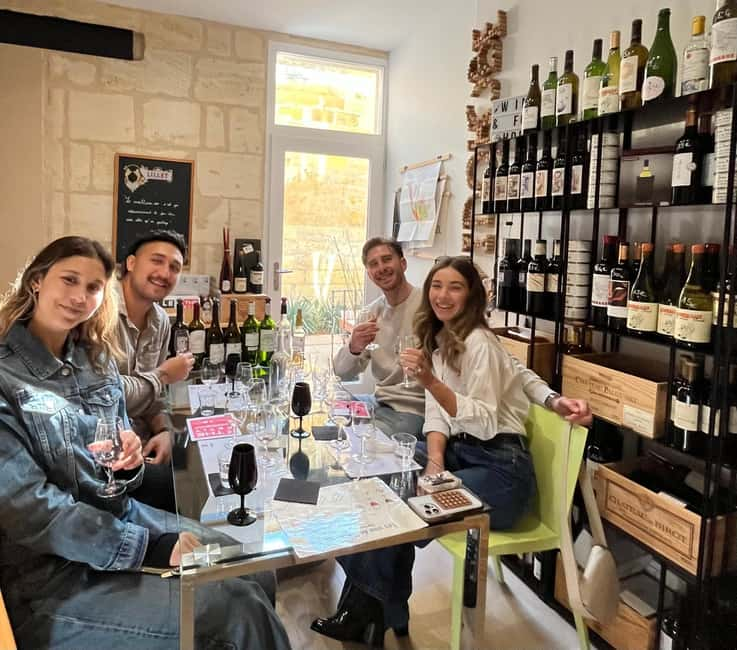
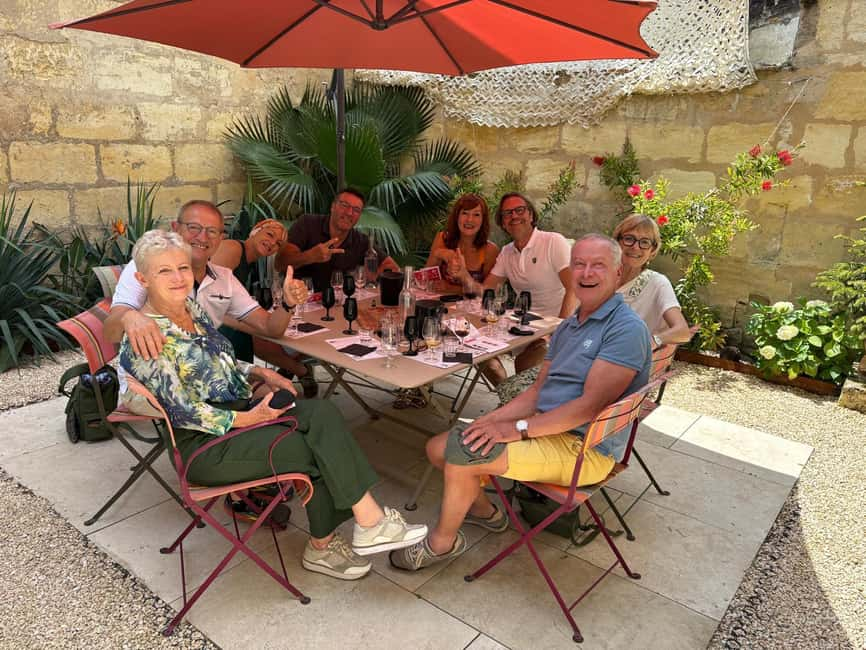
Inside, the setting may be a private patio in fine weather, a cool cellar, or a dedicated tasting room used throughout the year. Several sessions have taken place in a home setting, which gives the class a more personal feel than a large commercial tasting room.
That atmosphere will suit you if you like informal conversation and direct access to your guide. It may be less appealing if you want the grand architectural setting of a château or a formal cellar tour. This experience is about explanation and comparison, not vineyard scenery.
The setting also explains why the small group matters. With up to six participants, the guide can ask about your tastes and adjust the discussion. If only two people book, you may receive something close to a private class, but that depends on the number of reservations.
The aroma game gives your nose a job
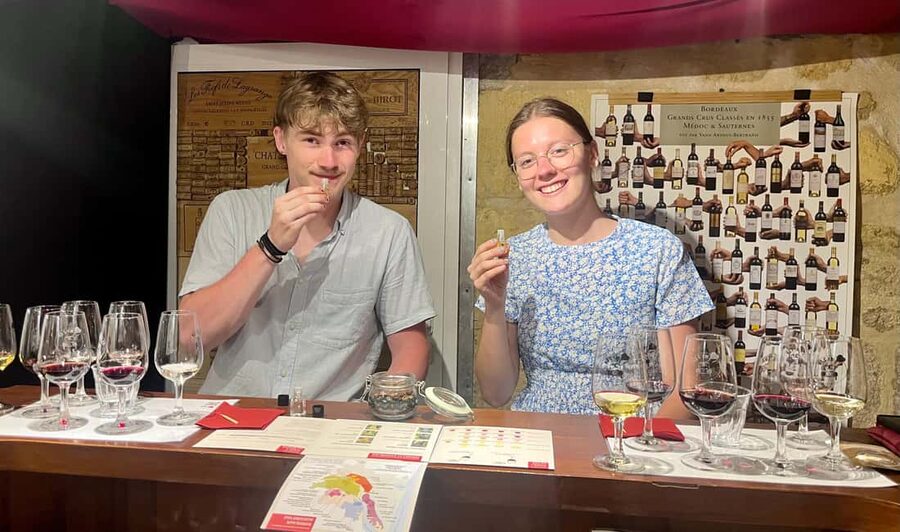
Many beginners have the same problem: they smell a glass and detect only wine. The aroma game gives you a more useful starting point. You smell separate scent samples before trying to find related notes in the wine.
I like this part because it replaces vague advice with a simple exercise. You are not expected to announce an elaborate list of aromas. Instead, you learn to slow down and notice fruit, floral, herbal, spicy, or earthy impressions as they appear.
The tasting method then brings together sight, smell, and taste. You look at the wine, move it in the glass, smell it, take a sip, and notice its body, acidity, alcohol, and finish. The point is not to sound like a sommelier. The point is to understand what you prefer.
One useful result is greater confidence. After the class, you should have a better idea of whether you like a softer Merlot-led blend, a more structured Cabernet Sauvignon style, a dry white with freshness, or a sweet wine with more concentrated flavor. The session cannot tell you every Bordeaux secret, but it gives you a reliable way to ask better questions.
Six glasses, several Bordeaux styles
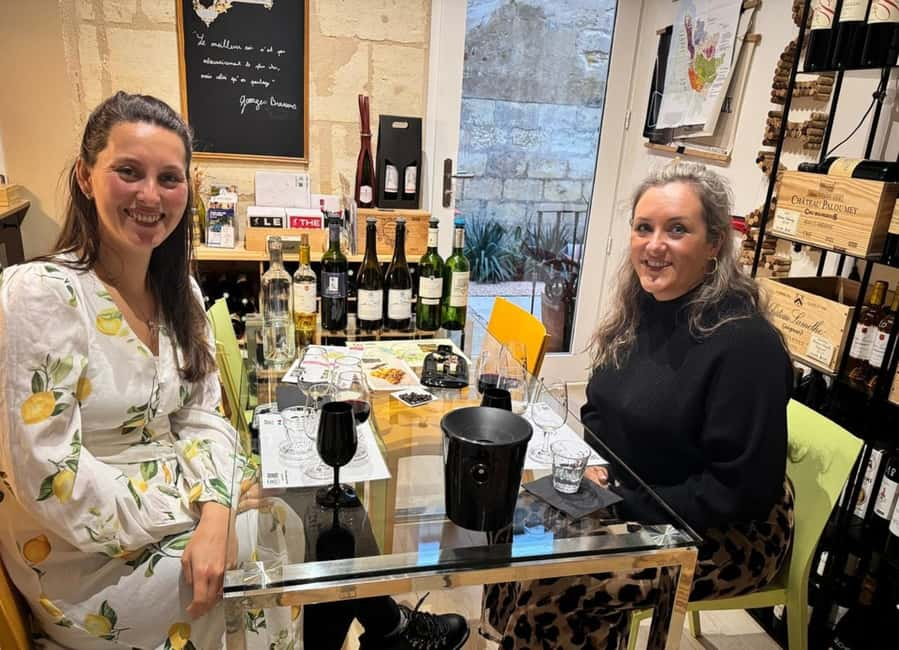
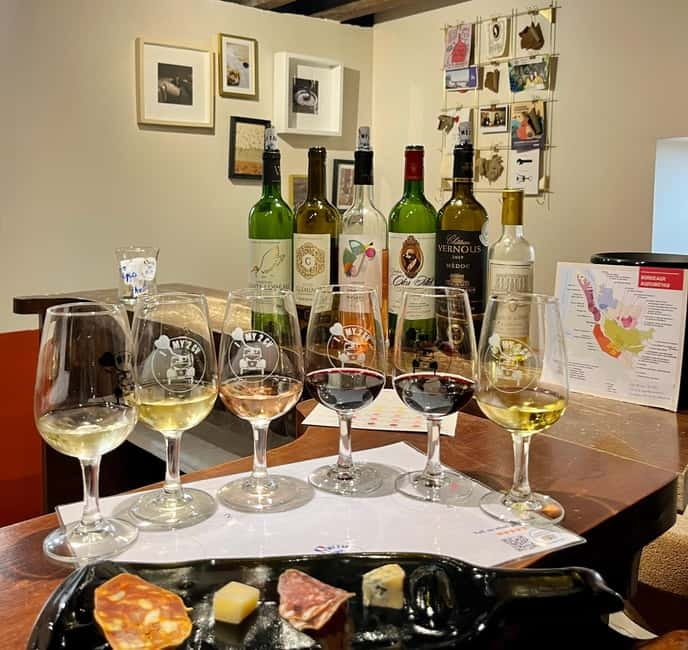
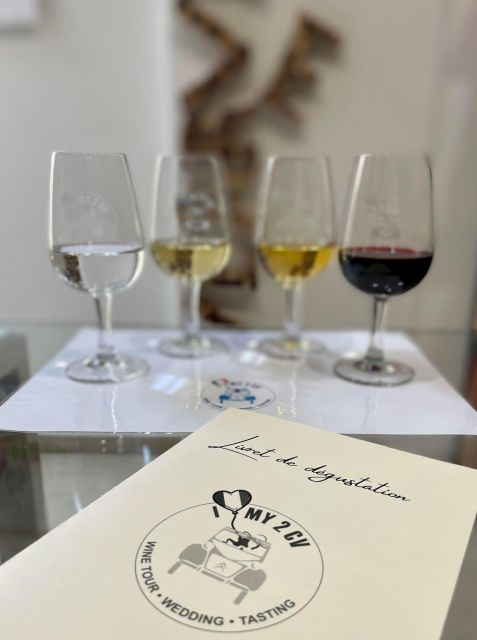
The wine selection is meant to show range rather than repeat one familiar style. The listed program includes a mystery wine, two dry whites linked to the Left and Right Banks, three red wines based on blends and regional differences, and a sweet wine. The included materials specify six glasses, so the exact sequence or combination may vary.
That small inconsistency is worth noting before you book. The experience is clearly built around six pours, but the written description names seven wine categories. If the exact balance of white, red, and sweet wine matters to you, ask the provider when booking.
The mystery wine is a useful opening or closing exercise. Without seeing a label, you focus on the wine itself rather than on reputation or price. It can show how quickly assumptions affect your judgment.
The dry whites introduce a side of Bordeaux that is easy to overlook. Bordeaux is famous for red blends, but its white wines can show clear differences in grape variety, place, and style. Comparing a Left Bank and Right Bank example gives you a reason to pay attention to the regional map.
The red wines focus on blends, a central part of Bordeaux culture. Rather than treating a bottle as the expression of one grape, the class explains how grapes such as Merlot and Cabernet Sauvignon work together. You also learn why a winemaker might use one variety for fruit and softness and another for structure and firmness.
The sweet wine adds another contrast. It lets you consider sweetness, acidity, aroma, and food in a different way from the dry wines. This is particularly useful if you normally avoid sweet wine or are unsure how to serve it.
The wines may come from Grand Cru Classé estates, organic family producers, or other selected winemakers. That mix matters. It keeps the class from presenting Bordeaux as a world available only through expensive famous labels.
More Wine Tasting Tours in France
- Saint Emilion Day Trip with Sightseeing Tour & Wine Tastings from Bordeaux
★ 5.0 · 1,120 reviews - Saint Emilion Half-Day Trip with Wine Tasting & Winery Visit from Bordeaux
★ 4.5 · 1,034 reviews - From Bordeaux: Half-Day Saint-Émilion Tour and Wine Tasting
★ 4.7 · 699 reviews - Saint-Emilion Electric Bike Day Tour with Wine Tastings & Lunch
★ 5.0 · 696 reviews
Left Bank, Right Bank, and the soil under the vines
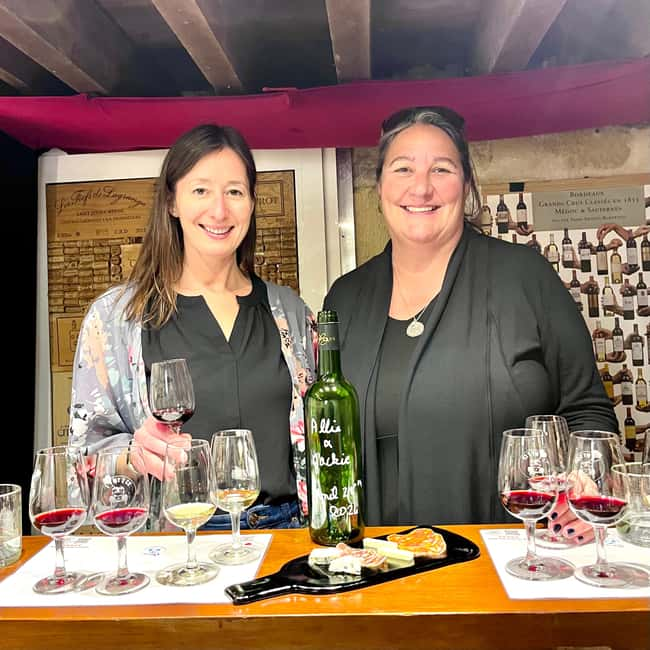
The regional lesson is one of the most useful parts of the class. You learn that Bordeaux’s names refer to more than a point on a map. Appellations, soils, grape choices, and blending traditions all affect the wine in your glass.
The Left Bank is discussed alongside gravel soils and Cabernet Sauvignon. The Right Bank is linked with clay soils and Merlot. Those are broad patterns, not rigid rules, but they help you understand why two Bordeaux wines can taste so different.
You also learn about classification and aging in oak barrels. This is where the class goes beyond a basic tasting. It explains how production choices influence texture and flavor, and why a wine may need time before it is ready to drink.
I especially like this approach for anyone planning to visit Bordeaux’s wine country later. A château visit can be beautiful, but the names and labels may blur together if you lack a framework. This class gives you a map before you start looking at bottles or booking vineyard trips.
It is also useful if you have arrived in Bordeaux by train and have only a few hours. The class offers regional context without asking you to spend half a day or a full day reaching a vineyard. You get an introduction in the city, then you can decide if a longer château visit is worth adding.
Food pairings that make the lesson practical
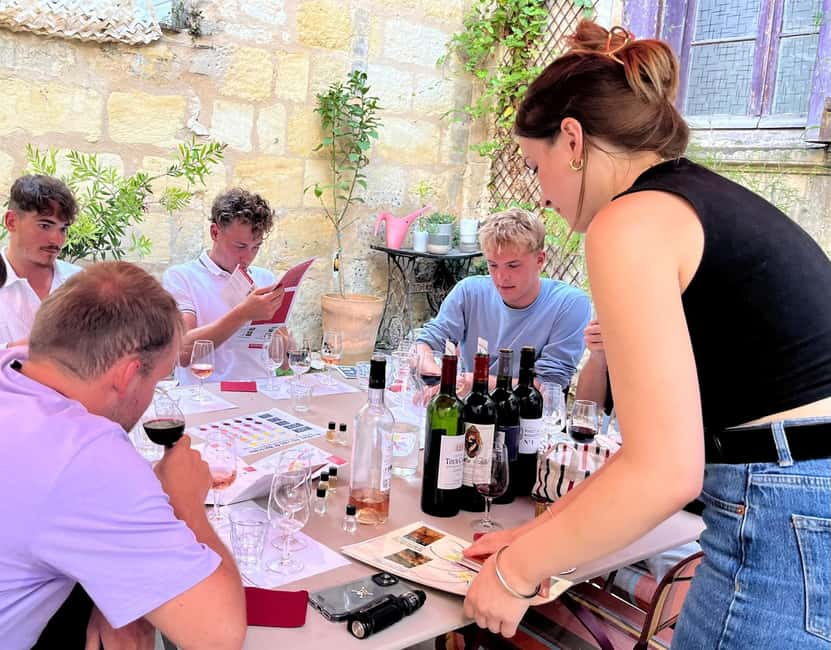
The food pairing section connects the tasting to real meals. You try small accompaniments and consider how salt, sweetness, fat, texture, and seasoning change the wine.
This is not a full meal, so eat beforehand if you need lunch or dinner. One participant felt that more food would have been welcome. That is a fair expectation check: the pairings are part of the lesson, not the main reason to book.
The value comes from comparison. A wine that seems sharp by itself may work better with food. A sweet wine may make more sense beside a salty or savory bite. You begin to see pairing as a matter of balance rather than a strict list of rules.
I find this especially useful for people who buy Bordeaux but are unsure when to serve it. The guide can help you think beyond red wine with red meat and explore less obvious combinations. The class also allows discussion of your own tastes, so you can ask for advice rather than simply accept a fixed formula.
The guides and the tone of the class
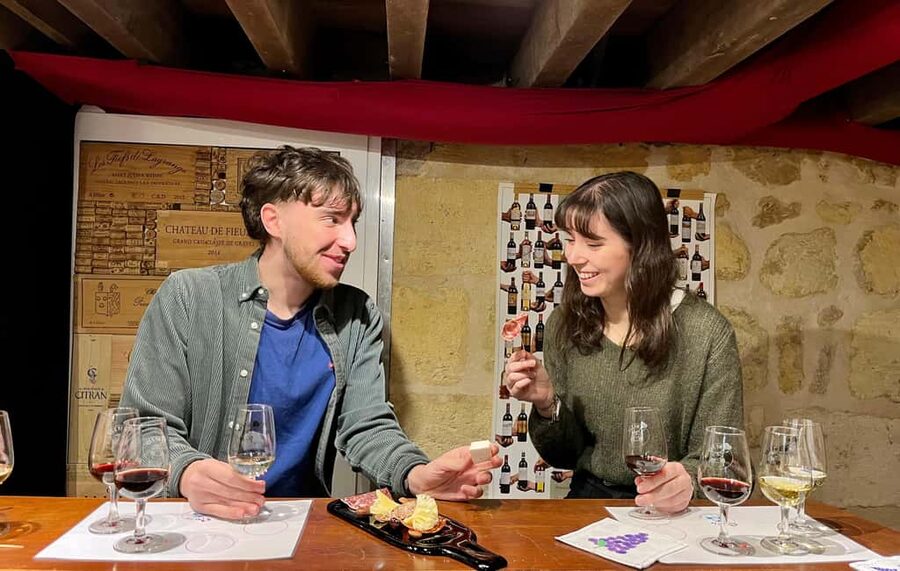
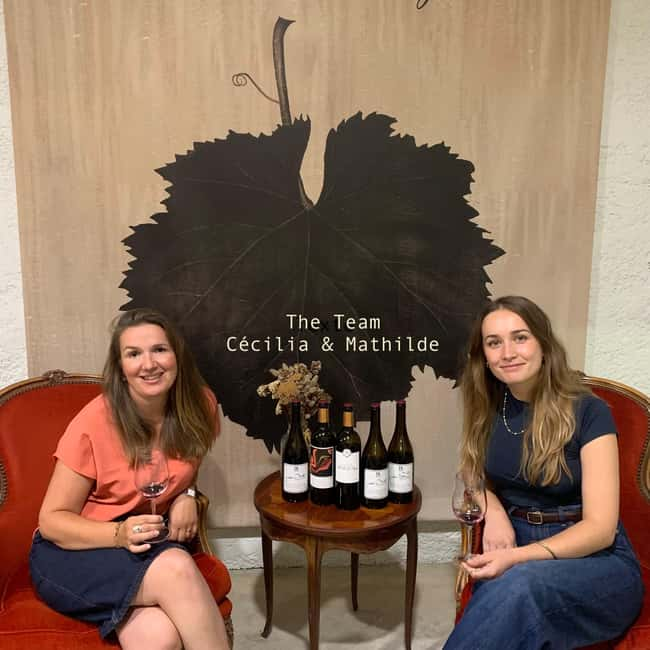
Cécilia and Mathilde are professional tasters trained at the Université du Vin. Other sessions have been led by Ilona, Hugo, Camille, Aurélienne, and Elenor. The teaching style can vary slightly by guide, but the common thread is clear explanation and an easy conversational tone.
Cécilia is particularly suited to beginners who want patient instruction. Her sessions cover maps, regional differences, tasting technique, and food matching, with attention to what each person enjoys. Mathilde combines regional history and wine instruction with a warm, relaxed manner.
Hugo’s approach includes the science of winemaking, which may appeal to you if you want to understand how production affects the final bottle. Ilona has helped first-time visitors sort through the large number of Bordeaux choices. Aurélienne is another guide who explains Bordeaux regions and wine styles in detail.
The class is offered in English, French, or Spanish, although the requested language depends on availability. If you book Spanish, confirm that the session will be held in Spanish. A language change may be possible, but it should not be assumed.
The small group creates a social element without making the class feel like a party. You can meet other people, compare impressions, and ask questions. If you prefer complete privacy, booking for two may result in a private session when no one else has reserved.
Price, timing, and who gets good value
At $53 per person, the price is reasonable if you want instruction as well as wine. You receive six glasses, the aroma exercise, food pairings, a tasting class, and a personal booklet. You also leave with a clearer way to understand Bordeaux labels, which has value during the rest of your trip.
The price is less compelling if you are mainly looking for a large amount of wine or a substantial meal. This is a teaching experience with measured pours. You are paying for the guide’s explanation, the selection of contrasting bottles, and the chance to ask questions in a small group.
The 75-minute length works well for a city itinerary. You can fit it before dinner, between sightseeing plans, or into a short stay. It is also a good winter option when a vineyard visit may take more time than you want to spend outdoors.
At the end, the wines tasted are available for purchase in the cellar. That gives you a convenient way to take home a bottle you already understand. Check your own travel plans and airline rules before buying more than you can carry.
Free cancellation is available up to 24 hours before the activity for a full refund, and you can reserve without paying immediately. Hotel pickup and drop-off are not included, so you arrange your own way to the meeting point.
The experience is not suitable for people with mobility impairments. The private home, cellar, patio, or tasting-room setting may not offer the access features required by every visitor, so ask before booking if you have specific needs.
Is this Bordeaux tasting right for you?
Book it if you are new to Bordeaux wine, want a compact lesson in the city, or feel lost when faced with appellation names and blended grapes. It also suits couples, solo visitors, and small groups who prefer conversation over a large organized tour.
I would choose this class early in a Bordeaux stay. The information can help you make more sense of restaurant wine lists, cellar shops, and later vineyard visits. The booklet gives you something practical to refer to after the session.
Skip it if your main goal is walking through vineyards, touring a château, or eating a full meal. This is a cellar-based tasting class, not a countryside excursion. Also keep the six-glass format and limited food in mind.
For $53, the class offers a friendly introduction with real teaching behind it. The intimate setting, aroma work, regional comparisons, and food pairing make it more useful than a simple pour-and-smile tasting. If you want to understand Bordeaux rather than merely drink it, this is a sensible choice.
FAQ
How long does the Bordeaux wine tasting class last?
The class lasts 75 minutes.
How many wines are included?
Six glasses of Bordeaux wine are included. The program description names a mystery wine, dry whites, red blends from the Left and Right Banks, and a sweet wine, so ask the provider if you need the exact wine breakdown.
Which languages are available?
The experience is offered in English, French, and Spanish, subject to availability.
How many people can join the class?
The group is limited to six participants. Depending on bookings, you may have a very small group or a private session.
Where is the meeting point?
The meeting point is at number 25 on the street. Look for the ring marked I LOVE TASTING, since the tasting room is not visible from the street.
Is food included?
Food and wine pairings are included, along with an aroma game. The food is served as a tasting accompaniment, not as a full meal.
Can I cancel my booking?
You can cancel up to 24 hours in advance for a full refund. Reserve now and pay later is also available.
More Workshops in Bordeaux
- Bordeaux Super Saver Wine Tasting class and St Emilion region
★ 5.0 · 184 reviews - Bordeaux Wine Masterclass: Blending workshop with appetizer
★ 5.0 · 113 reviews - Workshop Bordeaux wine tasting: 4 reds & charcuterie pairing
★ 5.0 · 72 reviews - Rome: Pasta Making Class with Wine, Limoncello, and Dessert
★ 4.9 · 3,177 reviews
More Wine Tastings in Bordeaux
- Bordeaux Wine and Trade Museum Admission Ticket with Wine Tasting
★ 4.5 · 599 reviews - Bordeaux: Vineyards Wine Tasting Half-Day Trip
★ 4.2 · 470 reviews - From Bordeaux: Saint-Émilion Half-Day Tour with Wine Tasting
★ 4.9 · 389 reviews - Bordeaux: Half-Day Margaux Tour with Wine Tastings
★ 4.7 · 352 reviews
Just added around Bordeaux
- Saint Emilion Full Day Wine and Bike Tour★ 5.0 · 167 reviews
- Professional – Bordeaux Wine and Cheese Tasting with a walking tour★ 5.0 · 218 reviews
- Bordeaux Wine and Trade Museum Admission Ticket with Wine Tasting★ 4.5 · 599 reviews
- Medoc Afternoon Wine Tour – 2 Wineries, tastings & delicacies★ 4.5 · 74 reviews
- Bordeaux Wine Masterclass: Blending workshop with appetizer★ 5.0 · 113 reviews
- Saint-Emilion Small-Group Electric Bike Wine Tour Tastings & Lunch from Bordeaux★ 5.0 · 383 reviews
- Discovery of the Bordeaux vineyard in 3 wines★ 5.0 · 133 reviews
- Essential Wine Tour with Tasting & Chateau Visits from Bordeaux★ 5.0 · 133 reviews
Wine Tasting Tours, compared.
Douro Valley w/ Boat Tour, Wine Tasting & Lunch
Read our review →
Complete Douro Valley Wine Tour with Lunch, Wine Tastings and River Cruise
Read our review →
Small-Group Wine Tasting Experience in the Tuscan Countryside
Read our review →
SMALL-GROUP Wine Safaris: Tuscan Wine Tasting Tours from Florence
Read our review →
San Gimignano, Siena, Monteriggioni, Chianti Day Trip with Lunch & Wine Tasting
Read our review →
Cálem Cellar Tour, Interactive Museum & Wine Tasting
Read our review →
Browse the lists this tour appears in