
Review · TIRANA
Traditional Albanian Cooking Class in Tirana & Raki Tasting
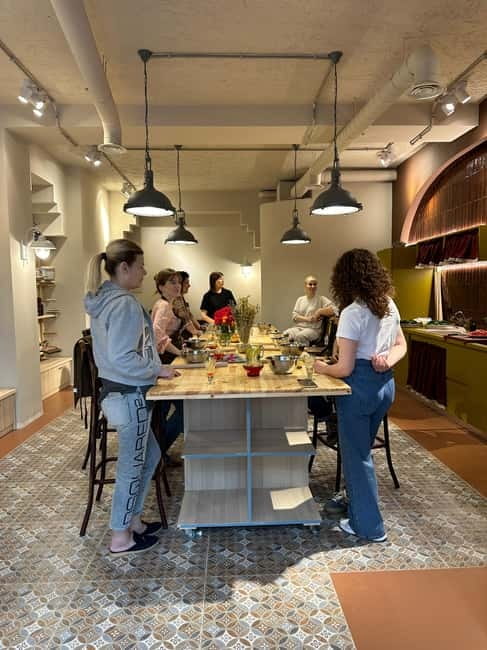
The best part of this Tirana cooking class is that it treats food as a doorway into Albanian family life. You learn to roll dough for burek, season chicken for pershesh, and make sheqerpare, while Dervis shares stories about food, etiquette, and everyday traditions.
I like the generous table of appetizers and the fact that wine and water are included throughout the four hours. I also like the social setup. Solo visitors are paired with others, and the shared work makes it easy to meet people. The one consideration is that the class includes plenty of alcohol, so it may not suit anyone avoiding wine or raki.
Key points to know before booking
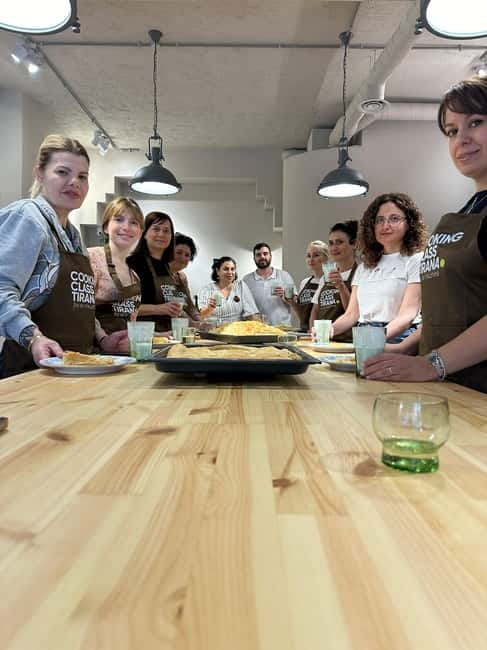
- Three traditional dishes: Prepare burek with cottage cheese, village chicken with pershesh, and sheqerpare.
- Dervis leads the class: He is praised for clear instruction, humor, patience, and lively stories about Albania.
- A full evening of food: Meze, olives, peppers, cream cheese, bread, jams, and gliko accompany the dishes you cook.
- Wine and raki are included: Homemade wine is available throughout, with a guided tasting of Albanian rakia.
- Dietary needs can be handled: Vegetarian, vegan, pescatarian, halal, and lactose-free requests should be stated when booking.
- Good value at $44: Four hours of cooking, dining, drinks, entertainment, and cultural context make this more than a basic lesson.
Why this Tirana cooking class works so well
A cooking class can be a useful way to understand a country, but only if you do more than follow a recipe. This one connects each dish to Albanian habits around hospitality, fresh ingredients, sharing food, and sending people home well fed.
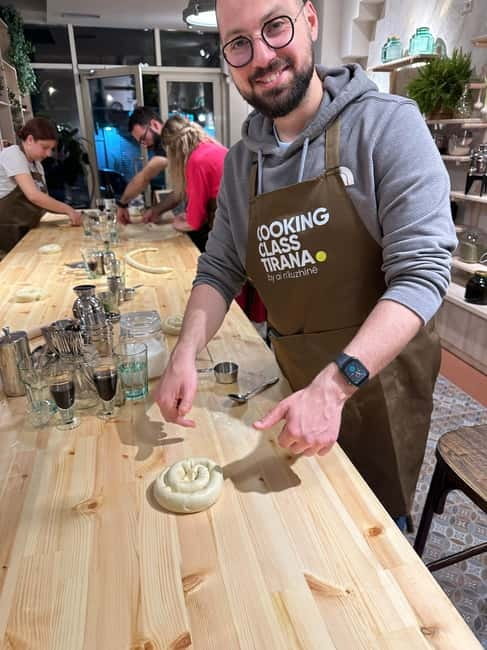
The tone is informal. You are not expected to be a trained cook. Dervis explains the steps at a steady pace, and the class is set up so people can work together rather than compete over who has the sharpest knife skills.
That matters if you are traveling alone or with a mixed-age group. The class has welcomed solo visitors, couples, families, and people from their teens through their seventies. You can talk while chopping, shaping dough, and waiting for dishes to finish.
The experience is held in Tirana District and lasts four hours. It is best viewed as an evening activity rather than a quick lesson squeezed between sightseeing stops. Plan to arrive hungry and allow time to eat, talk, and enjoy the drinks.
More Cooking Classes in the world:
- Rome: Pasta Making Class with Wine, Limoncello, and Dessert
★ 4.9 · 3,177 reviews - Rome Cooking Class: Make Pasta and 3 Spritz Cocktails
★ 5.0 · 2,937 reviews - Barcelona Paella Cooking Class with Market Visit, Tapas & Sangria
★ 5.0 · 2,531 reviews
The welcome: Albanian hospitality before the cooking starts
The evening begins with a warm welcome and an introduction to the meal ahead. The chef explains the dishes, the role of fresh ingredients, and some of the food traditions that give the menu its character.
This opening is useful because Albanian cuisine may be less familiar than Italian, Greek, or Turkish food. You are not simply handed a recipe sheet. You get context for why dough, cheese, chicken, vegetables, olive oil, preserves, and homemade drinks appear so often around the table.
The atmosphere is described as cozy and family-run. That family feeling is part of the appeal. The class is designed to feel closer to being invited into someone’s home than attending a formal culinary school.
One especially practical detail is the way solo participants are helped to connect with others. If you arrive alone, you will not be left to manage the whole evening by yourself. The shared tasks give you an easy way into conversation.
Rolling burek dough and learning the small details
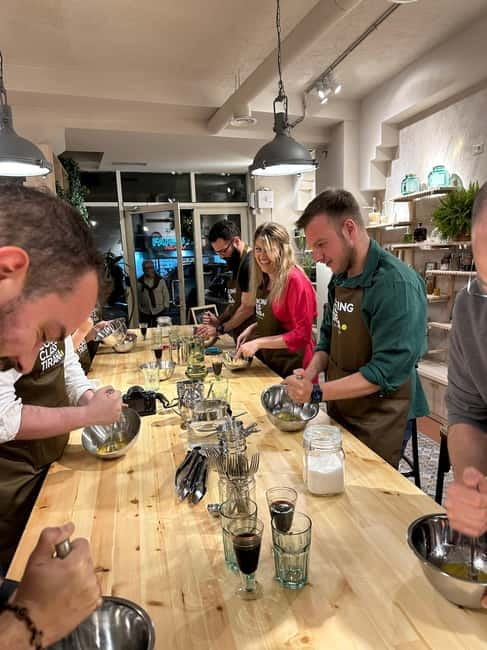
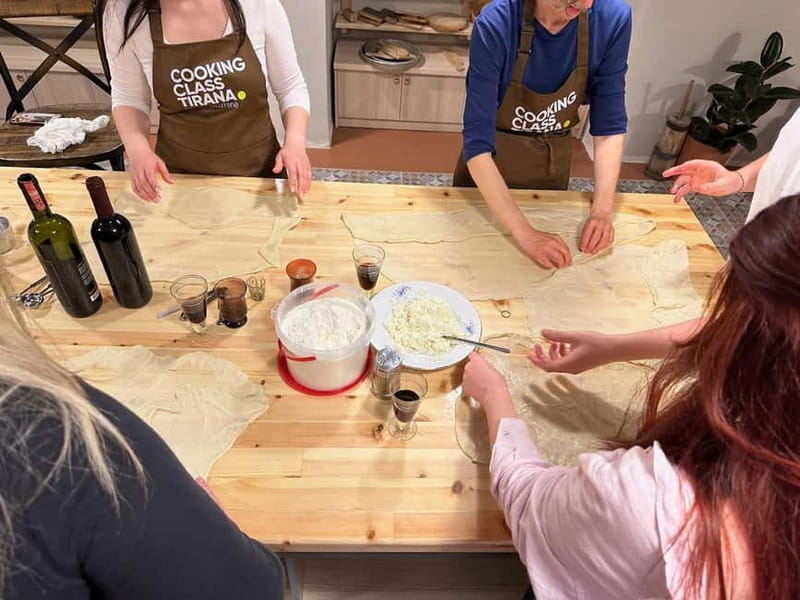
Burek is one of the class’s main projects. You work with dough and learn how to prepare a cottage-cheese filling, with the chef showing you how to shape the pastry step by step.
This is the sort of dish where a few small techniques matter. The class gives you a chance to see how the dough is handled, how the filling is balanced, and how the pastry is put together. You may not reproduce it perfectly at home on the first attempt, but you leave with a better sense of the method.
The class is hands-on, but the pace is not described as rushed. That makes it suitable for beginners and for people who enjoy cooking but want someone else to handle the complicated planning.
Burek also gives the group a natural shared task. People can help one another, compare their results, and laugh at the odd shape or uneven fold. The social side is not an extra feature added at the end. It grows out of the cooking itself.
Village chicken with pershesh and the main meal
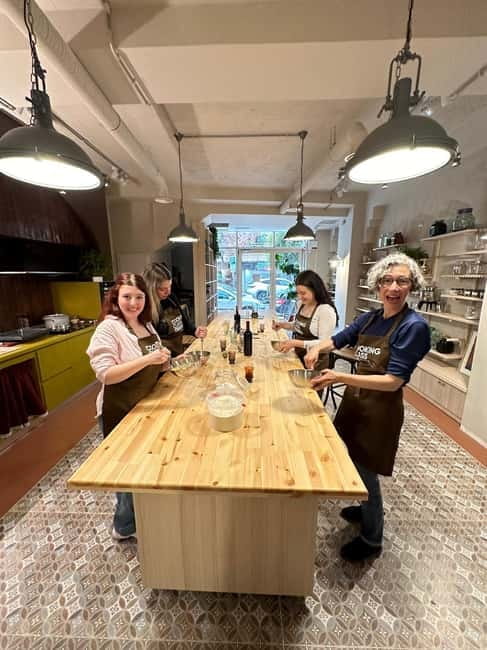
The second featured dish is village chicken with pershesh. The chef explains how to season the chicken and how the dish fits into Albanian cooking.
Pershesh is a traditional preparation often associated with bread and savory juices. Here, the focus is not only on the final plate but also on the seasoning and the reasons behind the cooking steps. Dervis has been praised for explaining the why as well as the how, including details about salt and olive oil.
That kind of instruction is useful for home cooks. You are more likely to remember a recipe when you understand the balance of ingredients instead of simply copying a list. It also helps you adapt the meal later if you cannot find every Albanian ingredient.
The chicken dish is normally part of a meat-based menu, but dietary changes are possible. One vegetarian participant received zucchini in place of chicken for the pershesh and kulac. You must state your dietary needs when booking, since the kitchen needs time to prepare an appropriate version.
A few more tastings around the world worth a look
- Fettuccine & Tiramisù: Cooking Class with Wine & Limoncello
★ 4.9 · 2,103 reviews - Pasta Cooking Class Near the Colosseum with 3 Spritz Cocktails
★ 5.0 · 1,686 reviews - Sorrento: Pizza Lesson, Wine, and Limoncello at a Local Farm
★ 5.0 · 1,513 reviews - Rome Tipsy Cooking Class: Make Pasta and Mix 3 Spritz Cocktails
★ 5.0 · 1,357 reviews
Sheqerpare, a sweet finish you may take home
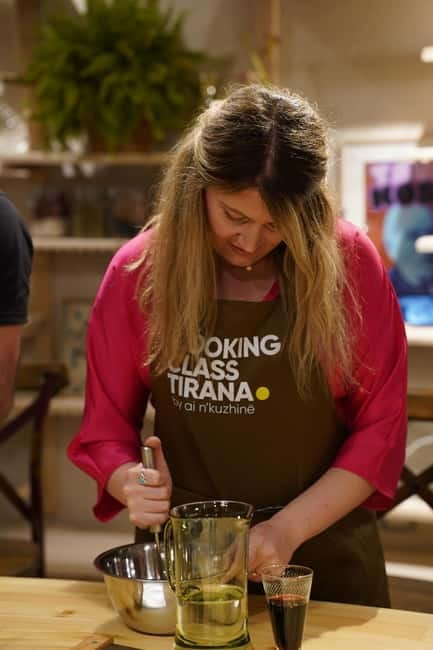
Sheqerpare is the traditional dessert prepared during the class. These small syrup-soaked cookies are sweet, rich, and well suited to a meal built around generous portions.
The dessert gives the class a clear rhythm: savory pastry, a substantial main dish, then something sweet. It also offers a simpler cooking task after the more involved work with dough and chicken.
Do not assume you will finish every portion at the table. The meal is known for being abundant, and some people have taken dessert or other leftovers away. That is not a complaint about the food. It reflects the Albanian habit of feeding visitors generously, often sending them home with something extra.
For that reason, I would avoid eating a large meal beforehand. A light breakfast or lunch is sensible if the class is scheduled later in the day.
Meze, jams, and the table beyond your own cooking
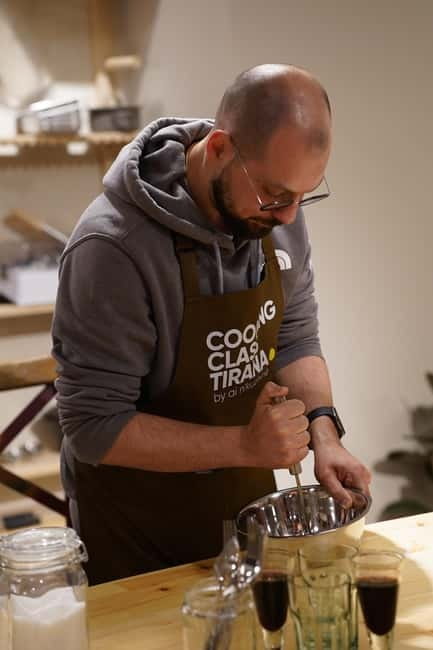
The three dishes you prepare are only part of the meal. The host also provides a spread of appetizers, including olives with oregano, fried peppers, cream cheese, and fresh bread.
You may also taste traditional Albanian jams and gliko. Gliko is a preserved fruit sweet often served in small amounts, so this tasting adds a different side of Albanian food culture. It is a reminder that hospitality here is not built around one carefully portioned course.
The extra food improves the value of the class. At $44 per person, you are not paying only for instruction. You receive a four-hour social evening with a substantial meal, additional appetizers, drinks, and dessert.
There is also an important practical point: the food is served communally. If you prefer a quiet, individual cooking lesson, this may feel busy or more social than expected. If you enjoy conversation and shared meals, the setup is a major strength.
Homemade wine and a guided raki tasting
Unlimited homemade wine is included, along with water and a guided tasting of rakia. These drinks are part of the cultural lesson, not simply refreshments placed on the table.
Rakia, often spelled rakija in other parts of the Balkans, is a strong fruit brandy common across the region. A guided tasting gives you a chance to try it in a structured way and learn how it fits into Albanian hospitality.
The alcohol is worth considering before you book. Wine is available throughout the class, and raki is part of the experience. You do not need to make drinking the focus of your evening, but the class is built around a cheerful table where drinks, food, music, and conversation work together.
If you do drink, pace yourself. Four hours is a long time for a cooking class with unlimited wine and a spirit tasting, especially when the evening ends with a large meal.
The social side: music, stories, and spontaneous dancing
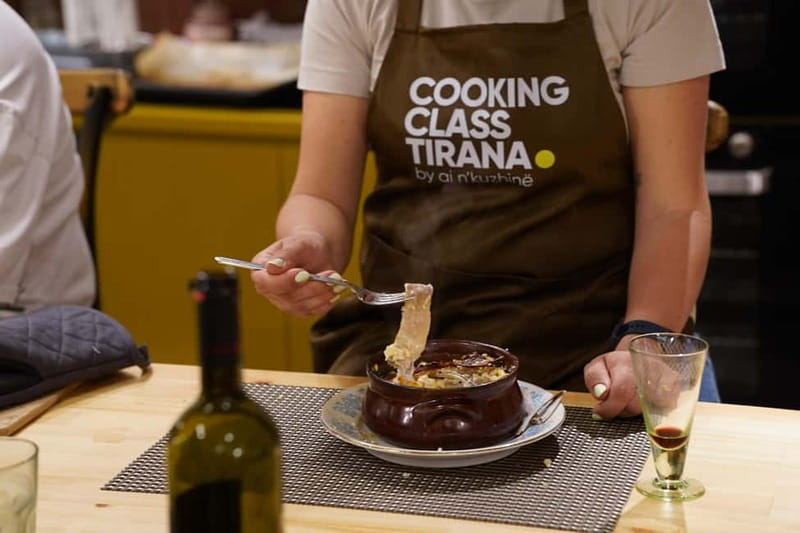
The class is not a silent demonstration. You cook, sit together, share stories, and may find music or spontaneous dancing as the evening develops.
Dervis is repeatedly described as funny, patient, and passionate about Albanian food. Marius is also named as one of the hosts. Their role goes beyond showing you how to fold dough or season chicken. They help connect the food to Albania, Tirana, family customs, and local etiquette.
That makes the class a good first-night activity. You get a friendly introduction to local food and meet other people at the start of your stay. Several people have also found it useful for picking up local tips and learning more about the country before moving on.
The mood may vary with the group on your date. Since the experience depends partly on shared conversation, it will suit you best if you are open to meeting new people. It is less ideal if you want a private class with only your own party.
Dietary requests and accessibility
The kitchen can accommodate vegetarian, vegan, pescatarian, halal, and lactose-free diets, among other restrictions. You need to include the request when booking so the menu can be adjusted.
The vegetarian example is particularly encouraging because the substitute was not limited to a side salad. Zucchini was used in place of chicken for the pershesh and related bread preparation, allowing the participant to take part in the main cooking.
Still, do not wait until arrival to mention an allergy or restriction. The supplied information says requests can be accommodated when specified in advance. Clear details are the best way to make sure the team can prepare properly.
The activity is wheelchair accessible. The class is conducted in English, so you should be comfortable following spoken instructions in that language.
Is four hours too long?
For a simple recipe lesson, four hours might sound excessive. Here, the length makes more sense because it includes the welcome, instruction, hands-on preparation, appetizers, cooking time, the communal meal, drinks, and conversation.
You should not expect four straight hours of active chopping. The pace includes pauses and time at the table. That gives you room to ask questions and enjoy the evening without feeling pushed from one task to the next.
The tradeoff is that this is not a quick stop. If you have only one night in Tirana and want to see several sights, the class will take a sizeable part of your schedule. I would choose it over another restaurant meal if you want participation and cultural context, but not if your main goal is to cover as many landmarks as possible.
What the $44 price really includes
At $44, the class offers strong value for someone who wants both food and company. You get four hours, instruction in three traditional dishes, appetizers, dessert, unlimited water and homemade wine, a raki tasting, entertainment, and the chance to eat what you help prepare.
The value is even clearer when you consider the extra food. Olives, fried peppers, cream cheese, bread, jams, and gliko are included rather than treated as separate add-ons.
There are cheaper ways to eat in Tirana, of course. A casual local meal will cost less, and a restaurant gives you more control over timing and drinks. But a restaurant will not teach you how to make burek, explain Albanian food customs, or put you at a communal table with people from different countries.
The reserve-now-and-pay-later option also helps if your schedule is still changing. Free cancellation is available up to 24 hours before the activity for a full refund. Starting times depend on availability, so check the current schedule before building your evening around it.
Who should book this experience?
I would recommend it to first-time visitors who want a friendly introduction to Albania. It is also a strong choice for solo visitors, couples, families, and anyone who enjoys learning by doing rather than watching.
It suits people who like generous meals, local drinks, relaxed conversation, and a little unpredictability. You should be happy to work with a group and take part in the shared table.
The class is less suitable for someone seeking a private chef lesson, a strictly timed activity, or an alcohol-free evening. It may also be a poor fit if you have severe dietary needs that were not stated in advance.
My verdict: book it if you want food with a human connection
I would book this class, especially near the start of a Tirana stay. Dervis and the wider team bring warmth, humor, and clear instruction, while the food gives you something practical to remember after the trip.
The strongest reasons to go are the generous meal, the chance to learn three recognizable Albanian dishes, and the easy social atmosphere. You may leave with recipes, leftovers, new restaurant tips, and a better feel for how hospitality shapes Albanian life.
Book it if you want more than dinner. Skip it only if you prefer a quiet restaurant, do not drink alcohol, or have no interest in cooking with a group.
FAQ
How much does the Traditional Albanian Cooking Class cost?
The price is $44 per person.
How long does the cooking class last?
The activity lasts four hours.
Which dishes will I prepare?
The sample menu includes village chicken with pershesh, burek with cottage cheese, and sheqerpare, a traditional dessert. Seasonal appetizers and meze are also included.
Is wine included?
Yes. Unlimited homemade wine and water are included.
Is rakia included?
Yes. The experience includes a guided rakia tasting.
Can dietary restrictions be accommodated?
Yes. Vegetarian, vegan, pescatarian, halal, lactose-free, and other dietary needs can be accommodated when specified during booking.
Is the class taught in English?
Yes. The instructor language is English.
Is the activity wheelchair accessible?
Yes. The activity is wheelchair accessible.
Can I cancel for a refund?
You can cancel up to 24 hours in advance for a full refund.
Can I reserve now and pay later?
Yes. You can reserve your place and pay later, so you do not need to pay at the time of booking.
Just added around the world
- Catamaran Sunset Champagne Cruise Cape Town★ 4.5 · 85 reviews
- Private Tour of Top 5 Stellenbosch Wineries From Cape Town★ 4.0 · 56 reviews
- Luxury Sunset Cruise with Prosecco★ 4.5 · 71 reviews
- Private Stellenbosch, Franschhoek Paarl Wine Tour from Cape Town★ 5.0 · 89 reviews
- Full-Day Stellenbosch, Franschhoek and Paarl Wine Tasting Tour from Cape Town★ 4.0 · 98 reviews
- From CapeTown: Stellenbosch Half Day Wine Tour★ 4.5 · 287 reviews
- Private Full Day Stellenbosch Wine Tour with Pick Up and Drop Off★ 5.0 · 425 reviews
- Full Day Small Group Wine Tour Cape Town and Stellenbosch★ 5.0 · 79 reviews
Drinks Tours, compared.

Unlimited Prosecco, Beer and Aperol Spritz Cruise
Read our review →
Evening Cruise with Optional Wine and Snacks
Read our review →
Douro Valley w/ Boat Tour, Wine Tasting & Lunch
Read our review →
Chichen Itza, Cenote & Valladolid Tour with Tequila and Lunch
Read our review →
Complete Douro Valley Wine Tour with Lunch, Wine Tastings and River Cruise
Read our review →
Small-Group Wine Tasting Experience in the Tuscan Countryside
Read our review →
Douro Valley with Winery Lunch, Tastings & Cruise
Read our review →Browse the lists this tour appears in