
Review · PORTUGAL
Porto: 6 Bridges Port Wine River Cruise with 4 Tastings
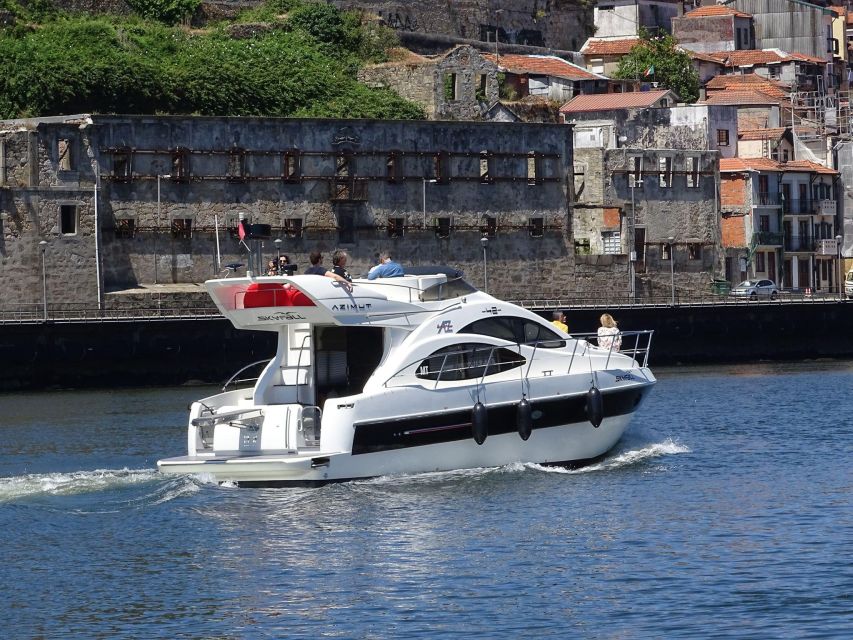
Porto’s famous bridges make far more sense from the Douro River than from a pavement lookout. This two-hour cruise carries you between Porto and Vila Nova de Gaia, from the mouth of the river near São Pedro da Afurada to the Freixo end, while the crew explains the bridges, the city, and the port in your glass. The sunset departure is the star for many people, but the afternoon sailing gives you clearer views and less chill.
I like the small-boat feel and the way four port tastings are built into the ride, rather than tacked on as a rushed sample at the end. I also like the guides’ personal approach. Names such as Philippe, Liliana, João, Tomas, Eduardo, and Javier come up often, and the best guides mix bridge facts with local stories, music, food tips, and a good bit of humor.
The main drawback is practical: Douro Marina is not in central Porto. From the main tourist area, you may need a taxi or ride-hailing service, and walking can take about an hour. The boat is also listed as unsuitable for people with mobility impairments, so check your needs carefully before booking.
Key points to know before you book
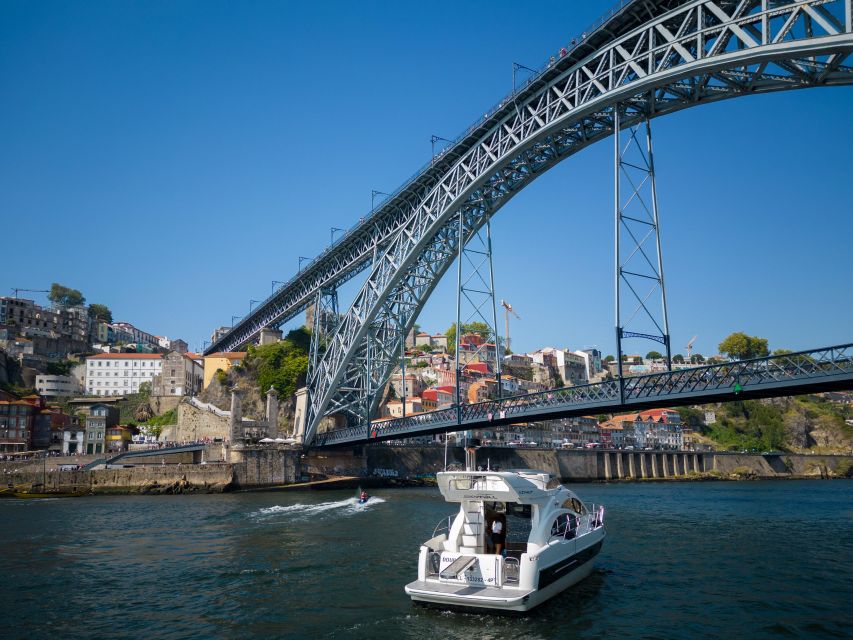
- Four port tastings are served during the cruise, with explanations of the different wines and their origins.
- The route covers Porto, Gaia, and six major bridges, including Dom Luís, Maria Pia, São João, Infante, Arrábida, and Freixo.
- Sunset departures offer the prettiest light, but weather can affect the final view and evenings on the river can feel cold.
- The boat is small and relaxed, usually carrying a modest group rather than a large crowd, according to the experience details.
- The meeting point is Shop 6 at Douro Marina, near R. da Praia 430, not beside Ribeira.
- English, Portuguese, and Spanish are available, and the certified crew handles both the sailing and commentary.
Seeing Porto from the Douro instead of the sidewalk
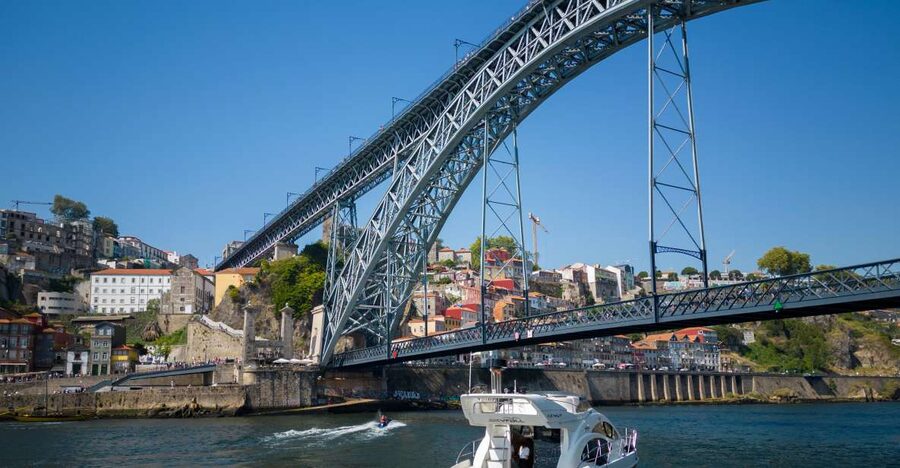
Porto is a city of steep streets, tiled façades, church towers, and crowded viewpoints. From the river, you get a different reading of it. The hills rise behind the waterfront, Gaia’s wine lodges line the opposite bank, and the bridges become the main characters rather than background decoration.
The boat follows the Douro between Porto and Gaia, then turns toward the upper river before returning. You are not simply ferried past the waterfront. The crew points out the engineering, the buildings, and the connection between port wine and Gaia’s riverfront.
The experience lasts two hours, which is about right. You get enough time to settle into the boat, taste four wines, listen to the commentary, and watch the scenery change without giving up half a day. The pace is described as gentle, not a high-speed ride.
You can sit outside for the clearest views or move inside when the breeze picks up. Several departures have included blankets, which is useful at sunset. Bring a jacket even in warm weather. River air can be cool once the sun drops.
More Port Wine Cellar Tours in Portugal:
- Porto: Live Fado Show with Glass of Port Wine
★ 4.8 · 6,498 reviews - Lisbon: Live Fado Show with Port Wine at Lisboa em Fado
★ 4.7 · 5,097 reviews - Porto: Bridges Cruise & Sunset & Port Wine Cellar Option
★ 4.2 · 4,180 reviews
Starting at São Pedro da Afurada and Arrábida Bridge
The meeting point is at Shop 6 in Douro Marina, near R. da Praia 430. This is the first detail to take seriously. The marina is some distance from central Porto and Gaia’s main sightseeing areas. One person reported a walk of just over an hour from the city, while another used an Uber costing about €10 each way.
Allow extra time for the journey. A late arrival can create stress, and this is not the sort of departure point you want to find at the last minute. The marina setting does have an advantage: it is less crowded than the central riverfront, and the small group size may be partly due to that location.
The first notable point is São Pedro da Afurada, a traditional fishing area on the Gaia side of the river. The exact amount of time spent here is not specified, so think of it as part of the passing route rather than a walking stop. The crew may use it to explain the working river, local life, and the contrast between fishing communities and the port trade.
Then the boat passes beneath or near the Arrábida Bridge, the westernmost of Porto’s six main bridges on this route. It is a broad concrete structure, less ornate than Dom Luís, but important to understanding the modern road connections across the river. This is one of the early places where the boat’s position gives you a better sense of scale than a riverside viewpoint.
One of the first port tastings may happen around this stretch, although the information does not assign each wine to a specific bridge. You receive four samples in total, with a short description of each. This is enough for a useful introduction, not a full wine course.
Palácio de Cristal, Alfândega, and the central waterfront
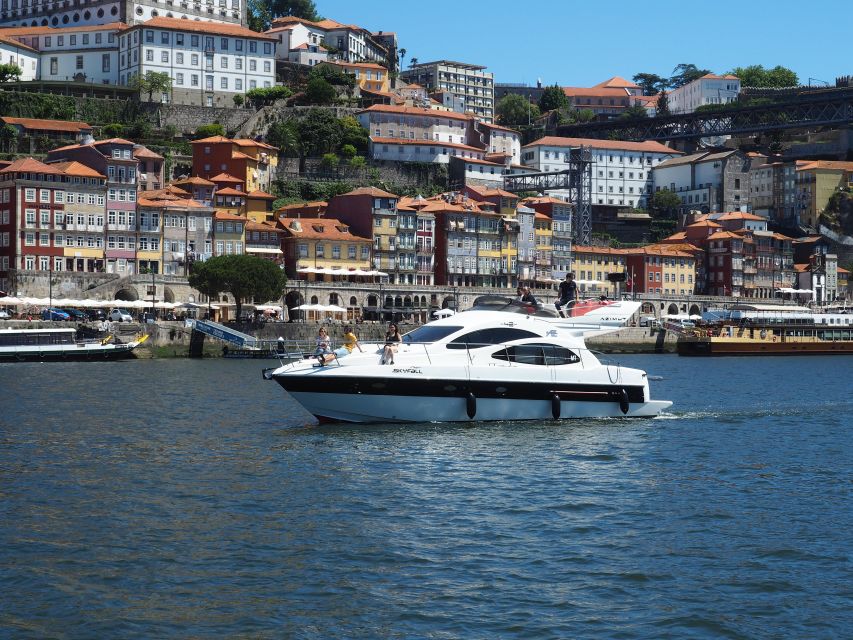
The cruise continues past the Jardins do Palácio de Cristal, the gardens high above Porto’s riverfront. From the water, you see the city rising in layers. The gardens themselves are not a stop for a walk, but their position helps explain why Porto has so many scenic overlooks.
Next comes Alfândega, the old customs area on Porto’s bank. This part of the riverfront connects the city’s trading past with the port wine business. The boat’s commentary here is likely to focus on the movement of goods, the river, and the waterfront buildings. You should keep your camera ready, since this stretch gives you a broad view back toward Porto’s historic center.
The central stretch can be busy with boats, buildings, and competing viewpoints, but a small vessel helps. You can shift your angle instead of trying to see everything from one fixed promenade. The crew also has room to answer questions, something several people valued during the sailing.
At Cais de Gaia, the cruise reaches the bank most closely associated with port wine. The famous cellars are on this side of the river, and the view back toward Porto’s Ribeira district is one of the classic images of the city. This is where the wine tasting feels most connected to the place around you.
The port samples are the heart of the activity for many people. You taste four different ports, and the guide explains their differences and origins. The selection has been described as generous, with brands such as Graham’s and Churchill mentioned by name during different sailings. The exact wines can vary, so do not book expecting a fixed flight.
Four pours can add up, especially if you have already been sampling wine elsewhere. Sip slowly, drink water before boarding, and remember that you are on a moving boat. Your own food and drinks are not allowed, though, so do not plan to bring a picnic.
Dom Luís Bridge and the six-bridge route
The Dom Luís Bridge is the visual centerpiece. Its great iron arch and two levels connect Porto and Gaia, and its upper deck is closely tied to the city’s identity. From below, the structure feels much larger than it does from the riverbanks.
The guide explains the bridge’s history and design, then places it in the wider story of Porto. This is where the boat earns its price over a basic sightseeing pass. You are not only taking photographs. You are hearing why the bridge matters and how it fits the city.
The route continues toward the Ponte do Infante, built to carry road traffic after the upper level of Dom Luís became associated with the Metro. It is a more modern bridge, and seeing it near the older iron structures makes the changes in Porto’s transport system easier to follow.
Next comes Ponte Maria Pia, the elegant railway bridge designed by Gustave Eiffel’s company. It is no longer used for regular trains, but its steel arch remains one of the most graceful structures on the Douro. From a boat, you can appreciate the open space beneath it and the way its design differs from Dom Luís.
The Ponte de São João carries the railway today. Its clean, modern form contrasts with Maria Pia, creating a quick lesson in changing railway technology. The boat does not stop at each bridge, so listen for the guide’s explanation as you pass.
The final bridge on the outward route is Freixo Bridge, a broad modern road crossing farther upriver. This is less photogenic than Dom Luís, but it completes the six-bridge story and takes you beyond the densest part of the city.
A few more tastings around Portugal worth a look
- From Porto: Douro Valley w/ Boat Tour, Wine Tasting & Lunch
★ 4.7 · 19,061 reviews - Complete Douro Valley Wine Tour with Lunch, Wine Tastings and River Cruise
★ 5.0 · 12,920 reviews - Porto: Douro Valley with Winery Lunch, Tastings & Cruise
★ 4.7 · 7,002 reviews - Winner 2025 Undiscovered Lisbon Food & Wine Tour by Eating Europe
★ 5.0 · 6,390 reviews
Freixo Palace and the return to Ribeira
Near Freixo Bridge, the boat passes Palace of Freixo, an ornate riverside palace with a distinctive profile. It gives the upper stretch of the cruise a different mood. Instead of the dense central waterfront, you see a quieter section of the river and a building that reflects Porto’s aristocratic past.
The itinerary then turns back toward the central city. This return leg is a good time to finish the tasting, ask questions, or simply sit outside with the skyline in view. The amount of commentary can vary with the guide. Some guides keep up a steady stream of facts, while others leave more quiet time for scenery and conversation.
The boat returns toward Ribeira, Porto’s colorful waterfront district, then passes in the direction of Sé, the cathedral area high above the river. The route does not mean you get off for a cathedral visit. Instead, you see how the cathedral and upper city sit above the riverfront.
The final drop-off returns to the marina area. Plan your evening from there. If you booked a sunset cruise, you may not be back in the middle of the central restaurant district, so allow time for another taxi or ride-hailing trip.
Afternoon light or a sunset sailing?
The activity offers afternoon and sunset schedules. I would choose based on your priorities rather than assuming sunset is always better.
An afternoon cruise gives you stronger light for bridge details and city architecture. It is also easier to see the full route if clouds gather later. The open deck may feel more comfortable, and you have the evening free for dinner in Ribeira or Gaia.
A sunset departure creates the most memorable setting when the weather cooperates. The river reflects the changing sky, and the view toward the Atlantic can glow after the boat moves beyond the central waterfront. A 3:30 p.m. departure was specifically recommended for catching the sunset on one winter schedule, but departure times change, so check the date you want.
Sunset is not guaranteed. Clouds can block the last few minutes, and river wind can make the ride cold. The crew has provided blankets on some sailings, but bring a jacket, sunglasses, a hat, and sunscreen. You will also want comfortable clothes rather than anything formal.
Music is part of the setup through Spotify on board. One guide was praised for his music knowledge, while other guides kept the mood light with jokes and personal stories. This is not a silent wine seminar. Expect conversation, background music, and a social shared boat.
What the crew adds to the experience
The crew is a major part of the value. Guides and captains named during recent departures include Philippe, Liliana, João, Tomas, Javier, Eduardo, Marlon, and Rita. You may meet a different team, but the format is designed around a host who explains the route and a certified crew who manages the boat.
The best version of this cruise is personal without becoming overbearing. Guides have explained Porto and Gaia from a local point of view, recommended places to eat, taken photographs, and answered questions about Portuguese culture. Some have been especially good at keeping people warm and comfortable when the weather changes.
The group size is not fixed in the information provided. Reports describe groups as small, with examples of seven, about ten, and around twelve people. That is a useful distinction from large river boats carrying scores of passengers. Still, you should not assume you will receive a private cruise.
The language options are English, Portuguese, and Spanish. If your main goal is wine education, ask questions during the tasting. The commentary focuses heavily on Porto, the bridges, and the river, with wine explanations woven into the trip rather than delivered as a formal cellar lecture.
Is the $55 price fair?
At $55 per person, this costs more than the basic boat rides advertised near the central docks. The comparison is not quite like for like. Here, you receive a two-hour cruise, four port tastings, a certified crew, and guided commentary in a small-boat setting.
I think the price makes sense if you value three things: a quieter boat, a hosted tasting, and useful explanations of the bridges and city. It is less compelling if you only want a quick river ride and a few photographs. Basic sightseeing boats can cover the same broad waterfront for less.
The activity works especially well early in a Porto visit. You get your bearings between Porto and Gaia, learn where the major bridges sit, and receive food and drink suggestions from the crew. It can also serve as a relaxed final evening, provided you are willing to arrange transport back from the marina.
Free cancellation up to 24 hours before departure and reserve-now, pay-later booking add flexibility. The operator requires a minimum number of participants, so a cancellation for low demand is possible. In that case, you should be offered another date, another experience, or a full refund.
Who should book this cruise?
I would choose this for couples, friends, solo visitors who enjoy meeting a small group, and first-time visitors who want city orientation without a long walking tour. It suits anyone who likes wine but does not need a formal tasting-room lesson.
It is also a good choice if your Porto schedule is tight. In two hours, you combine scenery, bridge history, local commentary, and four ports. That saves you from arranging separate river and wine activities.
I would think twice if you dislike shared tours, are very sensitive to cold, or need step-free access. The activity is specifically listed as unsuitable for people with mobility impairments, even though one sailing included a wheelchair user who received considerable help from the crew. Contact the provider before booking rather than relying on assistance at the dock.
Should you book the six-bridge port cruise?
Book it if you want a small, social cruise with real local commentary, not just a boat ride. The four ports are a pleasant bonus, but the strongest part is the combination of river views, bridge stories, and guides who bring their own personality to the route.
Choose the sunset time for atmosphere, and the afternoon for clearer sightseeing and a warmer ride. Budget for transport to Douro Marina, bring a jacket, and arrive ready to listen as well as sip. At $55, it is not Porto’s cheapest river outing, but it offers enough added content to justify the difference for many people.
FAQ
How long does the cruise last?
The cruise lasts two hours.
Where does the boat depart?
Meet at Shop 6 in Douro Marina, near R. da Praia 430.
Is Douro Marina close to central Porto?
No. The marina is some distance from the main tourist area. One reported walk from central Porto took just over an hour, and a taxi or ride-hailing service may be more practical.
How many port wines are included?
Four different port wine tastings are included.
Are the wines explained during the cruise?
Yes. The guide provides information about the wines and their origins as you taste them.
Which bridges are included on the route?
The route includes Arrábida Bridge, Dom Luís Bridge, Ponte do Infante, Ponte Maria Pia, Ponte de São João, and Freixo Bridge.
Does the boat have indoor seating?
Yes. You can sit on the outside deck or stay inside if you feel cold.
Are afternoon and sunset departures available?
Yes. The activity offers afternoon and sunset schedules, subject to availability.
Which languages are offered?
The host or greeter can provide the experience in English, Portuguese, or Spanish.
What happens if the tour is cancelled because too few people book?
The provider offers a different date or experience, or gives you a full refund.
Can I bring my own food and drinks?
No. Outside food and drinks are not allowed.
Is the cruise suitable for people with mobility impairments?
The activity is listed as unsuitable for people with mobility impairments. Contact the provider directly if you have specific access needs.
Can I cancel for a full refund?
Yes. You can cancel up to 24 hours in advance for a full refund.
Just added around Portugal
- Grande Prova Honrado Vineyards★ 5.0 · 46 reviews
- Albufeira Wine Tour: 2 Vineyards, 6 Tastings & Historic Silves★ 5.0 · 123 reviews
- Albufeira Food Experience: Land & Sea Tapas w/ Wines★ 4.5 · 45 reviews
- Albufeira History Walking Tour with Wine and Tapas★ 5.0 · 47 reviews
- Sunset Beach Safari w/ Champagne & Chicken Piri Piri Dinner★ 5.0 · 53 reviews
- Half Day Safari Tour with Wine Tasting★ 4.5 · 110 reviews
- Premium Vineyard Tour & Tasting★ 4.5 · 43 reviews
- Albufeira: City Highlights & WINE TASTING★ 5.0 · 41 reviews
Port Wine Cellar Tours, compared.
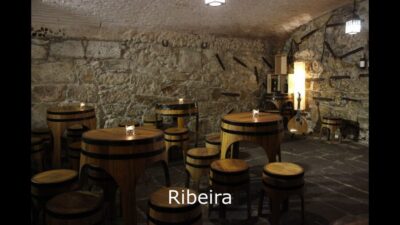
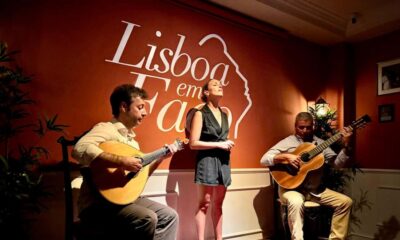
Live Fado Show with Port Wine at Lisboa em Fado
Read our review →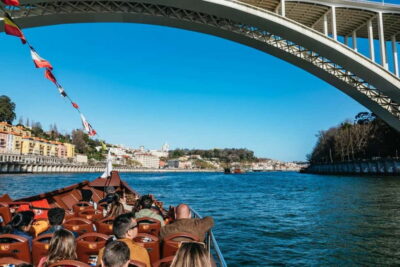
Bridges Cruise & Sunset & Port Wine Cellar Option
Read our review →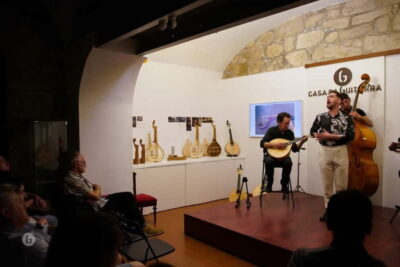
Fado & Port Wine in Traditional Portuguese Music Shop
Read our review →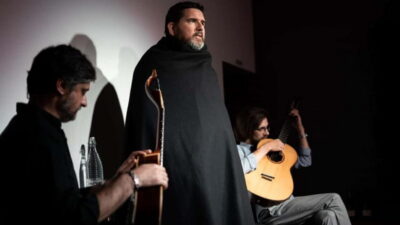
What is Fado? Commented Live Concert with Port Wine
Read our review →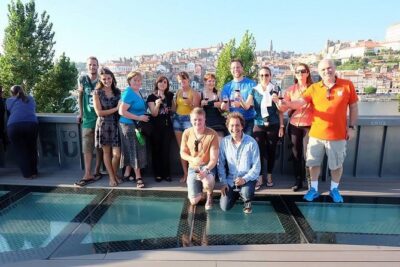
Port Wine Lodges Tour Including 7 Port Wine Tastings (English)
Read our review →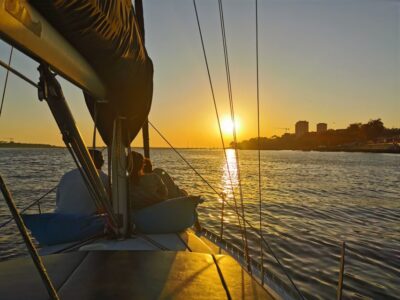
Charming Sailboat Cruise with Port Wine,Sunset Option
Read our review →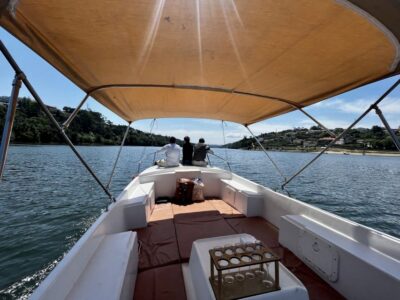
Douro River Boat Cruise with Port Wine Tasting
Read our review →Browse the lists this tour appears in