
Review · PARIS
Paris: Les Caves du Louvre Guided Tour with Wine Tastings
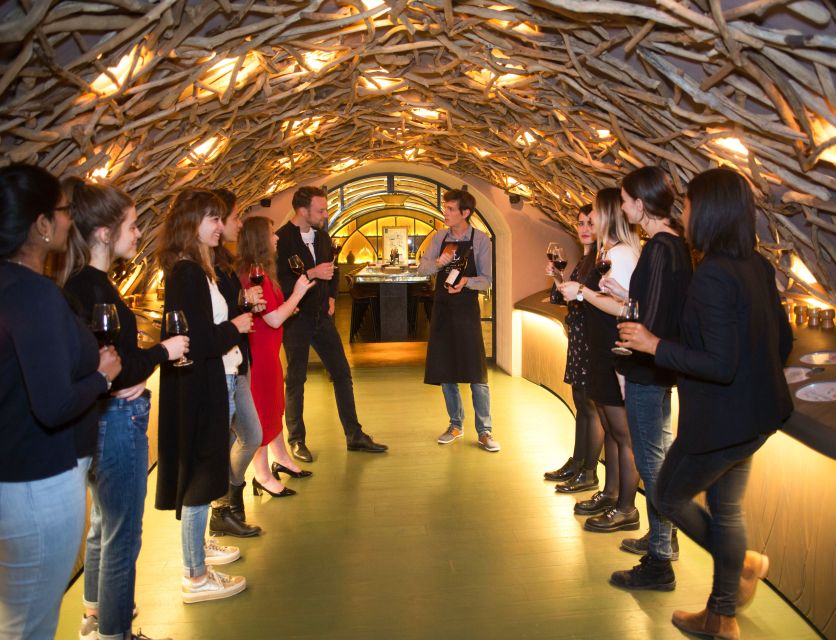
The best surprise here is that Les Caves du Louvre is not just a wine tasting. You move through atmospheric 18th-century cellars once used to store wine for the King of France, with each room handling a different part of the wine story. Videos, puzzles, scent displays, and hands-on exhibits keep the hour moving.
I like the way the tour makes French wine less intimidating, especially for beginners. I also like the tasting at the end: you choose three wines, then learn how to use your nose and palate from an English-speaking sommelier such as JB, Lou, Pierre, Justin, or Clement. The main drawback is simple: the tour is English only, and it is not suitable for children under 18 or people with mobility impairments.
Key points to know before you book
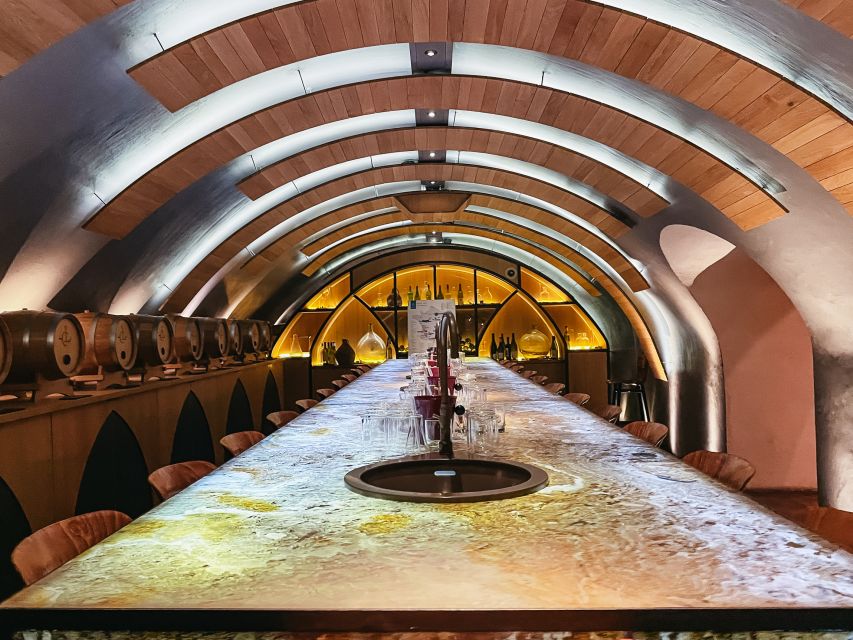
- Royal cellars beside the Louvre: The setting gives this short tour real character, with historic rooms rather than a standard shop or bar.
- A five-senses approach: Scent stations, visuals, games, and recreated soil types help explain grapes, fermentation, and terroir.
- Three wines to choose: Your final tasting includes three French wines, with the selection changing each week.
- Friendly, lively guides: Guides including JB, Lou, Pierre, Justin, Irvine, and Clement are praised for making technical material easy to follow.
- Good use of one hour: The compact format fits neatly before or after the Louvre, lunch, or a walk along the Seine.
- Adults only: You must be at least 18, and the visit is conducted in English.
Why these former royal cellars make a good Paris stop

At 52 Rue de l’Arbre Sec, you are only a short walk from the Louvre. That location matters. You can pair the tour with a museum visit, a stroll through the surrounding streets, or lunch across the Seine without giving up half a day.
The cellars are the first reason to come. They date to the 18th century and were once used by the King of France. You are not visiting a working vineyard, so do not expect rows of vines, barrels in production, or a countryside tasting room. Instead, you get a compact historical setting beneath central Paris, repurposed for teaching and tasting.
That contrast works well. You learn about vineyards and wine-making while standing in a place connected with the royal supply of wine. The location also gives the experience a sense of place that a generic tasting room cannot match.
The tour lasts about one hour. That is long enough to cover the basics and taste three wines, but short enough to fit into a busy Paris schedule. I would place it before dinner or after a morning at the Louvre. If you are planning a packed day, the one-hour length is one of the strongest practical reasons to book.
More Wine Tasting Tours in France
- Montmartre Hill French Gourmet Food and Wine Tasting Walking Tour
★ 5.0 · 2,588 reviews - From Paris: Loire Valley Castles Day Trip With Wine Tasting
★ 4.6 · 1,727 reviews - Paris: French Wine Tasting Class with Sommelier
★ 4.8 · 550 reviews
The route from grape to bottle
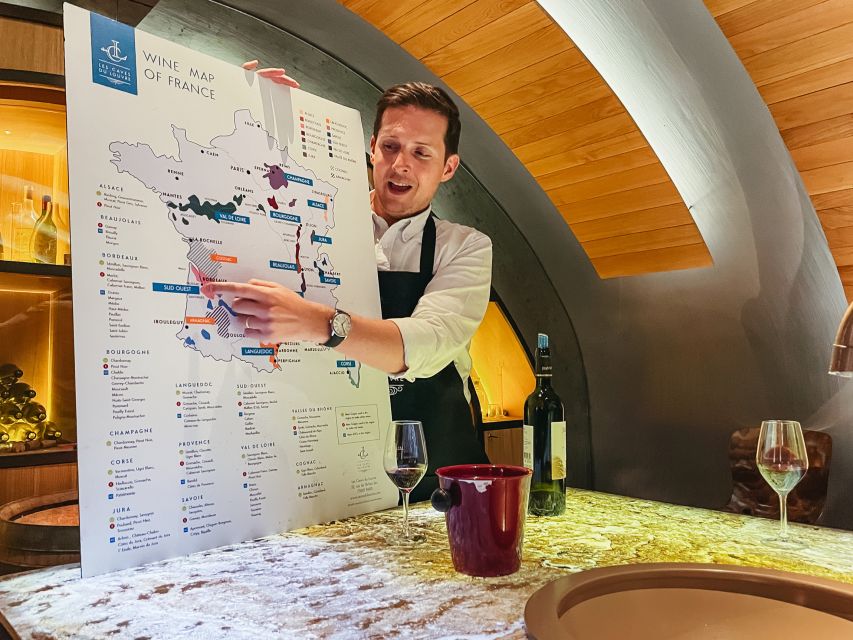
The visit explains the main stages of wine-making, starting with the grape and ending with the bottle. You learn about fermentation, yeast, grapes, French regions, and the role of terroir in the taste of wine.
The material is presented through a series of rooms and interactive displays rather than a long lecture. That format is useful because French wine can become a blur of unfamiliar names. Burgundy, Bordeaux, the Rhône, Champagne, and other regions are easier to understand when you can connect a grape or soil type to a specific part of the country.
The tour also addresses how different soils affect vines. One especially useful teaching point is the contrast between clay and limestone. These are not abstract terms here. Displays help you see how soil forms part of the growing conditions that shape a wine’s character.
You may also hear about older vines and how their roots reach different depths in the soil. That idea helps explain why the same grape can taste different from one region to another. You will not leave as a winemaker, but you should come away with a clearer grasp of why French wine labels focus so much on place.
Learning through smell, sight, and touch
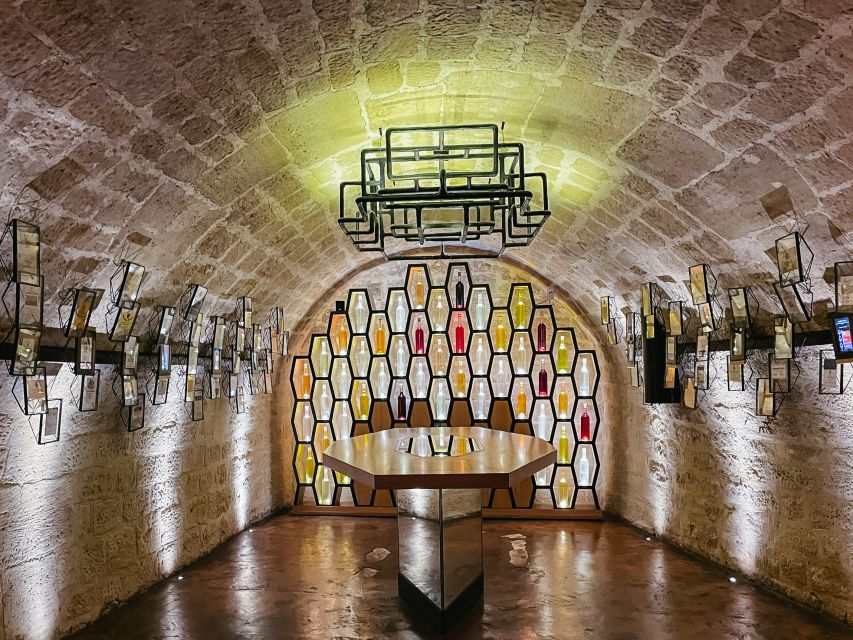
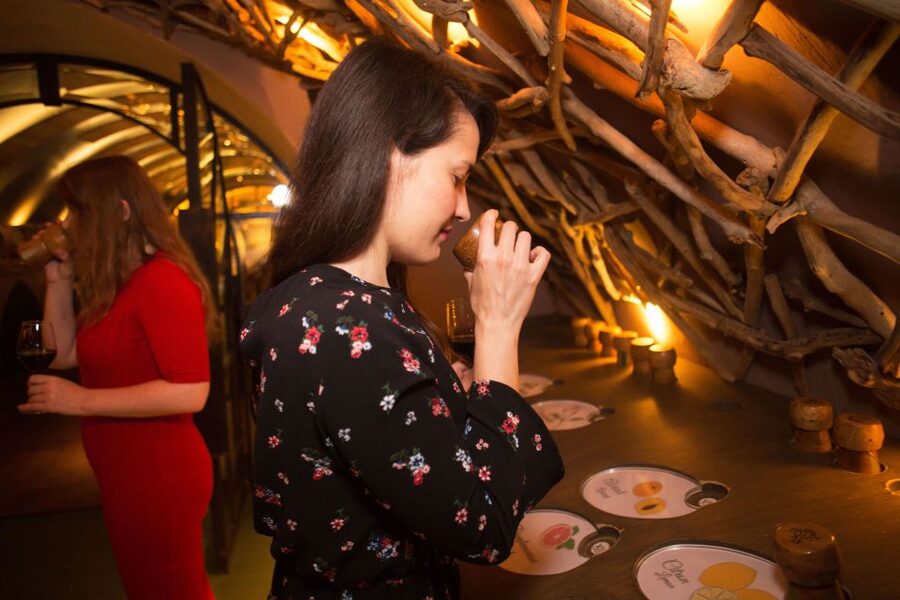
The five-senses section is where the tour becomes more than a standard wine history talk. You use aroma displays to identify familiar scent notes, and the guide explains how much of what you call taste is linked to your sense of smell.
This is helpful if you often stand over a wine glass and wonder what people mean by pear, spice, flowers, or earth. The scent games give you something concrete to compare with the wine later. They also make the experience less formal. You do not need a trained palate, and you are not expected to produce the perfect tasting note.
Visuals and videos explain wine-making in a way that suits a mixed group. The displays help you follow the process even if you have never visited a vineyard. Interactive puzzles add a little play to the lesson, which is one reason the tour works for beginners as well as people who already enjoy wine.
I appreciate this teaching method because it avoids turning the hour into a test. You can ask basic questions without feeling out of place. Guides such as JB, Lou, Justin, and Pierre are repeatedly praised for being funny, clear, and easy to approach. The style may vary by guide, but the format gives each one plenty of room to explain rather than simply recite facts.
The tasting: three French wines at the end
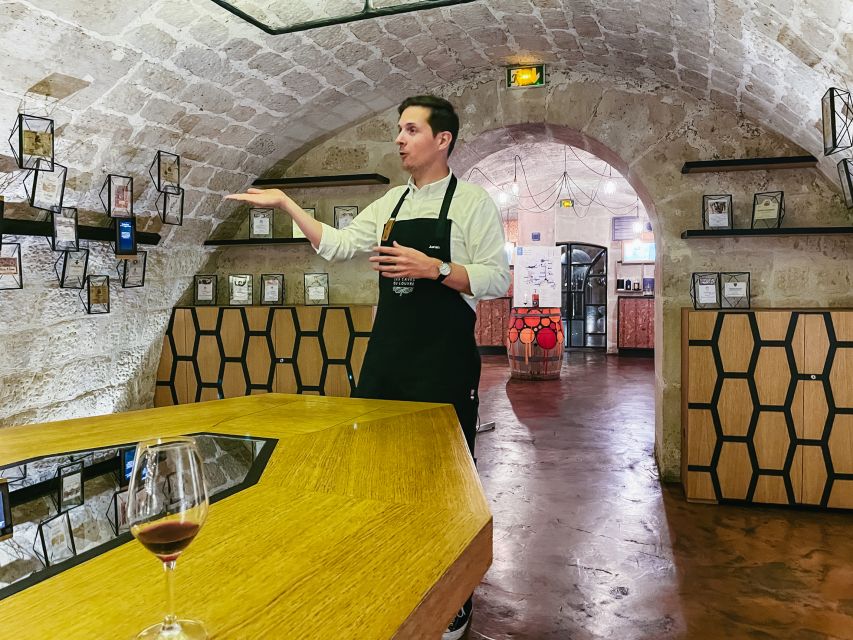
The tasting is the payoff, but it works better because the tour prepares you first. At the end, you choose and taste three French wines from the available selection. The wine list changes weekly, so the exact bottles are not fixed.
That changing list is useful for repeat visits, though it also means you should not book expecting a particular grape or region. The selection may include wines with very different traits, giving you a chance to compare rather than simply drink three similar pours.
Your sommelier explains tasting technique and points out the differences among French grapes and regions. You can focus on the aroma, acidity, texture, and finish, then connect those sensations to the earlier displays. The tasting is not just an add-on. It completes the lesson.
Several guides are praised for generous pours, though the precise serving amount can vary. You should still think of this as a guided tasting, not a full evening of drinking. Food is not included, but it can be purchased on site. If you are hungry, plan around that rather than treating the wines as a substitute for lunch.
A Premium option is also mentioned in the experience feedback, and people who selected it found the upgrade worthwhile. The supplied details do not state its price or exact contents, so check the current booking choices before paying extra. If the premium tasting includes a more distinctive selection, it may appeal to serious wine fans. For a first introduction, the standard experience already covers the key elements.
More Wine Tasting Tours in Paris
- Cheese & Wine Tasting in Montmartre with Local Cheesemonger
★ 5.0 · 470 reviews - Paris: Food and Wine Tasting Walking Tour in Le Marais
★ 4.9 · 446 reviews - Paris Art of Pairing Cheese and Wine Tasting in a Cheese Cellar
★ 5.0 · 386 reviews - Paris: Wine Tasting Experience with 6 Wines and Cheese Board
★ 4.9 · 80 reviews
The guides make or break the hour
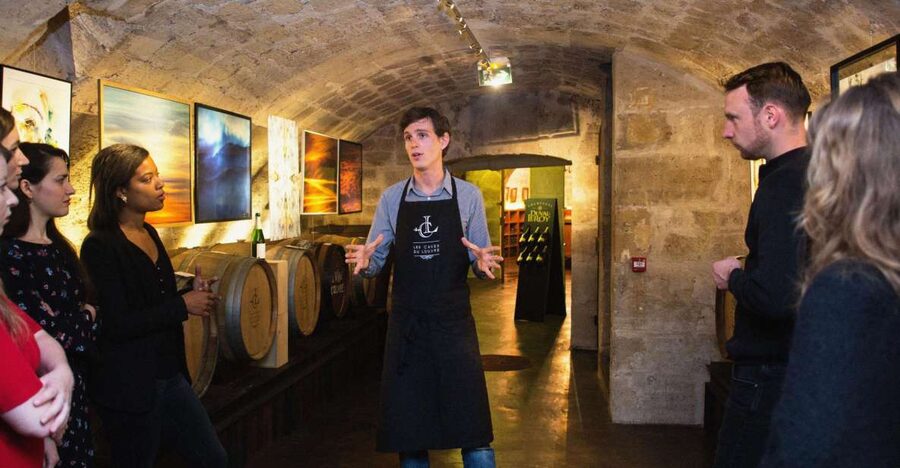
The guide is a major part of this experience. The strongest tours are led by a sommelier who can explain technical subjects without making you feel trapped in a classroom.
Names associated with particularly well-received visits include JB, Lou, Pierre, Justin, Irvine, Ives, Clement, Celia, Irwin, and Jean-Baptiste. The recurring qualities are clear: friendly delivery, humor, strong answers to questions, and a gift for storytelling.
You might hear an analogy about old vines reaching deep into the soil, a simple explanation of nasal reception, or a comparison between clay and limestone. These details give the material some life. A dry explanation of fermentation can lose you quickly in a holiday schedule. A good story or demonstration brings you back.
The tour is available as a small group. That can make a real difference during the tasting, since you have a better chance to ask about a grape, region, or aroma. Group size may affect the feel of your particular departure, so do not assume every time slot will be equally intimate.
The guide also sets the pace. Some people want a relaxed cultural activity after a morning of museums. Others want detailed wine instruction. The format can serve both, but the amount of discussion and humor will depend on the person leading your group.
What the one-hour timing means in Paris
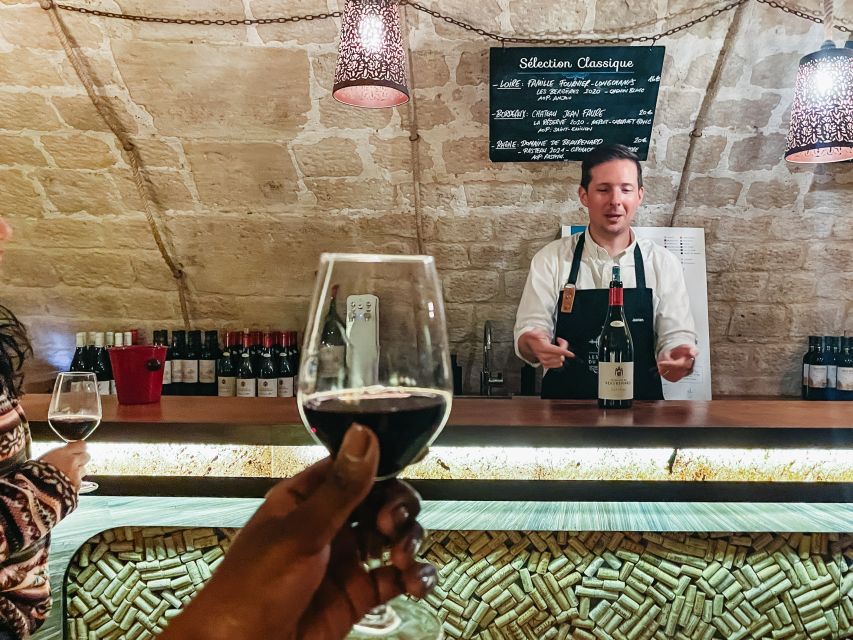
One hour is a useful length, but it also imposes limits. You receive an introduction to French wine rather than a full regional survey. The tour cannot give every grape, appellation, and production method equal attention.
That is not a serious fault if you treat it as a smart starting point. You get enough background to order wine with more confidence during the rest of your trip. One person even found that the guide’s advice helped with later wine choices in Paris. That is the practical benefit of a short lesson: it can improve the meals and tastings that follow.
The location near the Louvre makes the schedule easy. You could visit the cellars before entering the museum, although you should allow time to reach your next timed booking. You could also use the tour as a calmer activity after museum crowds and long walks.
I would avoid placing it immediately before a major timed attraction if your Paris day is tightly packed. The stated duration is one hour, but walking, finding the entrance, and moving on afterward require some margin. The booking time is important, so check available starting times when you reserve.
Who will enjoy Les Caves du Louvre most
This is a good choice if you want to understand French wine but do not want to spend a day outside Paris. It suits couples, friends, solo visitors, and small groups. The interactive format also works for someone who is curious about wine but does not yet know the difference between a grape variety and a region.
You do not need advanced wine knowledge. The displays and guide-led explanations start with the basics, then give you enough detail to make the tasting meaningful. If you already know a lot about French wine, you may find the introductory sections familiar, but the cellar setting and changing wines still give the hour some interest.
The experience is not suitable for children under 18. It is also not suitable for pregnant women or people with mobility impairments, according to the stated restrictions. The English-only format matters too. If you need a French-language or multilingual tour, this is not the right fit.
Wine lovers will probably want to consider the Premium option if it is available at a reasonable current price. Beginners can safely choose the regular experience unless the upgraded tasting is the main reason for booking.
Price, value, and what is included
At $41 per person, this is not the cheapest way to drink wine in Paris. You could buy a bottle and sit at a wine bar for less, especially if you are sharing. The comparison is not quite fair, though, because this price includes a guided cellar visit, a structured lesson, interactive exhibits, and three tastings.
The value depends on what you want. If you only want a drink, skip it. If you want context, a historic setting, and help understanding what you taste, the price is reasonable for a central Paris activity.
I especially like that the experience combines several things that are often sold separately: local history, wine education, sensory activities, and a tasting. You are paying for an hour of guided interpretation, not simply for three pours.
Food is not included, though you may purchase it on site. Keep that in mind when planning the rest of your day. The cellar can be a relaxed pause between larger attractions, but it is not a replacement for a meal.
Free cancellation is available up to 24 hours before the start time, and you can reserve while postponing payment. Those terms are helpful when your Paris schedule includes museum tickets and changing plans.
Small practical details that improve the visit
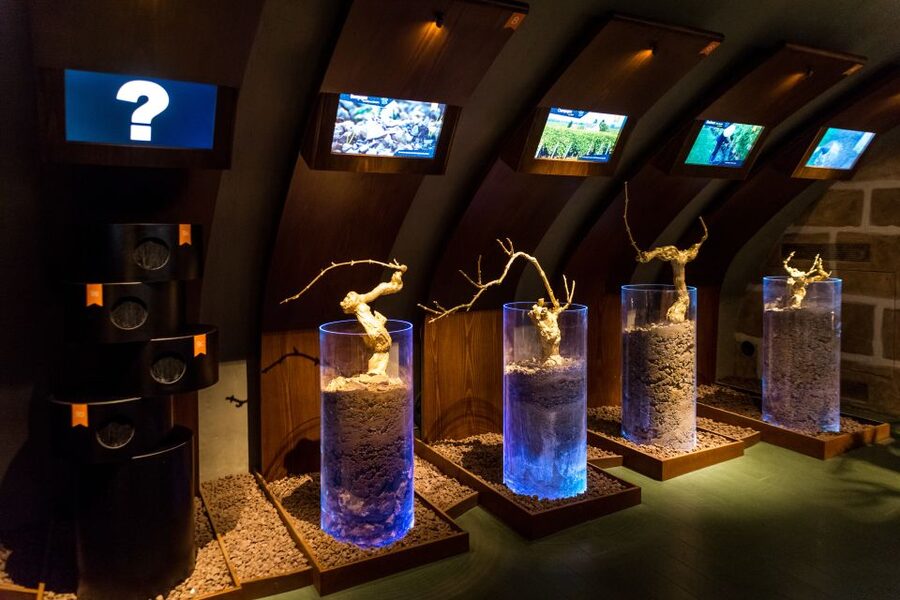
Arrive with enough time to find 52 Rue de l’Arbre Sec. The address is central, but central Paris streets can slow you down when you are coming from another attraction.
Wear something comfortable for the visit. The experience takes place in former cellars, and mobility restrictions are specifically noted. If you have any concern about stairs, surfaces, or access, confirm suitability before booking rather than assuming the historic setting will be easy for everyone.
Think about the tour as an early evening activity only if the available departure fits your plans. The tasting is a pleasant way to slow down after sightseeing, but the tour schedule controls the timing. Check the start times before building your restaurant reservation around it.
If you hope to buy a bottle afterward, the experience has an on-site shop where bottles can be purchased. The exact stock will vary, just as the tasting list changes. This is a useful chance to take home a wine you actually tasted, rather than guessing from a label.
Should you book this wine tour?
Book Les Caves du Louvre if you want a focused, easy-to-fit Paris activity that explains French wine without demanding prior knowledge. The royal cellar setting, sensory displays, and three-wine tasting give the hour more substance than a basic bar tasting.
I would especially recommend it for a first trip to Paris, a rainy afternoon, or anyone who has visited the Louvre and wants something quieter nearby. The strongest guides, including JB, Lou, Pierre, and Justin, add humor and clarity, but remember that the exact guide and wine selection can change.
Skip it if you need a French-language tour, cannot manage a cellar setting, want a full meal, or are looking for a countryside vineyard visit. For everyone else, $41 buys a useful introduction to French wine and a memorable place to learn it.
FAQ
Where does the Les Caves du Louvre tour meet?
The meeting point is 52 Rue de l’Arbre Sec, 75001 Paris, near the Louvre.
How long does the experience last?
The guided experience lasts one hour.
What language is the tour conducted in?
The tour is conducted in English only.
How many wines do you taste?
You choose and taste three French wines at the end of the tour.
Does the wine selection stay the same?
No. The wine list changes every week, so the exact wines available depend on your visit date.
Is food included?
No. Food is not included, but it may be purchased on site.
Is the tour suitable for children?
No. The experience is not suitable for children under 18.
Can I cancel my booking?
Yes. You can cancel up to 24 hours in advance for a full refund. You can also reserve now and pay later.
More Wine Tastings in Paris
- Paris: Loire Valley Chambord Castle, Wine Tasting & Lunch
★ 4.7 · 69 reviews - Paris: French wine tasting with cheeses and charcuterie
★ 4.8 · 41 reviews - From Porto: Douro Valley w/ Boat Tour, Wine Tasting & Lunch
★ 4.7 · 19,061 reviews - Complete Douro Valley Wine Tour with Lunch, Wine Tastings and River Cruise
★ 5.0 · 12,920 reviews
Just added around Paris
- Top Private Cruises in Paris with Champagne + more surprises★ 5.0 · 309 reviews
- Paris: Walking Food Tour with Cheese, Wine and Delicacies★ 4.7 · 323 reviews
- Private tour of Paris by Night with Champagne★ 4.7 · 323 reviews
- Paris: Wine Tasting Experience with 6 Wines and Cheese Board★ 4.9 · 80 reviews
- Paris: Wine and Cheese Tasting★ 4.6 · 91 reviews
- Paris: Seine River Champagne Dinner Cruise with Live Music★ 4.4 · 287 reviews
- Paris : Scenic Cruise on the Seine River with Champagne★ 4.0 · 81 reviews
- Paris: Tasting of 3 Wine and 3 Cheese★ 5.0 · 74 reviews
Wine Tasting Tours, compared.
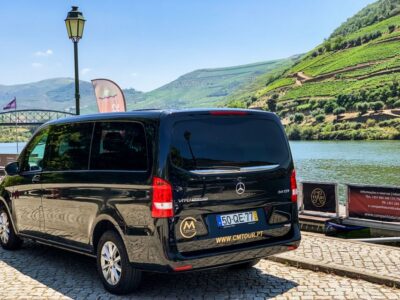
Douro Valley w/ Boat Tour, Wine Tasting & Lunch
Read our review →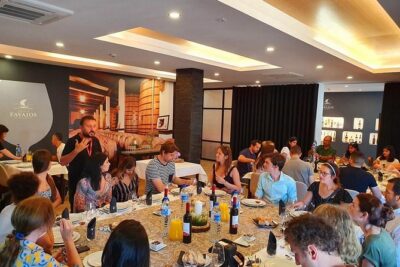
Complete Douro Valley Wine Tour with Lunch, Wine Tastings and River Cruise
Read our review →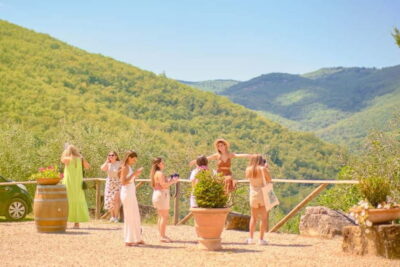
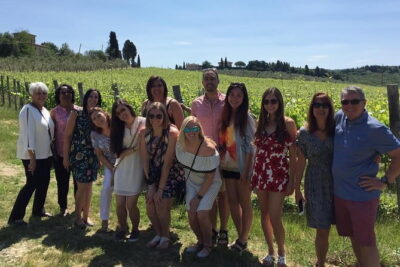
Small-Group Wine Tasting Experience in the Tuscan Countryside
Read our review →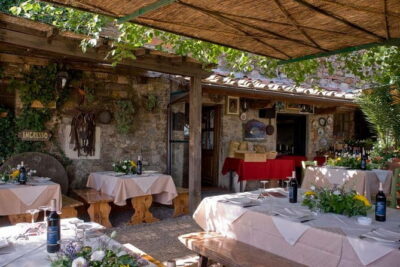
SMALL-GROUP Wine Safaris: Tuscan Wine Tasting Tours from Florence
Read our review →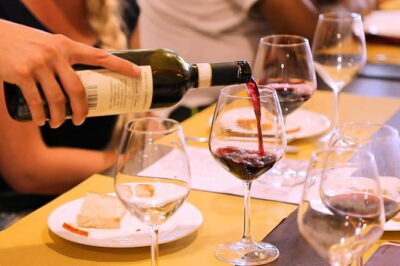
San Gimignano, Siena, Monteriggioni, Chianti Day Trip with Lunch & Wine Tasting
Read our review →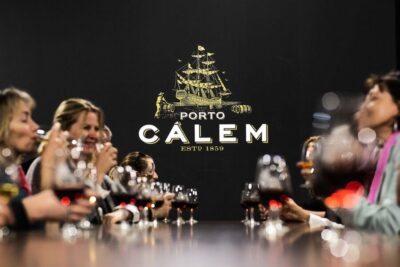
Cálem Cellar Tour, Interactive Museum & Wine Tasting
Read our review →
Browse the lists this tour appears in