
Review · FRANCE
Beaune: Wine Tasting at Château de Pommard
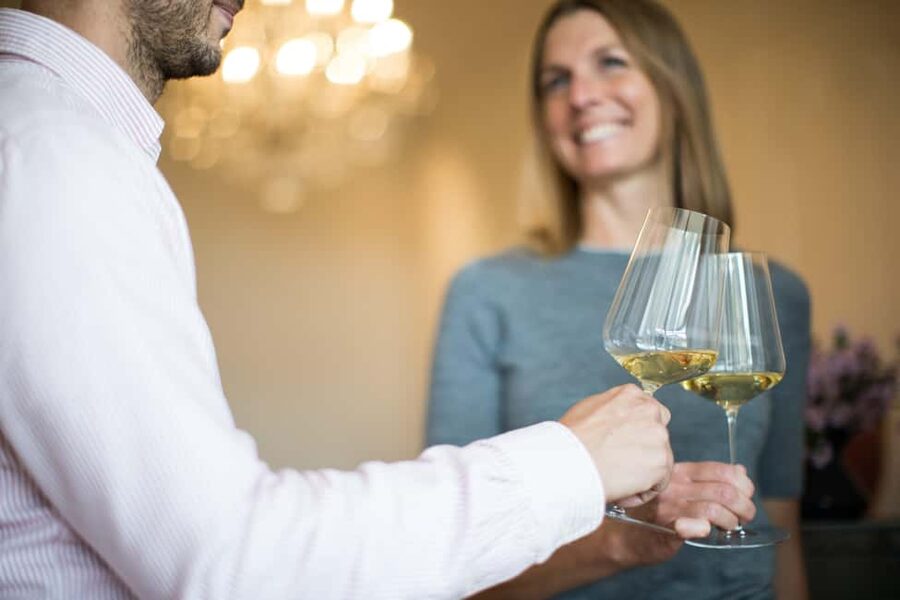
The most interesting part of this Château de Pommard visit is the way it connects what is in your glass to the soil beneath the Clos Marey-Monge vineyard. In one hour, you taste four wines while learning how Burgundy’s subregions, classifications, and natural conditions affect flavor, style, and ageability.
I like the small groups of no more than eight and the clear focus on education rather than simply pouring wine. I also like the free access to the French Gardens, where you can add a little time outdoors before or after the tasting. The main drawback is important: the cellars and winery cannot be visited during the current renovation.
Key points
- Four Burgundy wines: Taste selections from Château de Pommard and Famille Carabello-Baum.
- Clos Marey-Monge focus: Learn how soil and other natural factors shape the wine.
- One-hour format: A useful choice for a short stop in Beaune or Pommard.
- Small groups: Numbers are limited to eight, giving you a better chance to ask questions.
- French Gardens included: Add a pleasant outdoor stop without paying extra.
- Cellars closed: The tasting does not currently include the cellar or winemaking areas.
A one-hour introduction to Burgundy in Pommard
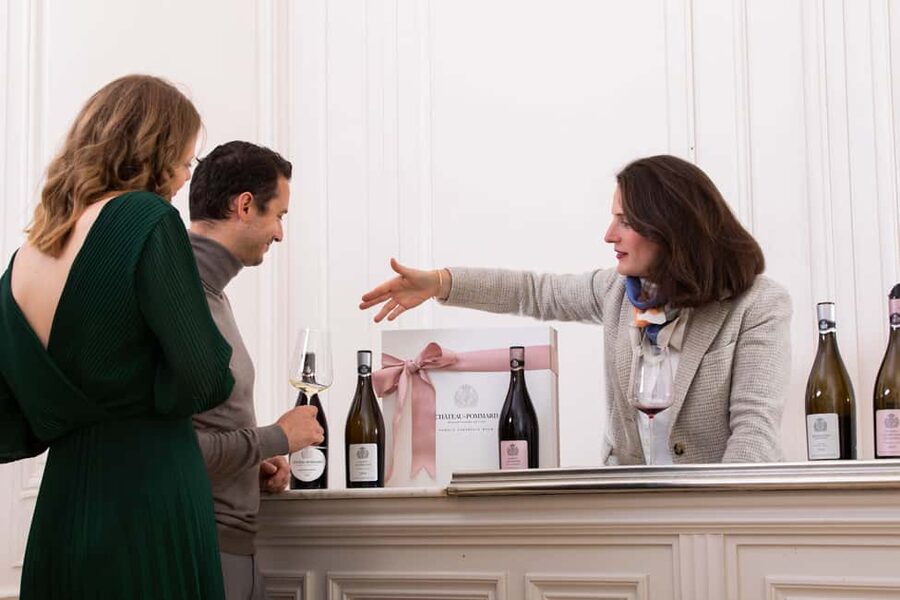
This experience is built for people who want a structured introduction to Burgundy wine without committing to a long winery visit. The setting is Château de Pommard, in Burgundy’s Bourgogne-Franche-Comté region, and the central activity is a tasting of four wines.
The tasting covers wines from Château de Pommard and Famille Carabello-Baum. That gives you more than four unrelated samples. The guide uses the wines to explain the wider Burgundy system, including the region’s history, five subregions, vineyard classifications, and the role of terroir.
The format works especially well if you are fitting several stops into a day around Beaune. One hour is long enough to learn the basic structure of Burgundy and compare several wines, but short enough to leave room for lunch, another domaine, or a walk through town.
The experience has a strong educational angle. You are not simply handed a glass and left to form your own impressions. The guide explains why wines from different places, soils, and vineyard positions can taste different, and why some wines are made to drink young while others can develop with age.
More Wine Tasting Tours in France
- Bordeaux: Cité du Vin Entry Ticket and Wine Tasting
★ 4.6 · 3,885 reviews - Montmartre Hill French Gourmet Food and Wine Tasting Walking Tour
★ 5.0 · 2,588 reviews - From Paris: Loire Valley Castles Day Trip With Wine Tasting
★ 4.6 · 1,727 reviews
What happens during the tasting
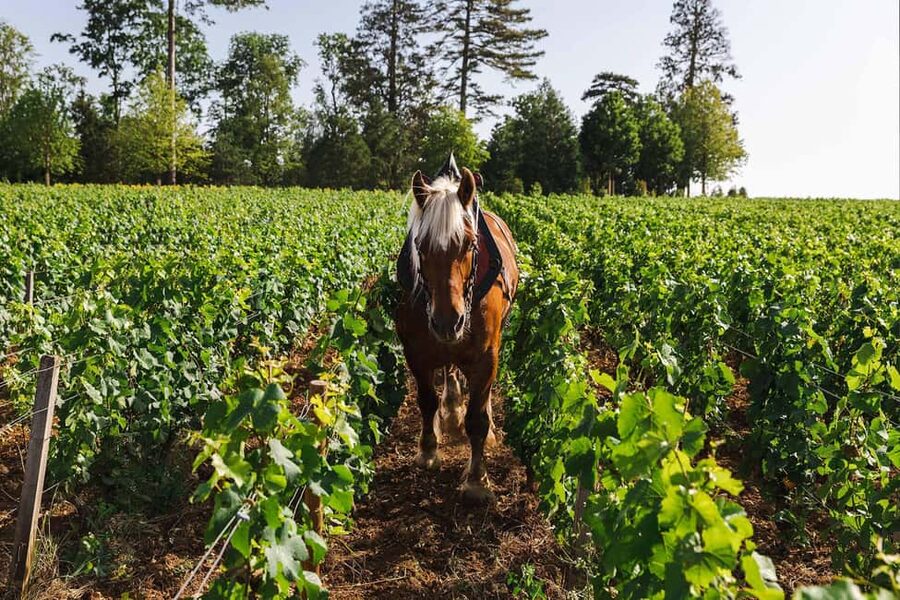
Your visit centers on four wines. The exact selection can vary, but all come from Château de Pommard and Famille Carabello-Baum. The point is comparison, not just quantity.
A good way to use the hour is to pay attention to how the guide links each wine to place. Burgundy can seem confusing at first because its names and classifications carry so much weight. This session gives you a framework for understanding the labels and the reasons certain vineyards command more attention than others.
You learn about Burgundy’s five subregions, then move toward the specific setting of the château and its vineyard. The guide also discusses the classification system, which is one of the most useful subjects for anyone planning to buy Burgundy wine.
The session explains the natural factors that influence the wines from Clos Marey-Monge. These include the conditions that shape taste, style, and ageability. The exact depth depends on the guide and the questions in your group, but the subject gives the tasting a clear purpose.
If you enjoy asking questions, the small group size is a real advantage. The group limit is eight, and that makes it easier to ask about a particular wine, a classification, or something you notice in the glass. Guides named in recent bookings include Alex, Manon, and Pierre. Each was praised for being friendly, prepared, and willing to answer questions, though the guide assigned to your time may be different.
Clos Marey-Monge and the value of terroir
For many first-time Burgundy visitors, terroir can sound like a vague wine word. Here, it is the main thread of the experience. The tasting explains how the vineyard’s natural conditions can affect the character of the wine and its ability to develop over time.
The Clos Marey-Monge vineyard gives the lesson a specific reference point. Instead of discussing Burgundy only in general terms, you are introduced to one named vineyard connected to the château. That helps turn an abstract topic into something you can relate to the wines in front of you.
The soil discussion is one place where expectations should be realistic. The activity promises an explanation of natural influences, but it is not presented as a long technical vineyard walk. One past booking found the soil types were not covered in much detail and wished the guide had gone outside to discuss the soil and grapes.
I would treat this as a tasting-led introduction, not a field study. If your main goal is a close examination of soil, vines, and farming methods, you may want to confirm what will be covered on your chosen date. If you want a concise explanation of how vineyard conditions affect wine, the format should fit well.
The château grounds and French Gardens
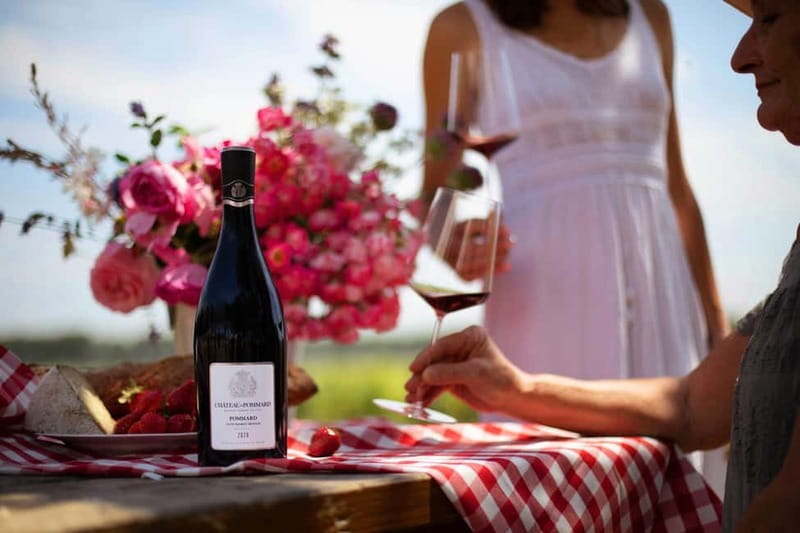
Access to the French Gardens is included, and this is a useful extra. The gardens give you a chance to enjoy the property beyond the tasting room, especially if you arrive early or have a few minutes afterward.
The grounds and vineyard setting are part of the appeal. Several bookings specifically appreciated the château, the well-kept vineyard, and the scenery. One useful practical detail is that parking was described as easy, with a garden beside the parking area.
The gardens are not a substitute for a full château tour, however. The tasting does not promise a detailed architectural visit, and some people may find themselves spending most of the hour in one room. If you are hoping to explore every corner of the property, this may feel limited.
You can also look for the horses near the property. One booking specifically recommended seeing them after the tasting. This is not a formal part of the wine lesson, but it is a pleasant detail to keep in mind if you have extra time.
More Wine Tastings in France:
- From Bordeaux: Afternoon Saint-Emilion Wine Tasting & snack
★ 4.8 · 1,581 reviews - Medoc or Saint Emilion Wine Tasting and Chateau from Bordeaux
★ 5.0 · 1,415 reviews - Saint Emilion Day Trip with Sightseeing Tour & Wine Tastings from Bordeaux
★ 5.0 · 1,120 reviews - Saint Emilion Half-Day Trip with Wine Tasting & Winery Visit from Bordeaux
★ 4.5 · 1,034 reviews
Why the closed cellars matter
The château is nearly three centuries old and is undergoing a major restoration and expansion project. During the work, the cellars cannot be visited, and the tasting does not include the winery or winemaking areas.
This changes the nature of the experience. You are booking a guided tasting with vineyard and regional context, not a cellar tour. The staff has kept the educational portion in place, but the missing cellar visit is still a real limitation for anyone interested in barrels, fermentation, storage, or production methods.
The distinction matters when comparing wine experiences around Beaune. Some visitors care most about tasting and regional explanation. Others want to see the physical work of making wine. This Château de Pommard option currently suits the first group better.
The renovation also means that the meeting point may vary depending on the option booked. Check your booking details before setting out, especially if you are arriving by car or walking from another part of Pommard.
How the guides shape the experience
The guide can make a short tasting feel either rushed or personal. The strongest reports from this experience point to guides who are friendly, patient, and willing to answer questions.
Alex is mentioned several times for clear explanations and a helpful manner. Manon was praised for introducing the wines effectively, while Pierre provided a more private-feeling tasting during a quieter September visit. Your guide may be someone else, but the small group structure gives the session a good chance of feeling conversational.
One booking included two dogs, and the guide was patient and kind with them. That does not mean every pet-related detail is guaranteed, so check current arrangements if you plan to bring an animal. It does show that the tone can be relaxed rather than stiff.
The strongest part of the guide’s role is translating wine language into something useful. You can ask why one bottle tastes different from another, what a classification means, or how a wine might change with age. Come with one or two questions ready, since a focused question often gets more value from a one-hour session than simply listening quietly.
Price, timing, and overall value
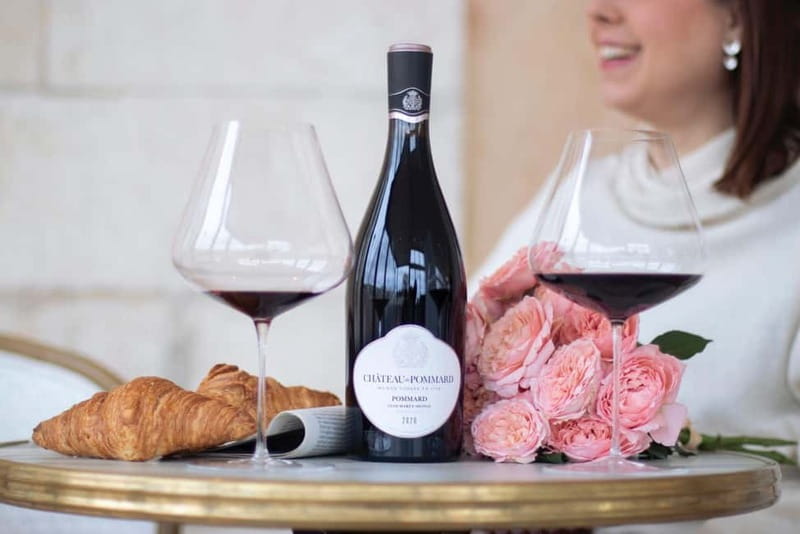
At $35 per person, this is a moderate price for a château-based Burgundy tasting. You receive four wines, a guided explanation, access to the French Gardens, and a small group capped at eight people.
The value depends on what you want from the visit. If you mainly want to sample several Burgundy wines and learn how the region is organized, the price is fair. The tasting also gives you useful context before buying a bottle, which can help you make a more informed choice rather than selecting only by name or price.
The value is less convincing if you expect a full winery tour. Cellar and winery access are not included, and the current renovation prevents a cellar visit. You are paying for the tasting, the teaching, and the setting, not for a behind-the-scenes production tour.
The one-hour duration is a strength for a busy day. It is long enough to cover Burgundy’s history, subregions, classifications, and vineyard factors without taking over your schedule. It also means the presentation cannot cover every detail. You will get an organized introduction, not a complete wine course.
Free cancellation up to 24 hours before the visit adds useful flexibility. You can also reserve and pay later, which helps if your Burgundy plans are still shifting.
Who should book this Château de Pommard tasting
I would recommend this to a first-time Burgundy visitor who wants a clear explanation of the region along with four wines. It also suits couples, small groups, and solo wine drinkers who prefer a quieter format and the chance to ask questions.
The experience is particularly useful if you are confused by Burgundy classifications or unsure how vineyard location affects the wine. The guide’s explanation gives you terms and ideas you can use at later tastings in Beaune or elsewhere in the region.
It is also a good fit for a short stop. Easy parking, the garden access, and the one-hour schedule make it simple to add to a day around Pommard. Avoid high-heeled shoes because the property includes outdoor areas and vineyard surroundings.
I would hesitate to recommend it as your only château visit if cellar access is essential to you. The current renovation means you will not see the cellar or winery, and the outdoor vineyard explanation may be brief. Wheelchair users should also note that the activity is not suitable for them.
Should you book it?
Book this tasting if you want four Burgundy wines, a focused regional lesson, and a small group in a handsome château setting. The guide-led explanation of Clos Marey-Monge, Burgundy’s classifications, and the five subregions gives the hour real substance.
Skip it if your priority is seeing cellars, production rooms, or a detailed hands-on vineyard walk. For everyone else, the $35 price is reasonable, especially when you value clear instruction, garden access, and a short format that fits neatly into a day in Burgundy.
FAQ
How long does the Château de Pommard tasting last?
The tasting lasts one hour.
How many wines are included?
You taste four wines from Château de Pommard and Famille Carabello-Baum.
What does the guide explain?
The guide covers Burgundy’s history, its five subregions, Burgundy’s classifications, and the natural factors that influence the taste, style, and ageability of wines from Clos Marey-Monge.
Is the cellar included?
No. The cellars and winery cannot currently be visited because of renovation work.
Can I visit the French Gardens?
Yes. Access to the French Gardens is included.
What languages are available?
The activity is offered in English and French.
How large is the group?
The group is limited to eight participants.
Is the experience suitable for wheelchair users?
No. The activity is not suitable for wheelchair users.
Should I wear high-heeled shoes?
No. High-heeled shoes are not recommended for this activity.
Can I cancel the booking?
Yes. You can cancel up to 24 hours in advance for a full refund. You can also reserve now and pay later.
Just added around France
- Saint Emilion Full Day Wine and Bike Tour★ 5.0 · 167 reviews
- Professional – Bordeaux Wine and Cheese Tasting with a walking tour★ 5.0 · 218 reviews
- Medoc Afternoon Wine Tour – 2 Wineries, tastings & delicacies★ 4.5 · 74 reviews
- Bordeaux Wine and Trade Museum Admission Ticket with Wine Tasting★ 4.5 · 599 reviews
- Bordeaux Wine Masterclass: Blending workshop with appetizer★ 5.0 · 113 reviews
- Saint-Emilion Small-Group Electric Bike Wine Tour Tastings & Lunch from Bordeaux★ 5.0 · 383 reviews
- Discovery of the Bordeaux vineyard in 3 wines★ 5.0 · 133 reviews
- Saint-Emilion Winery Morning Tour with Local Guide★ 5.0 · 67 reviews
Wine Tasting Tours, compared.

Douro Valley w/ Boat Tour, Wine Tasting & Lunch
Read our review →
Complete Douro Valley Wine Tour with Lunch, Wine Tastings and River Cruise
Read our review →
Small-Group Wine Tasting Experience in the Tuscan Countryside
Read our review →
SMALL-GROUP Wine Safaris: Tuscan Wine Tasting Tours from Florence
Read our review →
San Gimignano, Siena, Monteriggioni, Chianti Day Trip with Lunch & Wine Tasting
Read our review →
Cálem Cellar Tour, Interactive Museum & Wine Tasting
Read our review →
Browse the lists this tour appears in