
Review · DIJON
Dijon: La Cave du Palais Burgundy Wine Tasting Experience
The best part of this Dijon wine tasting happens below street level, inside the old vaulted cellar of La Cave du Palais. In 90 minutes, you taste six Burgundy wines while learning why a vineyard’s exact location, the year on the label, and the appellation can change what you find in the glass. It is a smart way to meet Burgundy wine without leaving the city.
I like the small groups, capped at eight, because the guide has time for questions and can adjust the talk to the people in the room. I also like the range of bottles, from regional wines to the top Grand Cru category. You get a useful tour of Burgundy’s hierarchy, not just six unrelated pours.
The main consideration is that this is a cellar tasting, not a visit to working vineyards. You will not walk among the vines or see a winery in the countryside. Also, the setting is underground and the experience is not suitable for wheelchair users, children under 18, or pregnant women.
Key points at a glance
- Six wines in one sitting: Taste a selection of red and white Burgundy, with past sessions including three of each.
- A 15th-century cellar setting: La Cave du Palais occupies an old vaulted space inside the Hotel du Palais.
- Regional to Grand Cru: The tasting shows how Burgundy’s appellation system rises from broad regional labels to its highest classification.
- A guide-led lesson: Antoine, Leo, Robin, Prune, Rafael, Sebastian, and other hosts have led sessions in French and English, with some multilingual support.
- Eight people maximum: The small format leaves room for questions and conversation rather than a rushed presentation.
- Easy city-center location: The cellar is about a five-minute walk from Place de la République, so no car or day trip is needed.
Entering La Cave du Palais in central Dijon
La Cave du Palais is inside the Hotel du Palais, in the center of Dijon. From Place de la République, allow about five minutes on foot. That central address matters: you can fit this tasting into a day of exploring Dijon, and you do not need to arrange a taxi or rent a car to reach a vineyard outside town.
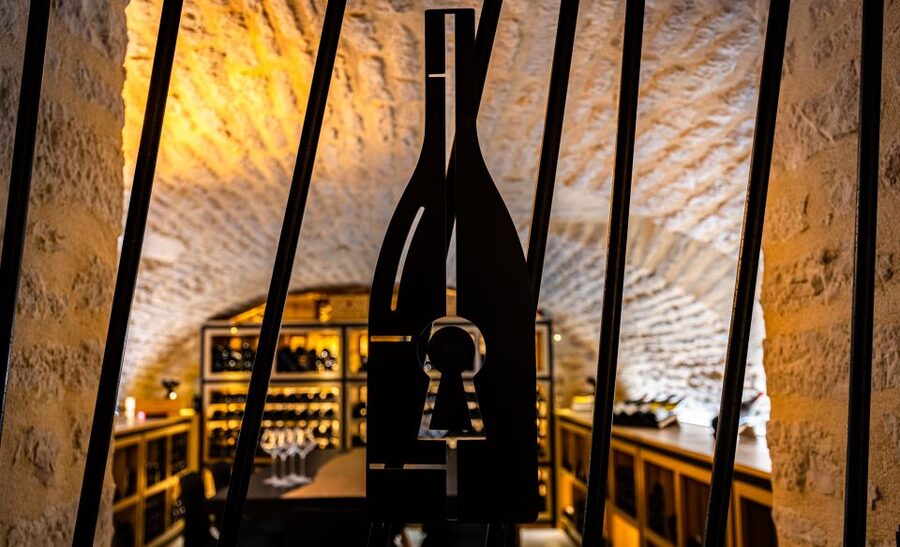
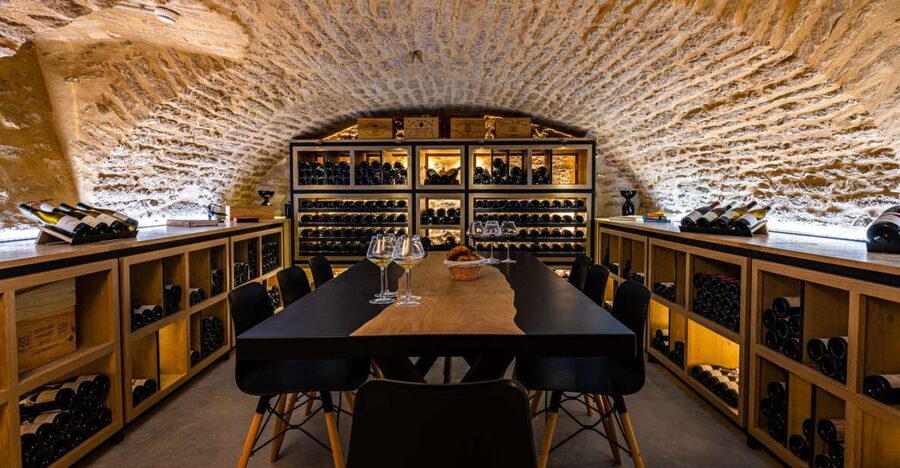
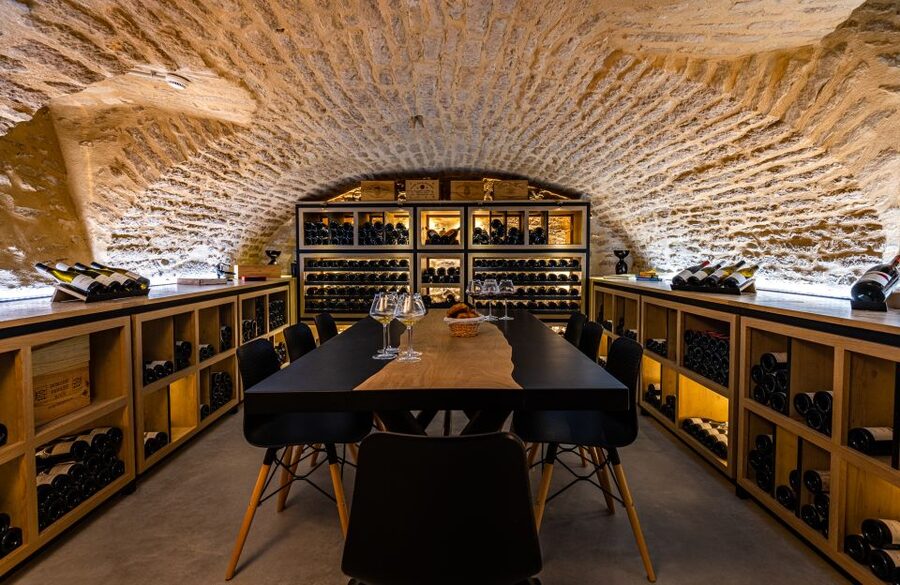
The cellar itself is part of the experience. It is an old, vaulted underground room with a cozy, carefully designed feel. Earlier sessions have taken place in an original cellar dating to the 15th century, giving the tasting a sense of place that a modern shop or hotel bar would not provide.
I would book this for your first evening in Dijon or as a break between sightseeing stops. The 90-minute length is long enough to teach you something but short enough to leave time for dinner afterward. One practical point: the meeting location is the Hotel du Palais, not a separate countryside estate, so check the hotel entrance and arrive with enough time to find the cellar.
The space is not wheelchair accessible, and the underground setting may not suit everyone. Pets are not allowed. These are small details, but they matter more here than on an ordinary walking tour.
More Wine Tasting Tours in France
- Bordeaux: Cité du Vin Entry Ticket and Wine Tasting
★ 4.6 · 3,885 reviews - Montmartre Hill French Gourmet Food and Wine Tasting Walking Tour
★ 5.0 · 2,588 reviews - From Paris: Loire Valley Castles Day Trip With Wine Tasting
★ 4.6 · 1,727 reviews
Six wines that explain Burgundy’s hierarchy
The tasting is built around six pours. The selection can vary, so you should not expect a fixed list of producers or labels. What remains consistent is the idea: compare wines from different parts of Burgundy and from different levels of the appellation system.
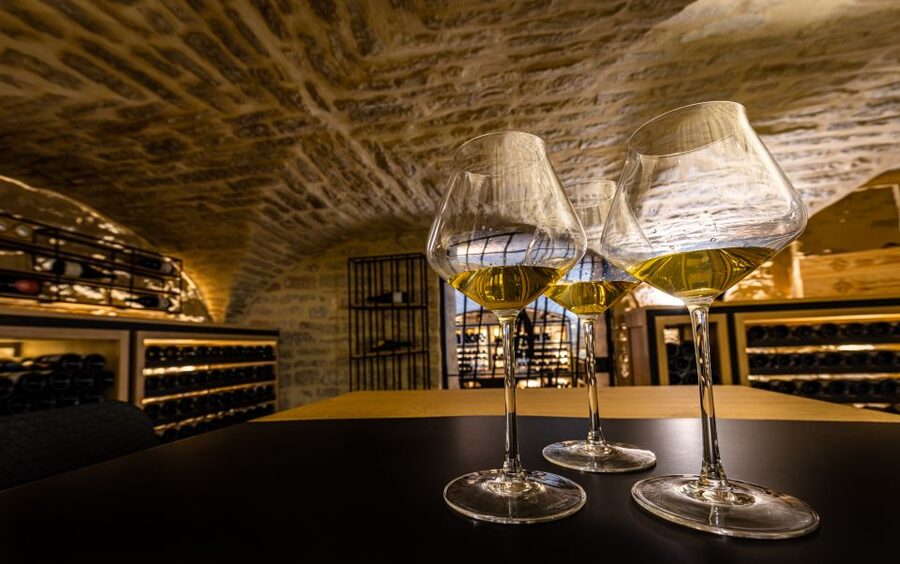
Previous tastings have included three reds and three whites. That balance works well because Burgundy is not only a red-wine region. White Burgundy deserves equal attention, especially when you are trying to understand how place and aging affect flavor.
You may taste a broad regional appellation, then move toward more specific village, premier-level, or Grand Cru examples. The important lesson is not simply that one bottle costs more than another. It is that Burgundy labels tell you how precisely the wine’s origin is defined.
A regional wine represents a wider area. A village wine narrows the location. Higher classifications point to smaller, more highly regarded sites. The guide uses the glasses in front of you to make these distinctions easier to grasp.
That approach gives the session real value for beginners. You do not need to know French wine terms before you arrive. You can ask what a label means, compare the wines side by side, and start to understand why two bottles made from similar grapes can taste so different.
For experienced wine drinkers, the appeal is different. The range gives you a compact review of Burgundy’s classification system, and the guides have handled questions from people who work in wine. You will not get a full professional course, but the conversation can go well beyond a basic tasting script.
Climate, soil, and the reason place matters
One of Burgundy’s key ideas is the importance of climates. In Burgundy, that word refers to defined vineyard sites, not simply the weather. The guide explains how geography, soil, exposure, and location help shape the character of a wine.
This is where the tasting becomes more than a pleasant hour with six glasses. You are encouraged to notice differences rather than simply decide which wine you like best. A guide might direct your attention to texture, aroma, length, or weight, then connect those impressions to the place where the grapes grew.
The age of the wine also matters. The year on a bottle can affect its style, balance, and development. You learn why an older bottle is not automatically better, and why vintage information belongs beside the appellation when you judge a Burgundy wine.
I like this part because it gives you a method you can use later. Back home, you can look at a Burgundy label and have a better idea of what the name and vintage are telling you. In Dijon, the lesson is immediate because you can taste the differences as they are explained.
The experience does not appear to focus only on technical winemaking. Past sessions have been relaxed and conversational, with guides explaining the region, the surrounding countryside, and the classification system in plain language. That makes the tasting friendly for a mixed group, where one person may know a lot about wine and another may be trying Burgundy for the first time.
Guides who make the tasting personal
The guide is the key variable in any tasting, and this experience has been led by several hosts. Antoine has been praised for his humor, patience, and ability to answer questions. Leo has guided sessions for both casual drinkers and people working in the wine trade. Robin has been noted for his enthusiasm about Burgundy and his ability to make regional differences easy to follow.
Prune has hosted in excellent English and has also helped visitors with restaurant suggestions in Dijon. That local knowledge can be useful after the tasting, especially if you want to try traditional Dijonnaise food nearby. Other sessions have included Sebastian and Rafael, along with guides who work comfortably in both French and English.
The official languages are French and English. Some sessions have also included Spanish support, though you should not book assuming every departure will be multilingual. If language matters to you, confirm the available option when you reserve.
The best feature of the guide format is the chance to interrupt with questions. With only eight people, the host can spend more time explaining a label, repeating a point, or helping you compare two wines. Some groups have been as small as two or five people, which creates a more informal conversation.
That small size can also make the session feel less like a formal lecture. You meet other wine drinkers, hear different reactions, and can ask the sort of basic question you might avoid in a large group. The tradeoff is that the atmosphere depends partly on the people booked for your time slot. A quiet group may feel intimate, while a lively group may produce more discussion.
More Wine Tastings in France:
- From Bordeaux: Afternoon Saint-Emilion Wine Tasting & snack
★ 4.8 · 1,581 reviews - Medoc or Saint Emilion Wine Tasting and Chateau from Bordeaux
★ 5.0 · 1,415 reviews - Saint Emilion Day Trip with Sightseeing Tour & Wine Tastings from Bordeaux
★ 5.0 · 1,120 reviews - Saint Emilion Half-Day Trip with Wine Tasting & Winery Visit from Bordeaux
★ 4.5 · 1,034 reviews
What the 90 minutes feel like
The session begins in the cellar with an introduction to Burgundy and the wines you will taste. From there, the guide leads you through the bottles, using each pour to explain a part of the region’s identity.
You can expect a steady mix of tasting and commentary rather than six quick samples with a sales pitch. The host explains what you are drinking, where it fits in Burgundy’s system, and how climate, vintage, and aging help shape it.
The six tastings are described as generous, and the selection has included both red and white wines. This is enough alcohol that you should avoid planning a demanding activity immediately afterward. A meal after the tasting is a sensible choice, and the central location makes that easy.
You may also have the chance to buy a bottle, but there is no obligation to do so. Some people have chosen a favorite bottle after learning how to recognize its style. The useful point is that any purchase comes after you have tasted and discussed the wine, not because you are pressured to buy it.
Bring a phone or small notebook if you want to remember labels. One guide has helped participants photograph the bottles, which is handy when you are tasting several appellations in a short time. Bottle names can blur together once you have moved through six pours.
Is $64 a fair price?
At $64 per person, this is not the cheapest way to drink wine in Dijon. You could buy a bottle or two for less, but that would not give you the setting, the six-wine comparison, or the explanation of Burgundy’s classification system.
The value is strongest if you have limited time. A full vineyard visit requires transport and a larger part of your day. Here, you stay in the city center and get a compact introduction to the region in 90 minutes.
The price also covers more than the liquid in the glasses. You are paying for the setting, the guide’s regional expertise, and the chance to taste wines that may be difficult to compare on your own. Grand Cru wines are especially useful in a structured tasting, since you can see where they fit in the wider Burgundy picture.
The value is less clear if you already know Burgundy very well and want a producer-specific or vineyard-level study. This is a broad regional introduction, not a private cellar visit or a day among winemakers. Still, experienced drinkers can benefit from the range and the question-and-answer format.
For most visitors, I consider the price reasonable, particularly if this is your only Burgundy wine activity. It also works well for couples, since the small group setting encourages conversation without the cost of arranging a private guide.
Who should book this Burgundy tasting?
This suits you if you want to learn while drinking, rather than simply order a glass at a wine bar. It is also a strong pick for a first night in Dijon, when you want an introduction to local wine before choosing bottles or planning a vineyard outing.
Beginners should feel comfortable here. You are not expected to identify aromas or know the difference between every appellation. The guide explains the system as you taste, and the informal tone leaves room for simple questions.
It also suits serious wine fans who want a focused overview. The range from regional wines to Grand Cru gives you a useful framework, and the hosts have handled detailed questions about French wine and Burgundy’s place in the wider wine world.
This is less suitable if you want outdoor scenery, a working winery, or a long visit in the vineyards. It is also not an option for anyone under 18, pregnant people, wheelchair users, or visitors bringing pets.
The French and English format works well for international groups. If you are traveling with friends who have different levels of wine experience, the tasting gives everyone something to take away. One person can focus on the flavors, another on the geography, and another on the label system.
Practical details before you reserve
The experience lasts 90 minutes and runs at set starting times, so check the available departure when booking. You can cancel up to 24 hours before the activity for a full refund, and the reserve-now, pay-later option can help if your Dijon plans are still shifting.
You must be at least 18. Extra tastings are not included, so plan on the six listed wines rather than assuming you can add more once you arrive.
Wear something comfortable for an underground cellar and allow time to reach the Hotel du Palais. Since the location is central, you can combine the tasting with Dijon’s restaurants and sights without arranging transport.
If you are hoping to take bottles home, ask the guide about the wines you tasted. Purchases are optional, and availability may vary. The most useful preparation is simply to arrive curious and ready to compare.
Should you book La Cave du Palais?
I would book this if you want an easy, well-placed introduction to Burgundy wine and do not have time for a countryside tour. The historic vaulted cellar, six-wine range, and small group size give the 90 minutes enough substance to justify the price.
Choose another activity if your main goal is vineyard scenery or a visit with one specific producer. But for a city-based tasting that explains regional appellations, climates, vintage, aging, and Grand Cru wines in a relaxed setting, La Cave du Palais is a strong choice. It gives you a better way to read Burgundy labels, choose a bottle, and understand what you are drinking at dinner.
FAQ
Where does the La Cave du Palais wine tasting take place?
It takes place at La Cave du Palais inside the Hotel du Palais in central Dijon. The cellar is about a five-minute walk from Place de la République.
How long does the experience last?
The tasting lasts 90 minutes.
How many wines are included?
Six wine tastings are included. The selection can include wines ranging from regional appellations to Grand Cru. Past sessions have also included three red and three white wines.
Is the tasting available in English?
Yes. The experience is offered in French and English. Some guides may speak additional languages, but French and English are the stated options.
How large is the group?
The group is limited to eight participants. Some sessions may be smaller.
Can children attend the tasting?
No. Participants must be over 18, and children under 18 cannot take part.
Is the experience wheelchair accessible?
No. The activity is not suitable for wheelchair users.
Can I cancel my booking?
Yes. You can cancel up to 24 hours in advance for a full refund. A reserve-now, pay-later option is also available.
Just added around France
- Saint Emilion Full Day Wine and Bike Tour★ 5.0 · 167 reviews
- Professional – Bordeaux Wine and Cheese Tasting with a walking tour★ 5.0 · 218 reviews
- Bordeaux Wine and Trade Museum Admission Ticket with Wine Tasting★ 4.5 · 599 reviews
- Medoc Afternoon Wine Tour – 2 Wineries, tastings & delicacies★ 4.5 · 74 reviews
- Bordeaux Wine Masterclass: Blending workshop with appetizer★ 5.0 · 113 reviews
- Saint-Emilion Small-Group Electric Bike Wine Tour Tastings & Lunch from Bordeaux★ 5.0 · 383 reviews
- Discovery of the Bordeaux vineyard in 3 wines★ 5.0 · 133 reviews
- Saint-Emilion Winery Morning Tour with Local Guide★ 5.0 · 67 reviews
Wine Tasting Tours, compared.
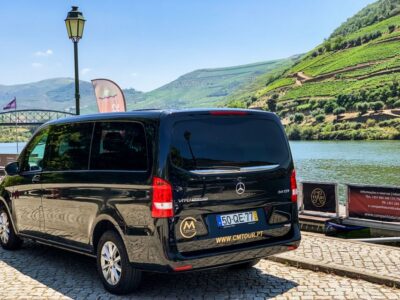
Douro Valley w/ Boat Tour, Wine Tasting & Lunch
Read our review →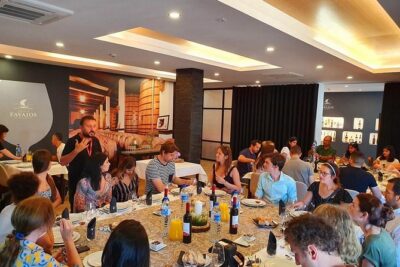
Complete Douro Valley Wine Tour with Lunch, Wine Tastings and River Cruise
Read our review →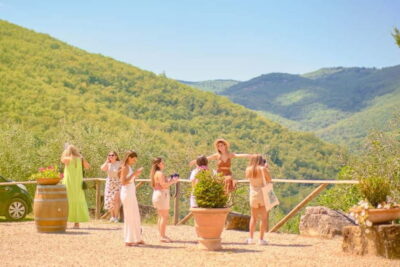
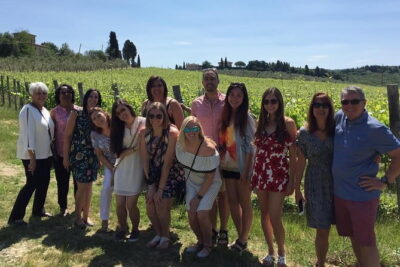
Small-Group Wine Tasting Experience in the Tuscan Countryside
Read our review →
SMALL-GROUP Wine Safaris: Tuscan Wine Tasting Tours from Florence
Read our review →
San Gimignano, Siena, Monteriggioni, Chianti Day Trip with Lunch & Wine Tasting
Read our review →
Cálem Cellar Tour, Interactive Museum & Wine Tasting
Read our review →
Browse the lists this tour appears in