
Review · REIMS
Reims afternoon tour Champagne and family growers
The best part of this Reims tour is its focus on small family-run Champagne houses, where the people making the wine are closer to the story. You visit two producers, taste three Champagnes at each, and see how different operations approach the same famous drink. A stop in Hautvillers adds village charm and a link to Dom Pérignon.
I like the maximum group size of eight, which gives you room to ask questions and keeps the tastings personal. I also like the mix of subjects: vineyard work, production methods, regional history, and the business side of Champagne. The main catch is timing. Four and a half hours gives you a useful introduction, but not a long cellar tour or a full day among the vines.
Key points to know before booking
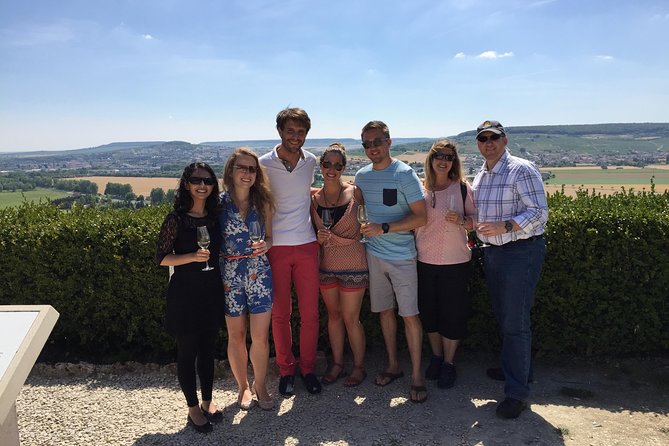
- Six Champagne tastings: Try three glasses at each of two family-run producers.
- A genuine small-group format: The vehicle carries no more than eight people.
- Hautvillers included: See the village and visit the church connected with Dom Pérignon.
- Strong guide element: Guides including Anne, Thomas, Martin, Suzanne, Chloe, and Jérôme have backgrounds or strong expertise in Champagne.
- Easy Reims meeting point: Meet at 2 p.m. outside the Reims train station tourism office.
- Good half-day value: At $151.16 per person, transport, guide service, winery visits, and six tastings are included.
Two family growers instead of one big Champagne brand
This afternoon outing is built around comparison. You visit two small producers, and each tasting includes three glasses. That gives you six samples, enough to notice differences in style rather than simply trying one house pour and moving on.
The appeal is not only the wine in your glass. At a family winery, you can get a clearer sense of the work behind the label: growing grapes, making the base wine, managing bottles, and selling the finished Champagne. The exact producers can vary, so you should not book this expecting a named house or a fixed brand lineup.
That flexibility is part of the point. Large Champagne names are easy to find in Reims, but a smaller grower can show you another side of the region. The tour is especially useful if you want to understand how local producers operate and why bottles from different houses can taste so different.
The format also suits beginners. You do not need a trained palate to enjoy it. Your guide can explain the process in plain terms, and the six pours give you a useful basis for comparison. If you already know Champagne well, the value lies more in meeting smaller producers and hearing about their particular methods.
More Champagne Tours in France
- Paris: Moulin Rouge Cabaret Show Ticket with Champagne
★ 4.7 · 16,088 reviews - Paris: Paradis Latin Cabaret Show with Optional Champagne
★ 4.6 · 2,231 reviews - Paris 3-Courses Gourmet Dinner Seine River Cruise with Champagne
★ 4.0 · 1,659 reviews
What the 4.5-hour schedule feels like
The tour begins at 2 p.m. at the Office de Tourisme du Grand Reims, Site Gare, beside Reims train station. This is a practical meeting point if you are staying in central Reims or arriving by train. You do not receive hotel pickup or drop-off, so plan to reach the station tourism office on your own.
From there, the air-conditioned vehicle takes you into the Champagne-Ardenne area. The total outing lasts about four and a half hours and returns to the same meeting point. That makes it easy to fit into a Reims itinerary, though you should leave some margin if you have an evening train or dinner reservation.
The schedule is compact but not frantic. About 90 minutes is allocated at the first family winery, followed by a short visit connected with the abbey at Hautvillers, a drive through the village, and another 90-minute winery visit. The driving time links these pieces together and lets you see some of the countryside between tastings.
Because this is an afternoon tour, you will not have lunch included. The tour also does not provide bottled water, snacks, or other drinks. Eat beforehand and bring water if you need it. The six Champagne tastings are included, but they are not a meal.
The first winery: three glasses and a local view
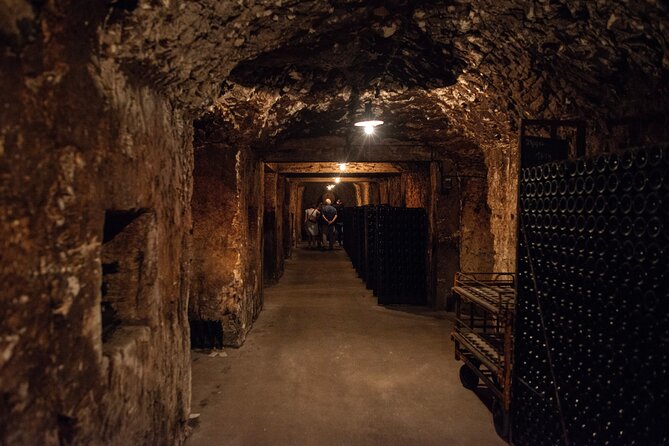
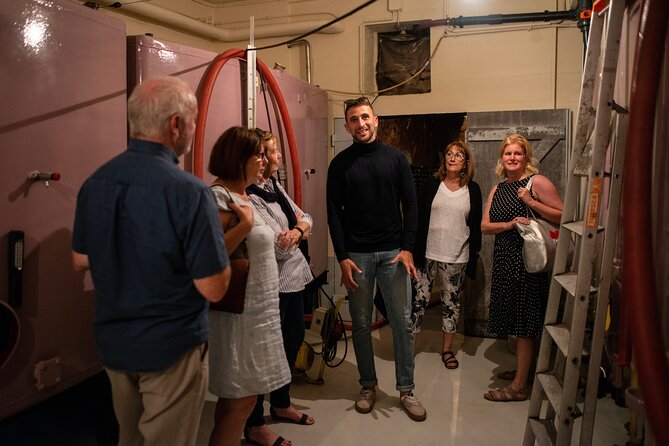
The first winery visit lasts about an hour and a half. This is enough time for a guided explanation, a look at the producer’s operation, and three Champagne tastings without having to rush from one glass to the next.
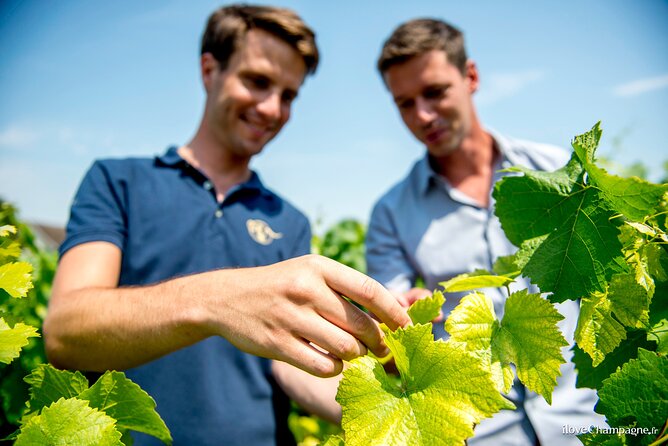
The tour places real weight on the producer’s story. Guides have explained everything from vine growing and farming techniques to the business of selling wine. That wider view is useful because Champagne is not simply a drink made in a cellar. It is also an agricultural product shaped by land, labor, weather, blending, and markets.
You may find that the first tasting sets up useful questions for the second. Pay attention to how the guide describes the producer’s approach, then compare it with the next house. The point is not to identify one universal Champagne style. It is to see how two family operations can make different choices.
There is no stated pressure to buy bottles, which is a relief if you want to taste without feeling obliged to place an order. If a particular Champagne catches your attention, you can ask the producer or guide about it, but the experience is designed around learning and tasting rather than shopping.
Hautvillers and the Dom Pérignon connection
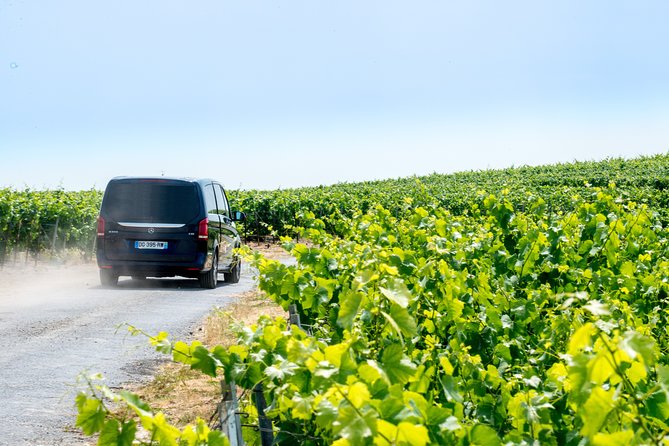
The middle section shifts from production to place. You visit the church part of Abbaye Saint-Pierre d’Hautvillers, the abbey where Dom Pérignon lived. The stop lasts about 15 minutes, so keep your expectations realistic. This is a brief historical visit, not a full abbey tour.
The setting matters because Dom Pérignon is closely linked with the story of Champagne. The tour gives you a physical connection to that story instead of leaving it as a name on a bottle. Information from the visit also connects with the burial site associated with him, making this a meaningful stop for anyone interested in Champagne’s past.
After the church, you spend about 30 minutes driving through Hautvillers. This is not a long walking tour, but it gives you time to see the village and the surrounding hills from the vehicle. The drive adds context to the winery visits, showing that Champagne is also about small communities and vineyards, not only polished tasting rooms.
The brief timing is both a strength and a limit. It keeps the afternoon moving and prevents the historic stop from taking over the wine focus. If you want detailed church architecture, a long village stroll, or extensive time at Dom Pérignon-related sites, you will need to explore Hautvillers separately.
Same town, a different glass:
- Loire Valley Castles Day Trip from Paris with Complementary Wine
★ 4.5 · 3,907 reviews - Bordeaux: Cité du Vin Entry Ticket and Wine Tasting
★ 4.6 · 3,885 reviews - Bordeaux: River Garonne Cruise with Glass of Wine and Canelé
★ 4.5 · 3,630 reviews - Normandy D-Day Small-Group Day Trip with Omaha Beach, Cemetery & Cider Tasting
★ 5.0 · 2,786 reviews
The second winery: compare the styles
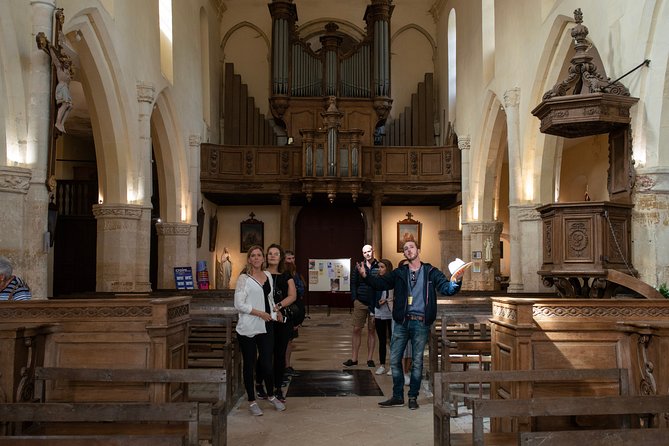
The second winery visit follows the same basic pattern, with about 90 minutes and three glasses. This repeated structure is helpful. You learn enough at the first house to know what to watch for at the second.
Several guide descriptions point to the value of seeing different production styles. One account describes a small winery paired with a more professionally organized house, while another highlights two local producers with different approaches to making Champagne. The precise pairing may change, but the educational idea remains clear: comparison is built into the afternoon.
Use this visit to ask practical questions. How much of the work is done by the family? What kinds of grapes or blends are used? How does the producer talk about farming, aging, or selling the wine? The available information does not promise a fixed list of technical demonstrations, so do not expect every visit to include the same cellar equipment or production step.
The second tasting is also where six total glasses begin to feel worthwhile. One glass can be a pleasant sample. Six glasses, spread over two houses, can help you notice differences in character, balance, and finish. You do not need to judge them formally. Simply note which style you prefer and why.
The guides are a major part of the experience
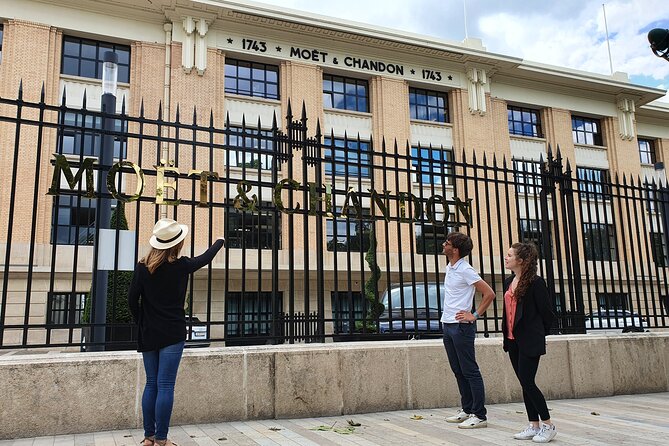
The guide can shape this tour more than any single stop. Names connected with the experience include Anne, Thomas, Martin, Suzanne, Chloe, Jérôme, and Julie. Their backgrounds and strengths vary, but the guide role consistently covers Champagne production, local history, farming, and the practical business of wine.
Anne has been described as having worked in the Champagne industry, which gives her a useful connection to the subject. Thomas is associated with detailed explanations of regional history and Champagne around the world, along with a friendly sense of humor. Martin is noted for combining a strong grasp of the subject with an easy manner, while Suzanne is associated with explanations covering grape growing through production.
You should not assume you will receive a particular guide unless your booking confirms it. Still, the range of guide experience is a positive sign. A good guide can adjust explanations for someone tasting Champagne for the first time while still answering more technical questions from an experienced drinker.
The small vehicle helps here. With no more than eight people, the guide has a better chance to hear your questions and keep the group together. It also makes conversation with other participants easier than on a large coach tour.
Is $151.16 a fair price?
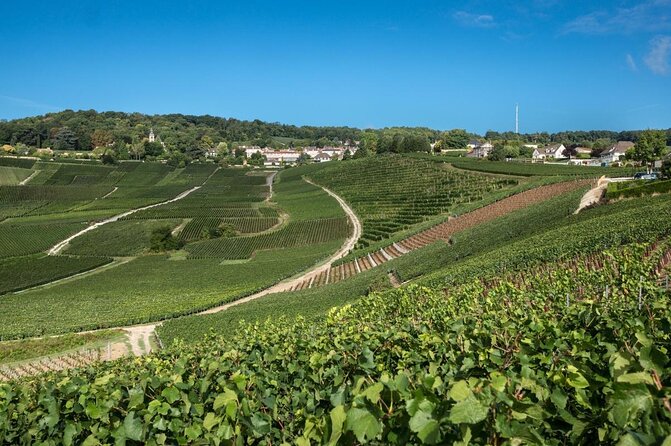
At $151.16 per person, this is not the cheapest way to taste Champagne. You could buy bottles or glasses in Reims for less, especially if you already know where to go. But that comparison misses the main service being sold.
Your price covers round-trip transport from Reims, an English-speaking local guide, entrance fees, visits to two family-run wineries, and six Champagne glasses. You are also paying for the route and the planning. Reaching two producers and Hautvillers on your own would require more research and transport arrangements.
The value is strongest if you want a guided introduction and do not have a car. It is also good for a short stay in Reims because the afternoon schedule leaves your morning free. If you are traveling with a larger group, the eight-person limit may mean splitting up, and the price may feel less attractive if you already have private transport and winery appointments.
For a Champagne enthusiast who wants long cellar visits, extensive vineyard walks, or a full-day route, this is probably too short. For a first look at the region, six tastings and two small producers make the cost easier to justify.
Who will enjoy this tour most
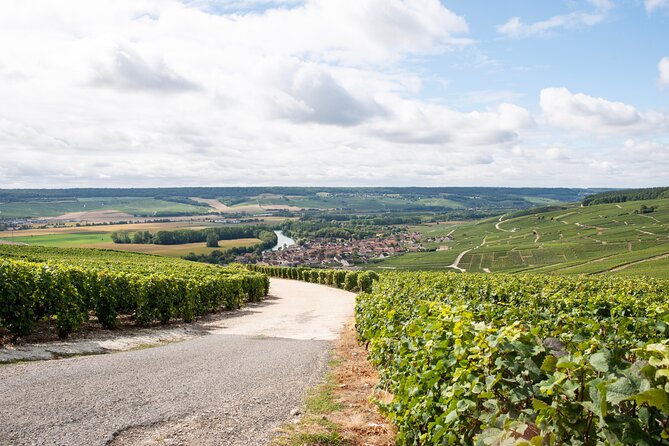
I would recommend this experience to you if you want Champagne explained rather than simply poured. It suits couples, solo visitors, and small groups who prefer a relaxed vehicle and a guide who can answer questions.
It is also a good fit if you are staying in Reims without a car. The return to the train station tourism office keeps the logistics simple, and the air-conditioned vehicle removes the need to plan a route through the countryside.
You should be at least 10 years old to join. Children under 10 are not accepted, and animals are not allowed on shared tours. Most people can participate, but anyone with specific mobility concerns should confirm details before booking because the provided information does not describe the exact walking surfaces or winery access.
Wine enthusiasts will appreciate the comparison between two producers. Beginners will appreciate the clear introduction to how Champagne is grown and made. The tour is less suited to someone who wants a party atmosphere, a long lunch, or a highly customized private itinerary.
Booking details and practical advice
The activity is offered in English and uses a mobile ticket. Confirmation is provided when you book. The meeting point is the Office de Tourisme du Grand Reims, Site Gare, at Cour de la Gare in Reims, and the tour ends there as well.
Animals cannot join shared tours. The group maximum is eight people, so booking ahead makes sense, especially since the experience is often reserved well before the date. Wear shoes you can manage comfortably for short visits around wineries and a village, though the supplied schedule does not promise a long vineyard hike.
You can cancel for a full refund up to 24 hours before the local start time. Changes or cancellations inside that window are not accepted for a refund. The tour also requires a minimum number of participants, and if that minimum is not reached, you will be offered another date or experience, or a full refund.
Should you book the Reims Champagne afternoon tour?
Book it if you want a well-organized introduction to the Champagne region, with six tastings, two family producers, and a small group in one afternoon. The strongest reasons to choose it are the local focus, the chance to compare growers, and the guide-led explanations that go beyond drinking a glass and taking a photo.
Think twice if you want a full-day wine route, a long lunch, a named Champagne brand, or extensive time inside Hautvillers. This is a compact tour, not a deep technical course or private custom visit.
For most first-time visitors based in Reims, I see it as a practical and enjoyable way to get beyond the city center. You will leave with a better sense of how Champagne is made, how smaller houses work, and why the villages around Reims matter.
FAQ
Where does the tour begin and end?
It begins at 2 p.m. at the Office de Tourisme du Grand Reims, Site Gare, at Cour de la Gare in Reims. The tour ends back at the same meeting point.
How long does the experience last?
The tour lasts approximately 4 hours and 30 minutes.
How many Champagnes are included?
Six glasses are included. You taste three glasses at each of two family-run wineries.
Is transportation included?
Yes. Round-trip transport in an air-conditioned vehicle is included from the Reims meeting point. Hotel pickup and drop-off are not included.
Are children and animals allowed?
Children under 10 are not accepted. Animals are not allowed on shared tours.
Can I cancel for a refund?
You can cancel at least 24 hours before the local start time for a full refund. Cancellations or changes made less than 24 hours before the start are not refunded or accepted.
Just added around France
- Saint Emilion Full Day Wine and Bike Tour★ 5.0 · 167 reviews
- Professional – Bordeaux Wine and Cheese Tasting with a walking tour★ 5.0 · 218 reviews
- Bordeaux Wine and Trade Museum Admission Ticket with Wine Tasting★ 4.5 · 599 reviews
- Medoc Afternoon Wine Tour – 2 Wineries, tastings & delicacies★ 4.5 · 74 reviews
- Bordeaux Wine Masterclass: Blending workshop with appetizer★ 5.0 · 113 reviews
- Saint-Emilion Small-Group Electric Bike Wine Tour Tastings & Lunch from Bordeaux★ 5.0 · 383 reviews
- Discovery of the Bordeaux vineyard in 3 wines★ 5.0 · 133 reviews
- Essential Wine Tour with Tasting & Chateau Visits from Bordeaux★ 5.0 · 133 reviews
Champagne Tours, compared.
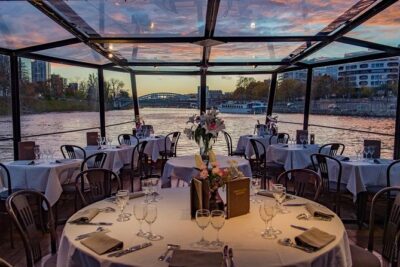
Paris 3-Courses Gourmet Dinner Seine River Cruise with Champagne
Read our review →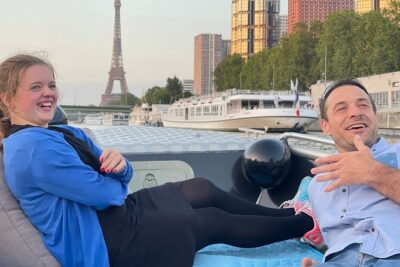
Top Private Cruises in Paris with French Champagne and surprises
Read our review →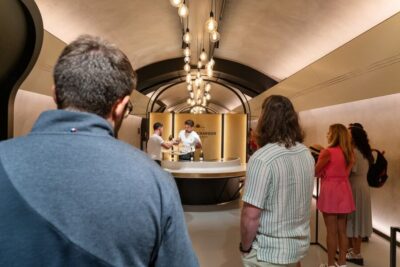
Day Trip to Champagne with 8 Tastings & Lunch
Read our review →

First Show Moulin Rouge with Champagne & Seine Cruise
Read our review →
Private Boat Ride in Miami with Experienced Captain and Champagne
Read our review →
Browse the lists this tour appears in