
Review · FRANCE
Champagne: Canard-Duchêne Champagne House Tour
Canard-Duchêne takes you well below the vineyards, into four cellar levels carved out in the 19th century. The underground route stretches nearly four miles, though your one-hour visit covers only part of this cool, quiet network. You will also see the restored stained glass of the old chapel and walk among the vines that supply the house.
I like two things here. First, the tour connects the full chain of production, from grape growing to cellar ageing, instead of treating champagne as just a tasting. Second, the 40 to 60-foot descent gives the visit a real sense of place. The drawback is practical: there are 130 steps each way, no lift, and the cellars stay at about 50°F.
Key points to know before you book
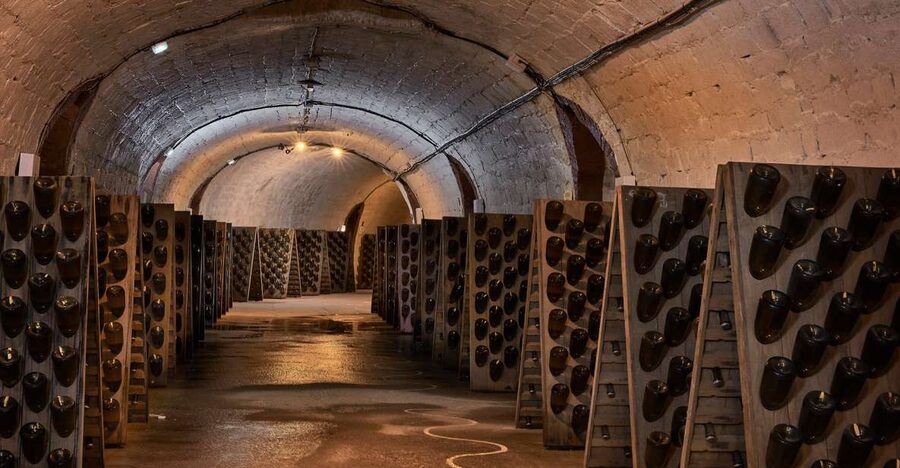
- The cellars are the main event: Walk through hand-carved 19th-century passages spread across four underground levels.
- You see vineyards as well as bottles: The guided outdoor portion shows how the champagne grapes are grown.
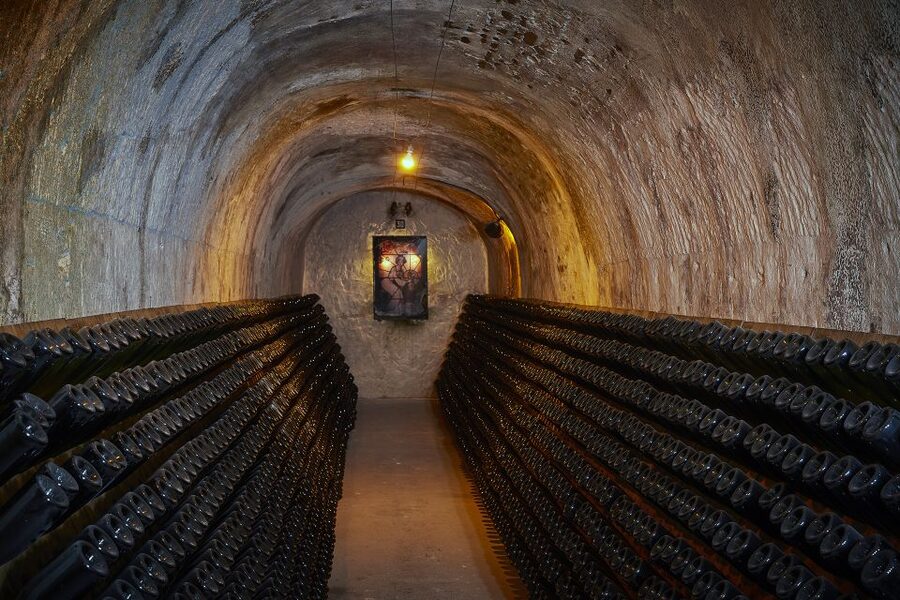
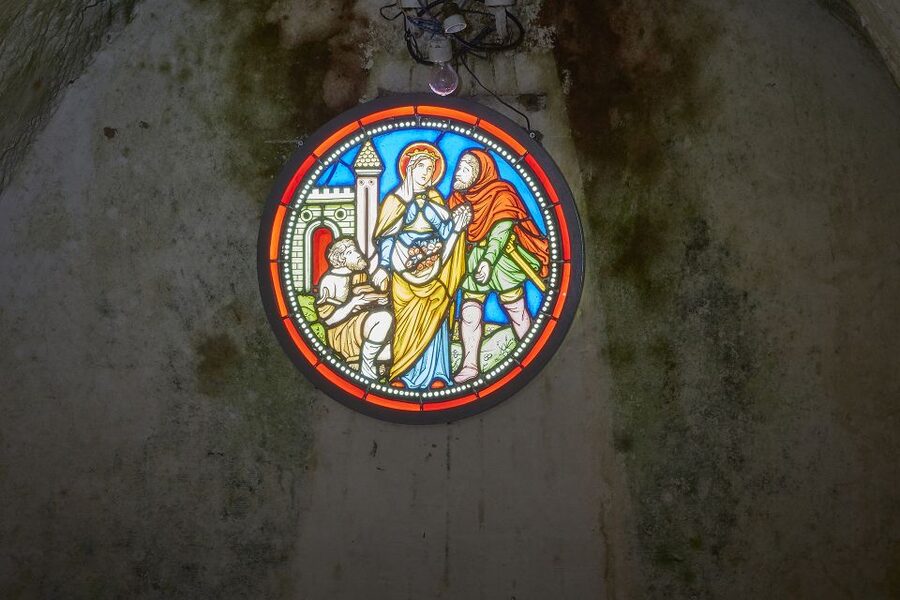
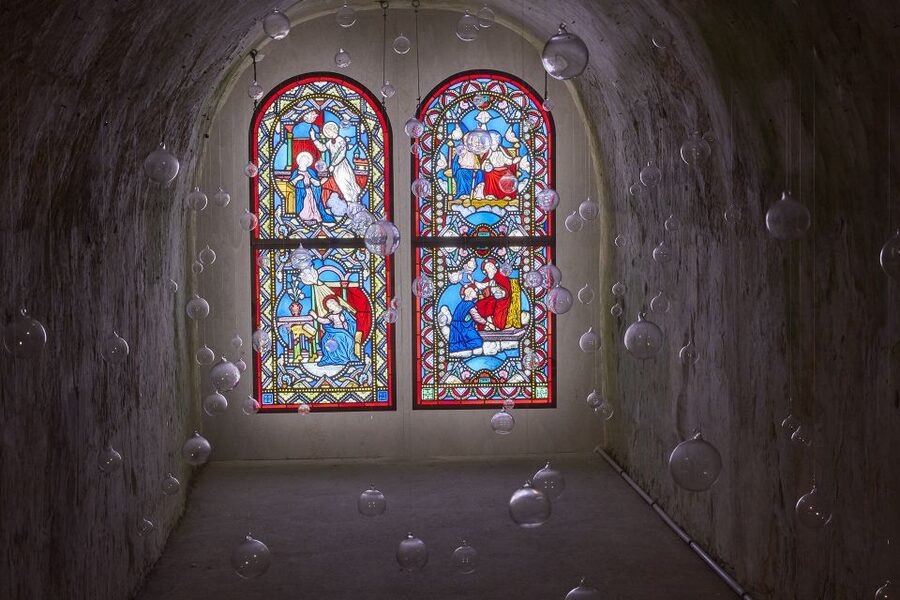
- The chapel adds an unexpected artistic stop: Its restored stained glass was renovated by the Simon-Marq glassmaking workshop.
- Tasting choices vary by ticket: Options range from one glass of brut or demi-sec to two glasses featuring Cuvée Léonie, Cuvée Bio P181, or Cuvée Charles VII.
- Plan for stairs and cold air: The cellar route has 130 steps each way and reaches no warmer than 50°F.
- The visit is compact: At one hour and about $25 per person, it suits a short stop, but it does not replace a longer Champagne day tour.
What the one-hour Canard-Duchêne visit covers
This is a short, focused introduction to champagne making at Canard-Duchêne, a Champagne House in France’s Grand Est region. The route brings together three settings: the production cellars, the vineyards, and the house’s old chapel.
I like this format because each part answers a different question. The cellars explain how champagne matures. The vineyards show where the grapes begin. The chapel gives you a glimpse of the property’s character beyond tanks, bottles, and tasting rooms.
You should arrive 15 minutes before your start time. The activity lasts one hour, with starting times dependent on availability. English and French tours are offered, so check the selected time and language carefully when booking.
The cellar section takes up much of the visit. You descend 130 steps each way, so the route is not a casual stroll. There is no elevator, and the stairs may be tiring for anyone with limited mobility. The activity is specifically not suitable for people with mobility impairments or people over 70.
More Champagne Tours in France
- Paris: Moulin Rouge Cabaret Show Ticket with Champagne
★ 4.7 · 16,088 reviews - Paris: Paradis Latin Cabaret Show with Optional Champagne
★ 4.6 · 2,231 reviews - Paris 3-Courses Gourmet Dinner Seine River Cruise with Champagne
★ 4.0 · 1,659 reviews
Walking through four levels of historic cellars
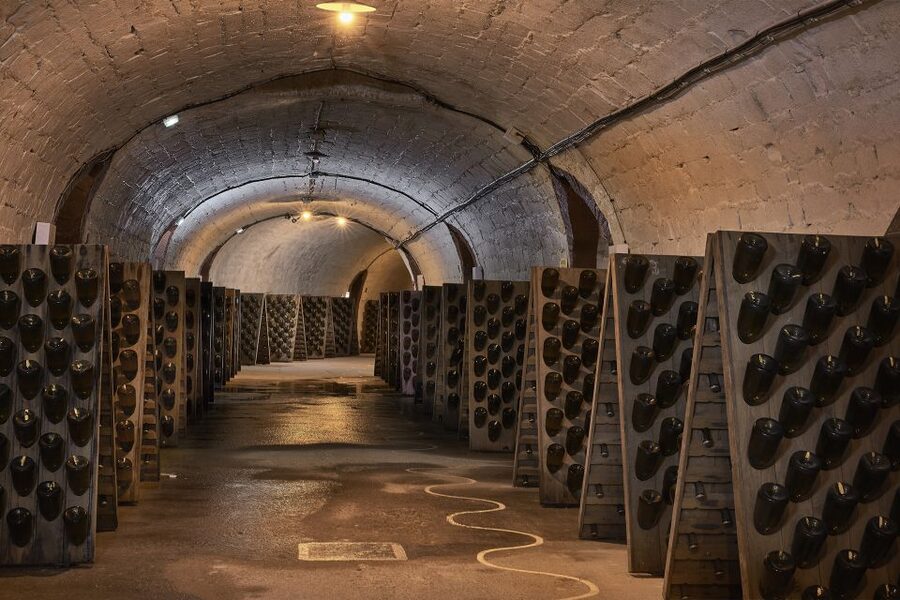
Once underground, you are in a very different setting from the sunny rows of vines above. The cellars sit 40 to 60 feet below ground and extend nearly four miles across four levels. Your guide explains how the underground conditions help champagne mature.
The temperature reaches only about 50°F. You should bring a warm layer, even if you are visiting in summer. Comfortable clothing is also a good idea because of the stairs and uneven character of an old cellar setting.
The hand-carved 19th-century architecture is one of the strongest parts of the visit. These passages were made for storing and ageing wine, not for putting on a polished show. You get a sense of the work involved in building an underground network large enough to hold bottles through the long process of maturation.
Your guide explains that the cellars provide stable temperature and humidity. Those conditions matter because champagne needs time to develop its taste and complexity. This is the useful part of the tour: you are not simply told that the cellar is old or atmospheric. You learn why it is suited to the wine.
The underground route also gives you a better understanding of why champagne production takes patience. The finished bottle is the result of several stages, and the cellar is where much of the waiting happens. If you enjoy seeing the working side of food and drink production, this section gives you more than a quick look at attractive bottles.
Still, keep your expectations in check. A one-hour visit cannot explain every technical detail of production or cover all four levels in full. You receive a clear overview rather than an advanced wine course.
From grapevines to finished champagne
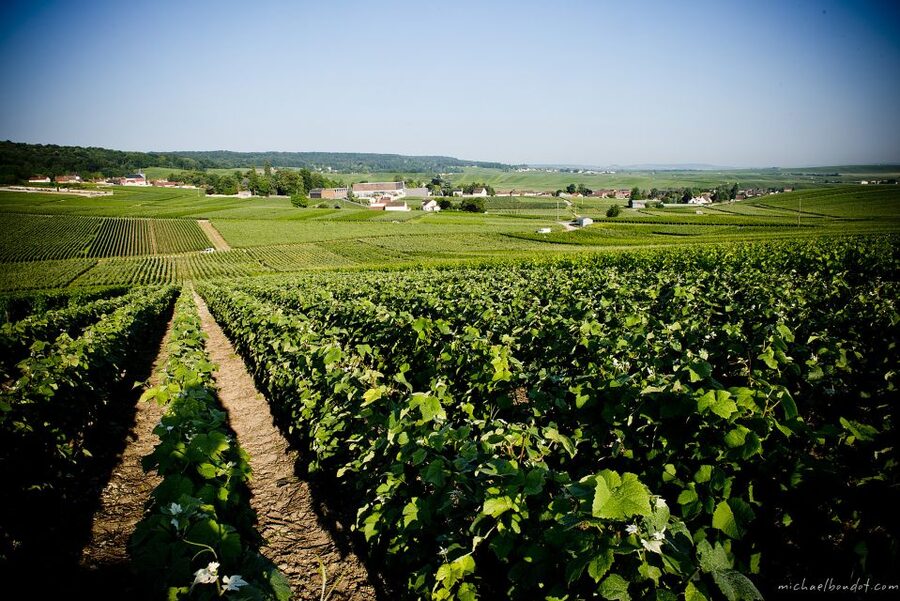
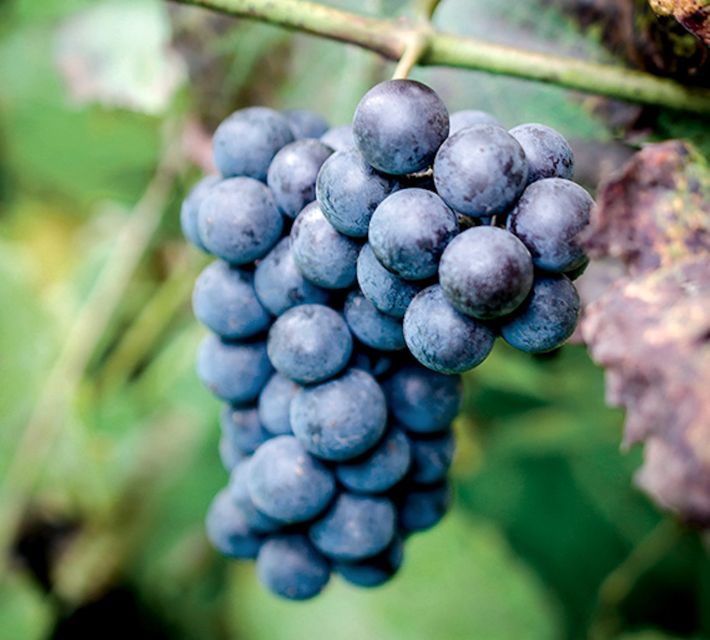
The vineyard walk brings the production story outdoors. Here, you see how the grapes are grown before they become juice, wine, and finally champagne.
The vineyard stop is valuable because it places the drink in its setting. You are not tasting an abstract product. You are looking at the rows of vines and learning how the grapes begin their journey. The guide connects this outdoor view with what you have just seen underground.
The supplied information does not specify the exact grape varieties, vineyard season, or length of the walk. That means you should view this as a guided introduction rather than a full vineyard field lesson. The focus is on how the grapes are grown and how that first stage relates to the cellar work.
For me, the outdoor section works best as a change of pace. After the cool, dim passages below ground, the vines make the whole process easier to picture. If you are comparing this with a cellar-only visit, the vineyard portion gives Canard-Duchêne a broader reach.
The season will affect what you see. In one visit, the vines may be leafy and active. At another time, they may look bare or recently pruned. The tour still has value outside the growing season, but the visual appeal will naturally vary.
The restored chapel and Simon-Marq stained glass
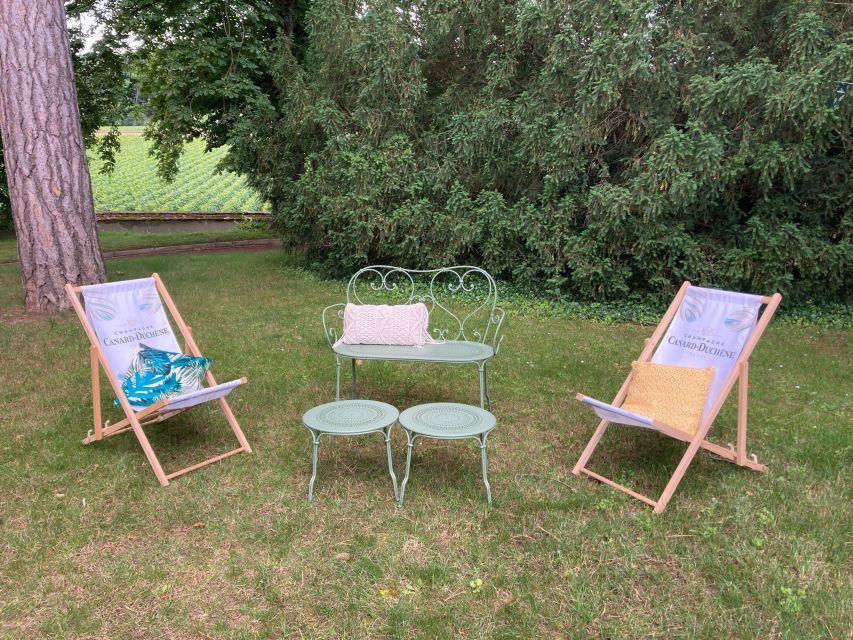
The old chapel is a pleasant surprise. Its restored stained glass windows, renovated by the Simon-Marq master glassmaking workshop, add an art and architecture stop to a tour otherwise centered on vineyards and wine.
This pause gives you something different to look at and helps explain the care put into the house’s buildings. The chapel is not just a place to pass through on the way to the tasting. Its windows are one of the more distinctive sights on the property.
I would not book the tour solely for the chapel. The available information does not suggest a long architectural visit or a separate art presentation. Instead, treat it as a memorable extra that breaks up the cellar and vineyard sections.
That mix is one reason the visit feels complete for its length. You see the house, its underground spaces, its vines, and a restored historic feature, all without committing half a day.
Same town, a different glass:
- Loire Valley Castles Day Trip from Paris with Complementary Wine
★ 4.5 · 3,907 reviews - Bordeaux: Cité du Vin Entry Ticket and Wine Tasting
★ 4.6 · 3,885 reviews - Bordeaux: River Garonne Cruise with Glass of Wine and Canelé
★ 4.5 · 3,630 reviews - Normandy D-Day Small-Group Day Trip with Omaha Beach, Cemetery & Cider Tasting
★ 5.0 · 2,786 reviews
Choosing the right champagne tasting
The tasting depends on the option you select. This matters because the $25 starting price does not describe every version of the experience.
The Decouverte option includes one glass, either a brut or a demi-sec. This is the simplest choice and should suit you if you mainly want to understand the cellar and have a modest taste at the end.
The Liberté option gives you a broader comparison. You can taste Cuvée Léonie Brut and Cuvée Léonie Rosé, or Cuvée Bio P181, depending on the option selected. Since this can include two glasses, it offers more room to notice differences between styles.
The Charles VII option includes a tasting of Cuvée Charles VII. Choose this if that particular cuvée is the bottle you want to try, rather than assuming every ticket includes the same pour.
Read the option details before paying. The number of glasses and the cuvées can change with the selection. This is especially important if you are comparing the tour with other Champagne House visits, where the tasting may be the main part of the price.
The tasting is included, but lunch is not. You should plan food separately if this visit falls around midday. One practical point is worth noting: there is no mention of an included cracker, toast, or biscuit. A small food pairing would make the tasting more comfortable for some people, so do not expect a full tasting plate.
Is $25 a good value for an hour?
At about $25 per person, the visit offers solid value if you want a compact introduction to Canard-Duchêne. You receive a guided cellar tour, a guided vineyard visit, and one or two glasses of champagne depending on your ticket.
The value comes from the setting. Many tastings give you a glass and a short explanation. Here, you pay for access to a large historic cellar network, a vineyard walk, and the restored chapel as well. The underground architecture alone gives the visit more substance than a counter tasting.
The limitation is time. One hour moves quickly once you allow for the stairs, the cellar explanation, the vineyard portion, the chapel, and the tasting. If you want a long lunch, several wineries, or a detailed comparison of Champagne production methods, you will need a longer excursion.
I see this as a strong choice for a first Champagne House visit or a short stop between other activities. It is less suitable if your main goal is a slow, food-focused tasting. The shop has a limited selection, so do not count on a large retail area for browsing or buying unusual bottles.
Who will enjoy this tour most?
I would recommend Canard-Duchêne to you if you want to understand how champagne is made and prefer seeing real production spaces to simply sitting at a tasting table. The cellar’s age, scale, and cool conditions give the tour a strong physical sense of place.
It also suits anyone who enjoys small architectural details. The chapel’s stained glass, renovated by Simon-Marq, adds something you will not find on every cellar visit.
The tour is a good match for:
- First-time visitors to the Champagne region
- Wine drinkers who want a clear production overview
- People with an hour to spare
- Couples and small groups looking for a tasting with more context
- Visitors who appreciate historic buildings and cellar architecture
I would think twice if stairs are difficult for you. The 130-step route each way is not a minor detail. The cold cellar is another consideration, especially if you are not prepared with warm clothing.
The activity is also not suitable for people over 70 according to the stated conditions. That restriction may feel broad, since fitness levels vary, but you should take it seriously when planning.
How this compares with longer Champagne outings
A one-hour Canard-Duchêne visit gives you a concentrated look at one house. Longer tours from Reims or Épernay usually allow more time for several tastings, meals, transport between locations, or a wider look at the region.
That does not make this visit lesser. It makes it easier to fit into a day. You can use it as a single house visit rather than giving up a full morning or afternoon.
If you want a cellar, a vineyard, a chapel, and a tasting in one compact package, Canard-Duchêne covers those bases. If you want a masterclass, lunch, or several Champagne Houses, choose a longer activity instead.
I also like that the guide leads the entire route in English or French. A good explanation matters here because the value lies in understanding what you are seeing. The strongest part of the visit is not only the bottle at the end. It is the connection between the vineyard, the cellar conditions, and the finished wine.
Practical advice for a smoother visit
Arrive 15 minutes early. That gives you time to find the meeting point and prepare for the cellar route without rushing.
Wear comfortable clothes and bring a warm layer. The cellar temperature can reach only 50°F, and you will be below ground for part of the hour.
Wear shoes suited to stairs. The tour includes 130 steps each way, and there is no elevator. This is the single most important planning point.
Check the language before confirming. Tours are available in English and French, but not every departure necessarily offers both.
Choose your tasting option with care. Decouverte is the basic one-glass choice. Liberté offers Cuvée Léonie Brut and Cuvée Léonie Rosé or Cuvée Bio P181, while Charles VII centers on Cuvée Charles VII.
If you want to eat, arrange lunch separately. Lunch is not included, and the tasting does not list a food accompaniment. The boutique is also small, with limited choice, so plan purchases accordingly.
Free cancellation is available up to 24 hours before the activity for a full refund. You can also reserve and pay later, which helps if your Champagne schedule is still changing.
Should you book the Canard-Duchêne visit?
Book it if you want a short but substantial Champagne introduction. The historic cellars, vineyard walk, restored chapel window, and tasting create a well-rounded hour, and the price is fair for the amount of access included.
Skip it if you need a step-free route, dislike cold underground spaces, or want a full meal and extended tasting session. The stairs are demanding, and the visit is too brief for an in-depth wine class.
For the right person, Canard-Duchêne offers a pleasant, informative stop with real character. Choose your tasting carefully, arrive early, dress warmly, and let the old cellars do much of the talking.
FAQ
Where is the Canard-Duchêne Champagne House tour located?
The experience takes place in France’s Grand Est region at Champagne Canard-Duchêne.
How long does the tour last?
The guided visit lasts one hour.
What languages are available?
The tour is offered in English and French.
How many steps are in the cellar route?
You should expect 130 steps each way. There is no elevator access.
How cold are the wine cellars?
The maximum temperature in the cellars is about 50°F.
What does the Decouverte option include?
The Decouverte option includes a tasting of one glass, either brut or demi-sec.
What does the Liberté option include?
The Liberté option includes a tasting of Cuvée Léonie Brut and Cuvée Léonie Rosé or Cuvée Bio P181, depending on the selected option.
Is lunch included?
No. Lunch is not included in the activity.
Can I cancel for a full refund?
Yes. You can cancel up to 24 hours in advance for a full refund.
Just added around France
- Saint Emilion Full Day Wine and Bike Tour★ 5.0 · 167 reviews
- Professional – Bordeaux Wine and Cheese Tasting with a walking tour★ 5.0 · 218 reviews
- Bordeaux Wine and Trade Museum Admission Ticket with Wine Tasting★ 4.5 · 599 reviews
- Medoc Afternoon Wine Tour – 2 Wineries, tastings & delicacies★ 4.5 · 74 reviews
- Bordeaux Wine Masterclass: Blending workshop with appetizer★ 5.0 · 113 reviews
- Saint-Emilion Small-Group Electric Bike Wine Tour Tastings & Lunch from Bordeaux★ 5.0 · 383 reviews
- Discovery of the Bordeaux vineyard in 3 wines★ 5.0 · 133 reviews
- Saint-Emilion Winery Morning Tour with Local Guide★ 5.0 · 67 reviews
Champagne Tours, compared.
Paris 3-Courses Gourmet Dinner Seine River Cruise with Champagne
Read our review →
Top Private Cruises in Paris with French Champagne and surprises
Read our review →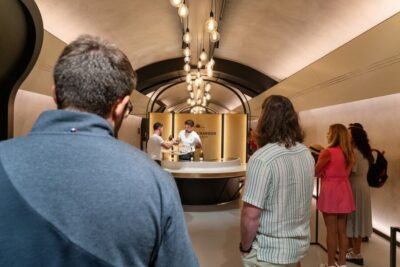
Day Trip to Champagne with 8 Tastings & Lunch
Read our review →

First Show Moulin Rouge with Champagne & Seine Cruise
Read our review →
Private Boat Ride in Miami with Experienced Captain and Champagne
Read our review →
Browse the lists this tour appears in