
Review · EPERNAY
Champagne Cellar Experience: Explore our historic cellars
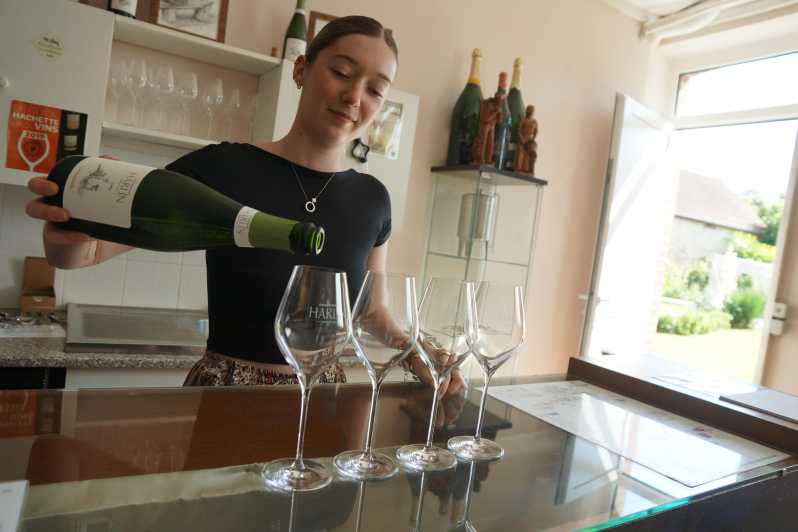
The best part of this experience is its close look at how a small producer makes Champagne. At Champagne Harlin Père & Fils, you tour the winery and historic cellar, then sit down to taste three champagnes and one ratafia champenois. The focus is not only on the bottle, but also on soil, climate, production, and the family’s care for local biodiversity.
I like the small-producer setting, which gives the visit a more personal feel than a grand branded cellar. I also like the tasting format: three champagnes let you compare styles, while the ratafia adds a different taste of the region.
The main point to check is timing. The experience is advertised as one hour, but the detailed schedule lists a one-hour visit followed by a 30-minute tasting. Plan for about 90 minutes, and confirm the start time when booking.
Key points to know
- Taste four regional drinks: Three champagnes and one ratafia champenois are included.
- Visit the working winery and cellar: The tour explains how Champagne is made, not just where bottles are stored.
- Meet a biodiversity-minded producer: Sustainable viticulture and the protection of local nature are part of the conversation.
- Choose French or English: A live guide leads the visit in either language.
- Reach it from the main Champagne towns: The cellar is less than two hours from Paris, about 20 minutes from Épernay, and about 30 minutes from Reims.
- Expect a family-friendly policy with limits: Children may attend and receive fruit juice, but anyone under 18 cannot drink alcohol.
Arriving at 8 Rue de la Fontaine
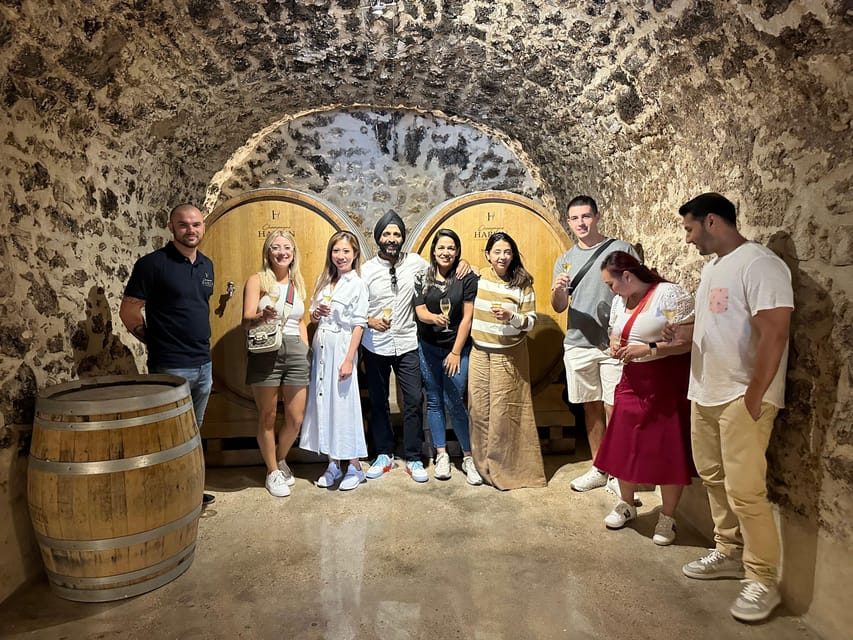
Your visit begins in the courtyard of Champagne Harlin at 8 Rue de la Fontaine. This is the practical starting point for both the cellar tour and the tasting, so you do not need to move between several sites during the experience.
The meeting instructions are simple: step into the courtyard and look for your guide. If the guide is not already waiting, the welcome point is still clear. Because this is a smaller producer rather than a large visitor complex, allow yourself a moment to get oriented when you arrive.
The location works well as part of a Champagne day trip. You are less than two hours from Paris, around 20 minutes from Épernay, and about 30 minutes from Reims. Those distances make the visit useful for a short regional stop, though you should allow extra time for your own transport and for finding the property.
More Champagne Tours in France
- Paris: Moulin Rouge Cabaret Show Ticket with Champagne
★ 4.7 · 16,088 reviews - Paris: Paradis Latin Cabaret Show with Optional Champagne
★ 4.6 · 2,231 reviews - Paris 3-Courses Gourmet Dinner Seine River Cruise with Champagne
★ 4.0 · 1,659 reviews
Inside the Winery and Historic Cellar
The first part of the experience lasts about an hour according to the detailed schedule. You tour the winery and cellar with a live guide, learning about the specific methods used at this Champagne house.
The value here is the connection between the place and the drink. Instead of tasting first and hearing a general speech later, you see the setting where the wine is produced before you sample it. That order helps you understand why the final bottles are presented as expressions of particular places.
The explanations cover Champagne production and the role of terroir. You learn how soil and climate influence each cuvée, which is one of the most useful ideas for anyone trying to taste Champagne with more than a passing interest. The point is not to memorize technical terms. It is to notice that wines from different growing areas can have their own character.
The experience draws on grapes and terroirs connected with Mareuil-le-Port, Épernay, and Tours-sur-Marne. These place names matter because Champagne is not one uniform wine region in practical tasting terms. Small changes in growing conditions can affect the style, balance, and feel of a bottle.
You also hear about biodiversity preservation and sustainable viticulture. That gives the visit a wider purpose. Champagne production depends on healthy soils, functioning vineyards, and long-term care of the land, so the environmental discussion is directly tied to the wine in your glass.
Do not expect a grand, theatrical cellar presentation. The appeal is the chance to understand one producer’s approach in a setting where the explanations can stay focused on the house, its methods, and its connection to the surrounding vineyards.
Three Champagnes and One Ratafia
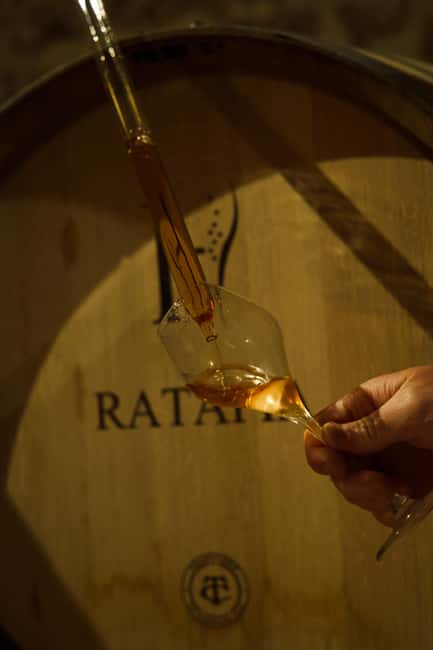
After the cellar visit, the experience moves into a guided tasting lasting about 30 minutes. You taste three champagnes and one ratafia champenois.
Three champagnes are enough to make a useful comparison without turning the tasting into a blur of glasses. I would pay attention to the differences between the bottles rather than trying to decide which one is simply best. The guide can help connect each cuvée to its origin, production choices, and local conditions.
The tasting also gives you a chance to practice the art of tasting. You can look at the wine, smell it, taste it, and consider how the elements fit together. Even if you are new to Champagne, the structure helps you focus on more than bubbles and sweetness.
Ratafia champenois is an important extra. It is not another sparkling wine, so it gives you a contrast with the champagnes and shows another use of regional wine-making traditions. Its inclusion makes the tasting more varied and gives the session a stronger sense of place.
The tasting is commented, rather than simply being a series of pours. This matters because a guided explanation can show you what to look for and explain why the wines differ. Several recent comments specifically praised the clarity of the explanations and the chance to understand the production process at this particular cellar.
Why the Biodiversity Message Matters
The producer’s commitment to biodiversity is one of the more distinctive parts of this visit. Many cellar tours explain fermentation, bottling, and the finished wine. Here, the conversation also includes the living environment around the vineyard.
You hear about the effort to preserve biodiversity and support sustainable viticulture. The information provided does not give a list of specific farming techniques, so I would not arrive expecting a detailed catalog of every field practice. Still, the subject is clearly part of the producer’s identity and the tour’s content.
For you, this adds useful context to the tasting. Champagne is often presented as a luxury product, but it is also agricultural work shaped by weather, soil, and long-term decisions in the vineyard. Learning about biodiversity helps put the bottle back into that setting.
I especially like this aspect for visitors who want to support smaller producers with a clear sense of responsibility. It does not turn the tour into an environmental lecture. Instead, it links the health of the vineyard to the quality and continuity of the wine.
Same town, a different glass:
- Loire Valley Castles Day Trip from Paris with Complementary Wine
★ 4.5 · 3,907 reviews - Bordeaux: Cité du Vin Entry Ticket and Wine Tasting
★ 4.6 · 3,885 reviews - Bordeaux: River Garonne Cruise with Glass of Wine and Canelé
★ 4.5 · 3,630 reviews - Normandy D-Day Small-Group Day Trip with Omaha Beach, Cemetery & Cider Tasting
★ 5.0 · 2,786 reviews
A More Personal Alternative to Big Champagne Houses
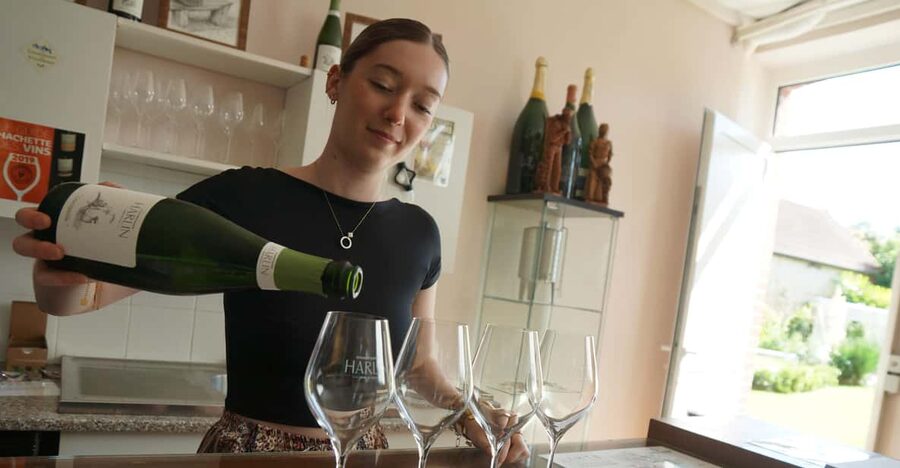
Champagne visitors often face a choice between a famous large house and a smaller family producer. The large names can offer impressive facilities and polished presentations. Champagne Harlin offers a more focused look at one producer’s work.
That difference affects the mood. You are not simply touring a recognizable label. You are learning how this cellar makes its own wines, how it views its terroirs, and why biodiversity matters to its future.
The experience has earned a 4.7 rating from 46 reviews, with repeated praise for the guide’s explanations and the tasting. One French participant described the visit as a better choice than a large, highly touristed Champagne house, while another praised the specific explanation of how this cellar makes its wine.
That does not mean this visit replaces every kind of Champagne tour. If you want grand architecture, a famous international brand, or a large museum-style presentation, you may prefer one of the major houses in Reims or Épernay. If you want direct contact with a smaller producer and a clear explanation of the wine-making process, this format is a better fit.
How Long Should You Allow?
The headline duration is one hour, but the detailed program gives you a one-hour cellar and winery visit plus a 30-minute tasting. I would plan for 90 minutes on site, not a rushed hour.
This difference matters when you are building a day around Reims, Épernay, or another cellar. Add your own travel time, parking or arrival time if needed, and a little breathing room before the next appointment.
The tasting itself is not long. Thirty minutes is enough for four pours and explanations, but it is not an open-ended afternoon session. You get a guided introduction rather than a leisurely wine class.
Starting times vary, so check availability for the date you want. The visit is led in French or English, which makes it practical for many international visitors. The guide’s role is important here, since the experience depends on the explanations as much as on the cellar itself.
Is the $23 Price Good Value?
At $23 per person, this is a strong value if you want both a cellar visit and a tasting. The price includes entry to the Champagne Harlin cellar tour, a guided Champagne tasting, and a ratafia tasting.
You are paying for four samples, a guided look at the winery and cellar, and an explanation of production, terroir, and biodiversity. Compared with buying several glasses on your own, the educational part adds real value.
The price does not include a vineyard tour. That distinction is easy to miss. You will see the winery and cellar, but you should not assume that a walk through the vineyard is part of this package.
The visit also works well for people who do not want to spend a large amount on a famous Champagne brand. A small producer can offer a more direct account of the work behind the wine, while the modest price keeps room in your budget for another cellar, a meal, or transport.
Who Will Enjoy This Visit Most?
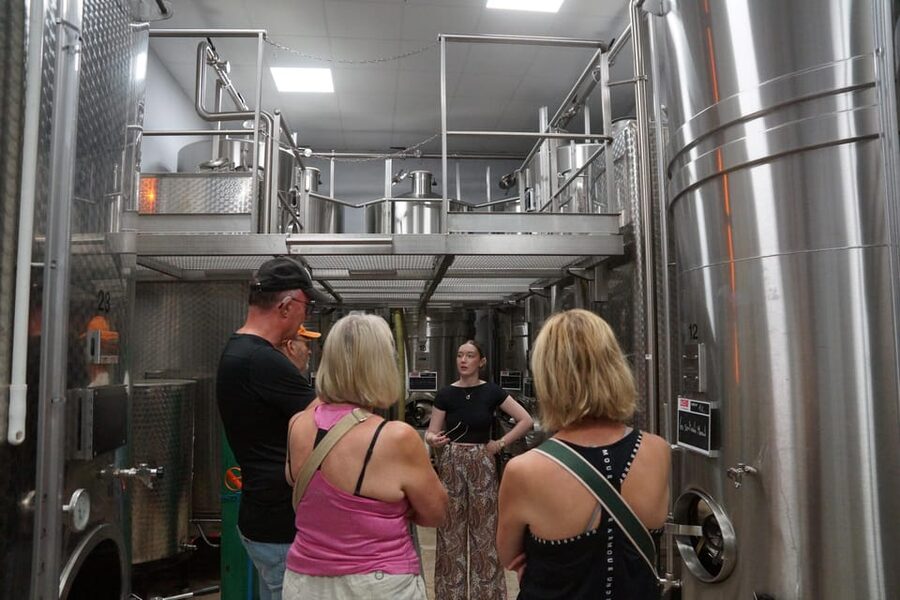
I would recommend Champagne Harlin to adults who want a clear introduction to Champagne production without committing to a full-day wine program. It suits first-time visitors because the guide explains the basics, but it also gives experienced drinkers useful points of comparison through the three champagnes and the ratafia.
It is particularly good for people interested in sustainable farming and small family producers. The biodiversity discussion gives the visit more substance than a simple tasting at a shop counter.
Families can attend, but there is an important rule. Children under 18 may join without a ticket and will receive fruit juice, but French law prevents them from drinking alcohol. The activity information also lists children under 18 and pregnant women as not suitable, so pregnant visitors and families should consider that guidance before booking.
The experience is less suitable if you need a vineyard walk, a long tasting session, or a major-house spectacle. It is also not the right pick if you want to spend an entire day in the Champagne countryside. Its strength is the compact combination of cellar, explanation, and tasting.
Booking and Practical Details
The meeting point is the courtyard of Champagne Harlin at 8 Rue de la Fontaine. A French- or English-speaking guide leads the experience.
You can cancel up to 24 hours before the visit for a full refund, and the reserve-now, pay-later option lets you hold a place without paying at the time of booking. These policies are useful when your Champagne plans depend on train schedules, weather, or a changing road itinerary.
The experience begins and ends at the same address. That keeps the route simple, but transportation to the property is not described in the provided information, so check your own route before setting off from Reims, Épernay, or Paris.
The listing gives a one-hour headline duration, while the detailed timing adds a 30-minute tasting. I would use the longer estimate when planning your day. It is better to finish early than to hurry away before the final glass.
Should You Book Champagne Harlin?
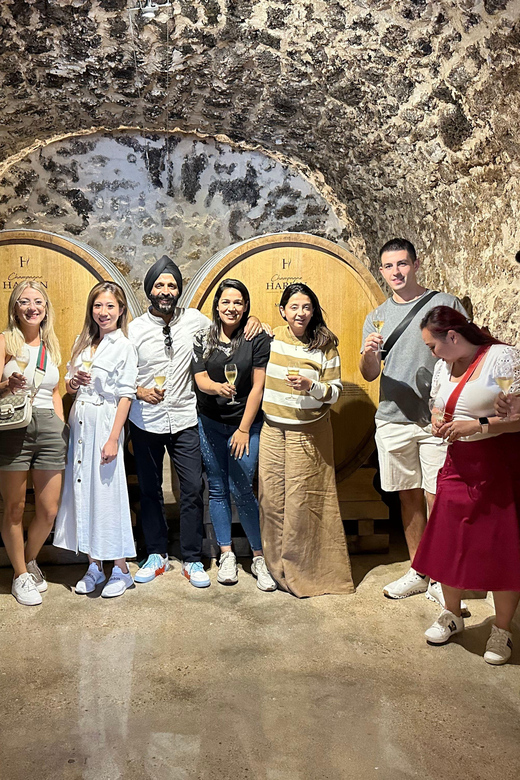
Book this experience if you want a reasonably priced visit with a small Champagne producer, a guided cellar tour, and four regional drinks to compare. The repeated praise for the explanations is important: this is not just a tasting with a few facts attached. The guide helps you understand how Champagne is made at this particular house.
The three champagnes and ratafia make the tasting varied, while the attention to biodiversity gives the visit a useful connection to vineyard care. Its location near Épernay and Reims also makes it easy to add to a Champagne itinerary.
Skip it if your priority is a vineyard tour, a grand famous house, or a longer tasting. Also double-check the timing, since the full program appears closer to 90 minutes than the stated one hour.
For an authentic, focused introduction to a smaller producer, I would choose Champagne Harlin. You get enough history, production detail, and tasting guidance to leave with a better understanding of what is in your glass, without paying for a grand brand name.
FAQ
Where does the Champagne Harlin experience take place?
The tour starts and ends at Champagne Harlin Père & Fils, 8 Rue de la Fontaine, in the Grand Est region of France.
How many drinks are included?
The tasting includes three champagnes and one ratafia champenois.
Is a vineyard tour included?
No. The package includes the winery and cellar tour, but the Champagne Harlin vineyard tour is not included.
How long does the experience last?
The headline duration is one hour. The detailed schedule lists one hour for the winery and cellar visit plus 30 minutes for the tasting, so you should plan for about 90 minutes.
Can children attend the tasting?
Children under 18 may accompany adults without a ticket and will receive fruit juice. They are not allowed to drink alcohol under French law.
What languages are available?
The live guide can lead the tour in French or English.
More Historical Tours in France
- Small-Group Full-Day Tour of Côte de Nuits, Côte de Beaune Vineyards and Beaune Historical District
★ 5.0 · 364 reviews - Nice : Wine Tasting at a Historic Château in a Land Rover !
★ 4.9 · 156 reviews - Nice: Sunset & Wine Tasting in a historic Land Rover
★ 5.0 · 91 reviews - Sevilla Food Tour: Tapas, Wine, History & Traditions
★ 5.0 · 3,468 reviews
Just added around France
- Saint Emilion Full Day Wine and Bike Tour★ 5.0 · 167 reviews
- Professional – Bordeaux Wine and Cheese Tasting with a walking tour★ 5.0 · 218 reviews
- Bordeaux Wine and Trade Museum Admission Ticket with Wine Tasting★ 4.5 · 599 reviews
- Medoc Afternoon Wine Tour – 2 Wineries, tastings & delicacies★ 4.5 · 74 reviews
- Bordeaux Wine Masterclass: Blending workshop with appetizer★ 5.0 · 113 reviews
- Saint-Emilion Small-Group Electric Bike Wine Tour Tastings & Lunch from Bordeaux★ 5.0 · 383 reviews
- Discovery of the Bordeaux vineyard in 3 wines★ 5.0 · 133 reviews
- Essential Wine Tour with Tasting & Chateau Visits from Bordeaux★ 5.0 · 133 reviews
Champagne Tours, compared.
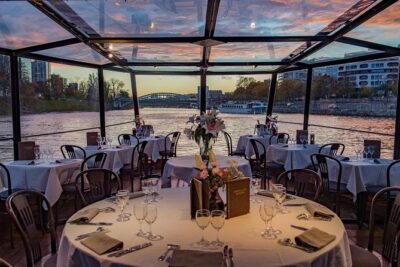
Paris 3-Courses Gourmet Dinner Seine River Cruise with Champagne
Read our review →
Top Private Cruises in Paris with French Champagne and surprises
Read our review →
Day Trip to Champagne with 8 Tastings & Lunch
Read our review →

First Show Moulin Rouge with Champagne & Seine Cruise
Read our review →

Private Boat Ride in Miami with Experienced Captain and Champagne
Read our review →
Browse the lists this tour appears in