
Review · BORDEAUX
Bordeaux: Wine and Trade Museum Entry Ticket & Wine Tasting
Bordeaux’s wine story comes alive in two old vaulted cellars, where barrels, coopers’ tools, and the work of 19th-century merchants give the subject a welcome sense of place. The visit ends with a guided tasting of two local wines, paired with chocolate-coated raisins and Bordeaux canelés.
I like the freedom to explore with a paper guide or audio guide, and I like the small tasting group, limited to nine people. At $14, this is an easy way to add structure and context to a Bordeaux day without paying for a full vineyard excursion. The main consideration is that this is a museum visit with a tasting, not a guided tour of the city or a working vineyard.
Key points
- Two historic vaulted cellars: See spaces dating from about 1720 and learn how wine was stored and aged in barrels.
- A clear introduction to Bordeaux wine: The vineyard presentation explains grape varieties, AOC rules, terroir, and regional classifications.
- Two wines with local sweets: Taste selected Bordeaux wines with raisins dorés and traditional canelés.
- Self-guided museum visit: Choose a paper guidebook or an audio guide in several languages and set your own pace.
- Small tasting group: The wine presentation and tasting are limited to nine participants.
- Strong value at $14: You get museum admission, the vineyard presentation, tasting, and raisins dorés for a modest price.
Inside Bordeaux’s former merchant world
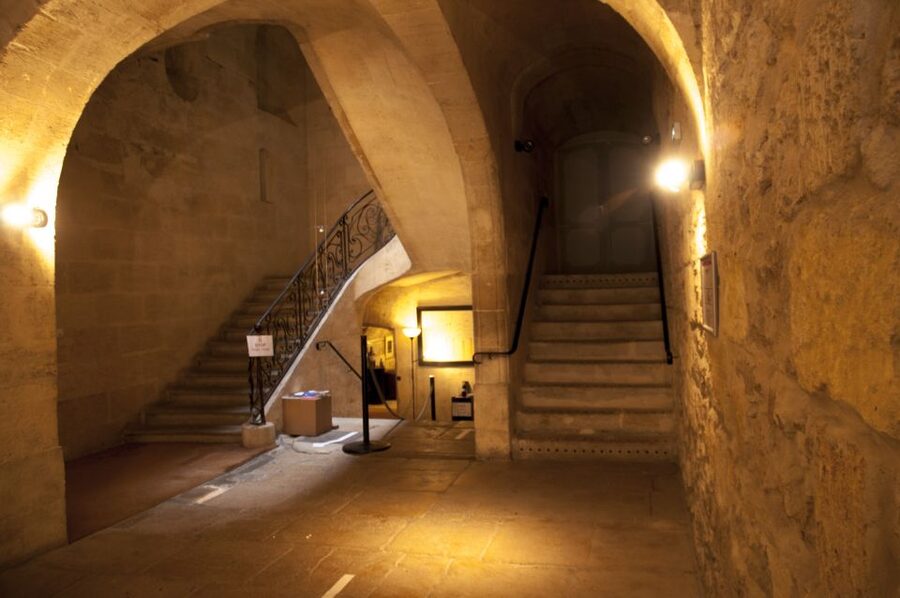
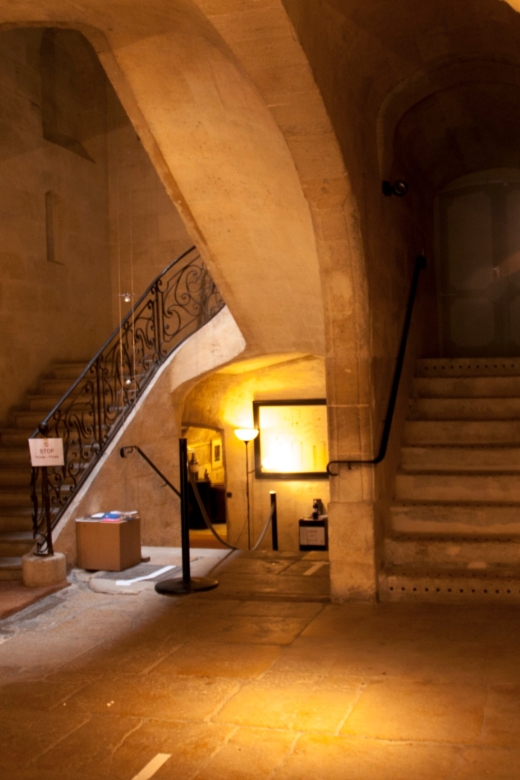
The Musée du Vin et du Négoce de Bordeaux, or Bordeaux Wine and Trade Museum, occupies the former residence of Louis XV’s royal broker. That setting matters. This is not a modern tasting room built only for quick pours. The building connects Bordeaux wine to the merchants who bought, stored, shipped, and sold it.
You begin at the museum and explore at your own pace. You can use a paper guidebook or an audio guide, with choices covering French, Portuguese, Spanish, Russian, Korean, Chinese, Japanese, Italian, English, German, and Dutch. That range is useful if you want more than a few labels and dates, but prefer to absorb the material privately rather than follow a live guide.
The museum covers more than three centuries of Bordeaux’s wine trade. The focus is not only on vineyards and bottles. You also get a sense of the commercial system that helped Bordeaux wine reach an international market.
I find this approach useful for first-time visitors because wine can seem full of insider terms. The museum gives those terms a place in the story before you taste anything. You are not simply asked to admire a famous name. You learn how the region’s producers, merchants, classifications, and storage practices fit together.
More Wine Tasting Tours in Bordeaux
- Bordeaux: Cité du Vin Entry Ticket and Wine Tasting
★ 4.6 · 3,885 reviews - From Bordeaux: Afternoon Saint-Emilion Wine Tasting & snack
★ 4.8 · 1,581 reviews - Medoc or Saint Emilion Wine Tasting and Chateau from Bordeaux
★ 5.0 · 1,415 reviews
The two vaulted cellars and traditional barrels
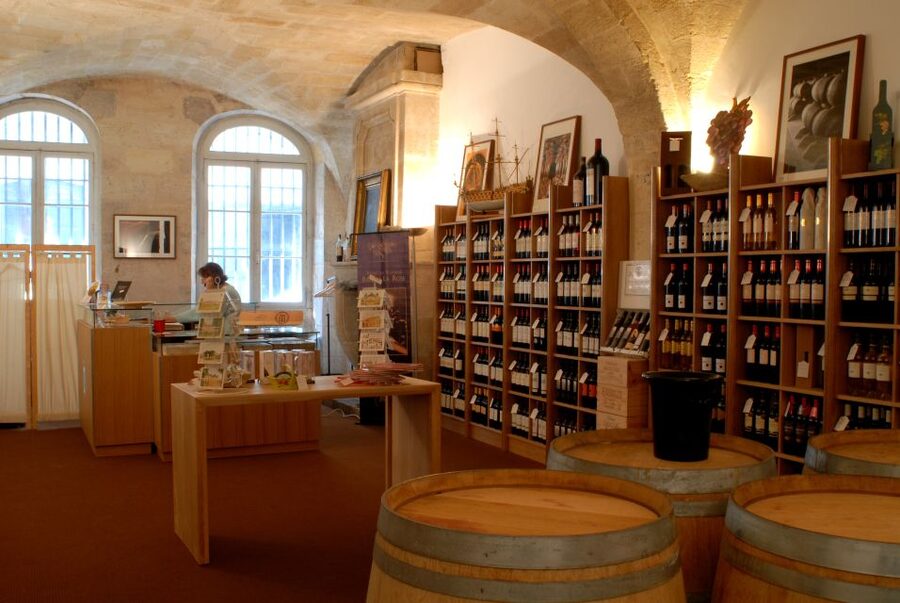
The historic cellars are the most atmospheric part of the visit. Dating from around 1720, they show how wine merchants worked in earlier centuries. Their vaulted construction gives the museum a physical connection to the wine trade that a display case alone could not provide.
You walk through two cellars with your chosen guide. The visit is self-guided, so you can pause when an object catches your attention or move along when you have had enough of a particular panel. This makes the experience flexible, especially if you are fitting it between other plans in Bordeaux.
Look for the traditional barrels and the material connected with coopers, the craftspeople who made and maintained them. Barrel aging was central to the work of 19th-century wine merchants, and the cellars help explain why storage was not a minor back-room task. It shaped the way wine was handled, preserved, and prepared for sale.
The cellars are also a good reminder that Bordeaux wine has always been both agricultural and commercial. The vineyard produces the wine, but merchants, barrels, cellars, and shipping networks helped turn local production into a world-famous trade.
You should not expect a working estate visit here. There is no vineyard walk included, and the museum does not replace a day in the countryside. Its strength is the compact look at Bordeaux’s merchant past, especially for anyone who wants context before visiting châteaux elsewhere in the region.
The vineyard presentation explains Bordeaux without drowning you in jargon
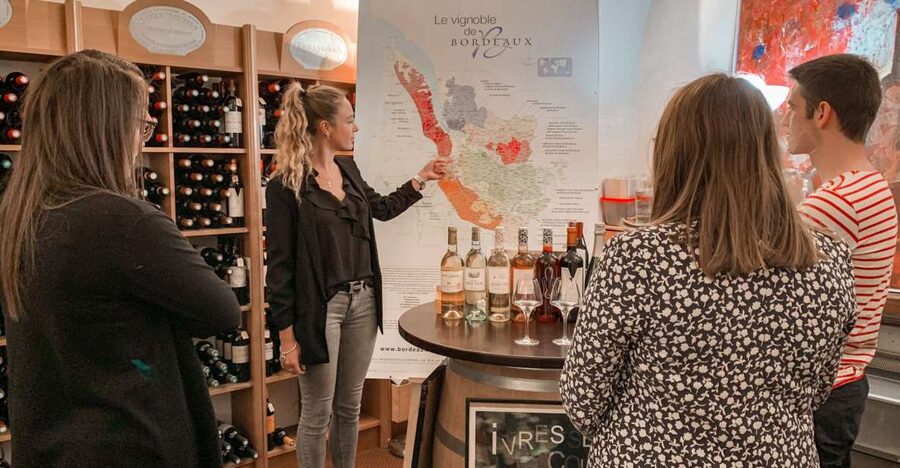
After the museum portion, you join a presentation about the Bordeaux vineyards. This is where the experience shifts from objects and old cellars to the basic ideas behind the wine in your glass.
The presentation introduces local grape varieties, appellations d’origine contrôlée, commonly called AOC, terroir, and regional classifications. These subjects can feel confusing when you first encounter Bordeaux wine lists. A short explanation helps you understand why two bottles from the same broad area can taste different and carry different names.
The discussion of terroir is especially useful. It connects the environment with the character of the wine, giving you a simple way to think about soil, place, and growing conditions. You are not expected to become a wine expert in one sitting. Instead, you get a working vocabulary for reading labels and listening to future tastings.
The introduction to grape varieties also adds value. Bordeaux wine is often identified by its area or château before the grapes are obvious to a beginner. Learning which varieties matter locally gives you another route into the subject.
The presentation is guided, but the museum visit itself is not a full guided tour. That distinction is important. If you want a host leading you through every room, this is not that kind of outing. If you prefer independent exploration followed by a focused explanation and tasting, the format works well.
Tasting two Bordeaux wines with local treats
The final part is a commented tasting of two locally selected wines. The tasting is designed to follow the vineyard presentation, so you first hear the basic ideas and then see how they apply in the glass.
The wines are selected in-house, which means the exact bottles may vary. That is sensible for a museum tasting, but it also means you should not book this expecting a named château or a particular vintage. The point is to sample Bordeaux in context rather than collect a promised label.
Local treats accompany the tasting. You receive raisins dorés, chocolate-coated raisins that add a sweet contrast to the wine. Traditional canelés de Bordeaux are also part of the tasting description. These small pastries are closely associated with Bordeaux and are typically linked with rum and vanilla flavors, making them a fitting local pairing.
This is a modest food pairing, not a meal. One piece of feedback specifically appreciated the wines but wished for a small snack, so you should plan to eat beforehand if you are hungry. The sweets add interest and local flavor, but they will not replace lunch.
The advertised tasting includes two wines. One recent account referred to three wines, so the number may occasionally vary, but you should book on the basis of two. That keeps expectations clear and avoids treating an occasional extra pour as part of the standard promise.
The group size is limited to nine people. That is small enough for the presentation to feel more personal than a large wine lecture, while still allowing the museum to offer a regular scheduled experience. The tasting is likely the part where the small group matters most, since you can listen, ask questions, and follow the comments without competing with a crowd.
More Wine Tasting Tours in France
- Saint Emilion Day Trip with Sightseeing Tour & Wine Tastings from Bordeaux
★ 5.0 · 1,120 reviews - Saint Emilion Half-Day Trip with Wine Tasting & Winery Visit from Bordeaux
★ 4.5 · 1,034 reviews - From Bordeaux: Half-Day Saint-Émilion Tour and Wine Tasting
★ 4.7 · 699 reviews - Saint-Emilion Electric Bike Day Tour with Wine Tastings & Lunch
★ 5.0 · 696 reviews
What the $14 price really gives you
At $14 per person, this is one of the easier Bordeaux wine experiences to fit into a city visit. The price includes museum entry, a paper guidebook, the Bordeaux vineyard presentation, the two-wine tasting, and raisins dorés. You also get the audio guide option, according to the visit information.
The value comes from the combination. A basic museum visit might give you historical context, while a simple tasting might give you wine without much explanation. Here, the cellars, vineyard lesson, and tasting are connected in one short experience.
The price does not include a separate guided tour, transport, a full meal, or a broader excursion into the Bordeaux wine country. You are paying for a museum-based introduction, not a château visit or a full-day wine route.
For a first visit to Bordeaux, I think the cost is especially reasonable. It gives you enough background to make later wine purchases and tastings less mysterious. If you already know Bordeaux wines well, the museum setting and historic cellars may still interest you, but the basic presentation may feel introductory.
The flexible booking terms also make it easy to fit into changing plans. You can cancel up to 24 hours before the experience for a full refund, and the reserve-now, pay-later option means you do not have to pay at the time of booking. Availability and starting times vary, so check the schedule for your date.
Who should book this Bordeaux experience?
I would recommend it to first-time Bordeaux visitors, casual wine drinkers, history-minded travelers, and anyone who wants a low-cost introduction before committing to a longer wine-country outing.
It is also a good choice if you want to learn at your own speed. The paper guide and audio guide let you avoid the pressure of staying with a group through every museum display. You then get the social part during the small tasting.
The experience suits visitors who appreciate local food details. The raisins dorés and canelés are small additions, but they connect the tasting to Bordeaux rather than offering generic crackers and cheese.
Families and non-drinkers may find the museum portion more useful than the tasting itself. The activity is centered on wine, so someone uninterested in wine may not get full value from the final presentation. Still, the historical material provides a reason to visit beyond drinking.
I would choose something else if your main goal is to visit vineyards, meet winemakers at their estates, or spend a full day among Bordeaux châteaux. None of that is included. This is a city museum experience with wine, not countryside transport and estate touring.
Practical details before you go
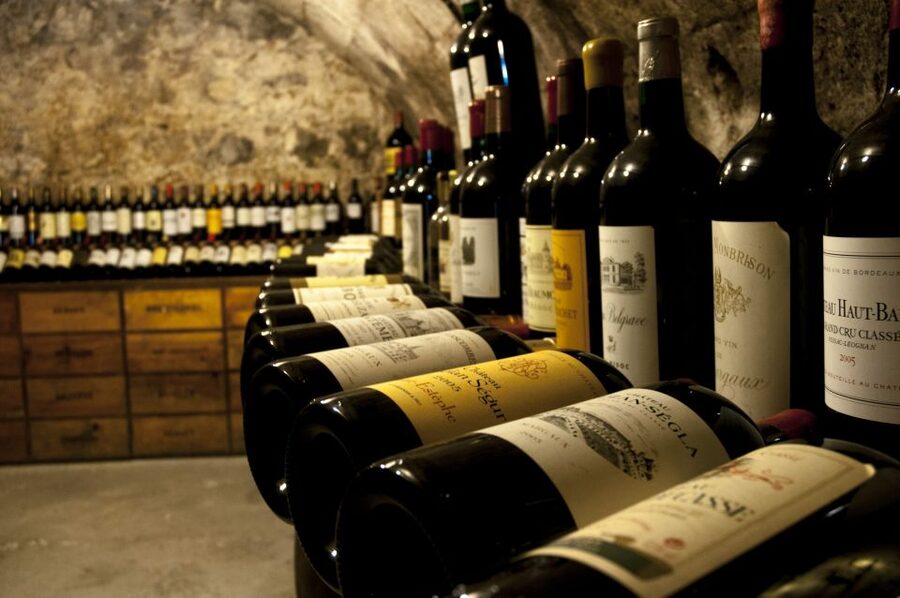
Start at the Wine and Trade Museum. No separate meeting transfer is provided, so plan to arrive at the museum itself.
The experience is valid for one day, with the available starting time selected when you check the schedule. Since the museum exploration is self-guided, allow enough time to read, listen, and enjoy both cellars before the presentation and tasting.
Language support is unusually broad. Paper or audio guidance is available in French, Portuguese, Spanish, Russian, Korean, Chinese, Japanese, Italian, English, German, and Dutch. That makes this a practical option for international visitors who want more than an English-only display.
The host or greeter language list includes the same broad selection. Even so, the visit remains partly independent, so check the language option at booking if a particular language is important to you.
The tasting group is limited to nine participants. That small-group format is one of the better reasons to reserve ahead, especially if you have a fixed schedule. You can also reserve now and pay later, which helps if your Bordeaux plans are still shifting.
Should you book it?
Book this experience if you want an affordable, well-structured introduction to Bordeaux wine inside the city. The old cellars, merchant setting, vineyard presentation, and two-wine tasting give you a useful mix of place, history, and practical wine basics for $14.
Do not book it expecting a vineyard excursion, a full meal, or a named list of prestigious bottles. The tasting is modest, and the museum visit is largely self-guided. For most first-time visitors, though, that balance is the appeal: you get freedom to explore, a clear explanation of Bordeaux wine, and a small tasting without spending a full day or a large sum.
FAQ
Where does the experience begin?
It begins at the Wine and Trade Museum in Bordeaux.
How much does the experience cost?
The listed price is $14 per person.
How long is the ticket valid?
The ticket is valid for one day.
How many wines are included?
The standard experience includes a guided tasting of two locally selected wines.
What food is served with the wine?
The tasting includes raisins dorés, which are chocolate-coated raisins. Traditional Bordeaux canelés are also described as part of the tasting.
Is a guided museum tour included?
No. The museum visit is self-guided, using either a paper guidebook or an audio guide. The vineyard presentation and wine tasting are guided.
What languages are available?
Language options include French, Portuguese, Spanish, Russian, Korean, Chinese, Japanese, Italian, English, German, and Dutch.
How large is the tasting group?
The small group is limited to nine participants.
Can I cancel the booking?
Yes. You can cancel up to 24 hours in advance for a full refund.
Do I have to pay when I book?
No. The reserve-now, pay-later option lets you book the experience without paying immediately.
More Museums in Bordeaux
- NYC: Empire State Building Tickets – Observatory & Museum
★ 4.7 · 25,757 reviews - Porto: Cálem Cellar Tour, Interactive Museum & Wine Tasting
★ 4.5 · 4,113 reviews - Dublin Irish Whiskey Museum and Gallery Guided Tour with Tasting
★ 5.0 · 3,078 reviews - Munich: Beer and Food Tour with Dinner & Oktoberfest Museum
★ 4.7 · 1,086 reviews
More Wine Tastings in Bordeaux
- Bordeaux Wine and Trade Museum Admission Ticket with Wine Tasting
★ 4.5 · 599 reviews - Bordeaux: Vineyards Wine Tasting Half-Day Trip
★ 4.2 · 470 reviews - From Bordeaux: Saint-Émilion Half-Day Tour with Wine Tasting
★ 4.9 · 389 reviews - Bordeaux: Half-Day Margaux Tour with Wine Tastings
★ 4.7 · 352 reviews
Just added around Bordeaux
- Saint Emilion Full Day Wine and Bike Tour★ 5.0 · 167 reviews
- Professional – Bordeaux Wine and Cheese Tasting with a walking tour★ 5.0 · 218 reviews
- Bordeaux Wine and Trade Museum Admission Ticket with Wine Tasting★ 4.5 · 599 reviews
- Medoc Afternoon Wine Tour – 2 Wineries, tastings & delicacies★ 4.5 · 74 reviews
- Bordeaux Wine Masterclass: Blending workshop with appetizer★ 5.0 · 113 reviews
- Saint-Emilion Small-Group Electric Bike Wine Tour Tastings & Lunch from Bordeaux★ 5.0 · 383 reviews
- Discovery of the Bordeaux vineyard in 3 wines★ 5.0 · 133 reviews
- Saint-Emilion Winery Morning Tour with Local Guide★ 5.0 · 67 reviews
Wine Tasting Tours, compared.
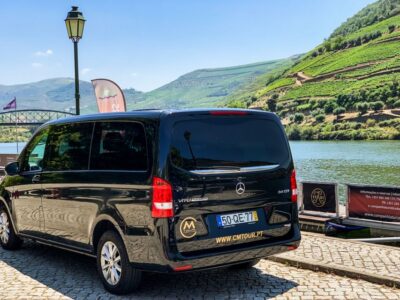
Douro Valley w/ Boat Tour, Wine Tasting & Lunch
Read our review →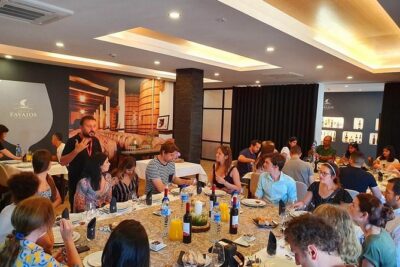
Complete Douro Valley Wine Tour with Lunch, Wine Tastings and River Cruise
Read our review →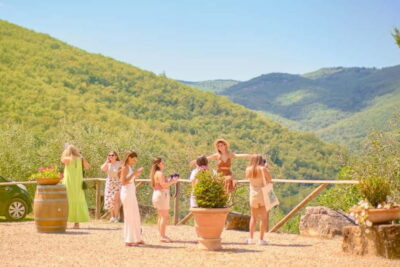
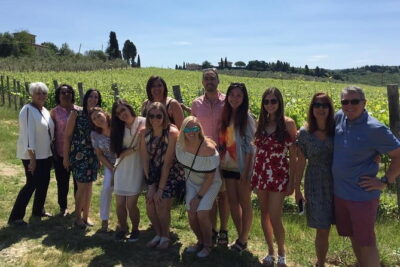
Small-Group Wine Tasting Experience in the Tuscan Countryside
Read our review →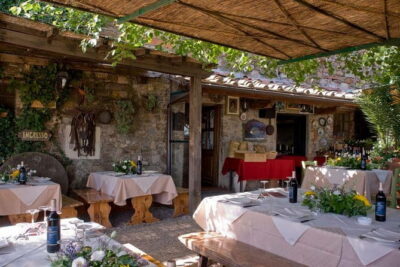
SMALL-GROUP Wine Safaris: Tuscan Wine Tasting Tours from Florence
Read our review →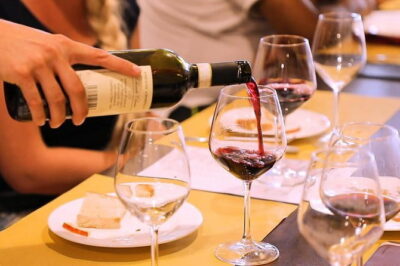
San Gimignano, Siena, Monteriggioni, Chianti Day Trip with Lunch & Wine Tasting
Read our review →
Cálem Cellar Tour, Interactive Museum & Wine Tasting
Read our review →
Browse the lists this tour appears in