
Review · ROME
Rome: Jewish Ghetto & Campo de Fiori by Night Food Wine Tour
Rome’s best food tours do more than move you from one plate to the next. This one uses dinner as a way into Rome’s past, beginning at the Turtle Fountain in Piazza Mattei and winding through the Jewish Ghetto, Campo de’ Fiori, Piazza Navona, and several lesser-known corners.
I like two things right away: the seven tasting stops give you a proper meal rather than a few token bites, and the route ties food to places such as Pompey Theatre, the Theatre of Marcellus, and Bernini’s Fountain of the Four Rivers. The main drawback is dietary: vegetarian options are available, but vegan, gluten-free, and dairy-free diets cannot be accommodated.
Key points at a glance
- Up to 15 samples: Expect a full evening of Roman food, including pasta, pastries, desserts, and drinks.
- A history walk with dinner: Learn about the Jewish Ghetto, Julius Caesar’s death, medieval markets, and Baroque Rome as you move between stops.
- Small-group format: Groups are limited to 14 people, which helps the guide keep the evening social and manageable.
- A true progressive dinner: Early tastings are spread through the walk, followed by more substantial sit-down food later.
- Nighttime Rome: Squares and fountains take on a different mood after the day crowds thin out.
- Come prepared to walk: The four-hour tour has no included transportation and is not suitable for wheelchair users.
Starting at Piazza Mattei and the Turtle Fountain
The meeting point is Piazza Mattei, beside the Turtle Fountain. This small square is a good place to begin because it feels more intimate than Rome’s major postcard locations, yet it puts you right in the middle of the old Jewish Ghetto.
Your English-speaking guide introduces the group and sets the rhythm for the evening. Guides have included Marco, Fabrizia, Maria, Andrea, Julia, Matteo, and others, so the exact personality of the tour depends on the departure. The strongest guide reports describe an energetic host who can move easily from food to Roman history, answer odd questions with humor, and keep the group together without rushing.
The group limit of 14 matters here. You are not being marched through Rome in a large crowd. You have a better chance to hear the guide in a narrow lane, ask a question, or chat with the people sharing your table. It also helps at food stops, where a large group could quickly overwhelm a small restaurant or deli.
Arrive ready to walk and ready to eat slowly. This is not a quick street-food outing. The route takes about four hours, and the tastings build into something close to a progressive dinner.
A few more tastings around Rome worth a look
- Rome by Night – Ebike Small Group Tour – Food and Wine (Option)
★ 5.0 · 1,275 reviews - Rome: E-Bike Night Tour with Food and Wine Tasting
★ 4.9 · 1,131 reviews - Rome: Trastevere Guided Food and Wine Tour with 20+ Tastings
★ 4.9 · 1,022 reviews
The Jewish Ghetto: food shaped by place
The Jewish Ghetto is one of the most important parts of the tour. You learn about the old Jewish community, the streets it occupied, and the way local food traditions developed in this part of Rome.
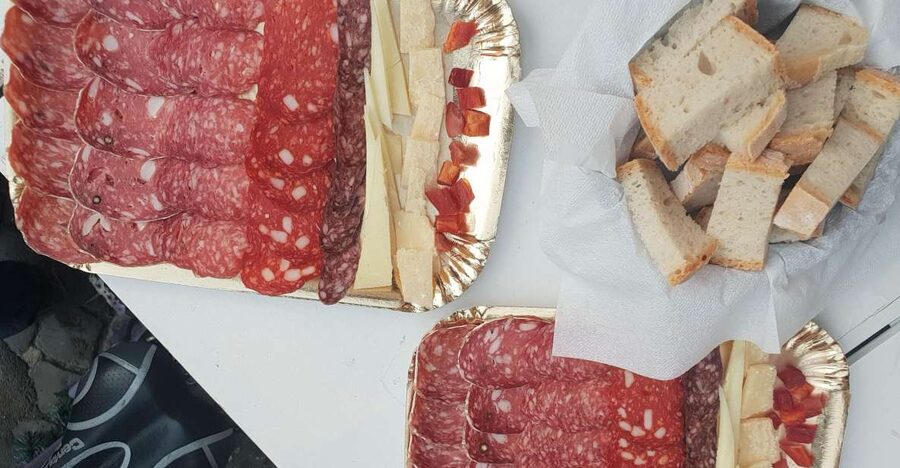
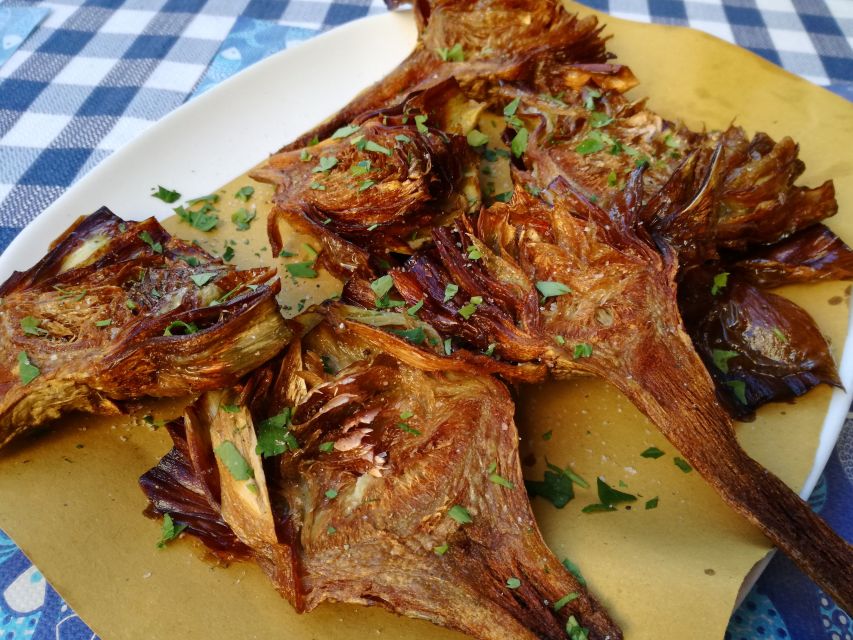
Food here is not treated as a detached tasting menu. The guide explains why certain dishes belong to the neighborhood and introduces you to Roman specialties connected with Jewish-Roman cooking. Fried artichokes and Jewish appetizers have featured among the tastings, along with other small plates and local products.
This is also where the tour earns its cultural value. If you only walk through the Ghetto on your way to dinner, you can easily miss the meaning of the streets and the layers of history around you. With a guide, the food becomes a prompt for stories about community, custom, and Rome’s long relationship with its Jewish population.
Keep in mind that this is not a kosher food tour. The route may include food associated with the Jewish Ghetto, but the tour should not be booked as a kosher dining experience.
The first stops are generally lighter and more scattered. You might taste a few items, walk for a while, then pause again for another sample or drink. That pacing is useful because you have time to digest and listen, though anyone expecting a full sit-down meal from the first half may wonder where the main course is. It arrives later.
Ancient remains between the tasting stops
One reason I would choose this tour over a food-only outing is the way it uses Rome’s streets as a dining room. Between bites, you pass major remains of Ancient Rome and hear the stories attached to them.
The route includes the area of Pompey Theatre, linked to the death of Julius Caesar. You also pass the Theatre of Marcellus, the Temple of Apollo, and the Portico of Octavia. These are not treated as lengthy archaeological visits. You will not enter a museum or spend an hour studying ruins. Instead, the guide gives you a useful explanation as part of the walk.
That approach works well for a first evening in Rome. You see a broad sweep of the city without committing to another formal sightseeing tour. You also get context for places you might pass again later, perhaps with a better sense of what you are looking at.
The experience depends heavily on the guide’s storytelling. Andrea, Maria, Fabrizia, and Julia have been especially praised for balancing historical detail with food and conversation. A good guide knows when to stop talking and let you eat. The best accounts describe a pace that keeps the information interesting without turning dinner into a lecture.
Campo de’ Fiori after the market hours
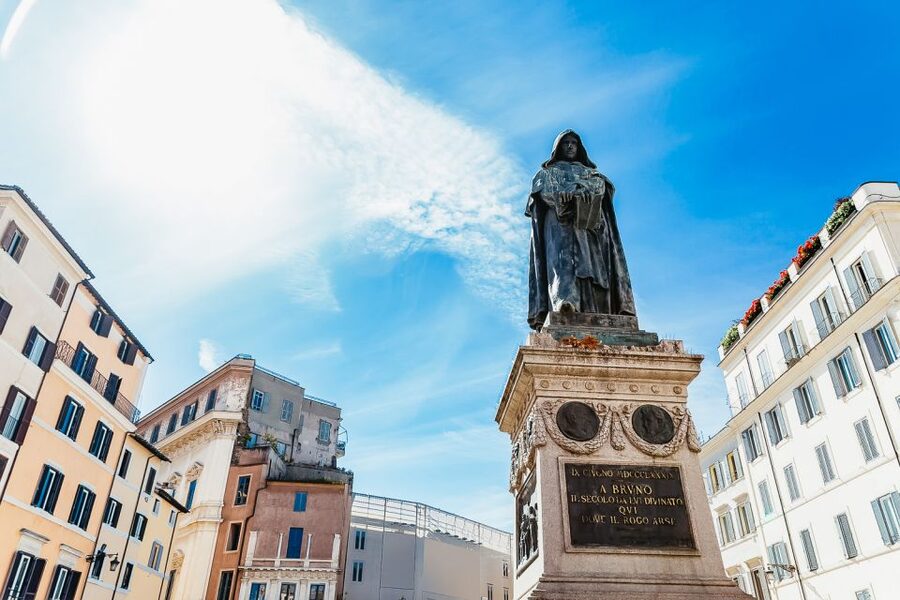
Campo de’ Fiori began as a medieval market area and remains one of Rome’s best-known public squares. During the evening, the market stalls are no longer the focus, but the square still provides a lively setting for the tour.
The guide explains how the area changed from a market space into a restaurant and nightlife district. You get a chance to observe the square rather than simply cross it on the way to somewhere else. That is a small distinction, but it makes the stop feel connected to the city’s daily life.
The square can be busy and uneven underfoot, so comfortable shoes are important. You are walking on old Roman streets for several hours, often stopping in places where there may not be much room to stand. The tour is not suited to wheelchair users, and anyone with limited mobility should consider the surfaces, walking time, and standing involved.
Campo de’ Fiori is also a useful point of comparison. The Jewish Ghetto offers a more concentrated cultural story, while Campo de’ Fiori shows how a historic market area functions as part of modern Rome. Moving between the two gives the tour a sense of variety.
Same town, a different glass:
- Rome: Tuscany & Montepulciano Day Trip with Lunch & Wine Tasting
★ 4.5 · 5,232 reviews - Rome: Pasta Making Class with Wine, Limoncello, and Dessert
★ 4.9 · 3,177 reviews - Rome Cooking Class: Make Pasta and 3 Spritz Cocktails
★ 5.0 · 2,937 reviews - Learn to Make Pasta & Tiramisu with Wine and Limoncello Included
★ 5.0 · 2,345 reviews
Piazza Navona and Bernini’s four rivers
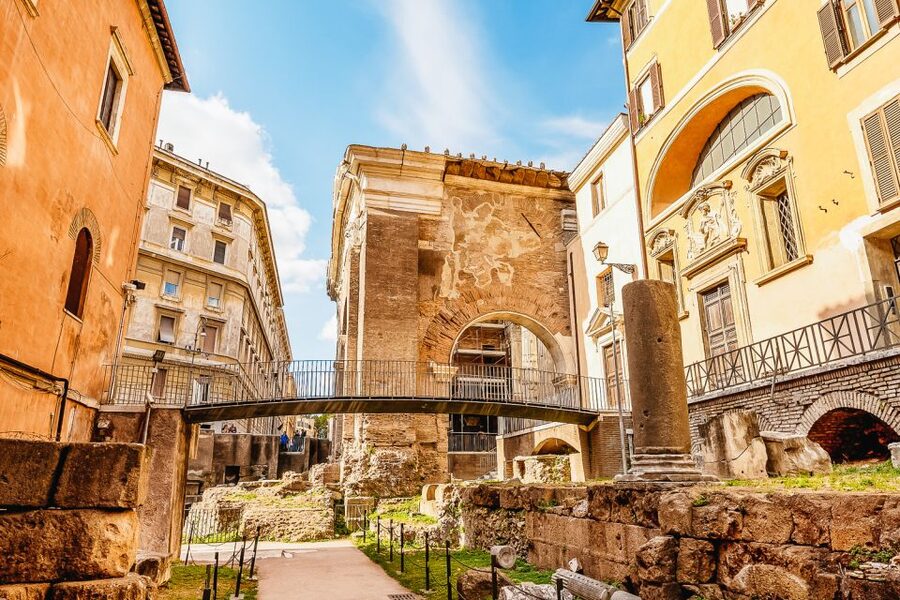
Piazza Navona is one of the evening’s major sights. The square was built on the site of the Stadium of Domitian and later became a city market. Its long shape still hints at the ancient stadium beneath it.
The focus here is Rome’s Baroque style. You see the grand architecture and Bernini’s Fountain of the Four Rivers, one of the city’s most memorable public works. It is a welcome change of scale after the narrower streets of the Ghetto and the more informal atmosphere around Campo de’ Fiori.
This stop shows why the tour is more than a string of restaurant visits. You are tasting Roman food, then looking up at fountains, statues, and imposing facades. The guide connects the places instead of treating each as an isolated photo opportunity.
At night, the square has a different feel from the daytime sightseeing rush. You still encounter other people and restaurant activity, but the cooler air and evening light make the fountains easier to appreciate. Do not expect an empty piazza. Rome rarely works that way. The advantage is simply that the tour takes place when the city has shifted into its evening mood.
Seven venues and a meal that keeps building
The advertised route includes seven tasting venues, with restaurants, delis, and other food stops. Depending on the evening, the exact number or order can vary. One account describes six stops, while the standard plan calls for seven, so you should think of the number as a guide rather than a strict promise.
The total can reach 15 samples, and the food is intended to add up to dinner. Past tastings have included:
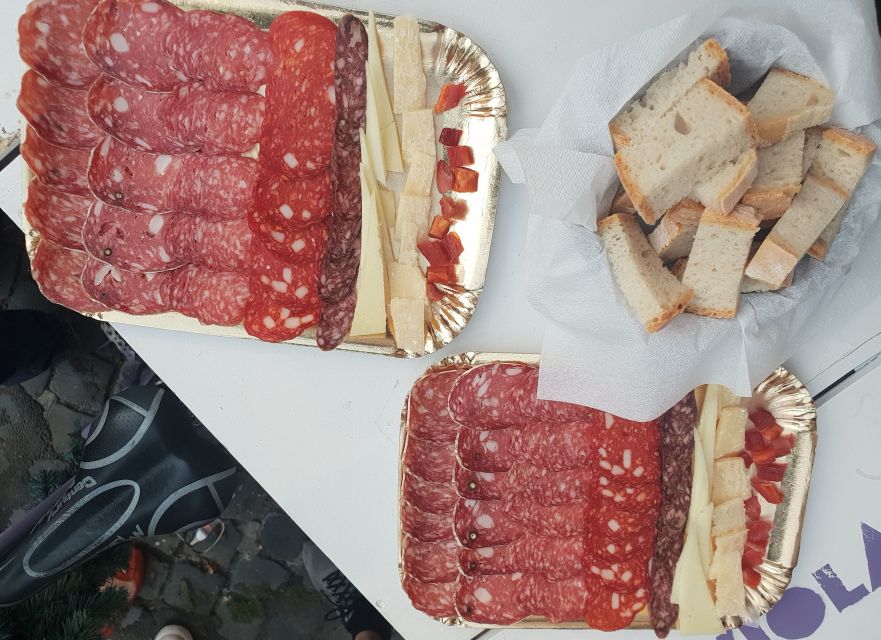
- Roman appetizers and small savory bites
- Fried artichokes
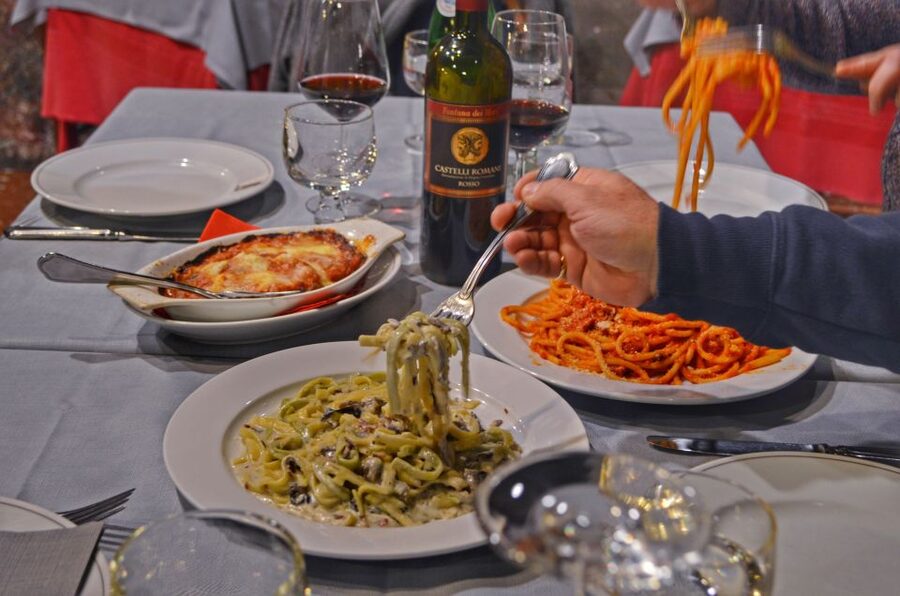
- Homemade pasta
- Pizza or other local baked food
- Pastries and sweets
- Tiramisu
- Gelato
- Espresso
- Wine, beer, and soft drinks
The precise dishes are not guaranteed, and this is part of the normal nature of a food walk. Menus, seasonal ingredients, and restaurant schedules can change. What you can count on is variety, several stops, and a mixture of standing tastings and sit-down portions.
The meal often starts gently. You may have a few bites and a drink while walking and learning about the neighborhood. Later, you sit down for pasta or a more substantial course. Dessert and coffee help close the evening.
I like this format because it prevents one heavy meal from swallowing the whole experience. You get to compare several places and styles of Roman food. The tradeoff is that you may not have much control over the exact menu, portion size, or timing at each stop.
Come hungry, but do not skip food all day. Some past participants arrived unsure if the portions would be enough and ended the night very full. That is useful information: this is not a tour where you need to plan a second dinner afterward.
What the wine and drinks add
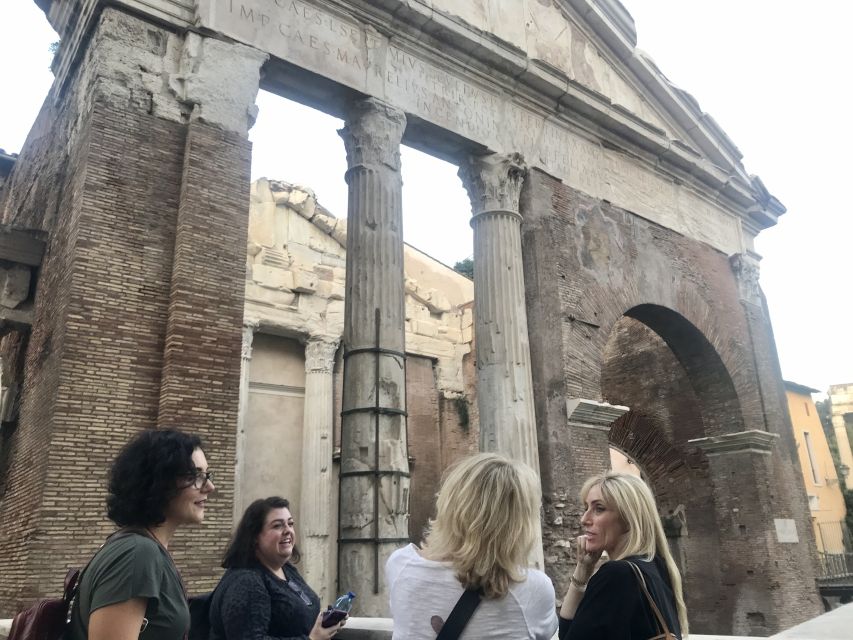
Wine is included throughout the experience, along with beer and soft drinks. The drinks make the stops feel more like a social evening than a series of retail samples.
You are not signing up for a formal wine class. The emphasis is local food and Roman culture, not technical tasting language or a detailed study of Italian wine regions. If you want a serious wine education, choose a dedicated wine program instead.
For most people, the drink service is valuable because it removes the need to order separately at each stop. It also gives you a chance to sample food in the way you might during an ordinary Roman evening, with a glass at the table and conversation moving around the group.
If you do not drink alcohol, soft drinks are available. If you are drinking wine and beer, remember that the tour lasts four hours and includes a lot of walking. Pace yourself. The evening works better when you can still listen to the final stories and enjoy dessert.
The guide makes the difference
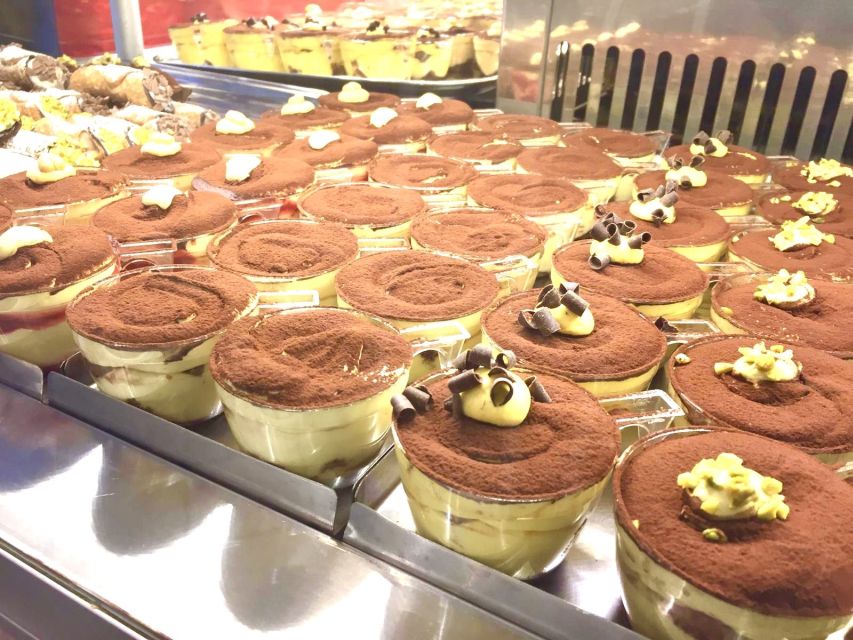
The route has strong ingredients, but the guide controls the quality. A good guide keeps the group moving, explains why a dish matters, and makes room for questions without losing the schedule.
Fabrizia has been praised for combining food with a detailed account of the Jewish Ghetto and Rome’s past. Marco has been described as warm, engaging, and able to handle unexpected questions with humor. Maria has been singled out for maintaining a steady pace, while Andrea has been appreciated for his passion for Rome and his ability to connect food, history, and local life.
Those names are examples, not a promise of who will lead your departure. The important point is the guide profile: this works best with someone who enjoys both Roman history and food. The tour company is Food Raphael Tours and Events, and the listed language is English.
The guides have also shown practical flexibility. When street closures caused one group to arrive late, the guide kept in contact and arranged for the people to join at a later stop. On a rainy evening, another guide continued the stories under bridges and umbrellas. The tour operates rain or shine, so a light waterproof layer and shoes with good grip are sensible.
Is $105 a fair price?
At $105 per person, the tour is not cheap by casual dinner standards. But the price includes four hours with a food guide, up to 15 samples, wine, beer, soft drinks, and visits to several different venues.
The value depends on how you use it. If you only want the least expensive way to eat pasta, you can spend less at a local restaurant. If you want to find seven good stops on your own, learn the background of the neighborhoods, and handle the ordering and timing yourself, you may spend nearly as much while getting less context.
I consider the price fair for a first or second night in Rome, especially if you treat the tour as both dinner and sightseeing. It can help you learn which dishes and neighborhoods deserve a return visit. One participant even went back to the Jewish Ghetto for lunch the next day after discovering it on the tour.
The value is weaker for people who already know Rome’s food scene well, prefer to choose every dish themselves, or do not eat the included foods. Dietary restrictions are a serious consideration, not a footnote.
Who should book this evening walk?
This tour suits you if you want a generous introduction to Roman food and central Rome in one evening. It is particularly useful on your first night because the route gives you a feel for the Jewish Ghetto, Campo de’ Fiori, and Piazza Navona while helping you get your bearings.
Families can enjoy it, and one successful alternative arrangement included two adults and two children. Teenagers have also enjoyed the mix of food, walking, and stories. Still, four hours is a long evening for very young children, especially with several stops and no included transportation.
Book it if you like trying several dishes, learning the story behind a neighborhood, and sharing dinner with a small group. Skip it if you need a strict vegan, gluten-free, dairy-free, or kosher menu, or if walking and standing for four hours would be uncomfortable.
Cancellation is free up to 24 hours before the tour, and you can reserve now and pay later. Those policies add flexibility, but the real decision comes down to appetite, diet, and interest in guided history.
Final verdict: a strong first-night choice
I would recommend the Rome Jewish Ghetto and Campo de’ Fiori by Night Food Wine Tour to most first-time visitors who want dinner with a sense of place. The combination of seven venues, up to 15 samples, local drinks, and major sights gives you a lot for one evening.
Its best feature is the balance. You are not trapped at a table for four hours, and you are not rushed from one snack to another. You walk through old neighborhoods, hear about Rome’s Jewish community and ancient monuments, pause for food, then finish with the city’s Baroque squares and desserts.
The main warning is simple: dietary needs and mobility matter. For everyone else, arrive at Piazza Mattei hungry, wear good walking shoes, and leave room for one more taste. Rome is very good at finding one.
FAQ
Where does the tour meet?
Meet your English-speaking guide at Piazza Mattei, beside the Turtle Fountain.
How long does the tour last?
The walking food and wine tour lasts four hours.
What language is the tour offered in?
The live tour guide leads the experience in English.
How many people can join the group?
The tour can accommodate a maximum of 14 people per group, except by special arrangement.
How much food is included?
The tour includes several food tastings, with up to 15 samples across as many as seven tasting venues.
Are drinks included?
Yes. Wine, beer, and soft drinks are included.
Is there a vegetarian option?
Yes. Vegetarian options are available.
Can the tour accommodate vegan, gluten-free, or dairy-free diets?
No. The tour does not accommodate vegan, gluten-free, or dairy-free diets. It is also not a kosher food tour.
Is the tour wheelchair accessible?
No. The experience is not suitable for wheelchair users.
What happens if it rains?
The tour operates rain or shine. It is sensible to bring weather protection and wear comfortable walking shoes.
Just added around Rome
- Rome: Trastevere Wine Tasting with Food Pairing and Gelato★ 4.9 · 168 reviews
- Rome: Trionfale and Prati Food and Wine Tasting Tour★ 4.8 · 115 reviews
- Rome: Private Tuk Tuk Tour with Hotel Pickup and Prosecco★ 4.9 · 68 reviews
- Rome: Trastevere Food and Wine Tasting Tour★ 4.9 · 54 reviews
- Rome: Tipsy Painting Class with Fine Wine and Arts★ 4.9 · 178 reviews
- Rome: Pizza & Gelato Making Class with Wine & Limoncello★ 4.7 · 499 reviews
- Rome: Pizza Making Cooking Class With Spritz Cocktails★ 4.9 · 61 reviews
- Rome: Nightlife Tour & Guided Bar Crawl with Games & Karaoke★ 4.9 · 75 reviews
Drinks Tours, compared.

Unlimited Prosecco, Beer and Aperol Spritz Cruise
Read our review →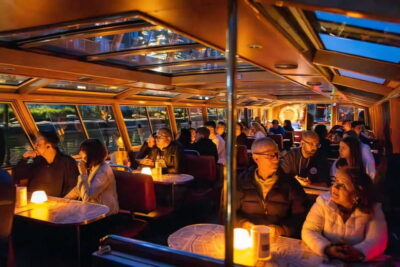
Evening Cruise with Optional Wine and Snacks
Read our review →
Douro Valley w/ Boat Tour, Wine Tasting & Lunch
Read our review →
Chichen Itza, Cenote & Valladolid Tour with Tequila and Lunch
Read our review →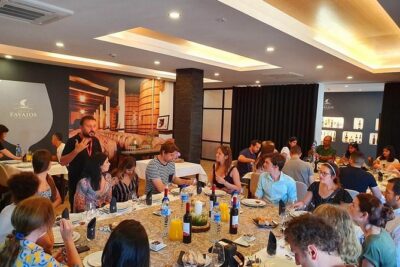
Complete Douro Valley Wine Tour with Lunch, Wine Tastings and River Cruise
Read our review →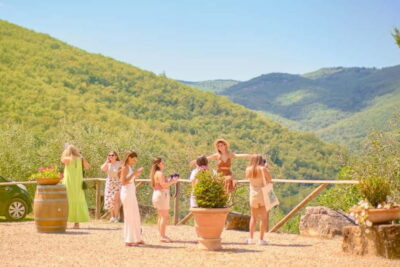
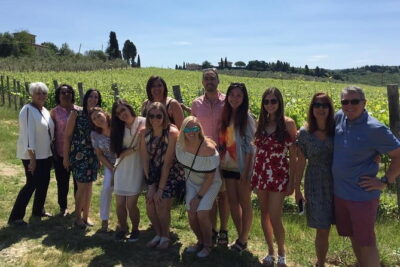
Small-Group Wine Tasting Experience in the Tuscan Countryside
Read our review →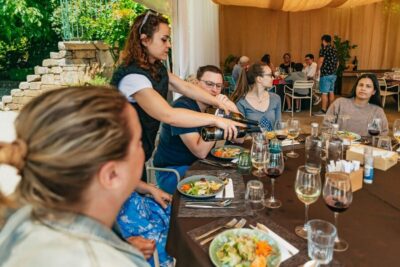
Douro Valley with Winery Lunch, Tastings & Cruise
Read our review →Browse the lists this tour appears in