
Review · FRANCE
Passy-Grigny: Chocolate and Champagne Tasting Tour
The clever part of this Passy-Grigny outing is the pairing: you learn how Champagne is made, then taste three Champagnes with three chocolates. That gives the visit a clear purpose beyond simply sipping in a tasting room. The story begins with a village cooperative founded in 1929 and ends with a modern production facility.
I like the small-house setting and the practical look at production, which feels different from a grand-name cellar visit in Reims or Épernay. I also like the price: at $32, the 90-minute program gives you a guided tour, three Champagnes, and three chocolates. The main drawback is getting there. Passy-Grigny is not easy by public transportation, so you should plan to drive or arrange a ride.
Key points to know before booking
- A village Champagne story: Learn how Aimé Caudron gathered local winemakers in 1929 and helped shape the Dom Caudron story.
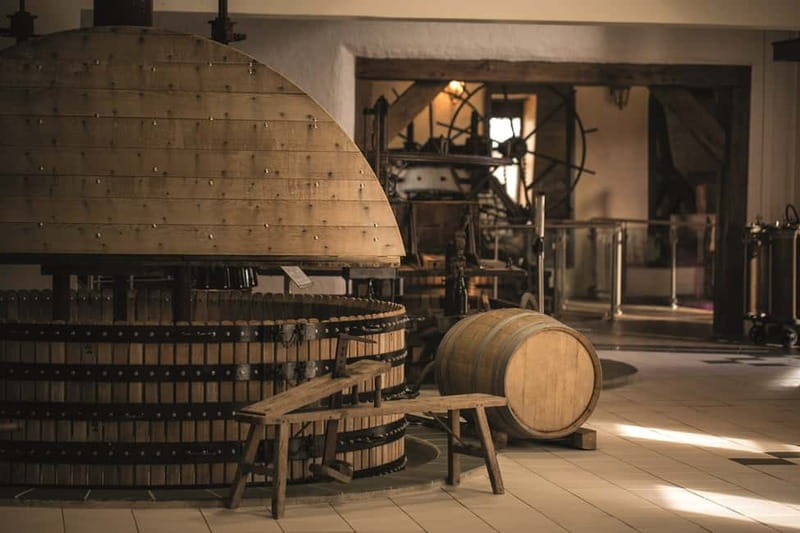
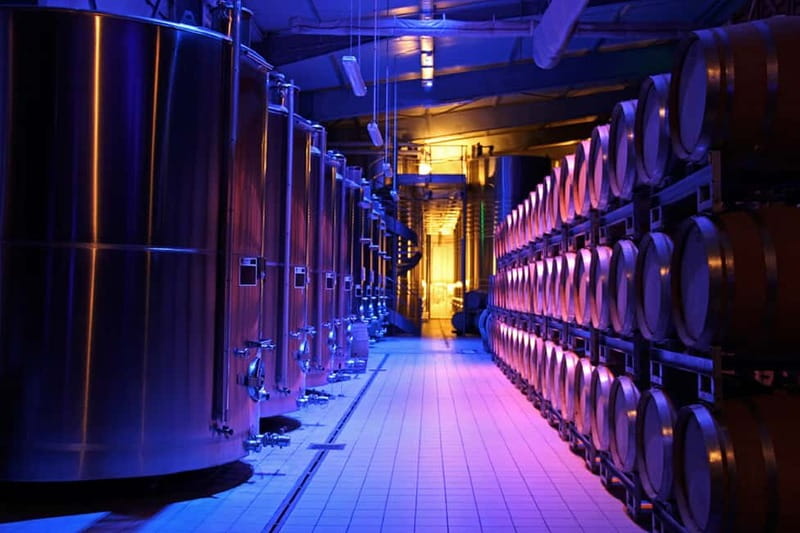
- Production is the focus: You see the path from the original village press to today’s modern vat house.
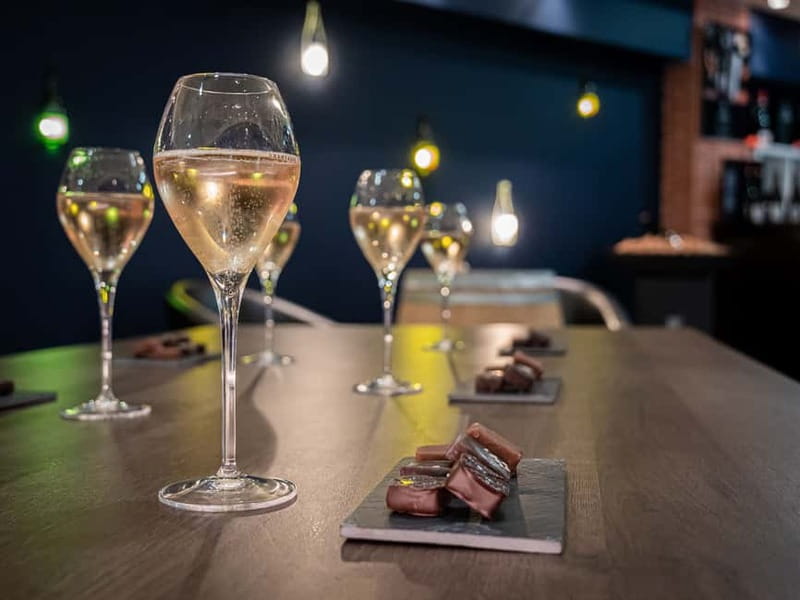
- Three thoughtful pairings: The final tasting includes three Champagnes matched with three chocolates.
- A strong guide-led visit: Clémentine, Fanny, Katja, and other guides have been praised for clear, friendly presentations.
- Good for families: Children can receive juice, and the explanations work well for older children and teenagers.
- Plan your transport: The address is 10 Rue Jean York, but public transportation is limited and the meeting point can vary by booking.
A small Champagne house in the Marne Valley
Passy-Grigny sits in the Marne Valley, away from the best-known cellar doors of Reims and Épernay. That distance is part of the appeal. You are not simply moving from one famous brand to another. You are visiting a village-based Champagne house with a story tied to local growers and the Meunier grape.
The roots of Champagne Dom Caudron reach back to 1929. In that year, the priest Aimé Caudron brought together the winemakers of Passy-Grigny around an ambitious idea. The house now carries his name, and the visit uses that local beginning to explain how a cooperative can grow from village vineyards into a modern producer.
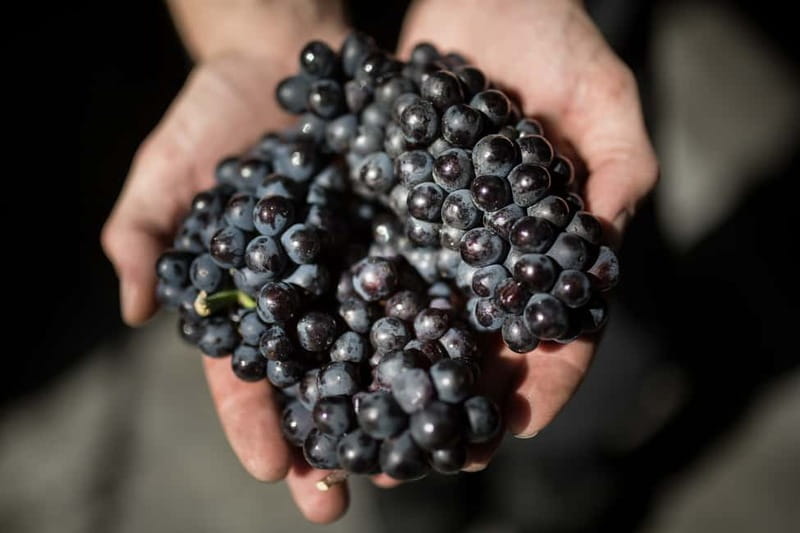
You will hear about the importance of Meunier, one of the three main grape varieties used in Champagne. The supplied information describes the village story as central to the house, so this is a useful stop if you want more than a polished brand presentation. It connects the bottle in your glass to the growers and production work behind it.
The setting also makes this a good break from the busier Champagne routes. One visitor described it as a welcome change from the major tours around Reims and Épernay. If you have several days in the region, this outing gives you a reason to see more of the Marne Valley rather than staying in the two main cities.
More Champagne Tours in France
- Paris: Moulin Rouge Cabaret Show Ticket with Champagne
★ 4.7 · 16,088 reviews - Paris: Paradis Latin Cabaret Show with Optional Champagne
★ 4.6 · 2,231 reviews - Paris 3-Courses Gourmet Dinner Seine River Cruise with Champagne
★ 4.0 · 1,659 reviews
The 75-minute guided tour
The tour itself lasts about 75 minutes, with the full activity taking roughly 90 minutes. That leaves time for the tasting and any transition between the production areas and tasting space.
Your guide leads the visit in English or French. The English presentation is the key point for international visitors, since the subject can become technical quickly. You will hear about Champagne production and see how the process has changed from the first press used by the Passy-Grigny growers to the current vat house.
The tour is designed for both beginners and people who already know a little about Champagne. If you are new to the subject, the production sequence gives you a useful framework. If you already understand the basics, the local cooperative story and modern equipment add a more specific sense of place.
A short film is also part of the presentation. It covers the harvest and Champagne-making process. The film may feel less current than the rest of the visit, but it helps set up the explanation before you see the working production areas.
Do not expect a long historical tour of the entire Champagne region. The emphasis is on how Champagne is made at Dom Caudron. One useful way to think about it is this: the grand houses often lead with famous names, old cellars, and prestige. This visit leads with growers, equipment, production, and tasting.
That difference matters. If you want a broad account of Champagne’s past, you may find the history limited. If you want to understand what happens between grape harvest and finished bottle, the focus is more useful.
From the first press to the modern vat house
The most interesting detail in the visit is the contrast between the early village operation and the current facility. You are shown how the first Passy-Grigny growers pressed their grapes, then introduced to the modern vat house used today.
That comparison gives the tour a physical shape. Instead of hearing a list of production terms in a room, you can connect the house’s origins with its present-day work. It also helps explain why the Dom Caudron story is tied to cooperation among local growers.
The modern vat house is not presented as a theatrical backdrop. It is part of the explanation. You get a look at the production side of Champagne, which is a useful change from tours that spend most of their time in historic cellars or showrooms.
The visit also includes showrooms and a video presentation. These help fill in the gaps between the different stages of production. The guide remains important here, since the best part of the tour is the chance to ask questions and have the process explained in plain English or French.
Guides named in visitor feedback include Clémentine, Fanny, and Katja. Their presentations have been described as warm, funny, clear, and personal. You should not assume you will have one particular guide on your date, but the repeated praise for the guiding is one of the strongest reasons to book.
Three Champagnes and three chocolates
The tasting is the reward at the end, but it is not an afterthought. You taste three Champagnes with three chocolates, giving you three chances to notice how sweetness and texture affect the wine.
This format is especially helpful if you are not confident at tastings. You do not need to arrive with a vocabulary of citrus, brioche, minerality, or other wine terms. The guide can give you a point of comparison, and the chocolate makes the differences easier to notice.
The pairing also broadens the appeal of the visit. Someone in your group may be curious about production while another person is mainly interested in the food. Here, both parts are built into the same short program.
The Champagne itself has been a major strength of the experience. The chocolates are also repeatedly praised, with descriptions ranging from delicious to superb. That does not mean every palate will favor every bottle, of course, but the tasting offers enough variety to make the $32 price easier to justify.
A child can be offered juice instead of Champagne. That makes the visit workable for families, particularly those with teenagers or older children who can follow a guided explanation. It is still a wine-focused activity, so very young children may find the production section less engaging, but the tasting arrangement is considerate.
One memorable detail from a family visit was a demonstration of opening a bottle with a sabre. That is not something I would treat as guaranteed on every departure, but it shows the kind of personal touch that can make a small-house visit more memorable.
Same town, a different glass:
- Loire Valley Castles Day Trip from Paris with Complementary Wine
★ 4.5 · 3,907 reviews - Bordeaux: Cité du Vin Entry Ticket and Wine Tasting
★ 4.6 · 3,885 reviews - Bordeaux: River Garonne Cruise with Glass of Wine and Canelé
★ 4.5 · 3,630 reviews - Normandy D-Day Small-Group Day Trip with Omaha Beach, Cemetery & Cider Tasting
★ 5.0 · 2,786 reviews
Why the $32 price makes sense
At $32 per person, this is not the cheapest way to taste Champagne. You are paying for a guided production visit as well as the drinks and chocolates. The value depends on whether you want to understand the house, not just sample a glass.
For the full package, the price is fair. You receive about 75 minutes of explanation, access to the production story, a live guide in English or French, three Champagnes, and three chocolates. A simple tasting without the tour might cost less, but it would not give you the same context.
The visit also compares well with larger Champagne tours. Big producers can offer grander spaces and more famous labels, but a small house can provide a more direct connection to local growers and current production. Several comments describe this visit as personal and good value, with one person calling it better than the larger tours.
The price is less attractive if you are only looking for a quick drink. The tour takes 90 minutes, and the facility is outside the main city circuit. Add transport costs, and the total day can become more expensive than the headline price suggests.
My advice is to combine it with other stops in the Marne Valley. That way, the drive becomes part of a day in the region rather than a special trip only for a short tasting.
Getting to 10 Rue Jean York
The listed address is Champagne Dom Caudron, 10 Rue Jean York, in Passy-Grigny. The exact meeting point can vary depending on the option booked, so check your booking details before setting out.
Transport is the practical weakness. Public transportation is not available in a useful way, and Uber or Bolt may be the only alternative if you do not have a car. Renting a car gives you more freedom to see the surrounding villages, but you must plan carefully around Champagne tastings and driving.
If you are coming from Reims or Épernay, allow time for the trip and do not schedule the visit too tightly against another appointment. The tour itself is 90 minutes, but transport, parking, and the need to find the correct meeting point all require a little breathing room.
The rural setting is part of the pleasure, but it is not as convenient as walking to a cellar in central Reims. That tradeoff is clear: you give up ease for a quieter village visit and a more local feel.
The activity is wheelchair accessible. If accessibility is important to you, confirm the exact meeting point and any specific requirements when booking, since the meeting location can vary by option.
The right fit for families and first-time tasters
This tour suits first-time Champagne visitors particularly well. The guide explains the production process in a way that gives you a foundation for later tastings. Afterward, you will have a better idea of what you are drinking and why different Champagnes may taste different.
It also works well for couples who want something more engaging than a tasting counter. The chocolate pairings give the final section a relaxed, food-focused mood, while the tour provides enough substance to make the visit feel worthwhile.
Families with older children and teenagers are another good match. Juice can be offered to a child, and the sabre demonstration may add a bit of drama. Still, remember that the central subject is Champagne production, so the experience will be most rewarding for children who can follow a 75-minute guided visit.
This may not be the best choice if you want underground historic cellars, a large museum, or a sweeping account of the Champagne region. The house is more interested in production and local growers than in putting on a grand historical show.
It is also not ideal for a very tight itinerary based only in Reims. The trip to Passy-Grigny needs planning, and the convenience of city-center wineries may matter more to you than the smaller-house atmosphere.
What I would watch for on the day
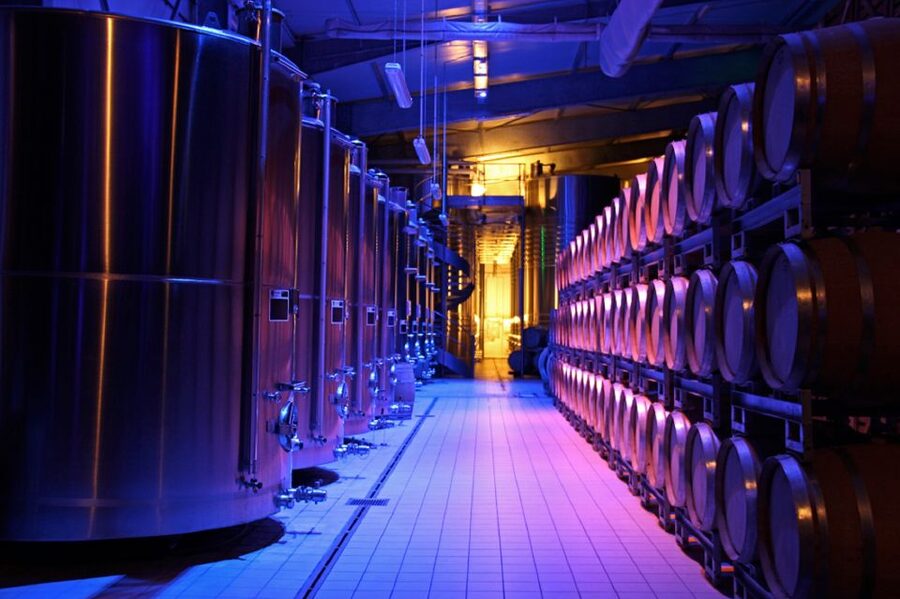
The tour is advertised as 90 minutes, but some visits may run a little over an hour depending on the pace of the group and the tasting. That is usually enough time for a useful introduction without turning the day into a long technical seminar.
I would arrive ready to listen rather than expecting an unstructured tasting. The guide is central to the experience, and the best value comes from asking questions about the equipment, the local growers, the Meunier grape, and the Champagne-making process.
The tasting should be approached as a comparison rather than three unrelated pours. Try each Champagne with its chocolate and notice what changes. Even if you are not a wine expert, the pairing gives you an easy way to think about balance and sweetness.
The English tour is a real advantage for international visitors, but availability depends on the departure you book. Confirm the language when you reserve. French is also available.
Cancellation is flexible: you can cancel up to 24 hours ahead for a full refund. You can also reserve now and pay later, which helps if your Champagne itinerary is still changing.
Should you book the Dom Caudron tasting?
Book it if you want a friendly, production-focused Champagne visit with a clear local connection and a tasting that includes food. The combination of three Champagnes and three chocolates is distinctive, and the $32 price is reasonable for the amount included.
I would especially recommend it to first-time visitors, families with teenagers, and anyone who has already toured the major houses and wants a smaller setting. The visit gives you a useful look at the work behind the bottle without taking up a whole day.
Skip it if your main goal is a famous-brand cellar, a long historic tour, or an easy walk from central Reims. The transport is the one real nuisance, and the short film and production focus may feel limited if you want a larger museum-style visit.
For most people with a car and half a day in the Marne Valley, this is a smart addition. You get a local story, a practical explanation of Champagne production, and a pleasant finish with chocolate in the glass-tasting room.
FAQ
Where does the Chocolate and Champagne Tasting Tour take place?
The experience takes place at Champagne Dom Caudron, 10 Rue Jean York, in Passy-Grigny in France’s Grand Est region.
How long does the activity last?
The full activity lasts about 90 minutes. The guided tour itself takes approximately 75 minutes.
Is the tour available in English?
Yes. The tour is available with a live guide in English or French. Check the selected departure when booking.
What is included in the tasting?
You receive a Champagne tasting with three Champagnes paired with three chocolates.
Is the tour suitable for children?
Yes. Children can be offered juice instead of Champagne. The guided production visit may suit older children and teenagers best.
Is the activity wheelchair accessible?
Yes, the activity is listed as wheelchair accessible. Since the meeting point can vary by booking option, confirm the details when reserving.
Can I cancel the booking?
You can cancel up to 24 hours in advance for a full refund. The activity also offers a reserve-now, pay-later option.
More Dessert Tours in France
- Paris French Sweets Tasting Tour with Pastries and Chocolates
★ 4.5 · 947 reviews - Libourne: Winery Tour with Wine and Chocolate Tasting
★ 4.9 · 74 reviews - Award-Winning Geneva Chocolate &Old Town Tour with Boat Ride (3h)
★ 5.0 · 3,721 reviews - Melbourne: Yarra Valley Wine, Gin, Whisky and Chocolate Tour
★ 5.0 · 3,667 reviews
Just added around France
- Saint Emilion Full Day Wine and Bike Tour★ 5.0 · 167 reviews
- Professional – Bordeaux Wine and Cheese Tasting with a walking tour★ 5.0 · 218 reviews
- Bordeaux Wine and Trade Museum Admission Ticket with Wine Tasting★ 4.5 · 599 reviews
- Medoc Afternoon Wine Tour – 2 Wineries, tastings & delicacies★ 4.5 · 74 reviews
- Discovery of the Bordeaux vineyard in 3 wines★ 5.0 · 133 reviews
- Bordeaux Wine Masterclass: Blending workshop with appetizer★ 5.0 · 113 reviews
- Saint-Emilion Small-Group Electric Bike Wine Tour Tastings & Lunch from Bordeaux★ 5.0 · 383 reviews
- Saint-Emilion Winery Morning Tour with Local Guide★ 5.0 · 67 reviews
Champagne Tours, compared.
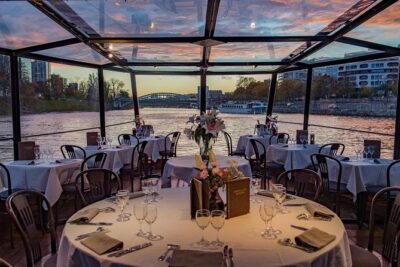
Paris 3-Courses Gourmet Dinner Seine River Cruise with Champagne
Read our review →
Top Private Cruises in Paris with French Champagne and surprises
Read our review →
Day Trip to Champagne with 8 Tastings & Lunch
Read our review →

First Show Moulin Rouge with Champagne & Seine Cruise
Read our review →

Private Boat Ride in Miami with Experienced Captain and Champagne
Read our review →
Browse the lists this tour appears in