
Review · JAPAN
Nagano: Snow Monkeys, Zenkoji Temple & Sake Day Trip
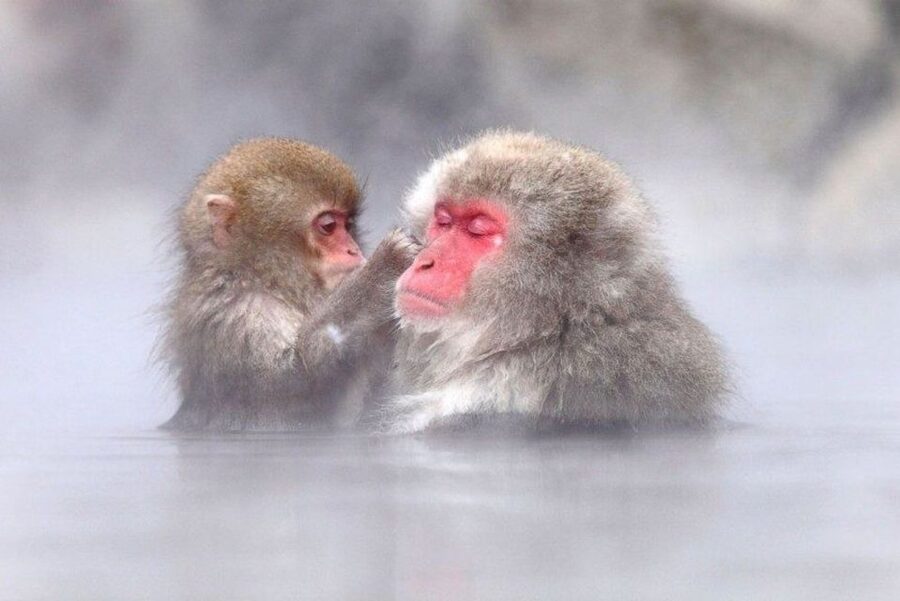
Japan’s famous snow monkeys are the headline act here, but the clever part is the order of the day. You get Buddhist culture, local food, sake, and wildlife in one well-planned outing, rather than spending half your day sorting out buses to the park.
I especially like the excellent mix of experiences and the generous lunch, which has been described as one of the best meals of many visitors’ Japan trips. I also like the guides. Names such as Tom, Dylan, Brent, Hiroshi, Kevin, and Jens appear across the departures, and the guiding style is warm, lively, and full of useful local detail.
The main catch is the walk to the monkey park. It is about 1.6 kilometers there and back, and snow or packed ice can make the forest trail slippery. This is not the day for heels, sandals, or smooth city shoes.
Key points at a glance
- Zenkoji Temple comes first for many departures: Allow about 90 minutes for the temple grounds, approach streets, and Buddhist traditions.
- Sake tasting is more than a quick sip: You sample several types and learn about brewing and production before lunch.
- Lunch is a real part of the experience: Expect a substantial regional meal, with vegetarian choices and possible beef, seafood, or vegetable options.
- Jigokudani Monkey Park allows 2.5 hours: That gives you time for the forest walk, viewing area, and photographs without a frantic dash.
- Winter footwear matters: Crampons or traction aids may help on packed snow and ice, though they are not included.
- The tour suits active sightseers: It is a full day, with bus rides, walking, and no wheelchair access.
Why this makes a strong Nagano day trip
Nagano is easy to treat as a transport stop between Tokyo and the ski towns. That would be a shame. This day shows you why the area matters: Zenkoji gives you centuries of Buddhist culture, the sake tasting connects you with a local craft, lunch puts regional food on the table, and the monkey park delivers a memorable bit of wildlife.
At $135 per person, the cost is reasonable if you want the whole package. The price includes transport between the stops, an English-speaking guide, lunch, sake tasting, and entry to Jigokudani Monkey Park. Doing the monkey park independently can cost less in some circumstances, but you would need to arrange the transport, park ticket, timing, and navigation yourself.
The real value is time. You can sit back on the coach while the guide explains what you are seeing, then move through the day without repeatedly checking bus schedules. If you are coming from Hakuba, that convenience matters even more.
This is a shared tour, not a private outing. The group size and vehicle can vary, and taller people may find the bus a little tight. Still, the transport is one of the most praised parts of the experience, and the day is generally paced so that you are not rushed from one stop to the next.
More Sake Tastings in Japan:
- 1-Day Snow Monkeys, Zenko-ji Temple & Sake in Nagano
★ 5.0 · 1,020 reviews - 3-Hour Kyoto Insider Sake Brewery Tour with Tastings & Pairings
★ 5.0 · 917 reviews - Kyoto: Insider Sake Brewery Tour with Sake and Food Pairing
★ 5.0 · 704 reviews
Starting from Nagano or Hakuba
The standard meeting point is Nagano Station at 9:35 AM. In winter, the operator may open an earlier 9:00 AM Nagano departure once the later departure fills, so check your confirmed time carefully.
If you are staying in Hakuba, winter pickup options include Hakuba Tokyu Hotel in the Wadano area at 7:40 AM and Hakuba Happo Bus Terminal at 7:55 AM. Other listed pickup and drop-off points include Tsugaikekogen Heights, Happo Information Center, and Hotel La Vigne Hakuba by Onko Chishin.
The Hakuba version is especially useful during a ski holiday. You can spend one day away from the slopes without arranging a complicated public transport connection. The return to Nagano Station is scheduled for about 5:30 PM, while the Hakuba service usually returns around 6:45 PM.
Do not assume you can request a different hotel pickup. The tour uses set meeting points, and it is not designed for private transfers. One useful detail is that the larger bus can carry luggage, but confirm your arrangement before the day if you need to change vehicles or continue to Hakuba.
Walking through Zenkoji Temple
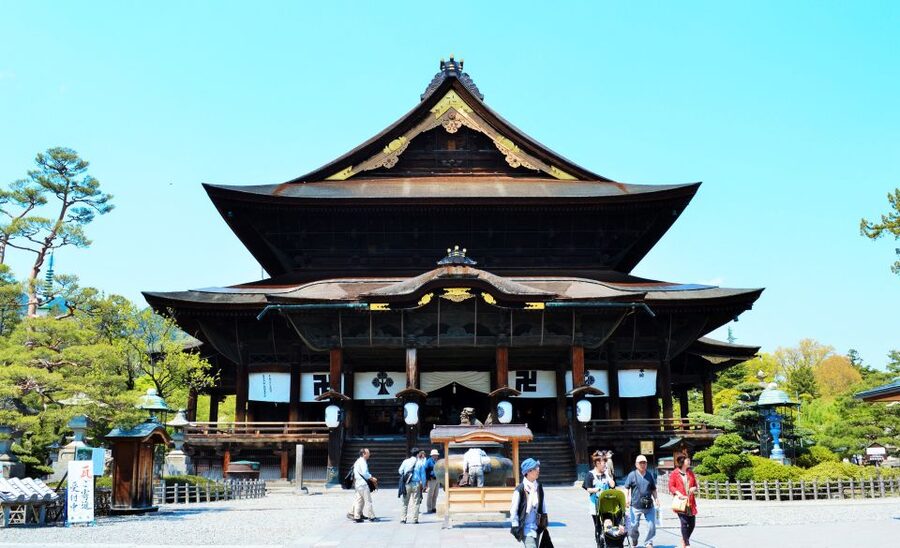
The day usually begins with a short bus ride from Nagano Station to Zenkoji Temple. The ride itself is brief, but the temple visit gives the day a proper cultural opening before the wildlife stop.
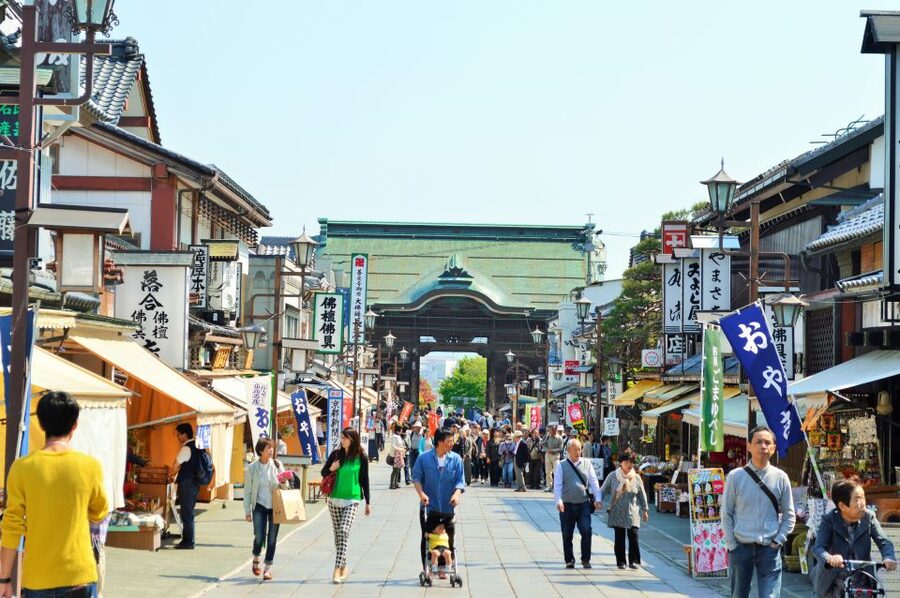
Zenkoji is one of Japan’s oldest and most important Buddhist temples. Your guide leads you through the grounds and explains the customs, symbols, and history that are easy to miss if you simply arrive, take a few photographs, and leave.
The approach to the temple passes through a traditional town area, and that walk helps you understand the setting. Several guides, including Brent, Dylan, and Kevin, have been singled out for explaining local history and daily life in an engaging way. The best guides do not simply recite dates. They point out what to notice and leave room for questions.
You may also have the chance to enter the dark passage beneath the temple. This optional inner sanctuary experience is not included in the tour price. It is pitch black, so you move by touch rather than sight. That sounds simple, but it gives you a physical sense of Buddhist practice that a standard temple photo cannot provide.
The temple stop lasts about 1.5 hours. That is enough time for a guided introduction and some independent wandering, though you should not expect to explore every corner of the large complex. If you want a slow, detailed temple visit, you may wish you had more time. If you are trying to see several Nagano highlights in one day, the balance works well.
A useful introduction to Nagano sake
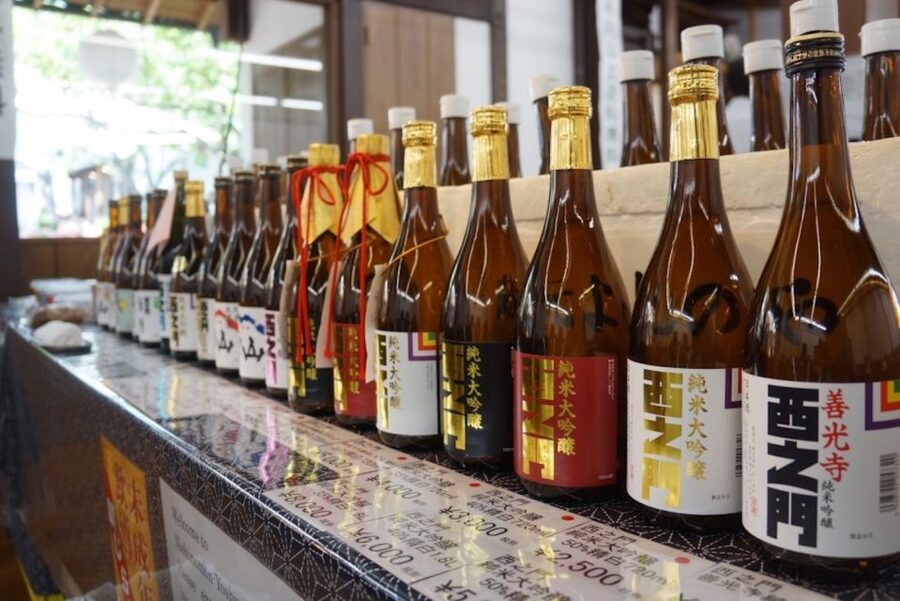
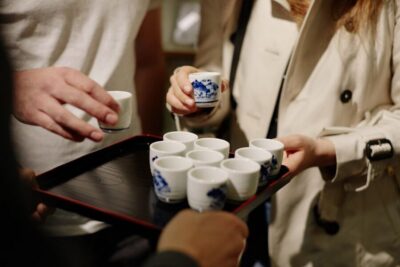
After Zenkoji, the group stops at a local sake tasting location. This is not just a token drink before lunch. You taste several varieties from different producers and learn about the ways sake is made and served.
The tasting is a good fit for beginners because you can compare styles rather than trying to understand Japanese sake from a single sample. Your guide can explain the basics in plain English, and the stop adds a local food connection to what could otherwise be a very sightseeing-heavy day.
You must be at least 20 years old to drink alcohol in Japan. If you are younger or do not drink, non-alcoholic sake is available. Additional drinks and snacks are not included, so treat the tasting as an included sample rather than an open bar.
The timing also works well. The tasting lasts about 30 minutes and comes before lunch, giving you a short change of pace without taking over the day. If you already know a lot about sake, the explanation may feel introductory. For most people, it is a friendly and useful first look at one of Japan’s best-known drinks.
A few more tastings around Japan worth a look
- Tuscany Day Trip from Florence: Siena, San Gimignano, Pisa and Lunch at a Winery
★ 5.0 · 21,634 reviews - Rome: Tuscany & Montepulciano Day Trip with Lunch & Wine Tasting
★ 4.5 · 5,232 reviews - Marrakech: Ouzoud Waterfalls Guided Day Trip with Boat Ride
★ 4.4 · 4,995 reviews - San Gimignano, Siena, Monteriggioni, Chianti Day Trip with Lunch & Wine Tasting
★ 4.5 · 4,432 reviews
A generous regional lunch in an old setting
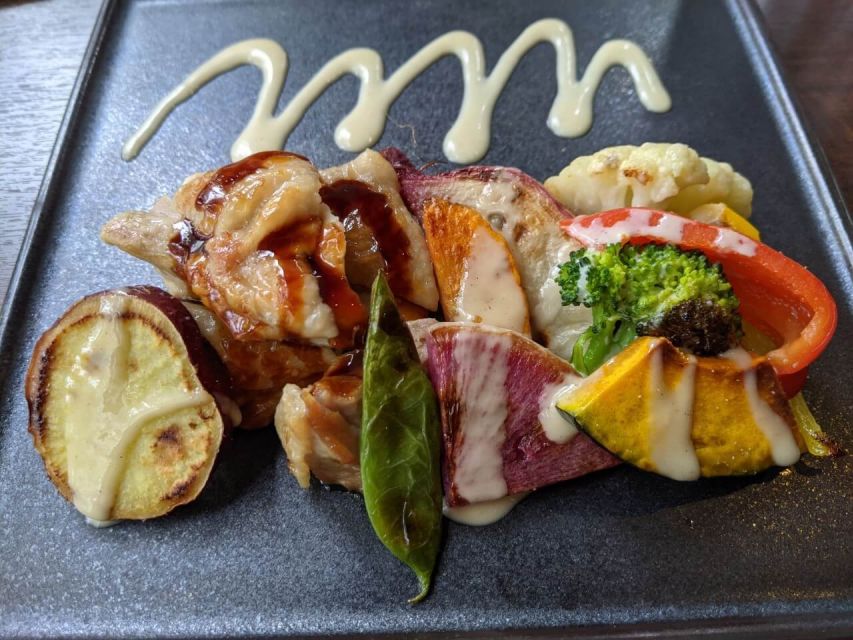
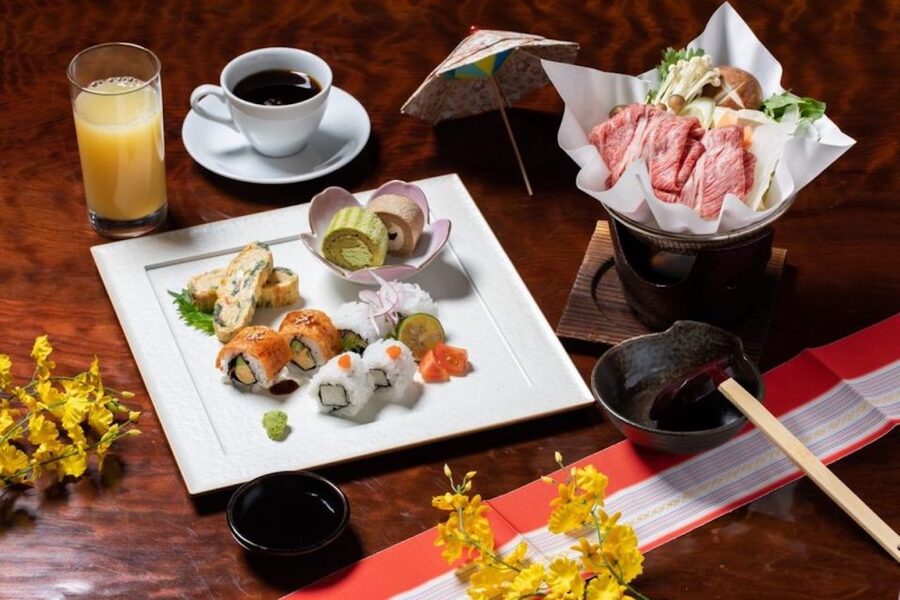
Lunch is one of the strongest parts of this outing. The meal is designed to show off Nagano food, and it is more substantial than the light boxed meal you might expect on a day tour.
Descriptions of the meal include miso soup with a choice of beef, seafood, or vegetables, along with tempura and sushi. Some departures have eaten in a beautiful old restaurant in a building more than 150 years old. The exact restaurant and menu can change because of availability, but the focus remains on a filling local meal.
This is important because you still have the monkey park ahead. The forest walk is not extreme, but you will appreciate having eaten properly before heading out into the cold. The meal also gives you a chance to sit down and talk with the guide and other people in the group.
Vegetarian options are available. Tell the operator about allergies in advance, not when you sit down. If you are gluten-free, be especially clear about your needs. One experience included limited choices, with plain rice replacing items such as sushi, so you should not assume that a standard menu can be adapted fully.
The forest walk to Jigokudani Monkey Park
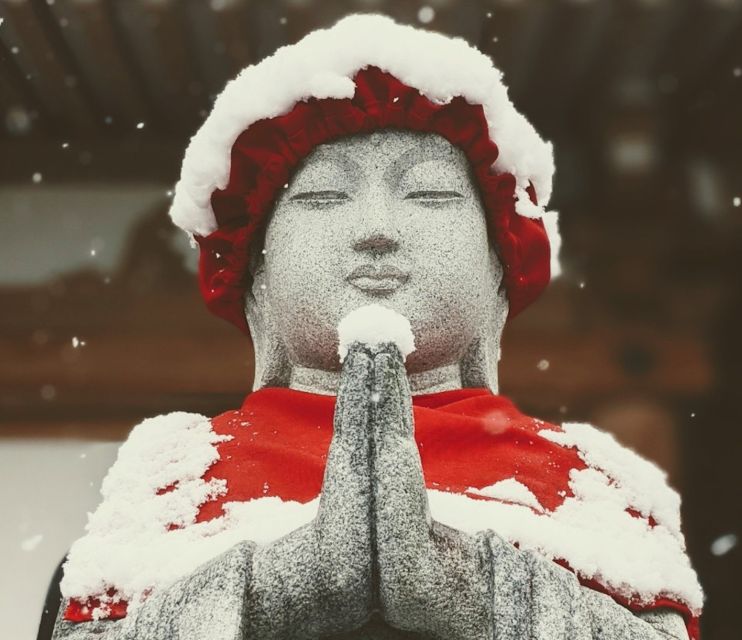
After lunch, the coach continues to Jigokudani Monkey Park. This is the part most people have been waiting for, and the setting adds to the appeal. You leave the road and follow a forest trail toward the hot springs where Japanese macaques sometimes bathe.
The total walk to and from the park is about 1.6 kilometers. The route is generally manageable and fairly flat, but winter changes the equation. Snow, slush, and packed ice can make sections slick, especially on grades. Wear sturdy walking shoes with good grip, and consider bringing traction aids or buying simple crampons locally if conditions are icy.
The park visit lasts about 2.5 hours, which is generous by day-trip standards. You have time to walk in, watch the monkeys, take photographs, and return without treating the trail like a race. Your guide can offer practical advice at the park, but you also get time to look around at your own pace.
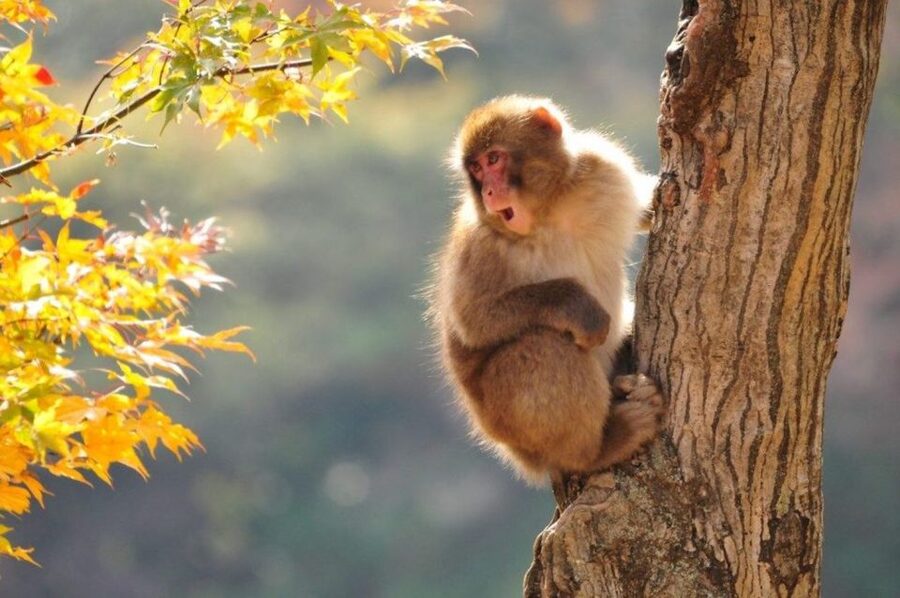
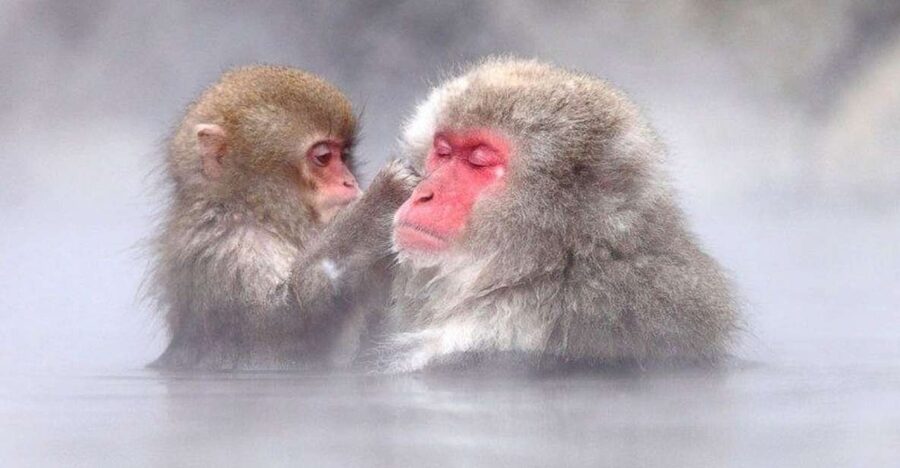
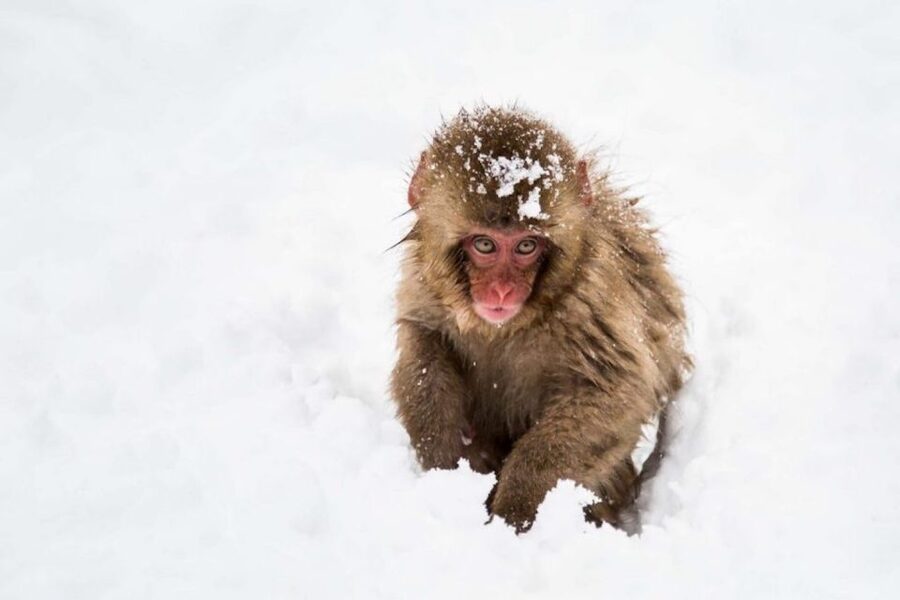
The macaques are wild animals, not performers. They may be soaking in the hot water, grooming one another, playing, eating, or simply sitting still. On some days, hundreds can be active around the pools. On others, you may see fewer. There are a few days each year when the monkeys may not come down to the park at all.
That uncertainty is worth understanding before you book. The park is famous for bathing monkeys, but nature does not follow a timetable. Cold winter weather often creates the classic snowy setting, yet even in winter you are not promised a particular number of animals.
Keep your camera ready, but follow the park rules and do not try to feed or touch the monkeys. You are close enough for excellent photographs without needing to disturb them. The combination of snow, steam, forest, and relaxed macaques is genuinely unusual.
What the guides add
A good guide makes this tour much better than a simple shuttle. Names vary by departure, but guides such as Tom, Dylan, Brent, Hiroshi, Kevin, Jens, John, and Kieron have led recent groups.
The best guiding moments come between the main stops. Guides have explained Nagano’s plants, local customs, temple practices, sake production, and practical details such as where the trail may be slippery. Some have kept the bus ride lively with trivia, stories, and restaurant advice. Others have helped with luggage changes or recommended places to visit later in Japan.
You should not expect every guide to deliver the same personality or exact commentary. The tour is in English, and the guide’s job is to keep the group together while giving context, not to provide a private lecture for each person. Still, the human element is a major reason to choose this organized trip over going alone.
Timing, comfort, and who should book
This is an 8 to 12 hour experience, depending on your starting point and transport option. From Nagano, it is a long but efficient day. From Hakuba, it becomes a full excursion with an early start and an evening return.
You should book this if you want to combine the snow monkeys with culture and food, rather than making the park your only goal. It is also a strong choice for a first visit to Nagano, for families with older children, and for people skiing in Hakuba who want a day away from the mountain.
It is less suitable if you dislike group tours, need a flexible private schedule, or have difficulty walking on uneven or slippery ground. The experience is not suitable for wheelchair users or people with significant mobility limitations.
Pack light. A small, easy-to-carry bag is better than a large daypack on the forest trail. Bring warm layers, gloves, and shoes with real grip. High heels and sandals are specifically unsuitable.
The tour can adjust its order when conditions or local events require it. Some departures have visited the monkey park first and Zenkoji later to improve the chance of seeing active monkeys. That flexibility is sensible, but it means the exact sequence may not match your expectation.
Is the $135 price fair?
For a simple ride to the monkey park, $135 would be expensive. For a full day with four distinct elements, it is easier to justify.
You receive:
- Transport between Nagano, Zenkoji, the tasting stop, lunch, and the monkey park
- An English-speaking local guide
- Entry to Jigokudani Monkey Park
- Lunch, including vegetarian options
- Sake tasting
- A winter shuttle from Hakuba when that option is booked
Zenkoji’s optional inner sanctuary entry, bullet train tickets, and extra food or drinks cost more. The tour does not include your journey to Nagano, so a Tokyo-based visitor must add the bullet train fare to the day’s total.
I see the value in the tour most clearly if you are already staying in Nagano or Hakuba. From Tokyo, it is possible to make the trip in a day, but the rail journey adds cost and makes the schedule longer. If you are already nearby, the organized transport and guide remove most of the day’s friction.
Final call: should you book it?
Book this day trip if you want an easy, well-rounded introduction to Nagano and you are comfortable with a long day and a slippery forest walk. The monkeys are the emotional high point, but Zenkoji, the sake tasting, and the hearty lunch keep the day from feeling like a single-purpose wildlife outing.
I would choose it over an independent monkey park visit if this is your first time in the area, especially from Hakuba. You gain local context, a reserved park entry, food, and direct transport in one package.
Skip it if you want a quiet private temple visit, cannot manage 1.6 kilometers on uneven ground, or are visiting only for guaranteed monkey photographs. No tour can control the animals. For everyone else, this is a strong-value day that packs Nagano’s best-known sights into a practical route without making you plan every connection yourself.
FAQ
Where does the tour begin?
The standard meeting point is Nagano Station at 9:35 AM. Winter departures from Hakuba can begin at Hakuba Tokyu Hotel, Hakuba Happo Bus Terminal, or other listed Hakuba pickup points, depending on the option booked.
How long does the day trip last?
The experience lasts about 8 to 12 hours. The Nagano version is scheduled to finish at Nagano Station around 5:30 PM. The Hakuba winter version generally returns around 6:45 PM.
Is lunch included?
Yes. Lunch is included, and vegetarian options are available. Tell the operator about food allergies in advance so arrangements can be made.
Is sake tasting included?
Yes. The tour includes a tasting of several sakes and an explanation of the drink. You must be at least 20 years old to consume alcohol in Japan. Non-alcoholic sake is available for people who do not drink or are underage.
How much walking is involved?
The walk to and from Jigokudani Monkey Park is about 1.6 kilometers. The forest path may be slippery in winter, so wear suitable walking shoes and consider traction aids in icy conditions.
Can I enter the inner sanctuary at Zenkoji Temple?
The inner sanctuary is optional and is not included in the tour price. Ask your guide about the entry arrangements on the day.
Are the monkeys guaranteed to appear?
No. The monkeys may not come down to the park on a few days each year. The tour usually provides time to look for them, but animal behavior and weather cannot be guaranteed.
More Winter Activities in Japan
- Niagara Falls: Winter Niagara Wine Tour with Transportation
★ 4.4 · 54 reviews - Lake Como Boat tour share- prosecco and winter cover
★ 4.7 · 53 reviews
Just added around Japan
- Tokyo: Shinjuku Izakaya and Golden Gai Bar Hopping Tour (2h)★ 4.9 · 67 reviews
- Tokyo: Sushi Cooking Class with Sake Tasting★ 4.8 · 55 reviews
- Tokyo: Shinjuku Bar Hopping & Night Walking Tour★ 4.6 · 137 reviews
- Tokyo: Sushi and Ramen Cooking Class with Sake Pairing Set★ 5.0 · 81 reviews
- Tokyo: Ramen Tasting Tour with 6 Mini Bowls of Ramen★ 4.9 · 432 reviews
- Takayama: Authentic Sake Tasting at a Historic Brewery★ 4.8 · 50 reviews
- Shibuya Meltdown Night Tour: All-You-Can-Drink Bar Hopping★ 4.8 · 183 reviews
- Tsukiji: Unlimited Sake Tasting Experience★ 4.9 · 67 reviews
Sake Tastings, compared.

3-Hour Kyoto Insider Sake Brewery Tour with Tastings & Pairings
Read our review →
Insider Sake Brewery Tour with Sake and Food Pairing
Read our review →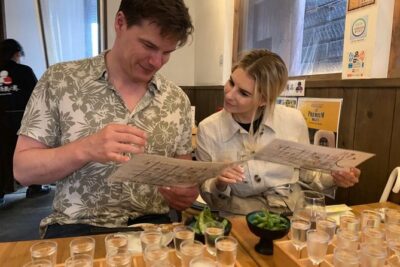
Düsseldorf: Sushi, Sake & Japanese Lifestyle Tour
Read our review →
Insider Sake Experience with 7 Tastings and Snacks
Read our review →
KOBE Sake Tasting Tour at Breweries (tasting fee included)
Read our review →
Sushi and Ramen Cooking Class with Sake Pairing Set
Read our review →Browse the lists this tour appears in