
Review · JAPAN
Kobe: Guided Sake Breweries Tour with Tastings
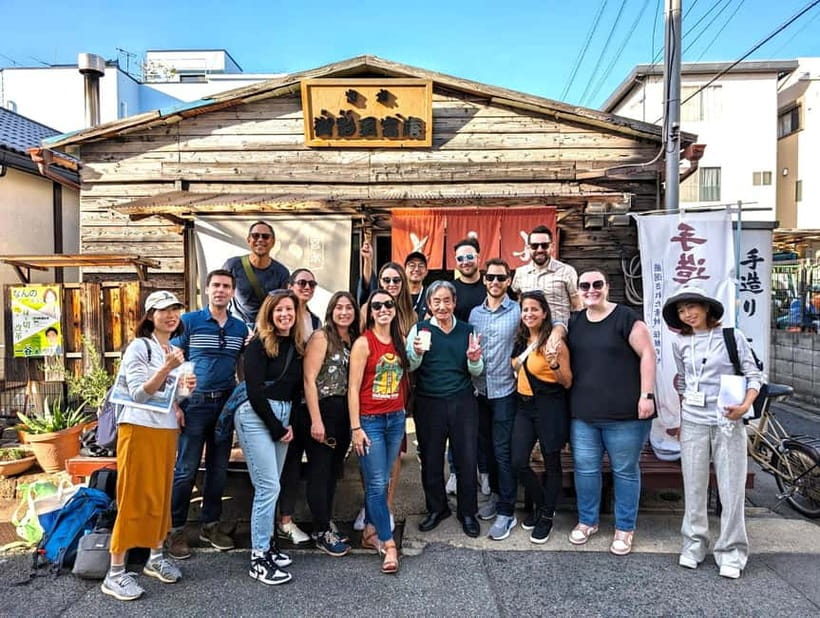
Nada is Kobe’s sake heartland, and this tour gives you a fine way to taste it one brewery at a time. You’ll visit three to four breweries and museums, sample different styles, and see how water, rice, yeast, and patient craft shape the drink. Guides such as Hiro and Romi also add plenty of local color.
I like the mix of major producers and smaller, more personal stops. I also like the fresh tofu tasting at Okage Tofu-an, a welcome change from an afternoon built around alcohol. The main drawback is the 4-kilometer walk, and by the final tasting some people may feel the sake more than they expected.
Key points at a glance
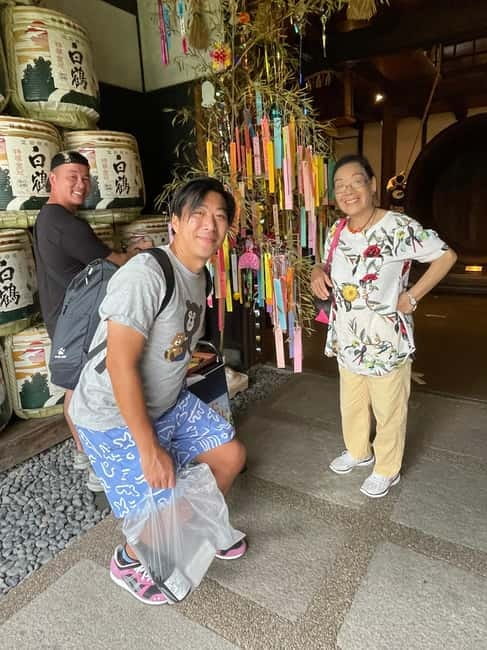
- Nada’s sake district: Walk through one of Japan’s leading sake-producing areas, home to more than 26 breweries.
- Four distinctive stops: Visit Kobe Shushinkan, Okage Tofu-an, Hakutsuru, and Kiku-Masamune, with the exact mix subject to closing days and weather.
- Traditional and modern brewing: Compare handcrafted Fukuju sake, historic wooden tools, museum displays, and large-scale production.
- English-speaking guides: Hiro, Romi, Fuma, Aya, Aki, and Hiroman have led this experience at different times, with a warm and lively style.
- A real walking tour: Cover about 4 kilometers between Ishiyagawa and Uozaki stations, so comfortable shoes matter.
- Good souvenir opportunity: Bring a backpack for bottles and other brewery purchases.
Why Nada is the right place for a sake tour
Kobe’s Nada district is not just a convenient collection of tasting rooms. It is one of Japan’s best-known sake-producing areas, with more than 26 breweries spread through the district. That concentration lets you compare producers without spending a day on trains.
The tour starts at Ishiyagawa Station on the Hanshin Line at 1 p.m. From there, you walk between stops and finish at Uozaki Station around 4:30 p.m. The route is about 4 kilometers, with short walks of roughly 10 minutes between most locations and one longer opening walk of about 20 minutes.
I like this setup because the walking gives the tasting a sense of place. You are not simply seated in one shop trying flights of sake. You move through the district, see the brewery surroundings, and notice how closely food, water, and brewing are tied together.
The group is limited to 10 people, which is a useful size for asking questions. It also makes a difference in small tasting spaces, where a large crowd could quickly feel cramped. The tour is conducted in English, and guides explain both the practical brewing steps and the wider role of sake in Kobe.
More Brewery Tours in Japan
- 3-Hour Kyoto Insider Sake Brewery Tour with Tastings & Pairings
★ 5.0 · 917 reviews - Kyoto: Insider Sake Brewery Tour with Sake and Food Pairing
★ 5.0 · 704 reviews - Kyoto Sake Brewery & Tasting Walking Tour
★ 5.0 · 623 reviews
Kobe Shushinkan and the Fukuju tradition
The first major stop is Kobe Shushinkan, a brewery that has made Fukuju sake since 1751. Its focus is handcrafted production, with attention given to ingredients, time, and the judgment of the brewers.
This is a good opening stop because it introduces sake as a careful agricultural product rather than simply a strong drink. You can learn how the character of sake depends on choices made long before the bottle reaches the shelf. The guide explains the brewing process, and the tasting helps connect those ideas to what is in your glass.
Fukuju is also a useful name to know. Some of its sake has earned a strong reputation in Japan, and the brewery presents itself as part of the local community rather than as a factory detached from its surroundings. The visit gives you a look at a producer that values small-batch skill and continuity.
The exact tasting lineup can change, so you should not expect one fixed list of bottles. That is part of the appeal, though it also means the experience will differ somewhat from one date to another. If you are new to sake, ask the guide to point out the differences between the samples instead of trying to judge everything on your own.
Okage Tofu-an, a smart break between tastings
Okage Tofu-an is not a brewery. It is a tofu shop that has been making fresh tofu each morning for more than 60 years. Its location among historic breweries makes sense: the shop also places great importance on clean water.
The tofu is made in the traditional way and is described as delicate, clean, and full of flavor. If the timing is right, you may also try freshly made ganmodoki, a tofu and vegetable fritter. This small food stop adds balance to the afternoon and gives you something to eat before the later tastings.
I particularly like this part of the route because it shows a side of Nada that a brewery-only tour could miss. Food and sake work well together, and a fresh, mild snack can help you pay closer attention to the next samples.
There is one important limitation. Okage Tofu-an is closed on Sundays and public holidays, so the tour will skip the stop and there will be no tofu tasting on those days. You should also eat something before joining. The included snacks are helpful, but they are not a substitute for lunch.
Hakutsuru’s museum and large-scale sake making
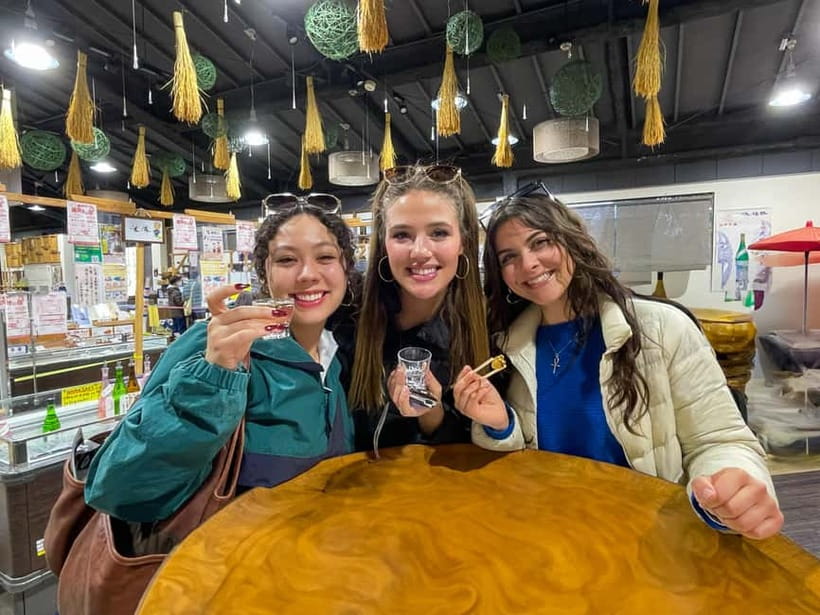
Hakutsuru Sake Brewery Museum offers a different view of production. Hakutsuru is Japan’s largest sake brewery, and its old brewhouse has been opened to the public in its original form.
The museum helps explain the older methods and equipment used to make sake. You can see how brewing was carried out before modern industrial systems became common, then compare that picture with Hakutsuru’s position as a major producer.
This contrast is one of the strongest parts of the tour. At Kobe Shushinkan, you hear about handcrafted production. At Hakutsuru, you see how a large company carries traditional ideas into a much bigger operation. The two stops give you a better sense of the range within Japanese sake.
There is a tasting corner and a shop in the same building. You can try more sake and buy bottles or souvenirs if something catches your eye. This is also where a backpack becomes useful. You do not have to buy anything, but the selection creates a tempting chance to take home a bottle that may be difficult to find elsewhere.
The museum visit lasts about an hour, making it the longest stop on the route. That gives you time to look at the displays without being rushed, though people who want only tastings may find the museum section more detailed than expected.
More Sake Tastings in Japan:
- 1-Day Snow Monkeys, Zenko-ji Temple & Sake in Nagano
★ 5.0 · 1,020 reviews - Nagano: Snow Monkeys, Zenkoji Temple & Sake Day Trip
★ 4.9 · 833 reviews - Kyoto: Insider Sake Experience with 7 Tastings and Snacks
★ 5.0 · 266 reviews - Osaka Sake Tasting with Takoyaki Cooking
★ 5.0 · 156 reviews
Kiku-Masamune and the old Kimoto method
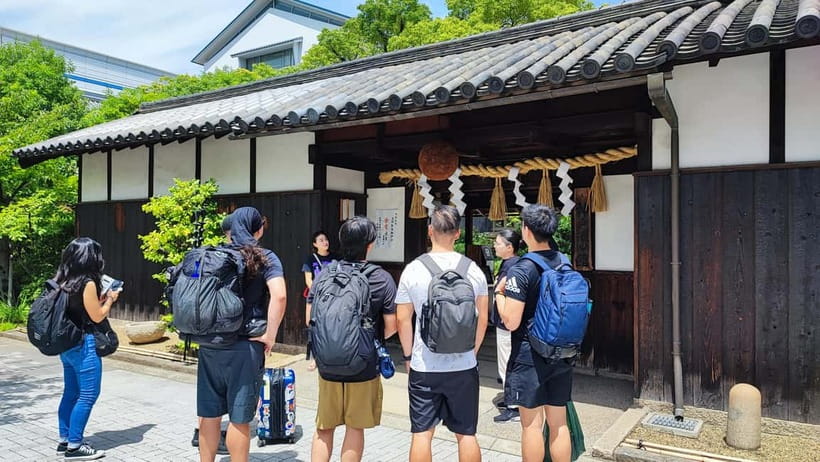
The final brewery stop is Kiku-Masamune, founded in 1625. It is known for preserving the traditional Kimoto method of yeast preparation, an older approach that demands more time and manual work than many modern methods.
You will see wooden sake-making tools in the museum and learn how the brewing process developed over time. The display helps make the earlier explanations more concrete. Instead of hearing only about rice polishing, fermentation, and yeast, you can connect those steps with the tools used by brewers in the past.
The tasting takes place near a Japanese garden, which gives this stop a calmer mood after several hours of walking and sampling. The setting is pleasant, but the main value is the comparison with the other breweries. Kiku-Masamune offers a clear look at a producer that continues to respect older brewing practice.
By this stage, you may have sampled enough sake to feel pleasantly loose, or simply ready for a train ride home. The amount you drink depends on the pours and your own pace, but you should not treat the afternoon as a light sightseeing walk with a token sample. It is a genuine tasting tour.
What the guides add to the afternoon
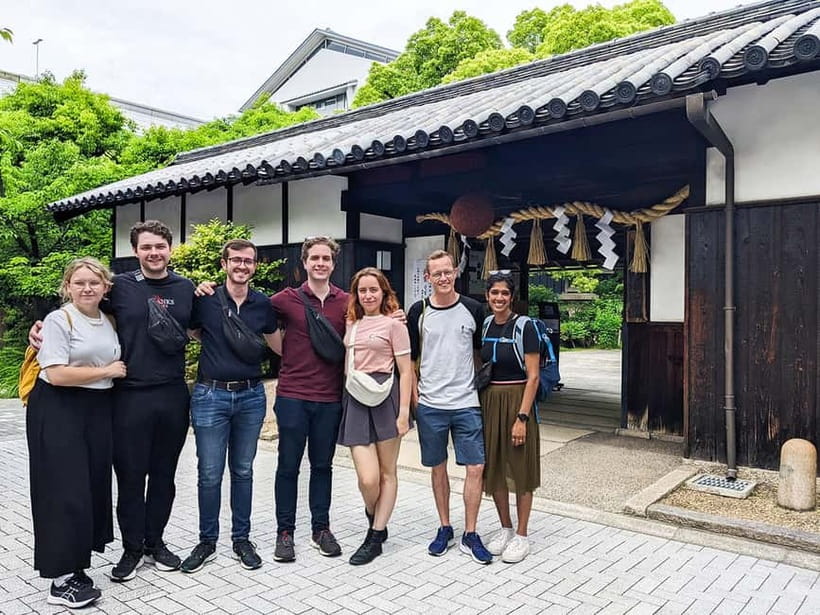
The guide can make or break a food and drink tour, and this experience places a lot of weight on that personal connection. Hiro receives especially strong praise for combining clear explanations with humor and energy. One memorable approach included costumes and accessories used to bring the subject to life.
Romi is also known for a warm, generous style and for explaining both the science and history of sake in an approachable way. Fuma, Aya, Aki, and Hiroman have also led tours, so your guide will depend on the date.
The common thread is that the guide does more than escort you from station to station. You can ask about the differences between breweries, the meaning of labels, brewing methods, and Kobe itself. One guide was also praised for explaining topics beyond sake, which is useful if you want a broader sense of the area.
The small group helps here. With no more than 10 participants, you should have a fair chance to ask questions and hear the answers. If you prefer to taste quietly without much discussion, this may feel more social than ideal. If you enjoy conversation and want help understanding what you are drinking, it is a good match.
Is $106 good value?
At $106 per person, this is not the cheapest way to sample sake in Kobe. You could visit one brewery museum independently for less. The price makes more sense when you count the guide, several brewery visits, tastings, snacks, and the time saved planning the route.
You are also paying for access to a set of places that would be awkward to combine efficiently on your own. The tour connects Ishiyagawa and Uozaki by foot and places the stops in a logical order. You do not have to work out which museums are open, where to taste, or how to compare the producers.
The value is strongest for first-time sake drinkers and for anyone who wants context with the alcohol. You learn why samples differ and how the district developed, rather than simply collecting small cups.
The value is less clear if you already know Nada well, speak Japanese, or plan to visit only one brewery. You may prefer to build your own route and spend longer at a single museum. For most short visits to Kobe, though, the combination of transportation-free walking, explanation, and tastings makes the price reasonable.
Practical advice before you book
Eat before the 1 p.m. meeting time. The tour includes snacks and, on suitable days, tofu, but you should not begin a sake tasting on an empty stomach.
Wear comfortable shoes. The route covers about 4 kilometers, with several walks between sites. This is not a bus tour with a short stroll at each stop.
Bring a small backpack rather than a suitcase or shoulder bag. Brewery shops sell sake and souvenirs, and a backpack is easier to manage while walking.
Plan your schedule carefully if you are visiting on Sunday or a public holiday. Okage Tofu-an will be closed, so you will miss the tofu tasting. Brewery stops can also change because of regular closing days or weather.
If you use a wheelchair or bring a stroller, tell the company when you reserve. The organizers ask for advance notice so they can consider the route. The experience is not suitable for anyone under 20 or for pregnant women.
Tourists with a passport can be exempt from tax on purchases over JPY 5,500 at breweries. Ask the staff about the purchase procedure if you plan to take home a bottle.
The tour allows free cancellation up to 24 hours before departure, and you can reserve now and pay later. These policies are useful if your Kobe schedule is still shifting, but the key practical choice is simpler: decide if you are comfortable walking several kilometers while tasting alcohol.
Who should take this tour?
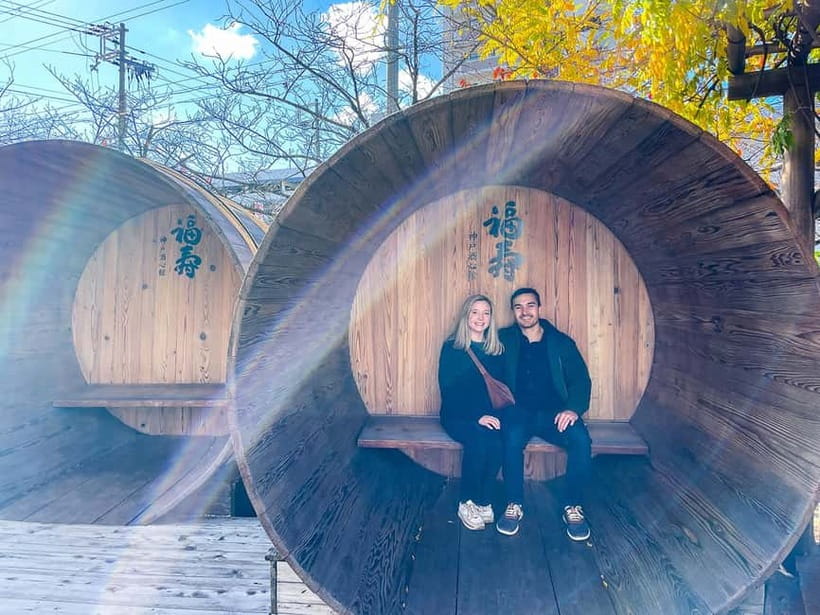
I would choose this tour if you want an introduction to sake that feels connected to the place where it is made. It suits curious drinkers, food-focused visitors, couples, solo visitors who enjoy small groups, and anyone who wants help choosing bottles in Japan.
It also works well for people who usually drink wine or beer. The tasting gives you several points of comparison, while the guides explain the differences without assuming you already know Japanese sake terms.
It is less suitable if you dislike alcohol, want a quiet museum afternoon, have difficulty walking 4 kilometers, or need a fully fixed itinerary. The brewery list can change, and the tofu stop disappears on Sundays and public holidays.
Should you book the Kobe sake tour?
Book it if you want more than a single tasting counter. The mix of Fukuju’s handcrafted approach, Hakutsuru’s large museum, Kiku-Masamune’s Kimoto tradition, and fresh tofu gives the afternoon real variety.
At $106, the tour asks more than a basic brewery visit, but you receive three and a half hours of guiding, several tastings, snacks, and a carefully arranged route. I would especially recommend it early in your Kobe stay, when the guide can help you understand sake labels and suggest what to look for during the rest of your Japan trip.
Skip it if the walking distance, alcohol focus, or changing stops do not suit you. For everyone else, this is a friendly and useful way to meet Kobe through its breweries, its food, and the people who keep both traditions going.
FAQ
Where does the Kobe sake tour start?
The tour starts at Ishiyagawa Station on the Hanshin Line at 1 p.m. Staff wear a name tag with the KampaiSakeTours logo.
Where does the tour finish?
The tour finishes at Uozaki Station on the Hanshin Line at about 4:30 p.m.
How long does the tour last?
The tour lasts 210 minutes, or three and a half hours.
How far do you walk?
You walk about 4 kilometers between Ishiyagawa and Uozaki, with several sections lasting about 10 minutes and one opening walk lasting about 20 minutes.
How many breweries will I visit?
The tour visits three to four locations. The breweries can change because of regular closing days or weather conditions.
Is the tour conducted in English?
Yes. The tour includes a live English-speaking guide.
Is tofu tasting always included?
No. Okage Tofu-an is closed on Sundays and public holidays, so there is no tofu tasting on those days.
Can I cancel or pay later?
You can cancel up to 24 hours in advance for a full refund. You can also reserve now and pay later.
Just added around Japan
- Tokyo: Shinjuku Izakaya and Golden Gai Bar Hopping Tour (2h)★ 4.9 · 67 reviews
- Tokyo: Sushi Cooking Class with Sake Tasting★ 4.8 · 55 reviews
- Tokyo: Shinjuku Bar Hopping & Night Walking Tour★ 4.6 · 137 reviews
- Tokyo: Sushi and Ramen Cooking Class with Sake Pairing Set★ 5.0 · 81 reviews
- Tokyo: Ramen Tasting Tour with 6 Mini Bowls of Ramen★ 4.9 · 432 reviews
- Takayama: Authentic Sake Tasting at a Historic Brewery★ 4.8 · 50 reviews
- Shibuya Meltdown Night Tour: All-You-Can-Drink Bar Hopping★ 4.8 · 183 reviews
- Tsukiji: Unlimited Sake Tasting Experience★ 4.9 · 67 reviews
Brewery & Beer Tastings, compared.
Pilsen: Pilsner Urquell Brewery Tour with Beer Tasting
Read our review →
Staropramem Brewery Self-Guided Tour with Tasting
Read our review →
Hidden Brewery Caverns Tour in Cincinnati with Beer Tasting
Read our review →
Porto Craft Beer Tour: 7 Beers + 3 Food Pairings in a Small Group
Read our review →
Düsseldorf: Brewery Tour with Alt Beer Tastings
Read our review →
Browse the lists this tour appears in