
Review · FRANCE
Jarnac: Braastad cognac discovery tour
The most appealing part of this $17 cognac tour is its close look at the whole production chain. Braastad keeps control of the process from vineyards and harvest through winemaking, distillation, aging, and blending, so you get more than a quick look at polished bottles in a shop.
I like the small family-run setting and the chance to see 10 pot stills, an aging cellar, and a museum filled with old bottles and company stories. I also like the tasting format: three cognacs, VS, VSOP, and XO, arranged to show how age and blending change the spirit.
The main thing to consider is that this is an adult tasting experience, and the tour takes place at the distillery in Mainxe-Gondeville rather than in central Jarnac. One practical note from a visitor is that the site could use a toilet for older visitors after the tasting.
Key points at a glance
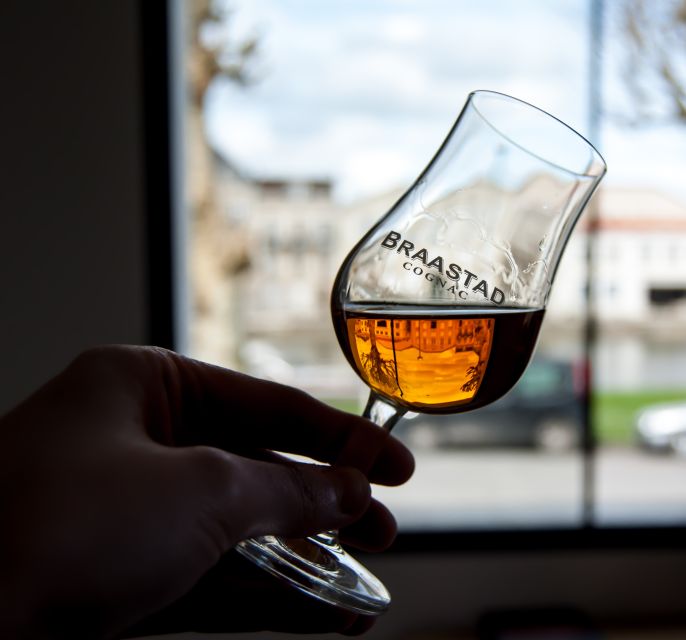
- Three age categories in one tasting: Compare VS, VSOP, and XO to understand how time in oak affects cognac.
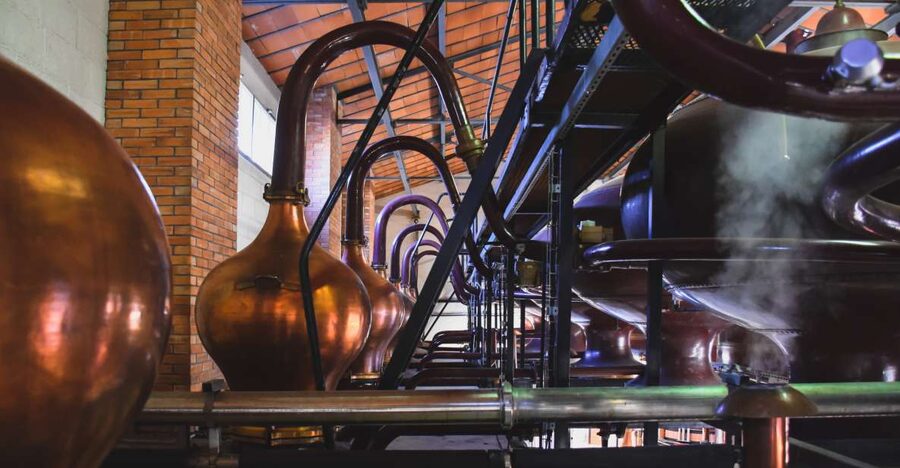
- Ten traditional pot stills: The distillery visit gives you a clear introduction to the equipment used for distillation.
- A family-run house dating to 1875: Braastad controls each stage, from vineyard work to final blending.
- Guides who adjust the tour to the group: Eric is often praised for clear English, humor, and patient answers, while David also leads tours.
- A compact 90-minute visit: You get the production story, cellar, museum, and tasting without giving up an entire afternoon.
- Strong value at $17: The price is modest for a guided distillery visit and three-cognac tasting.
Why Braastad is different from a big-name cognac visit
Cognac has plenty of famous names, but a large brand visit can sometimes feel like a polished brand presentation. Braastad offers a smaller setting, and that changes the tone. The focus is on how the spirit is made and how the house makes its decisions along the way.
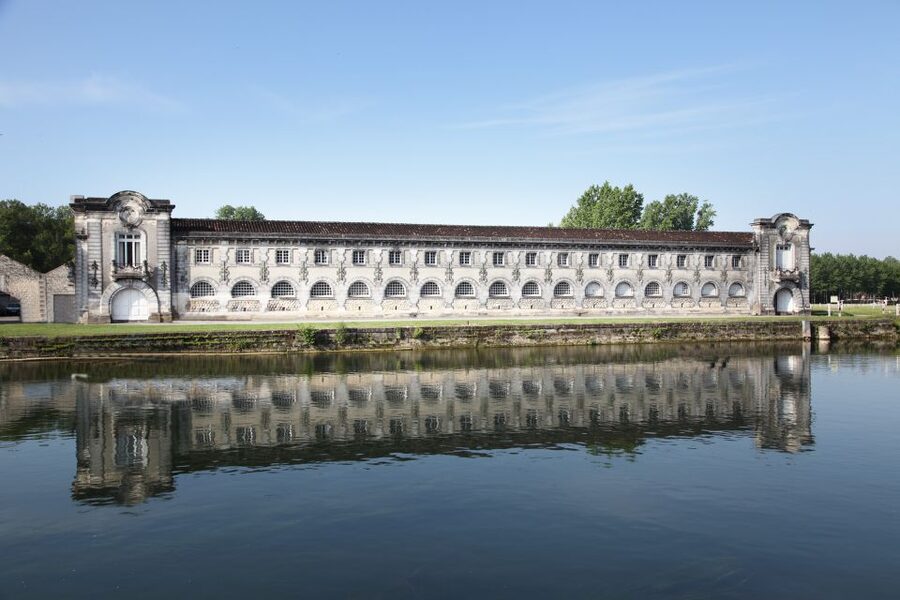
The company traces its work to 1875. It looks after the vineyards, harvests the grapes, makes the wine, distills it, ages the spirit, and blends the final cognac. That matters because you can connect each stage instead of hearing only about the finished bottle.
I would choose this tour if you want a working producer with a personal feel. The information supplied for the visit does not promise a grand visitor center or a theatrical show. Instead, you get equipment, cellars, bottles, and explanation. For many people, that is the better bargain.
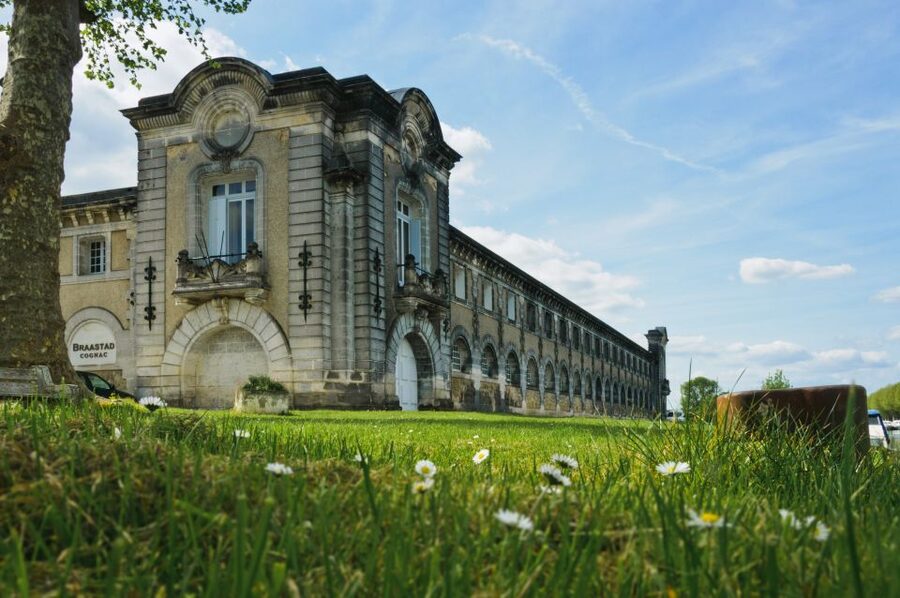
The experience is based at 29 Quai Île Madame, with the guided visit taking place at Braastad Cognac in Mainxe-Gondeville. You return to the same starting point. One visitor found parking easy and enjoyed having time to look around the town, although you should check your own transport plan before booking.
Other tastings people book around France:
- Paris: Moulin Rouge Cabaret Show Ticket with Champagne
★ 4.7 · 16,088 reviews - Loire Valley Castles Day Trip from Paris with Complementary Wine
★ 4.5 · 3,907 reviews - Bordeaux: Cité du Vin Entry Ticket and Wine Tasting
★ 4.6 · 3,885 reviews
Starting at 29 Quai Île Madame
The meeting point is simple, but it is worth allowing enough time to find it without rushing. The visit begins and ends at 29 Quai Île Madame, so you do not need to arrange a separate pickup or navigate between several stops.
The full visit lasts 90 minutes. That is long enough to cover the production process and tasting, but short enough to fit into a day exploring the Cognac area. I see the timing as a strength for couples, families with adult children, and anyone building several stops into one day.
The tour is offered in French, English, and Norwegian. English-speaking visitors have found that Eric explains the process clearly and adjusts the amount of detail to the group. David also leads tours, and the guide can answer questions about both the technical work and the company’s past.
Group size can make a difference. Some visits have had only two, four, or six people, which creates the feel of a private appointment. The exact group size may change, but the small-house setting gives you a better chance to ask questions than a large coach tour.
From vineyard to wine: the first lesson in cognac
The visit explains that cognac begins long before the copper still. Braastad’s process includes care of the vineyards, harvesting, and winemaking. These early stages matter because the quality and character of the base wine shape what happens during distillation.
You will learn how the house makes decisions at each step. That is one of the more useful parts of the visit for a first-time cognac drinker. Instead of treating cognac as a mysterious amber drink, the guide shows it as a chain of choices, with the final style depending on raw material, distillation, time, and blending.
The tour also gives you a better sense of what terroir means in this setting. Braastad aims to make an elegant cognac that reflects its place of origin. You do not need prior knowledge of brandy to follow this section, and the guide can adjust the explanation to your level.
I would not expect a vineyard walk based on the supplied details. The emphasis is on understanding the full method rather than spending a long time outdoors among the vines. If you want a detailed grape-growing tour, confirm the schedule before booking.
Ten pot stills and the work of distillation
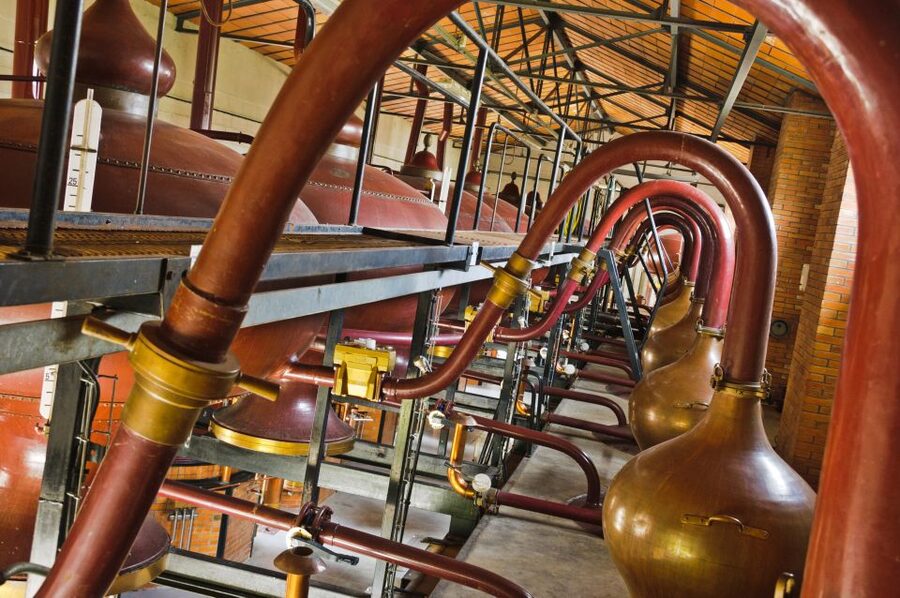
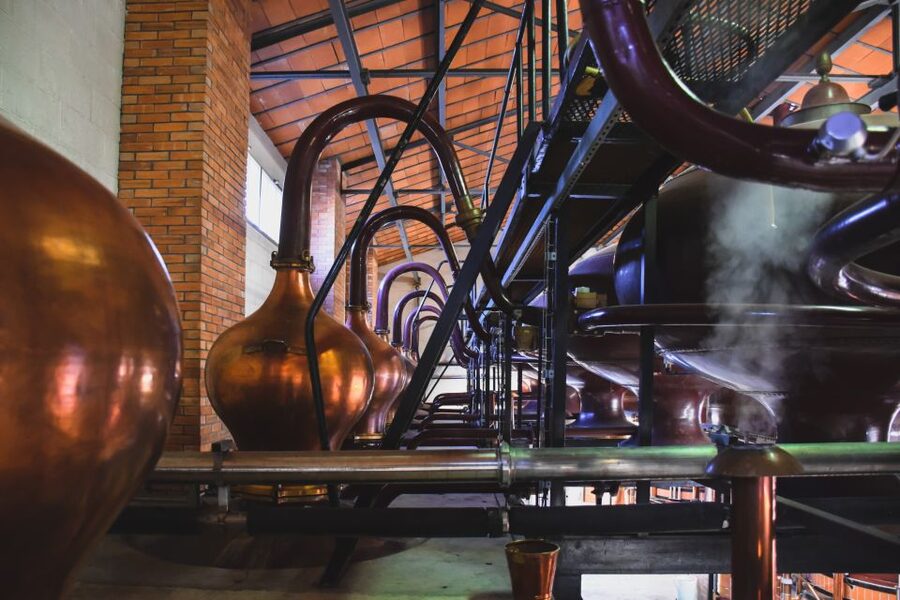
The distillery contains 10 pot stills, and this is one of the most tangible parts of the experience. You get to see the equipment used to turn wine into a more concentrated spirit and learn why distillation is central to cognac production.
A still is not just a decorative piece of copper. It represents a careful process that affects the character of the final drink. The guide explains the role of distillation in the broader production chain, giving you context for why the house pays attention to every stage.
This stop should suit curious beginners because it connects machinery with taste. Later, when you compare the three samples, you can think back to the work that came before the spirit reached the barrel.
The distillery is an authentic working setting, not simply a display built for tourists. That can make the visit feel more meaningful, though it also means you should expect an industrial production area rather than a fully staged attraction.
Same town, a different glass:
- Bordeaux: River Garonne Cruise with Glass of Wine and Canelé
★ 4.5 · 3,630 reviews - Normandy D-Day Small-Group Day Trip with Omaha Beach, Cemetery & Cider Tasting
★ 5.0 · 2,786 reviews - Montmartre Hill French Gourmet Food and Wine Tasting Walking Tour
★ 5.0 · 2,588 reviews - Paris: Paradis Latin Cabaret Show with Optional Champagne
★ 4.6 · 2,231 reviews
The aging cellar and the patience of oak
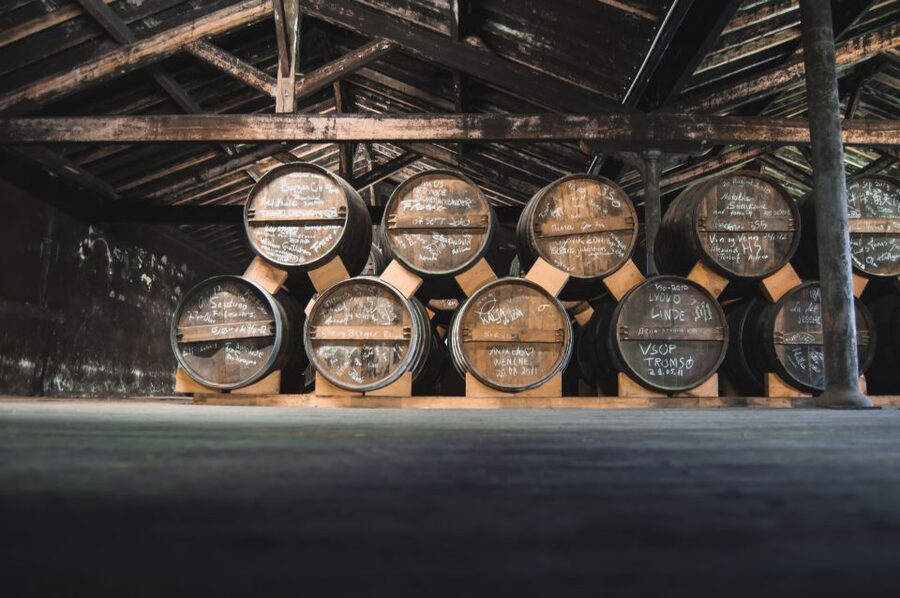
After distillation, the spirit needs time. The aging cellar shows where the cognac is held before it is blended and bottled. This is where the sharp, young spirit develops greater softness and complexity.
The tour uses the cellar to explain why age categories matter. Cognac is not simply better because it is older, but time changes its aroma, texture, and balance. The guide’s explanation gives you a framework for tasting those differences instead of treating the samples as three unrelated drinks.
The cellar also gives the tour a sense of scale. You can see that the final bottle represents years of storage and decisions. The information describes the spirit as being aged and then blended at its best, which makes clear that time alone does not determine the finished style.
A cellar visit may be less visually dramatic than a grand architectural attraction, but I find it more useful. It shows the quiet part of production, the long wait between distillation and sale.
The museum, old bottles, and Braastad’s story
The museum adds a human layer to the technical tour. It holds old bottles, facts, and objects connected with the house. These details help place Braastad’s current work within a business that has operated since 1875.
Old bottles are especially useful during a cognac visit because they show how packaging, presentation, and brand identity have changed. You get a connection to the past without having to spend the entire tour listening to dates and family names.
The museum is also a good place to ask questions. Guides such as Eric have been praised for making the tour conversational, humorous, and easy to follow. That style matters because cognac production has plenty of unfamiliar terms and technical steps.
I would keep your expectations sensible. The supplied information describes a unique museum, but it does not give its size or the number of exhibits. Think of it as one part of the visit, not a full museum day.
The tasting: VS, VSOP, and XO side by side
The visit ends with three cognacs. The samples represent the three main categories: VS, VSOP, and XO. This is the part that makes the tour useful even if you know little about cognac.
VS is the youngest category in this tasting, followed by VSOP and then XO. Comparing them in sequence helps you notice how aging and blending affect the drink. You can pay attention to aroma, smoothness, intensity, and finish rather than trying to memorize technical language.
The tasting is designed to show the art of aging and blending. That is an important distinction. The final character comes from more than a number on a label, and the guide can explain how the house brings different spirits together to meet its preferred standard.
Water or grape juice is served to minors, but cognac tasting is for adults only. The activity is therefore a good fit for adult couples and groups, while families with children should expect the younger members to watch the tasting rather than take part in it.
Several people have chosen to buy bottles or other products after tasting. That option can be useful if you find a style you like, but you do not need to purchase anything to get value from the tour.
Is $17 good value?
At $17 per person, I consider this a strong-value visit. You receive 90 minutes with a live guide, access to a family-run distillery, an explanation of the full production process, the pot stills, aging cellar, museum, and three cognac samples.
The value is even clearer when you compare it with the cost of tours at larger, better-known producers. You are not paying only for a tasting. You are paying for the chance to understand how the bottle came to exist.
The experience may be less suitable if your priority is luxury hospitality, elaborate architecture, or a large visitor center. The appeal here is personal instruction and access to a real producer. I would spend the money for the education alone, then treat the tasting as a very welcome finish.
You can reserve now and pay later, and free cancellation is available up to 24 hours before the activity for a full refund. Check the available start times because the visit is offered at set times rather than as an open-ended drop-in.
Who should book this visit?
I would recommend it to anyone who enjoys food and drink with a clear sense of place. You do not need to be a cognac expert. The guides explain the basics, answer questions, and adjust the detail to the group.
It is especially suitable for:
- Adults comparing VS, VSOP, and XO for the first time
- Couples looking for a short, focused activity near Jarnac
- Small groups that prefer conversation over a large scripted tour
- Visitors interested in family-run production
- People who want to understand distillation and aging before buying a bottle
- Norwegian, English, or French speakers
Families can still attend, but children will receive water or grape juice rather than cognac. Older visitors should keep the reported toilet limitation in mind, particularly if the tasting is a concern.
My verdict on the Braastad experience
I like this tour because it puts the making of cognac ahead of the sales pitch. You see the 10 pot stills, walk through the aging cellar, learn about the vineyard-to-bottle process, and finish with a useful three-stage tasting.
The strongest feature is the guide-led format. Eric is repeatedly singled out for his clear English, humor, patience, and ability to make a small group feel welcome. David also leads tours, and the experience can become almost private when attendance is low.
Book it if you want authentic production, personal explanation, and excellent value. Skip it only if you need a major attraction, a long vineyard visit, or a fully polished luxury setting. For $17 and 90 minutes, Braastad offers a practical introduction to cognac that gives you something useful to remember with every later glass.
FAQ
Where does the Braastad cognac tour begin?
The tour begins at 29 Quai Île Madame and returns to the same location after the visit.
How long does the experience last?
The guided visit lasts 90 minutes.
What does the tour include?
It includes a guided tour of Braastad Cognac, the distillery, aging cellar, and museum, plus a tasting of three cognacs.
Which cognacs are included in the tasting?
The tasting features the three main categories: VS, VSOP, and XO.
Is the tasting available to children?
No. Cognac tasting is for adults only. Minors are served water or grape juice.
Which languages are available?
The tour is offered in French, English, and Norwegian.
Who may guide the tour?
Guides include Eric and David. Eric has led English-language tours, and Erik is also listed in visitor feedback as a guide.
Can I cancel the booking?
You can cancel up to 24 hours in advance for a full refund. You can also reserve now and pay later.
Just added around France
- Saint Emilion Full Day Wine and Bike Tour★ 5.0 · 167 reviews
- Professional – Bordeaux Wine and Cheese Tasting with a walking tour★ 5.0 · 218 reviews
- Bordeaux Wine and Trade Museum Admission Ticket with Wine Tasting★ 4.5 · 599 reviews
- Medoc Afternoon Wine Tour – 2 Wineries, tastings & delicacies★ 4.5 · 74 reviews
- Bordeaux Wine Masterclass: Blending workshop with appetizer★ 5.0 · 113 reviews
- Saint-Emilion Small-Group Electric Bike Wine Tour Tastings & Lunch from Bordeaux★ 5.0 · 383 reviews
- Discovery of the Bordeaux vineyard in 3 wines★ 5.0 · 133 reviews
- Essential Wine Tour with Tasting & Chateau Visits from Bordeaux★ 5.0 · 133 reviews
France Drinks Tours, compared.
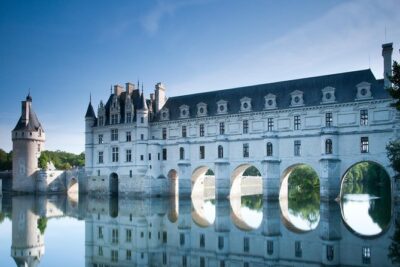
Loire Valley Castles Day Trip from Paris with Complementary Wine
Read our review →

River Garonne Cruise with Glass of Wine and Canelé
Read our review →
Montmartre Hill French Gourmet Food and Wine Tasting Walking Tour
Read our review →
Loire Valley Castles Day Trip With Wine Tasting
Read our review →
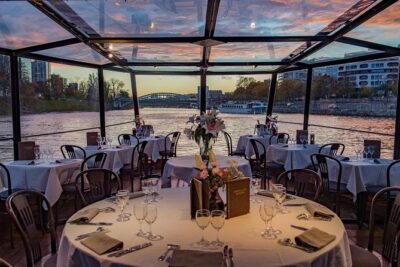
Paris 3-Courses Gourmet Dinner Seine River Cruise with Champagne
Read our review →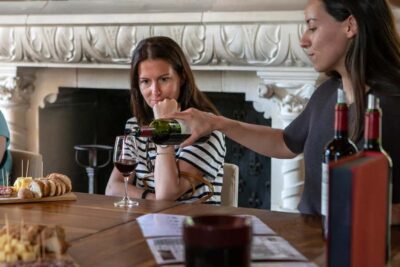
Afternoon Saint-Emilion Wine Tasting & snack
Read our review →Browse the lists this tour appears in