

Review · KYOTO
Kyoto: Insider Sake Brewery Tour with Sake and Food Pairing
Kyoto’s Fushimi district is one of Japan’s best places to learn about sake, and this tour does more than pour a few samples. You’ll see how rice, polishing, water, yeast, and brewing choices shape the drink, then taste 10 or more types side by side. By the end, you should have a better idea of what to order at a restaurant instead of pointing at the prettiest bottle.
I especially like the food pairing session, where you taste sake on its own and then with Japanese otsumami to notice how the flavor changes. I also like the small sake cheat sheet and tasting note, useful tools you can keep using after leaving Kyoto. The main drawback is that the first half involves about 90 minutes of walking and standing, so this is not the right pick if you need a mostly seated activity.
Key points to know before booking

- Fushimi setting: Begin inside the Gekkeikan Okura Sake Museum, in one of Japan’s best-known sake-producing districts.
- 10-plus tastings: Compare dry, crisp, fruity, and full-bodied styles selected by a certified sake sommelier.
- Useful bottle-reading lesson: Learn terms, grades, and labels so you can order with more confidence in Japan.
- Food makes the lesson click: Taste sake with traditional otsumami and see how pairing changes aroma and flavor.
- Three hours well spent: The tour balances brewing history, practical instruction, and a generous tasting session.
- Important limitation: Alcohol is not served to anyone arriving by car or bicycle, and the tour is not recommended for children, pregnant people, wheelchair users, or those with low fitness.
Why Fushimi is the right place to learn about sake
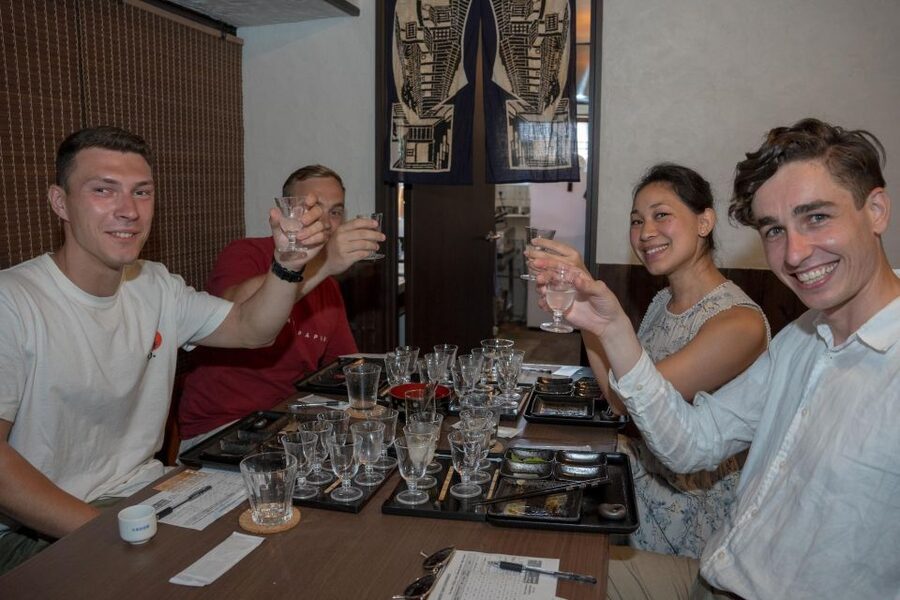
Fushimi gives this experience a stronger sense of place than a tasting held in a hotel bar. Kyoto’s southern district has long been associated with sake production, and the tour begins at the Gekkeikan Okura Sake Museum, where the brewing process is presented in a historic brewery setting.
You meet your English-speaking guide inside the museum entrance at 697 Motozaimokuchō, Fushimi Ward. There is no hotel pickup, so you need to make your own way there and allow enough time to arrive before the scheduled start. Arriving more than 20 minutes late means the booking can be canceled, so this is one Kyoto activity where punctuality matters.
The museum portion takes about an hour, though the full first half lasts around 90 minutes with walking and standing included. You’ll learn the basic stages of sake production and see the traditional tools and methods that help explain how this drink developed.
The museum is not simply a warm-up before the real event. It gives you a framework for understanding the tasting later. Without that context, sake labels can look like a wall of unfamiliar Japanese terms. Afterward, the differences in rice polishing, brewing style, and flavor make more sense.
If the Gekkeikan museum is unexpectedly closed, the visit may be moved to another historic brewery in Fushimi. That provides some flexibility, though it also means the exact museum experience cannot be guaranteed.
More Brewery Tours in Japan
- 3-Hour Kyoto Insider Sake Brewery Tour with Tastings & Pairings
★ 5.0 · 917 reviews - Kyoto Sake Brewery & Tasting Walking Tour
★ 5.0 · 623 reviews - KOBE Sake Tasting Tour at Breweries (tasting fee included)
★ 5.0 · 154 reviews
What you learn about rice, polishing, and flavor
The most useful part of the lesson is its focus on cause and effect. You are not just told that one sake is dry and another is fruity. You learn what choices during production help create those differences.
Rice polishing is one example. Sake rice is milled to remove some of the outer portion of the grain. The degree of polishing can affect the style, aroma, and texture of the finished drink. Several people who had little previous experience with sake found this explanation especially helpful because it gave them a way to connect production methods with what they could taste.
You’ll also encounter the difference between sake and nihonshu, the Japanese term often used for this kind of brewed rice alcohol. The terminology can feel confusing at first, but the guide keeps the lesson practical. The goal is not to make you memorize a textbook. It is to help you recognize broad styles and find the ones you enjoy.
The class also covers how sake may be served. Some styles are better chilled, while others can work well warm. The guide explains that serving temperature is not just a matter of personal habit. It can change the aroma, texture, and balance of the drink.
This is where the experience earns its price. A casual tasting might tell you which samples you like. This one gives you a reason why you like them, which is much more useful when you later face a long sake menu.
The tasting room is the heart of the experience
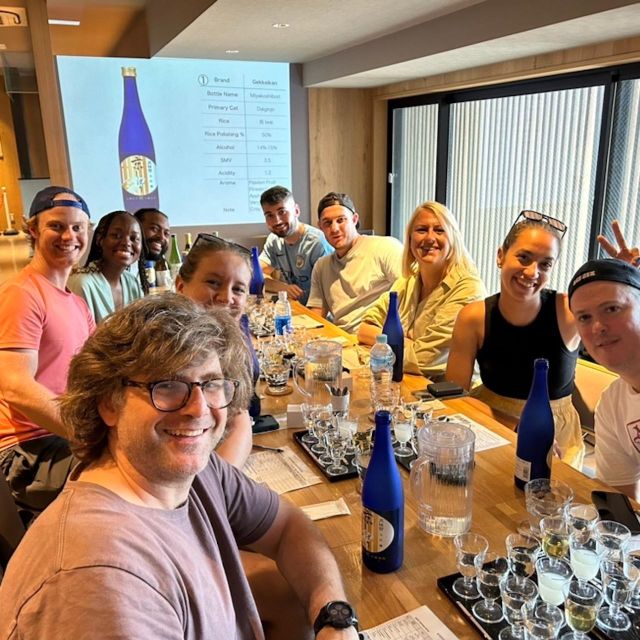
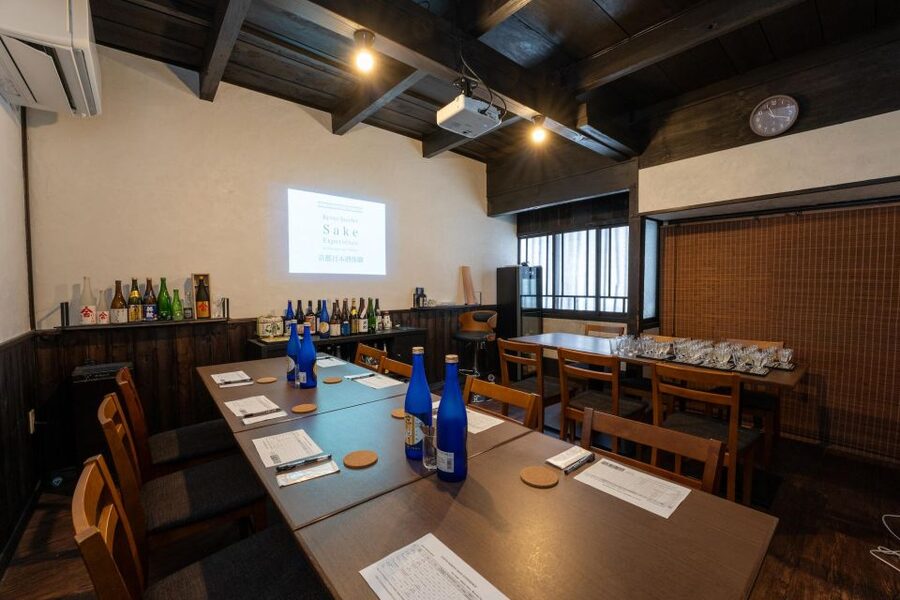
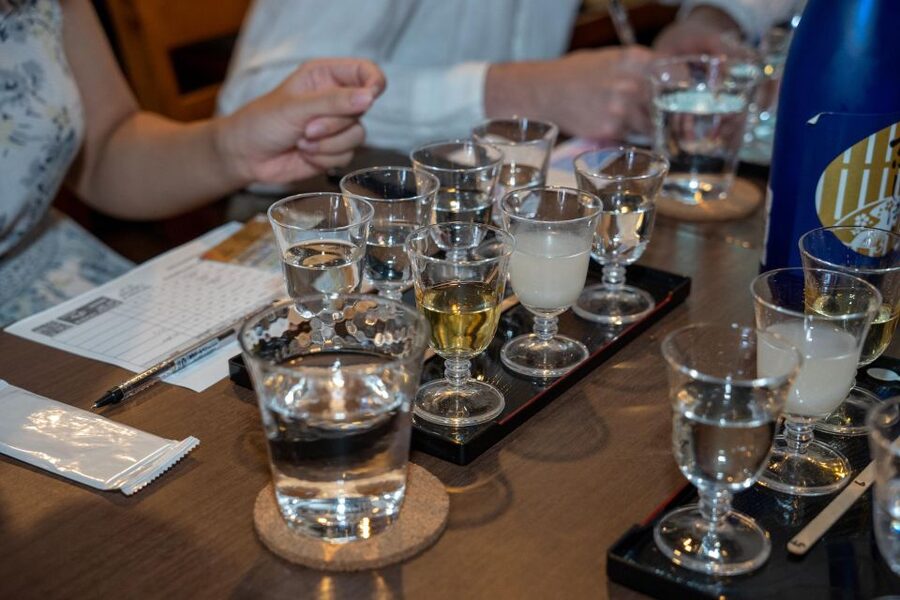
After the museum, you move to a dedicated tasting room for the main practical lesson. The tasting includes at least 10 sake selections chosen by a certified sake sommelier. The exact bottles can vary, but the aim is to show a broad range rather than ten versions of the same style.
You can expect comparisons between dry and crisp sake, fruity styles, and fuller, richer examples. The value of tasting them close together is clear. Instead of relying on memory from a drink you had yesterday, you can compare aroma, sweetness, acidity, weight, and finish while the differences are fresh.
The guides use tasting notes to help you describe what you are noticing. You do not need prior experience, and you do not need to arrive with a trained palate. The lesson is designed to help you identify your own preferences, even if you currently know only that you like or dislike sake.
Several guides have received particular praise for making the tasting easy to follow. Kyoko is described as warm, funny, and patient, while Miyuki is noted for her enthusiasm and careful explanations. Momo, Chika, Mayo, Kotaro, Shogo, Greg, and Mai have also led sessions praised for their energy and command of the subject. Since the guide is assigned by date, you cannot count on one particular person, but the format is built around an involved English-speaking expert rather than a self-guided pour.
The guide will also show you how to read sake bottles and menus. This is one of the best practical benefits of the tour. You learn terms that can point toward style, grades, flavor, and production choices, giving you a better chance of ordering something you will actually enjoy.
The lesson does not promise that one bottle is objectively best. Instead, it helps you answer the more useful question: What kind of sake do I like?
Food pairing shows what the labels cannot
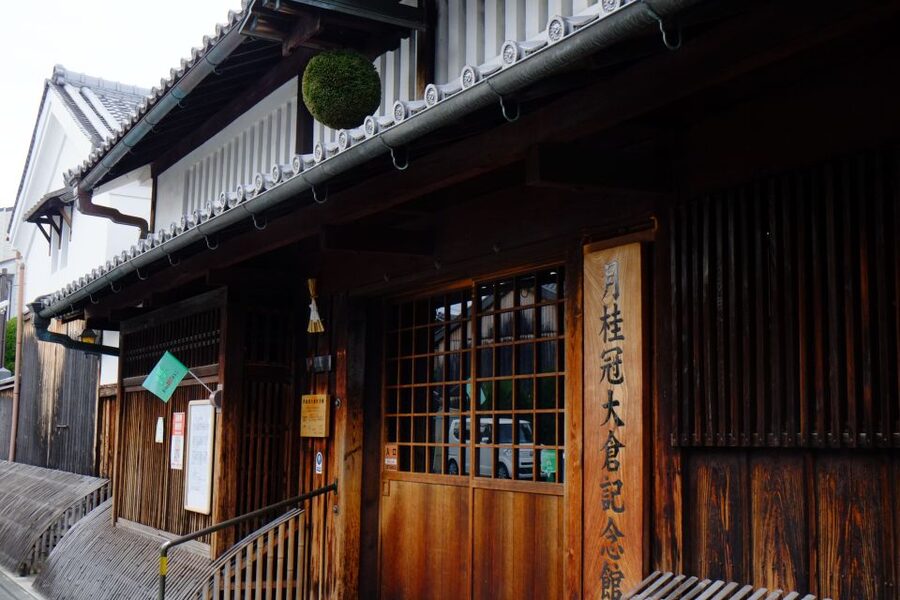
The otsumami pairing is not just a plate of snacks added to justify the price. It is used as part of the teaching.
You first taste the sake by itself, then try it with selected Japanese appetizers. A sake that seems sharp or light on its own can taste softer with food. Another may become more fragrant or show more body beside a salty or savory bite.
The guide explains why each match works, rather than simply telling you that the combination is good. That makes the lesson transferable. You can use the same thinking with sushi, grilled foods, small plates, and other Japanese dishes later in your trip.
You also receive advice on which kinds of sake pair well with sushi. This is especially handy because sushi restaurants often offer several styles, and the menu may not explain the choices in plain English.
Vegetarian and vegan options are available. Tell the guide at the site about food preferences or allergies. Since the provided information does not list the exact snacks, I would not book this expecting a particular dish. Book it expecting a guided comparison that uses food to make the sake easier to understand.
More Sake Tastings in Japan:
- 1-Day Snow Monkeys, Zenko-ji Temple & Sake in Nagano
★ 5.0 · 1,020 reviews - Nagano: Snow Monkeys, Zenkoji Temple & Sake Day Trip
★ 4.9 · 833 reviews - Kyoto: Insider Sake Experience with 7 Tastings and Snacks
★ 5.0 · 266 reviews - Osaka Sake Tasting with Takoyaki Cooking
★ 5.0 · 156 reviews
Is the three-hour format good value at $87?
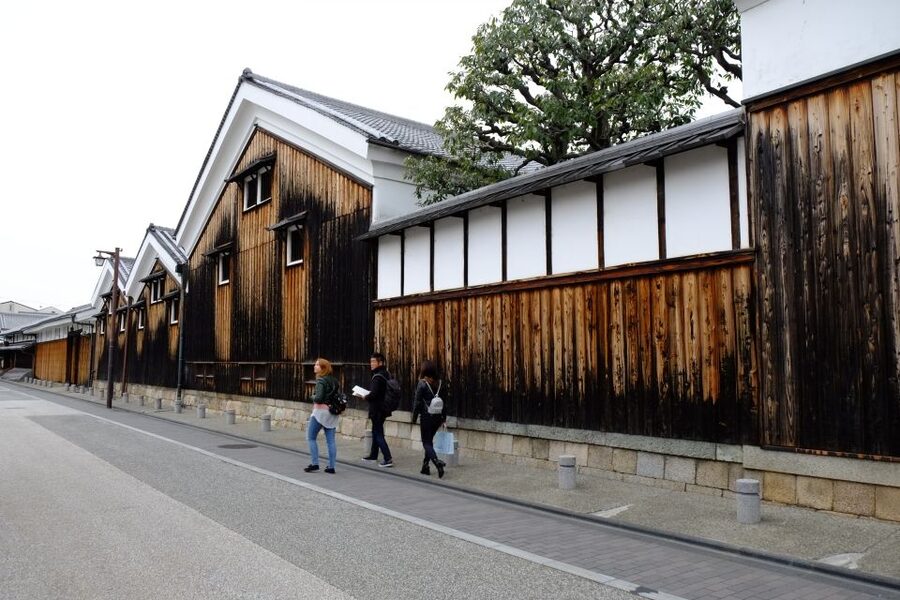
At $87 per person, this is not the cheapest way to sample sake in Kyoto. You could buy a few small pours at a bar for less. That comparison, however, misses what is included here.
Your fee covers the museum entry, a guided museum visit, an English-speaking certified sake expert, at least 10 tastings, otsumami, a tasting note, and the dedicated tasting-room session. You also get instruction on bottle labels, serving temperatures, brewing, styles, and food matching.
The tasting alone would make the price reasonable for someone who plans to drink sake during the rest of a Japan trip. The museum and the teaching make it more useful than a simple flight of samples. The cost is easiest to justify if you are curious about sake but lack the confidence to order it.
The value is lower for someone who already knows the main sake categories and prefers to make independent discoveries at bars. It is also lower if you cannot drink alcohol, since the point of the session is comparison through tasting.
Plan your meal timing carefully. One person who took the tour advised eating beforehand because the tasting includes a fair amount of sake. You should not arrive on an empty stomach, and you may want to leave the rest of the evening open rather than scheduling a demanding activity immediately afterward.
The tasting can also help you decide what to buy. Several people left with bottles, having learned enough to shop with a clear preference instead of guessing from packaging. Bottles are not included in the $87 price, but the lesson may save you from buying something that does not suit your taste.
Walking, timing, and practical limits
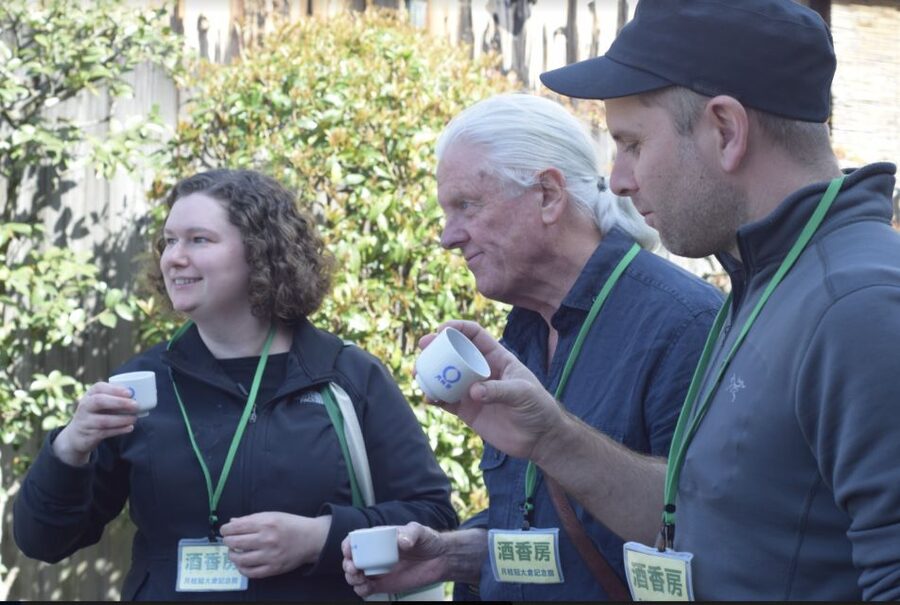
The experience lasts three hours, with starting times varying by date. Check the available time before booking, especially if you are trying to fit it between major Kyoto sights.
The first half requires roughly 1.5 hours of walking and standing. The museum setting adds interest, but there is a physical cost. This is not a gentle seated seminar, and the tour specifically is not suitable for wheelchair users or people with a low level of fitness.
The experience is not recommended for children. Children under 12 are listed as unsuitable, and the legal drinking age in Japan is 20. Anyone under 20 will receive only non-alcoholic drinks. The booking information also lists people under 19 as unsuitable, so families should confirm the age rules before reserving.
Pregnant people should not book this activity. Alcohol is also not served to anyone who arrives by car or bicycle, even if that person intended to participate only in part of the tasting. Non-alcoholic drinks are available in that situation, but there is no refund for missing the sake portion.
Strong fragrances and chewing gum are not allowed. Both rules make sense in a tasting room, where scent and palate matter. If you have food allergies or follow a vegetarian or vegan diet, speak with the guide at the site.
Bring a light appetite, but do not skip food entirely. The tasting is paired with snacks, yet it is still a substantial alcohol-focused session. I would also avoid planning a long walk across Kyoto immediately afterward.
Who will get the most from this sake tour?
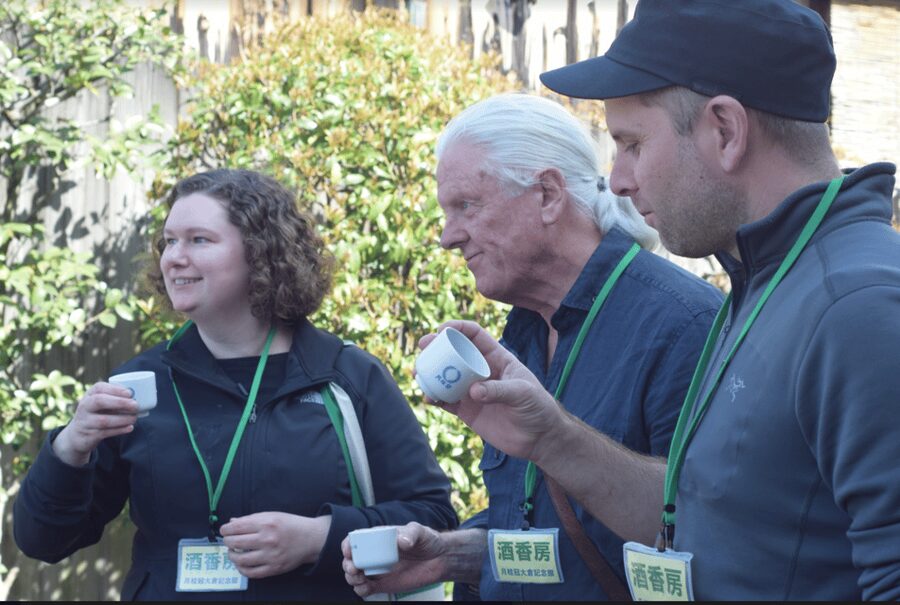
This is a strong choice for you if sake feels interesting but confusing. You do not need to know the difference between major grades before arriving. In fact, the tour works especially well if you want a clear starting point.
It also suits people who already enjoy sake and want to sharpen their preferences. The side-by-side format gives you a chance to compare styles instead of ordering one familiar bottle every time.
Food-focused visitors will appreciate the pairing lesson. If you enjoy sushi, izakaya meals, or Japanese small plates, knowing how sake interacts with food can improve many later meals.
The experience is also useful for a first visit to Japan because the bottle-reading advice carries beyond Kyoto. You may not remember every Japanese term, but the cheat sheet gives you something to refer to when you are ordering later.
I would skip it if you dislike group instruction, cannot stand for long periods, or want a short drop-in tasting with no museum visit. It is also a poor fit for anyone who cannot drink alcohol and does not want a non-alcoholic substitute.
Should you book the Fushimi sake experience?
Book this tour if you want more than a drink in a small glass. The strongest part is the link between production, tasting, bottle labels, and food. You leave with a practical way to choose sake, not just a pleasant memory of several samples.
At $87, it is a fair value for the museum entry, three hours of instruction, 10 or more pours, food pairings, and an expert guide. The cost is harder to justify if you already have strong sake knowledge or cannot participate in the alcohol tasting.
For most curious adults who can manage the walking and standing, I would put this high on a Kyoto food-and-drink list. Arrive at the museum on time, eat something beforehand, keep your evening flexible, and bring the cheat sheet along when you order your next sake.
FAQ
Where does the sake tour meet?
Meet the guide inside the entrance of the Gekkeikan Okura Sake Museum at 697 Motozaimokuchō, Fushimi Ward, Kyoto, 612-8043, Japan.
How long does the experience last?
The experience lasts three hours. Check the available starting times for your chosen date.
How many sake types will I taste?
The tasting includes 10 or more sake types selected by a certified sake sommelier.
Is the tour conducted in English?
Yes. The experience includes a live English-speaking guide.
Is food included?
Yes. Traditional Japanese otsumami is included for the food-pairing portion of the tasting.
Can I join if I am vegetarian or vegan?
Yes. Vegetarian and vegan options are available. Tell the guide about food preferences or allergies at the site.
Can people under 20 drink sake on this tour?
No. Japan’s legal drinking age is 20. People under 20 receive non-alcoholic drinks only, and the activity is not recommended for children.
Can I arrive by car or bicycle and still take part in the tasting?
For safety and legal reasons, alcohol is not served to anyone who arrives by car or bicycle. Non-alcoholic drinks are available, but there is no refund if you cannot take part in the sake tasting.
More Food in Japan
- Kyoto: Local Food Tasting Tour at the Nishiki Market
★ 4.7 · 135 reviews - Hiroshima: Bar Hopping Food Tour
★ 4.9 · 48 reviews - From Split: Krka Waterfalls, Food & Wine Tasting Tour
★ 5.0 · 9,326 reviews - From Split: Krka Waterfalls, Food & Wine Tasting Tour
★ 4.9 · 6,598 reviews
More Food and Wine Tours in Japan
- Lisbon Small-Group Portuguese Food and Wine Tour
★ 5.0 · 3,972 reviews - Montmartre Hill French Gourmet Food and Wine Tasting Walking Tour
★ 5.0 · 2,588 reviews - From Barcelona: Montserrat Half-Day Wine and Tapas Trip
★ 4.8 · 1,918 reviews - Rome by Night – Ebike Small Group Tour – Food and Wine (Option)
★ 5.0 · 1,275 reviews
Just added around Japan
- Tokyo: Shinjuku Izakaya and Golden Gai Bar Hopping Tour (2h)★ 4.9 · 67 reviews
- Tokyo: Sushi Cooking Class with Sake Tasting★ 4.8 · 55 reviews
- Tokyo: Shinjuku Bar Hopping & Night Walking Tour★ 4.6 · 137 reviews
- Tokyo: Sushi and Ramen Cooking Class with Sake Pairing Set★ 5.0 · 81 reviews
- Tokyo: Ramen Tasting Tour with 6 Mini Bowls of Ramen★ 4.9 · 432 reviews
- Takayama: Authentic Sake Tasting at a Historic Brewery★ 4.8 · 50 reviews
- Shibuya Meltdown Night Tour: All-You-Can-Drink Bar Hopping★ 4.8 · 183 reviews
- Tsukiji: Unlimited Sake Tasting Experience★ 4.9 · 67 reviews
Food & Wine Pairing Tours, compared.
Lisbon Small-Group Portuguese Food and Wine Tour
Read our review →
Montmartre Hill French Gourmet Food and Wine Tasting Walking Tour
Read our review →
Rome by Night – Ebike Small Group Tour – Food and Wine (Option)
Read our review →

Eat, Drink and Repeat: Wine and Food Tasting Tour in Venice
Read our review →
Authentic Food and Wine Tour in Porto by Food Lover Tour
Read our review →Browse the lists this tour appears in