Review · DRINKS TASTINGS
Wine Tasting IN THE DARK!
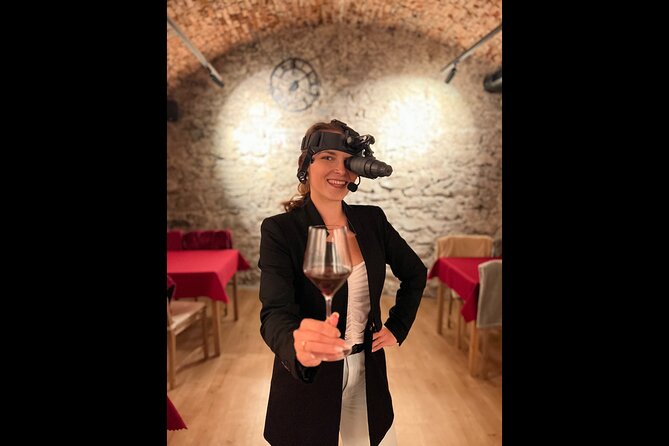
The unusual part comes quickly: you taste four Slovak wines in total darkness, without seeing the color, label, glass, or pour. An audio guide leads the session while a sommelier serves each wine, turning a standard tasting into a guessing game for your nose and palate.
I like the local focus and the setting. You get wines made in Slovakia, not familiar international labels, and the old cellar gives the short session a real sense of place. I also like the mix of useful wine tips and comic commentary, which helps beginners relax.
The main drawback is time. At about 40 minutes and $27.69 per person, this costs more than some ordinary tastings, and the format is partly prerecorded rather than a fully personal lesson. White-wine drinkers should also know that one visitor found the whites too warm.
Key points at a glance
- Four Slovak wines served unseen: You judge each pour by smell and taste, without color or branding shaping your opinion.
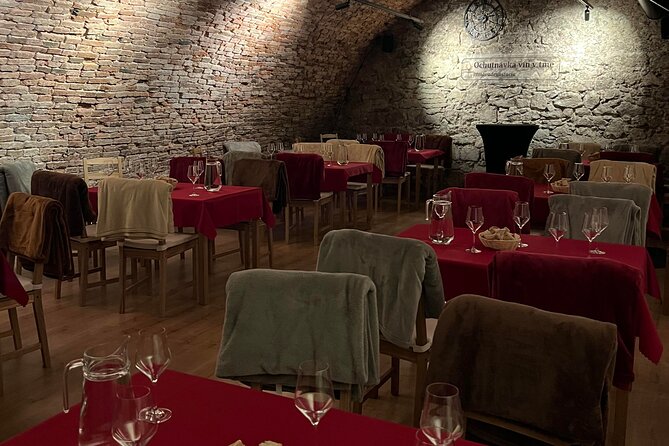
- A 17th-century cellar setting: You begin with the lights on, then watch the room disappear into complete darkness.
- Audio-led and lightly comic: The recording supplies the main commentary, while the sommelier pours and listens to your reactions.
- A short Old Town activity: The tasting lasts about 40 minutes and starts at Michalská 3 in central Bratislava.
- Best for curious wine drinkers: It suits beginners, experienced tasters, couples, and anyone bored with standard wine flights.
- A paid novelty with limits: The local wines and unusual format justify the price for some, but not everyone will find the short session good value.
Starting in Bratislava’s old wine cellar
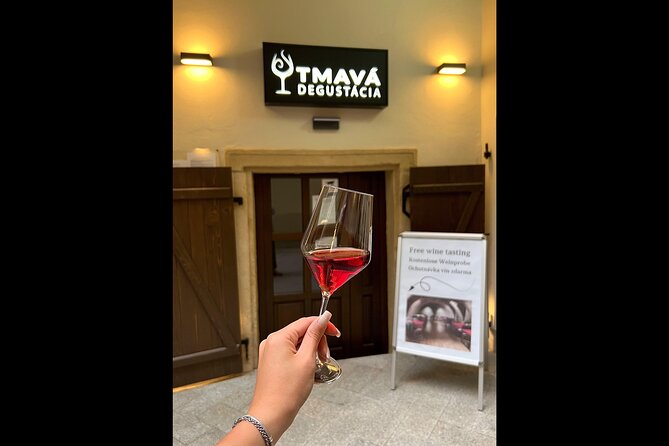
You meet at Michalská 3, in Bratislava’s Staré Mesto. The tasting room is called Tmavá, and the activity ends where it begins, so you do not need to plan transport between separate stops.
Arrive five minutes early. That small buffer matters because the room needs to settle before the lights go out, and a late arrival could interrupt the opening explanation. Confirmation is provided when you book, and the ticket is mobile, which keeps the arrival simple.
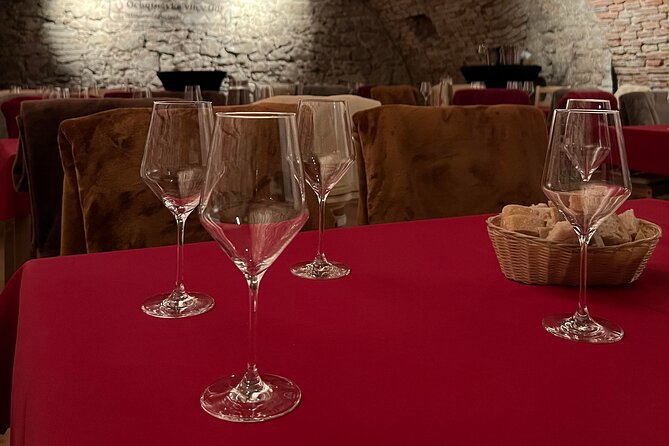
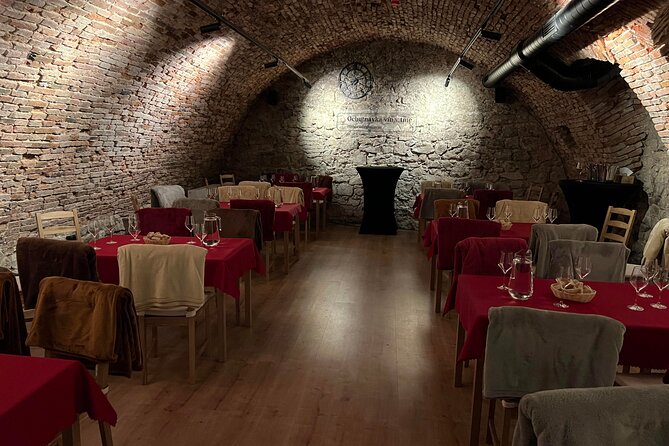
The first few minutes are deliberately normal. You sit in the old cellar with the lights on and get a chance to look around. The room dates to the 17th century, so this is more than a blank tasting room with four glasses on a table. You can appreciate the stone-and-cellar atmosphere before the unusual part begins.
That order is smart. If the room were dark from the start, you would miss the pleasure of seeing the historic setting. Instead, you get a brief look at the surroundings, then the familiar visual world is taken away.
More Wine Tastings in the world:
- From Porto: Douro Valley w/ Boat Tour, Wine Tasting & Lunch
★ 4.7 · 19,061 reviews - Complete Douro Valley Wine Tour with Lunch, Wine Tastings and River Cruise
★ 5.0 · 12,920 reviews - Florence: Chianti Wineries Tour with Wine Tasting
★ 4.5 · 10,071 reviews
When the lights fade
An audio-guided introduction explains how the tasting will work. The room then grows darker in stages until it reaches utter darkness. You will not see the wine in your glass, the color of the pour, or the label that might give away the grape or style.
This is the heart of the activity. Wine is usually a visual experience before it reaches your lips. A pale white, dark red, clear glass, expensive bottle, or recognizable label can shape your expectations before you taste anything. Here, those clues vanish.
You are left with aroma, texture, sweetness, acidity, and finish. The recording encourages you to smell and taste carefully, then form your own view. You do not need formal wine vocabulary. Saying that a wine seems dry, fruity, sharp, sweet, heavy, or surprising is enough.
The darkness also changes the social mood. It can make the tasting feel playful rather than stiff, especially when people begin guessing what they have been served. The commentary is intended to be funny as well as informative, so the session has more energy than a solemn lecture.
Still, complete darkness is not a minor detail. The activity is not recommended for people with mental difficulties or phobias, and you should take that warning seriously. If losing your visual bearings makes you anxious, an ordinary tasting is the better choice.
Four Slovak wines, one at a time
The sommelier pours the first sample while the audio guide explains how to approach it. You taste without knowing what is in the glass, then consider what you smell and feel. The sommelier remains nearby throughout and can hear your reactions and opinions.
The tasting moves through four distinct Slovak wines. The selection is meant to show the range of wine produced in the country, rather than simply repeat four similar pours. Several people found the wines varied, pleasant, and more surprising than expected.
One useful feature is the guessing element. You may try to identify the grape, decide if the wine is sweet or dry, or simply describe your response. A confident wine drinker may discover that removing visual clues makes guessing harder than expected. A beginner can enjoy the same game without feeling tested.
Some tasters have managed to identify several wines correctly, while others could only judge broad traits such as sweetness or dryness. That is a good reason to treat the activity as play, not an exam. The value comes from noticing how your senses work, not from getting every answer right.
You will also learn about Slovak wine along the way. The format gives you a simple introduction to local bottles, and some people have liked the wines enough to buy more afterward. Mini bottles under 100 milliliters have been available for purchase, although the supplied details do not promise a particular stock on every date.
Why tasting in darkness changes the wine
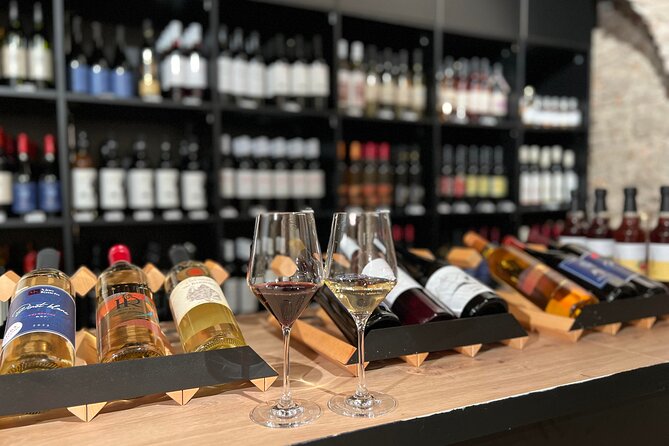
The most useful lesson here is not a technical one. It is the reminder that your eyes can influence your palate.
A wine’s color may lead you to expect berries, citrus, oak, sweetness, or weight. In darkness, those assumptions are removed. You have to pay closer attention to scent and mouthfeel, and you may notice details that would normally slip past you.
The activity also gives you permission to slow down. Smell the wine before sipping. Let it sit on your tongue. Think about whether the flavor is bright or soft, dry or sweet, light or full. The audio guide keeps you moving, but the focus remains on personal observation.
This makes the tasting useful for someone who already knows wine. It gives experienced drinkers a fresh challenge and shows how much they rely on sight. It also works for someone who rarely drinks wine, since you can approach every glass with no expectation at all.
The limit is that this is not a full wine course. The recording provides the main narration, and the format leaves less room for back-and-forth questions than a private sommelier session. One person found the lack of personal interaction disappointing, while others enjoyed the humor and the clear structure.
A few more tastings around the world worth a look
- Budapest: Unlimited Prosecco, Beer and Aperol Spritz Cruise
★ 4.8 · 37,304 reviews - Amsterdam: Evening Cruise with Optional Wine and Snacks
★ 4.4 · 22,178 reviews - Tuscany Day Trip from Florence: Siena, San Gimignano, Pisa and Lunch at a Winery
★ 5.0 · 21,634 reviews - Paris: Moulin Rouge Cabaret Show Ticket with Champagne
★ 4.7 · 16,088 reviews
What the audio guide adds
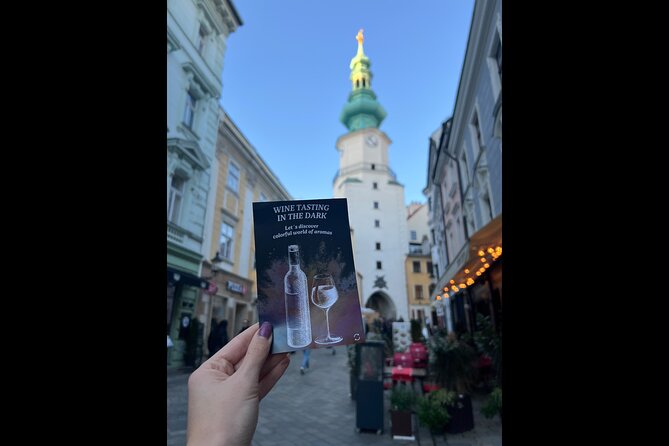
The commentary is prerecorded, not a live talk from start to finish. That has both good and bad sides.
The good side is consistency. The tasting begins on time, the wines arrive in a planned order, and the recording can keep the group focused. Several people have found the voice-over funny, lively, and informative. It helps prevent the silence from becoming awkward once the room goes dark.
The less successful side is personal attention. If you want a detailed discussion of your own tasting notes, a live wine lesson will suit you better. The sommelier pours the samples and listens, but the central narration comes from the recording.
The best way to approach it is as an interactive show with wine, not as a private consultation. You can speak up with your impressions, compare guesses with the people beside you, and enjoy the comic parts. If you expect a detailed conversation about each grape, you may find the format limited.
The staff still matter. Several accounts describe the people on site as friendly, attentive, and passionate about Slovak wine. One solo participant was made to feel comfortable during what became a private tasting, which is useful to know if you are visiting Bratislava alone.
Is $27.69 good value for 40 minutes?
At $27.69 per person, this is not the cheapest way to taste Slovak wine. You are paying for four samples, but also for the unusual dark-room setup, the audio production, the historic cellar, and the novelty of removing sight from the tasting.
For a standard wine drinker who mainly wants quantity, the price may feel high. One critical assessment found the session rushed and felt that some of the cost went toward the darkness rather than the wine. A longer tasting with more pours could offer better value if your main goal is to compare many bottles.
I would judge the price differently if you have already done ordinary wine tastings. The dark format gives you something you cannot get from simply sitting at a bar with four labeled glasses. It also works well as a compact activity between sightseeing stops, especially in hot or wet weather.
The four wines are enough to make the idea work, but not enough for a long afternoon. You should book it for the format and the local introduction, not because you expect a large tasting flight.
If the experience leaves you curious, the tasting room has also offered a separate nine-wine tasting outside the dark format. Some people have chosen to do both, using the dark session for the sensory challenge and the longer tasting for more direct wine discussion.
Who will enjoy this most?
You should consider booking if you want a break from churches, museums, and city walks without leaving central Bratislava. The cellar is easy to reach by public transport, and the whole activity takes less than an hour.
It is a good match for:
- Couples looking for an unusual shared activity
- Friends who enjoy guessing games and comic commentary
- Wine beginners who want a relaxed introduction to Slovak bottles
- Experienced wine drinkers who have already done standard tastings
- Solo visitors who want a structured activity with staff nearby
- People visiting Bratislava for only a day or two
You do not need to be a wine expert. You also do not need to like every style of wine. The point is to notice how your judgment changes when you cannot see the glass.
Children cannot join because alcohol is served. Service animals are allowed, and most people can participate, but the darkness makes the activity unsuitable for anyone with the listed mental-health concerns or phobias.
The group can include up to 40 people. That maximum is fairly large for a sensory activity, so the mood may vary by date. A smaller group could feel more personal, while a full session may feel more like a staged presentation.
Practical details that affect your visit
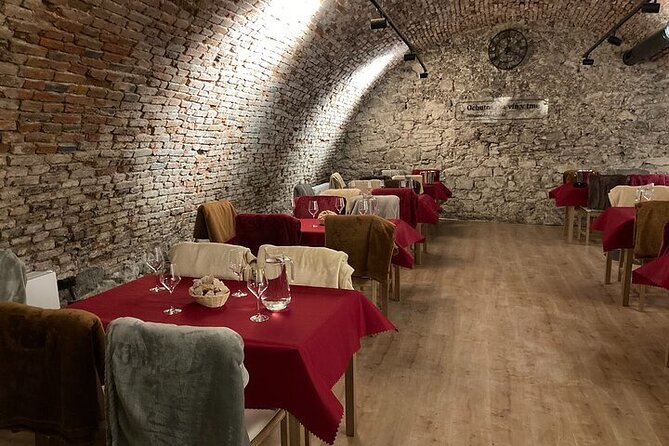
The activity is offered in English, and the ticket works on a mobile device. The meeting point is Michalská 3, 811 02 Bratislava-Staré Mesto, Slovakia. You return to the same location at the end.
Plan on about 40 minutes, though you may want extra time if you intend to browse or buy wine afterward. The official instruction is to arrive five minutes before the start.
The activity has free cancellation up to 24 hours before the scheduled start time. Cancel at least 24 hours ahead for a full refund. Cancellations or changes made inside that window are not refunded or accepted, and the cut-off uses Bratislava local time.
The wines are served in darkness, so do not expect to see their colors or labels until the tasting is over, if they are revealed at all. You should also keep your expectations flexible about the exact bottle selection. The central promise is four Slovak wines and an audio-guided dark tasting, not a named list of grapes.
My recommendation for booking
I would book this if you want an original Bratislava activity and like the idea of testing your senses. The strongest parts are the old cellar, the Slovak wine selection, the funny narration, and the surprise of discovering how much sight affects taste.
I would skip it if you want a long, highly personal wine lesson or the best possible value per glass. The session is short, partly prerecorded, and priced above some ordinary tastings. White-wine drinkers who care about serving temperature may also want to ask about chilling before the session begins.
For most curious visitors, this is a worthwhile small adventure rather than a serious wine seminar. Book it for the darkness, the local bottles, and the chance to laugh at your own guesses. If you only have time for one wine activity in Bratislava, choose this when novelty matters more to you than quantity.
FAQ
Where does the wine tasting take place?
It starts and ends at Michalská 3, 811 02 Bratislava-Staré Mesto, Slovakia, in the Tmavá tasting room.
How long does the tasting last?
The activity lasts approximately 40 minutes.
How many wines are included?
You receive four Slovak wines during the dark tasting.
Is the tasting conducted in English?
Yes. The experience is offered in English and uses an audio guide.
Will I see the wine before tasting it?
No. The lights are gradually turned off, and you taste the wines without seeing their color or labels.
Do I need to arrive early?
Yes. You are asked to arrive five minutes before the tasting begins.
Are children allowed?
No. Children are not allowed because alcoholic beverages are served.
Can service animals attend?
Yes. Service animals are allowed.
Can I cancel for a refund?
Yes, if you cancel at least 24 hours before the scheduled start time. Cancellations made less than 24 hours in advance are not refunded.
Just added around the world
- Catamaran Sunset Champagne Cruise Cape Town★ 4.5 · 85 reviews
- Luxury Sunset Cruise with Prosecco★ 4.5 · 71 reviews
- Private Tour of Top 5 Stellenbosch Wineries From Cape Town★ 4.0 · 56 reviews
- Private Stellenbosch, Franschhoek Paarl Wine Tour from Cape Town★ 5.0 · 89 reviews
- Full-Day Stellenbosch, Franschhoek and Paarl Wine Tasting Tour from Cape Town★ 4.0 · 98 reviews
- From CapeTown: Stellenbosch Half Day Wine Tour★ 4.5 · 287 reviews
- Private Full Day Stellenbosch Wine Tour with Pick Up and Drop Off★ 5.0 · 425 reviews
- Full Day Small Group Wine Tour Cape Town and Stellenbosch★ 5.0 · 79 reviews
Wine Tasting Tours, compared.

Douro Valley w/ Boat Tour, Wine Tasting & Lunch
Read our review →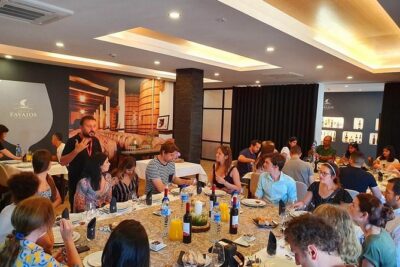
Complete Douro Valley Wine Tour with Lunch, Wine Tastings and River Cruise
Read our review →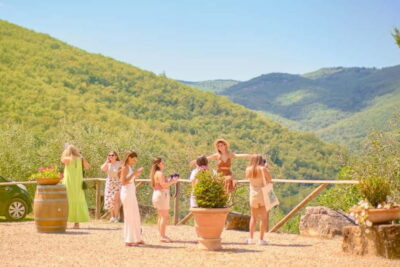
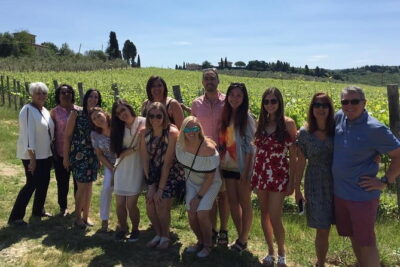
Small-Group Wine Tasting Experience in the Tuscan Countryside
Read our review →
SMALL-GROUP Wine Safaris: Tuscan Wine Tasting Tours from Florence
Read our review →
San Gimignano, Siena, Monteriggioni, Chianti Day Trip with Lunch & Wine Tasting
Read our review →
Cálem Cellar Tour, Interactive Museum & Wine Tasting
Read our review →