
Review · SPLIT
Split&Sip: Educational wine tasting
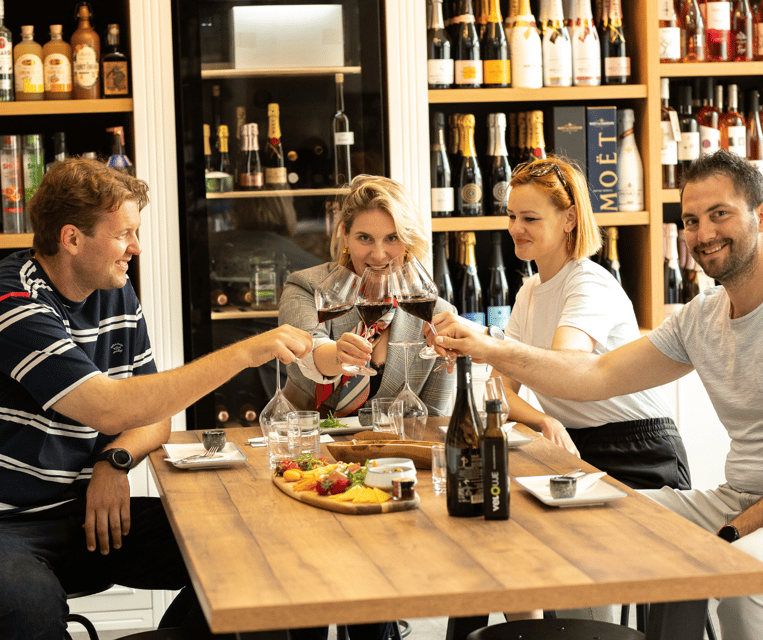
Croatian wine gets the spotlight at Split&Sip, a small wine shop beside Split’s National Theatre. Over about an hour, you taste several local wines while learning how Croatia’s regions, grapes, and climate shape what reaches your glass. Hosts such as Sven, Swen, and Marina have guided sessions here, depending on the booking.
I like the central location, which makes this an easy stop before dinner or after exploring Diocletian’s Palace. I also like the simple food pairing: local cheese, prosciutto, olives, grapes, and tapenade give you something useful to taste alongside the wine, rather than leaving you with a row of glasses and an empty stomach.
The main thing to consider is the session’s pace. Most people get a full, friendly introduction, but one account found that the second wine received less explanation than the others. If you want a slow, technical tasting, tell your host at the start and ask questions as you go.
Key points to know before booking
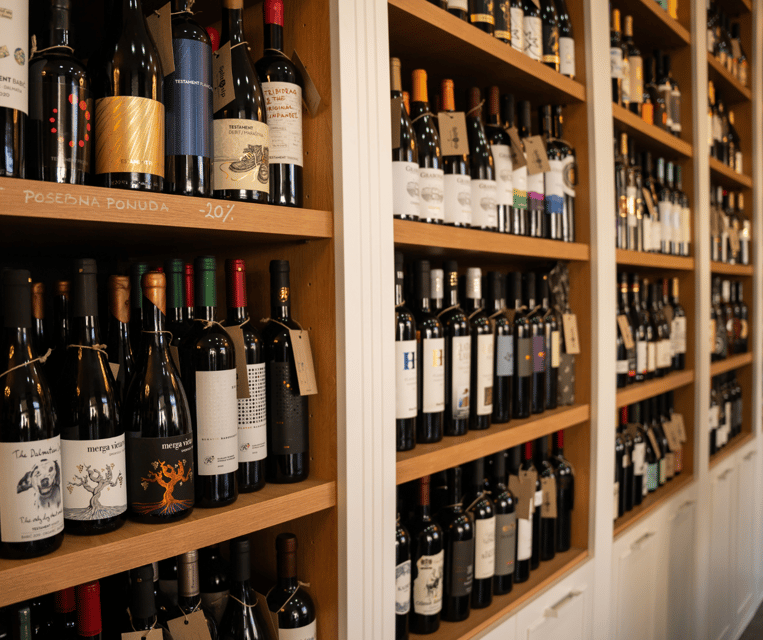
- Croatian wines lead the session: Expect an introduction to wines from different Croatian regions and grape varieties.
- Food is part of the price: Local cheese, prosciutto, olives, and several tapenades accompany the tasting.
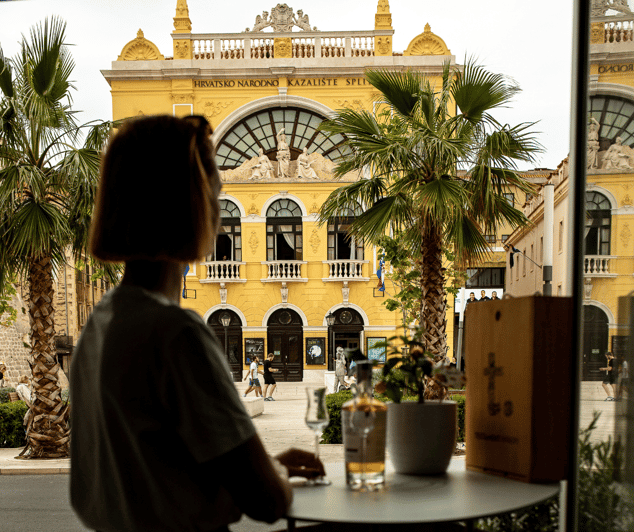
- The shop is easy to reach: Split&Sip sits at Trg Gaje Bulata 6, next to the National Theatre.
- The tone is friendly and educational: Beginners are welcome, and the host explains wine without assuming prior experience.
- The tasting lasts about an hour: The full booking window is listed as one to two hours, depending on the option and timing.
- It is for adults only: Children under 18 are not permitted, and pets and indoor smoking are not allowed.
A Croatian wine lesson in the center of Split
Split&Sip is not a vineyard outside town or a grand cellar in the countryside. It is a wine shop in central Split, at Trg Gaje Bulata 6, beside the National Theatre. That setting gives the experience a practical edge: you can fit it into a day of sightseeing without arranging a long transfer.
The shop focuses on wines from Croatia and other regions, along with craft beers, spirits, and non-alcoholic drinks. The tasting itself centers on wine, but the wider selection matters if you are shopping for a bottle, looking for a gift, or simply want to compare Croatian drinks with something familiar.
The session is conducted in English or Croatian. Hosts have been praised for explaining the subject clearly to beginners, including people who were worried they knew too little about wine. That is important here. A good tasting should help you notice more, not make you feel as if you are taking an exam.
More Wine Tasting Tours in Croatia
- From Split: Krka Waterfalls, Food & Wine Tasting Tour
★ 5.0 · 9,326 reviews - From Split: Krka Waterfalls, Food & Wine Tasting Tour
★ 4.9 · 6,598 reviews - Krka National Park Tour with tour Guide & Wine tasting from Split & Trogir
★ 5.0 · 1,625 reviews
What happens during the one-hour tasting
The listed itinerary is straightforward. You meet at the shop, take part in a wine tasting in Split for about one hour, and finish back at the same central location. There is no sightseeing transport or walking route to manage.
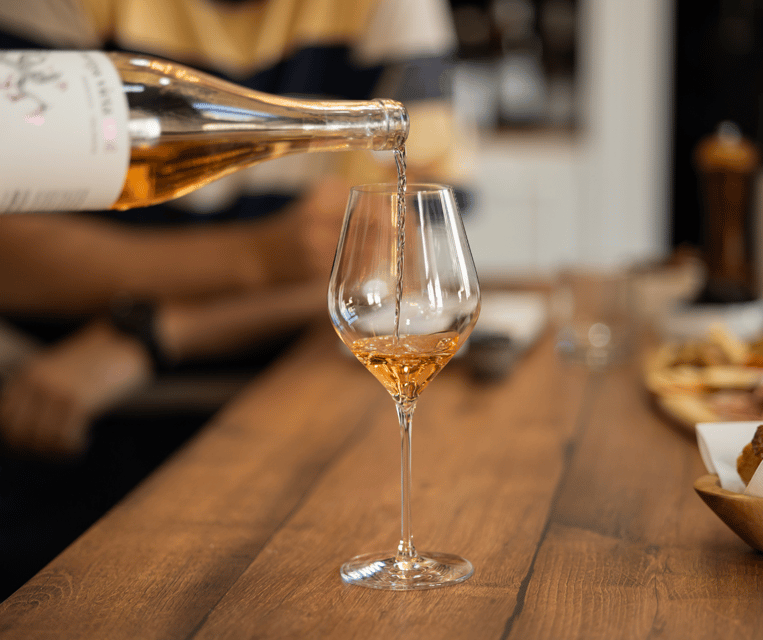
Your host guides you through a selection of wines chosen to show different flavors and styles. The exact bottles can vary, so you should not book this expecting a fixed menu. The useful part is the comparison. You get a chance to see how grape variety, growing region, and climate affect color, aroma, body, and taste.
One especially useful subject is the difference between Croatia’s wine regions. A host can explain how the country’s coastal conditions and inland areas produce different results. You also get an introduction to local grape varieties, which is often the best reason to choose this experience over a generic wine tasting.
The session works for a beginner because you do not need to know how to swirl a glass or describe a wine with fancy terms. It also has enough regional and grape information to interest someone who already drinks wine. The depth depends partly on the host and the questions you ask.
I would ask for the name and region of every wine you enjoy. That simple habit makes it easier to look for the bottle later, and it helps you remember more than a vague impression of a pleasant white or red.
Cheese, prosciutto, olives, and tapenade
The food pairing is modest but well chosen for a short tasting. You receive local cheeses, Croatian prosciutto, olives, grapes, and various tapenades. These are not a full lunch, but they give the wine a useful setting and help keep the hour comfortable.
Cheese can soften the feel of a dry wine. Salt from prosciutto and olives can change how fruit and acidity come across. Tapenade adds another strong flavor to compare. You do not need a lesson in food pairing to notice the difference, but the host can point out what works and why.
Food needs can sometimes be adjusted. One guest attended with a parent and did not eat meat, and the host adapted the offering. Still, you should mention dietary needs when booking or at the beginning rather than assume every change is guaranteed.
The plate also helps turn the tasting into a social activity. Small groups may share a table with people from other countries, and the relaxed format can continue after the official tasting if you decide to order another bottle. That social side is not promised as a formal part of the program, but the shop setting makes conversation easy.
The hosts make the difference
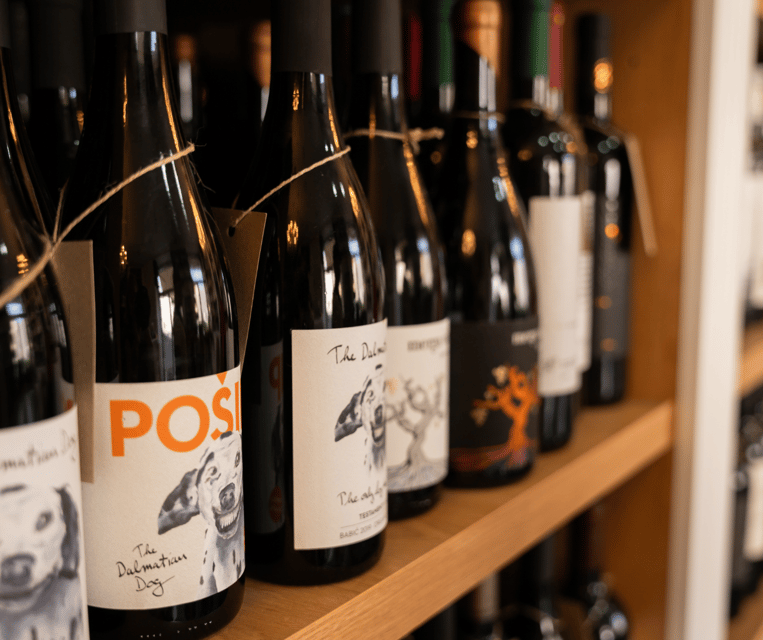
The strongest part of this experience is the human side. Sven or Swen is named in several accounts as a warm and well-informed host, while Marina is also praised for explaining wines and olive oils. Because more than one host may lead the session, the exact style can vary.
The best guidance here is practical rather than showy. Hosts explain Croatian wine regions, the effect of climate on grapes, and the background of the wines in the glass. They also answer basic questions patiently, which is just what you need if this is your first tasting.
One person with very little wine experience ended up buying a bottle after the session. That tells you something useful about the approach: the aim is not simply to pour wine, but to help you work out what you like. Another host offered suggestions for places to visit in Split, adding a bit of local context beyond the glass.
If you want more detail on each wine, speak up. One session moved quickly through part of the tasting, with less attention given to the second wine. This is a small experience, and the quality of the discussion depends on using the time well. Ask about the grape, the region, how the wine should be served, and where you might find it again.
More Wine Tastings in Croatia:
- Split/Trogir: Krka National Park Day Trip with Wine Tasting
★ 4.7 · 925 reviews - Split: Krka National Park Full-Day Tour with Wine Tasting
★ 4.9 · 142 reviews - Ston and Korcula Island Day Trip from Dubrovnik with Wine Tasting
★ 4.0 · 130 reviews - Hvar: Hvar Wine Tasting Experience
★ 4.8 · 128 reviews
Why Croatian wine is worth your time
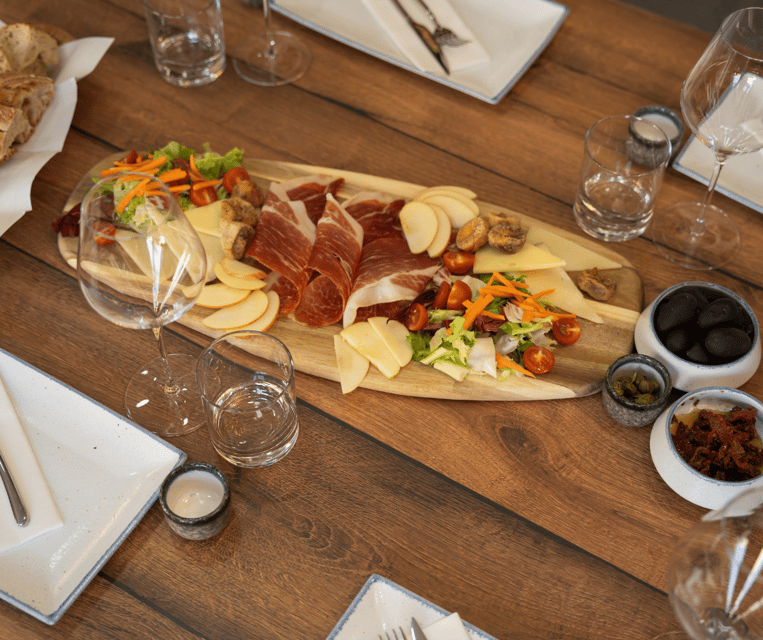
Croatian wine can be easy to miss if you spend your holiday focused only on the country’s beaches and old towns. A tasting gives you a reason to pay attention to what is already on restaurant menus and in local shops.
The country has several wine-growing areas and a range of grape varieties. Split&Sip’s format introduces that variety without asking you to spend a day visiting distant producers. You get a compact lesson first, then you can use it when ordering wine with seafood, grilled meat, cheese, or other Dalmatian food.
The experience also helps correct a common travel problem: buying a bottle based only on an attractive label. You can taste before purchasing and ask the host what makes one wine different from another. That is valuable at $56 per person, particularly if you are likely to buy a bottle afterward.
The drawback is that a one-hour session cannot explain every region or grape in detail. Think of it as a useful introduction to Croatian wine, not a sommelier course or a winery day trip.
Is $56 per person good value?
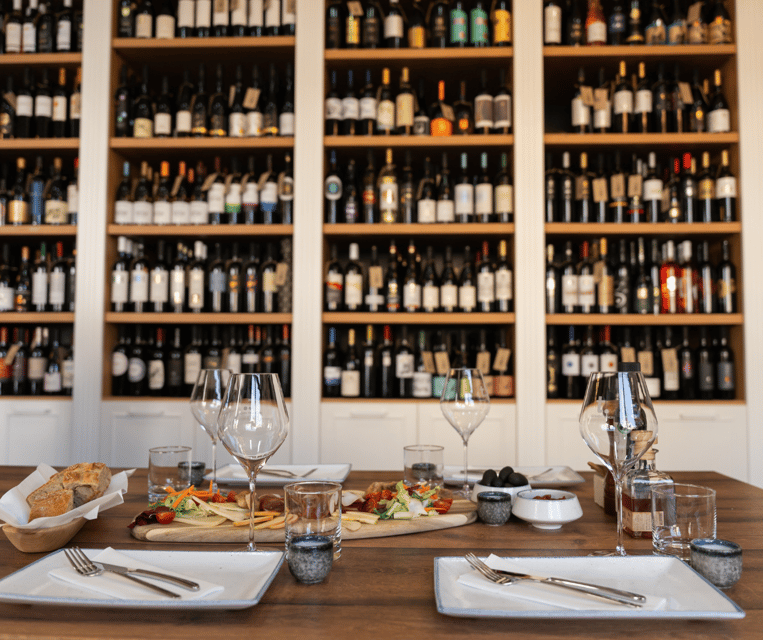
At $56 per person, this is not the cheapest way to drink wine in Split. You could order a glass at a bar for less. The price makes more sense when you count the guided explanation, several wines, and the accompanying food.
You are paying for context as much as liquid. A good host can tell you what you are tasting, why it tastes that way, and which styles may suit you. The cheese, prosciutto, olives, and tapenade also make this more than a simple retail sampling.
The value is strongest for three kinds of people. First, beginners get an approachable introduction without having to commit to a full-day excursion. Second, wine drinkers who do not know Croatian bottles gain a useful buying guide. Third, couples and small groups get a calm indoor activity that fits neatly between sightseeing stops.
The value is weaker if you already know exactly which Croatian wines you like, or if you want a large meal. This is a tasting plate, not dinner. It is also not designed for children, since participants must be at least 18.
Who should book Split&Sip?
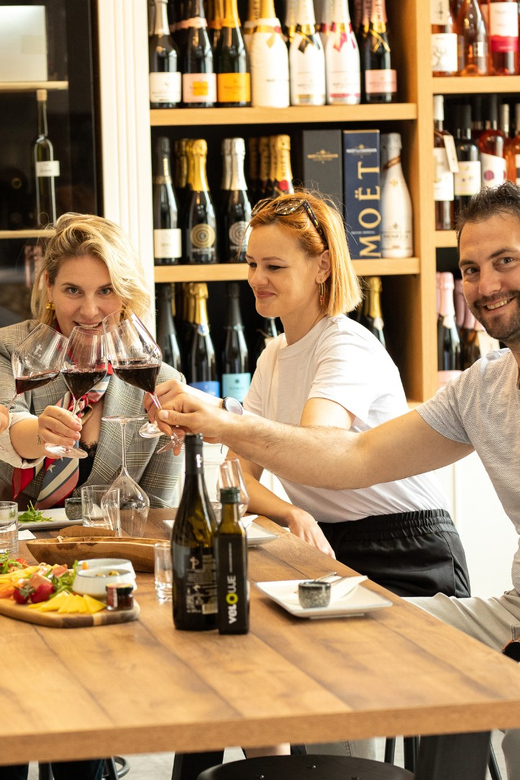
I would choose this for anyone who wants a gentle introduction to Croatian wine while staying in central Split. It suits solo visitors, couples, and small groups, especially if you enjoy asking questions and trying unfamiliar grapes.
It is a good rainy-day option, a pleasant break from summer heat, and an easy pre-dinner activity near the National Theatre. It can also work early in a Split stay, since the host may offer suggestions for places to visit afterward.
Wine beginners are particularly well served. You do not need a trained palate, and the hosts have shown patience with people who know little about wine. Experienced drinkers should also find value if they approach the session as a way to discover Croatian producers rather than as a highly technical tasting.
This is not the right choice for anyone under 18, for visitors seeking a vineyard visit outside Split, or for people who want a long meal with extensive wine pairing. Pets are not allowed, smoking indoors is prohibited, and the activity is wheelchair accessible.
Booking and timing advice
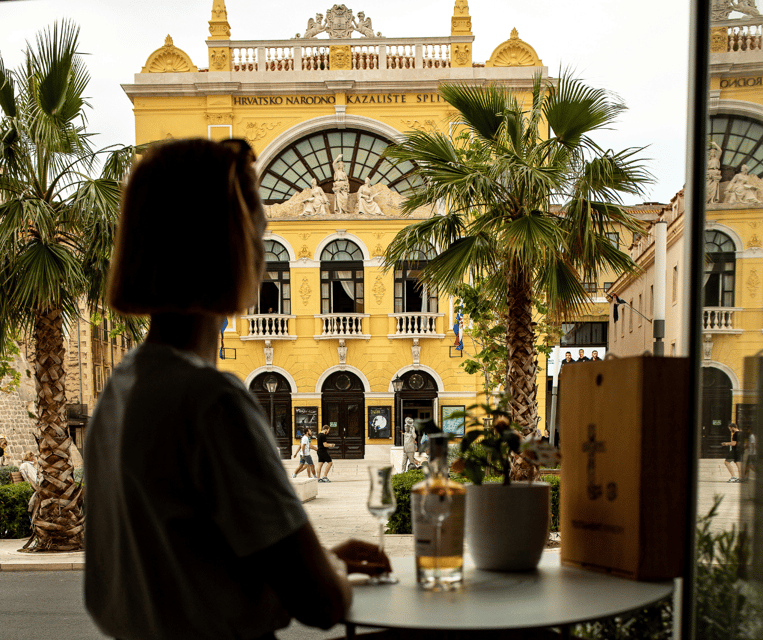
The duration is listed as one to two hours, with the tasting itself described as about one hour. Starting times depend on availability, so check the schedule that appears for your date.
The meeting and return point may vary with the option booked, but Trg Gaje Bulata 6 is the listed central location. Confirm the exact meeting details before setting out, especially if you are planning this around a museum visit or dinner reservation.
Cancellation is free up to 24 hours before the activity for a full refund. You can also reserve now and pay later, which helps if your Split plans are still shifting.
Because the shop is near the National Theatre, allow a little time to find the entrance rather than treating it like a countryside winery with a large sign and parking area. The central setting is convenient, but it also means this is a compact urban tasting.
Should you book this wine tasting?
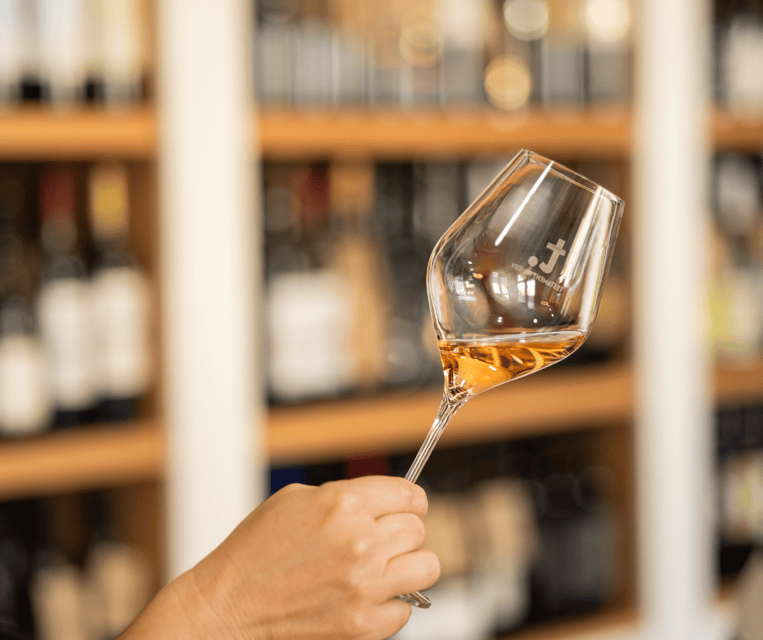
Book Split&Sip if you want to understand Croatian wine, taste it with local snacks, and stay close to Split’s center. The experience is especially useful for beginners, and the hosts bring warmth, regional knowledge, and practical advice to the table.
I would not book it expecting a full meal or a long technical seminar. The hour can move quickly, and the amount of detail may depend on who leads your session. Ask questions and tell the host if you want more explanation for each bottle.
For $56, you receive more than several pours. You get a short lesson in Dalmatian wine, food to match, and a chance to find a bottle worth taking home. If you have room in your Split schedule, this is a sensible and enjoyable way to taste beyond the usual tourist menu.
FAQ
Where does the Split&Sip wine tasting take place?
The wine shop is at Trg Gaje Bulata 6 in central Split, next to the National Theatre. The exact meeting point can vary depending on the option booked.
How long does the experience last?
The activity lasts about one to two hours, with the wine tasting itself listed as one hour. Check availability for the starting time and exact duration of your option.
How much does the tasting cost?
The price is $56 per person.
What food is included?
The tasting includes local cheeses, Croatian prosciutto, olives, grapes, and various tapenades.
What languages are available?
The live guide can conduct the experience in Croatian or English.
Is the experience suitable for children?
No. The activity is not suitable for children under 18.
Is Split&Sip wheelchair accessible?
Yes, the activity is listed as wheelchair accessible.
Can I try drinks other than wine?
Yes. The shop also offers craft beers, spirits, and non-alcoholic drinks. The booked activity itself focuses on wine tasting.
Can I cancel the booking?
Yes. You can cancel up to 24 hours in advance for a full refund. Reserve now and pay later is also available.
Just added around Croatia
- Dubrovnik: Sunset Wine Tasting At Panorama Point★ 4.9 · 72 reviews
- Split: Krka National Park Full-Day Tour with Wine Tasting★ 4.9 · 142 reviews
- Lumbarda – Sunset Kayak Tour with a Picnic – Wine and Sweets★ 5.0 · 45 reviews
- Korcula: Buggy Safari with Local Food and Wine Tasting★ 5.0 · 97 reviews
- Hvar: Hvar Wine Tasting Experience★ 4.8 · 128 reviews
- Pelješac Full-Day Wine and Food Tour from Dubrovnik★ 5.0 · 72 reviews
- From Makarska Riviera : Wine Tasting Grabovac Tour★ 4.4 · 59 reviews
- Dubrovnik: Oyster, Mussles, and Wine Tasting Tour in Ston★ 5.0 · 77 reviews
Wine Tasting Tours, compared.
Douro Valley w/ Boat Tour, Wine Tasting & Lunch
Read our review →
Complete Douro Valley Wine Tour with Lunch, Wine Tastings and River Cruise
Read our review →
Small-Group Wine Tasting Experience in the Tuscan Countryside
Read our review →
SMALL-GROUP Wine Safaris: Tuscan Wine Tasting Tours from Florence
Read our review →
San Gimignano, Siena, Monteriggioni, Chianti Day Trip with Lunch & Wine Tasting
Read our review →
Cálem Cellar Tour, Interactive Museum & Wine Tasting
Read our review →
Browse the lists this tour appears in