
Review · SEOUL
Soju Tasting at Distillery – story of 3 pigs
The most interesting part of this Seoul tasting is that you move beyond the familiar green bottle and taste traditional distilled soju in the working distillery where it is made. Sam LEE explains how Korean alcohol is produced, from rice fermentation to the final spirit, while sharing the story of Samhae soju and its Joseon-era roots.
I like the chance to sample at least seven Korean drinks, including stronger soju and other styles such as takju and cheongju. I also like the relaxed, small-group format, where Sam can answer questions and offer useful Seoul food tips. The main drawback is simple: 90 minutes can feel short, and the high-proof tasting may leave you tipsy before it is over.
Key points to know before you book
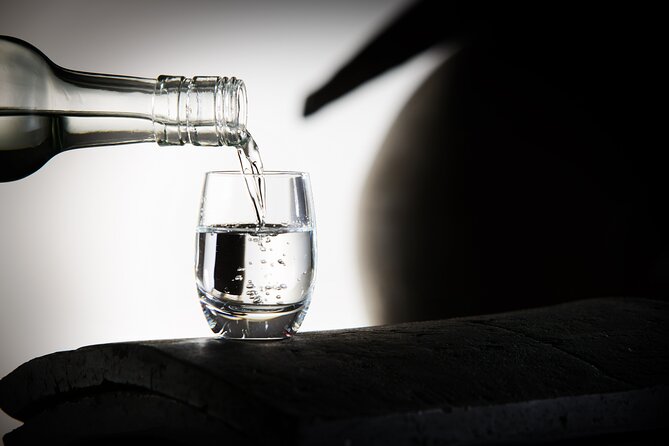
- Taste real distilled soju: The premium pours are 45% alcohol or stronger, far above the familiar commercial green-bottle style.
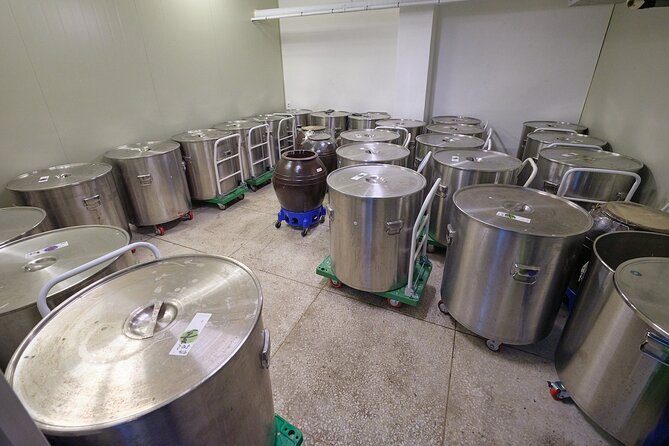
- Visit a working distillery: The Samhae Soju site is not generally open to the public, and you may see fermentation in progress.
- Try at least seven drinks: The tasting can include several soju styles, flavored varieties, and other Korean alcohols.
- Learn the three main categories: Sam explains takju, cheongju, and soju, so you understand what is in your glass.
- Meet in Mapo-gu: The experience starts and ends at Samhae Soju on World Cup buk-ro.
- Plan for a strong tasting: Eat before you arrive, especially if you are not used to spirits at 45% alcohol or above.
Why this is not an ordinary green-bottle soju tasting
For many visitors, soju means the inexpensive, smooth green bottle served with Korean barbecue. That drink is part of modern Korean life, but it is not the whole story. This experience introduces you to traditional soju, a distilled spirit with a stronger taste, more alcohol, and a closer connection to old Korean brewing methods.
Korean alcohol is broadly divided into three types. Takju is an unfiltered rice wine, usually cloudy. Cheongju is a clear, filtered rice wine. Soju is distilled, which gives it a much higher alcohol level and a different character from ordinary table drinks.
That distinction matters. If you expect a light, sweet shot that goes down easily, the tasting may surprise you. The traditional pours can be powerful, and the flavors vary from clean and dry to aromatic and infused. You are not simply drinking several versions of the same product. You are comparing different methods and styles.
The tasting is built around Samhae soju, a spirit linked to the noble class during the Joseon dynasty, which lasted from 1392 to 1894. Its production required a great deal of rice, so the spirit disappeared from production during periods of famine. The recipe was later preserved within a family tradition and is now made by master distiller Hyeonjong Kim, who trained for more than 10 years under master Taeksang Kim.
That background gives the tasting a useful sense of place. You are not only sampling alcohol. You are hearing how food shortages, social class, family teaching, and changing drinking habits shaped what appears in the glass.
More Distillery Tours in the world:
- Dublin: Jameson Whiskey Distillery Tour with Tastings
★ 4.7 · 4,859 reviews - Dublin Jameson Distillery Bow St. Tour and Tasting 45 mins
★ 5.0 · 4,690 reviews - Dublin Jameson Distillery and Guinness Storehouse Guided Tour
★ 4.5 · 2,608 reviews
Entering the Mapo distillery
The meeting point is Samhae Soju at World Cup buk-ro 109, basement level 1, in Seoul’s Mapo-gu district. The activity returns to the same location, so you do not need to arrange a second meeting place after the tasting.
The experience takes place inside the distillery, an important difference from a bar or shop tasting. You may see fermentation in progress and learn how the raw ingredients move toward the finished drink. The setting is practical rather than polished. One person described the atmosphere as a local distillery experience, and that is the right way to think about it.
You should not expect a grand visitor center or a theatrical production. The value is in seeing a real place where alcohol is made and in having Sam explain what you are looking at. The presentation may feel more functional than stylish, but that is also part of its appeal.
The site is near public transportation, which helps if you are exploring Seoul without a car. Since the tasting begins and ends at the distillery, check your route before setting out and allow time to arrive without rushing. A mobile ticket is provided.
Sam’s approach makes the tasting social
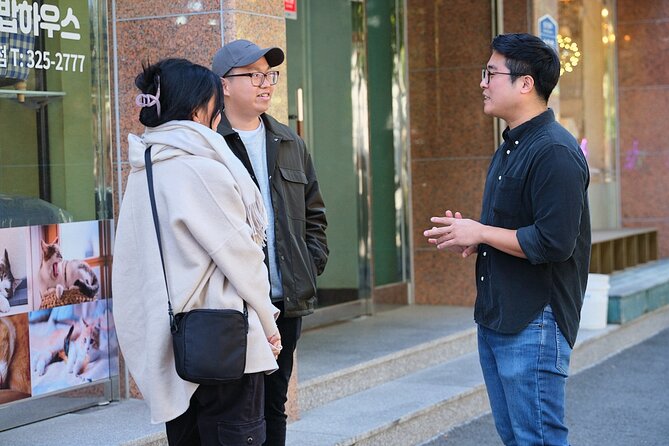
Sam LEE is the host, and his style shapes much of the experience. He explains the production process clearly, answers questions patiently, and keeps the tone informal. The session is designed for up to 10 people, creating enough room for conversation without turning into a large tour.
That small size matters when the subject is strong alcohol. You can ask about a particular aroma, production step, or drinking custom and get an answer without shouting across a crowded room. The group format also gives the tasting a conversational feel. It is less like a formal lecture and more like sitting down with someone who enjoys explaining Korean drinking culture.
Sam also adds practical Seoul advice after the tasting. His recommendations have included places to eat and tips for the rest of a visitor’s trip. This is a useful bonus, especially because food matters here. The right meal can help you appreciate the drinks and avoid treating a high-proof tasting as a string of empty shots.
One caution: group chemistry is never guaranteed. Most of the experience depends on conversation, and a solo participant may find the social side less rewarding if the group does not mix well. The format works best if you are willing to ask questions, compare impressions, and talk with people you have just met.
The tasting sequence: rice wine before distilled spirit
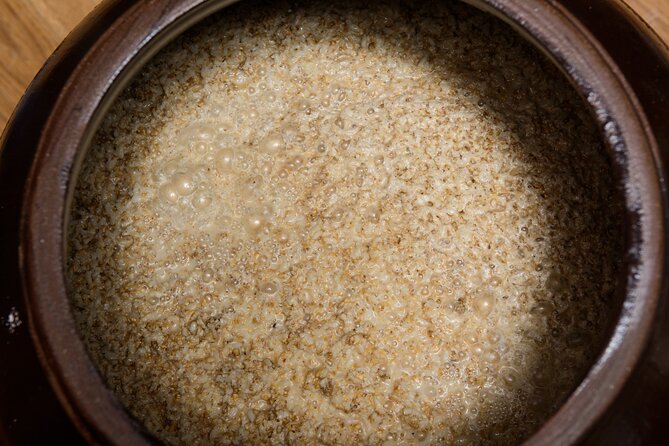
The tasting is not simply seven glasses placed in front of you with no explanation. Sam sets the drinks within the larger Korean alcohol tradition, including the relationship between takju, cheongju, and soju.
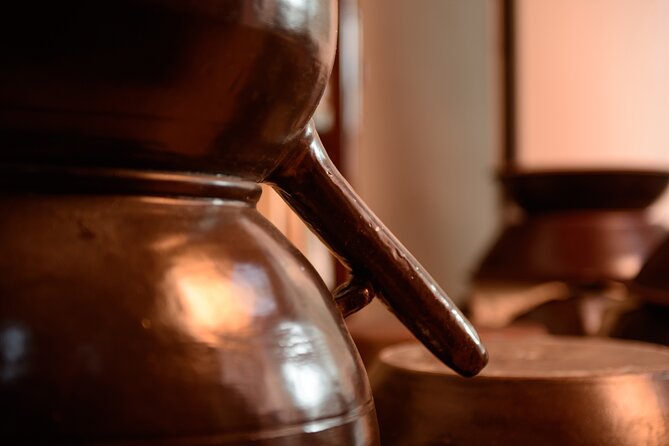
You may begin by considering the fermented rice base and the difference between cloudy and clear rice wines. Takju retains more of the solids from fermentation, while cheongju is filtered for a clearer result. Soju then takes the process further through distillation, concentrating the alcohol and changing the flavor.
This explanation helps you understand why traditional soju tastes unlike the common green-bottle drink. Commercial soju is often lower in alcohol and softened with sweeteners. The premium soju here is a much stronger spirit, generally 45% alcohol or above, or about 90 proof.
The exact selection can vary, but you should expect at least seven Korean alcoholic drinks made by a master distiller. The tasting has included several soju varieties with added aromas, along with different levels and styles. That variety lets you compare strength, texture, scent, and finish rather than judging soju from one sample.
Go slowly. A 45% spirit is not a casual beer or a light glass of wine. You can taste a small amount, pause, and ask what you are noticing. The session is more rewarding when you pay attention to the differences instead of trying to finish every pour quickly.
A few more tastings around the world worth a look
- Budapest: Unlimited Prosecco, Beer and Aperol Spritz Cruise
★ 4.8 · 37,304 reviews - Amsterdam: Evening Cruise with Optional Wine and Snacks
★ 4.4 · 22,178 reviews - Tuscany Day Trip from Florence: Siena, San Gimignano, Pisa and Lunch at a Winery
★ 5.0 · 21,634 reviews - From Porto: Douro Valley w/ Boat Tour, Wine Tasting & Lunch
★ 4.7 · 19,061 reviews
What makes Samhae soju special
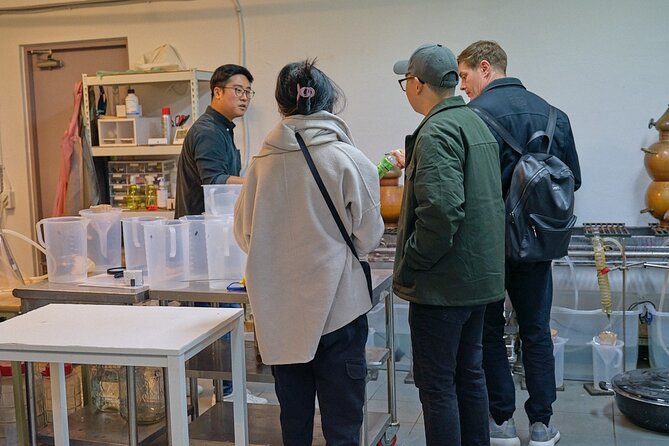
Samhae soju has a place in Korean drinking history that is quite different from mass-market soju. It was associated with the Joseon nobility and required enough rice to become impractical during famine. That detail explains why some old spirits vanish even when the recipe remains valued.
The current maker, Hyeonjong Kim, trained under Taeksang Kim for more than a decade. Taeksang Kim died in 2021, making the passing of the method from one master to the next especially meaningful. You get a sense of a recipe kept alive through personal teaching rather than factory standardization.
The title of the experience refers to the story of three pigs, but the available details do not spell out that story in full. Ask Sam about it during the session. It is one of the distinctive details connected with this tasting, and it gives you a good opening question if you want to go beyond the basic production talk.
The history is valuable because it changes how you think about soju. Instead of treating it as a generic Korean shot, you begin to see it as a product shaped by rice farming, preservation, class, scarcity, and family craft.
Expect bold alcohol, not a gentle sampling
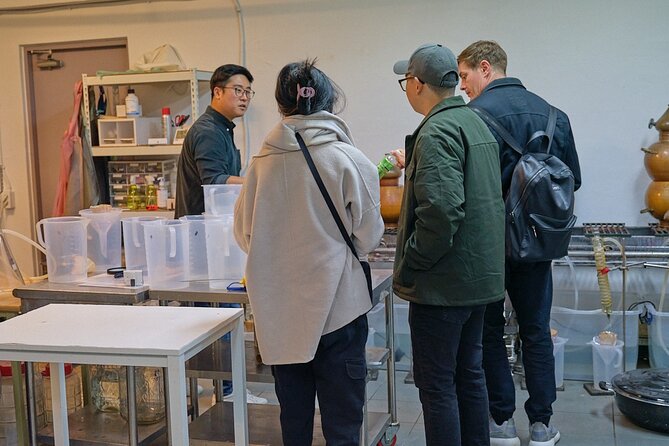
The high proof is both the attraction and the main practical issue. Premium soju at 45% alcohol or more can have a sharper presence than the familiar commercial version. Some pours may taste clean and direct, while others may carry special aromas or a more noticeable finish.
If you already enjoy spirits, this is likely the strongest reason to book. You get the chance to compare Korean distillation styles in a setting where someone can explain what makes each pour different. If you mainly enjoy sweet, low-alcohol drinks, keep your expectations in check.
Eat something before arriving. One of the most useful details from the experience is the warning that there will be a lot to taste. The tasting includes enough alcohol to make you tipsy by the end, particularly if you sample quickly or arrive hungry.
The experience does not appear to focus on a large food pairing menu. Food recommendations may come afterward, but you should handle dinner planning yourself. Have a proper meal before the tasting, and arrange your evening so you do not need to drive afterward.
Is $43.83 a fair price?
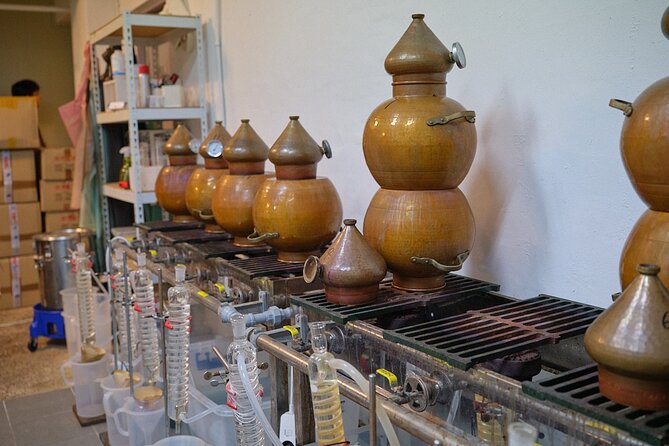
At $43.83 per person, this is not the cheapest way to drink soju in Seoul. You can buy commercial bottles for far less, and many Korean restaurants will serve standard soju as part of an ordinary meal.
The price makes more sense if you value access and explanation. You are paying for time inside a distillery not generally open to the public, at least seven samples, a guided look at fermentation and production, and a direct introduction to a traditional spirit. You are also getting a cultural lesson that would be difficult to assemble from a restaurant table.
I think the price is reasonable for spirit fans and for visitors who want an activity with a clear connection to Korean food culture. It is less compelling if you simply want a few casual drinks. In that case, a restaurant meal gives you a cheaper and more typical night out.
The group limit of 10 helps protect the value. A smaller group gives Sam more room to answer questions and keeps the tasting from feeling like a mass-market stop. Still, the experience is only about 90 minutes, so anyone expecting a long meal, an extensive distillery tour, or a full evening of entertainment may find it brief.
Who should book this Seoul experience?
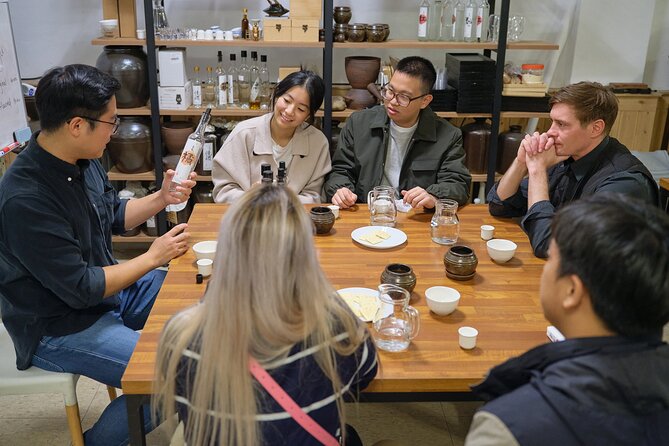
I would choose this for a visitor who wants to understand what traditional Korean alcohol tastes like, not just check off a familiar drink. It is especially well suited to:
- Spirit drinkers who enjoy high-proof samples
- People interested in food history and traditional production
- Couples and small groups looking for a conversational Seoul activity
- Solo visitors who are comfortable joining a group
- Anyone curious about the difference between commercial and traditional soju
It can also work for someone who does not already like soju. The session explains the drink before asking you to judge it, and the range of samples gives you a chance to find a style you prefer.
I would be more cautious if you dislike strong alcohol, do not want a group activity, or are looking for an elegant cocktail bar. The setting is a working distillery, and the format is relaxed and informal. That authenticity is the point, but it will not suit every taste.
Practical details for a smoother visit
The activity lasts about 1 hour and 30 minutes. It starts and ends at Samhae Soju in Mapo-gu, with public transportation nearby. The maximum group size is 10 people.
Confirmation is provided when you book, and the ticket is mobile. The activity requires good weather. If poor weather causes cancellation, you are offered another date or a full refund.
The cancellation terms are strict in normal circumstances. The experience is non-refundable and cannot be changed for any reason if you cancel or request an amendment, so book only when your schedule is firm.
Most important, eat before you go and pace yourself. You will be tasting several strong drinks, not sipping one mild beverage over a long dinner. If you want to ask questions, do so early, while your attention is sharp.
Should you book the Samhae Soju tasting?
Book it if you want the story behind Korean alcohol as much as the alcohol itself. The combination of a working Mapo distillery, at least seven samples, traditional Samhae soju, and Sam LEE’s easygoing explanations gives you a side of Seoul that a restaurant visit will not provide.
The best reason to go is the contrast between familiar commercial soju and the stronger, more traditional spirit made by a master distiller. The main limits are the short 90-minute schedule, the high alcohol level, and the strict cancellation terms.
For a curious drinker who can handle 45% spirits, I would make room for it. Eat first, arrive ready to talk, and treat the tasting as a cultural lesson with drinks, not as a quick round of shots.
FAQ
Where does the soju tasting take place?
It takes place at Samhae Soju, South Korea, Seoul, Mapo-gu, World Cup buk-ro, 109, basement level 1. The activity ends back at the same meeting point.
How long does the experience last?
The tasting lasts approximately 1 hour and 30 minutes.
How many Korean drinks will I taste?
You will taste at least seven different Korean alcoholic drinks made by a master distiller. The selection can include several soju styles with added aromas, as well as other Korean alcohols.
How strong is the soju?
The premium soju served during the tasting is 45% alcohol or higher, which is about 90 proof or more.
How large is the group?
The activity has a maximum of 10 travelers.
Can I cancel or change my booking?
The experience is non-refundable and cannot be changed for any reason. If poor weather causes the activity to be canceled, you will be offered a different date or a full refund.
Just added around the world
- Catamaran Sunset Champagne Cruise Cape Town★ 4.5 · 85 reviews
- Luxury Sunset Cruise with Prosecco★ 4.5 · 71 reviews
- Private Tour of Top 5 Stellenbosch Wineries From Cape Town★ 4.0 · 56 reviews
- Private Stellenbosch, Franschhoek Paarl Wine Tour from Cape Town★ 5.0 · 89 reviews
- Full-Day Stellenbosch, Franschhoek and Paarl Wine Tasting Tour from Cape Town★ 4.0 · 98 reviews
- From CapeTown: Stellenbosch Half Day Wine Tour★ 4.5 · 287 reviews
- Private Full Day Stellenbosch Wine Tour with Pick Up and Drop Off★ 5.0 · 425 reviews
- Full Day Small Group Wine Tour Cape Town and Stellenbosch★ 5.0 · 79 reviews
Distillery Tours, compared.
Jameson Whiskey Distillery Tour with Tastings
Read our review →
Dublin Jameson Distillery Bow St. Tour and Tasting 45 mins
Read our review →
Dublin Jameson Distillery and Guinness Storehouse Guided Tour
Read our review →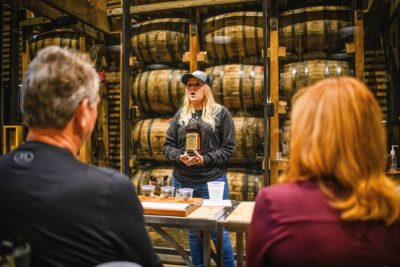
Nashville to Jack Daniel’s Distillery Bus Tour + Whiskey Tastings
Read our review →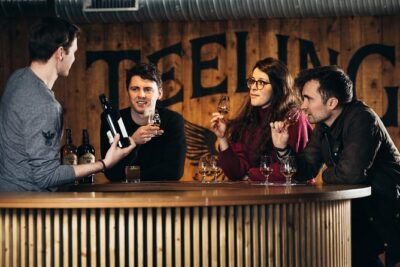
Dublin Teeling Whiskey Distillery Guided Tour and Tasting 1 Hour
Read our review →
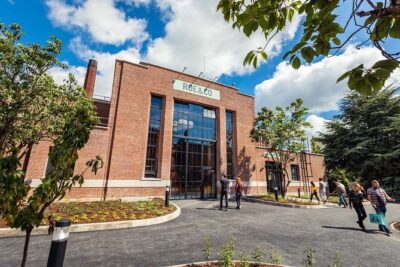

Hierve el Agua, Tule Tree, Mitla and Mezcal Distillery Tour
Read our review →Browse the lists this tour appears in