
Review · GERMANY
Rhine Valley Wine Tasting Tour from Frankfurt and Mainz
The best part of this day is the personal link to local winemakers. Carl drives you from Frankfurt or Mainz into the Rheingau and Rheinhessen, where small villages, vineyard views, and serious Riesling replace city streets. You may taste more than 20 wines, often with cellar visits and direct contact with the people who make them.
I like the flexible pickup and the way Carl adjusts the day to your wine tastes. I also like the generous food: cheese, baked goods, charcuterie, and regional wine tapas help keep a long tasting day pleasant. The main caution is that the route can change. Most days include two or three wineries, but weather, bookings, or group requests can mean extra driving or a different wine area than expected.
Key points at a glance
- Carl makes the day personal: He welcomes you with sparkling wine, learns what you like, and can adjust later tastings around your preferences.
- Two or three wineries are typical: Tastings can include 10 to 12 or more wines at a stop, so quality and time matter more than rushing through a long list of cellars.
- Riesling gets a proper introduction: You will taste dry styles as well as other regional varieties, including Pinot wines.
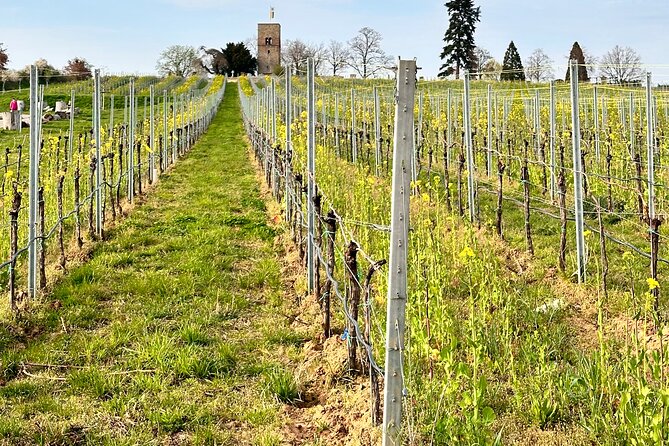
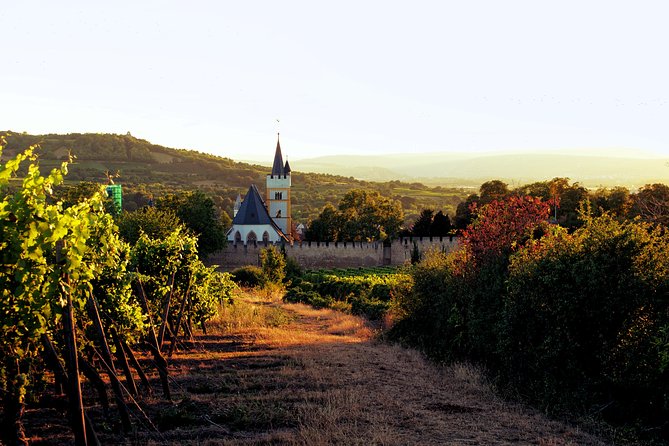
- The scenery is part of the tour: Expect old Rhine villages, vineyard roads, viewpoints, and a route toward the famous wine town of Rüdesheim.
- Lunch is built into the day: Regional cheese, charcuterie, baked goods, and wine tapas give you something to eat between tastings.
- Wine shipping is available: Carl can help arrange delivery of purchases, a useful service when you cannot carry bottles home.
Why this Rhine wine day works so well
German wine can be confusing at first. Labels, grape names, sweetness levels, and growing regions all matter, and a supermarket shelf does not explain much. This tour gives you a useful introduction in the places where the wine is made, with Carl translating the details into plain English.
You will spend about seven to eight hours on the road and at wineries, beginning with a 10 a.m. pickup and usually returning around 5 p.m. That makes this a full day, not a quick tasting squeezed between city sights.
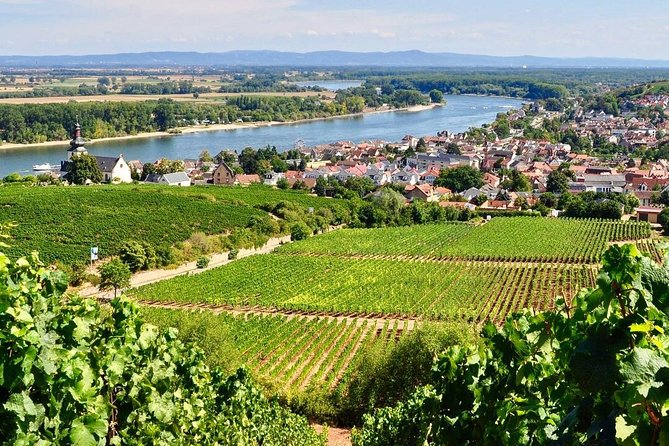
The focus is the Rhine wine country near Frankfurt and Mainz, especially the Rheingau and Rheinhessen. The two regions are close enough for a day trip, yet different enough to make the comparison worthwhile. The route passes old villages and vineyard country along the Rhine, with Rüdesheim as the best-known wine town in the area.
I especially like the balance between scenery and tasting. You are not simply driven from one indoor room to another. The day can include vineyard stops, viewpoints, village streets, cellar visits, and conversations with winery owners or staff.
More Wine Tasting Tours in Germany
- Trier: Guided City Walk with Wine Tasting
★ 4.8 · 979 reviews - Heidelberg and Rhine Valley Day Trip With Wine Tasting and Dinner from Frankfurt
★ 3.5 · 101 reviews - Reil, Mosel: Guided organic wine tasting and cellar tour
★ 4.8 · 84 reviews
From Frankfurt or Mainz into the Rheingau
Pickup is offered from your hotel in the Frankfurt or Mainz area. The first drive is about 45 minutes, depending on your exact location and the route chosen. Carl aims to pick you up and return you where it is most convenient, and he can also handle a pickup from one hotel with a drop-off at another.
The vehicle provides a practical advantage. You do not have to study regional train schedules, find rural wineries, or decide who will avoid the wine. You can taste freely and let someone else handle the roads.
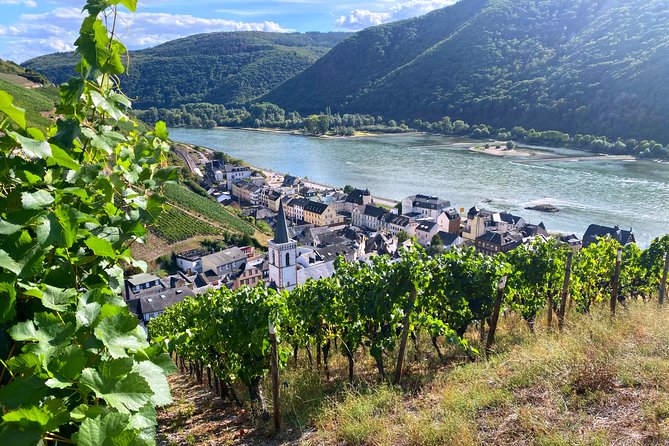
The first part of the drive introduces the Rhine Valley and the villages along it. Some are around 1,000 years old, and the road follows the river as it curves toward Rüdesheim. The changing views help you understand why this is a wine region, rather than just giving you a string of tasting rooms without context.
Carl often starts the day with sparkling wine. That is a friendly touch, but it also sets the tone: this is a relaxed wine outing, not a formal lecture. His style comes across as warm, humorous, and flexible. He explains grapes, soils, winemaking, and local history while keeping the conversation easy.
Riesling first, but not Riesling only
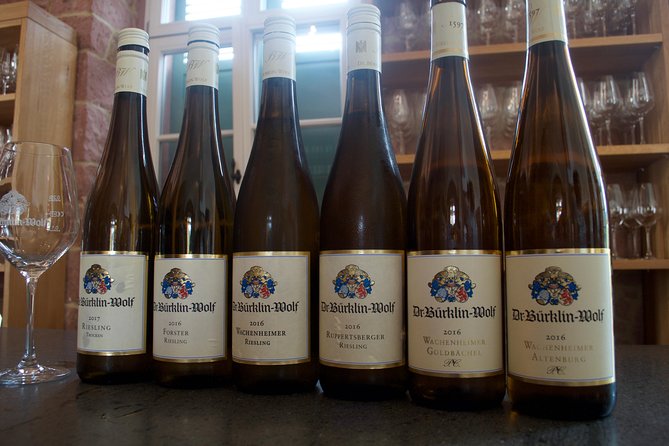
Riesling is the main reason to take this tour. Many people arrive thinking of Riesling as sweet, then discover how broad the grape can be. The tastings place particular attention on dry Riesling, along with regional Pinot varieties and other German wines.
You can expect to taste a large range. Depending on the winery, a single stop may include 10 to 12 or more wines. That is valuable if you want to compare dry and sweeter styles, different vineyard sites, white and red wines, or traditional and more modern approaches.
The large number of samples also brings a practical warning: pace yourself. You do not need to finish every pour, and it is sensible to eat lunch and drink water along the way. This is a lot of wine for one day, even for an enthusiastic drinker.
Carl pays attention to preferences as the day unfolds. If you like crisp dry whites, fuller wines, Pinot Noir, or something more unusual, he can use that information when choosing the next stop. This is one reason the experience feels more personal than a fixed bus route.
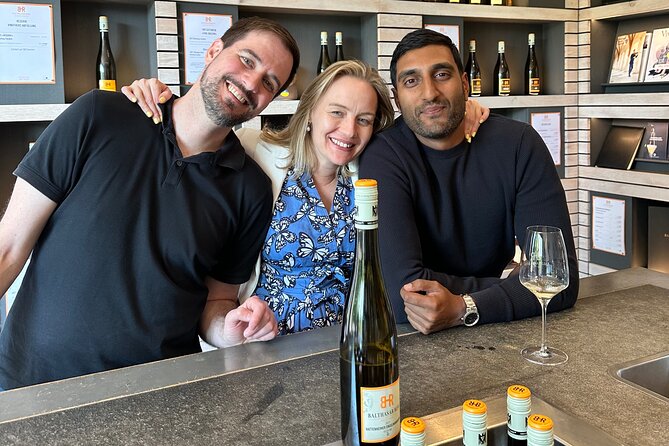
You may also meet the winery owners or the people running the tasting room. That personal contact adds something a bottle shop cannot provide. You can ask about the grapes, the local conditions, and the choices behind each wine.
What happens at the two or three wineries
The usual plan is to visit two or three award-winning or historically important wineries. The exact selection is not fixed, which is useful because winery hours, weather, group preferences, and availability can affect the route.
At one stop, you might receive a cellar tour and a detailed tasting of top Rieslings. At another, the setting may be smaller and more informal, with direct conversation and a different selection of wines. The point is comparison. One winery may focus on tradition, while another shows a more modern or experimental side of the region.
Do not judge the experience by the number of winery doors you enter. Two stops can fill much of the day when each includes 10 or more wines and a proper explanation. One particularly detailed tasting can take more time than a quick visit to three generic tasting rooms.
Still, expectations matter. The tour description presents two to three wineries, but the day does not guarantee three. One experience included only two wineries after the route changed and the drive became longer. Another day included three, and one account described four winery visits. Treat three as a good possibility, not a promise.
The route can also shift to another nearby wine area. The Pfalz, south of the Rhine Valley, may be included if the group requests it or the schedule calls for it. That can be a good addition for someone interested in more German wine, but it may disappoint you if your main goal is specifically the Rheingau, Rüdesheim, or Mainz area.
For that reason, contact Carl before booking if one exact region is essential to your plans. Ask which areas are likely on your date and how weather or other participants could affect the route.
More Wine Tastings in Germany:
- Berlin: Wine on Canvas – Paint Workshop and Wine Tasting
★ 4.7 · 59 reviews - Stuttgart: Stuttgart Wine Museum Wine Tasting
★ 4.7 · 55 reviews - Lieser: Covered wagon ride, the rolling wine tasting with picnic basket
★ 4.7 · 51 reviews - Kröv, Mosel: Covered wagon ride through the vineyards with wine tasting
★ 4.8 · 46 reviews
Rüdesheim, villages, and vineyard views
Rüdesheim is the best-known wine village named in the route. The approach takes you through a part of Germany where wine is tied closely to old villages, river travel, vineyard slopes, and local restaurants.
You may stop for photographs at scenic points or travel on smaller back roads through the vineyards. That is where the tour earns its place as a day outside Frankfurt. The scenery is not just decoration. It shows you the setting behind the wines in your glass.
Weather can change this part of the experience. Heavy rain may limit vineyard views, outdoor stops, or scenic detours. A private or small-group guide can adjust the day, but no guide can make a wet, gray day look like a sunny postcard.
The route is also shaped by the group. Although the experience is described as private, Carl may combine you with other wine lovers, with a maximum of eight people. That means you may have a small private group or a semi-private outing. The advantage is a social atmosphere and the chance to share the day. The tradeoff is less control over every stop.
Lunch with wine tapas
After the tastings, lunch gives you a chance to slow down and eat something substantial. The standard food offering includes local cheese platters, baked goods, charcuterie, and regional wine tapas. German flatbreads may also appear, depending on the restaurant.
This is not presented as a formal gourmet meal. It is more practical and relaxed, with food meant to match the wine and keep you going through the afternoon. Some days include a garden or patio setting, while other arrangements depend on availability.
If you want classic local dishes, ask about lunch before the tour. A preferred restaurant may be fully booked, and the available alternative may focus on wine tapas rather than a cooked regional meal. That small detail can affect your expectations, especially if food is as important to you as the wine.
I like that lunch is included in the rhythm of the day. Without food, a tasting of 20 or more wines would become tiring fast. The meal also makes the experience feel more connected to local life than a chain restaurant stop on the highway.
The value of a $476.68 price
At $476.68 per person, this is not a budget excursion. The price makes the most sense for you if you want a full day with a guide, hotel pickup, a comfortable vehicle, multiple winery tastings, local food, and help with wine purchases.
The value is less about the number of attractions and more about access and ease. Rural wineries are awkward to reach without a car. Public transport may get you near a wine town, but it will not necessarily connect several cellars, scenic viewpoints, village stops, and lunch in one day.
You are also paying for Carl’s local relationships. He knows the wineries and can often arrange a warmer welcome, more detailed tastings, and access behind the scenes. That does not guarantee a perfect route every time, but it can turn a basic tasting into a fuller introduction to German wine.
The price is easier to justify for a couple, a small group, or someone marking a special occasion. It may feel high if you only want a few samples and a short look at the Rhine. It is also worth remembering that bottles are additional purchases, even though Carl can help ship them home.
Buying wine and sending it home
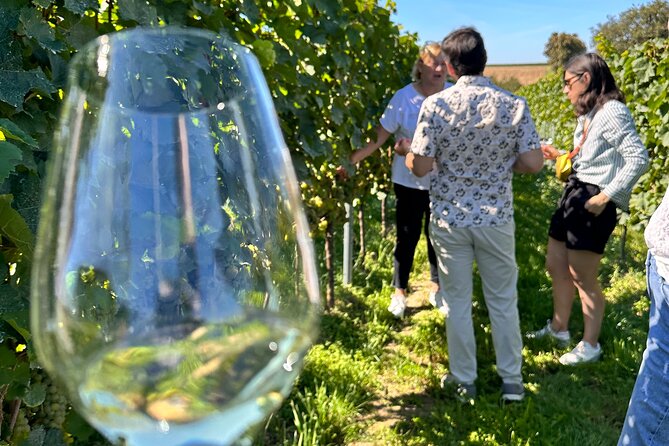
You will have chances to buy wines at the wineries, but there is no pressure to purchase. That is important because a full day of tasting can make every bottle seem essential.
Carl can help arrange shipping, and this is a real practical benefit. Several people have used the service to send bottles home, with one shipment arriving in about two weeks and another expected in roughly three weeks. Shipping times can vary, so do not plan a special dinner around an exact arrival date.
Ask about the process, cost, delivery address, and timing before you buy a large amount. It is also wise to keep notes on the bottles you like. After a long day of tasting, labels can blur together.
Who will enjoy this tour most
I would choose this experience if you want wine education without a stiff classroom feel. It suits beginners who want to understand dry Riesling, as well as wine lovers who want access to smaller German producers and regional Pinot wines.
It is also a strong choice for:
- Couples celebrating an anniversary
- Solo visitors who are happy to share a small group
- People staying in Frankfurt without a car
- Visitors who want both scenery and tasting
- Anyone interested in shipping German wine home
- Drinkers who want a flexible day rather than a fixed sightseeing schedule
You may want another plan if your priority is a guaranteed visit to a particular winery, a strict schedule, or a formal multi-course lunch. The route can change, the group may include other people, and two wineries may replace three.
The tour is offered in English. Most people can participate, and the vehicle group is limited to eight. Pickup is available, but it is sensible to confirm your hotel location in advance, especially if you are staying outside the main Frankfurt or Mainz area.
Is this Rhine Valley wine tour worth booking?
I would book it if you see the day as a complete wine-country outing rather than a checklist of wineries. Carl’s personal approach, local contacts, food, and wine-shipping help add genuine value, and the Rhine scenery gives the tastings a sense of place.
Before booking, confirm the likely route if Rüdesheim and the Rheingau are must-see stops. Also go in ready for plenty of wine, a flexible schedule, and the possibility of joining other wine lovers.
For a first introduction to German wine from Frankfurt or Mainz, this is a strong choice. For a rigid itinerary or a low-cost tasting, it is less suitable.
FAQ
Where does the tour begin and end?
Pickup and drop-off are offered from hotels in the Frankfurt or Mainz area. The stated schedule runs from about 10 a.m. to 5 p.m.
How long does the experience last?
The tour lasts approximately seven to eight hours.
How many wineries will I visit?
The usual plan includes two or three wineries. The number can change because of weather, availability, route changes, or group requests.
How many wines will I taste?
A tasting may include 10 or more wines at each winery. One detailed tasting included 10 to 12 wines.
What types of wine are included?
The tour focuses on dry Riesling and regional varieties, including Pinot wines. Sparkling wine may also be served at pickup.
Is lunch included?
Yes. The food includes regional wine tapas, local cheeses, baked goods, and charcuterie. German flatbreads may also be served, depending on the restaurant.
Can I have wine shipped home?
Yes. Carl can help arrange shipment of wines purchased during the day. Shipping time can vary, with examples of about two to three weeks.
What is the group size?
The maximum group size is eight people. Although the experience can be private, you may share the vehicle and day with other wine lovers.
What happens if I need to cancel?
You can cancel up to 24 hours before the start time for a full refund. Cancellations or changes made less than 24 hours before the start time are not refundable.
Just added around Germany
- Food tasting tour in Berlin of HIDDEN GEMS (Small Groups)★ 4.5 · 60 reviews
- Alternative Berlin Pub Crawl★ 4.0 · 86 reviews
- Stuttgart: Stuttgart Wine Museum Wine Tasting★ 4.7 · 55 reviews
- Stuttgart: Guided Vineyards Tour★ 4.3 · 146 reviews
- Hamburg Pub Crawl – 4 Locations, Shots & Club Entry★ 4.6 · 302 reviews
- Informative and fun brewery tour in German, public★ 4.9 · 47 reviews
- Nuremberg: Castle and Old Town Tour – incl. Tickets and red beer tasting★ 4.9 · 68 reviews
- Nuremberg: Private 1.5-Hour Tour with Beer Tasting★ 4.6 · 111 reviews
Wine Tasting Tours, compared.
Douro Valley w/ Boat Tour, Wine Tasting & Lunch
Read our review →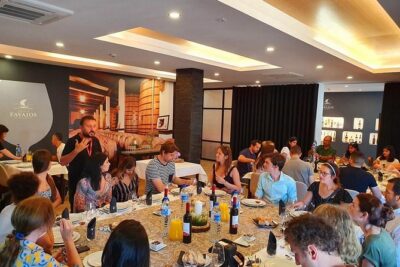
Complete Douro Valley Wine Tour with Lunch, Wine Tastings and River Cruise
Read our review →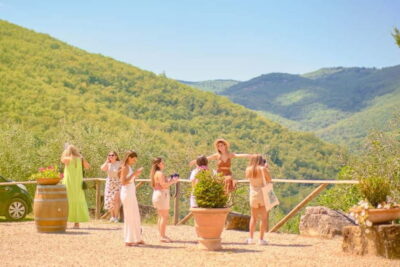
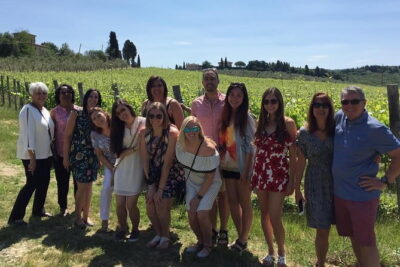
Small-Group Wine Tasting Experience in the Tuscan Countryside
Read our review →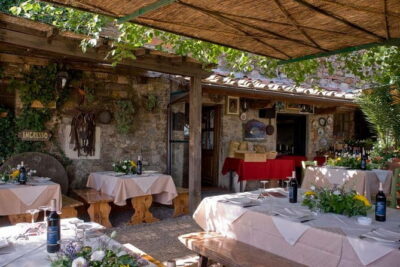
SMALL-GROUP Wine Safaris: Tuscan Wine Tasting Tours from Florence
Read our review →
San Gimignano, Siena, Monteriggioni, Chianti Day Trip with Lunch & Wine Tasting
Read our review →
Cálem Cellar Tour, Interactive Museum & Wine Tasting
Read our review →
Browse the lists this tour appears in