
Review · ITALY
Palermo: Wine Tasting with Snacks at Bottega Monteleone
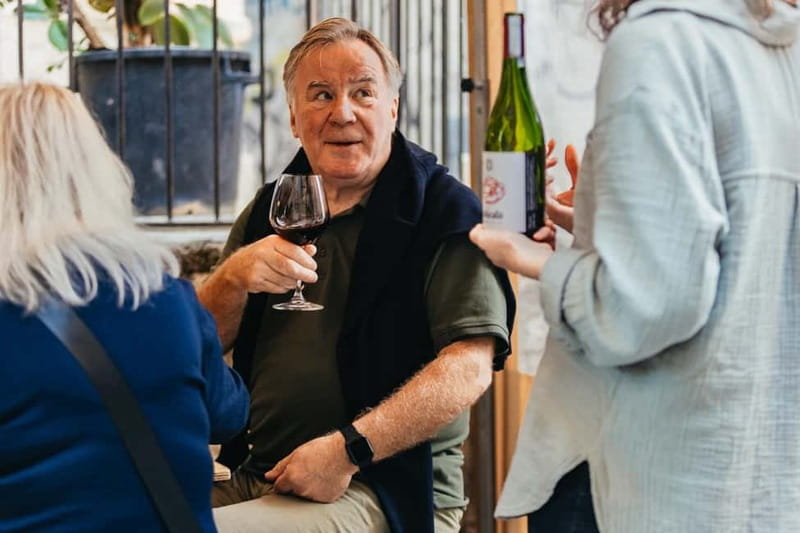
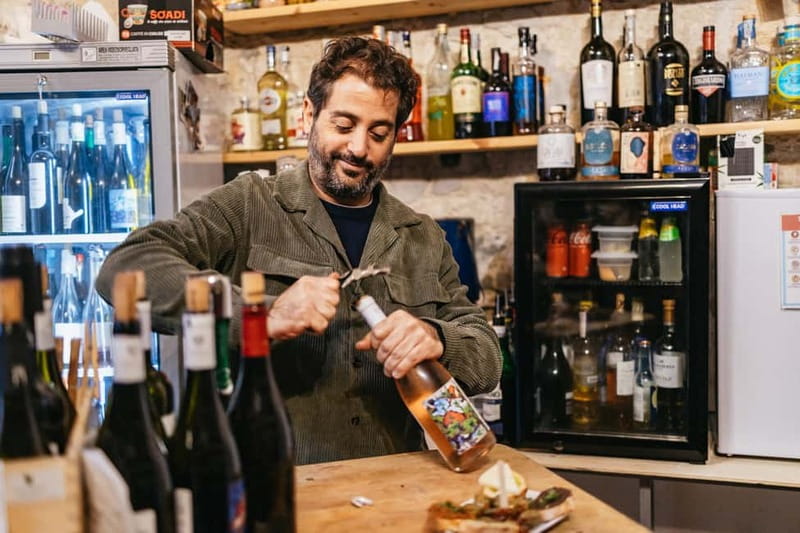
Palermo’s Bottega Monteleone turns wine tasting into a proper evening out. You sample five Sicilian wines, moving from sparkling wine to white, rosé, red, and dessert wine, while each glass arrives with a small dish. The setting is a cozy shop and wine bar in the historic center, decorated with colorful bottles and hand-painted ceramic Sicilian heads.
I like the generous food portions and the easy pace. This is not a rushed succession of tiny sips. The snacks can add up to a light meal, and several pours are described as generous. I also like the regional focus: the wines come from Sicily’s small producers, including bottles you may not often see outside the island.
The main consideration is that this is a wine-bar tasting, not a vineyard visit. You will not tour a winery or travel into the countryside. If you prefer a quiet, highly formal tasting, the social small-group setup may feel more casual than expected.
Key points to know before you book
- Five wines, five styles: The tasting usually moves from sparkling wine through white, rosé, red, and sweet wine.
- Food is a real part of the experience: Expect several Sicilian snacks and antipasti, enough to make a light meal.
- Hosts keep the wine talk approachable: Yuri, Katharina, Katerina, Margherita, and other hosts have explained grape varieties, production, origins, and local wine culture.
- A central Palermo setting: Bottega Monteleone is easy to pair with an evening in the historic center, with no transport included.
- Small groups suit social drinkers: The format can bring together people from several countries around one table.
- Good value at $52: Five pours, food, water, and two hours of guidance make this more than a quick bar tasting.
Five Sicilian wines in the heart of Palermo
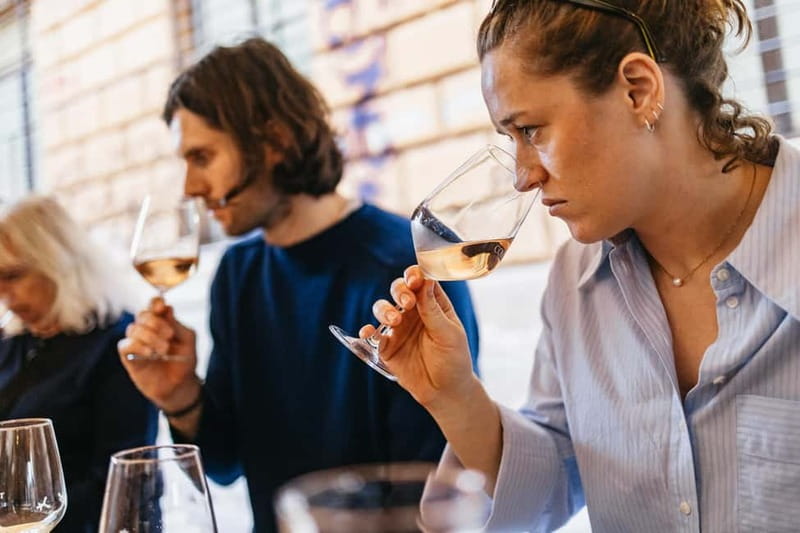
The best reason to book this experience is its range. In two hours, you get a compact tour through Sicily’s wine culture without leaving your chair. The sequence is designed to show contrast, not simply five versions of the same wine.
You begin with a sparkling wine. This opens the evening gently and gives the host a chance to explain how the tasting will work. The first food pairing arrives alongside it, so you are not drinking on an empty stomach. The exact bottle and snack can vary, but the purpose is clear: match the wine with a small taste of Sicily.
Next comes a white wine, followed by a rosé. This is a useful part of the progression because it lets you compare lighter styles before the fuller red. The host may discuss the grapes, where they grow, and why the wine tastes as it does. Several hosts, including Yuri and Katerina, have explained the history of the grapes and the origin of each bottle in clear, accessible terms.
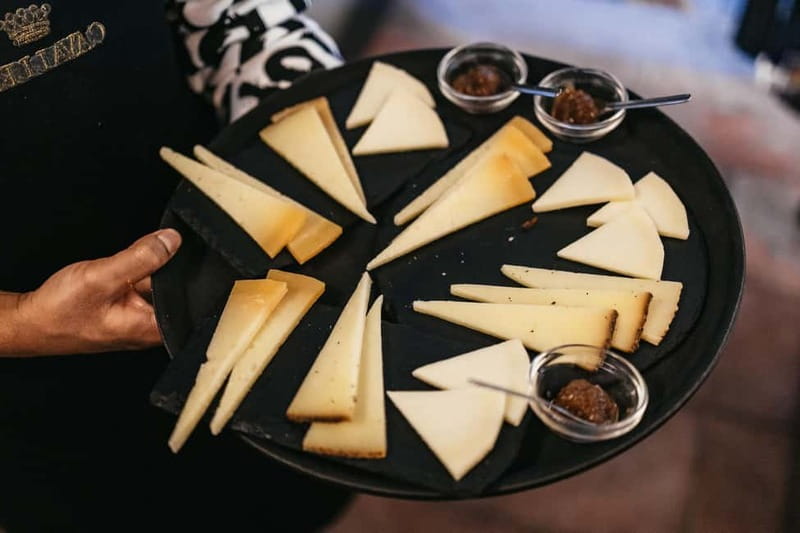
The red wine brings the tasting into more familiar dinner territory. It is paired with another savory bite, and the sequence gives you a chance to notice how food changes the wine. That simple lesson is one of the most useful parts of the experience. A wine that seems sharp or heavy on its own can feel very different beside cheese, cured meat, bruschetta, pasta salad, or another local dish.
The final pour is a dessert wine. Ending sweet gives the evening a clear finish and prevents the tasting from feeling like a random lineup of bottles. You get a sense of how Sicilian wine can work across a full meal, from aperitivo through dessert.
The wines are selected from Sicilian producers, with an emphasis on bottles made on the island. Some Sicilian wines are produced in quantities too small to export widely, so this is a practical way to try styles you may not find at home. You do not need a trained palate. The explanations are meant to help you notice the differences, not test you.
More Wine Tasting Tours in Italy
- Florence: Chianti Wineries Tour with Wine Tasting
★ 4.5 · 10,071 reviews - Small-Group Wine Tasting Experience in the Tuscan Countryside
★ 5.0 · 7,392 reviews - Rome: Tuscany & Montepulciano Day Trip with Lunch & Wine Tasting
★ 4.5 · 5,232 reviews
The food pairings can replace dinner
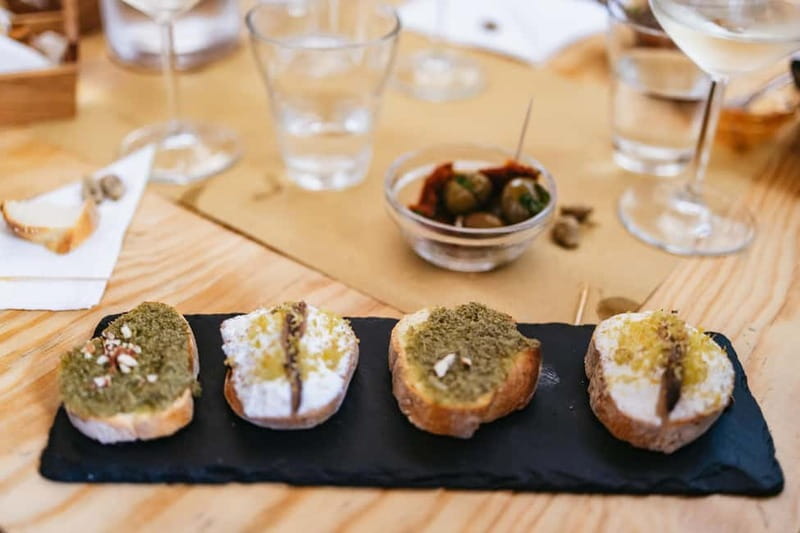
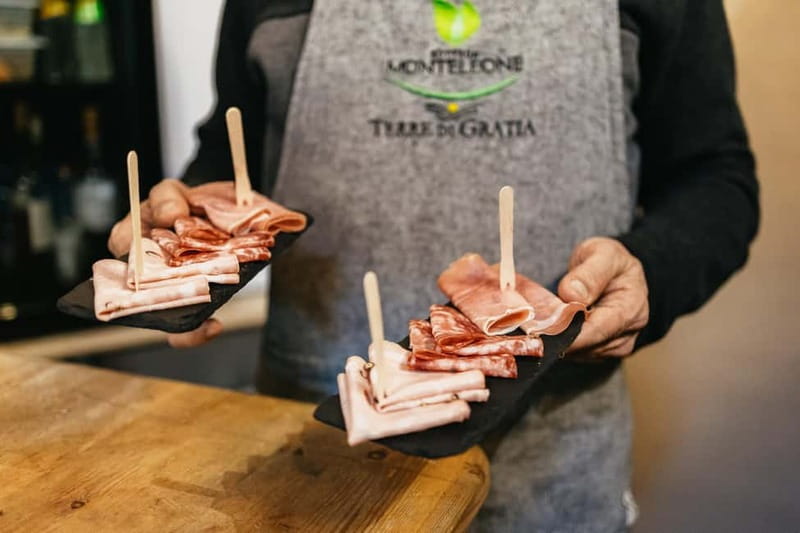
Do not treat the food as decoration. The snacks are one of the strongest parts of the experience, and the quantity appears to vary from generous to very generous. The tasting includes several small plates, and examples described by participants include pasta salad, bruschetta, cheese, meats, and dessert.
That means you should arrive hungry, but not foolishly hungry. Wine on an empty stomach is a poor plan, yet a full meal beforehand may leave you too stuffed to enjoy the pairings. The snacks can add up to a light meal, and one practical tip is to avoid eating a large dinner before the tasting.
The pairing style is informal. You are not presented with a lengthy fine-dining menu or a formal sequence of courses. Instead, each wine arrives with a Sicilian bite that suits it. This makes the evening relaxed and gives you plenty to talk about between pours.
Vegetarian substitutions can be arranged if you tell the provider about your needs. The provider also asks you to share dietary restrictions in advance so appropriate changes can be made. That flexibility matters because the standard spread may include meat, cheese, or other ingredients that do not suit everyone.
Food portions are a point in the experience’s favor, but remember that this is still called a tasting. The exact snacks and serving sizes may change. You should expect ample antipasti rather than a guaranteed full restaurant dinner.
A cozy shop with a social Palermo feel
Bottega Monteleone is both the meeting point and the setting. You meet your host at the shop, where rows of colorful bottles create the backdrop. Hand-painted ceramic Sicilian heads sit on a shelf, adding a distinctly local touch without making the place feel like a museum display.
The shop is in the heart of Palermo, but the tasting itself is described as intimate and tucked just off a busy street. That arrangement gives you the best of both sides. You are close to the energy of central Palermo, yet the table can feel calm enough to hear the host.
Some groups sit outside, and group size can be small. One tasting had seven people at a table, while another had just five. That size works well for an experience built around conversation. You may end up sharing the table with people from Britain, Germany, France, the United States, or elsewhere.
This social element is worth considering. The wine and food give people an easy subject, and the evening can become more conversational as the tasting progresses. If you want a private celebration, private groups are available. If you enjoy meeting people during a trip, the shared format adds something that a private table may not.
The setting is not silent. It is a wine bar in central Palermo, not a library or a formal classroom. That casual atmosphere suits the tasting, though you should choose another activity if you want a very serious academic seminar on Sicilian wine.
The hosts make the difference
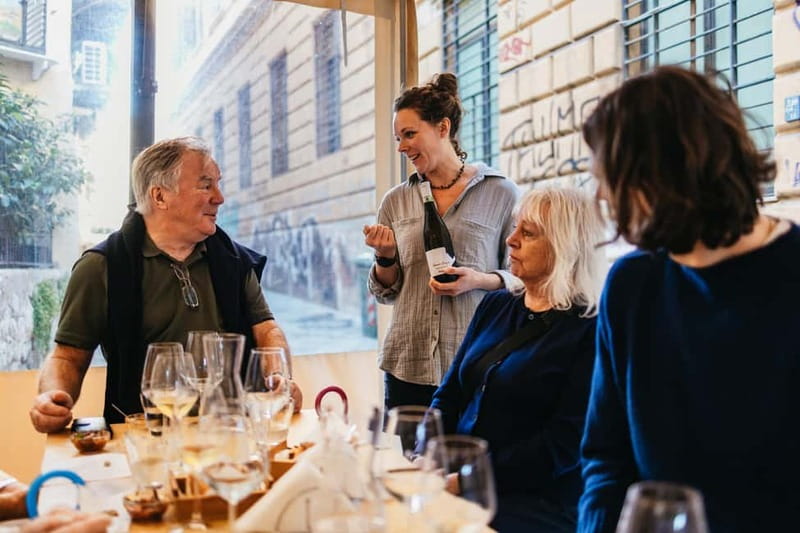
The quality of the evening depends heavily on the person leading your table. The named hosts include Yuri, Katharina, Katerina, and Margherita, and each has been praised for making the wine accessible while still explaining useful detail.
Expect discussion of grape varieties, production methods, the origins of the wines, and the reasons a bottle has a particular taste. One host explained the time involved before bottling, while another focused on the history of the grapes. These details help you connect the wine to Sicily rather than treating it as a nameless drink.
The level of detail is generally moderate. You can ask questions, but you are not expected to memorize technical terms. That balance works for most people. Beginners get a clear introduction, while people who already drink wine can ask about production and regional differences.
The hosts speak English and Italian. If you do not know much about wine, say so. A good tasting becomes more useful when the host knows whether you want simple guidance or more technical information.
The pacing also matters. The pours do not arrive in a frantic rush, and the food gives you time to talk, taste, and ask questions. Several tastings lasted around two hours, though the social evening can sometimes continue afterward if you choose to stay and order more. Any extra drinks would be separate from the included experience.
More Wine Tastings in Italy:
- SMALL-GROUP Wine Safaris: Tuscan Wine Tasting Tours from Florence
★ 5.0 · 5,088 reviews - San Gimignano, Siena, Monteriggioni, Chianti Day Trip with Lunch & Wine Tasting
★ 4.5 · 4,432 reviews - From Florence: Small Group Wine Tasting Tour to Tuscany
★ 4.9 · 3,902 reviews - Florence: S. Gimignano, Siena, Chianti Wine Tasting & Lunch
★ 4.6 · 3,102 reviews
What the two-hour flow feels like
A typical evening begins with your arrival at Bottega Monteleone and an introduction to the host and the other people at your table. You settle in, receive water, and hear a short explanation of the local focus.
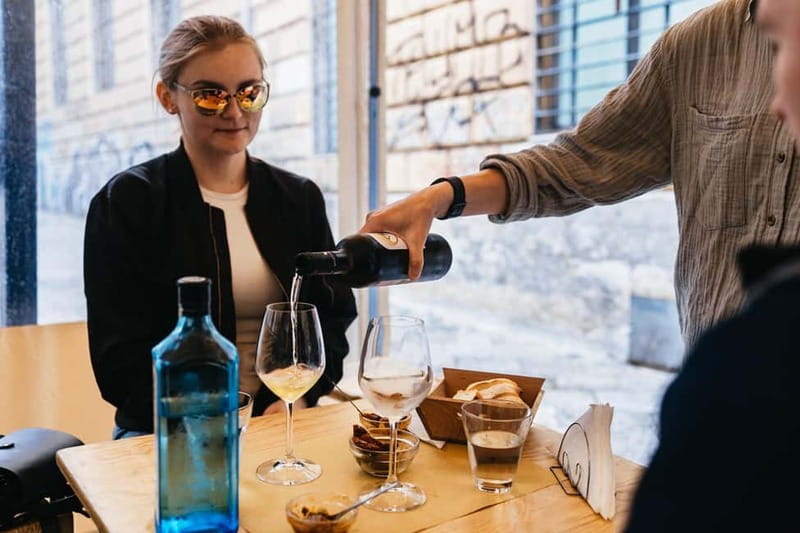
The first sparkling wine sets the tone. It is followed by an antipasto and an explanation of the bottle. This is not just a drink poured without context. The host uses each course to explain something about Sicilian wine and food.
The white wine follows, then the rosé. This lighter section of the tasting is a good time to ask questions about grapes and growing areas. You may notice how the food changes the way the wines taste, especially if you compare the same snack with two different styles.
The red comes later, usually with more substantial savory food. By this stage, the format feels more like a shared meal than a lesson. The dessert wine closes the formal tasting, often with something sweet.
The sequence is simple, but it works. You cover five styles, receive food with each one, and have enough time to enjoy the setting. The main drawback is that the exact wines and dishes are not specified in advance. If you want to plan around particular grapes or labels, this experience may be too flexible.
Is $52 a good value?
At $52 per person, this is good value if you count the food as part of the evening rather than as a token extra. You receive five Sicilian wines, water, several food pairings, and a host for about two hours. If the pours are as generous as many reports suggest, you are getting substantially more than five tiny samples.
The food can also reduce the cost of dinner. Several of the pairings together may be enough for a light meal, especially at an early tasting. I would not book it expecting a full three-course dinner, but I would feel comfortable planning a smaller meal afterward.
The comparison is especially favorable if you want an introduction to Sicilian wine without paying for transport to a rural estate. There is no coach ride, vineyard walk, or countryside scenery here. In exchange, you get a central location and more time focused on tasting and conversation.
The value is strongest for someone who is curious about local wines but does not want a full-day excursion. It is less compelling for a wine expert seeking rare vintages, detailed vineyard conditions, or a tour of production facilities. This is a welcoming introduction, not an advanced certification course.
Who should book this tasting?
I would recommend it to first-time visitors who want an easy introduction to Sicily’s wines. It is also a smart choice for your first or second evening in Palermo because the location lets you combine the tasting with a walk through the historic center.
Couples can enjoy the relaxed pace, but solo visitors may benefit even more from the shared table. The setup makes conversation easy, and the common interest in food and wine removes much of the awkwardness that can come with joining a group activity alone.
It suits mixed groups too. One person can know a lot about wine while another knows very little, since the host can explain the essentials without turning the evening into a lecture. The tastings also work well for people who want food included rather than another activity that ends with a search for dinner.
You should think twice if you do not drink alcohol, since the central purpose is tasting five wines. The drinking age in Italy is 18. You should also check the food arrangements in advance if you have serious allergies or strict dietary needs, even though substitutions are possible when requested.
The experience is wheelchair accessible. Transportation is not included, so you make your own way to Bottega Monteleone. Starting times vary, and you should check availability when booking.
My practical verdict
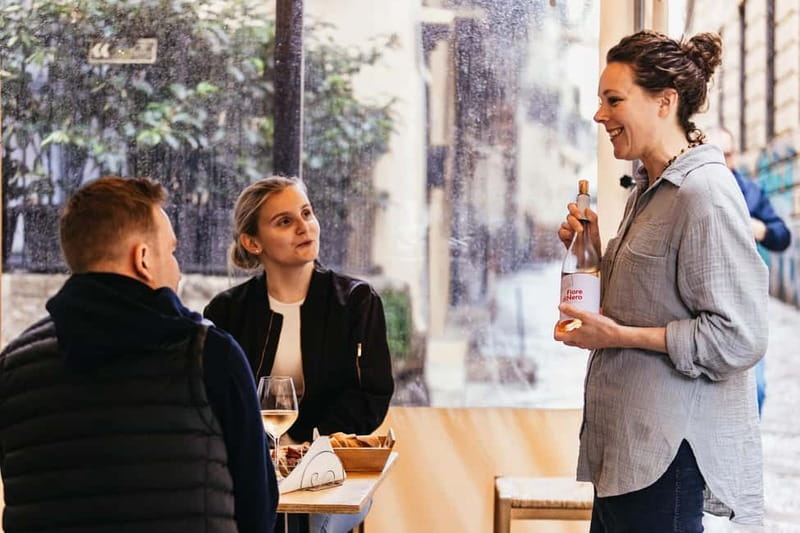
I like this tasting because it gives you a useful sense of Sicily without making you work too hard for it. The wines cover a broad range, the food is substantial, and the hosts explain the bottles in plain language. You get local character from small producers and a comfortable central Palermo setting.
The strongest reason to book is the combination of generous pours, real food, and approachable guidance. The main limitation is the lack of a vineyard visit and the changing selection of wines and dishes. You are booking an evening at a Palermo wine bar, not a trip through the countryside.
Book it if you want to eat, taste, learn a little, and meet people in a relaxed setting. Choose it early in your stay if you want ideas for bottles and wine styles to seek out elsewhere in Sicily. Skip it only if you want a formal winery tour, a strictly private experience, or a nonalcoholic activity.
FAQ
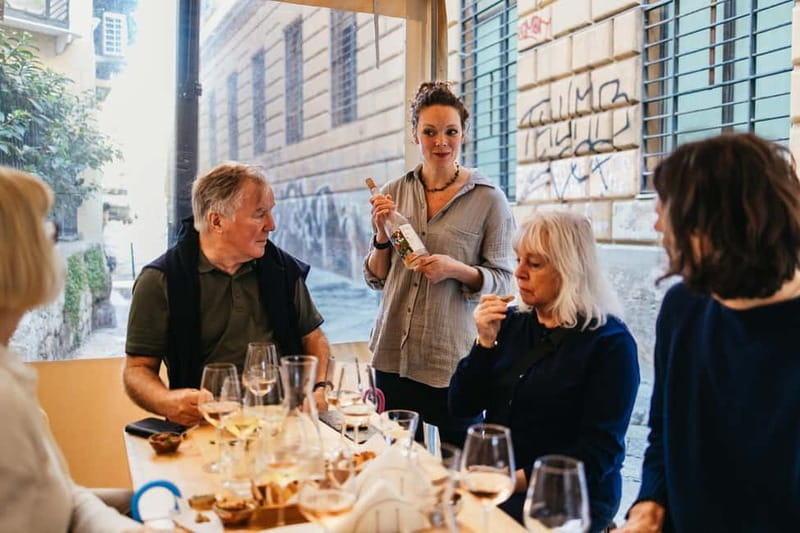
Where does the wine tasting take place?
The tasting takes place at Bottega Monteleone, a wine shop and bar in the heart of Palermo. Meet your host at the shop.
How long does the experience last?
The scheduled duration is two hours. Some people may choose to remain afterward for additional drinks, but anything extra is not part of the included tasting.
How many wines are included?
Five Sicilian wines are included. The planned styles are sparkling, white, rosé, red, and dessert wine.
Is food included?
Yes. Each wine is paired with a Sicilian snack or antipasto, and the combined food is intended to add up to a light meal.
Is water included?
Yes. Water is included with the tasting.
What languages are available?
The hosts or greeters speak English and Italian.
Is the tasting suitable for vegetarians?
Vegetarian substitutions can be arranged. Tell the activity provider about your preference in advance.
Can dietary restrictions be accommodated?
You should notify the activity provider about your dietary restrictions. The provider will do its best to make suitable substitutions.
Is the activity wheelchair accessible?
Yes. The activity is listed as wheelchair accessible.
Is transportation included?
No. You are responsible for getting to Bottega Monteleone, the meeting point.
What is the minimum drinking age?
The drinking age in Italy is 18, so participants must be at least 18 years old to take part in the wine tasting.
Just added around Italy
- Catamaran tour stops bathing and snorkeling toast with prosecco★ 5.0 · 214 reviews
- Cagliari Boat Tour by Maxi Rib – Wine and Snorkeling★ 5.0 · 128 reviews
- Small-Group Food and Wine Tour from Cagliari★ 5.0 · 237 reviews
- Cagliari Boat Tour with Sardatrips; Swim, Snorkeling, Sip & Snack★ 5.0 · 106 reviews
- Cagliari 3 Hours Luxury Motorboat Tour – Wine and Snorkeling★ 5.0 · 118 reviews
- Wine Experience: vineyard, wines and food★ 5.0 · 155 reviews
- Dinner in the vineyard with wine tasting and walk★ 5.0 · 58 reviews
- Wine Tour and Tasting of Lugana Wines in Desenzano★ 5.0 · 58 reviews
Wine Tasting Tours, compared.

Douro Valley w/ Boat Tour, Wine Tasting & Lunch
Read our review →
Complete Douro Valley Wine Tour with Lunch, Wine Tastings and River Cruise
Read our review →
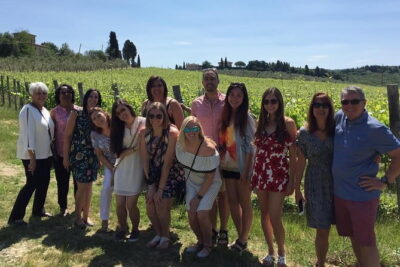
Small-Group Wine Tasting Experience in the Tuscan Countryside
Read our review →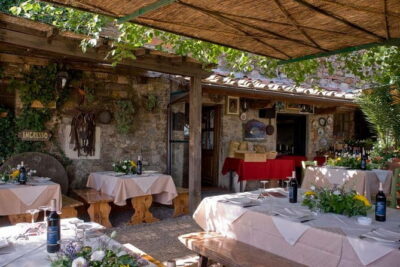
SMALL-GROUP Wine Safaris: Tuscan Wine Tasting Tours from Florence
Read our review →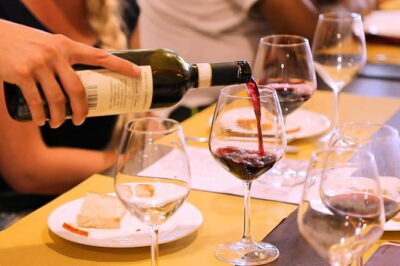
San Gimignano, Siena, Monteriggioni, Chianti Day Trip with Lunch & Wine Tasting
Read our review →
Cálem Cellar Tour, Interactive Museum & Wine Tasting
Read our review →
Browse the lists this tour appears in