
Review · JAPAN
Osaka: Bar-Hopping Night Tour in Namba
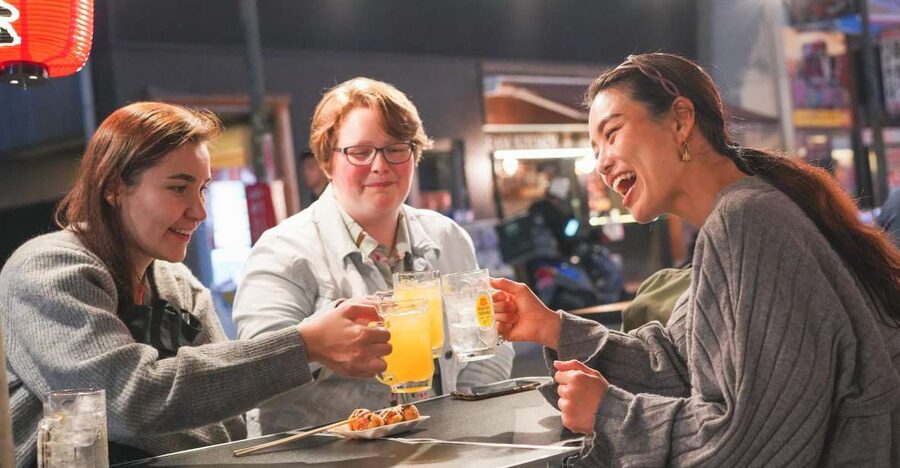
Osaka’s best night food is often found behind the neon, in narrow alleys where small izakaya serve one dish at a time. This tour takes you into those lanes around Namba, with a local guide to handle ordering, explain the food, and keep the evening moving.
I like the small group of up to seven, which makes shared tables and conversation much easier. I also like that dinner is built into the experience: six or more tastings and three to four drinks give you a proper evening rather than a quick sample. The main drawback is smoking. Some venues may allow it, and the group may not be able to change restaurants.
Key points to know before booking
- Three local izakaya bars: Move from one small drinking spot to another around Hōzenji, Dotonbori, and Ura-Namba.
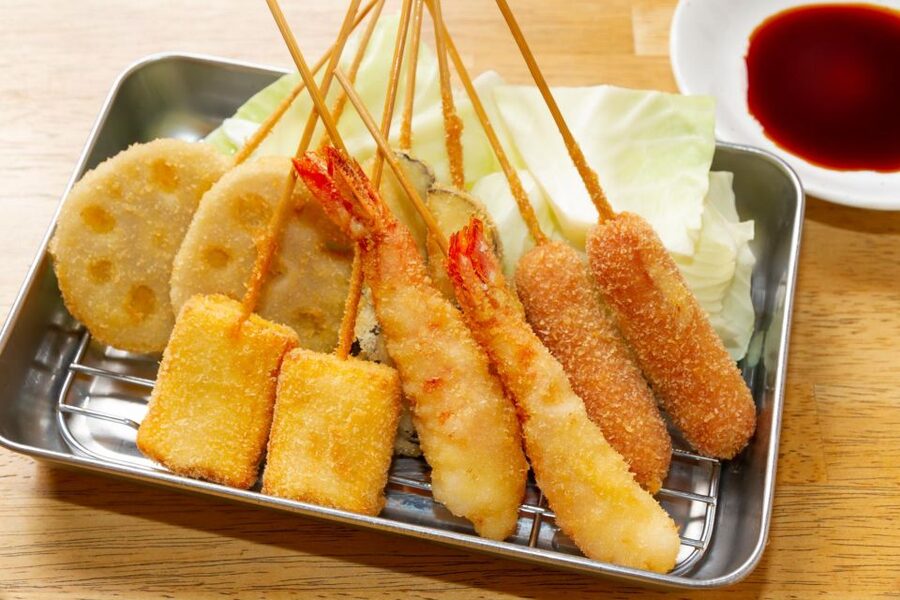
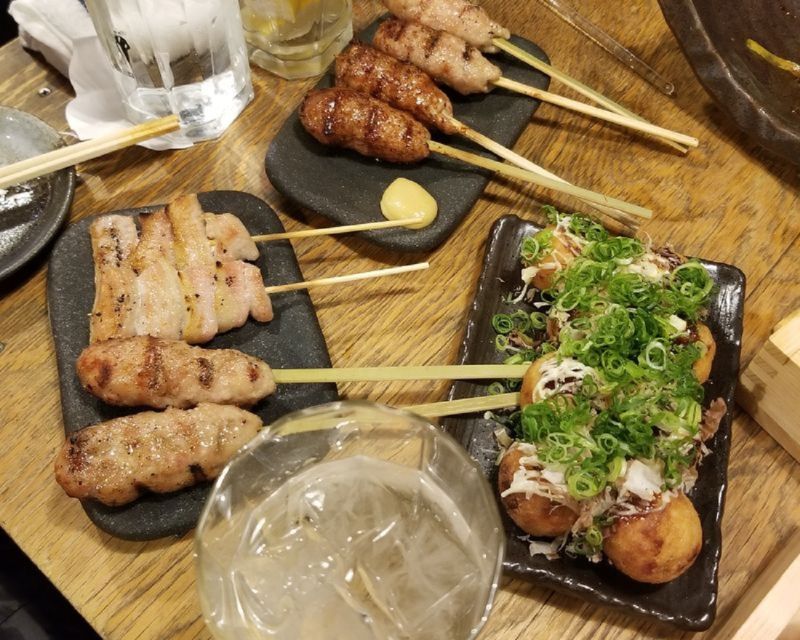
- Six or more food tastings: Expect local plates such as kushikatsu, yakitori, grilled vegetables, takoyaki, sushi, and okonomiyaki, depending on the evening’s selections.
- Three to four drinks included: Choose from options such as Japanese beer, sake, and shochu.
- A guide makes ordering easy: English-speaking guides such as Taku, Yuki, Alice, Fuka, Aina, and Meg have led outings with food explanations and local tips.
- A real night out, not just a food stop: You share tables with local diners and move through Osaka’s after-dark neighborhoods.
- Bring cash and arrive early: The meeting point is a FamilyMart 5 to 8 minutes from Namba Station, and late arrivals cannot join or receive a refund.
Why this Namba night feels different
Osaka has a famous food reputation, but the city’s dining culture is not only about big signs and famous dishes. It also lives in tiny izakaya bars, where the menu may be handwritten, seats may be close together, and the room can feel more like a neighborhood living room than a formal restaurant.
That is the heart of this three-hour outing. You are not simply shown a row of restaurants and sent off with a list. You are guided through a food alley near Dotonbori, seated at local bars, and given a chance to eat in the same kind of places Osaka residents use after work.
I especially like the social setup. A small group of up to seven is large enough to create conversation but small enough for the guide to help each person. Several guides, including Taku, Yuki, Alice, and Fuka, have been singled out for friendly conversation, clear English, and useful explanations about Osaka food and daily life.
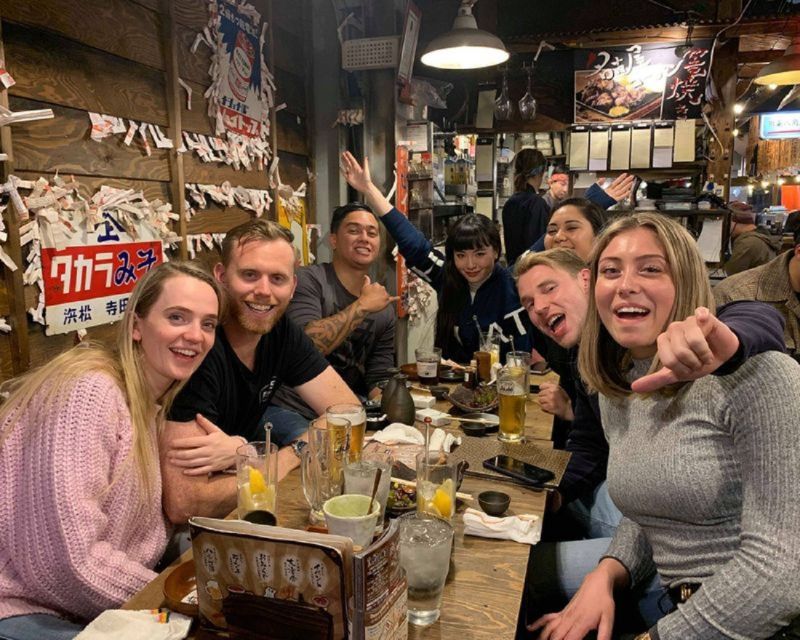
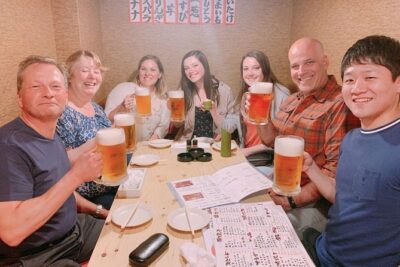
The evening also has a relaxed, informal feel. You may meet people from several countries, share dishes, and possibly continue chatting after the scheduled stops. The food and drinks help break the ice, but the guide is the person who makes the group work.
A few more tastings around Japan worth a look
- Osaka Bar Hopping Night Walking Tour in Namba (3 bars, 6 tastes)
★ 5.0 · 958 reviews - Kyoto Bar Hopping Night Tour
★ 5.0 · 613 reviews - Shibuya Meltdown Night Tour: All-You-Can-Drink Bar Hopping
★ 4.8 · 183 reviews
Starting near Hōzenji Temple
Meet your guide in front of the FamilyMart Namba 1-chome store. Look for a red or orange MagicalTrip sign. The shop is 5 to 8 minutes on foot from Namba Station, but Namba has several gates and connected underground passages, so give yourself extra time.
This is not a good tour for arriving at the last second. The group starts on time, and if you miss it, you cannot join later, reschedule, or receive a refund. I would aim to reach the meeting point 10 to 15 minutes early, especially if this is your first evening in Osaka.
The first walk leads toward Hōzenji Temple and the narrow food alleys around it. Hōzenji is a small Buddhist temple tucked into the entertainment district, with a very different mood from the giant illuminated signs of Dotonbori. Its compact setting helps you see how old religious spaces and modern nightlife sit side by side in central Osaka.
The temple visit lasts about 10 minutes, so expect a short introduction rather than a long temple tour. That is the right pace for this experience. The focus is food and nightlife, but this stop gives the evening a little cultural context before the drinking begins.
First stop: kushikatsu and Osaka drinking culture
Your first izakaya visit lasts about 50 minutes. Kushikatsu is the likely star here: meat, seafood, or vegetables on skewers, coated and fried until crisp. It is one of Osaka’s classic casual foods and fits the setting perfectly. You can eat it with a local beer, sake, or shochu from the included drink selections.
The guide’s role matters at this stop. You may not know the difference between the dishes, how they are prepared, or what pairs well with a particular drink. Guides such as Alice have explained how the food is made, while others have helped make ordering simple for people unfamiliar with Japanese menus.
This is also where you get the first taste of the tour’s local rhythm. Izakaya dining is built around small plates, shared orders, and steady conversation. You are not served one large Western-style entrée. Instead, dishes arrive in stages, giving you time to try several flavors.
The included meal is described as a full dinner with at least six tastings across the evening. Portions can be generous, so avoid eating a large meal beforehand. One useful tip is to have a light lunch and leave room for the tour. Arriving hungry makes the format work much better.
Dotonbori after dark and the Glico Sign
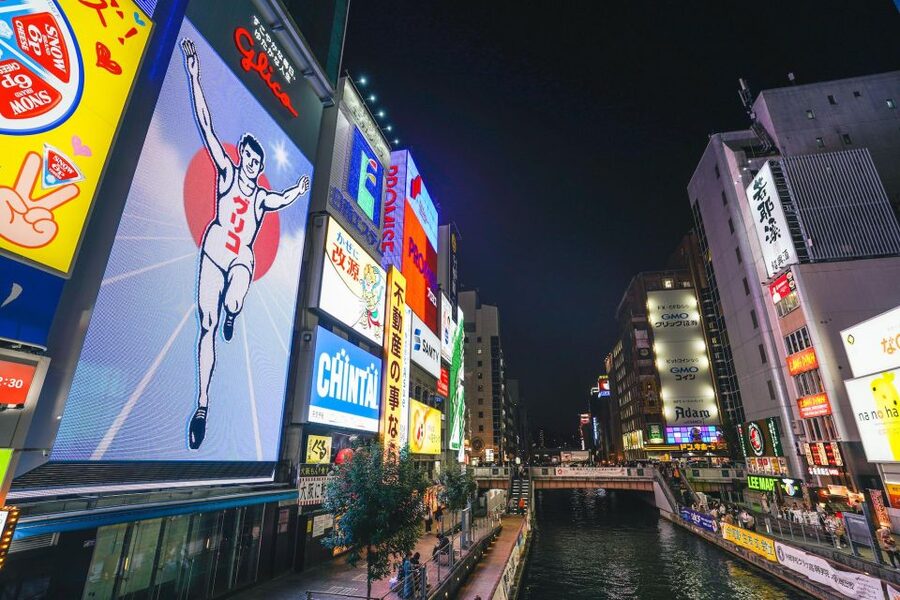
The route includes a short stop at the Dotonbori Glico Sign. You have about 10 minutes here for photos, and the timing is useful because Dotonbori changes sharply after sunset.
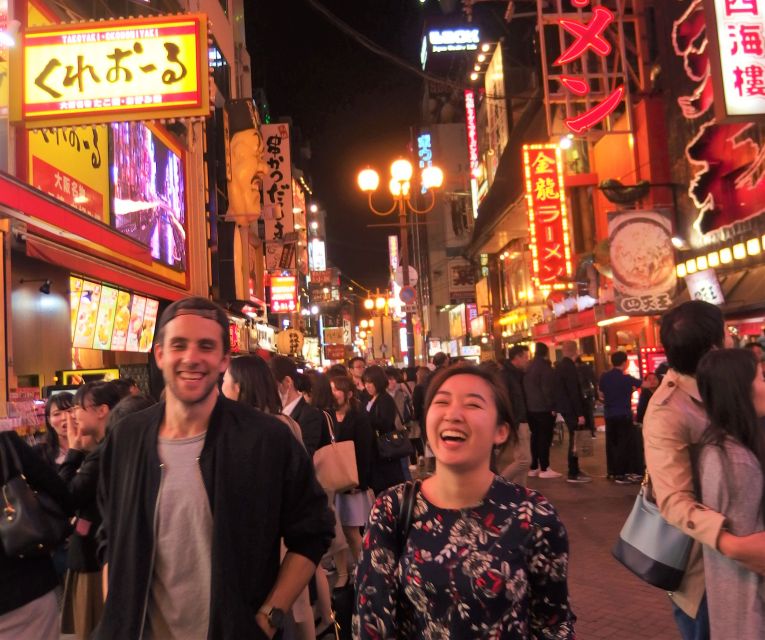
During the day, the canal district can feel like a shopping and sightseeing zone. At night, the signs glow, the streets fill with people, and the area takes on its famous Osaka party mood. The guide can take photos during the tour, so you do not have to depend entirely on a stranger or a timer.
Do not expect this stop to be a full Dotonbori sightseeing tour. It is a photo pause between food stops. That is a plus if you want to keep eating, though it may feel brief if your main goal is photography.
The guide can also help you understand how Dotonbori connects with nearby Namba neighborhoods. The famous sign is only the most visible part of the area. The smaller alleys and back streets are where this tour spends more of its time.
Same town, a different glass:
- Tokyo Bar Hopping Tour in Shinjuku (All-You-Can-Drink + Dinner)
★ 5.0 · 3,587 reviews - Shibuya Meltdown Nightlife Tour: All-You-Can-Drink Bar Hopping
★ 5.0 · 1,058 reviews - 1-Day Snow Monkeys, Zenko-ji Temple & Sake in Nagano
★ 5.0 · 1,020 reviews - Tokyo: Pub Crawl and Bar Tour
★ 4.5 · 951 reviews
The second bar and the food Osaka residents order
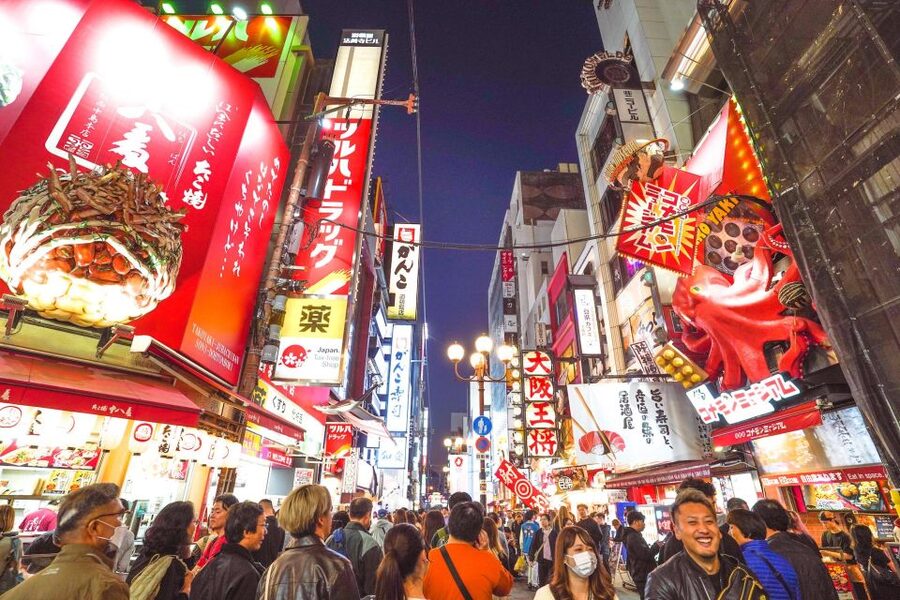
After Dotonbori, the evening moves to another local bar for roughly 90 minutes. This is the longest part of the night, giving you time to settle in, order more food, and talk with the guide and other participants.
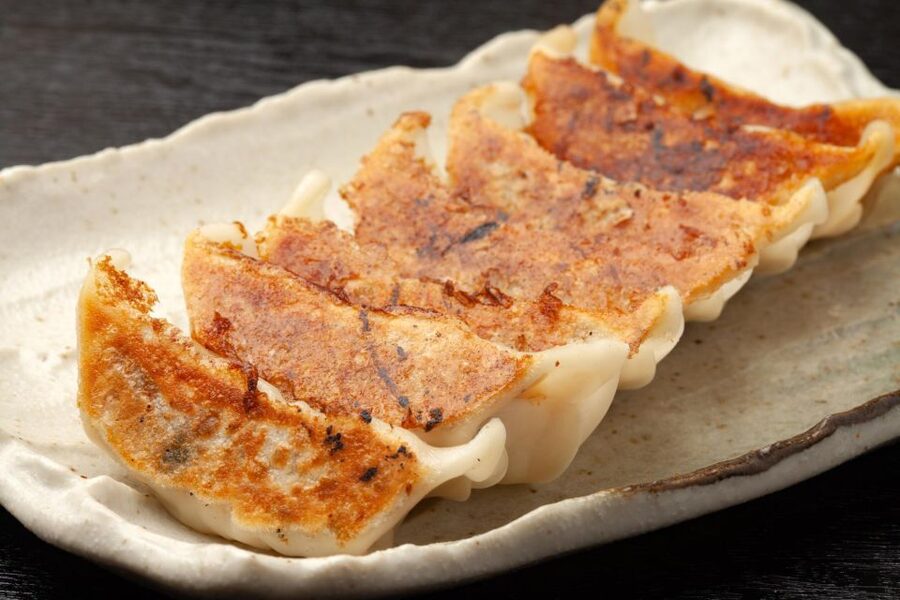
The exact dishes can vary, but the food may include takoyaki, okonomiyaki, sushi, yakitori, grilled vegetables, and other small Japanese plates. Osaka is often called a food city because its dining culture pulls from many traditions and ingredients. This stop gives you more than the best-known Osaka specialties.
You may be offered a dish that is unfamiliar to you. That is one of the better reasons to take the tour with a guide. Someone like Fuka or Taku can explain what you are eating and help you decide how to approach it. If you are curious but cautious, tell the guide early. The tour is designed around trying local food, but clear communication makes the experience more comfortable.
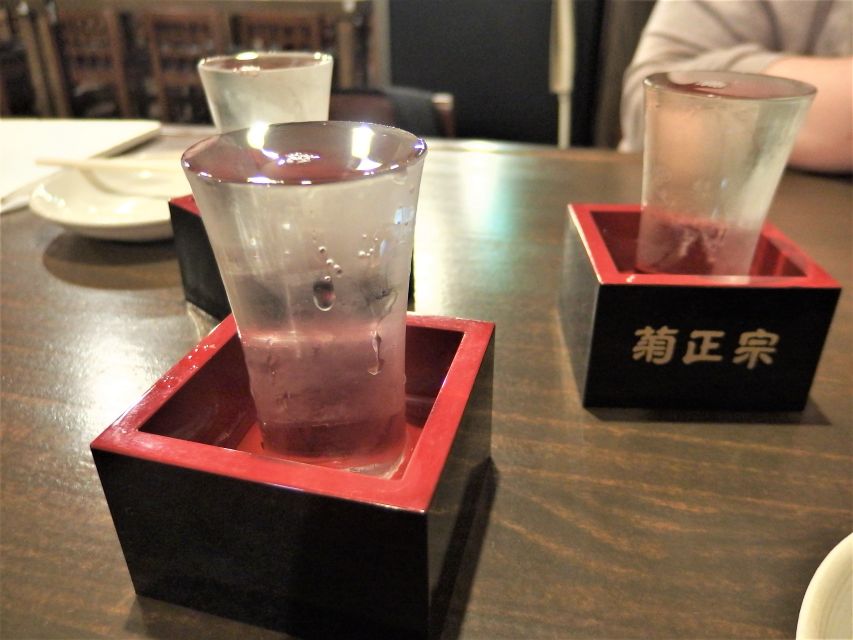
The included drinks usually total three to four from the available choices. Japanese beer is the easy starting point. Sake offers a different style of drinking, while shochu is a distilled spirit that may be served in several ways. The tour does not cover unlimited alcohol, so extra drinks or food cost more.
This is a good place to pace yourself. Three to four drinks over three hours can feel quite different from drinking them quickly. Eat as the dishes arrive, drink water when you can, and remember that summer in Osaka is hot and humid. The tour recommends carrying water and wearing a hat during the hotter months, even though the main activity takes place at night.
Ura-Namba and the final food alley
The route continues into Ura-Namba, an area known for small traditional restaurants and nighttime eating spots. The final setting is a food alley with about 20 izakaya bars and eateries, many serving small plates from compact counters.
This is a lively way to finish the evening because you can see several restaurant styles packed into one narrow area. You may sit in front of a bar and have food delivered to you from the chosen counter. Possible dishes include yakitori, grilled vegetables, sushi, takoyaki, and okonomiyaki.
The appeal is not polished fine dining. It is the closeness of the setting, the quick movement of plates, and the chance to watch a working neighborhood food scene. You are sharing a table or counter with local diners rather than sitting in an isolated tour group restaurant.
There is a practical tradeoff. Small izakaya can be tight, noisy, and smoky. Smoking may be allowed at some stops, and the tour cannot promise a change of venue if that happens. If you have a strong smoke sensitivity, this is the most important point to consider before booking.
Vegetarian diners should also take care. Vegetarian choices are limited because many Japanese restaurants are not fully equipped to provide vegetarian menus. You should explain your needs when booking or at the start, but the tour cannot promise a broad vegetarian meal.
What the guides add to the evening
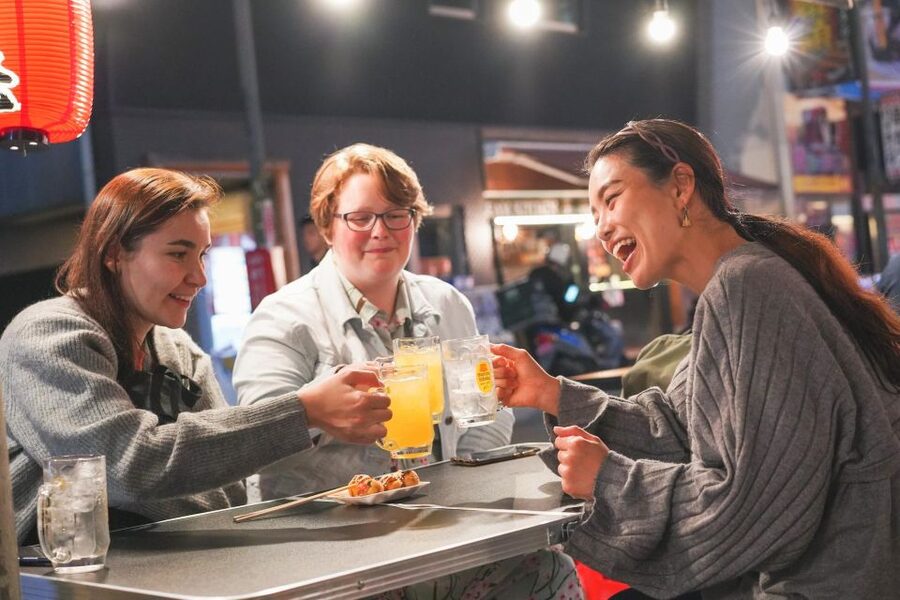
The food is the foundation, but the guide shapes the night. You may be led by Taku, Yuki, Alice, Fuka, Aina, Meg, or another certified local guide, depending on the date. Several of these guides have been praised for friendly English, humor, food explanations, and practical advice about Osaka.
The strongest guide style for this tour is informal. You want someone who can explain a dish without turning dinner into a lecture, help with ordering, and keep conversation flowing between strangers. Past outings have included singing karaoke with the group, recommending other places to visit, and explaining the difference between Shinto and Buddhist sites.
The guide also removes some of the uncertainty. You do not need to choose a bar from a crowded street, guess which menu items are worth trying, or worry about how to order in an unfamiliar place. That convenience has real value, especially on your first night in Osaka.
Still, this is a group outing, not a private evening. Other participants may join, and the mood depends partly on who arrives. That is usually a benefit for solo visitors and couples who want company, but less ideal if you prefer a quiet, private dinner.
Is $112 a fair price?
At $112 per person, this is not the cheapest way to eat in Namba. You could buy individual takoyaki, okonomiyaki, or drinks for less if you already know where to go.
The price makes more sense when you count what is included: three hours, three local izakaya bars, at least six food tastings, three to four drinks, a certified English-speaking guide, and photos. You are also paying for access and confidence. The guide selects the stops, arranges the evening, helps with ordering, and gets you beyond the most obvious Dotonbori restaurants.
I consider it good value for a first night in Osaka, especially if you have limited time. One evening gives you a taste of Hōzenji, Dotonbori, and Ura-Namba, while also introducing you to several types of food and drink.
The value drops if you do not drink alcohol, need a strict vegetarian menu, dislike smoky rooms, or prefer to choose every restaurant yourself. Additional food and drinks are available for purchase, but they are not included in the $112 price.
Who should book this experience?
I would choose this tour for a first or second night in Osaka. It gives you a useful sense of direction and shows you where the city’s food culture extends beyond the main signs.
It suits solo visitors, couples, and small groups who enjoy meeting people over shared plates. It is also a good match if you feel uncertain about Japanese menus or want a local to explain dishes as they arrive.
You should think twice if you are under 20, do not drink, need extensive vegetarian choices, or cannot tolerate smoking. The experience is for adults only, and the age rules are strict: children under 18 and anyone under 20 cannot join.
Reserve at least a little time before the start to find the FamilyMart meeting point. Cash is required, and oversize luggage is not allowed. Free cancellation is available up to 24 hours before the tour, and you can reserve now and pay later if that option is offered when you book.
Should you book the Namba bar-hopping tour?
Book it if you want a social introduction to Osaka food and nightlife, with someone else handling the route and ordering. The strongest parts are the small group, the generous food coverage, and the chance to eat in compact local bars around Hōzenji and Ura-Namba rather than staying only on the main Dotonbori strip.
I would especially recommend it for a short Osaka visit. You can finish the evening full, familiar with several local dishes, and better prepared to explore Namba on your own.
Skip it if you need a smoke-free setting, strict vegetarian dining, or a quiet private meal. For everyone else, the mix of food, drinks, neighborhood walks, and easy conversation makes the $112 cost reasonable for a full night out.
FAQ
How long does the Osaka bar-hopping tour last?
The tour lasts three hours. The schedule includes a short visit to Hōzenji Temple, a first local bar for about 50 minutes, a Dotonbori photo stop for about 10 minutes, and a second local bar for about 90 minutes.
What food is included?
The tour includes a full dinner with six or more tastings from the available selections. Possible dishes include kushikatsu, yakitori, grilled vegetables, sushi, takoyaki, and okonomiyaki. The exact choices can vary.
How many drinks are included?
Three to four drinks are included. Available selections may include Japanese beer, sake, and shochu. Additional food and drinks cost extra.
Where does the tour meet?
Meet in front of the FamilyMart Namba 1-chome store. The guide will hold a red or orange MagicalTrip sign. The meeting point is about 5 to 8 minutes on foot from Namba Station.
Is the tour available in English?
Yes. The tour has a live English-speaking guide. Guides may include Taku, Yuki, Alice, Fuka, Aina, Meg, or another certified local guide.
Can vegetarians join?
Vegetarians can join, but vegetarian choices are limited because many Japanese restaurants are not fully equipped to provide vegetarian menus. You should consider this limitation before booking.
What happens if I arrive late?
The tour starts on time. If you arrive late and miss the group, you cannot join the tour, reschedule, or receive a refund.
Just added around Japan
- Tokyo: Shinjuku Izakaya and Golden Gai Bar Hopping Tour (2h)★ 4.9 · 67 reviews
- Tokyo: Sushi Cooking Class with Sake Tasting★ 4.8 · 55 reviews
- Tokyo: Shinjuku Bar Hopping & Night Walking Tour★ 4.6 · 137 reviews
- Tokyo: Sushi and Ramen Cooking Class with Sake Pairing Set★ 5.0 · 81 reviews
- Tokyo: Ramen Tasting Tour with 6 Mini Bowls of Ramen★ 4.9 · 432 reviews
- Takayama: Authentic Sake Tasting at a Historic Brewery★ 4.8 · 50 reviews
- Shibuya Meltdown Night Tour: All-You-Can-Drink Bar Hopping★ 4.8 · 183 reviews
- Tsukiji: Unlimited Sake Tasting Experience★ 4.9 · 67 reviews
Japan Drinks Tours, compared.
Tokyo Bar Hopping Tour in Shinjuku (All-You-Can-Drink + Dinner)
Read our review →
Shibuya Meltdown Nightlife Tour: All-You-Can-Drink Bar Hopping
Read our review →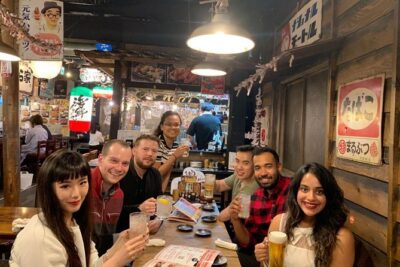
Osaka Bar Hopping Night Walking Tour in Namba (3 bars, 6 tastes)
Read our review →

3-Hour Kyoto Insider Sake Brewery Tour with Tastings & Pairings
Read our review →
Insider Sake Brewery Tour with Sake and Food Pairing
Read our review →
Browse the lists this tour appears in