
Review · YEREVAN
Khor Virap, Noravank & Birds’ Cave Day Trip with Wine Tasting
Khor Virap gives you Armenia’s closest classic view of Mount Ararat, while Noravank brings you into a narrow canyon of red rock and medieval stonework. I like the mix: two major monasteries, an archaeological cave, and local wine in one long but well-planned day.
I also like the excellent price and the guides, who add stories about Armenian faith, history, food, and daily life rather than simply pointing at buildings. The main drawback is the vehicle. Several people found the minibus short on legroom, and lunch is extra, with a set menu that may not suit everyone.
Key points to know before booking
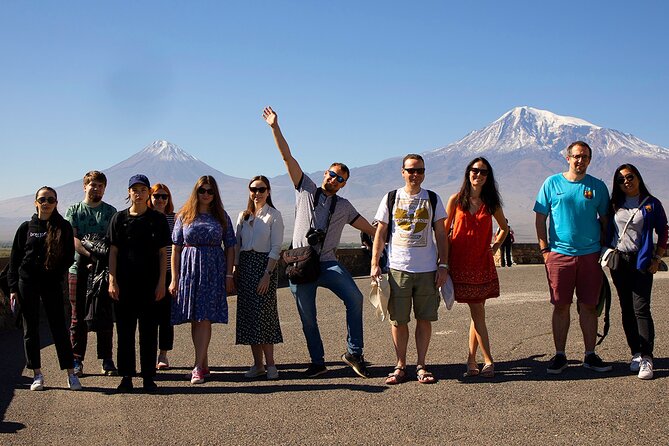
- Mount Ararat from Khor Virap: The monastery offers Armenia’s most famous view toward the biblical mountain, though clouds can hide it.
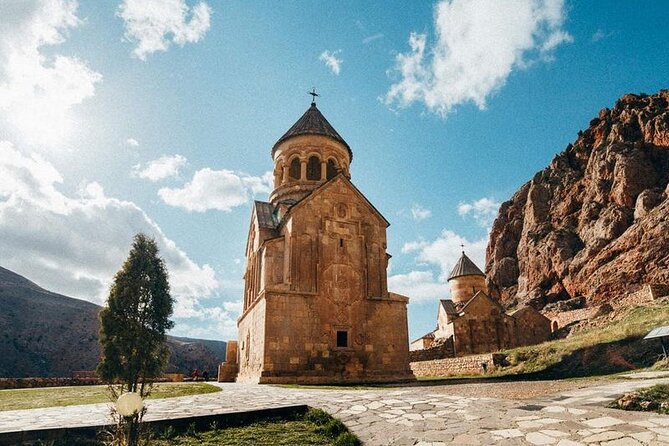
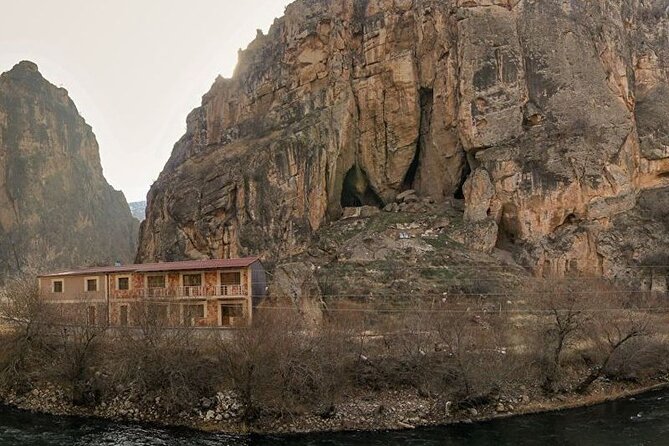
- Noravank’s red-rock setting: The monastery sits at the end of Gnishik Canyon, surrounded by striking brick-colored cliffs.
- Areni-1 Cave archaeology: See the site linked to an ancient leather shoe, early winemaking, farming, and burial practices.
- Wine and local flavors: Taste Areni wine, along with unusual fruit wines and Armenian sweets or dishes.
- Strong guiding: Guides such as Anastasia, Nare, Nektar, Gayane, Sam, and Armina have been praised for clear English, humor, and storytelling.
- Small-group value: The vehicle carries no more than 19 people, with WiFi, water, air conditioning, and a return to central Yerevan.
Why this day trip works so well from Yerevan
At $30.85 per person, this is one of the easier ways to reach Armenia’s southern sights without arranging a car, driver, and guide on your own. The day lasts about eight to nine hours, beginning at 9:00 am at the Alexander Tamanian Statue on Moskovyan Street and ending back at the same meeting point.
You cover a lot of ground, but the route has a clear theme. It moves from Armenia’s religious identity at Khor Virap and Noravank to the country’s prehistoric past at Areni-1 Cave, then finishes with wine and food in the Areni area.
That mix is the tour’s real strength. You are not spending the whole day looking at similar churches. You get grand views, medieval architecture, archaeology, village scenery, and a taste of modern Armenian hospitality.
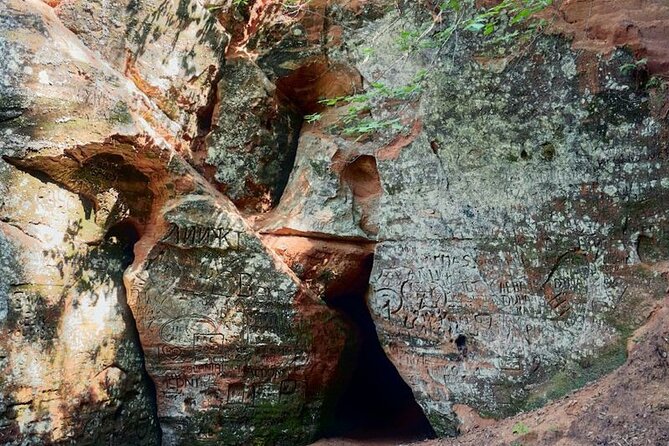
The group limit is 19 people. That is not a private tour, but it is much more manageable than a large coach excursion. English is offered, and some departures operate in English and Russian at the same time. If both languages are used, the guide may give explanations twice, although one guide handled this by letting one group take photos while the other listened.
More Wine Tastings in the world:
- From Porto: Douro Valley w/ Boat Tour, Wine Tasting & Lunch
★ 4.7 · 19,061 reviews - Complete Douro Valley Wine Tour with Lunch, Wine Tastings and River Cruise
★ 5.0 · 12,920 reviews - Florence: Chianti Wineries Tour with Wine Tasting
★ 4.5 · 10,071 reviews
Khor Virap and the view of Mount Ararat
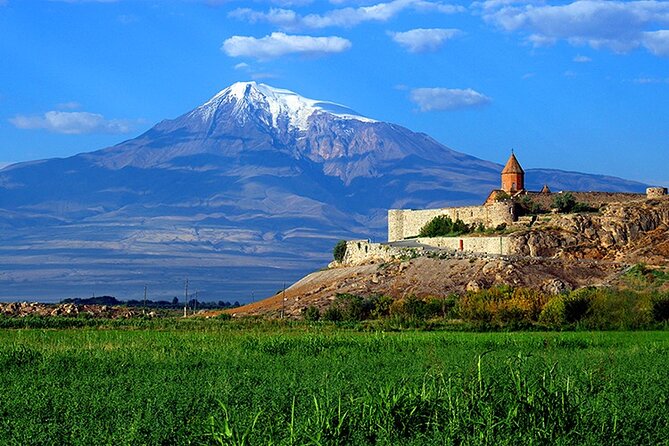
The first major stop is Khor Virap, about an hour from Yerevan. The monastery sits near the Turkish border and is famous for its view toward Mount Ararat, the snow-capped biblical mountain that has become Armenia’s defining national symbol.
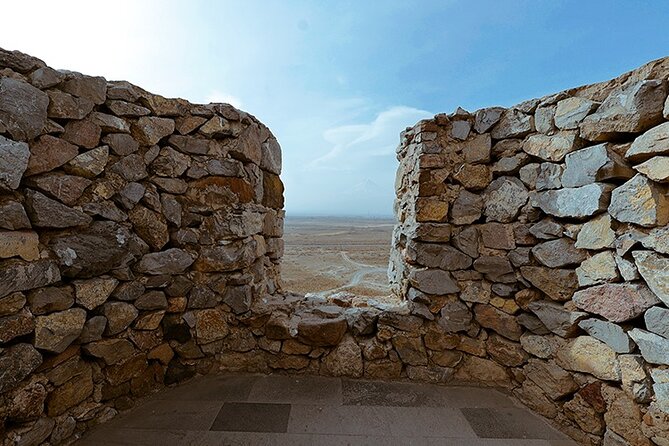
The view is weather-dependent. On a clear day, Ararat provides the dramatic backdrop you probably picture when you imagine Armenia. On a cloudy day, the monastery still has religious and historical importance, but the most famous part of the visit may disappear behind mist.
Khor Virap means deep dungeon. The name refers to the prison associated with Gregory the Illuminator, who was held there for 13 years before becoming the first Armenian Catholicos. That story gives the site more weight than a quick photo stop. Your guide can explain why this place remains one of the most sacred sites for Armenians around the world.
Plan to spend about an hour here. You will have time to look around the monastery, hear the story, and take photos rather than simply stepping out for ten minutes. The grounds can be busy, so patience helps, especially if you want a quiet view or a clear photograph.
A practical note: bring something that covers your shoulders and legs for the monasteries. One person also advised bringing a head covering. Modest clothing is the safer choice for religious sites, and it saves you from feeling underdressed when you enter or approach the churches.
Noravank in the red cliffs of Gnishik Canyon
Noravank is the visual high point of the route for many people. The monastery is reached through Gnishik Canyon, where brick-red cliffs rise around the road. The setting feels remote and dramatic, even though the visit is part of a popular day trip from Yerevan.
The monastery was built by the Orbelian noble family and served as their burial place. That detail helps explain why Noravank is different from many Armenian churches. Burial inside a church had been prohibited since the fifth century, yet this complex became the sepulcher of the Orbelian family.
The architecture deserves time. The site includes an unusual depiction of God the Father, described as the only one of its kind in Armenia, along with a remarkable image of Jesus Christ on the dome of the church narthex. These are details easy to miss if you only stop for a quick photograph, so listen closely during the guide’s explanation.
The scheduled stop is about 30 minutes. That is enough for the main complex and photographs, but it is not a long independent visit. The advantage is that the day keeps moving. The disadvantage is that you may want more time in the canyon or around the monastery if you are especially interested in architecture and photography.
Several guides have been praised for making this stop more memorable. Nare was noted for vivid storytelling, while Anastasia, Nektar, Gayane, Sam, and Armina were praised for their clear explanations and friendly approach. The specific guide depends on the departure, but strong guiding is a recurring feature of this experience.
Areni-1, the cave with an ancient winery
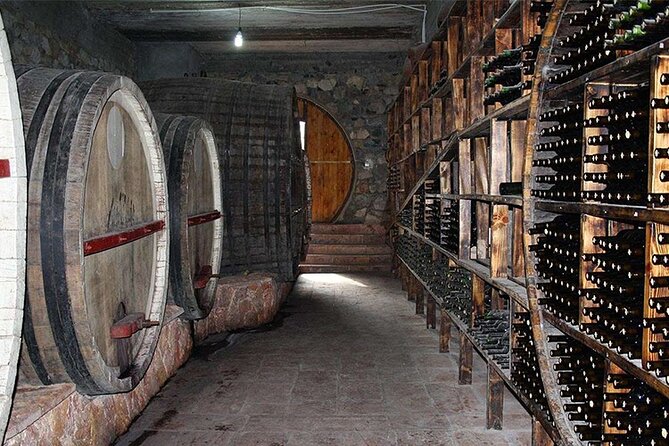
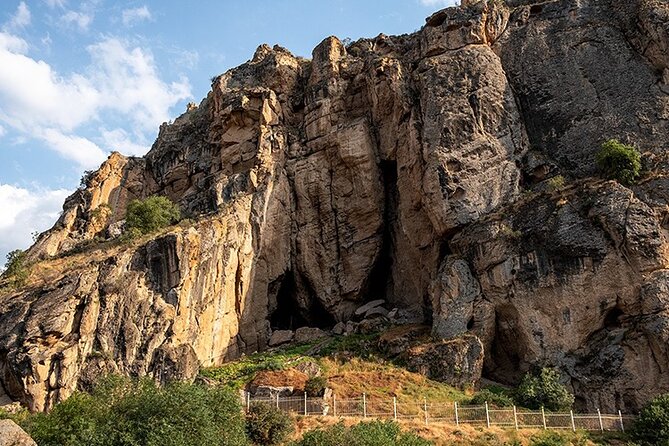
The Areni-1 Cave, also called Birds’ Cave, adds a completely different layer to the day. Archaeologists found some of the world’s oldest known objects here, including a leather shoe and evidence of an ancient winery.
The site is associated with the Early Bronze Age, roughly 5,000 to 6,000 years ago. Archaeological finds also point to farming and carefully arranged burial practices. You are not simply entering a natural cave. You are visiting a place that helps explain how people lived, worked, made wine, and honored the dead thousands of years ago.
The stop lasts around 30 minutes and includes admission. It is a compact visit, so you should expect an introduction to the site rather than an extensive archaeological study. The value comes from seeing how the cave connects to the next stop. After hearing about ancient winemaking, you continue to the Areni wine area and taste a living part of that tradition.
The cave may be less visually grand than Noravank, but it breaks up the monastery visits. If you enjoy archaeology, early civilizations, or the story of food and drink, this is an important part of the route.
A few more tastings around the world worth a look
- Tuscany Day Trip from Florence: Siena, San Gimignano, Pisa and Lunch at a Winery
★ 5.0 · 21,634 reviews - Rome: Tuscany & Montepulciano Day Trip with Lunch & Wine Tasting
★ 4.5 · 5,232 reviews - San Gimignano, Siena, Monteriggioni, Chianti Day Trip with Lunch & Wine Tasting
★ 4.5 · 4,432 reviews - Loire Valley Castles Day Trip from Paris with Complementary Wine
★ 4.5 · 3,907 reviews
Areni wine, fruit wines, and Armenian food
The final part of the tour takes place around Areni, a town associated with one of Armenia’s oldest grape varieties. You can taste local wine and buy bottles if you find something you like.
The tasting may include traditional Areni wine as well as fruit wines made from pomegranate, raspberry, or cherry. These are not simply standard grape wines with a local label. The fruit versions offer something different, especially if you have already tasted wine in several European regions.
The quality of the pacing can depend on the group and the winery. One person found the tasting rushed, with glasses being replaced before there was much time to finish or discuss them. Another found the pours generous and appreciated the explanations. I would treat this as a short tasting rather than a relaxed afternoon at a vineyard.
The tasting takes place at a local family business on some departures, which adds a personal touch. The guide may join the group, explain the wines, and share local stories. A traditional vodka toast has also been part of one particularly warm welcome, though you should not assume every departure will be identical.
The tour also includes local sweets and bottled water. Traditional Armenian dishes are part of the broader food experience, but lunch itself is not included. The stated cost is about €6 to €14 per person, depending on what you order and the restaurant arrangements.
This is the part of the day where you should pay attention to the details. Some people enjoyed the setting and food, including a restaurant beside a river. Others found the fixed three-course menu too expensive or simply disliked the food. If you want only soup or a light meal, the set lunch may be frustrating.
I recommend asking the guide about the menu early in the day. On one departure, the guide handed out menus after the first stop and collected orders in advance. That kept lunch organized, but it did not solve the issue for people who wanted a smaller meal. Bringing a snack is sensible, especially if you have dietary preferences or do not want a full sit-down lunch.
The guide can make or break the long drives
This is a long day on the road, and the guide matters. The strongest part of the experience is not only the monuments but the commentary between them.
Guides named Anastasia, Nare, Nektar, Gayane, Sam, Armina, Tatevik, Gaia, and others have been praised for excellent English, energy, patience, humor, and detailed explanations. One guide kept a mixed-language group engaged by telling stories instead of filling the drive with dry facts. Another helped a participant arrange a taxi after returning to Yerevan.
You may hear about Armenian history, early civilization, religion, current life, food, and customs. The best guides connect those subjects to what you can see through the window. That turns the long transfers into part of the tour rather than dead time.
Bilingual departures deserve a little realism. If the group includes English and Russian speakers, explanations may be repeated. That can make stops feel longer, but a well-organized guide can split the group so you are not standing in one place for every sentence twice.
Transport, comfort, and the real cost of the day
The air-conditioned vehicle includes WiFi and bottled water. WiFi is useful because mobile reception can be weak in parts of the southern route. The driver is also an important part of the day, and several drivers, including Edgar, Vardan, and Marat, have been praised for careful and professional service.
The main comfort concern is legroom. Some people found the minibus comfortable and clean. Others, especially taller people, could not stretch their legs and found the space between seats uncomfortably tight. One person also found the vehicle too warm.
If you are tall, arrive early and ask about seating. The operator has suggested that arriving earlier may help you choose a better seat, though it cannot change the size of the vehicle. You should also expect a full day of sitting, with stops that provide a chance to walk around and stretch.
At this price, the transport and guiding offer very good value. A private car would give you more room and control, but it would cost far more. This tour is best understood as an efficient shared excursion, not a luxury vehicle experience.
Who should book this Armenia day trip?
I would choose this tour for a first visit to Armenia, especially if you have only a few days in Yerevan. It covers two of the country’s most important monasteries and adds the cave and wine stops that make the day feel varied.
It also suits you if you want history explained in English rather than simply following a driver from place to place. The guides generally add context, humor, and personal stories, which makes the long route easier to enjoy.
You may want another option if you need generous legroom, dislike fixed lunch arrangements, or prefer slow visits with plenty of time for photography. The itinerary is full, and Noravank receives about 30 minutes rather than an entire afternoon.
The weather matters, too. Bad conditions can lead to changes or cancellation for safety. Clear weather gives you the best chance of seeing Mount Ararat, but Khor Virap remains worthwhile even if the mountain is hidden.
Should you book it?
Book this tour if you want a low-cost, well-rounded introduction to southern Armenia from Yerevan. The combination of Khor Virap, Noravank, Areni-1 Cave, and wine tasting gives you more variety than a monastery-only trip, and the strong guides add real value.
Go in with realistic expectations about the minibus and lunch. Pack modest clothing, a snack, and patience for a long day. If those points work for you, the $30.85 price is hard to beat for the number of major sights and services included.
Free cancellation is available up to 24 hours before the 9:00 am start time. Changes or cancellations made later are not accepted for a refund.
FAQ
Where does the tour start?
The tour starts at the Alexander Tamanian Statue, 10 Moskovyan Street, Yerevan 0009, Armenia.
What time does the tour begin?
The start time is 9:00 am.
How long does the tour last?
The experience lasts approximately eight to nine hours and returns to the starting meeting point.
Is Mount Ararat guaranteed to be visible?
No. Khor Virap provides the closest classic viewpoint from Armenia, but clouds or poor weather can hide the mountain.
Is lunch included?
No. Lunch is not included. The stated cost is approximately €6 to €14 per person.
What is included in the tour price?
The price includes a professional guide, entrance tickets, local sweets, bottled water, an air-conditioned vehicle, wine tasting, and WiFi on board.
Is the tour offered in English?
Yes. English is offered. Some departures use bilingual English and Russian guiding.
How large is the group?
The tour has a maximum of 19 participants.
Can most people take part?
Yes. Most people can participate, and the meeting point is near public transportation.
What is the cancellation policy?
You can cancel up to 24 hours before the experience starts for a full refund. Cancellations or changes made less than 24 hours before the start time are not accepted.
Just added around the world
- Catamaran Sunset Champagne Cruise Cape Town★ 4.5 · 85 reviews
- Luxury Sunset Cruise with Prosecco★ 4.5 · 71 reviews
- Private Tour of Top 5 Stellenbosch Wineries From Cape Town★ 4.0 · 56 reviews
- Private Stellenbosch, Franschhoek Paarl Wine Tour from Cape Town★ 5.0 · 89 reviews
- Full-Day Stellenbosch, Franschhoek and Paarl Wine Tasting Tour from Cape Town★ 4.0 · 98 reviews
- From CapeTown: Stellenbosch Half Day Wine Tour★ 4.5 · 287 reviews
- Private Full Day Stellenbosch Wine Tour with Pick Up and Drop Off★ 5.0 · 425 reviews
- Full Day Small Group Wine Tour Cape Town and Stellenbosch★ 5.0 · 79 reviews
Wine Tasting Tours, compared.
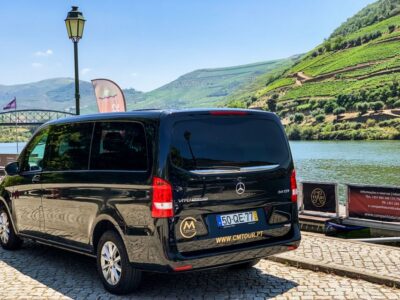
Douro Valley w/ Boat Tour, Wine Tasting & Lunch
Read our review →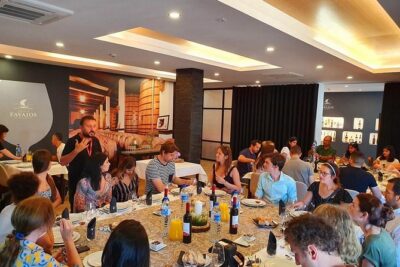
Complete Douro Valley Wine Tour with Lunch, Wine Tastings and River Cruise
Read our review →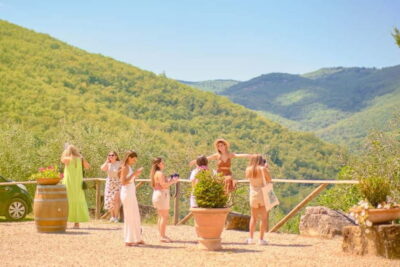
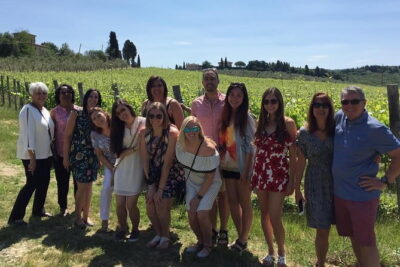
Small-Group Wine Tasting Experience in the Tuscan Countryside
Read our review →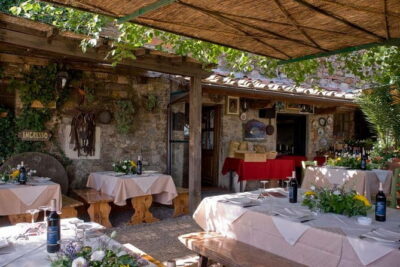
SMALL-GROUP Wine Safaris: Tuscan Wine Tasting Tours from Florence
Read our review →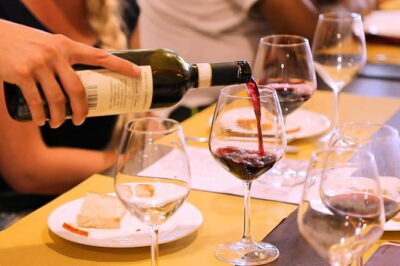
San Gimignano, Siena, Monteriggioni, Chianti Day Trip with Lunch & Wine Tasting
Read our review →
Cálem Cellar Tour, Interactive Museum & Wine Tasting
Read our review →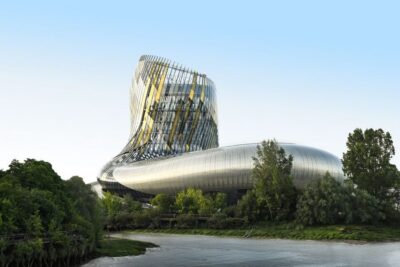
Browse the lists this tour appears in