
Review · PARIS
From Paris: Small-Group Champagne Tour with 3-Course Lunch
The best part of this day is the contrast between a major Champagne house and a small producer. One stop shows you the polished, large-scale business behind famous labels; the other brings you closer to family production, local food, and the people who make the wine. I especially like the hotel pickup and the chance to compare two very different Champagne houses in one day. The drawback is simple: this is a long 11-hour outing with about four hours on the road, and lunch may feel hurried on a tightly timed departure.
I also like the teaching built into the day. You learn to tell Blanc de Blancs from Blanc de Noirs, understand Premier Cru and Grand Cru classifications, and try a blind tasting near the vineyards. Guides such as Sebastian, Tomer, Max, TJ, and Arthur have been singled out for their humor, care, and command of the region, though your guide and exact Champagne houses depend on availability.
Key points to know before booking
- Two sides of Champagne: Compare a famous producer such as Moët & Chandon, Veuve Clicquot, Mercier, Taittinger, or Nicolas Feuillatte with a smaller estate.
- A full day from Paris: Hotel pickup and drop-off save you from arranging trains, local transfers, and designated driving.
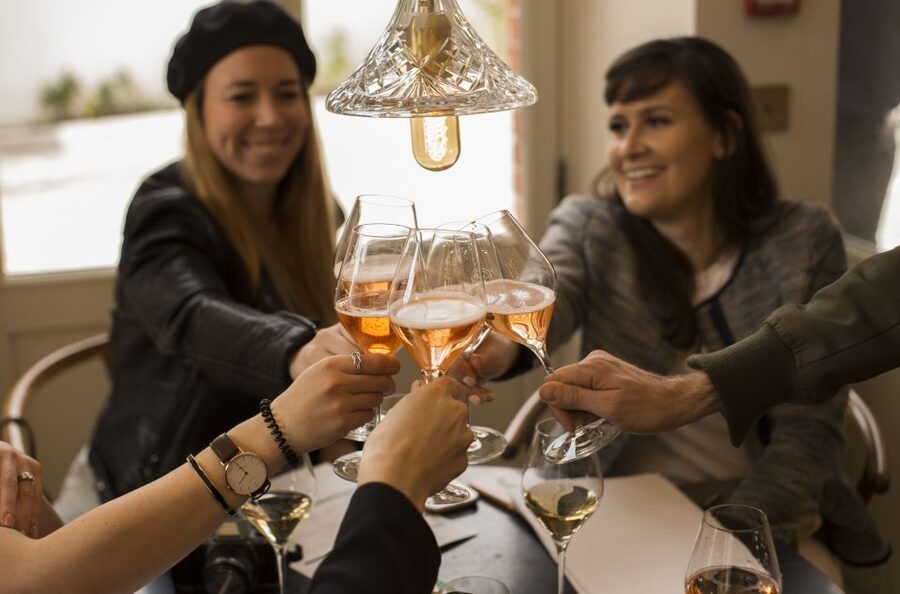
- Up to six Champagne glasses: Tastings are included, along with bottled water, but restaurant drinks cost extra.
- A real meal, not just snacks: The three-course lunch introduces French regional cooking, though portions and service can vary.
- A useful wine lesson: Expect guidance on terroir, grape varieties, rosé, Blanc de Blancs, Blanc de Noirs, and the meaning of Grand Cru and Premier Cru.
- Flexible sightseeing: You may visit Reims Cathedral, a World War II memorial, Moët & Chandon, or another local stop depending on the day’s schedule.
Why this Champagne day trip works from Paris
Champagne is close enough to visit from Paris, but far enough away that planning it alone takes effort. You need transport into the region, appointments at producers, a way to connect Épernay and Reims, and a plan for getting back after several tastings.
This tour handles the driving in an air-conditioned minivan. Pickup is included from your Paris hotel or accommodation, and the operator contacts you the day before to confirm the location. That is a real benefit in Paris, where a small address mistake can turn into a slow morning with luggage, maps, and a taxi app.
The day lasts about 11 hours. Allow roughly two hours each way between Paris and Champagne, plus stops in Épernay, the Marne, and the surrounding wine country. Traffic and appointment times can shift the order, so treat the published sequence as a guide rather than a promise.
The group may be small, or you may book a private version. Small groups are a good fit here because the guide can explain the wine in plain language and help keep the day moving. You also have a chance to talk with people from other countries without being placed on a large coach.
More Champagne Tours in France
- Paris: Moulin Rouge Cabaret Show Ticket with Champagne
★ 4.7 · 16,088 reviews - Paris: Paradis Latin Cabaret Show with Optional Champagne
★ 4.6 · 2,231 reviews - Paris 3-Courses Gourmet Dinner Seine River Cruise with Champagne
★ 4.0 · 1,659 reviews
Arriving in Épernay and entering the Champagne world
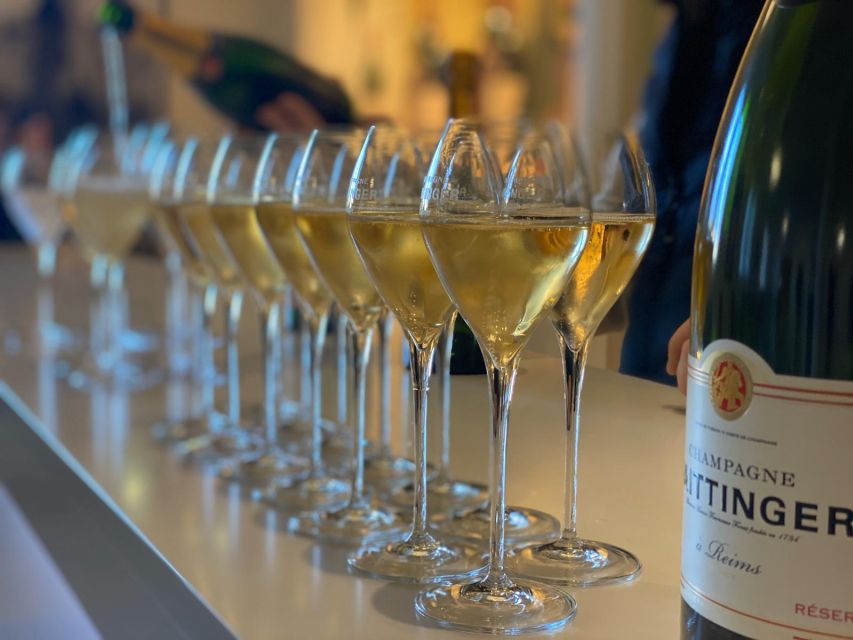
Épernay is one of the main centers of the Champagne trade, and the first substantial stop usually gives you a sense of how the region presents its famous wine. You may visit Mercier, Moët & Chandon, Veuve Clicquot, Taittinger, Nicolas Feuillatte, Boizel, or another recognized house.
The exact choice depends on availability. If one name matters to you, contact the operator before booking and ask about the possibility, but do not treat a preference as guaranteed. This point matters because the major houses do not offer identical tours, and some visitors have especially enjoyed the underground cellar setting at Taittinger or the scale and presentation at Moët & Chandon.
A guided cellar visit gives you more than a tasting counter. You learn how Champagne is made, aged, stored, and presented to the public. The region’s chalky underground spaces are often cold and damp, so bring a jacket or second layer even on a warm Paris day.
The large producer offers useful context. You see how an international brand manages production and distribution, and you can compare that system with the smaller estate later in the day. This is one of the strongest reasons to choose this tour instead of visiting only a famous house.
The three-course lunch and local gastronomy
Lunch lasts about an hour and a half at a local restaurant. The meal is included in the price, and the aim is to connect Champagne with French food rather than treat the day as a string of drinks.
The quality of the meal appears to depend on the restaurant used that day. Several guides have taken groups to small Champagne houses or restaurants in Épernay, where the food was a highlight. Other meals have been described as fine but rushed, with portions that did not always feel generous enough alongside several tastings.
That makes pacing important. You receive a three-course meal, but soft drinks, alcohol, and still or sparkling bottled water at the restaurant are not included. Bring this cost into your budget, especially if you want wine with lunch beyond what is already part of the scheduled tasting.
I would not book this tour expecting a long, leisurely restaurant afternoon. You are fitting a great deal into one day, and the guide must get the group to the next appointment. Still, a proper meal is far better than relying on pastries or a sandwich during a day built around Champagne.
A small producer, local stories, and a closer look at the vines
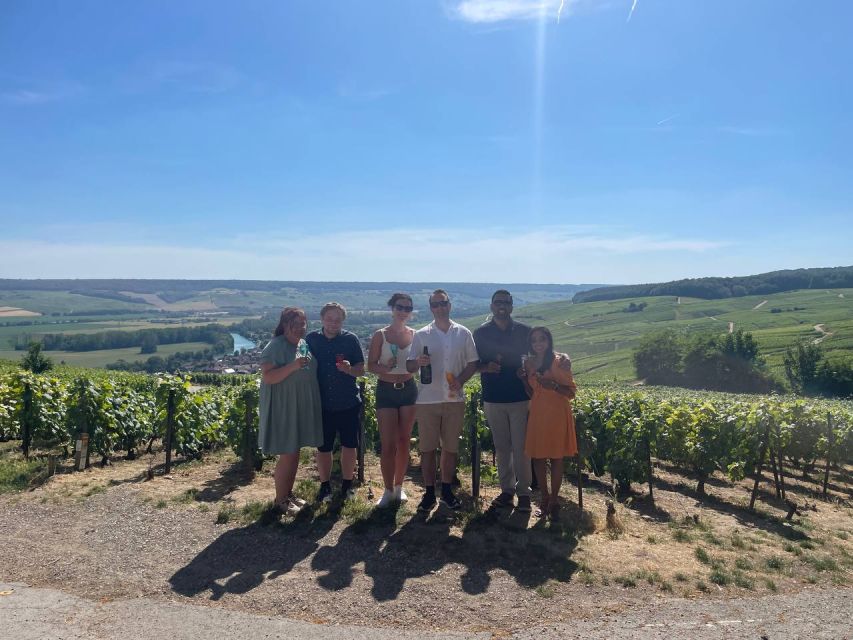
The smaller estate is where the day often feels most personal. Instead of seeing only a major brand, you meet people connected to a local Champagne operation and hear how production works on a more modest scale.
This visit can include a cellar tour, a tasting, and an explanation of the estate’s history. Some groups have visited places such as Le Clos Corbier or Dom Caudron, though the exact producer is not fixed. A small house lets you ask practical questions about grape growing, blending, aging, and the differences between a family operation and a global label.
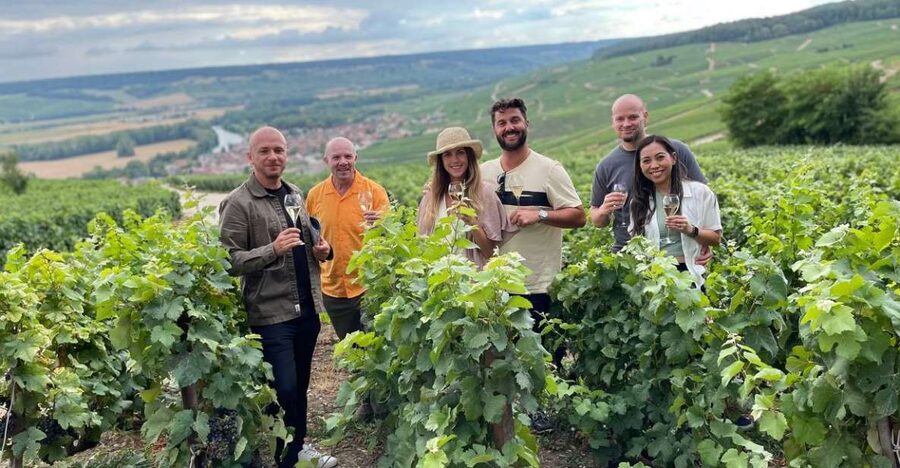
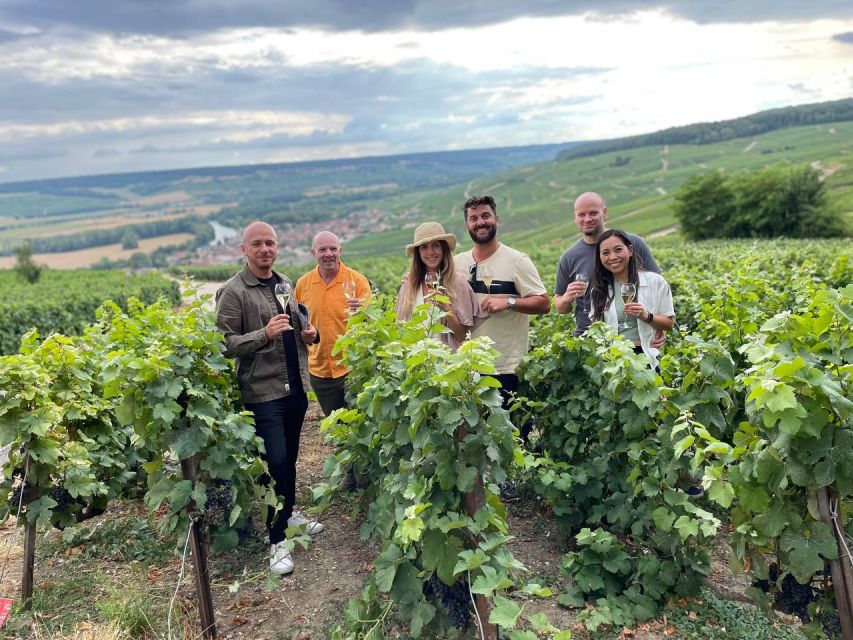
The surrounding vines give the guide a chance to explain terroir, grape varieties, and the conditions that shape the wine. You may stop directly among the vineyards or at a hillside viewpoint in the Marne for photographs and a blind tasting.
The blind tasting is a smart teaching tool. Instead of choosing a bottle because of its label, you compare what is in the glass. The guide can help you think about grape style, color, sweetness, and texture. You may also learn the difference between Blanc de Blancs, made from white grapes, and Blanc de Noirs, made from dark grapes but produced as a white wine.
The operator tries to include a vineyard visit, but weather and timing can prevent it. If vineyard photographs are essential to your day, keep your expectations flexible. Champagne is an agricultural region, not a stage set, and the vines cannot always be added to a packed schedule.
More Champagne Tours in Paris
- Top Private Cruises in Paris with French Champagne and surprises
★ 5.0 · 1,553 reviews - From Paris: Day Trip to Champagne with 8 Tastings & Lunch
★ 4.8 · 1,501 reviews - Paris: First Show Moulin Rouge with Champagne & Seine Cruise
★ 4.1 · 1,260 reviews - Paris: La Nouvelle Eve Cabaret Show with Champagne
★ 4.7 · 1,192 reviews
Reims, viewpoints, and extra stops along the way
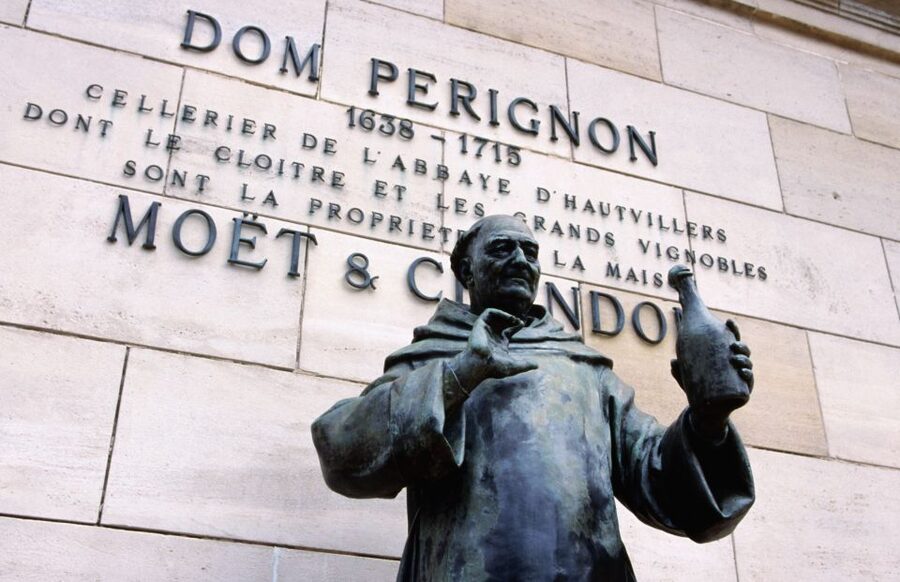
The main outline includes Épernay and the Marne, but guides sometimes add Reims or another nearby stop when timing allows. Reims Cathedral has been a popular addition, and it gives the day a welcome historical and architectural change of pace.
Some itineraries have included a World War II memorial or a viewpoint over the valley. These stops are not guaranteed, but they show why the guide matters. A good driver-guide can use the road between appointments to explain the area, point out important sites, and make a short stop feel worthwhile.
The exact order may change according to the opening times of the two Champagne houses. You might begin with a major producer, eat lunch before the smaller estate, or reverse the sequence. That flexibility is normal for a day tied to several appointment calendars.
The trip also includes practical moments that are easy to overlook. Guides have been praised for making bathroom stops, helping with photographs, and keeping the group on time without making the day feel frantic. Some have added small activities, including a lesson in sabrage, the dramatic method of opening a Champagne bottle with a saber. Such extras depend on the guide and schedule, so consider them pleasant additions rather than promised features.
What the guide adds to the experience
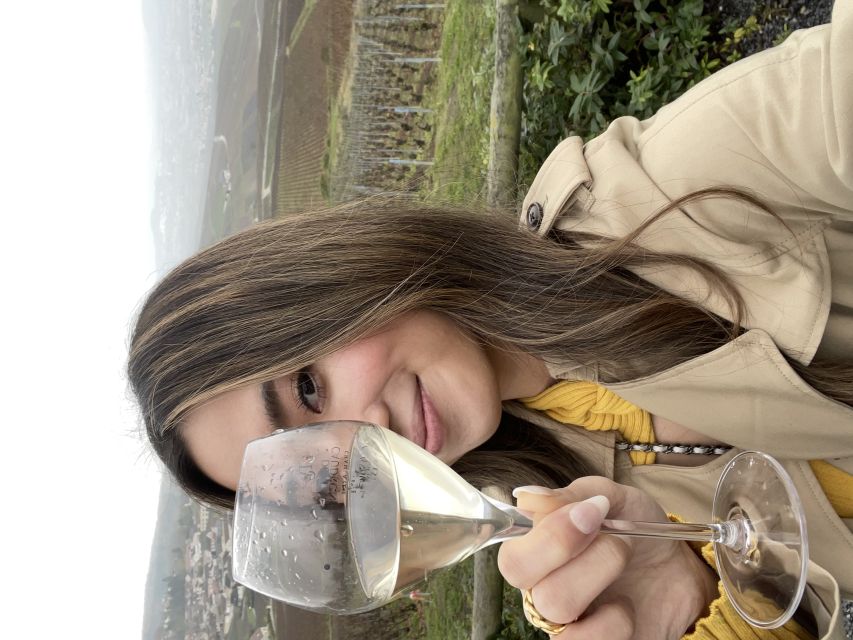
The guide is central to the value of this tour. You are not simply being driven from one tasting room to another. The guide explains the region, answers questions, translates when needed, and manages the timing of lunch and cellar appointments.
Past guides have included Sebastian, Tomer, Max, TJ, Arthur, Hugo, Alex, Sacha, Benoit, David, Dalton, Thomas, and others. Their personalities differ, but the strongest pattern is clear: the best guides combine regional information with an easy manner and careful driving.
Sebastian has been praised for thoughtful planning, photographs, and his ability to keep the day on schedule. Tomer has been noted for personal touches and historical stories. Max has impressed groups with clear answers and friendly energy, while TJ has been praised for making the day relaxed and fun.
You cannot select a particular guide with certainty unless the operator confirms it. What you can expect is an English-speaking guide, a driver, and support throughout the day. If you have a birthday, anniversary, dietary concern, or Champagne house preference, mention it when arranging the pickup. The guides have sometimes made celebrations and personal requests part of the day.
Is $411 a good value?
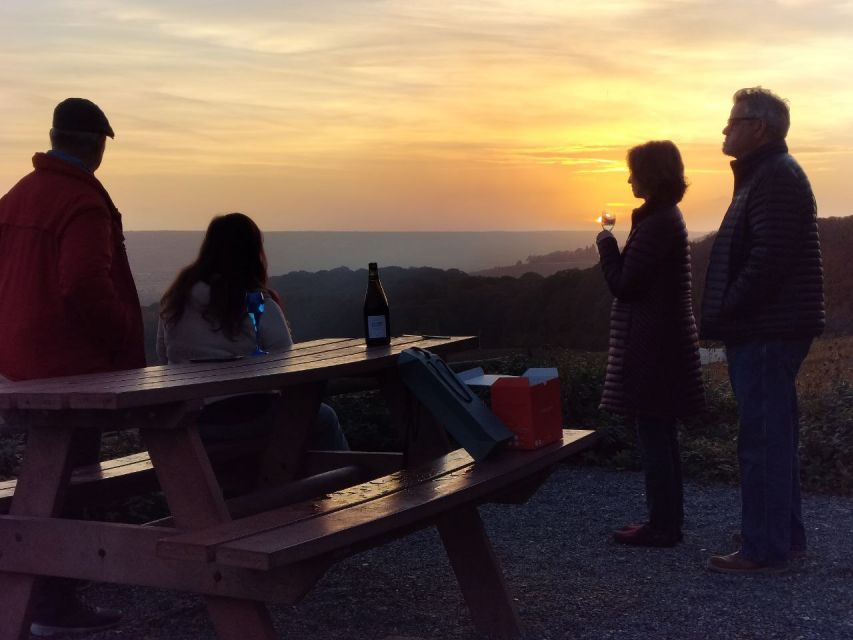
At $411 per person, this is not a cheap excursion. The price reflects the private vehicle, hotel pickup and drop-off, a driver-guide, cellar access, tastings, lunch, and the fact that you can visit the Champagne region without arranging several separate bookings.
The value is strongest if you want convenience. A train from Paris may cost less, but it will not take you from a station to a cellar, vineyard viewpoint, local restaurant, and second producer. You would also need to organize reservations and avoid driving after tastings.
The comparison between a large house and a small estate adds value that a single-producer visit cannot provide. You see both the polished public face of Champagne and the smaller-scale side of production. The regional explanations also help you buy or order Champagne with more confidence later.
The price feels less attractive if you mainly want one famous cellar and a relaxed lunch. The day is full, transfers are long, and drinks at lunch are extra. If your main goal is simply to taste one prestigious label, an Épernay visit by train may suit you better.
Who should book this experience?
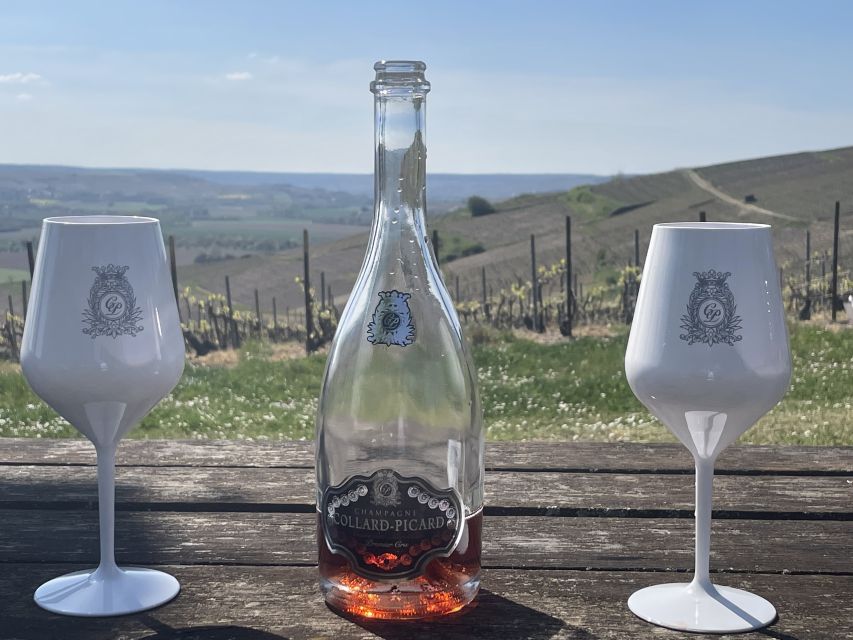
I would recommend it to first-time visitors to Champagne, couples celebrating a special occasion, and anyone staying in Paris who wants a guided day without renting a car. It also suits people who enjoy learning how a product is made, not only drinking it.
The tour works well for mixed groups because the day includes history, scenery, food, architecture, and wine. A non-expert can follow the explanations, while a Champagne fan gets useful comparisons between producers and styles.
It is less suitable for you if you dislike early starts, long drives, fixed appointments, or group timing. The cellar visits may be cold, lunch can feel short, and the exact houses are not fixed. Anyone under 18 may be offered grape juice instead of alcohol, but this is still a wine-focused day.
Free cancellation is available up to 24 hours in advance, and you can reserve now and pay later. Those terms help if your Paris plans are still shifting, but check the starting time when you book because the exact departure schedule is not fixed in the general description.
Final verdict: book for comparison and convenience
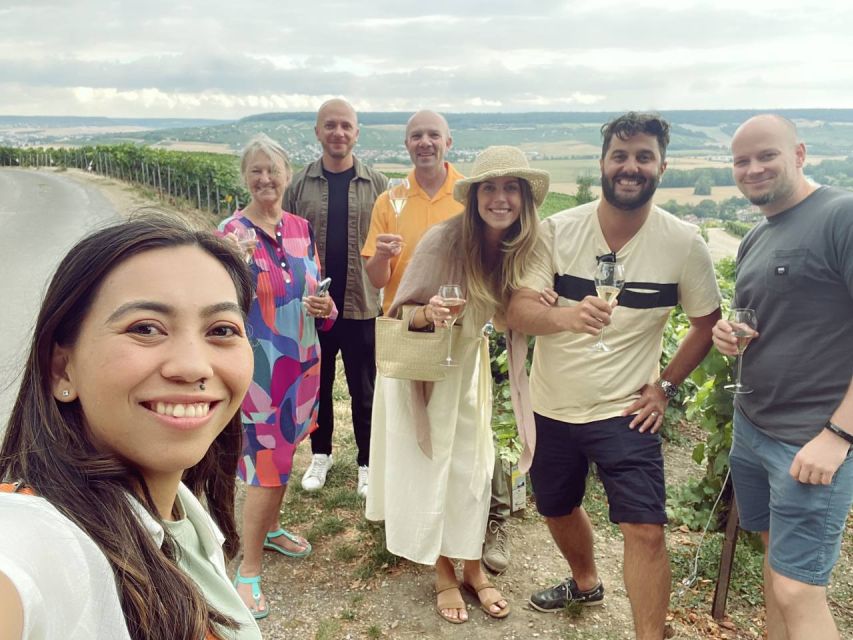
I would book this tour if I wanted one efficient day that explained Champagne from vineyard to cellar to table. The strongest features are the hotel pickup, the small-group setting, the contrast between a major house and a local producer, and the guide’s role in adding history and practical detail.
Go in knowing that $411 buys convenience and structure, not a slow private day in the countryside. You may taste up to six glasses, and some groups have experienced additional pours, but lunch drinks cost extra and the schedule can be full.
For most visitors with limited time in Paris, the combination is persuasive. You get Épernay, the Marne, possible time in Reims, cellar tours, a three-course meal, and a better understanding of what is in your glass. Bring a jacket, wear comfortable shoes, keep your afternoon flexible, and let the guide handle the roads.
FAQ
How long does the Champagne tour from Paris last?
The experience lasts about 11 hours, including roughly two hours of travel from Paris to the Champagne region and about two hours back. Traffic and appointment times can affect the schedule.
Is hotel pickup and drop-off included?
Yes. Pickup and drop-off at your Paris hotel or accommodation are included. The operator contacts you the day before to confirm the exact pickup location.
Which Champagne houses will I visit?
The famous Champagne house is selected according to availability. Possible producers include Mercier, Nicolas Feuillatte, Veuve Clicquot, Taittinger, Moët & Chandon, and Boizel. Contact the operator if you have a specific preference.
How many Champagne tastings are included?
The package includes Champagne tastings and up to six glasses of Champagne. The exact number and selection can vary with the day’s schedule and the producers visited.
Is lunch included?
Yes. A three-course lunch at a local restaurant is included. Drinks at the restaurant, including soft drinks, alcohol, and still or sparkling bottled water, cost extra.
Is the tour available in English?
Yes. The tour includes a live English-speaking guide. Private and small-group options are available.
More Lunch Experiences in Paris
- Paris: Wine and Cheese Lunch
★ 4.9 · 596 reviews - From Paris: Champagne Day Trip with 7 Tastings and Lunch
★ 4.6 · 97 reviews - Paris: Loire Valley Chambord Castle, Wine Tasting & Lunch
★ 4.7 · 69 reviews - Paris: Champs Elysées Bus Toqué w/Lunch & Glass of Champagne
★ 4.6 · 43 reviews
Just added around Paris
- Top Private Cruises in Paris with Champagne + more surprises★ 5.0 · 309 reviews
- Paris: Walking Food Tour with Cheese, Wine and Delicacies★ 4.7 · 323 reviews
- Private tour of Paris by Night with Champagne★ 4.7 · 323 reviews
- Paris: Wine and Cheese Tasting★ 4.6 · 91 reviews
- Paris: Wine Tasting Experience with 6 Wines and Cheese Board★ 4.9 · 80 reviews
- Paris: Seine River Champagne Dinner Cruise with Live Music★ 4.4 · 287 reviews
- Paris : Scenic Cruise on the Seine River with Champagne★ 4.0 · 81 reviews
- Paris: Tasting of 3 Wine and 3 Cheese★ 5.0 · 74 reviews
Champagne Tours, compared.
Paris 3-Courses Gourmet Dinner Seine River Cruise with Champagne
Read our review →
Top Private Cruises in Paris with French Champagne and surprises
Read our review →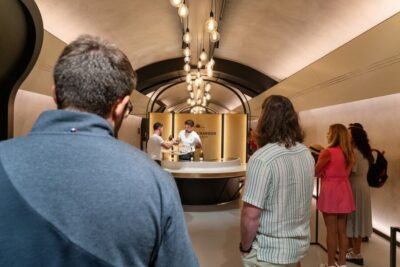
Day Trip to Champagne with 8 Tastings & Lunch
Read our review →

First Show Moulin Rouge with Champagne & Seine Cruise
Read our review →
Private Boat Ride in Miami with Experienced Captain and Champagne
Read our review →
Browse the lists this tour appears in