
Review · PARIS
French Wine and Champagne Tasting in Paris
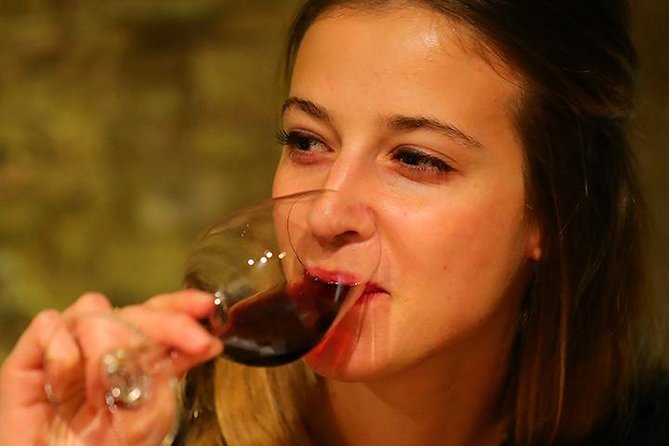
The best thing about this Paris evening is its useful mix of tasting and instruction. At Ô Chateau, near the Louvre, you sample six French wines, including Champagne, while an English-speaking sommelier explains grapes, regions, labels, and the logic behind French wine.
I like the small-group setting and the practical lessons on tasting, appellation, and terroir. I also like that you receive a list of the wines afterward, so the evening does not vanish when you leave. The main consideration is the group size: the published details mention both six to 25 people and a maximum of 10, so ask for the current format if an intimate class matters to you.
Key points to know before booking
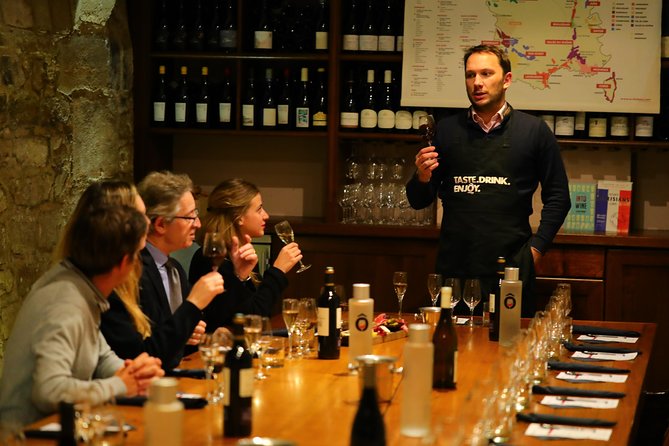
- Six French wines in one sitting: The selection covers different parts of France and includes Champagne.
- A real wine lesson: You learn how to taste, read a French label, and understand terms such as appellation and terroir.
- A central Paris cellar: Ô Chateau is at 68 Rue Jean-Jacques Rousseau, a short distance from the Louvre Museum.
- Strong English presentation: Guides such as Willy, Kim, Pierre, Paul, Jasmina, Clement, Laury, and Jasmina have led sessions noted for clear explanations and humor.
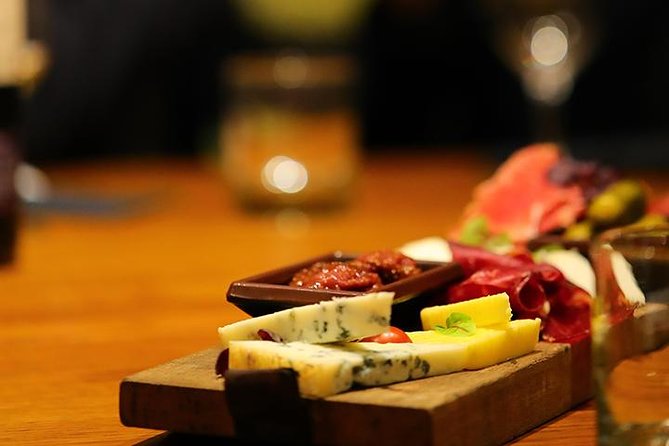
- Optional food pairing: Fresh bread is included, while cheese and charcuterie can be added for a more filling snack.
- A useful first-night activity: The 5 p.m. start gives you a relaxed introduction to French wine before dinner.
Why this tasting works better than simply ordering a bottle
Paris gives you countless chances to drink French wine, but far fewer chances to understand what is in your glass. A restaurant server may recommend a bottle, yet you may still leave unsure why a Burgundy costs more than a wine from another region, or what the words on the label actually mean.
This two-hour session gives you a framework. You taste six wines from different French regions, then connect each one with its grape varieties, production area, and style. The point is not to turn you into a sommelier in one evening. It is to help you make sense of a French wine list and feel less hesitant when ordering.
I especially value the lesson on tasting technique. You learn how to look at the wine, smell it, taste it, and describe what you notice. That sounds simple, but having someone guide you through the process makes the next restaurant bottle more interesting.
The teaching also covers terroir, a French term that brings together the soil, climate, location, and growing conditions that shape a wine. You also hear about appellation, the official regional system that sets rules for where and how certain wines are produced. These ideas can seem fussy on a label. Once explained with a glass in front of you, they become much easier to grasp.
More Champagne Tours in France
- Paris: Moulin Rouge Cabaret Show Ticket with Champagne
★ 4.7 · 16,088 reviews - Paris: Paradis Latin Cabaret Show with Optional Champagne
★ 4.6 · 2,231 reviews - Paris 3-Courses Gourmet Dinner Seine River Cruise with Champagne
★ 4.0 · 1,659 reviews
Arriving at Ô Chateau near the Louvre
The tasting takes place at Ô Chateau, 68 Rue Jean-Jacques Rousseau, in central Paris. Its location near the Louvre makes it easy to pair with an afternoon of sightseeing, though you should allow enough time to reach the address for the 5 p.m. start.
The venue is a renovated wine cellar, not a large sightseeing hall. That matters. A cellar gives the evening a natural sense of place, and the room is described as comfortable, private, and welcoming. It is the sort of setting that encourages conversation rather than hurried drinking.
You meet at the venue and return there when the tasting ends. There is no hotel pickup or drop-off, so you handle your own transport. The location is near public transportation, which keeps the practical side fairly simple.
The atmosphere seems to be part of the appeal. The room has been described as warm and inviting, with enough privacy for the class to feel separate from the rest of the city. If you want a loud nightlife experience, this is not it. If you want a calm break from museums and long walks, the cellar makes good sense.
Six wines, six ways to read France
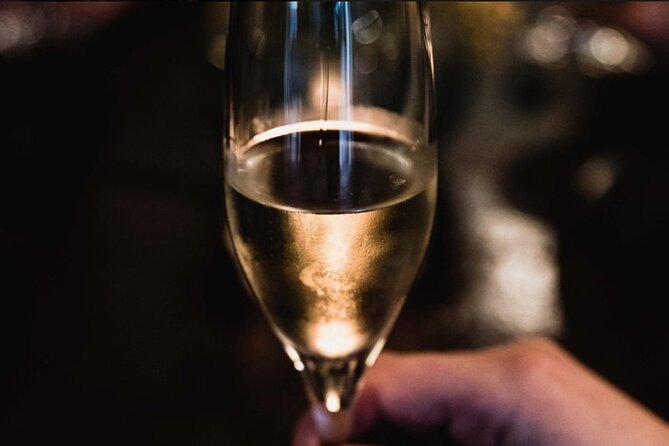
The heart of the evening is the tasting itself. You try six French wines from different regions, with Champagne included. The exact bottles may change, but the session is designed to show that French wine is not one single style.
A tasting format described by participants included Champagne, two white wines, a rosé, and two red wines. Treat that as a useful picture of the range, not a guarantee of the exact lineup on your date. The key promise is six wines from across France, including one sparkling wine.
The variety gives the lesson structure. Champagne lets the sommelier explain the special production method and the importance of bubbles, acidity, and blending. White wine provides a chance to discuss freshness, fruit, and regional character. Rosé shows that the category is not limited to one simple style. Red wines bring in questions of grape, body, tannin, and food pairing.
You are not simply handed six glasses and left to judge them. The sommelier explains what to look for and gives you language for comparing the wines. That is useful for beginners, but it also suits people who already drink wine and want a clearer understanding of French regions.
The selection has been praised for being varied and good quality. Still, wine is personal. A bottle that one person finds bright and elegant may seem too sharp to another. The strength of this experience is not a promise that every pour will become your favorite. It is the chance to taste several styles side by side and learn why they differ.
Champagne gets its own lesson
Many Paris wine tastings include Champagne as a token pour. Here, Champagne is part of the teaching, with an explanation of how it is made and why it has such a strong place in the world of sparkling wine.
That distinction matters because Champagne is not simply any bubbly wine. The name refers to wine from the Champagne region, and its production follows specific rules. Your sommelier explains the process in a way that connects the method to what you taste in the glass.
For a visitor, this is one of the most useful parts of the class. Champagne is often ordered for celebrations, but it can also work with food and as an aperitif. Learning how its bubbles, acidity, and flavor profile function gives you more confidence the next time a restaurant offers several sparkling options.
The Champagne pour also breaks up the still wines and gives the tasting a festive lift. It is a small detail, but it helps the evening feel distinctly French rather than like a generic wine seminar.
More Champagne Tours in Paris
- Top Private Cruises in Paris with French Champagne and surprises
★ 5.0 · 1,553 reviews - From Paris: Day Trip to Champagne with 8 Tastings & Lunch
★ 4.8 · 1,501 reviews - Paris: First Show Moulin Rouge with Champagne & Seine Cruise
★ 4.1 · 1,260 reviews - Paris: La Nouvelle Eve Cabaret Show with Champagne
★ 4.7 · 1,192 reviews
The sommelier makes the difference
The guide determines how much you get from a tasting like this. Ô Chateau uses a professional sommelier, and the named hosts associated with these sessions include Willy, Kim, Pierre, Paul, Jasmina, Clement, and Laury.
The strongest descriptions focus on clear teaching, warmth, humor, and the ability to answer questions. Kim has been praised for explaining grape varieties by region. Willy has been noted for explaining both the winemaking process and the wines in the glass. Pierre has been described as personable and good at offering suggestions. Jasmina and Clement are associated with lively, social presentations.
That range of names also tells you that the experience may vary slightly depending on who leads your session. The common thread is an English presentation aimed at making wine approachable. You should not expect a rigid lecture packed with technical terms. The format is meant to be conversational, with room for questions and personal preferences.
This is especially helpful if your group has mixed experience. A serious wine drinker can ask about regions and production, while a beginner can focus on basic tasting steps without feeling out of place. The guides are praised for making the material fun, not for showing off.
Bread, cheese, and charcuterie options
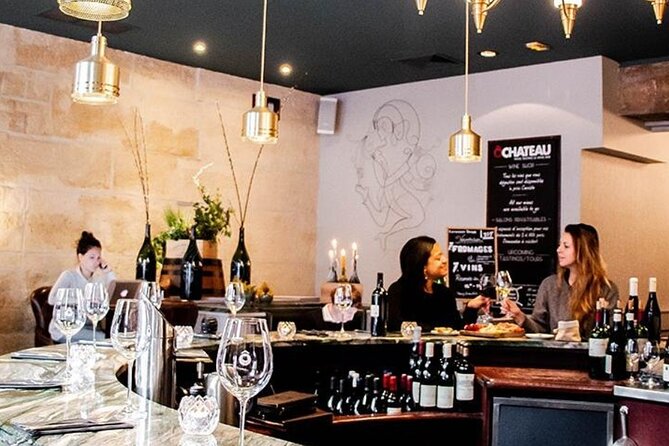
Freshly baked bread is included with the tasting. It gives you something plain to eat between wines and helps keep the evening comfortable.
You can also choose an option with cheese, charcuterie, or both, depending on the booking choice. The pairing is worth considering if this tasting takes the place of an early dinner or if you enjoy matching food with wine. One practical approach is to combine cheese and charcuterie between two people, creating a broader plate without ordering the same add-on twice.
The food is not meant to be a full French meal. Think of it as a substantial snack that supports the tasting. If you arrive hungry, you may still want dinner later. If you have already eaten lunch late, the bread and optional plate may be enough to carry you to a later reservation.
The pairing also gives the sommelier another useful teaching tool. You can see how salt, fat, texture, and acidity change the way wine tastes. That lesson often stays with you longer than a list of grape names.
A two-hour evening that fits a Paris itinerary
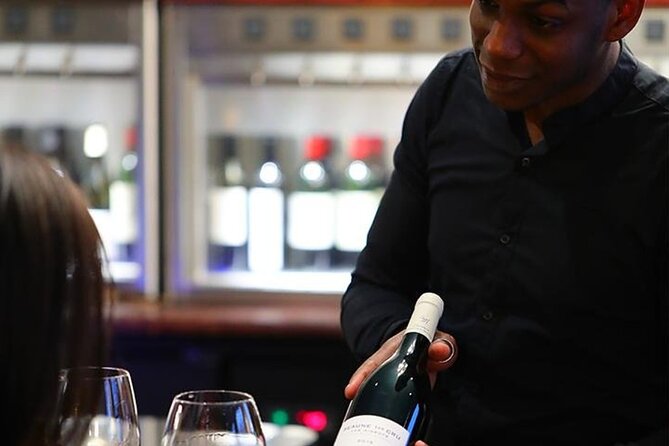
The tasting starts at 5 p.m. and lasts about two hours. That timing is convenient for several kinds of plans.
You can spend the afternoon at the Louvre or nearby streets, then head to Ô Chateau for a seated activity. Afterward, you are well placed for dinner in central Paris. The session also works at the start of a trip, when you want an introduction to French wine before ordering bottles throughout your stay.
I would not schedule a major timed attraction immediately after the tasting. The experience is designed to be relaxed, and the exact finish can depend on questions and group pace. Give yourself room afterward, especially if you add cheese or charcuterie and want to linger over the final wine.
A two-hour class is long enough to teach something useful but short enough not to consume an entire day. That balance is important in Paris, where every afternoon can fill quickly with museums, neighborhoods, and meals.
Group size and the feel of the room
The activity is described as a small-group experience, with published details giving figures that range from six to 25 participants and also listing a maximum of 10. Because those numbers do not match, confirm the current group size when booking if you care strongly about a very small class.
The difference matters. With six to 10 people, you can ask more questions and receive more direct attention. A larger group may feel more like a social wine presentation, with less time for personal discussion. Either format can work, but they suit different expectations.
The tone appears friendly and social. You may share the table with people from different countries, and conversation is part of the appeal. If you prefer a private tasting only for your own group, this is not described as a private tour, so you should ask before booking.
The minimum age is 18. Most people can take part, and service animals are allowed. The experience is near public transportation, but there is no hotel transfer.
Is $90.70 a fair price?
At $90.70 per person, this is not the cheapest way to drink wine in Paris. You could buy six bottles for less, though that would miss the instruction, the cellar setting, the Champagne lesson, and the chance to compare wines chosen for a clear educational purpose.
The value depends on how much you want from the evening. If you mainly want alcohol, the price will feel high. If you want a guided introduction that helps you understand French labels, regions, tasting methods, and pairings, the cost is more reasonable.
The included elements are six wines, a professional sommelier, an English presentation, and fresh bread. Cheese and charcuterie depend on the option selected. You also receive a list of the wines tasted, which is useful if you want to look for a bottle later or remember what suited your palate.
I see the best value for couples, friends, and first-time visitors who want a structured evening without committing to a full-day trip into the countryside. It also saves you from guessing at a restaurant wine list during your first days in France.
Who should book this Paris wine class?
You should consider it if you are curious about French wine but do not yet know the regions or labels. It is also a good fit if you already enjoy wine and want to compare several French styles with guidance.
The session suits people who like learning through tasting rather than sitting through a long lecture. It works well for couples, friends, and family groups with adult children, since the minimum age is 18. The welcoming tone and English presentation make it accessible even when wine knowledge varies within your group.
You may want to skip it if your schedule is packed, you dislike group activities, or you want a full meal instead of a tasting and snack. It is also not a vineyard visit. You will not leave Paris for countryside views or walk among vines. The reward here is understanding French wine in a central cellar, not seeing the production landscape firsthand.
Final verdict: a smart first taste of French wine
I would book this experience if I were spending several days in Paris and wanted wine to make more sense during the rest of the trip. The combination of six regional wines, Champagne instruction, practical label advice, and a central location gives you more than a simple tasting flight.
Choose the cheese or charcuterie option if you want the evening to feel closer to dinner. Ask about the current group size if personal attention is important. And keep the wine list you receive at the end, since it can guide your choices at French restaurants later.
At $90.70, it is best viewed as a short class with generous tasting, not merely a night out for drinks. For that purpose, Ô Chateau offers a friendly, focused introduction to French wine without taking you far from the center of Paris.
FAQ
Where does the French wine tasting take place?
It takes place at Ô Chateau, 68 Rue Jean-Jacques Rousseau, 75001 Paris, France, near the Louvre Museum.
What time does the experience start?
The stated start time is 5 p.m.
How long does the wine tasting last?
The tasting lasts approximately two hours.
How many wines are included?
You taste six French wines from different regions, including Champagne.
Is the presentation offered in English?
Yes. The tasting includes an English presentation led by a professional sommelier.
What food is included?
Freshly baked bread is included. Cheese and charcuterie are available if you select those options.
Is hotel pickup included?
No. Hotel pickup and drop-off are not included. You meet at Ô Chateau and finish at the same location.
What is the minimum age?
The minimum age is 18.
Can I cancel for a full refund?
Yes. You can cancel at least 24 hours before the experience start time for a full refund. Cancellations made less than 24 hours in advance are not refunded.
Just added around Paris
- Top Private Cruises in Paris with Champagne + more surprises★ 5.0 · 309 reviews
- Paris: Walking Food Tour with Cheese, Wine and Delicacies★ 4.7 · 323 reviews
- Private tour of Paris by Night with Champagne★ 4.7 · 323 reviews
- Paris: Wine and Cheese Tasting★ 4.6 · 91 reviews
- Paris: Wine Tasting Experience with 6 Wines and Cheese Board★ 4.9 · 80 reviews
- Paris: Seine River Champagne Dinner Cruise with Live Music★ 4.4 · 287 reviews
- Paris : Scenic Cruise on the Seine River with Champagne★ 4.0 · 81 reviews
- Paris: Tasting of 3 Wine and 3 Cheese★ 5.0 · 74 reviews
Champagne Tours, compared.
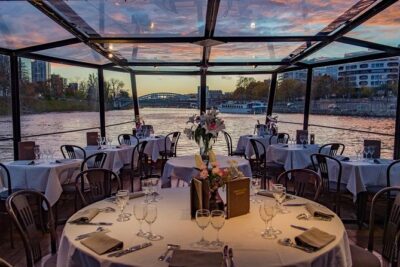
Paris 3-Courses Gourmet Dinner Seine River Cruise with Champagne
Read our review →
Top Private Cruises in Paris with French Champagne and surprises
Read our review →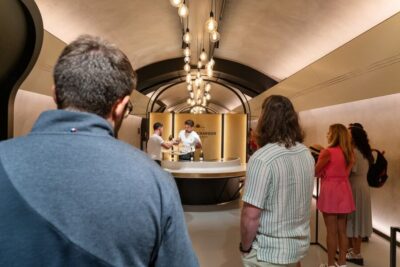
Day Trip to Champagne with 8 Tastings & Lunch
Read our review →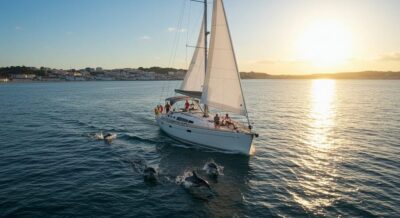
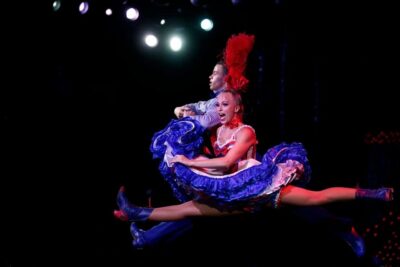
First Show Moulin Rouge with Champagne & Seine Cruise
Read our review →
Private Boat Ride in Miami with Experienced Captain and Champagne
Read our review →
Browse the lists this tour appears in