
Review · GREECE
Crete: Olive, Wine, & Raki on a Flavorful Culinary Journey
Crete’s food culture comes into focus when you follow the products from grove and vineyard to table. This six-and-a-half-hour outing links an olive mill in Skalani, a raki distillery near Stironas, and a winery with a stop in Archanes, using small local producers rather than a large commercial attraction.
I like the personal scale of the day, especially when guides such as Angela, Yanni, Alex, Eleni, or Maria are leading the visits. I also like that the price includes transport, tastings, and lunch, so you can enjoy the wine and raki without worrying about driving.
The main consideration is the pace. You spend about two hours at the olive farm, one and a half hours at the distillery, and another one and a half hours around Archanes, with driving between each stop. If you want a slow winery afternoon or a long village walk, this may feel structured. The tasting details also vary slightly, with the experience described as three or four wines in different places.
Key points to know before booking
- Olive oil starts the day: Walk through a traditional Cretan olive grove, visit the mill, and taste the oil with local guidance.
- Two raki tastings: The distillery visit includes samples of two different rakis and a look at the local distilling tradition.
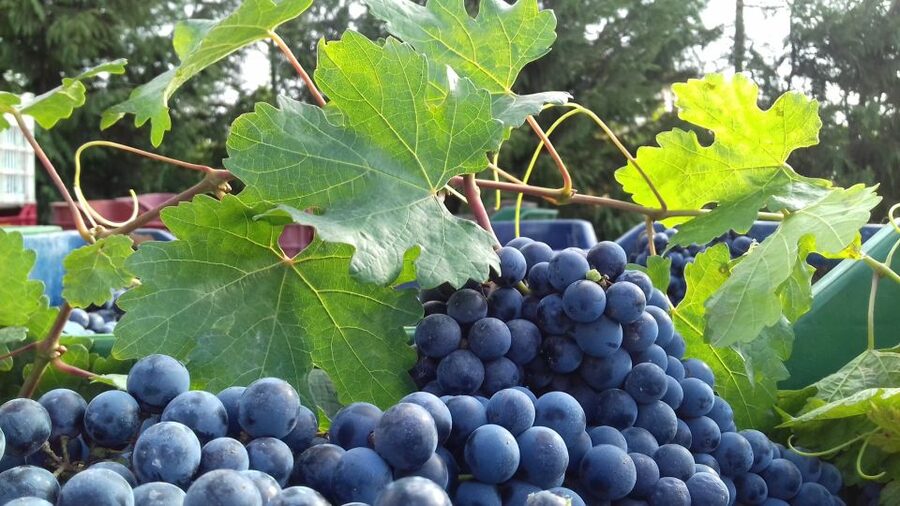
- Indigenous grape varieties: The wine tasting focuses on Cretan grapes, not only familiar international styles.
- Lunch is a real part of the value: Expect a generous spread of fresh Cretan food rather than a token snack.
- Comfortable private-style transport: Pickup and return are included in a premium SUV or minivan.
- A useful small-group feel: The experience can feel personal, especially with a small party and an attentive driver-guide.
Why this Cretan food tour works
This is not simply a series of tastings. It is a short lesson in how Cretan food is made, served, and folded into daily life.
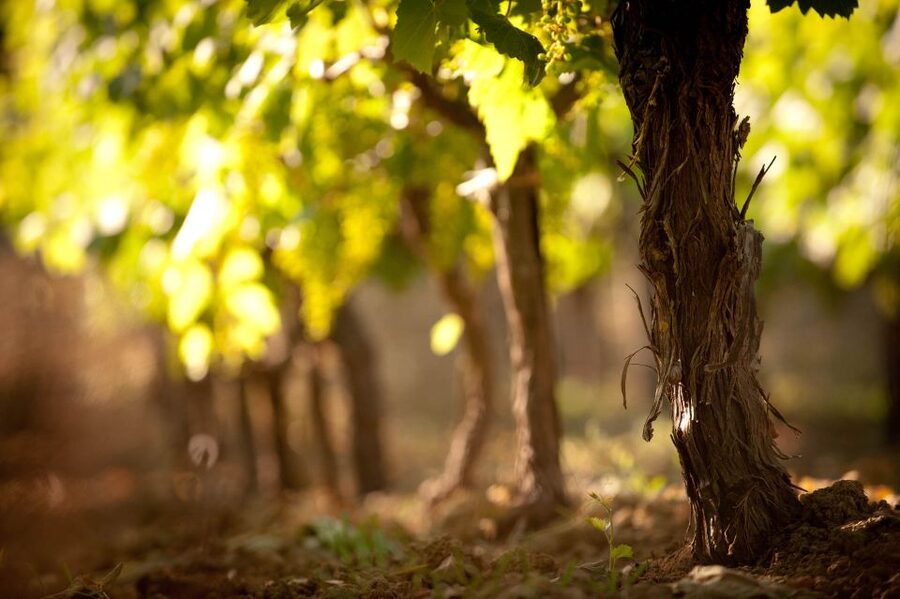
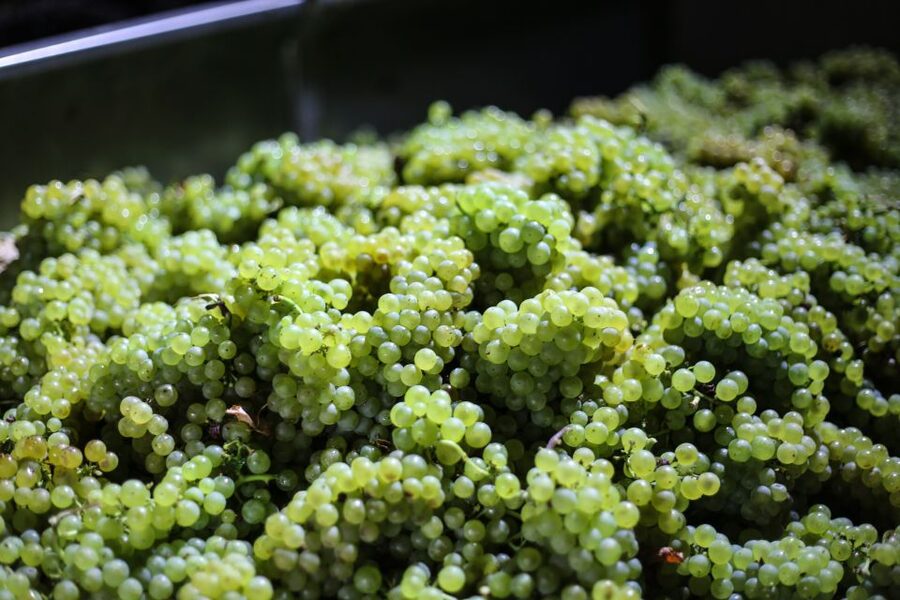
You begin with olives, move to grapes, then finish with the spirit made from what remains after winemaking. That order makes sense. It gives you a basic map of the island’s food culture before lunch brings everything together at the table.
The tour also connects rural production with village life. You are not confined to a tasting room in Heraklion. The route passes through Skalani, Stironas, and Archanes, with time to see how these places fit into the countryside around the city.
At $126 per person, the outing is not the cheapest way to spend a half day in Crete. But the cost covers hotel pickup and return, a premium vehicle, a guide, olive oil, wine, raki, a winery visit, a distillery visit, and lunch. If you would otherwise need a rental car, fuel, and separate visits, the price becomes easier to justify.
A few more tastings around Greece worth a look
- Athens: Street Food Tasting Tour
★ 4.9 · 3,343 reviews - Santorini: Top Sights Day Trip, Wine Tasting, & Oia Sunset
★ 4.6 · 2,492 reviews - Santorini Wine Adventure with 12 Wine Tastings, Tapas and Sunset
★ 5.0 · 1,715 reviews
Pickup and the ride into the countryside
Pickup and return to your accommodation are included, which removes one of the day’s biggest practical problems. You do not need to find an olive mill, judge the road to a rural winery, or assign one person to stay sober enough to drive.
The route includes three main vehicle legs: about 20 minutes to Skalani, another 20 minutes to Stironas, about 40 minutes to Archanes, and 30 minutes back to the pickup point. The listed timing adds up to a substantial amount of time on the road, but the premium SUV or minivan keeps the transfers comfortable.
The driver is an important part of the experience. Angela is praised for her warm, funny manner, while Tony, Michael, Arula, Yannis, and Helen have also led days described as attentive and friendly. Roles can vary, but you should expect an English-speaking guide and local commentary during the route.
A small party makes a difference here. One experience had only four people plus the driver, which allowed more room for questions and personal attention. The exact group size is not stated, so do not assume every departure will be that intimate. Still, the format is designed to feel more personal than a large coach tour.
Skalani: olive trees, oil, and everyday Cretan food
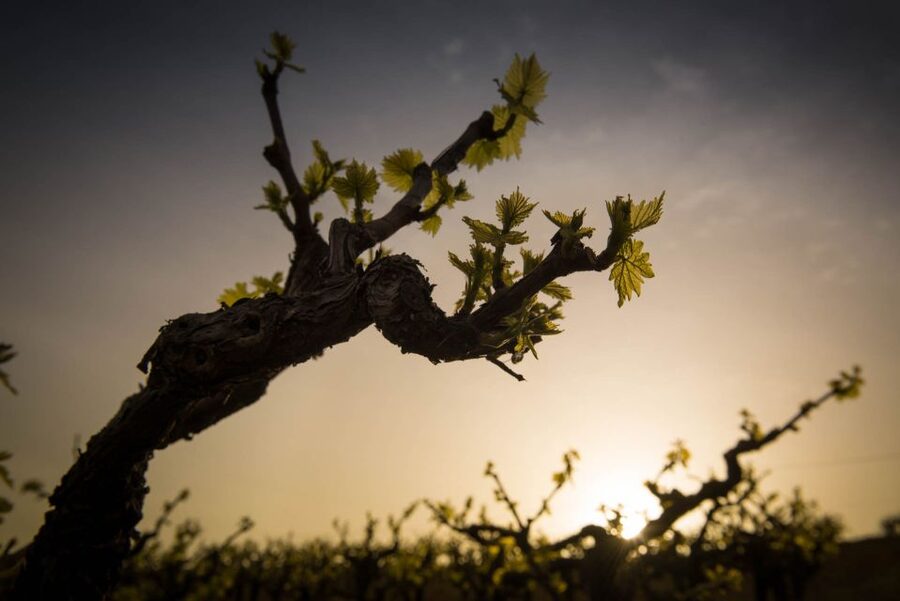
The first main stop is in Skalani, about 20 minutes from pickup. You spend roughly two hours at a traditional Cretan olive grove and mill, which gives this visit enough time to be more than a quick sample at a shop.
You walk through the olive grove and hear how olives are grown and handled. At the mill, the guide explains the extraction process and the role olive oil plays in Cretan cooking. Alex, one of the hosts connected with the olive farm, has been especially good at explaining the work behind the product and answering questions.
This is where I would pay attention to the difference between tasting oil at a market stall and tasting it with context. You can think about its smell, texture, and flavor while learning how the oil reaches the bottle. The experience also introduces customs and rituals tied to the Cretan table, so the focus is not only on production.
The farm has offered unusual local combinations, including olive oil with dragon fruit. That detail gives the stop a sense of experimentation rather than presenting Cretan food as a fixed museum piece. At the same time, shopping is part of the appeal. If you like edible souvenirs, this is one of the places where you may want to set aside money for olive products and other local goods.
The possible downside is that olive oil is the first tasting of the day, and some people may already be thinking about wine and lunch. Give this stop its due. It sets up the rest of the tour, and the explanations help you understand why olive oil appears in so many Cretan dishes.
Stironas: raki, grape spirit, and the rakokazano
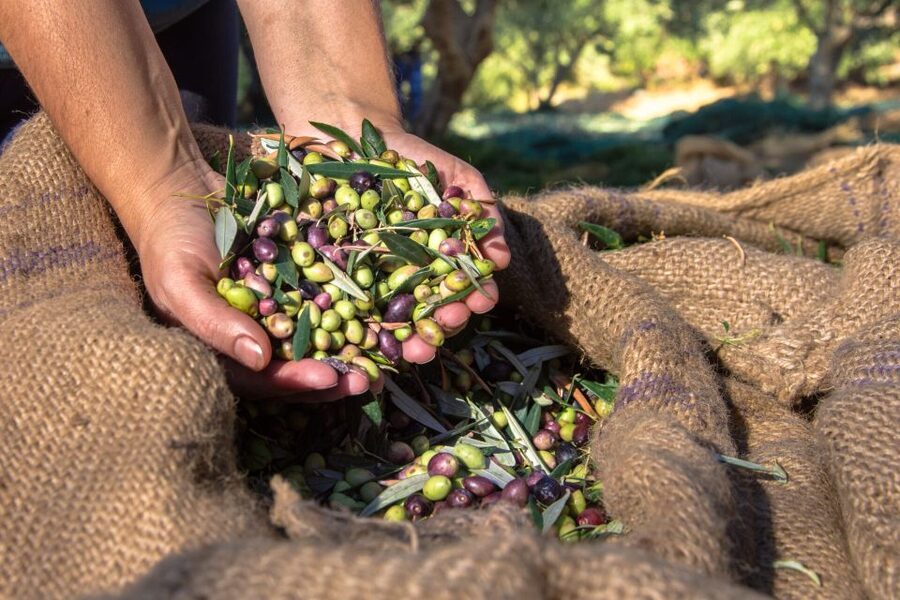
After another short drive, you reach Stironas for about an hour and a half. Here, the focus shifts from olives to grapes, distillation, and raki.
The raki distillery is called a rakokazano, and the visit explains how this much-loved Cretan spirit is made. You taste two different rakis, giving you a chance to compare them rather than treating raki as one uniform drink.
The stop includes local snacks, which help keep the tasting connected to food. Raki is often served as part of hospitality, not only as a formal drink, and this visit presents it in that social setting. You will learn about the local customs around it while seeing the distillery itself.
This is a spirited stop in every sense, so pacing matters. You still have wine ahead, and the day includes lunch. Take small sips, eat the snacks, and tell your guide if you prefer to go slowly. The tour includes transport, which is a major advantage here, but it does not make alcohol consumption risk-free.
The distillery portion may appeal most to people who want a product with a strong connection to local life. If you only enjoy polished wine tastings, this stop may feel more rustic and informal. That is also its strength. It shows a working tradition rather than only presenting a finished bottle.
Same town, a different glass:
- Tour and Wine Tasting in Mykonian Land
★ 5.0 · 1,357 reviews - Rhodes Exclusive Swim Cruise Cocktail Open bar & Gourmet Buffet
★ 5.0 · 1,230 reviews - Santorini: Small-Group Sunset Wine Tour with Santo Winery
★ 4.9 · 801 reviews - Athens Pub Crawl with 1hr Open Bar & VIP Nightclub Access
★ 4.7 · 794 reviews
The winery and the taste of Cretan grapes
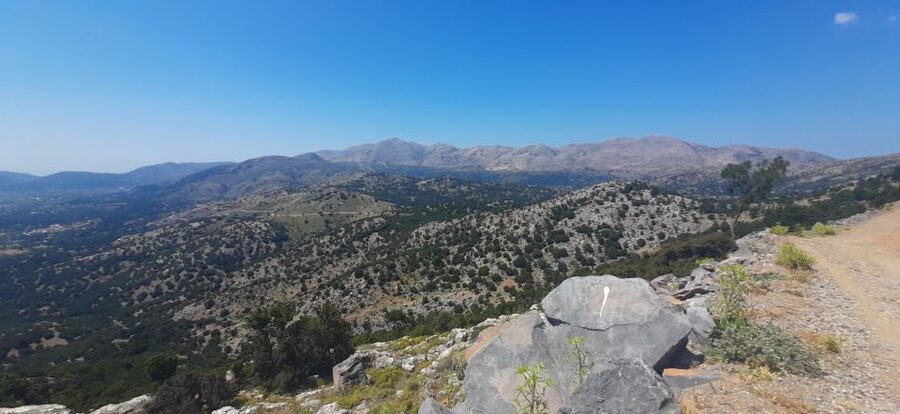
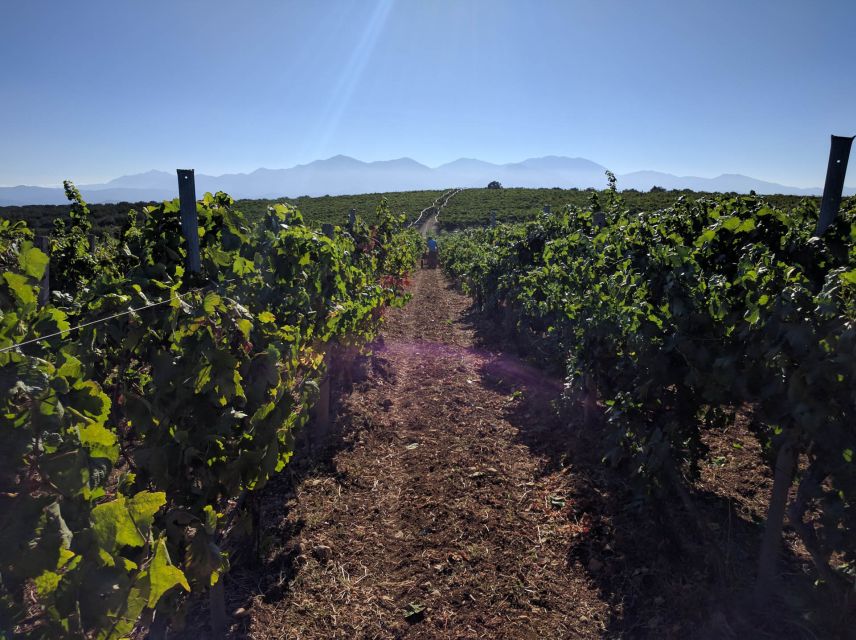
The winery visit is one of the strongest parts of the day for anyone interested in wine. The setting is a small winery and distillery among vineyards, where the guide explains local grape varieties and the winemaking process.
The tasting is described as three indigenous varieties in the inclusions, while the wider description refers to four distinct wines. Since the details differ, you should expect a guided tasting of several wines made from Cretan grapes, but confirm the exact number when you book if that matters to you.
The useful point is not simply how many glasses you receive. You get a chance to taste wine made from varieties connected to Crete, rather than comparing only standard international grapes. Maria, described as the owner and oenologist at one visit, has hosted tastings that explain how to swirl, smell, and taste the wine. Eleni has also led an informative winery visit.
That guidance makes the tasting approachable. You do not need to know wine terms before you arrive. Watch how the host assesses the wine, then try the same steps yourself. You can ask questions about the grapes, the production, and the differences between the wines.
This stop can also be a highlight for people who are usually unsure about wine tastings. The format is described as interactive and well paced, not a rushed series of samples. Still, the day includes a lot of information, and guests looking for a long, leisurely tasting with many bottles may prefer a dedicated winery tour.
Lunch: the part that turns tasting into a meal
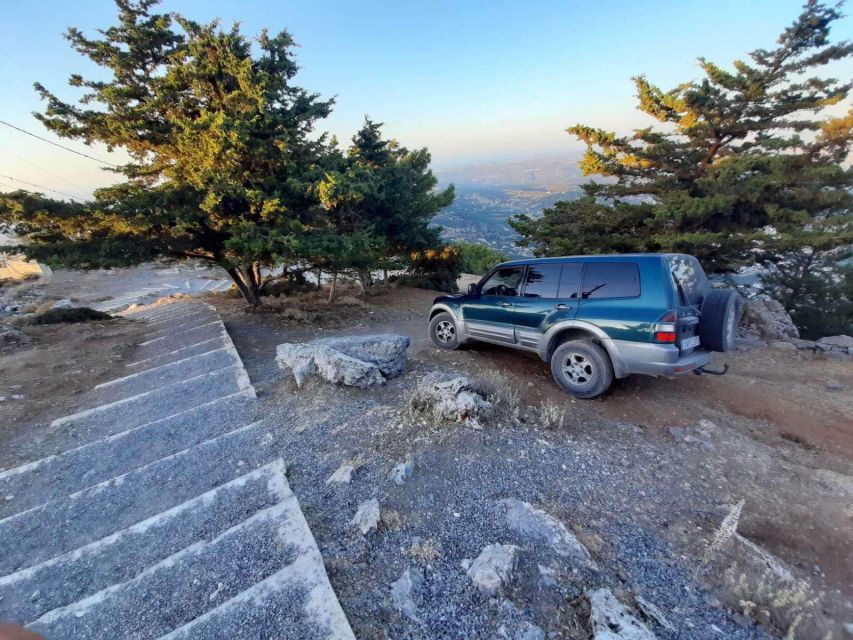
Lunch is listed as light, but that description may undersell it. The meal has been served as a generous vegetarian Greek feast, with fresh homemade dishes and plenty of local flavor.
That matters because food is the point where the day’s separate threads come together. You have learned about olive oil, tasted raki, and sampled wine. At lunch, you can see how these products work with vegetables, bread, salads, and other Cretan dishes.
The meal is served at the winery and distillery stop, so you do not lose time driving to a separate restaurant. It also gives you a chance to sit down after the tastings and enjoy the setting instead of rushing through another attraction.
Do not book this experience expecting a full restaurant menu with many choices. The meal is described as a light lunch and a Greek spread. If you have dietary needs, ask ahead, since the supplied details do not specify every option.
For value, this is one of the tour’s strongest inclusions. A good meal in Greece can cost a substantial part of the tour price by itself. Here, lunch is paired with transport, guided visits, and tastings.
Archanes: a final village stop
The final main stop is Archanes, reached after about 40 minutes in the vehicle. You spend around an hour and a half there for a visit, guided walk, and photo stop.
The information provided does not specify which buildings or sights you visit in Archanes, so I would treat this as a general village and local-life stop rather than a guaranteed visit to a named monument. The value is in seeing another Cretan community after spending time at farms and production sites.
This stop also breaks up the food focus. After several tastings, you get a chance to walk, take photographs, and absorb the setting. For some people, it will be a welcome change of rhythm. For others, especially those who want every minute devoted to olive oil and wine, it may feel like an add-on.
The day then returns to the original pickup location in about 30 minutes. With all stops and driving included, the total duration is about six and a half hours. That is long enough to feel like a proper outing without using a full day that you might want for Knossos, the coast, or Heraklion’s museums.
How the value compares with doing it yourself
The strongest case for booking is convenience. You receive transport from your accommodation, an English-speaking guide, access to several local producers, and a meal. You also avoid the awkward question of who will drive after wine and raki tasting.
The tour gives you variety in one day. A self-guided plan could offer more control, but it would require finding each location, arranging visits, and fitting them into a workable route. The guide also helps translate production methods and local customs into plain language.
The weaker case is flexibility. You cannot linger as long as you like at the olive farm or winery, and the three-part route means the day follows a set schedule. Personal expenses are not included, so purchases of bottles, food products, or other souvenirs cost extra.
At $126, I see this as good value for a visitor who wants a guided food day rather than a basic transfer between attractions. It is less compelling if you already have a car, dislike group schedules, or plan to visit several wineries on your own.
Who should book this experience
I would choose this tour if you want to understand Cretan food through the people who make it. It suits couples, families with adults, friends, and solo visitors who prefer a guide and do not want to drive after tastings.
It is also a good first or second-day activity in Crete. The route introduces local food, villages, and the countryside around Heraklion, while guides such as Yannis have also offered useful suggestions for the rest of a visit.
You should think twice if you want a serious wine course, a long hike, or a history-focused tour. The day is about food, drink, conversation, and local production. Archanes adds a village stop, but this is not presented as a major archaeological tour.
The English guide format is practical, and the hosts are part of the appeal. Alex at the olive farm, Maria at the winery, and drivers such as Angela and Tony bring different personalities to the day. Your exact combination may vary, but the experience depends on human interaction as much as on the products.
Should you book the olive, wine, and raki tour?
Book it if you want a comfortable, well-organized day that combines olive oil, wine, raki, village scenery, and a generous Cretan lunch. The small-producer focus gives the outing more character than a standard tasting room visit, and the included transport makes the alcohol tastings practical.
Skip it if you prefer complete independence or want to spend an entire afternoon at one winery. Also keep the tasting count in mind: the description refers to three or four wines, so ask for clarification if that detail is important.
For most food-focused visitors based near Heraklion, I would consider this a solid use of six and a half hours. You get a useful introduction to Cretan flavors, plenty to eat and taste, and a chance to meet the people behind the products.
FAQ
How long does the olive, wine, and raki tour last?
The experience lasts about six and a half hours, including transportation between the stops.
Is hotel pickup and return included?
Yes. Pickup and return to your accommodation are included in the tour.
What transportation is used?
You travel in a premium SUV or minivan.
What language is the tour conducted in?
The live tour guide speaks English.
How many wines are included in the tasting?
The tour information describes a guided tasting of three indigenous wine varieties in one section and four distinct wines in another. Ask the provider to confirm the exact number when booking.
Is raki tasting included?
Yes. The tour includes a guided visit to a raki distillery and tasting of two different rakis.
Is lunch included?
Yes. A light lunch of Cretan delicacies is included, with personal expenses not covered.
Just added around Greece
- Best Food Tasting Tour of Athens, taste 18+ iconic Greek foods!★ 5.0 · 448 reviews
- Acropolis Private Wine Tasting @ Finewine store★ 5.0 · 46 reviews
- Wine Trails Private Tour/ Nemea visit 3 wineries from Athens or Nafplion (10 h)★ 5.0 · 44 reviews
- Athens Kids and Families Food Tasting Tour★ 5.0 · 66 reviews
- Athens: The Classic Food Tasting Tour★ 5.0 · 106 reviews
- Athens evening food tasting tour-small group★ 4.5 · 74 reviews
- Athens Morning Food & Drinks Tour: A Bite from the Acropolis★ 5.0 · 104 reviews
- Mercedes Private Tour Nafplio, Corinth Canal, Nemea Wine Tasting★ 5.0 · 142 reviews
Drinks Tours, compared.

Unlimited Prosecco, Beer and Aperol Spritz Cruise
Read our review →
Evening Cruise with Optional Wine and Snacks
Read our review →
Douro Valley w/ Boat Tour, Wine Tasting & Lunch
Read our review →
Chichen Itza, Cenote & Valladolid Tour with Tequila and Lunch
Read our review →
Complete Douro Valley Wine Tour with Lunch, Wine Tastings and River Cruise
Read our review →
Small-Group Wine Tasting Experience in the Tuscan Countryside
Read our review →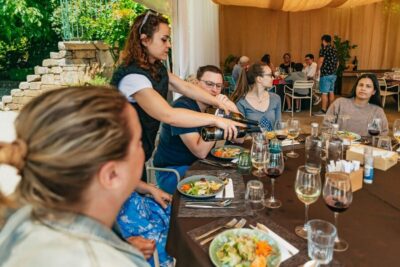
Douro Valley with Winery Lunch, Tastings & Cruise
Read our review →Browse the lists this tour appears in