
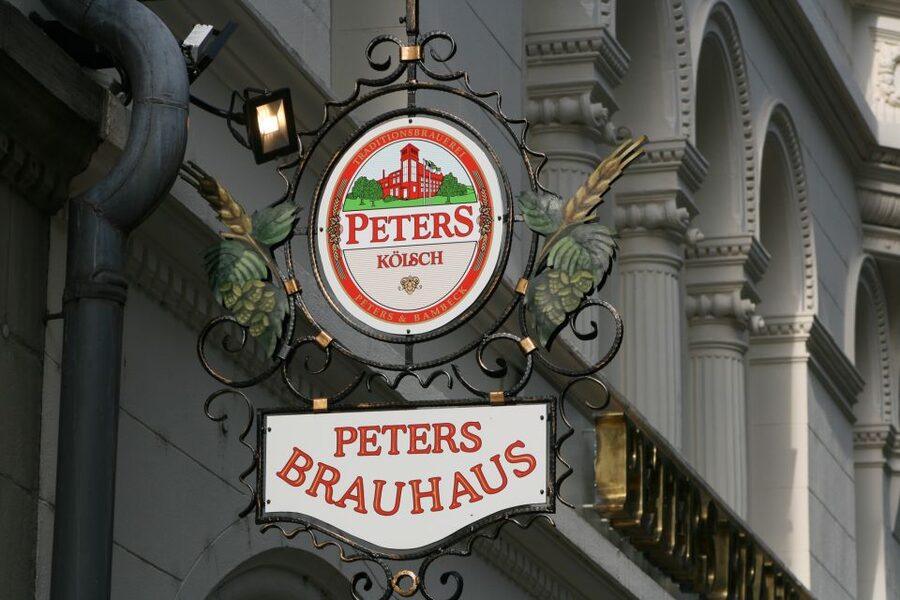
Review · COLOGNE
Cologne: Old Town Walking Tour with 1 Brewery Visit & 1 Beer
Cologne’s Old Town makes the most sense on foot, and this two-hour tour puts its best pieces in a tidy route between Heumarkt, Fischmarkt, Alter Markt, and Rathausplatz. The fun turns on the brewery visit, where you learn the local rules of Kölsch and drink one glass in a traditional setting.
I like the mix of street-level history and local habit. You get narrow lanes, old market squares, and stories about everyday life, then see how Cologne’s brewery culture still works. Guides including Zoe and Markus have brought a relaxed, humorous touch to the walk. The main limitation is that the tour is German only, and the one included beer may feel modest if you want a full tasting session.
Key points to know before you book
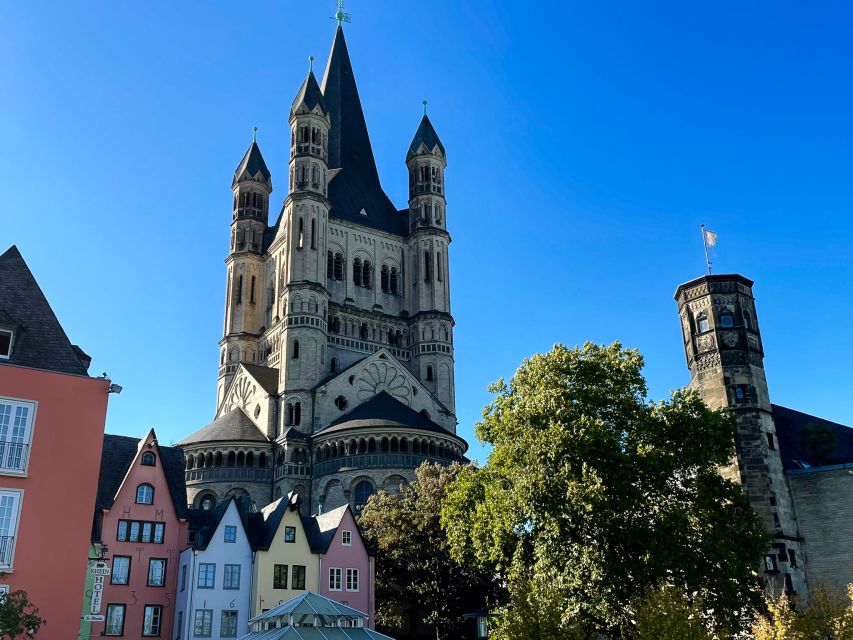
- One Kölsch at Bierhaus en d’r Salzgass: The beer stop is part of the tour, not an optional extra, and includes one glass of Cologne’s typical beer.
- A route through Cologne’s historic center: You walk from the Friedrich Wilhelm III equestrian statue through Heumarkt, the Old Town, Fischmarkt, Alter Markt, and Rathausplatz.
- A look at brewery customs: Your guide introduces Köbes, Kölsch, and Pittermännchen, useful local terms that explain more than the drink itself.
- German-language guiding: This is best for you if you understand German well enough to follow historical stories and humor.
- A compact two-hour introduction: The route gives you orientation for later exploring, with time spent both outdoors and inside a brewery.
- Comfortable shoes matter: The tour uses narrow Old Town lanes and requires walking. It is not suitable for wheelchair users.
Cologne’s Old Town is the real subject
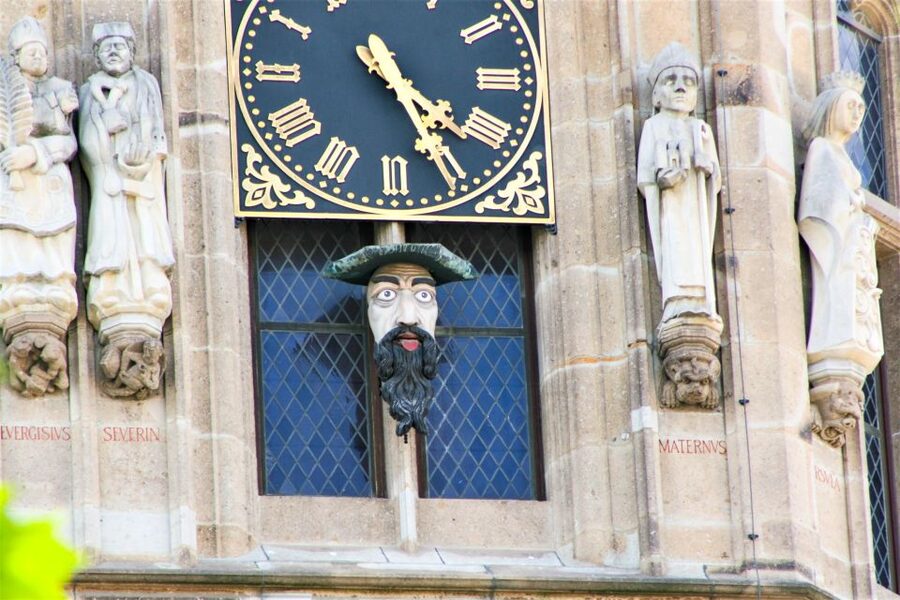
The drink is appealing, but the walking route does most of the work. Cologne’s Old Town has been the city’s historic center for almost 2,000 years, and the tour focuses on the area between Alter Markt and Fischmarkt.
That long stretch of time is easier to grasp through places than dates. Your guide leads you across squares where markets once shaped the day, then into narrow lanes where the city’s older pattern is still visible. You hear about merchants, residents, food, drink, and celebration, rather than receiving only a list of monuments.
I like this approach because it gives the Old Town a human scale. You are not simply being pointed toward famous buildings. You are being shown where people met, traded, ate, and drank. That helps the streets feel like part of a living city instead of a museum route.
The route also gives you useful bearings. After the walk, you should know where Heumarkt, Fischmarkt, Alter Markt, and Rathausplatz sit in relation to one another. You will also have a better idea of where to look for shops, cafes, and breweries when you return on your own.
More Brewery Tours in Germany
- Cologne: Brewery Tour with 3 Kölsch Beer Tastings
★ 4.7 · 3,108 reviews - Düsseldorf: Brewery Tour with Alt Beer Tastings
★ 4.7 · 1,523 reviews - Bremen: 3-Hour Beck’s Brewery Tour
★ 4.6 · 1,091 reviews
Starting at the Friedrich Wilhelm III statue
The meeting point is the equestrian statue of Friedrich Wilhelm III. This statue is at a practical starting point for a walk through the central Old Town, and it gives you a fixed landmark that should be easier to identify than an ordinary street corner.
If an event occupies the square, the meeting point shifts to Heumarkt at the corner of Gürzenichstraße. Check the meeting details before setting out, especially if you are arriving close to the start time.
The tour returns to the same statue at the end. That is handy. You do not need to work out a new meeting point afterward, and you can use the surrounding Old Town as a base for your next meal, drink, or independent walk.
The exact start time depends on availability. Since the total duration is two hours, this works well as a morning activity, an afternoon orientation, or an early evening plan. The schedule is long enough for stories and a brewery stop without taking over your day.
Heumarkt and the first layer of the city
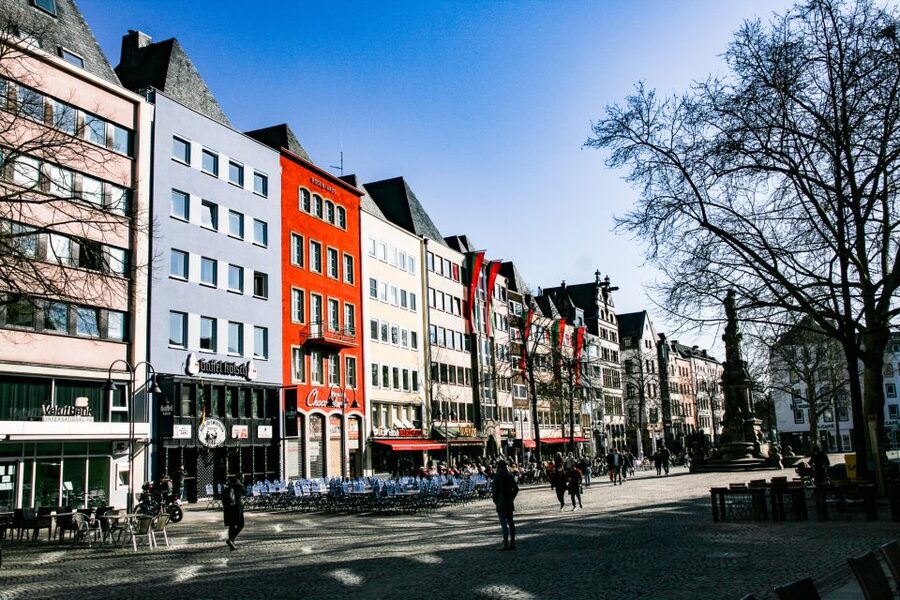
The first major stop is Heumarkt, where the guided walk lasts about 20 minutes. This is one of the larger open spaces on the route, so it helps you get your bearings before the group turns into the smaller streets.
Here the focus is on Cologne’s past and the role of markets in daily life. In the Middle Ages, market activity helped set the rhythm of the city. Merchants, buyers, food sellers, and passersby filled these spaces with practical business and social noise.
That background matters because it explains why Cologne’s Old Town is arranged around squares and connecting lanes. The route is not just a pleasant stroll through old-looking streets. It follows the places where commerce and public life once gathered.
Your guide may also use this early stretch to introduce Cologne’s local character. The tone is meant to be friendly rather than academic. Recent tours led by Zoe have been described as relaxed and easygoing, while Markus has used humor and an introduction to Cologne speech for people from outside the region.
You should still expect a proper historical tour. The humor is an extra, not a substitute for information.
Narrow lanes and the Old Town walk
From Heumarkt, the route continues through the Old Town for another 20-minute guided section. This is where the experience becomes less about a single square and more about the shape of Cologne itself.
The narrow alleyways are a good setting for stories about former residents, merchants, and local customs. They also make the walk feel more intimate than a broad city avenue. You move through twists and turns, then come out into more open squares where the city’s public life was easier to organize.
I would pay attention to the guide’s practical orientation here. The tour is designed to show you where shops, cafes, and breweries are located, so it can be useful beyond the two-hour route. If you plan to explore Cologne independently, this part helps you recognize the Old Town’s main zones.
Walking conditions deserve a little thought. Comfortable shoes are specifically recommended, and that is sensible advice. The tour is not a long hike, but you will be on your feet and moving through older lanes. The activity is not suitable for wheelchair users, so anyone with mobility concerns should consider that before booking.
Same town, a different glass:
- Bavarian Beer and Food Evening Tour in Munich
★ 4.5 · 1,575 reviews - Munich: Beer and Food Tour with Dinner & Oktoberfest Museum
★ 4.7 · 1,086 reviews - Trier: Guided City Walk with Wine Tasting
★ 4.8 · 979 reviews - Munich’s Beer Halls and Breweries: 3-Hour Guided Tour
★ 4.6 · 928 reviews
What happens at Bierhaus en d’r Salzgass
The brewery stop comes at Bierhaus en d’r Salzgass and takes about 20 minutes. This is the tour’s clearest taste of local life, but it is important to set your expectations correctly: the package includes one Kölsch, not a series of beers or a meal.
The point is as much cultural as culinary. Cologne’s beer service has its own vocabulary and habits, and your guide explains the world of the Köbes, Kölsch, and Pittermännchen. A Köbes is the traditional brewery server, Kölsch is the local beer style, and Pittermännchen refers to a small beer keg.
You get to drink a Kölsch in the kind of traditional brewery setting that gives the subject some meaning. The glass is not an isolated sample at the end of a historical talk. It arrives in the place where Cologne’s beer culture is practiced.
Food is not included. You may be able to eat separately depending on the brewery’s arrangements, but the supplied tour details promise only the beer, so do not book this as a brewery meal.
The 20-minute stop is enough for an introduction and a drink. It is not enough for a leisurely evening at the table. I see that as a strength if you want to keep sightseeing, but a drawback if your main aim is to spend hours sampling local beer.
Kölsch is a local custom, not just a drink
Kölsch gives the tour a useful local focus. Many city walks mention regional food and drink in passing, then hurry on to the next building. Here, the beer stop lets you connect the product with the place, the service style, and the social role of the brewery.
You can also use the stop to learn the small customs that make ordering later less awkward. Knowing the words Köbes and Pittermännchen gives you a little context before you visit another Cologne brewery on your own.
The included glass adds value to the $21 price. You are paying for two hours of guiding, a route through the Old Town, and a local drink in a traditional brewery. That is a fair package if you want context and orientation.
The value is less convincing for someone who already knows Cologne well and wants only beer. In that case, you could simply visit a brewery independently and spend your money on food or another drink. This tour earns its price through the stories and route, not through quantity.
The second Old Town section after the brewery
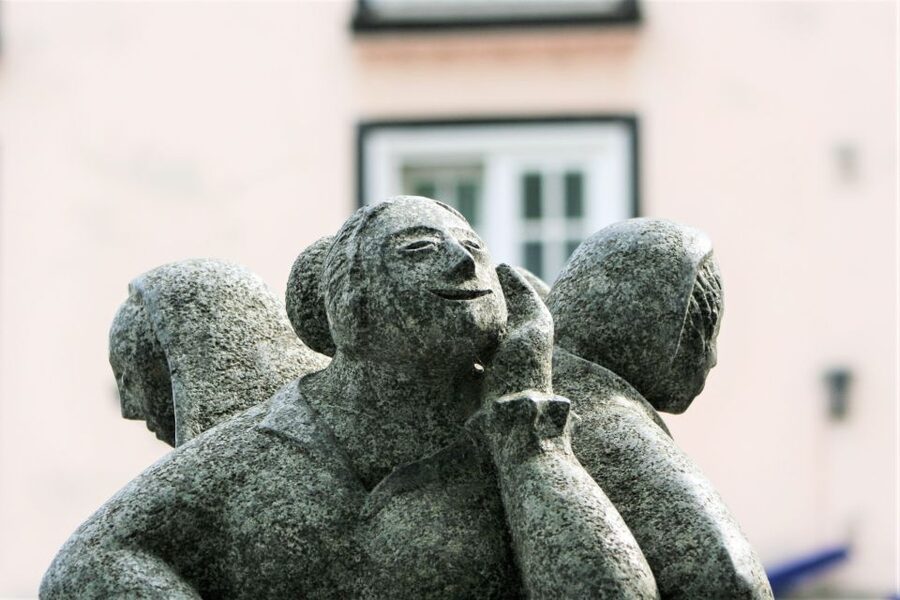
After the brewery, the route returns to the Old Town for another 20-minute guided section. This is a smart part of the plan because the beer stop breaks up the walking without ending the historical thread.
You have already heard about Cologne’s market life and brewery traditions. The return to the streets lets the guide connect those themes. The Old Town is not only a collection of old lanes and squares. Its public spaces, shops, cafes, and breweries are tied to the way people have used the center over time.
This section may also help you notice details you would have passed without a guide. A good walking tour changes the questions you ask of a street. Instead of seeing only where to take a photograph, you begin to notice why a lane leads toward a square, why a brewery belongs in this part of town, or why markets formed in particular places.
The tour’s compact length keeps this from becoming tiring. You are never asked to spend an entire day on a single district. At the same time, the pace means you should not expect long stops at every landmark.
Fischmarkt and the river-facing Old Town
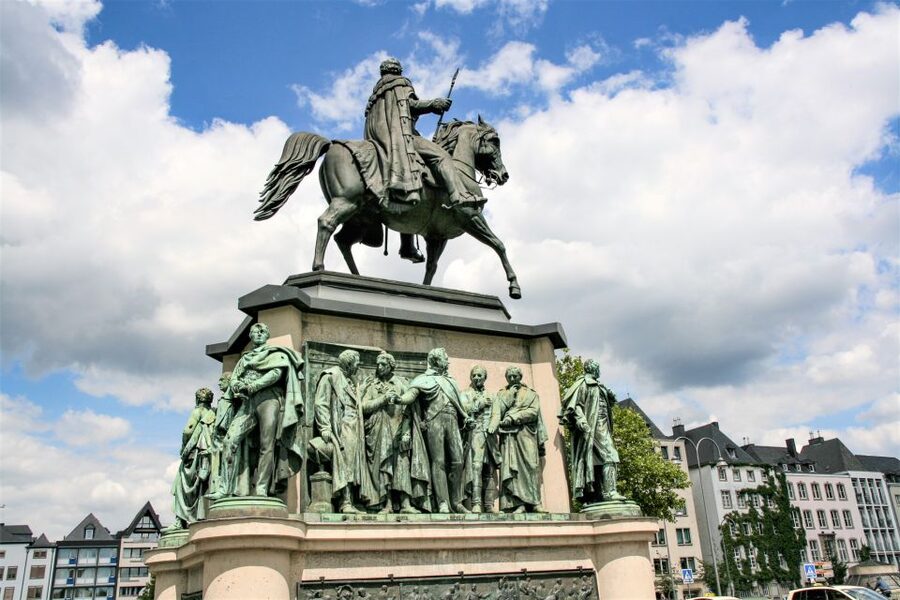
The route then reaches Fischmarkt, with about 10 minutes of guiding. This is one of the named historic squares on the walk and gives the tour another change of scale after the tighter lanes.
The name points to the area’s connection with trade and food. Your guide uses the square to explain how markets helped shape everyday activity in the Old Town. The stop is brief, so think of it as a focused explanation rather than a long architectural inspection.
I like having Fischmarkt on the route because it keeps the walk tied to ordinary urban life. Cologne’s history is not presented only through rulers and grand events. Markets, merchants, meals, and public gathering are part of the story too.
This is also a good place to take stock of the route. By this point, you have seen how the Old Town shifts between open squares and narrow connections. The tour’s value comes from making those parts fit together.
Alter Markt and Rathausplatz
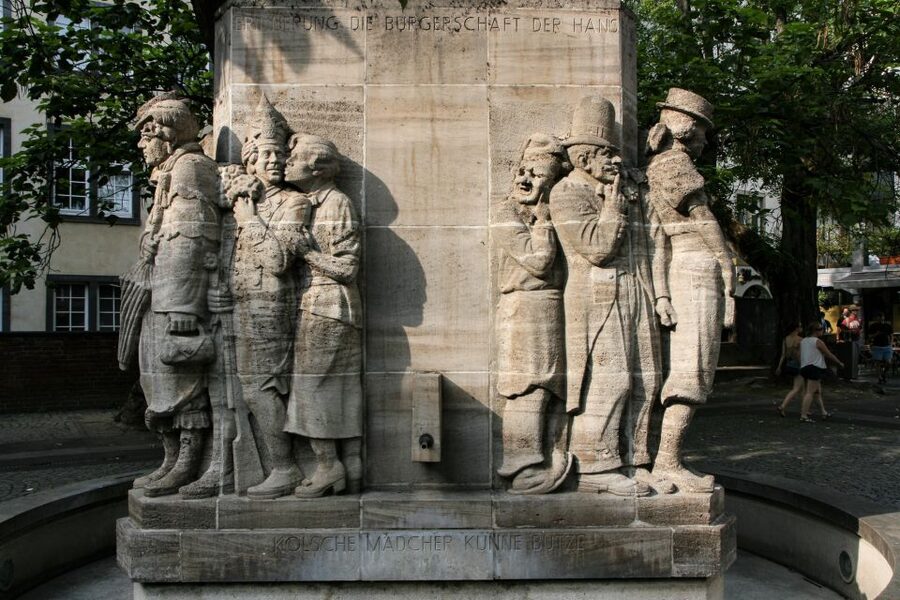
The walk continues to Alter Markt for about 20 minutes. This is another central square with a strong connection to Cologne’s civic and commercial past. The longer stop suggests that your guide has more to explain here than simply the square’s name.
Alter Markt helps bring together the themes of the tour: trade, public life, celebration, and the long history of the city center. You can expect another guided explanation of what happened here in earlier centuries and how the square fits into the Old Town today.
The final named stop is Rathausplatz, where the guide spends about 10 minutes. This gives the route a civic ending before returning to the statue where you began. The sequence is satisfying because it moves from markets and private brewery life toward the city’s public and administrative center.
You should not expect entry into a major museum or a full interior tour of historic buildings. The experience is an outdoor walking tour with one brewery visit. Its strength is the connection between places, stories, and local habits.
The guide’s tone matters here
A history walk can feel dry if the guide simply recites dates. This tour seems designed to avoid that, and the guide names associated with recent departures help set expectations. Zoe is described as relaxed and friendly, while Markus led a humorous introduction to Cologne’s local language for people from outside the area.
Those details point to a conversational style. That matters because a two-hour walk through several stops needs a guide who can keep the thread clear and maintain a comfortable pace.
The tour is conducted in German. That is the single biggest decision point for many people. If you understand German, the language can make the local jokes, pronunciation, and Cologne expressions more natural. If you do not, you may miss the very details that make the tour special.
There is no language option listed beyond German, so do not assume an English version is available. Book this as a German-language experience, not as a multilingual walk.
Is $21 a fair price?
At $21 per person, I consider this a reasonable introduction to Cologne’s center. You receive a two-hour guided route, a brewery visit, and one Kölsch. The price is not built around a large amount of food or alcohol, so the main purchase is the guide’s local context.
That makes the tour good value for three kinds of visitors:
- You are visiting Cologne for the first time and want a clear Old Town orientation.
- You enjoy learning local customs through food and drink.
- You want a short activity that leaves most of the day free.
The value drops if you want a serious beer tasting. One Kölsch is a sample and a cultural introduction, not a tour of several breweries. Food is also separate, so budget for your own meal if you want to eat during or after the walk.
The reservation terms add flexibility. You can cancel up to 24 hours ahead for a full refund, and you can reserve while paying later. Those terms are useful if your Cologne plans may shift, though the practical details of start-time availability still need checking when you select your date.
Who should take this walking tour?
I would choose this for a first visit, especially if you have only a short time in Cologne. The route covers the core Old Town and gives you enough background to make later independent wandering more rewarding.
It also suits people who prefer local habits to formal sightseeing. The Kölsch stop, brewery vocabulary, and stories about markets make the city feel approachable. You do not need to be a beer expert. The drink is simply the doorway into Cologne’s social customs.
German speakers will get the full benefit. The friendly, humorous tone associated with guides such as Zoe and Markus is likely to matter most when you can follow the language directly.
I would hesitate if you use a wheelchair, need an English-language guide, or want a long brewery session with several drinks and a meal. Those are not what this experience offers.
Should you book the Cologne Old Town brewery tour?
Book it if you want a short, well-shaped introduction to Cologne’s historic center, with one authentic local drink built into the route. The $21 price is sensible for the combination of guiding, Old Town orientation, and a Kölsch at Bierhaus en d’r Salzgass.
Go in knowing what it is. You will walk for two hours, hear about Cologne’s past and everyday life, visit one brewery, and drink one beer. You will not get a full beer crawl, a meal, an English tour, or wheelchair-friendly access.
For a German-speaking first-time visitor, this is an easy way to start exploring Cologne. Take comfortable shoes, arrive at the statue of Friedrich Wilhelm III, and keep the rest of your day open for the cafes, shops, and breweries your guide helps you locate.
FAQ
How long does the Cologne Old Town walking tour last?
The tour lasts two hours, including the walk through the Old Town and the brewery visit.
Where does the tour meet?
Meet your guide at the equestrian statue of Friedrich Wilhelm III. If an event is taking place on the square, the meeting point is Heumarkt at the corner of Gürzenichstraße.
Where does the tour finish?
The tour returns to the equestrian statue of Friedrich Wilhelm III.
Is a beer included?
Yes. One Kölsch is included at Bierhaus en d’r Salzgass.
Is food included?
No. Food is not included in the tour price.
What language is the tour in?
The live tour guide conducts the experience in German.
Is the tour suitable for wheelchair users?
No. The experience is listed as unsuitable for wheelchair users. Comfortable shoes are recommended for the walking route.
More Walking Tours in Germany
- Hamburg: St. Pauli Breweries Walking Tour with Tastings
★ 4.7 · 205 reviews - Munich: Guided Food Walking Tour with Beer Tasting
★ 4.7 · 183 reviews - Cologne: 3 Old Town Breweries Guided Walking Tour
★ 4.8 · 120 reviews - Cologne: Old Town Walking Tour inkl Brewery Visit
★ 4.8 · 61 reviews
Just added around Germany
- Alternative Berlin Pub Crawl★ 4.0 · 86 reviews
- Food tasting tour in Berlin of HIDDEN GEMS (Small Groups)★ 4.5 · 60 reviews
- Stuttgart: Stuttgart Wine Museum Wine Tasting★ 4.7 · 55 reviews
- Stuttgart: Guided Vineyards Tour★ 4.3 · 146 reviews
- Hamburg Pub Crawl – 4 Locations, Shots & Club Entry★ 4.6 · 302 reviews
- Informative and fun brewery tour in German, public★ 4.9 · 47 reviews
- Nuremberg: Castle and Old Town Tour – incl. Tickets and red beer tasting★ 4.9 · 68 reviews
- Nuremberg: Private 1.5-Hour Tour with Beer Tasting★ 4.6 · 111 reviews
Brewery & Beer Tastings, compared.
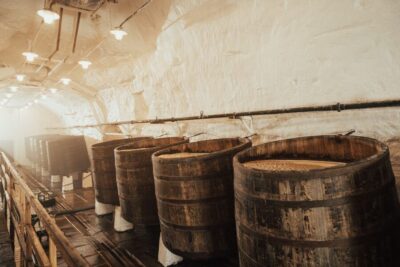
Pilsen: Pilsner Urquell Brewery Tour with Beer Tasting
Read our review →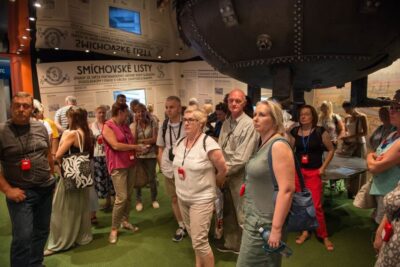
Staropramem Brewery Self-Guided Tour with Tasting
Read our review →
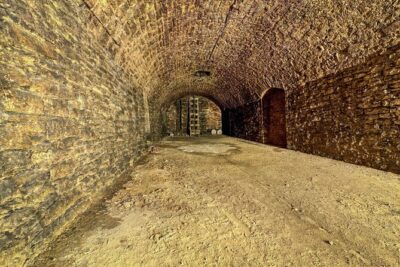
Hidden Brewery Caverns Tour in Cincinnati with Beer Tasting
Read our review →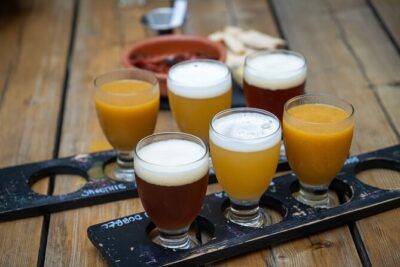
Porto Craft Beer Tour: 7 Beers + 3 Food Pairings in a Small Group
Read our review →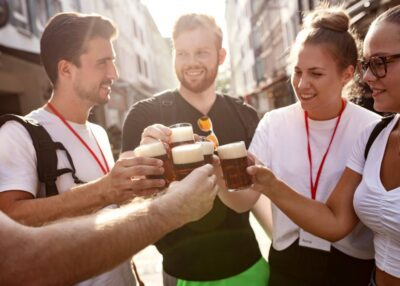
Düsseldorf: Brewery Tour with Alt Beer Tastings
Read our review →
Browse the lists this tour appears in