
Review · BARCELONA
Barcelona Tapas & Wine Experience as a Local at Hidden Wineries
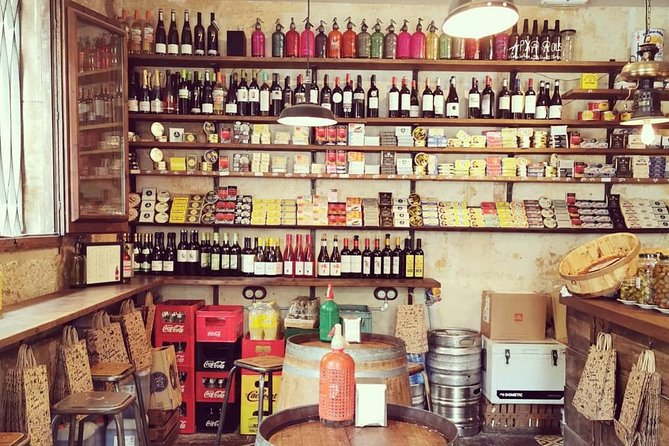
Barcelona’s old center becomes much more enjoyable when you connect its narrow streets with a plate of Iberian ham or a glass of Catalan wine. This three-hour evening walk links the Gothic Quarter, El Born, and La Barceloneta with stops at traditional places that are easy to miss when you explore on your own.
I like two things right away: the small maximum of 12 people, which gives the guide room to talk with you, and the mix of food, wine, and city history. Guides including Libor, Eli, and Alfonso have earned especially warm praise for their humor, local insight, and care with dietary restrictions.
The main consideration is the pace. You will walk between stops, eat several courses, and sample alcoholic drinks in about three hours. Arrive ready for a social evening, not a slow restaurant dinner or a full sightseeing tour of every major monument.
Key points to know before booking
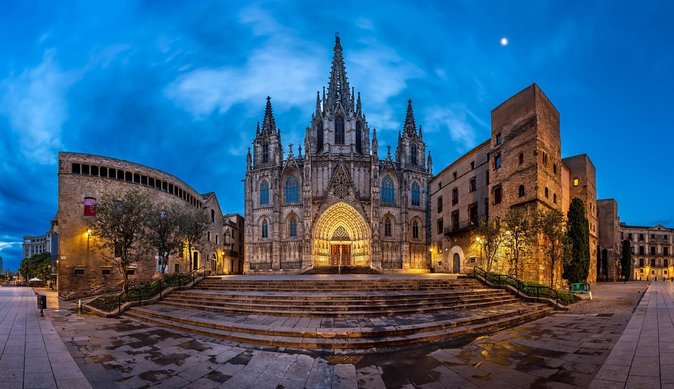
- An 800-year-old market helps set the scene: The meeting area on La Rambla places you near one of Barcelona’s oldest food centers.
- The route covers three distinct neighborhoods: You move from medieval lanes in the Gothic Quarter to El Born and the old fishing quarter of La Barceloneta.
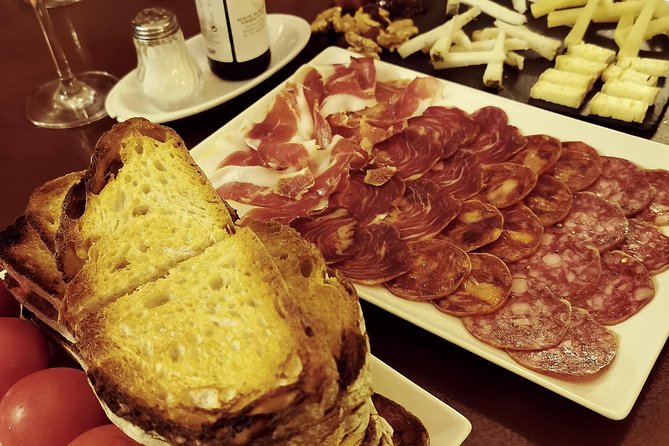
- Food comes in a generous local lineup: Expect ham, cheeses, croquettes, patatas bravas, tortilla, tomato bread, pintxos, tuna, and smoked sardine.
- The drinks are more varied than basic house wine: Tastings include vermouth, a Terra Alta white, a Montsant red, and cava mentioned in the experience feedback.
- The 12-person limit matters: A small group makes it easier to ask questions and keeps family-run stops from feeling like a large organized march.
- The tour is best early in your stay: It gives you neighborhood bearings, restaurant ideas, and a useful introduction to Catalan food customs.
Why this tapas walk works as an introduction to Barcelona
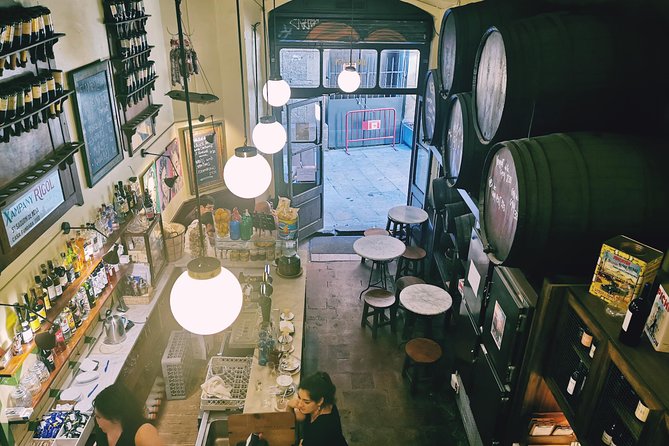
Food tours can be little more than a string of snacks. This one has a stronger shape because the walking connects the dishes to Barcelona’s older quarters. You are not simply taken from bar to bar. You move through streets where the city’s medieval, mercantile, religious, and seaside identities meet.
The route begins at La Rambla, 97, in Ciutat Vella. That is a convenient central starting point, and the area is close to public transportation. The experience ends back at the meeting point, so you do not need to work out a second pickup location after the final drink.
The tour is offered in English and lasts about three hours. That is enough time to get a sense of several neighborhoods without using an entire day. I particularly like the advice to book it near the beginning of your visit. You will learn where the old center sits, how El Born differs from the Gothic Quarter, and how La Barceloneta fits into the city. Those bearings can make the rest of your stay easier.
More Winery Tours in Barcelona
- Barcelona: Montserrat, Cogwheel, Black Madonna & Winery Tour
★ 4.8 · 5,633 reviews - Montserrat with Black Madonna & Medieval Winery with Tapas/Lunch
★ 5.0 · 5,209 reviews - Montserrat Full Day Tour with Farmhouse Lunch and Winery Visit
★ 5.0 · 1,068 reviews
Gothic Quarter lanes and the first taste of old Barcelona
The Gothic Quarter is the natural place to begin. Its tight streets and historic buildings reward a guide because it is easy to walk through without understanding how the area developed. Your guide uses the route between food stops to explain Barcelona’s past and culture, rather than leaving all the information for a formal monument visit.
Do not expect a long museum-style lecture. The format is lighter and more social. You might hear a short story at a square, then continue to a bodega for a small plate and a drink. That rhythm keeps the history connected to daily life.
The food lineup starts with familiar Catalan and Spanish favorites. Iberian ham gives you a clear first taste of the region’s cured meats. Local cheeses add variety, while croquettes and spicy potatoes, known as patatas bravas, provide the warm, filling part of the meal.
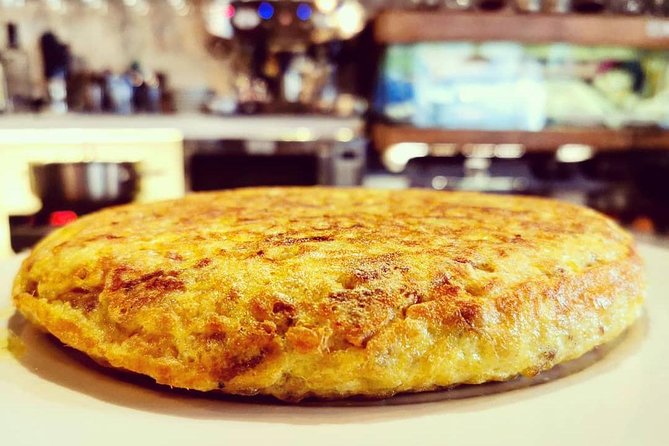
Catalan tomato bread is another key item. It is simple, but it shows how a few good ingredients can carry a dish. The meal also includes tortilla, the thick potato omelet found across Spain, plus a Gilda pintxo and salted cured tuna called mojama.
This is more food than a token sample. Dinner is included, and the menu has enough variety to count as a real evening meal for many people. If you prefer a full plated dinner with time between courses, the stop-to-stop format may feel rushed. If you like tasting several things and sharing with a small group, it should suit you well.
El Born and La Ribera, where the evening opens up
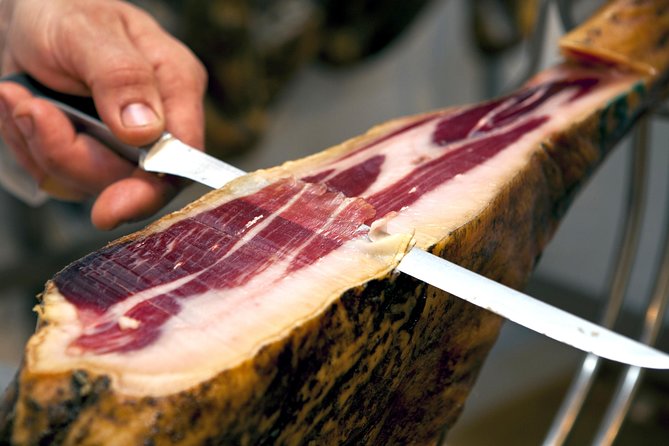
From the Gothic Quarter, the route continues toward El Born and La Ribera. This change of setting is one of the tour’s strengths. Instead of spending all three hours in one cluster of streets, you get a broader look at the old city.
The guide keeps the walk moving with stories about Barcelona’s culture and the places you pass. Libor is repeatedly praised for explaining both the city and the individual bodegas, while Eli is described as a Catalan local with strong knowledge of the area. Those details matter because a food tour depends heavily on the person leading it. A good guide can explain why a stop matters without turning the evening into a lecture.
At the food stops, you will likely be sharing plates with the group. That is common for tapas, and it lets you sample more items than you could reasonably order alone. It also means you should be comfortable with a communal meal and a little conversation.
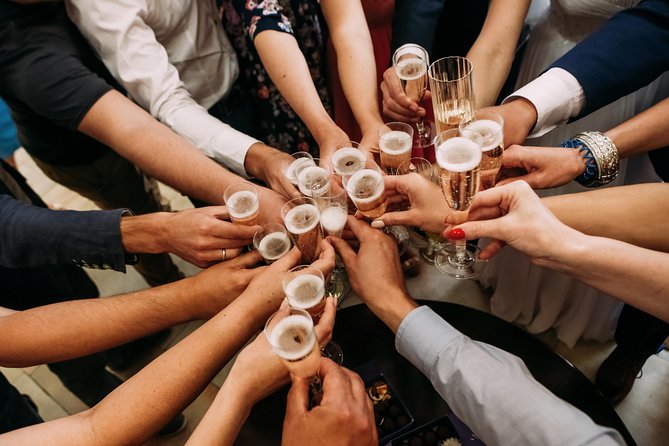
The drink pairings are a useful part of the experience. The listed wines include a white from Terra Alta and a red from Montsant, both designated wine regions in Catalonia. You also receive a craft vermouth aperitif. Some feedback mentions cava as part of the evening, though the stated sample menu specifically lists the white wine, vermouth, and red wine.
One memorable custom involves drinking wine from a double-spouted vessel called a borron, an unusual touch that adds a bit of play to the tasting. The exact drinks can vary, so I would treat that as a possible highlight rather than a fixed promise.
Santa Maria del Mar and the weight of the old city
The Basilica de Santa Maria del Mar is one of the route’s named stops. Even if your time there is brief, its presence gives the walk a strong architectural anchor. The basilica connects the food-and-wine evening to Barcelona’s religious and civic past.
This is also where the walking format pays off. You see the basilica as part of El Born and La Ribera, rather than as an isolated photo stop reached by taxi. The guide can place it within the surrounding streets and explain why the neighborhood feels different from the Gothic Quarter.
Keep your expectations practical. The experience does not promise a dedicated interior visit, private access, or a long guided tour of the basilica. You are buying a food and walking experience, with landmarks used to frame the route. If Santa Maria del Mar is high on your sightseeing list, plan a separate visit so you can give it the time it deserves.
More Winery Tours in Spain
- Montserrat & Winery Visit Tour with Traditional Farmhouse Lunch
★ 4.5 · 1,035 reviews - Barcelona: Montserrat with Winery, Lunch, and Train Options
★ 4.8 · 525 reviews - Barcelona Sailing Adventure and Small Group Winery Tasting Tour
★ 4.5 · 394 reviews - Familia Torres Winery: Gastronomic Tapas & Wine Experience
★ 4.5 · 240 reviews
Placeta del Pi and the pleasure of a small square
Placeta del Pi provides another change of scale. Barcelona’s old center can feel crowded and confusing, so a named square gives you a clear point in the route and a chance to pause.
This kind of stop is valuable because the tour is not only about what arrives on a plate. The guide explains what you are seeing between tastings, and several people praised the way the city stories were woven into the walk. That makes the experience useful for first-time visitors who want orientation without signing up for a full-day city tour.
The group size is capped at 12. That is small enough for the guide to hear questions and adjust the conversation. It also helps at family-run bars, where a very large group can overwhelm the room. I would still expect some standing and close quarters. Traditional bodegas are chosen for character, not for the spacious layout of a modern dining room.
La Barceloneta and the old fishing quarter
The final neighborhood is La Barceloneta, the well-known fishing quarter. Its connection to the sea gives the route a different feel from the inland medieval lanes. Here, the food selections involving tuna and smoked sardine make particular sense, even though the tour does not claim that each dish is served at a specific neighborhood stop.
The smoked sardine with tomato bread and salted cured tuna add a stronger seafood note to the meal. They balance the heavier ham, cheese, potatoes, and tortilla. If you want to sample traditional flavors but normally order the same safe dishes, this range gives you a useful push toward something different.
The route’s neighborhood variety also helps explain Barcelona’s character. You begin amid old city lanes, pass through El Born and its historic streets, reach an important basilica and old squares, then finish with the city’s seaside quarter. That is a lot of context in three hours, though it also means the sightseeing portions are brief.
What you actually eat and drink
The menu is broad enough that you should not book this expecting one signature dish. You are tasting a collection of staples:
- Iberian ham and six local cheeses
- Croquettes and spicy potatoes
- Potato omelet
- Catalan tomato bread
- Gilda pintxo
- Salted cured tuna, or mojama
- Smoked sardine with tomato bread
- Terra Alta white wine
- Craft vermouth
- Montsant red wine
The listing includes dinner and alcoholic beverages, which is important when judging the $102.58 price. You are paying for a guided city walk, several food stops, drinks, and the work of arranging small, established places. That makes the cost easier to justify than a simple three-course meal, especially if you value local orientation.
Still, price-sensitive diners should compare the experience with what they could order independently. Barcelona has many affordable tapas bars, and you could spend less by choosing a few plates yourself. The tour’s value comes from the route, the guide, the introductions, the regional wine tasting, and the chance to avoid guesswork.
The menu also suggests a fair amount of food, but appetites vary. People who want a very large dinner may want a small meal earlier or later. Those who eat lightly should be prepared for a generous succession of tastes.
The guides make or break the evening
The strongest part of this experience is the human side. Libor is singled out for humor, warmth, city knowledge, and familiarity with long-established family places. Eli is praised for being energetic, passionate, and closely connected to Catalonia. Alfonso is also mentioned warmly in connection with a memorable evening.
Naomi led one reported first night with the company and handled a mixed group well, even when the evening included late arrivals and an accident on the pavement. That does not mean every departure will feel identical. Guides vary, and the exact restaurants may change. It does show why a personal guide matters on a small-group food walk.
Dietary restrictions have been accommodated by at least one guide, but the provided information does not spell out which diets can be handled or how much advance notice is needed. Tell the provider before booking if food restrictions matter to you. Do not assume every dish can be altered on the spot.
The social side is another reason to choose this tour. Several groups found the evening easygoing and friendly, with strangers becoming comfortable over shared plates and wine. If you prefer a private meal with your own party, a small-group tour still involves meeting and talking with other people.
Timing, walking, and who should book
The tour takes about three hours and begins at La Rambla, 97. You will walk through several old neighborhoods, so comfortable shoes are sensible, although the available details do not give a precise walking distance. Expect city streets, historic lanes, and stops where you may stand rather than sit for the whole evening.
This suits first-time visitors, couples, solo visitors who want company, and food-focused people who enjoy trying several small dishes. It is also a good choice for anyone who likes learning the story behind a place instead of simply collecting restaurant addresses.
I would be more cautious if you dislike alcohol, have serious mobility limits, or want a quiet meal. Alcoholic beverages are included, and the route moves through multiple quarters. The experience is near public transportation, service animals are allowed, and most people can participate, but the supplied information does not promise step-free access at every stop.
The operator accepts a maximum of 12 people. Confirmation arrives at booking, and the experience requires a minimum number to operate. If that minimum is not met, you are offered another date or experience, or a full refund. You can cancel for a full refund up to 24 hours before the start time. Changes or cancellations inside that window are not refunded.
Should you book Barcelona Born&Bred’s tapas walk?
I would book this if you want your first Barcelona evening to combine local food, regional wine, and useful city orientation. The menu is varied, the route crosses several memorable quarters, and the small group gives guides such as Libor and Eli room to add personality.
I would skip it if you want a formal sightseeing tour, a private dinner, or the freedom to choose every dish and drink yourself. For everyone else, the $102.58 price is reasonable when you count the included dinner, alcohol, guiding, and several stops. Book it early in your stay, arrive on time, and bring an appetite for both tapas and stories.
FAQ
Where does the Barcelona tapas and wine experience begin?
It begins at La Rambla, 97, Ciutat Vella, 08002 Barcelona, Spain.
Where does the experience finish?
The activity ends back at the meeting point.
How long does the tour last?
The tour lasts approximately three hours.
How many people can join the group?
The maximum group size is 12 travelers.
What food is included?
The menu includes Iberian ham, six local cheeses, croquettes, spicy potatoes, potato omelet, Catalan tomato bread, a Gilda pintxo, mojama, and smoked sardine with tomato bread.
Which drinks are included?
Alcoholic beverages are included. The stated menu lists Terra Alta white wine, craft vermouth, and Montsant red wine. Cava is also mentioned as part of the tasting experience.
Can I cancel for a full refund?
Yes. You must cancel at least 24 hours before the experience starts for a full refund. Cancellations or changes made less than 24 hours before the start time are not accepted for a refund.
Just added around Barcelona
- Wine Tasting Experience in Barcelona★ 5.0 · 172 reviews
- Bohemian Barcelona Neighborhood Evening Tapas & Wine Tour★ 5.0 · 419 reviews
- Barcelona: Guided Rooftop Wine Tasting – Enjoy 6 Spanish Wines★ 4.5 · 61 reviews
- Barcelona: Wine Tasting and 5 Course Tapas Pairing Dinner★ 4.5 · 129 reviews
- 2 Wineries Small Group Tour with Free Hotel PickUp from Sitges★ 5.0 · 83 reviews
- Barcelona speakeasy tapas pub crawl with hidden bars★ 4.0 · 109 reviews
- Barcelona Gothic Quarter VIP Tapas & Wine Tour★ 5.0 · 276 reviews
- Barcelona Wine and Gourmet Tapas Tour★ 5.0 · 188 reviews
Winery Tours, compared.
Douro Valley with Winery Lunch, Tastings & Cruise
Read our review →
Montserrat with Black Madonna & Medieval Winery with Tapas/Lunch
Read our review →
Wine Tour: Paarl, Franschhoek & Stellenbosch incl 3 wineries
Read our review →
Douro Valley Tour: 2 Vineyard Visits, River Cruise, Winery Lunch
Read our review →
5-Hour Traverse City Wine Tour: 4 Wineries on Old Mission Peninsula
Read our review →
Tastings at 2 Wineries, Chef’s Lunch & Boat Tour
Read our review →
Douro Valley Tour: Visit 2 Wineries, Lunch & River Cruise
Read our review →Browse the lists this tour appears in