
Review · DRINKS TASTINGS
Bangkok: Street Food Tasting Tour at Night
Bangkok Chinatown is at its best after dark, when Yaowarat Road and its side lanes fill with sizzling pans, sweet aromas, bright signs, and hungry locals. This 150-minute walking tour gives you six chances to taste the area instead of guessing what to order at one busy stall.
I like the mix of food and neighborhood stories, and I like that the route includes both familiar Thai-Chinese dishes and a homemade specialty. Sophie has been praised for explaining Bangkok, Thailand, and Chinatown in a warm, personal way. The main drawback is the narrow focus of the menu: this tour is not suitable for vegans, vegetarians, people with gluten intolerance, or anyone with allergies to shrimp, peanuts, pork, or dairy.
Key points to know before you book
- Six food stops: You sample food at six different places rather than eating one full meal in a single restaurant.
- Thai-Chinese cooking: The route focuses on local best sellers and dishes shaped by Chinatown’s Chinese heritage.
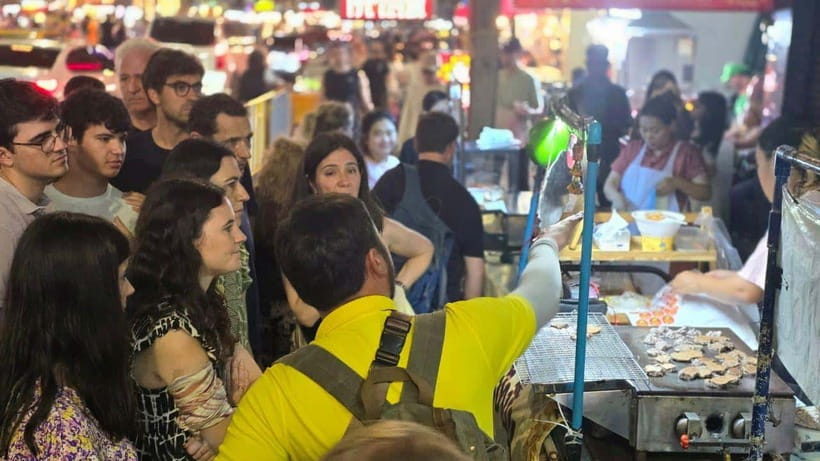
- A night market setting: You walk through Yaowarat and nearby lanes after dark, with food stalls operating around you.
- A guide-led introduction: English-speaking guides explain the dishes, Bangkok, and the history of Chinatown as you walk.
- Meet by MRT: Start outside Wat Mangkon station at Exit 3. The MRT is a better choice than a taxi because of heavy traffic.
- Strict food restrictions: The tour is not suitable for vegans, people with several common allergies, or people needing gluten-free food.
Starting outside Wat Mangkon MRT station
Your meeting point is outside Wat Mangkon MRT station at Exit 3, on or near 449 Charoen Krung Road. This is a sensible place to begin. Chinatown traffic can be slow, especially at night, so taking the metro helps you arrive without sitting in a taxi queue.
Give yourself enough time to find the correct exit. The meeting instructions are specific, but Chinatown has plenty of movement and noise once you come above ground. Keep your phone available for the guide’s contact details, then switch your attention to the streets.
The tour ends at 491 to 493 Yaowarat Road in Samphanthawong. That puts you on the main Chinatown food corridor rather than returning you to the MRT station. You should plan your evening from the finish point, not the starting point.
Comfortable shoes matter. This is a walking tour through crowded streets and narrow lanes, not a seated tasting with short transfers between restaurants. People with mobility impairments, wheelchair users, and people with claustrophobia are specifically advised against booking.
A few more tastings around the world worth a look
- From Split: Krka Waterfalls, Food & Wine Tasting Tour
★ 5.0 · 9,326 reviews - From Split: Krka Waterfalls, Food & Wine Tasting Tour
★ 4.9 · 6,598 reviews - Winner 2025 Undiscovered Lisbon Food & Wine Tour by Eating Europe
★ 5.0 · 6,390 reviews
Six stops, six small windows into Chinatown food
The exact dishes are not listed in advance, and that is common for a market-based food walk. Menus can change with the season and public holidays. You should expect a selection of local favorites rather than a fixed restaurant menu printed months ahead.
The six stops are the central promise of the tour. Each tasting gives you a chance to try something without committing to a full plate. That format works well in Chinatown, where the best food is often spread across several stalls and small eateries.
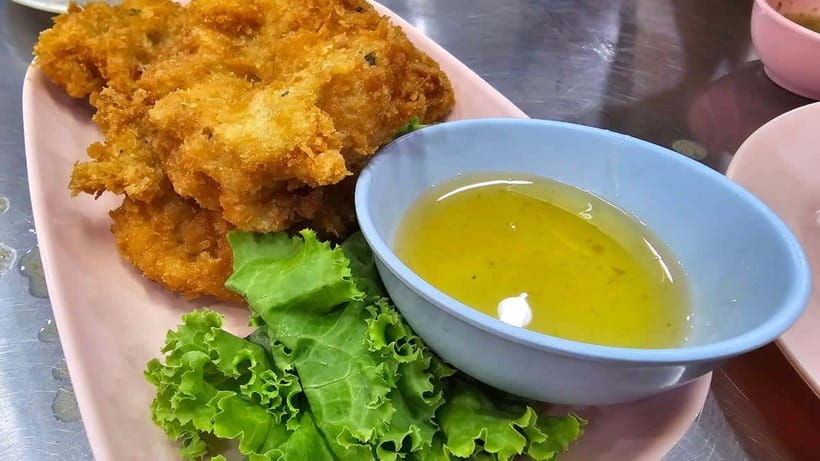
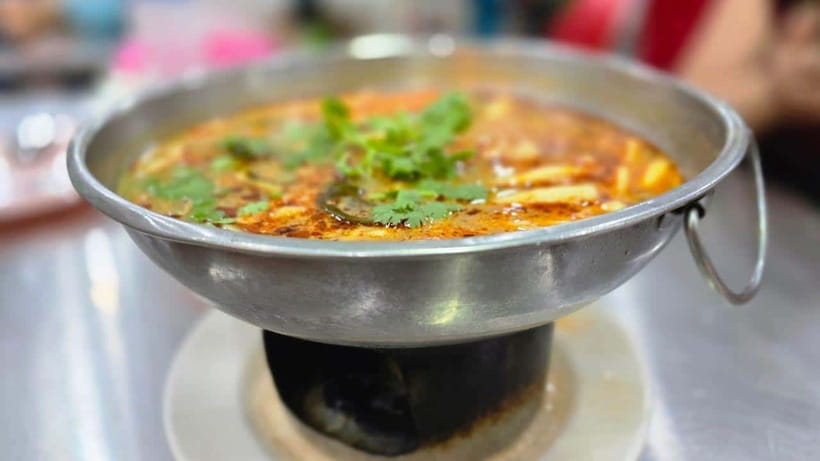
The tour description points to savory dumplings, sweet pastries, Thai-Chinese dishes, and a highlighted homemade menu with a secret ingredient. Those clues suggest a useful balance: not every stop is likely to be another savory noodle or rice dish, and the sweet courses can give your palate a break from chili, garlic, and sauces.
A tasting tour also lets your guide make the ordering decisions. That helps if you cannot read Thai or do not know which stall has the local following. You still need to tell the guide about restrictions before eating, but you will not have to study every menu board while a queue forms behind you.
Stop one: Getting your bearings through food
The opening tasting should help you settle into the pace of the evening. The tour starts in the Chinatown area, where the food culture is tied closely to Chinese migration, trade, and family-run cooking.
This first stop is valuable less for its size than for its context. Your guide can explain what you are eating, how it fits local habits, and what makes the Thai-Chinese style different from food you might find elsewhere in Bangkok.
Do not expect six large meals. The point is variety. If you arrive hungry, eat lightly beforehand rather than expecting one oversized dinner. The tour should leave you satisfied, but the experience is built around sampling.
Stop two: Savory dumplings and small bites
Dumplings are one of the named food examples, and they suit a walking route well. They are easy to share, quick to taste, and connected to Chinatown’s Chinese cooking traditions.
This is where a guide adds real value. A dumpling may look familiar, but the filling, sauce, wrapper, or cooking method can change the experience. Ask what is inside before you eat, particularly if you have any allergy or dietary concern.
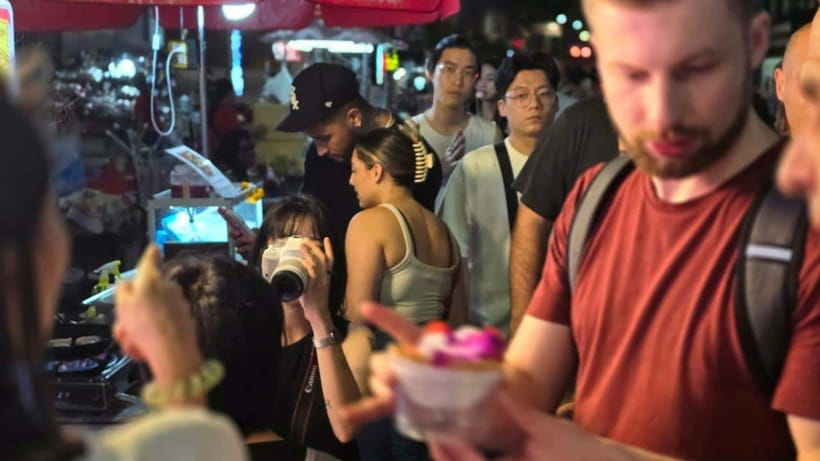
Because the route operates in a working street-food district, the stall may be busy and the surroundings may feel tight. That is part of the setting, but it can be uncomfortable for anyone who dislikes crowds or narrow passages.
Same town, a different glass:
- Budapest: Unlimited Prosecco, Beer and Aperol Spritz Cruise
★ 4.8 · 37,304 reviews - Amsterdam: Evening Cruise with Optional Wine and Snacks
★ 4.4 · 22,178 reviews - Tuscany Day Trip from Florence: Siena, San Gimignano, Pisa and Lunch at a Winery
★ 5.0 · 21,634 reviews - From Porto: Douro Valley w/ Boat Tour, Wine Tasting & Lunch
★ 4.7 · 19,061 reviews
Stop three: A local best seller
The tour promises local best-selling dishes and highly ranked food in town. Those phrases should be read as a guide to popular local choices, not as an official award or a guarantee that every dish will match your taste.
I like this part of the format because you can try something with a local reputation without ordering a full portion on your own. Your guide can also explain why the dish matters in Chinatown and how locals usually eat it.
Menus may change. Public holidays and seasonal availability can remove a planned dish from the route, so keep your expectations flexible. The replacement may still be good, but it might not be the item you had in mind when booking.
Stop four: The homemade specialty
One highlight is a homemade menu prepared with a secret ingredient. The details are intentionally limited, so you will not know exactly what this tasting involves until you arrive.
That small element gives the tour a personal touch. Street-food walks can otherwise become a series of famous stalls, while a homemade recipe gives you a sense of food made for family, neighbors, or a regular local crowd.
This stop also makes the food restrictions especially important. If the recipe is not fully described beforehand, you need to tell the guide clearly about allergies and ingredients you cannot eat. The tour operator specifically advises against booking if you have shrimp, peanut, pork, dairy, or gluten concerns.
Stop five: Something sweet
Sweet pastries are included among the food examples. A sweet stop helps break up the savory dishes and gives you a different view of Chinatown’s food culture.
Pastries also travel well during a walking route. You can taste them without needing a table, cutlery, or a long pause. If you are used to Thai desserts from restaurants or hotel buffets, a market pastry may feel more direct and less polished.
The exact item may depend on the season. This is another reason not to treat the six stops as a fixed tasting menu. You are booking a guided route through active food stalls, not a formal dining reservation.
Stop six: Finishing along Yaowarat Road
The final portion brings you toward 491 to 493 Yaowarat Road, one of the main addresses in Bangkok Chinatown. Ending there leaves you in the middle of the night food scene, with plenty of street activity around you.
The finish is practical for continuing your evening, but it is not the same as ending back at Wat Mangkon station. Check your onward route before the tour begins. You may need to walk back to the MRT, arrange another ride, or continue exploring on foot.
Why the guide matters here
Food is the reason to book, but the guide shapes the quality of the evening. The best comments about this experience focus on explanations of Bangkok, Thailand, Chinatown, and local food traditions.
Sophie is the guide name that appears in several strong accounts of the tour. She has been described as friendly and engaging, and two private bookings with Sophie were especially well received. The experience may be a small group or even a private-feeling outing, but you should not assume a private tour unless your booking specifically says so.
A good guide also helps you cross the line between sightseeing and eating. Instead of pointing at a stall and naming a dish, the guide can explain what you are tasting and why it belongs in Chinatown. That context is useful when several foods look alike or when the menu is written only in Thai.
There is one hygiene concern to keep in mind. One unhappy account described the guide handling salad directly by hand while helping assemble a dish. That is a single reported incident, not proof of a regular problem, but it is a fair reason to pay attention to food handling and speak up if something makes you uncomfortable.
A walking look at Bangkok after dark
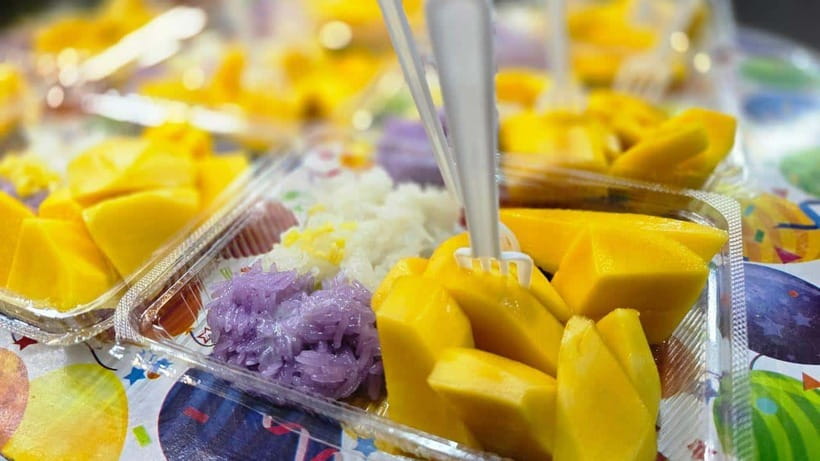
The tour is not only about eating. You move through narrow lanes, food stalls, and the main Chinatown streets while the area is operating at full speed.
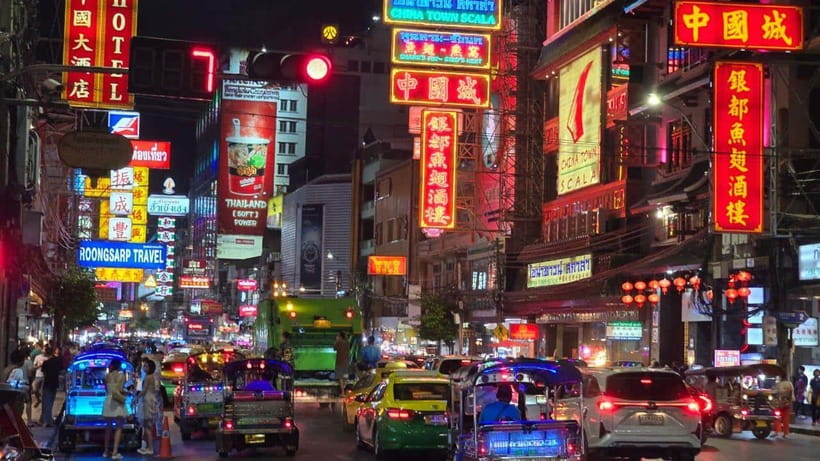
At night, Chinatown can be loud, crowded, and visually intense. That energy is a major reason to choose this route, but it also explains why the tour is not suitable for people with claustrophobia or limited mobility. You need to stay with the guide and watch where you step.
The walking setting gives the food a useful sense of place. You are not tasting Thai-Chinese dishes in an isolated dining room. You are seeing the streets, businesses, and food counters where this cooking is part of everyday life.
Do not expect a quiet history lecture. The tour takes place beside traffic, crowds, and working kitchens. If you want long explanations at every stop, this may feel rushed. If you like learning in short pieces while moving, the format should suit you.
Is $49 a fair price?
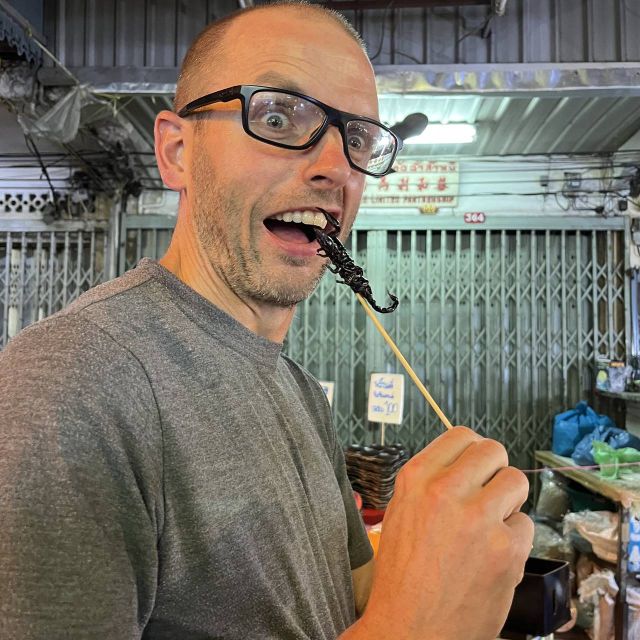
The cost is $49 per person and includes the guide plus tastings at six food stops. Alcohol is not included, and hotel pickup and drop-off are not included.
I consider the price reasonable if you value guidance and variety. Buying six separate tastings, finding the stalls, interpreting menus, and choosing portions on your own could take time and lead to a few poor choices. The tour charges you for that judgment, along with the route and local explanation.
The value is weaker if you already know Chinatown well, speak Thai, and feel comfortable ordering from busy street stalls. You may spend less by eating independently, although you will give up the structure and explanations.
The tour lasts 150 minutes, while the sightseeing portion is also described as about three hours. Treat 150 minutes as the clearest working time and allow extra time for meeting, walking to the start, and continuing after the finish. With six stops, the pace will be active rather than leisurely.
Who should book this Chinatown food walk?
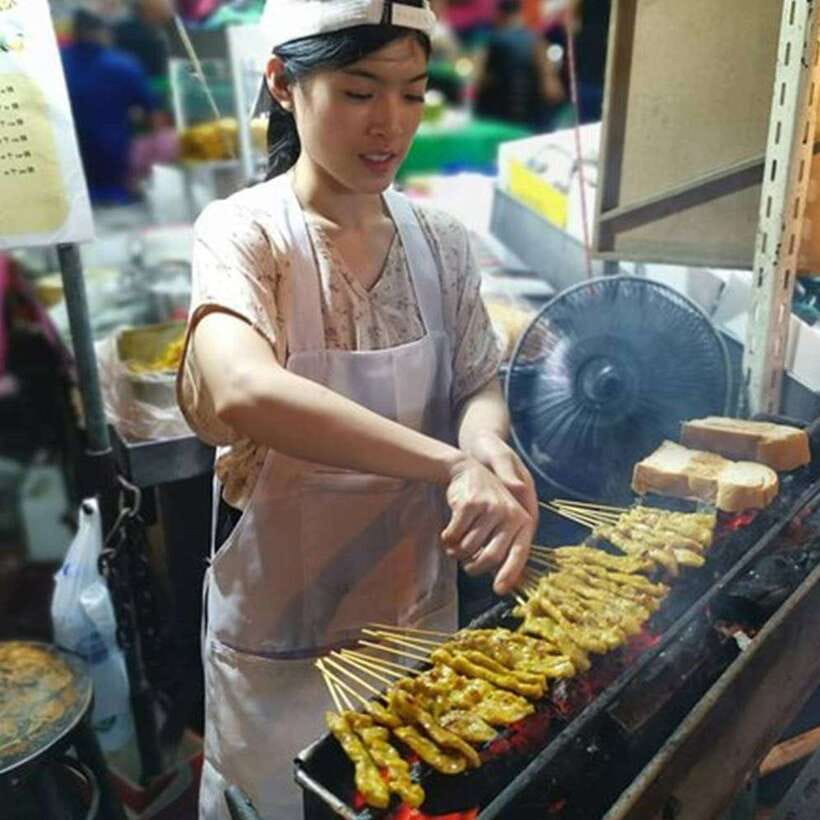
I would suggest it to a first-time Bangkok visitor who wants an easy introduction to Chinatown’s food streets. It also suits anyone who prefers trying small portions at several places instead of choosing one restaurant and hoping for the best.
It is a good match for an adventurous eater who enjoys both savory and sweet food, likes walking at night, and wants some cultural explanation along with dinner. An English-speaking guide makes the route easier to follow.
I would not suggest it to a vegan, vegetarian, or gluten-free eater. The same applies if you have shrimp, peanut, pork, or dairy allergies. The operator gives a direct warning, and you should take it seriously rather than hoping the guide can adjust every tasting.
People with mobility impairments, wheelchair users, visually impaired people, and people with claustrophobia should also choose a different activity. The route uses crowded streets and narrow areas, and the food stops are not described as accessible.
Practical ways to make the evening better
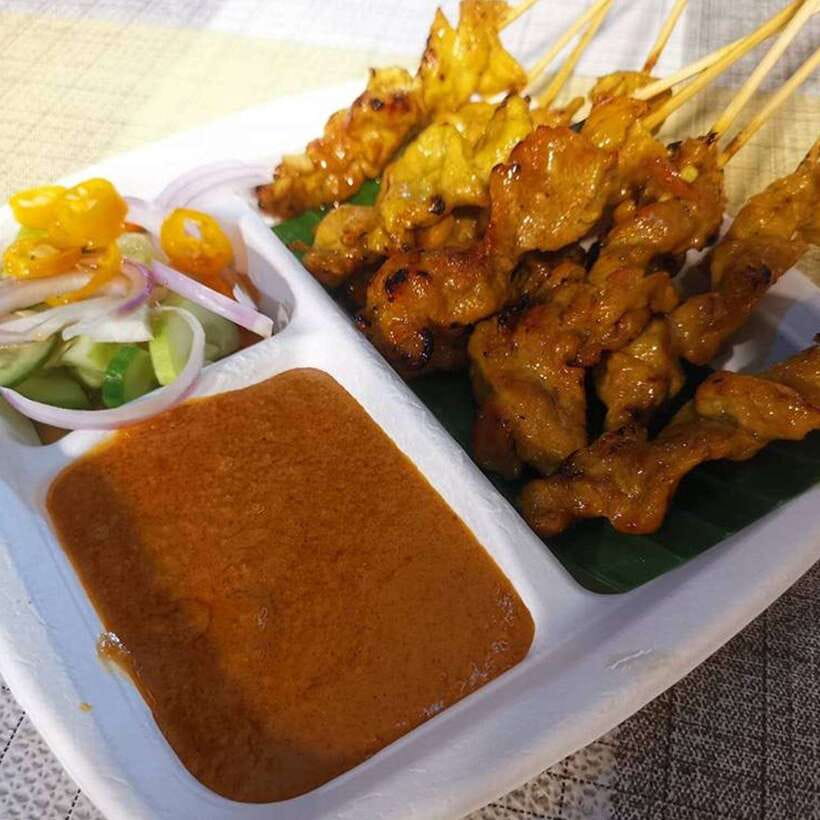
Wear shoes you can walk in for at least 150 minutes. Leave room in your appetite, but do not arrive extremely hungry if you are unsure how much food will be served.
Use the MRT to reach Wat Mangkon Exit 3. The meeting instructions specifically advise avoiding a taxi because of Chinatown traffic. This is one of those small choices that can prevent a late arrival.
Tell the guide about dietary restrictions before the first tasting. The tour is not designed for allergies or special diets, and the menu can change with public holidays and the season.
Bring only what you need. The activity information says electronic devices are not allowed, which may affect how you plan to use your phone during the tour. Confirm the current rule when booking, especially if you need your phone for meeting instructions.
Afterward, remember that you finish on Yaowarat Road rather than at the starting station. The end point is useful for continuing your night, but you need to arrange your own return.
Should you book this night food tour?
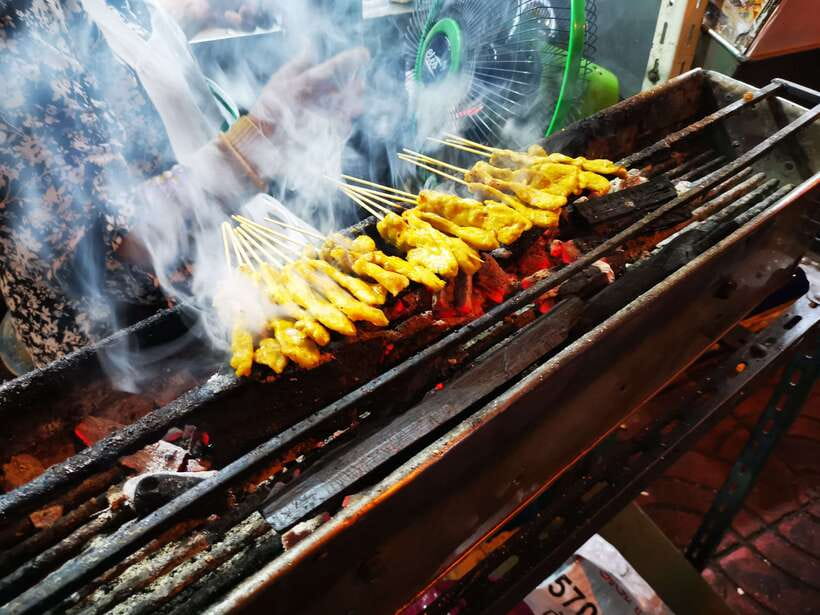
Book it if you want a guided first taste of Bangkok Chinatown, especially if you enjoy trying six small servings and hearing the story behind them. The strongest reasons are the variety, the Thai-Chinese focus, the night setting, and the chance to explore without choosing every stall yourself.
Skip it if you need a controlled menu, quiet surroundings, wheelchair access, or allergy-safe food. The price is fair for a guide-led tasting route, but the value depends on your comfort with crowds and the listed ingredients.
For most suitable participants, this looks like a lively and useful introduction to Yaowarat after dark. Just arrive by MRT, wear good shoes, keep your expectations flexible about the exact dishes, and treat the food restrictions as a firm limit.
FAQ
Where does the tour meet?
Meet outside Wat Mangkon MRT station at Exit 3 in Bangkok Chinatown, near 449 Charoen Krung Road.
Where does the tour finish?
The tour finishes at 491 to 493 Yaowarat Road in Samphanthawong, Bangkok.
How long does the food tour last?
The stated duration is 150 minutes. The Chinatown sightseeing portion is also described as taking about three hours, so allow extra time around the scheduled activity.
How many food tastings are included?
The tour includes tastings at six different food stops.
What type of food will I try?
The route focuses on Thai-Chinese style local dishes. Examples include savory dumplings, sweet pastries, popular local dishes, and a homemade specialty with a secret ingredient.
Is a guide included?
Yes. An English-speaking live tour guide is included. Sophie is one guide associated with several bookings for this experience.
Is hotel pickup included?
No. Hotel pickup and drop-off services are not included. You need to reach the Wat Mangkon MRT meeting point yourself.
Is the tour suitable for vegans or people with food allergies?
No. The tour is not suitable for vegans, vegetarians, people with gluten intolerance, or people with allergies to shrimp, peanuts, pork, or dairy.
What should I bring?
Wear comfortable shoes for walking. The activity information also states that alcohol, drugs, bare feet, and electronic devices are not allowed.
Just added around the world
- Catamaran Sunset Champagne Cruise Cape Town★ 4.5 · 85 reviews
- Luxury Sunset Cruise with Prosecco★ 4.5 · 71 reviews
- Private Tour of Top 5 Stellenbosch Wineries From Cape Town★ 4.0 · 56 reviews
- Private Stellenbosch, Franschhoek Paarl Wine Tour from Cape Town★ 5.0 · 89 reviews
- Full-Day Stellenbosch, Franschhoek and Paarl Wine Tasting Tour from Cape Town★ 4.0 · 98 reviews
- From CapeTown: Stellenbosch Half Day Wine Tour★ 4.5 · 287 reviews
- Private Full Day Stellenbosch Wine Tour with Pick Up and Drop Off★ 5.0 · 425 reviews
- Full Day Small Group Wine Tour Cape Town and Stellenbosch★ 5.0 · 79 reviews
Drinks Tours, compared.

Unlimited Prosecco, Beer and Aperol Spritz Cruise
Read our review →
Evening Cruise with Optional Wine and Snacks
Read our review →
Douro Valley w/ Boat Tour, Wine Tasting & Lunch
Read our review →
Chichen Itza, Cenote & Valladolid Tour with Tequila and Lunch
Read our review →
Complete Douro Valley Wine Tour with Lunch, Wine Tastings and River Cruise
Read our review →
Small-Group Wine Tasting Experience in the Tuscan Countryside
Read our review →
Douro Valley with Winery Lunch, Tastings & Cruise
Read our review →Browse the lists this tour appears in