
Review · ATHENS
Athens: The Classic Food Tasting Tour
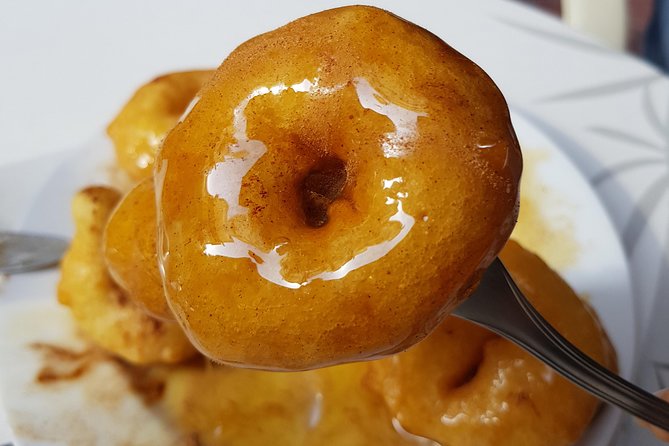
Athens is easier to understand with a fork in your hand. This 3 to 3.5-hour walk takes you from Monastiraki through the older commercial districts, with more than 18 Greek tastes along the way. You will sample pastries, yogurt, coffee, market foods, Cretan products, olives, rusks, wine, and mezze rather than simply sitting down for one standard meal.
I like the way the tour connects food with daily life, especially at Varvakios Market, where meat, fish, fruit, and vegetables give you a look at how Athenians shop. I also like the generous pace and quantity. Several guides, including Ioanna, Elias, Maria, and Kostas, are praised for adding stories about local customs, food origins, and the neighborhoods you pass.
The main thing to consider is the amount of food and walking. You should arrive hungry, wear comfortable shoes, and leave room in your schedule for a filling finish. If you prefer a short tasting with only a few samples, this may feel like too much of a good thing.
Key points at a glance
- More than 18 tastings: Greek yogurt, pies, pastries, coffee, koulouri, cheeses, olives, rusks, olive oil, wine, raki, and mezze are all part of the route.
- Varvakios Market visit: See central Athens’s main food market and learn how local ingredients fit into Greek cooking.
- Traditional and modern touches: Taste old-style bougatsa and sand-heated Greek coffee, along with goat milk ice cream made using a newer approach.
- Cretan flavors included: Try Cretan cheese, olives, rusks, olive oil, and raki in a focused tasting round.
- Small groups: Numbers are limited to 10 people, which makes it easier to ask questions and keep up with the guide.
- A useful first-day activity: The route helps you learn food names, local districts, and places you may want to return to later.
Why this food walk works well in Athens
Many Athens food tours focus on a seated meal. This one works more like a moving lunch, with frequent stops and short walks between them. That gives you a broader taste of the city and lets you compare different kinds of Greek food instead of filling up on one dish.
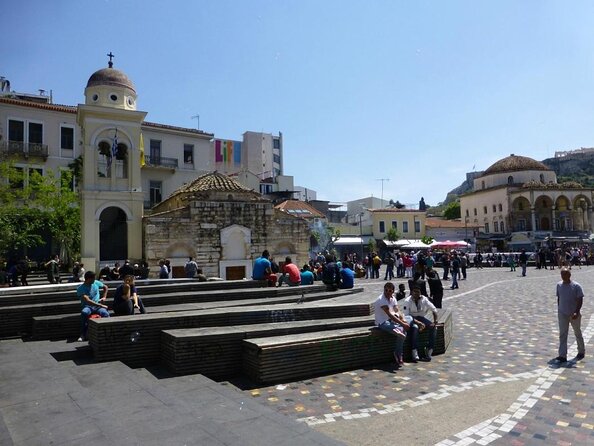
You meet at Monastiraki Square, in front of the small church. The green and blue metro lines serve Monastiraki, so the meeting point is simple to reach from much of central Athens. From there, the route takes you through old commercial streets and local food shops, with Omonia and the Varvakios area forming important parts of the experience.
I find this format especially useful at the start of an Athens stay. You learn what koulouri is, how Greek coffee is prepared, which products come from Crete, and what kind of food belongs on a mezze table. You can then recognize those foods in tavernas and markets for the rest of your trip.
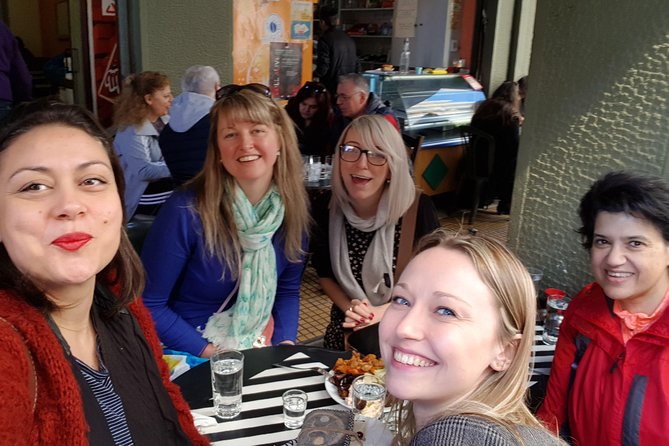
The group limit of 10 matters here. Food shops and market lanes can be crowded, and a very large group would make tasting stops awkward. With a small group, you can ask the guide to explain a food, clarify an ingredient, or suggest what to buy as a gift.
A few more tastings around Athens worth a look
- Athens: Street Food Tasting Tour
★ 4.9 · 3,343 reviews - Eating Athens: Our Big, Fat, Greek Food Tour
★ 5.0 · 570 reviews - Best Food Tasting Tour of Athens, taste 18+ iconic Greek foods!
★ 5.0 · 448 reviews
Omonia pastries, yogurt, and Greek coffee
The food begins around Omonia with refreshing Greek yogurt and traditional pies and pastries. One featured stop is the oldest bougatsa bakery, where you taste the famous flaky pastry with either cheese or cream.
Bougatsa is a useful introduction to Greek cooking because the pastry itself is simple, but the filling changes the experience. The cheese version is savory and substantial. The cream version is softer and sweeter. The thin fyllo pastry adds a crisp, delicate texture, so take care when eating it while standing or walking.
The route also includes a local coffee stop. One of the most memorable details is Greek coffee prepared in a sand-heating bed, a method that gives the demonstration a strong visual element as well as a drink to taste. The coffee stop combines old preparation methods with a newer fusion-style setting, making it more than a quick caffeine break.
If you do not usually drink strong coffee, ask about the serving before you begin. The point is to experience a traditional drink and its preparation, not to order a large café beverage. Greek yogurt and pastries also arrive early, so even the first stretch of the tour can be more filling than expected.
Walking through Varvakios Market
The Varvakios food market is one of the tour’s best opportunities to see Athens as a working city rather than a collection of monuments. You pass displays of meat, fish, fruit, vegetables, and other Mediterranean food staples.
This is not a museum visit, and the market is not presented as a formal sightseeing attraction. Its value comes from the everyday activity around you. You get a sense of the ingredients used in Greek kitchens and the way food shopping fits into city life.
The market can be a sensory stop, with tight lanes and plenty to look at. Comfortable shoes are important because the tour keeps moving, and you may be standing while the guide explains products or prepares the next sample. The route includes walking through central neighborhoods, so it is sensible to wear sun protection in warmer months. A hat, sunscreen, and water are recommended.
The market also breaks up the pastry and coffee stops with savory foods. That balance helps, though you should still resist the temptation to eat a full breakfast before meeting the group.
Cretan cheese, olives, rusks, and olive oil
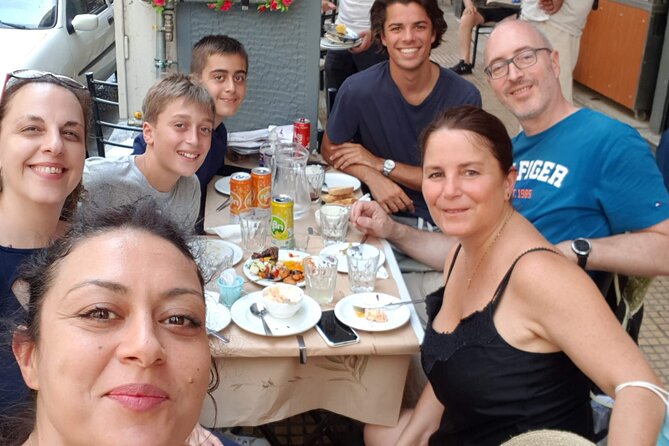
After the market, the tour shifts toward specialty products, with a tasting round centered on Crete. You try Cretan cheese, olives, rusks, olive oil, and raki, a strong spirit closely associated with Greek hospitality.
This section gives you a useful lesson in regional food. Greek cuisine is not one fixed menu repeated across the country. Islands and regions have their own ingredients, textures, drinks, and customs. Cretan rusks, for example, bring a firm, dry texture that works well with oil, cheese, or other toppings. The tasting lets you try those combinations instead of hearing about them in the abstract.
Olive oil is also easier to appreciate when you taste it alongside bread, rusks, or other simple foods. You may find that the differences between products become clearer when there are no complicated sauces competing for attention.
Raki is part of the social side of the stop. It is not a mild drink, so pace yourself. The tour includes many food samples, but drinks are still worth treating with care, especially during a warm afternoon.
Same town, a different glass:
- Athens Pub Crawl with 1hr Open Bar & VIP Nightclub Access
★ 4.7 · 794 reviews - Best rated Acropolis Wine Tasting
★ 5.0 · 568 reviews - Athens Pub Crawl with 1hr Open Bar & VIP Nightclub Access
★ 5.0 · 486 reviews - PREMIUM Semi-Private Athens Afternoon Food Tour & Wine Tasting
★ 5.0 · 363 reviews
Koulouri, boutique delis, and local food shops
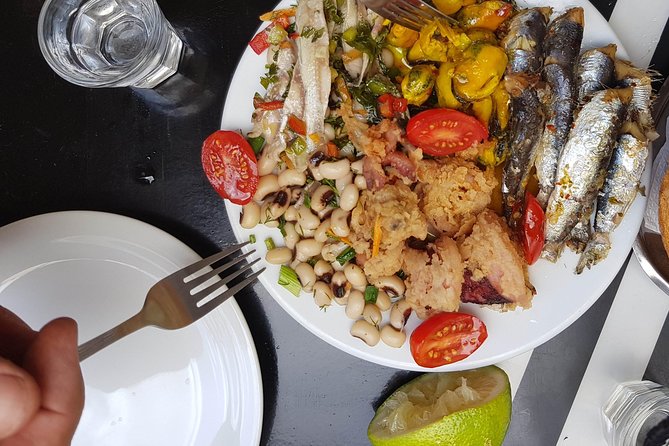
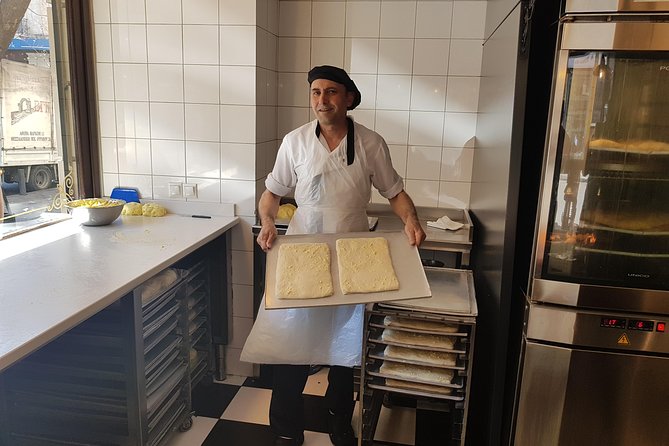
The route includes smaller Greek delis and specialty shops where you taste products such as cured meats, cheeses, olives, olive oil, rusks, and Greek wine. These stops are practical because they show you where to look if you want to bring edible gifts home.
You also try koulouri, the familiar sesame-covered ring pastry sold around Greece. It is a humble street food, but that is exactly why it belongs on a food walk. Greek cooking is not only about restaurant dishes and holiday recipes. Everyday snacks are part of the country’s food culture too.
The delis also give the guide room to explain how foods are made, where they come from, and how Greeks use them at home or in social settings. Guides such as Elias, Ioanna, Maria, and Kostas have been especially effective at connecting the tastings with local life, history, and nearby streets.
A practical tip: if you find a cheese, olive oil, coffee, or sweet you want later, write down the Greek name or take a photo of the label. One useful feature of the tour is that it teaches you what to look for when shopping on your own. One guide even added a personal touch by writing a food name in Greek letters.
Goat milk ice cream and a modern Greek touch
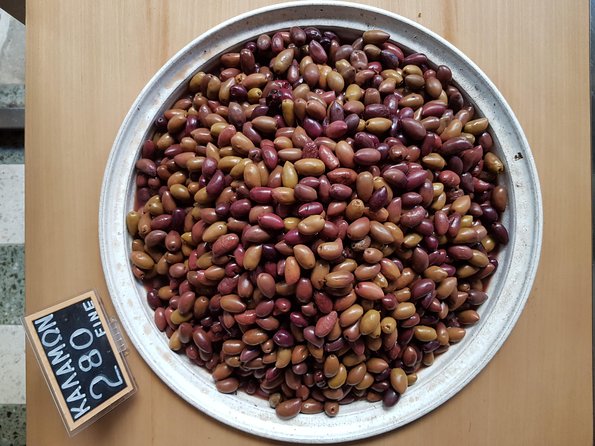
The goat milk ice cream adds a change of pace. It is made from a traditional Greek recipe but presented in an innovative way, so the stop shows how Greek food can adapt without losing its connection to local ingredients.
Goat milk has a distinct flavor, and the ice cream may taste different from the familiar dairy versions served at home. This is worth trying with an open mind, particularly if you enjoy regional foods and unusual versions of familiar desserts.
The ice cream is also useful in the overall sequence. After several savory foods, cheeses, olives, and pastries, a cold sweet gives your palate a reset before the final part of the tour.
Mezze and tsipouro to finish
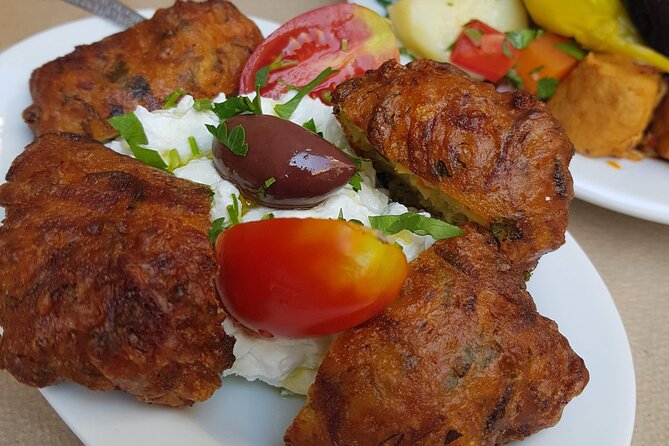
The final stage brings the group to the Greek habit of sharing mezze with tsipouro. Mezze is not one single dish. It is a social way of eating, with several small plates placed in the middle for everyone to share.
This is where the tour feels most like a meal. The samples along the way are generous, and the final food stop can function as a substantial lunch. You should not plan a large dinner immediately afterward unless you have an unusually large appetite.
The mezze ending also gives you a practical way to order food later. Greek meals are often better when shared, and a table of small plates lets you try more than one flavor. The guide can explain what you are eating and how the drink fits into the meal.
The route includes Greek wine as well as tsipouro, so the drink selection is not limited to one style. If you do not drink alcohol, tell the guide about your preferences. The tour includes water, and the focus remains on the food.
Guide style and the small-group experience
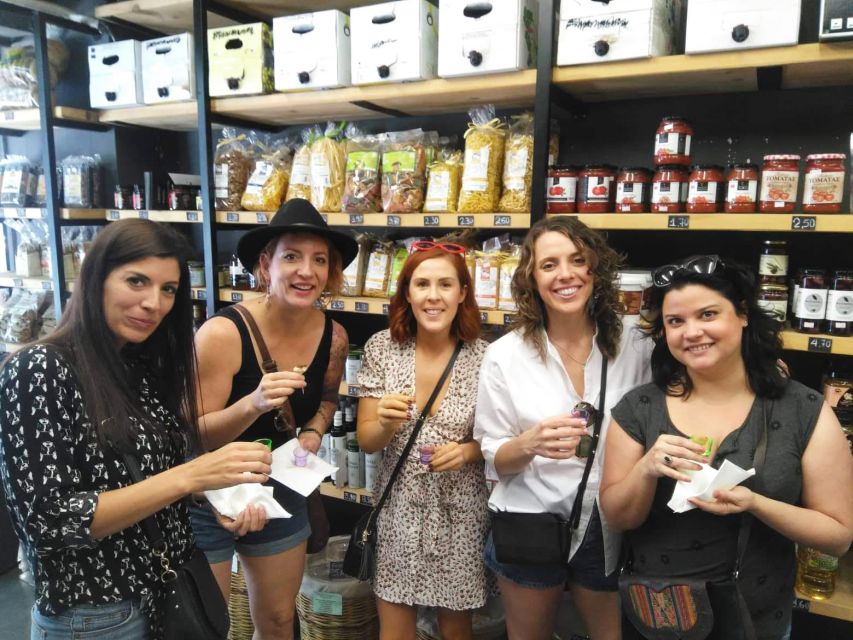
The guide can shape the quality of a food walk, and this experience has a strong record in that area. Past guides include Ioanna, Elias, Maria, Kostas, Anna, Eva, Katarina, Phillip, Stavros, Manelaos, and Lef. The strongest guide style here is warm, story-led, and willing to answer questions rather than simply naming each sample.
You can expect more than food descriptions. The route often includes comments about local life, architecture, history, and the areas you pass through. That makes the walking time useful rather than merely a way to move from one shop to the next.
A small group also suits solo visitors. You are not left at a table by yourself for a whole meal, and the shared tasting format makes conversation easy. Families can also do well, although parents should know that the tour contains many stops and a lot of food. It has worked for groups with picky eaters, but no tour can guarantee that every sample will suit every palate.
English and German are available. The guide is licensed, and the activity is wheelchair accessible. Still, the route includes food markets and city streets, so you should ask ahead if you need details about the exact walking conditions for your mobility needs.
Is $80 a fair price?
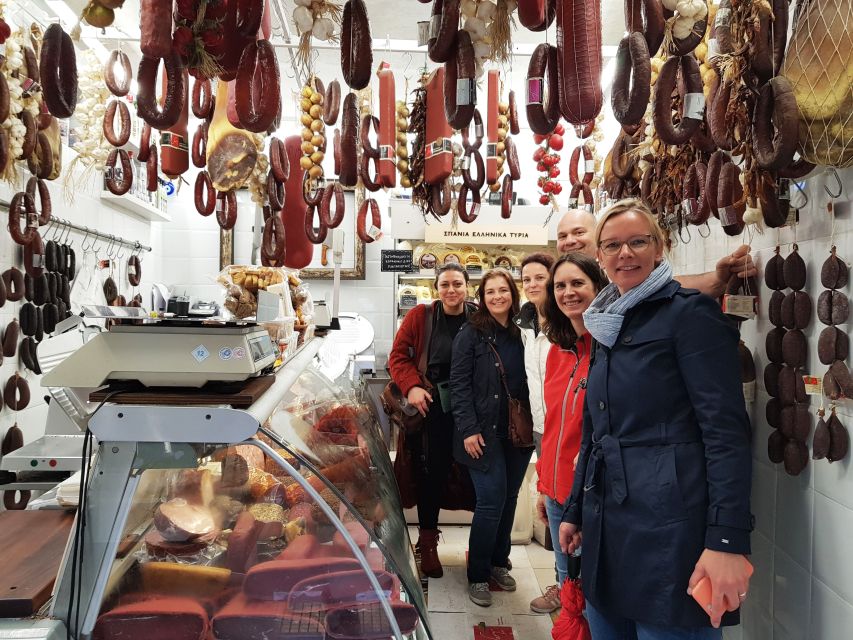
At $80 per person, this is not the cheapest way to eat in Athens. You could buy individual pastries, coffee, koulouri, and market snacks for less if you already know where to go.
The value comes from the range, the organization, and the guidance. More than 18 tastings can add up quickly, especially when the sequence includes a substantial final meal, specialty products, drinks, and dessert. You are also paying for access to local food shops and for someone to explain what you are tasting.
The tour is a better deal for first-time visitors than for people who already know Athens well. If you have only a short stay, it gives you a fast introduction to several districts and food traditions. If you are already comfortable navigating the city’s markets and delis, you may prefer to spend the same money on a long independent meal.
For many people, the practical value is that the tour helps prevent poor food choices later. You leave knowing which foods you enjoyed and what their Greek names are. That can make the rest of your dining more confident and less random.
Timing, comfort, and what to bring
Plan on three to three and a half hours. Starting times vary, so check the available schedule when booking. The walk is long enough that comfortable shoes are essential, and summer sun protection is sensible.
Bring an appetite, but do not skip water. A bottle of water is included, though you should still tell the guide if you have allergies or digestive disorders. This is particularly important because the tour includes dairy, pastry, cheese, cured foods, seafood or market products, alcohol, and a wide range of ingredients.
Free cancellation is available up to 24 hours before the activity for a full refund, and you can reserve now and pay later. Hotel transfers are not included, and entry to museums or archaeological sites is not part of the experience. The tour is about food and neighborhoods, not formal monument visits.
Who should book this Athens food tour?
I would choose this tour for a first or second day in Athens, especially if you want help getting your bearings around Monastiraki, Omonia, and the central food districts. It is also a good match for curious eaters who want to try regional products rather than order only familiar dishes.
You should book it if you enjoy walking, sharing food, asking questions, and trying several small portions in one morning or afternoon. It suits solo visitors, couples, families with adventurous eaters, and anyone who wants a local introduction before choosing restaurants independently.
I would think twice if you have strict dietary restrictions that make dairy, pastry, alcohol, or mixed food tastings difficult. I would also avoid scheduling it just before another major meal. The generous servings are part of the value, but they can leave you very full.
Should you book it?
Book this Athens food tour if you want a substantial introduction to Greek food and central Athens in one outing. The best reasons are the market visit, the unusual coffee preparation, the Cretan tasting, the broad range of samples, and the guides’ focus on stories and local habits.
Skip it if you want a quiet restaurant meal, a short activity, or a tour centered on archaeological sites. For everyone else, the combination of food, walking, and practical city orientation makes the $80 price reasonable, particularly early in your stay. Arrive hungry, wear good shoes, and keep your evening meal light.
FAQ
Where does the Athens food tour meet?
The meeting point is Monastiraki Square, in front of the small church. You can reach it by the green or blue metro line.
How long does the tour last?
The activity lasts about 3 to 3.5 hours. Starting times depend on availability.
How much food is included?
More than 18 delicacies are included, along with all the food you taste during the tour. The route includes pastries, yogurt, coffee, market foods, Cretan products, ice cream, drinks, and a mezze-style finish.
Is the tour offered in English?
Yes. Live guides are available in English and German.
Is the tour suitable for wheelchair users?
The activity is listed as wheelchair accessible. Since the route includes markets and city streets, tell the provider about your needs before the tour if you require specific route information.
What should I bring?
Wear comfortable shoes and bring sunscreen and a hat. You should also inform the guide about any allergies or digestive disorders before tasting the food.
Just added around Athens
- Best Food Tasting Tour of Athens, taste 18+ iconic Greek foods!★ 5.0 · 448 reviews
- Acropolis Private Wine Tasting @ Finewine store★ 5.0 · 46 reviews
- Wine Trails Private Tour/ Nemea visit 3 wineries from Athens or Nafplion (10 h)★ 5.0 · 44 reviews
- Athens Kids and Families Food Tasting Tour★ 5.0 · 66 reviews
- Athens: The Classic Food Tasting Tour★ 5.0 · 106 reviews
- Athens evening food tasting tour-small group★ 4.5 · 74 reviews
- Athens Morning Food & Drinks Tour: A Bite from the Acropolis★ 5.0 · 104 reviews
- Mercedes Private Tour Nafplio, Corinth Canal, Nemea Wine Tasting★ 5.0 · 142 reviews
Drinks Tours, compared.

Unlimited Prosecco, Beer and Aperol Spritz Cruise
Read our review →
Evening Cruise with Optional Wine and Snacks
Read our review →
Douro Valley w/ Boat Tour, Wine Tasting & Lunch
Read our review →
Chichen Itza, Cenote & Valladolid Tour with Tequila and Lunch
Read our review →
Complete Douro Valley Wine Tour with Lunch, Wine Tastings and River Cruise
Read our review →
Small-Group Wine Tasting Experience in the Tuscan Countryside
Read our review →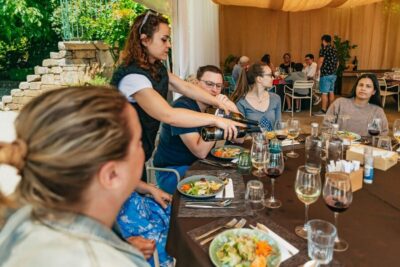
Douro Valley with Winery Lunch, Tastings & Cruise
Read our review →Browse the lists this tour appears in