
Review · VIENNA
Vienna: Wine Tasting Experience in a Private Wine Cellar
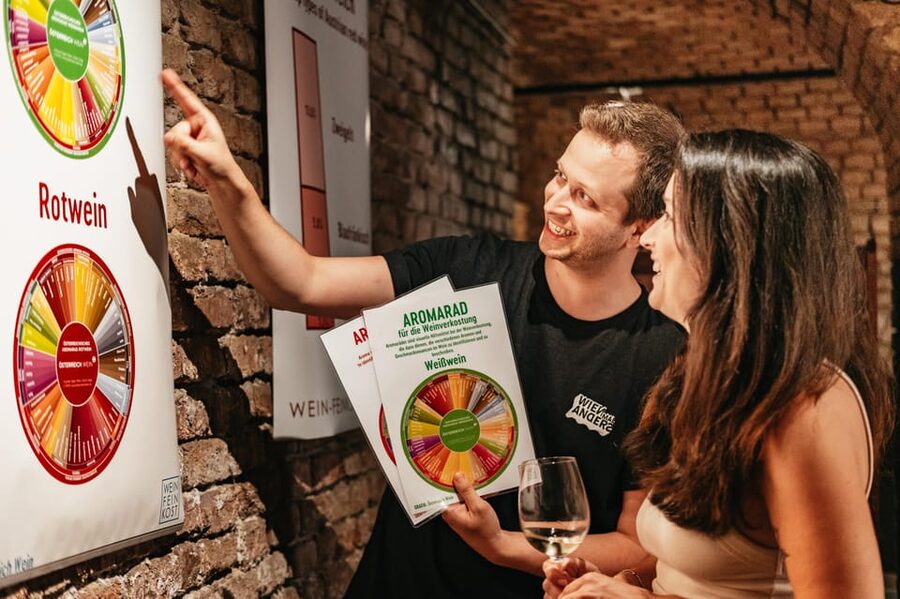
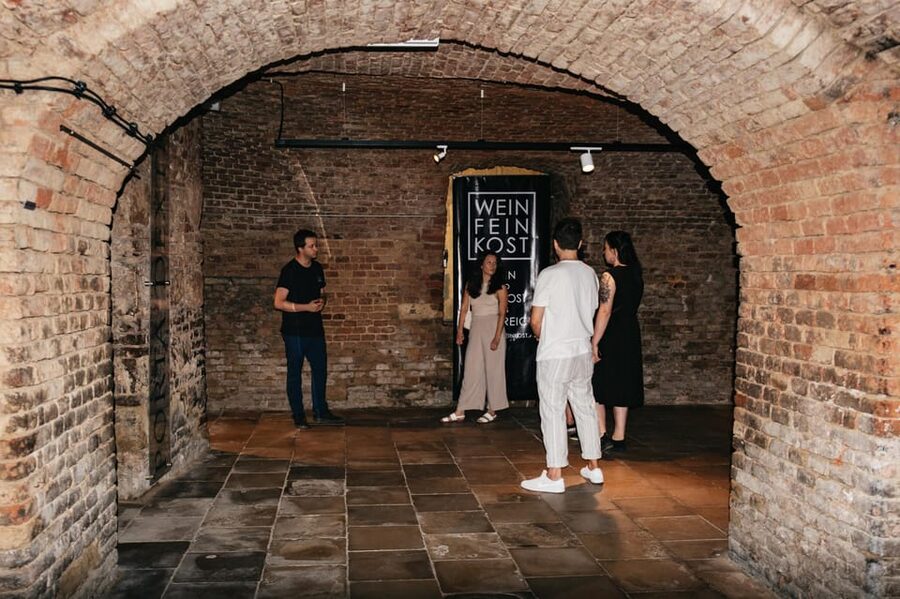
Vienna hides an old wine world beneath its grand streets. In a private cellar, you taste Austrian wines while hearing how vines have shaped the city since Roman times. The setting is the star: cool, dim, old, and not normally open to the public.
I like the mix of wine and city history, and I like that the tasting comes with regional cheese, cured meat, bread, and other small bites. Guides such as Bernie, Cornelius, and Reinhard have made this a friendly, personal experience for many visitors. The main drawback is simple: three pours can feel modest if you came expecting a full wine tour.
Key points at a glance
- Private cellar setting: Taste wine in an old, non-public cellar in central Vienna.
- Austrian focus: Learn about Viennese wine and the vineyards surrounding the city.
- Flexible formats: Pick a 30-minute self-guided option, a 45 or 60-minute tasting, or a 2.5-hour visit to three cellars.
- Food pairing: Expect regional cheese, cured meats, bread, and other delicacies, with vegetarian items available.
- Strong guiding: Bernie, Cornelius, and Reinhard are among the guides praised for clear explanations and warm hosting.
- Small-group feel: The experience can be intimate, though group size and meeting point depend on the option you book.
Why a cellar is the right place to taste Vienna
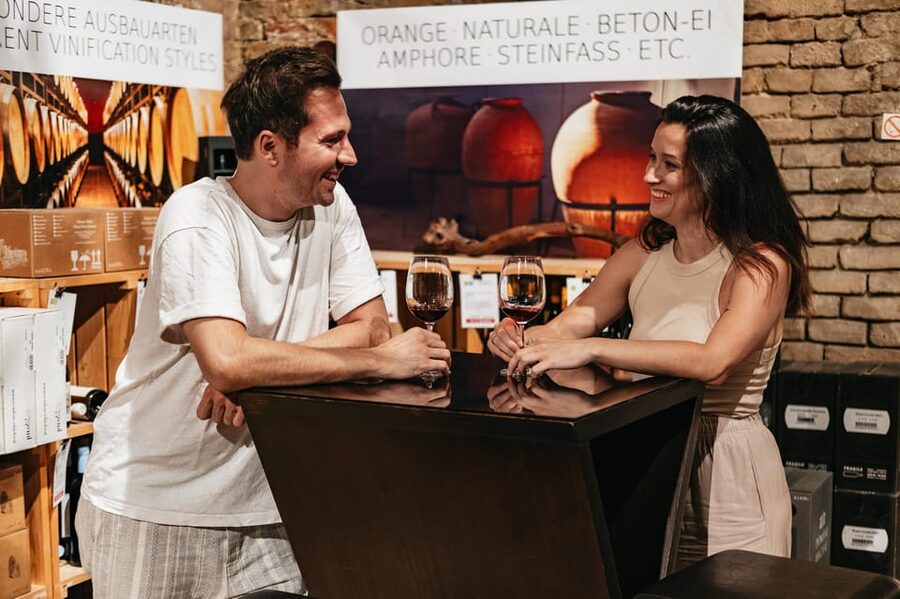
Vienna is unusual among European capitals because vineyards still surround the city. The activity places that wine culture under your feet, in a private cellar rather than a polished tasting room.
The setting gives the event more character than a standard bar tasting. You may hear stories about former uses of the cellar, its rooms, and the less comfortable secrets attached to old underground spaces. Some descriptions refer to several levels, including a four-level basement, though the exact cellar depends on your booking option.
The historical thread reaches back to Roman times. Your guide explains how wine production developed in the region and how Viennese traditions continue today. This is useful context because the tasting is not only about identifying aromas or deciding which wine you prefer. It connects the glass to the city around you.
You should expect the wine area itself to occupy only part of the cellar. One visitor noted that some lower rooms did not feel closely tied to the tasting because there were no wine racks or displays there. That is a fair point. Come for an atmospheric historical space with wine, not for a fully staged wine museum.
More Wine Tasting Tours in Austria
- Wachau Valley Wine Tasting Bike Tour from Vienna
★ 5.0 · 829 reviews - Wachau Valley Small-Group Tour and Wine Tasting from Vienna
★ 5.0 · 540 reviews - From Vienna: Wachau Valley Day Tour with Wine Tasting
★ 4.8 · 399 reviews
Choosing between 30, 45, 60, and 150 minutes
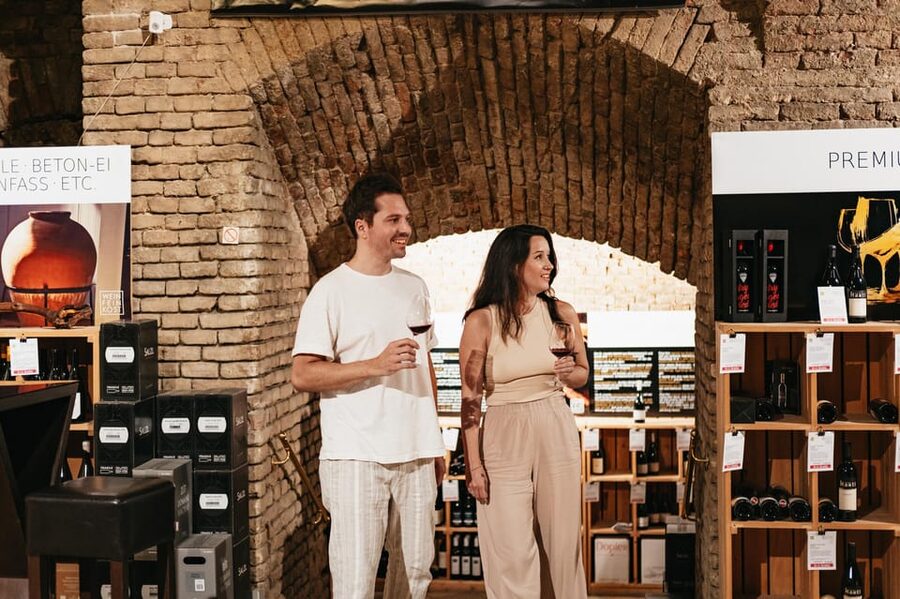
The booking choices matter here. They are not simply different lengths of the same tour.
The 30-minute self-guided option is the quickest choice. It includes a glass of local wine and an audio guide option, with headphones not included. This works if you have a tight schedule or want a short cellar stop between major sights. It is less suited to anyone hoping for a long conversation with a wine expert.
The 45-minute tasting offers a compact introduction with three wines. It is a good fit for a first look at Austrian wine, especially if you have a busy day in Vienna. You get the atmosphere, a few local pours, food pairings, and a basic explanation without giving up a large part of your afternoon.
The 60-minute option gives the tasting more room to breathe. Depending on the selected format, you may taste three or four wines. I would choose this over 45 minutes if wine is one of your main interests, since you have more time to ask about grapes, regional styles, and the traditions behind the bottles.
The 2.5-hour option visits three hidden private cellars. This is the best choice for the cellar stories and the historical side of the experience. Each stop offers a different setting and a different number of tasting locations, so read the exact option description before booking. The longer format should not be chosen casually if you only want a drink and a snack. It is aimed at people who enjoy old buildings, local history, and a slower tasting.
What you taste, and why the food matters
The standard tasting centers on three typical Viennese and Austrian wines. Several tasting formats feature two whites and one red. That gives you a useful introduction to Austria, but it is not a large comparison flight.
Austrian wine can be unfamiliar to visitors who mainly drink French, Italian, Spanish, or New World bottles. The guide explains what makes Viennese wine distinct and places each pour in a regional setting. The value is in the explanation as much as the liquid in the glass.
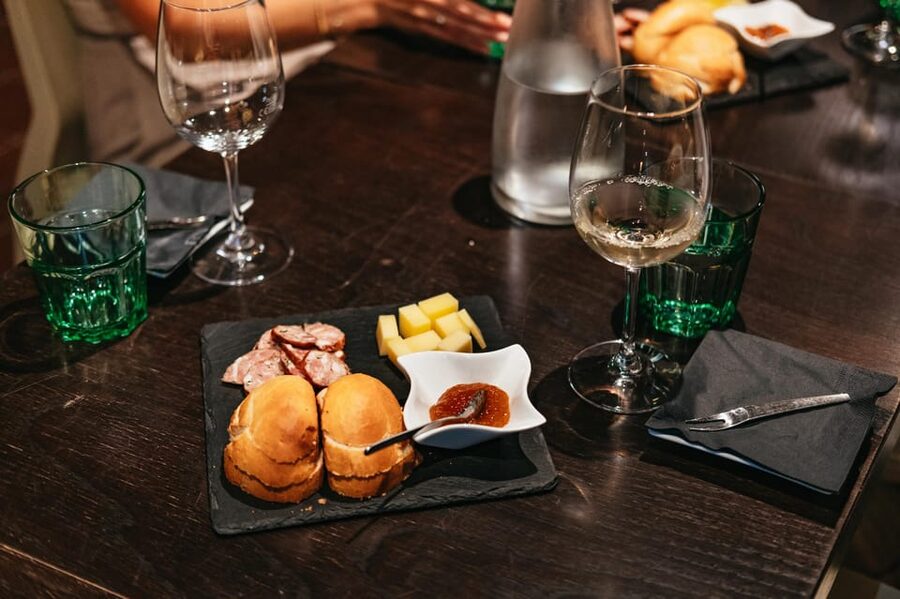
The food is small in quantity but important to the experience. Expect items such as cheese, cured meat, bread, and regional delicacies from local producers. Vegetarian and non-vegetarian choices have been available in the tasting selections. One particularly memorable pairing mentioned was a spicy apricot chutney, which shows that the food is not limited to a generic bowl of crackers.
The portions of wine have generally been considered proper tasting pours, but you should not mistake this for a meal or a generous drinking session. A few people felt that three wines and the snacks were a little light for the price, while others found the amount fair. If you want more wine, choose the option with four or six wines if available in the booking choices. The exact number depends on the format you select.
The guide can shape the whole hour
The strongest part of this experience is often the person leading it. Bernie is frequently praised for his friendly style, humor, and clear explanations. Cornelius has been described as charismatic and able to connect Vienna’s past with the development of its wine trade. Reinhard Grebien, also described as a coffee expert, has led tastings with strong historical storytelling and both vegetarian and meat-based snacks.
Names and guides may change, so do not book solely on the hope of meeting one particular person. Still, the pattern is clear: the experience works best when you ask questions and take part in the conversation.
The guides explain how to think about wine, but the amount of formal instruction can vary. One visitor felt the host knew a great deal but did not automatically cover tasting manners, customs, or technique unless asked. That is useful advice. If you want to learn how to assess color, aroma, acidity, or finish, say so at the start.
If you know little about wine, you should not feel out of place. The event has worked well for people who began with almost no wine knowledge. You can simply describe what you like, dislike, or notice, and let the guide build from there. Several guides have adjusted their explanations to the interests of the group.
More Wine Tastings in the world:
- From Porto: Douro Valley w/ Boat Tour, Wine Tasting & Lunch
★ 4.7 · 19,061 reviews - Complete Douro Valley Wine Tour with Lunch, Wine Tastings and River Cruise
★ 5.0 · 12,920 reviews - Florence: Chianti Wineries Tour with Wine Tasting
★ 4.5 · 10,071 reviews - From Split: Krka Waterfalls, Food & Wine Tasting Tour
★ 5.0 · 9,326 reviews
The food, wine, and conversation work best together
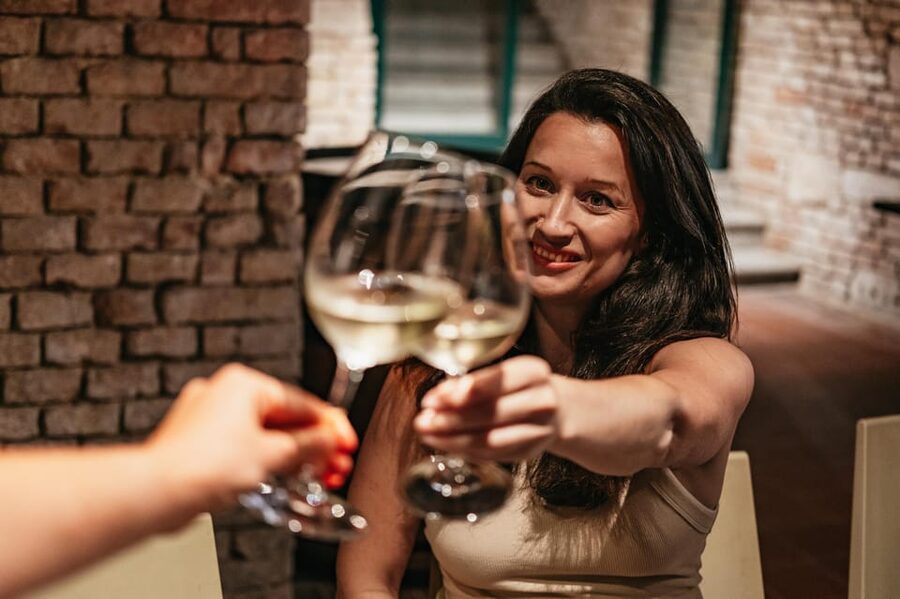
This is not a silent tasting where everyone stares at a score sheet. The table setup encourages conversation, and a small group gives you a chance to ask questions without interrupting a large lecture.
Solo visitors may find the format especially useful. The cellar creates an easy reason to talk with other people, and one person even chose to stay on with the group for wine afterward. That relaxed social side is part of the appeal, though it depends on the people booked for your time.
Groups have ranged from very small, including four people, to around ten. A small group makes it easier to speak with the guide and taste at a comfortable pace. A larger group can be more social, but the discussion may be less tailored to you.
The tastings are also suitable for people who are not serious wine drinkers. The snacks, setting, and history give you other reasons to attend. You might even find a style you had not expected to enjoy. Several people who began with limited interest in wine still found the experience accessible.
How good is the $22 value?
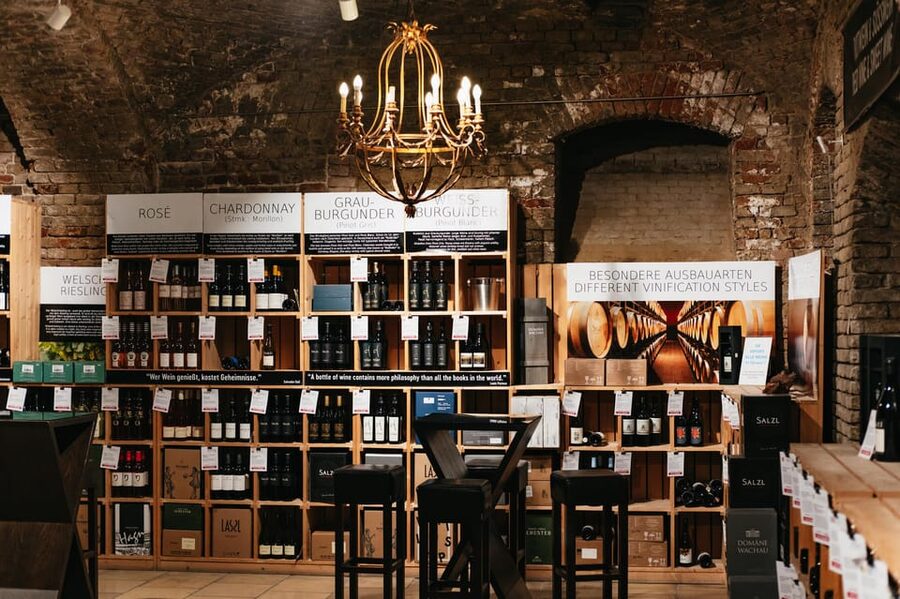
At about $22 per person, this is a low-cost way to add a distinctive indoor activity to a Vienna itinerary. The basic value comes from three wine samples, access to a private cellar, a guide, and regional food. If you compare it with a full-day vineyard excursion outside the city, this costs far less and takes much less time.
The price looks strongest for the 45 or 60-minute formats. You get a focused introduction without paying for transportation to vineyards outside Vienna. The cellar also offers something you could not easily arrange on your own: access to a private, non-public space and a guide who can explain the city’s wine culture.
The value becomes less clear if you expect a large flight of wines, generous servings, or a formal cellar tour with every room filled with barrels and bottles. Some visitors wanted more wine or more snacks for the money. Others felt the three pours, food, and historic setting were an excellent deal.
I would see the $22 as payment for a short cultural experience with wine, not simply three glasses. If you care only about drinking, you may find a bar better value. If you want wine, history, and a setting you cannot casually enter, the price is easier to justify.
What the longer three-cellar option adds
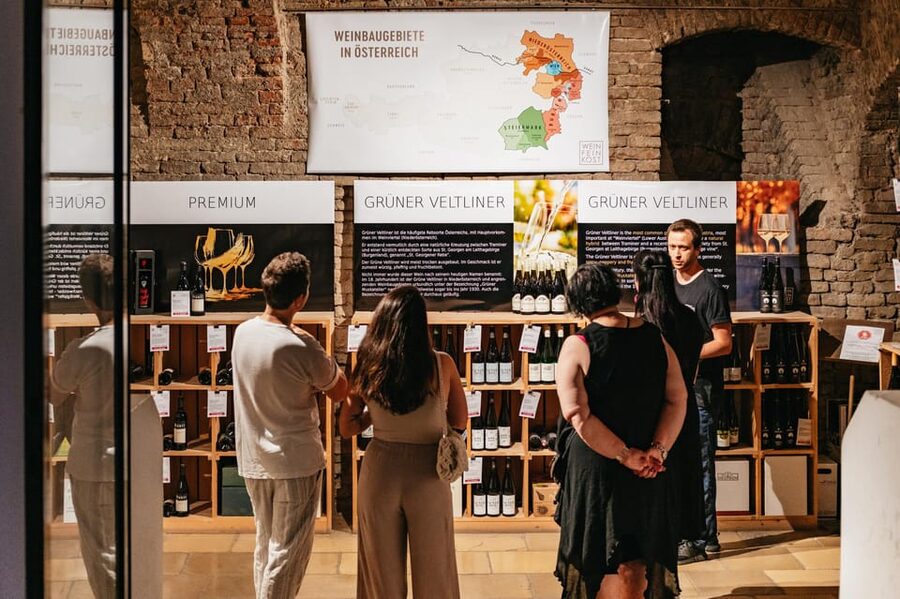
The 2.5-hour format is the most unusual choice. Instead of staying in one cellar, you visit three private spaces, each with its own character and stories.
This format gives the old underground world more weight. You can compare the atmosphere of different rooms and hear about their former uses. The stories may include unsettling details, so this is not just a collection of pleasant wine facts. The cellars carry the marks of Vienna’s past, and the guide helps make sense of what you are seeing.
The tradeoff is time. Two and a half hours is a large commitment if you have only a short stay in Vienna. It may also be too long if your main goal is to sample Austrian wine before dinner. Choose it when you enjoy historical buildings and want the cellar itself to be the main attraction.
Read the option description closely. The number of wines, locations, and guide format can differ. Do not assume that every booking includes all three cellars or the same number of tastings.
Practical details before you book
The meeting point varies by option, so check your confirmation rather than relying on a general map pin. This matters most for the longer format, where you may be visiting more than one location.
The experience is offered in English and German. An audio guide may be available in those languages for selected options. Headphones are not included, so bring your own if you choose the audio format.
The activity is not suitable for children under 16. It is also not suitable for wheelchair users or people with mobility impairments. Old cellars can include stairs, uneven surfaces, and tight spaces, so contact the provider if you are unsure about the physical demands of your chosen option.
The activity allows cancellation up to 24 hours before the start for a full refund, and you can reserve now and pay later. Those policies help if your Vienna schedule is still shifting.
Who should book this tasting?
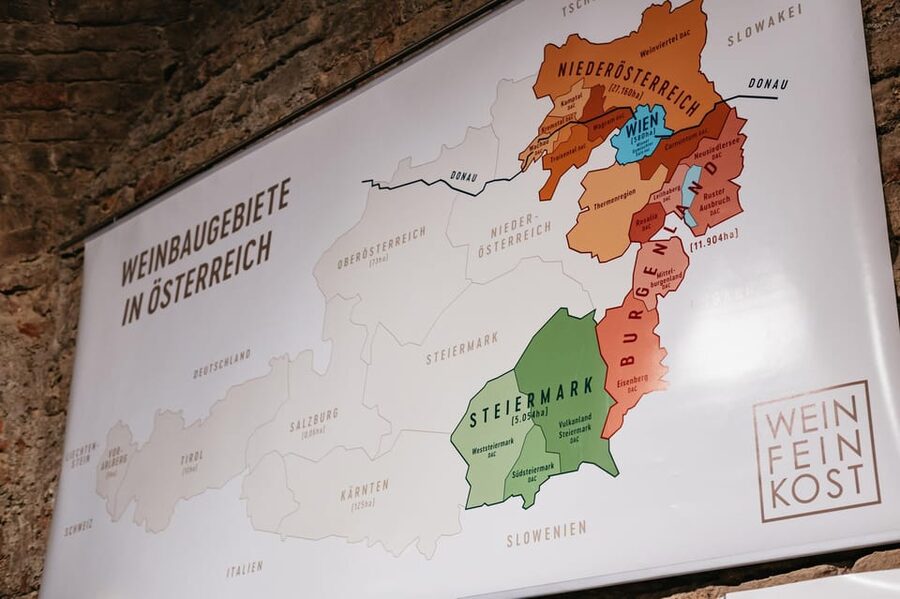
I would recommend it to you if you want a short, local experience away from Vienna’s grand palaces and crowded central sights. It suits wine beginners because the guides explain the subject in plain terms. It also suits experienced drinkers who want to learn about Austrian wines rather than repeat familiar international varieties.
History fans will appreciate the Roman-era wine stories and the unusual cellar spaces. Solo visitors can enjoy the social setup, and couples can use it as an easy pre-dinner activity.
I would hesitate if you need step-free access, dislike underground spaces, or expect a full meal. I would also choose the longer option only if you genuinely want cellar history. For most people, the 45 or 60-minute tasting offers the best balance of price, wine, food, and time.
Should you book it?
Yes, if you want an affordable Vienna activity with a real sense of place. The best reasons to book are the private cellar, the Austrian focus, and the guides who bring together wine, Roman-era origins, and Vienna’s local culture.
Choose the 45-minute format for a quick introduction, 60 minutes for more questions and possibly an extra wine, or 2.5 hours for three cellars and a stronger historical focus. Just keep your expectations realistic: three tasting pours and modest local snacks are the core offering. At $22, that is a fair trade for an atmospheric cellar and a personal introduction to Viennese wine.
FAQ
Where does the wine tasting take place?
It takes place in a private wine cellar in the heart of Vienna. The exact meeting point and cellar depend on the option you book.
How many wines are included?
The main tasting options include three wines, while some formats offer four wines. The exact number depends on your selected option.
Is there a longer tour with more than one cellar?
Yes. A 2.5-hour option visits three hidden private wine cellars, with the exact stops and tasting details depending on the booking choice.
Is there a short version?
Yes. A 30-minute self-guided option is available and includes a glass of local wine. An audio guide may be included, depending on the selected option.
What food is served with the wine?
Regional delicacies may include cheese, cured meats, bread, and other small bites from regional producers. Vegetarian and non-vegetarian items have been available.
Which languages are offered?
The live experience is offered in English and German. Selected options may include an audio guide in English or German.
Are headphones provided?
No. Headphones are not included, so bring your own if you select an audio guide option.
Is the activity suitable for children?
No. The activity is not suitable for children under 16.
Is the cellar wheelchair accessible?
No. The activity is not suitable for wheelchair users or people with mobility impairments.
Can I cancel the booking?
Yes. You can cancel up to 24 hours in advance for a full refund. Reserve now and pay later is also available.
Just added around the world
- Catamaran Sunset Champagne Cruise Cape Town★ 4.5 · 85 reviews
- Luxury Sunset Cruise with Prosecco★ 4.5 · 71 reviews
- Private Tour of Top 5 Stellenbosch Wineries From Cape Town★ 4.0 · 56 reviews
- Private Stellenbosch, Franschhoek Paarl Wine Tour from Cape Town★ 5.0 · 89 reviews
- Full-Day Stellenbosch, Franschhoek and Paarl Wine Tasting Tour from Cape Town★ 4.0 · 98 reviews
- From CapeTown: Stellenbosch Half Day Wine Tour★ 4.5 · 287 reviews
- Private Full Day Stellenbosch Wine Tour with Pick Up and Drop Off★ 5.0 · 425 reviews
- Full Day Small Group Wine Tour Cape Town and Stellenbosch★ 5.0 · 79 reviews
Wine Tasting Tours, compared.
Douro Valley w/ Boat Tour, Wine Tasting & Lunch
Read our review →
Complete Douro Valley Wine Tour with Lunch, Wine Tastings and River Cruise
Read our review →
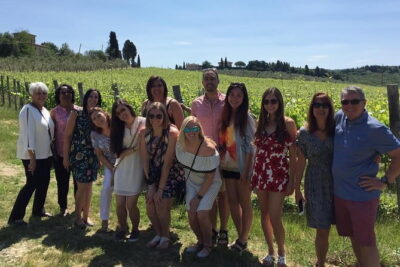
Small-Group Wine Tasting Experience in the Tuscan Countryside
Read our review →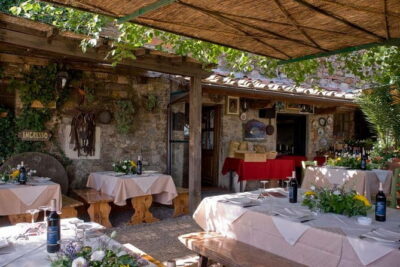
SMALL-GROUP Wine Safaris: Tuscan Wine Tasting Tours from Florence
Read our review →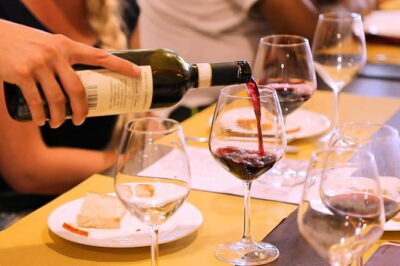
San Gimignano, Siena, Monteriggioni, Chianti Day Trip with Lunch & Wine Tasting
Read our review →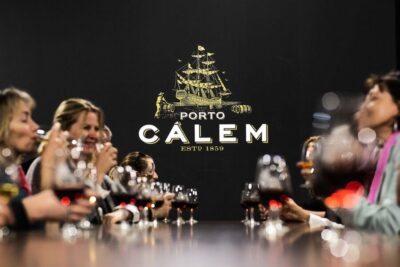
Cálem Cellar Tour, Interactive Museum & Wine Tasting
Read our review →
Browse the lists this tour appears in