
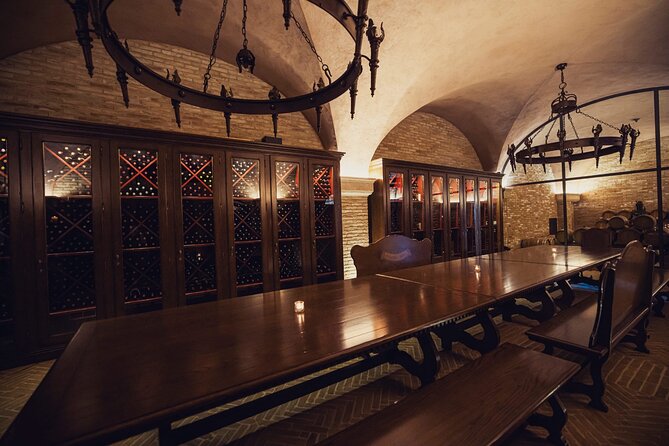
Review · ITALY
2 Hours Visit and Wine Tasting with tastings in Val D’Orcia
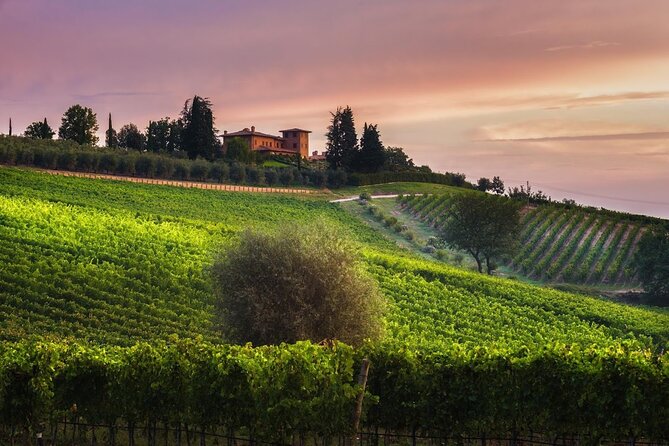
Poggio del Moro gives you more than a quick pour at a tasting counter. In two hours, you move from the 14-hectare organic vineyard to the oil mill, cellar, and barrique room before sitting down to six wines and a Tuscan platter. Tania’s small winery puts the focus on low-intervention winemaking, local food, and a personal welcome.
I like two things here. First, the tour explains the full farm operation, including olive oil, jams, marmalades, and honey. Second, the tasting covers a useful range, from the white Ivole and rosé Galio to Chianti, a SuperTuscan, and other Tuscan reds. The main consideration is time: two hours goes quickly, so this is a focused winery visit, not a slow full-day food-and-wine outing.
Key points at a glance
- Six different wines: Taste Ivole, Galio, Nu Chianti, Tuscan Red, Chianti Superior, and Rasea SuperTuscan.
- Organic, low-intervention production: Poggio del Moro avoids pesticides and keeps cellar intervention to a minimum.
- A full estate tour: See the vineyard, oil mill, cellar, and barrique cellar before the tasting.
- Local food pairing: Wines come with cheeses, salami, and bruschetta made with zero-kilometer Tuscan products.
- A private experience: Only your group takes part, with the visit offered in English.
- A useful Chianciano Terme stop: The meeting point is at Poggio del Moro, on Strada delle Cavine e Valli, near Siena’s Val d’Orcia area.
A small winery with a clear point of view
Poggio del Moro is led by Tania, an entrepreneur who has built the estate around organic and natural wine. That phrase matters here. The winery says it does not use pesticides and limits intervention as much as possible, allowing the grape varieties to grow in an intact natural setting.
You do not need to be a serious wine student to appreciate this approach. The tour gives you a practical look at how a small producer makes choices in the vineyard and cellar. Tania’s style, as well as the guiding of Teresa and Marius, has been warmly praised for being friendly, clear, and easy to follow.
The experience is also broader than wine. The estate produces extra virgin olive oil, jams, natural marmalades, and honey. That makes the visit useful for anyone interested in Tuscan farm production, not only for people who already know their Chianti from their SuperTuscan.
Poggio del Moro’s boutique scale is part of the appeal. You are not being moved through a large commercial operation with a fixed script and a quick sales pitch. The private format means your own group participates, which can make it easier to ask questions and spend a little more time on the parts that interest you.
More Wine Tasting Tours in Italy
- Florence: Chianti Wineries Tour with Wine Tasting
★ 4.5 · 10,071 reviews - Small-Group Wine Tasting Experience in the Tuscan Countryside
★ 5.0 · 7,392 reviews - Rome: Tuscany & Montepulciano Day Trip with Lunch & Wine Tasting
★ 4.5 · 5,232 reviews
Starting among the vines
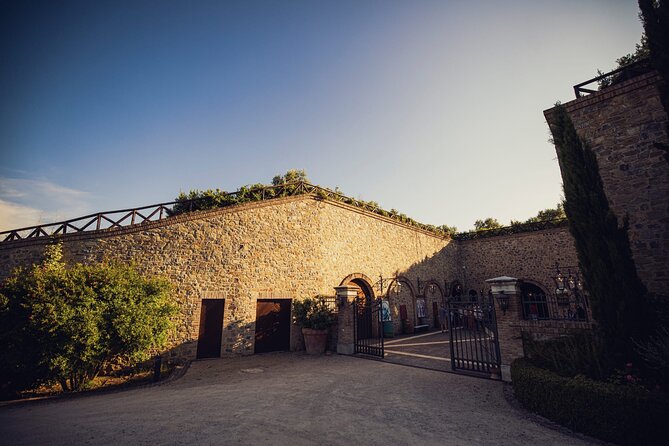
The visit begins at Poggio del Moro Boutique Organic Winery, at Strada delle Cavine e Valli, 79, 53042 Chianciano Terme SI, Italy. You meet at the estate and return there at the end, so you should plan your transport to and from this address yourself.
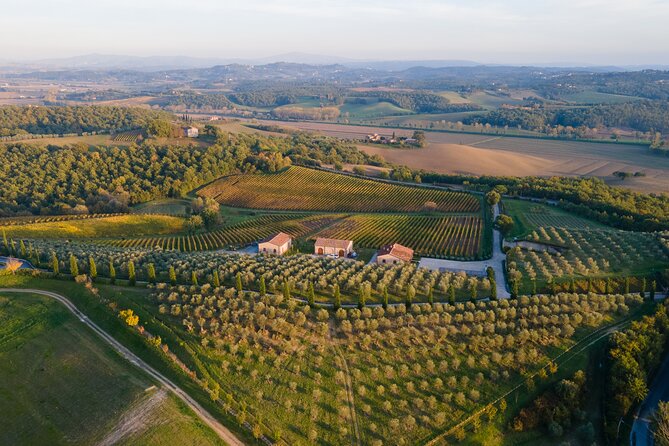
The first part of the visit takes you through the vineyards. The estate covers 14 hectares, and the guide explains how the vines are grown organically. This is a good opening because it puts the wines in context before you taste them. Instead of treating the bottle as an isolated product, you see the setting and farming choices behind it.
The vineyard portion is likely to appeal most to people who want to understand the basics without sitting through a technical lecture. You can ask about grape varieties, organic methods, and the estate’s low-intervention approach. The experience is offered in English, which makes the explanations accessible to English-speaking visitors.
Because the tour lasts about two hours, expect an introduction rather than an agricultural field study. You will not have time for every detail of a 14-hectare estate. Still, the vineyard stop gives the rest of the visit a useful foundation.
From olive oil to the working cellar
After the vines, the tour continues to the oil mill and wine cellar. This is one of the experience’s strongest features because it shows that Poggio del Moro is a working farm with several products, not simply a room where bottles are displayed.
The oil mill connects the wine tasting to another central part of Tuscan food culture. Extra virgin olive oil is produced on the estate, along with jams, marmalades, and honey. These products also help explain the food served later, where the tasting has a distinctly local feel rather than relying only on bread and a few standard snacks.
In the cellar, you get a closer look at the production process for the natural wines. The exact format can depend on the day and the group, but the important point is that the tour includes the production areas before the tasting. I value that order. It gives you something concrete to look for when the wines arrive at the table.
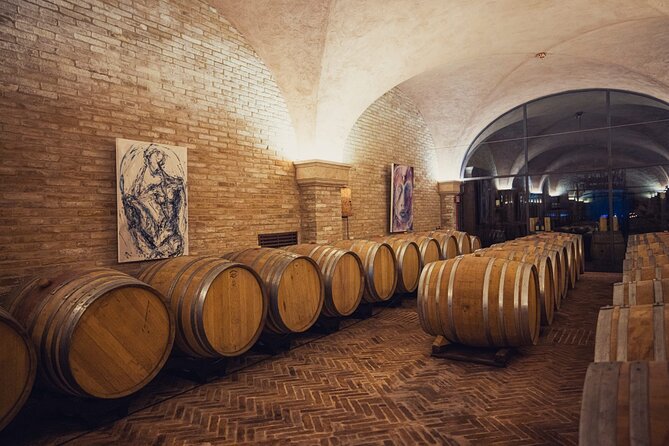
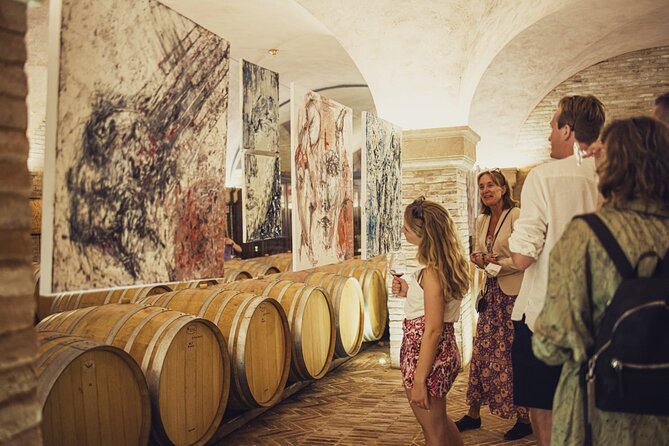
The barrique cellar adds another stage to the explanation. Barriques are the wooden barrels used for aging, and seeing this room helps you understand how some wines develop before bottling. The cellar visit is not just decoration. It links the estate’s philosophy to the finished wines you will taste.
Six wines, from white to SuperTuscan
The tasting includes six labels, giving you a broad sample of Poggio del Moro’s range:
- White IGT Ivole
- IGT Rosé Galio
- DOCG Chianti Nu
- IGT Tuscan Red
- DOCG Chianti Superior
- IGT SuperTuscan Rasea
This lineup is well chosen for a short visit. You begin with a white and rosé, then move into several reds with different classifications and styles. You can compare the lighter opening pours with the Chianti wines and the SuperTuscan, rather than tasting six bottles that all occupy the same place on the table.
The labels also offer a simple introduction to Italian wine categories. The Chianti wines carry DOCG status, while Ivole, Galio, Tuscan Red, and Rasea are identified as IGT wines. You do not need to memorize those classifications, but the tasting gives you a chance to ask what they mean and how the wines differ.
The two Chianti selections are especially useful side by side. Nu is a DOCG Chianti, while Chianti Superior is a separate label. Tasting both in the same sitting lets you consider how the winery handles wines from the same broad Tuscan tradition.
Rasea, the IGT SuperTuscan, provides a different endpoint for the tasting. SuperTuscan wines are often associated with producers taking a flexible approach to Tuscan red wine, and here it gives the lineup a modern finish. I like that the selection does not stop at the most familiar name on the list.
More Wine Tastings in Italy:
- SMALL-GROUP Wine Safaris: Tuscan Wine Tasting Tours from Florence
★ 5.0 · 5,088 reviews - San Gimignano, Siena, Monteriggioni, Chianti Day Trip with Lunch & Wine Tasting
★ 4.5 · 4,432 reviews - From Florence: Small Group Wine Tasting Tour to Tuscany
★ 4.9 · 3,902 reviews - Florence: S. Gimignano, Siena, Chianti Wine Tasting & Lunch
★ 4.6 · 3,102 reviews
The Tuscan platter makes the tasting feel like lunch
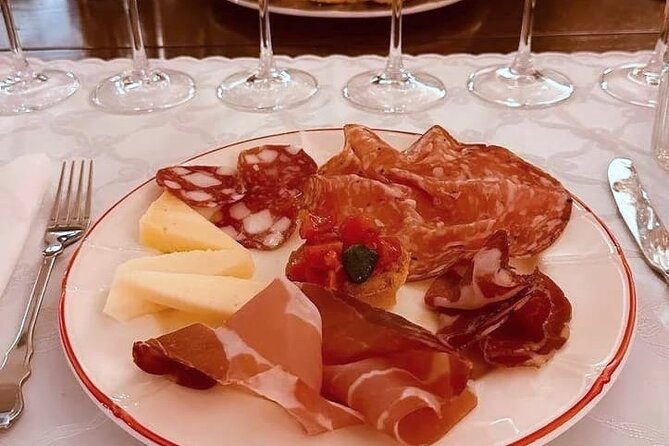
The wine comes with a platter of zero-kilometer Tuscan products. Expect cheeses, salami, and bruschetta. This is simple food, but it is exactly the right sort of food for a winery tasting. Salt, fat, acidity, and toasted bread give you practical ways to notice how the wines work with food.
The platter also makes the two-hour format more comfortable. You are not tasting on an empty stomach, and you get a clearer sense of how the wines fit into everyday Tuscan eating. For many people, this will be more useful than a formal tasting lesson filled with technical vocabulary.
The food is part of the estate’s wider farm identity. Along with wine, Poggio del Moro makes olive oil, preserves, and honey, so the tasting reflects the work of the property beyond its bottles. If local products matter to you, this is one of the best reasons to choose this experience.
Keep your expectations in proportion. The information provided describes a Tuscan platter, not a full multi-course meal. If you are looking for a long lunch, book a separate restaurant meal as well. Here, the food supports the wine and gives you a taste of local produce.
Guides who make the visit personal
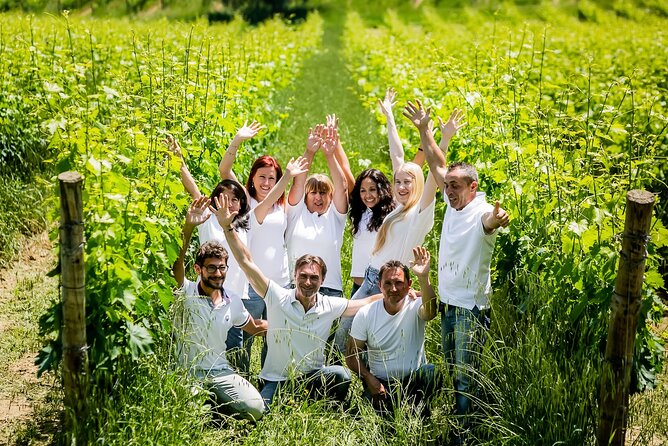
The strongest part of this kind of small winery visit is often the person explaining it. Tania leads the estate, and Teresa and Marius have also guided visits. Marius has been singled out for his warmth, hospitality, and ability to explain the wines and local tasting products.
That personal element matters especially if you are not confident with wine. Tania’s approach is described as welcoming for people who do not consider themselves wine experts. You should feel comfortable asking basic questions about the grapes, labels, aging, or organic production without needing specialist terms.
The visit is also suitable for a private group of friends or family. Since only your group participates, the pace can feel more relaxed than a large public tasting. An eight-person group has enjoyed the format, and couples can also expect a more personal setting than a crowded wine bar.
The word private does not mean the tour can run indefinitely. The listed duration is about two hours, so your guide still needs to cover the estate and six wines within a set window. If one topic catches your attention, ask about it early.
Is $84.10 a fair price?
At $84.10 per person, this is not the cheapest way to sample Tuscan wine. The price makes more sense when you consider what is included: a guided estate visit, the vineyards, the oil mill, the cellar, the barrique cellar, six wines, a local platter, and a private group format.
You are paying for a small-producer experience rather than a simple tasting flight. The value is strongest if you want the story behind the wines and a look at how the estate works. It is less compelling if you only want a glass or two and a quick view.
The private setup is important in the value calculation. A shared tasting can cost less, but you may have less room to ask questions or shape the conversation. Here, the setting is designed around your group, which is useful for couples, families with adult children, and friends traveling together.
I would also factor in the estate location. The meeting point is in Chianciano Terme, in the Siena area of Val d’Orcia. If you are already touring this part of Tuscany, the visit can fit neatly into a day of nearby stops. If you need a long transfer solely for the tasting, the price and travel time deserve more thought.
Timing, booking, and practical details
The experience lasts approximately two hours and is offered in English. It begins and ends at Poggio del Moro Boutique Organic Winery, so there is no included transportation from Siena or another town.
Confirmation is sent within 48 hours of booking, subject to availability. The activity is often booked about 32 days ahead, so I would reserve early if your Tuscan schedule is fixed, especially for a private group.
Free cancellation is available up to 24 hours before the local start time for a full refund. Cancellations or changes made less than 24 hours before the start time are not accepted for a refund.
Most people can participate, and service animals are allowed. Anyone under Italy’s legal drinking age of 18 will not be served alcohol. That does not make the activity adults-only, but you should plan around the fact that underage participants cannot taste the wines.
You can also buy the estate’s wines and farm products in the shop. This is handy if you find a bottle or preserve you want to take home, though the supplied details do not specify shipping options or luggage restrictions.
Who will enjoy Poggio del Moro most?
I would choose this experience if you want a small winery with a clear organic focus, a private setting, and enough food to make the tasting feel grounded in local life. It suits couples, families with adult children, and groups of friends who want a shared activity without spending an entire day at a vineyard.
It is also a good match for curious beginners. You do not need a trained palate, and the personal guiding style is meant to make wine education comfortable. The six-wine lineup gives you variety without asking you to commit to one narrow style.
This may not be the right choice if you want a long meal, a full-day wine route, or included transport from Siena. The visit is compact and centered on one estate. That focus is its strength, but it also sets a clear limit.
Should you book this wine visit?
Book Poggio del Moro if you value the people and production story as much as the wine in your glass. You will see the vines, oil mill, cellar, and barrique room, then taste six labels with cheeses, salami, and bruschetta in a private English-language visit.
I especially like it for visitors who want an approachable introduction to organic Tuscan wine. The $84.10 price is reasonable when you use the full estate tour and private format, but less so if you only want a quick drink. Check your transport to Chianciano Terme, allow two hours for the visit, and reserve ahead for the best chance of matching your schedule.
FAQ
Where does the wine tasting take place?
It takes place at Poggio del Moro Boutique Organic Winery, Strada delle Cavine e Valli, 79, 53042 Chianciano Terme SI, Italy.
How long does the experience last?
The visit and tasting last approximately two hours.
What wines are included?
The tasting includes Ivole white IGT, Galio IGT rosé, Nu DOCG Chianti, IGT Tuscan Red, DOCG Chianti Superior, and Rasea IGT SuperTuscan.
Is food included with the wine?
Yes. The wines are served with a Tuscan platter containing cheeses, salami, and bruschetta made with zero-kilometer products.
Is the tour offered in English?
Yes. English is one of the offered languages.
Is this a private tour?
Yes. Only your group participates in the activity.
Can people under 18 taste the wine?
No. Anyone who has not reached Italy’s legal drinking age of 18 will not be served alcoholic beverages.
Are service animals allowed?
Yes. Service animals are allowed.
Can I cancel for a full refund?
Yes. You can cancel at least 24 hours before the experience start time for a full refund. Changes or cancellations made less than 24 hours before the start time are not accepted for a refund.
More 2-Hour Experiences in Italy
- Lake Como: 2h Shared Boat Tour with Wine Tasting
★ 4.5 · 313 reviews - Capri: 2-Hour Boat Tour with Happy Hour
★ 4.8 · 286 reviews - Rome: 2-Hour Vip Tuk-tuk tour with Hotel Pickup and Prosecco
★ 5.0 · 92 reviews - Palermo: 2-Hour Sicilian Cheese and Wine Tasting Tour
★ 4.8 · 52 reviews
Just added around Italy
- Winery tour & wine tasting in Montalcino★ 4.5 · 41 reviews
- Tour and Tasting at an Organic Winery in the Heart of Chianti Classico Area★ 5.0 · 132 reviews
- Greve in Chianti Wine Tasting and Winery Tour★ 4.5 · 119 reviews
- Livorno Shore Excursion: Chianti and Tuscany Countryside Private Wine Tour★ 5.0 · 56 reviews
- Etna Tour and Lunch in a Winery with Wine Tasting★ 5.0 · 97 reviews
- Private tour of Etna and Winery Visit with Food and Wine Tasting from Taormina★ 5.0 · 221 reviews
- Mt Etna and Wine tasting tour from Catania★ 5.0 · 282 reviews
- Capri and Anacapri Guided Tour with Limoncello Tasting from Capri★ 4.0 · 104 reviews
Wine Tasting Tours, compared.

Douro Valley w/ Boat Tour, Wine Tasting & Lunch
Read our review →
Complete Douro Valley Wine Tour with Lunch, Wine Tastings and River Cruise
Read our review →
Small-Group Wine Tasting Experience in the Tuscan Countryside
Read our review →
SMALL-GROUP Wine Safaris: Tuscan Wine Tasting Tours from Florence
Read our review →
San Gimignano, Siena, Monteriggioni, Chianti Day Trip with Lunch & Wine Tasting
Read our review →
Cálem Cellar Tour, Interactive Museum & Wine Tasting
Read our review →
Browse the lists this tour appears in