
Review · BUDAPEST
Evening Wine, Cheese, & Charcuterie Tasting in Budapest
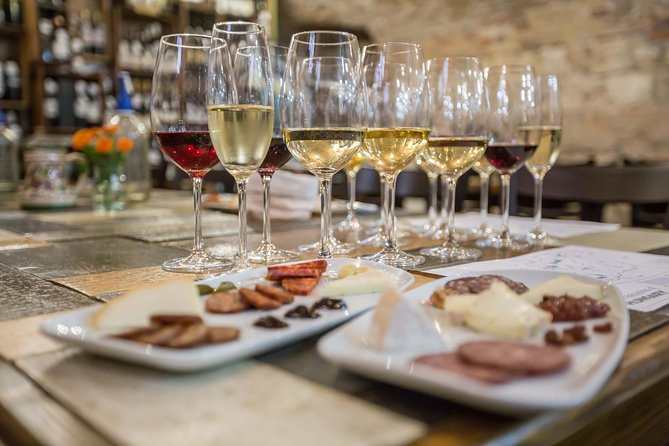
Hungary’s wine story is easy to miss in Budapest, which is exactly why this tasting is such a useful evening. In a cozy cellar, a sommelier guides you through eight Hungarian wines, linking each glass to the country’s regions, grape varieties, and winemaking traditions. The finale is a sweet Tokaj, one of Hungary’s most celebrated styles.
I especially like the direct-from-producer selection and the relaxed teaching style. The wines are chosen to tell a story rather than simply fill glasses, and the local cheeses and cured meats give you something practical to compare with each pour. The cellar setting also makes it easy to talk with people around your table, even if you arrive alone.
The one thing to keep in mind is that this is a tasting, not a full dinner. The food is generous enough to accompany the wine, but you may want another meal afterward. The $65 price is fair for eight wines and two hours of instruction, though it makes most sense for you if you have at least a passing interest in wine.
Key points before you book
- Eight wines in two hours: Expect a broad introduction, usually moving from sparkling wine through whites, reds, and sweet Tokaj.
- A lesson without wine snobbery: Sommelier-led explanations focus on regions, grapes, aromas, styles, and history in plain English.
- Local food pairings: Cheese and charcuterie accompany the wines, with different combinations helping you notice how food changes a wine.
- A small, social setting: The maximum group size is 24, and the shared tables suit solo visitors as well as couples.
- A useful first-night activity: Take this early in your Budapest stay, then use what you learn when choosing Hungarian wine elsewhere.
- A firm cancellation rule: The booking is non-refundable and cannot be changed, except when the operator cancels for lack of a minimum number.
Why Hungarian wine makes this tasting worthwhile
Hungary is not the first country most people name when asked about European wine. That is part of the fun. You can arrive knowing little beyond Tokaj and leave with a working map of the country’s wine regions and styles.
The tasting is built as a crash course rather than a formal certification class. You will hear about Hungarian winemaking, important grapes, regional differences, and newer directions in the industry. That broad view matters because Hungarian wine is not one single style. The country produces sparkling wine, crisp whites, fuller whites, reds, and intensely sweet wines.
I like this format for a first encounter because eight samples let you compare rather than judge one bottle in isolation. A white wine can make more sense after you have heard where it was made. A red becomes easier to place once you understand the grapes and conditions behind it. The sweet Tokaj at the end gives the evening a clear finish and shows a side of Hungary that dry-wine drinkers might otherwise miss.
The wines come directly from producers known to Taste Hungary. That does not mean every bottle will suit your taste, but it does mean the selection has a point behind it. You are not simply receiving eight random pours. Each wine is there to help explain an aspect of Hungarian wine.
More Cheese Tastings in Budapest:
- Hungarian Wine Tasting (with Cheese and Charcuterie) in Budapest
★ 5.0 · 531 reviews - Krakow–Zakopane: Cable Car, Chocholow Baths, Cheese & Vodka
★ 5.0 · 10,720 reviews - Krakow–Zakopane: Cable Car, Chocholow Baths, Cheese & Vodka
★ 4.8 · 8,989 reviews
Entering the Tasting Table Cellar on Bródy Sándor Street
The meeting point is Taste Hungary’s Tasting Table Cellar at Bródy Sándor u. 9, in Budapest’s 1088 district. The experience begins at 6 p.m. and returns to the same place, so you do not need to plan transport between several stops.
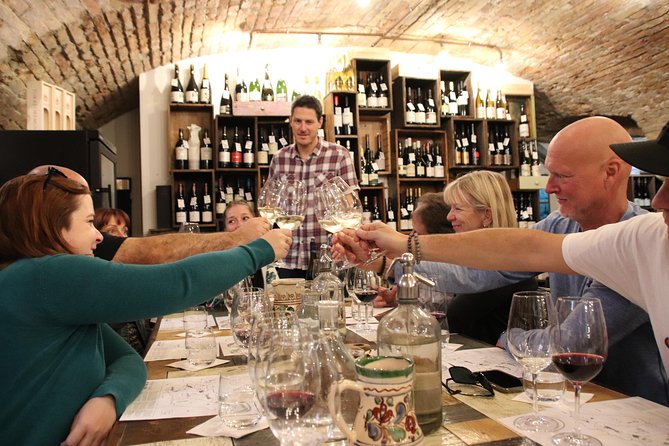
The basement setting is one of the evening’s strongest features. It feels suited to conversation and tasting, rather than like a large dining room where a guide must compete with background noise. The small-group format gives the sommelier room to speak with the table and gives you a chance to ask questions.
The maximum group size is 24, though some sessions are smaller. That limit matters. Wine instruction can become stiff in a large crowd, but a shared cellar table encourages conversation. Several people have found it particularly easy to meet others here, including solo visitors. You may end up discussing a favorite wine with people from several different countries before the second glass arrives.
The venue is near public transportation, but hotel pickup and drop-off are not included. Plan to make your own way to Bródy Sándor Street and allow enough time to find the cellar without rushing. A tasting works better when you arrive ready to pay attention, not when you are still trying to find the entrance.
A glass-by-glass tour of Hungary
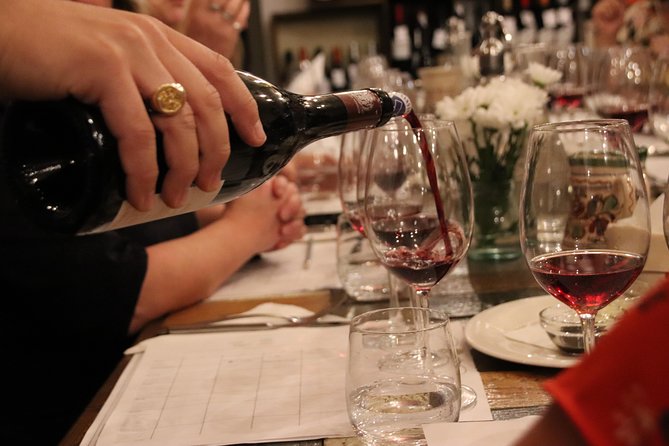
The exact wines can change, since the tasting depends on available bottles and producer selections. The usual structure gives you a welcome sparkling wine, three whites, three reds, and a final sweet wine from Tokaj. This is a sensible progression: light and fresh styles first, more structured wines later, and sweetness at the end.
The opening wine helps set the tone. Sparkling wine gives the group an easy starting point and lets the sommelier introduce tasting technique without making the first glass feel intimidating. You may be asked to notice aromas, texture, acidity, and finish, but the instruction is aimed at curious drinkers, not only at serious wine collectors.
The white-wine section is where regional differences begin to take shape. You will hear about the areas that produce white wine and the grapes associated with them. The key benefit is comparison. Instead of being told that Hungarian whites are varied, you get to taste that variety in sequence.
Food accompanies each part of the tasting. Local cheese and charcuterie are not just decoration on the table. Salt, fat, texture, and seasoning can change how you experience a wine. Comparing a pour with a piece of cheese or cured meat gives you a more useful lesson than tasting every wine alone.
The red wines follow, bringing more weight and contrast to the lineup. This part of the evening helps you think about body, tannin, acidity, and balance without requiring technical vocabulary. The sommelier explains what makes the wines different and helps you connect the glass to its region and grape.
The final Tokaj is the evening’s most distinctive moment. Tokaj is famous for sweet wine, and ending with it gives you a chance to see why this style has such an important place in Hungary’s wine identity. If you mainly drink dry wine, the last glass may be a surprise. The sweetness is not there simply as a dessert substitute. It shows a historic and highly recognizable Hungarian wine tradition.
Sommelier-led teaching, with room for questions
The quality of the evening depends partly on the person leading it. Several guides associated with these tastings have received strong praise, including Tomas, Bolasz, and John. Tomas is often singled out for combining clear explanations with stories about Hungarian grapes, regions, and culture. Bolasz is described as friendly and easy to follow, with a way of keeping the subject simple rather than burying you in technical terms.
That approach suits this activity. You do not need to know the difference between acidity and tannin before you arrive. You also do not need to perform expertise at the table. The best part of the format is that you can ask basic questions and still feel comfortable.
The guides explain aromas and flavors, but the strongest sessions appear to focus on facts and context instead of forcing elaborate tasting language. You will likely hear why a wine tastes the way it does, where it comes from, and what food works with it. That is more useful than being told to detect an obscure scent you cannot find.
There can be some variation from one session to another because different people may lead the tasting. Most of the experiences described are warm, entertaining, and informative, but one less-positive account noted a guide who seemed tired and less welcoming. That is worth acknowledging. The wines and food are important, but the guide shapes the atmosphere. The overall rating is 4.9 from 121 ratings, with 98 percent recommending the experience, so the pattern is strongly positive rather than perfect every night.
A few more tastings around Budapest worth a look
- Budapest: Sunset Cocktail Cruise
★ 4.5 · 1,023 reviews - Budapest: Sunset Cruise with 2 Cocktails
★ 4.4 · 379 reviews - Budapest Unlimited Prosecco and Wine Cruise Day or Sunset Option
★ 4.0 · 50 reviews - Amsterdam: Evening Cruise with Optional Wine and Snacks
★ 4.4 · 22,178 reviews
Cheese, charcuterie, and the limits of the meal
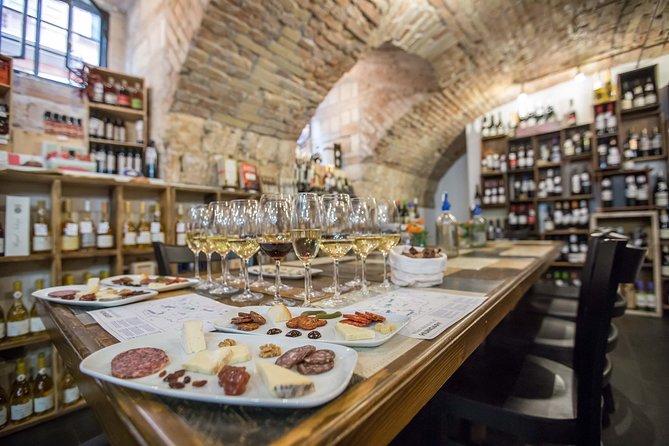
The food element is better than a token bowl of crackers. You receive local cheese and charcuterie, with pairings arranged to accompany the different wines. Some sessions include separate boards for white and red wines, which makes the progression easier to follow.
The food serves two purposes. First, it keeps the tasting from feeling like a series of empty-stomach pours. Second, it helps you understand the practical side of wine. You can notice how a salty cured meat changes a red wine or how cheese softens the sharpness of a white.
Still, call it a light meal, not dinner. The experience lasts about two hours and includes eight tastings, but additional food and drinks cost extra. I would schedule dinner before or after according to your appetite. If you want a substantial meal built around wine, Taste Hungary also offers other food-focused experiences, but this particular evening is designed as an introduction to Hungarian wine.
Dietary needs should be given when booking. The supplied information does not promise a specific alternative menu, so you should not assume every pairing can be changed on the spot.
Is $65 a good value?
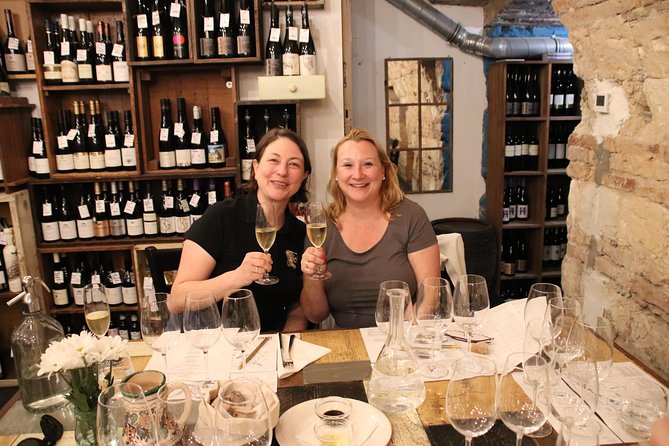
At $65 per person, this is not the cheapest way to drink wine in Budapest. You can buy a bottle for less, and a casual wine bar may let you sample individual glasses without paying for a lesson.
The value comes from the combination. Your price includes a professional sommelier-guide, eight wine tastings, a light food pairing with each wine, and mineral water. You also receive two hours of context that can help you make better choices for the rest of your stay.
I think the price works best for three types of people. First, it suits you if Hungarian wine is new to you and you want a structured introduction. Second, it is useful if you enjoy wine but do not want a stiff or overly technical class. Third, it makes a good social evening for a solo visitor who would like a natural way to meet people.
The value is weaker if you already know Hungarian wine well or mainly want a full dinner. In that case, you may prefer to spend the money on a bottle or a longer meal. For most curious visitors, though, eight samples plus food and instruction is a reasonable package, especially in a city where you might not otherwise know what to order.
Who will enjoy this evening most?
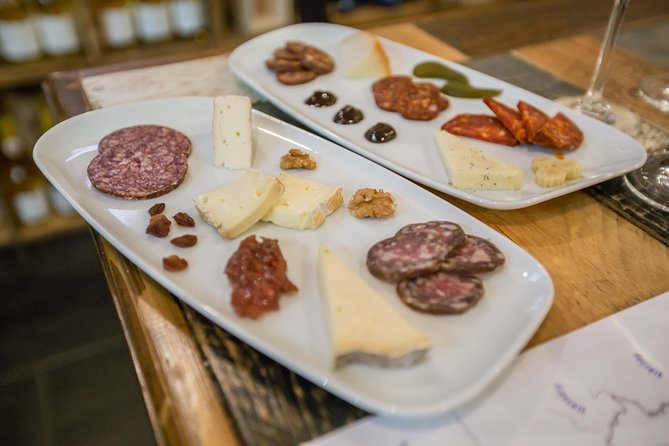
You do not need to be a wine expert. The activity is designed for anyone interested in learning about Hungarian wine, and the plain-English explanations make it approachable for beginners.
Couples often choose this as an evening outing, but you do not need a partner. The shared table gives solo visitors an easy opening for conversation. It is also a good option for friends with different levels of wine experience because the focus is educational without being overly formal.
I would book it if you want to understand more than the label on a bottle. By the end, you should have a clearer sense of Hungarian wine regions, grape varieties, styles, and current producer trends. You may also have a short list of wines to seek out later.
I would skip it if you dislike group activities, prefer a quiet private dinner, or want a large meal. The cellar is social, the group can include people from several countries, and the food is meant to support the tasting rather than replace dinner.
Practical details that matter
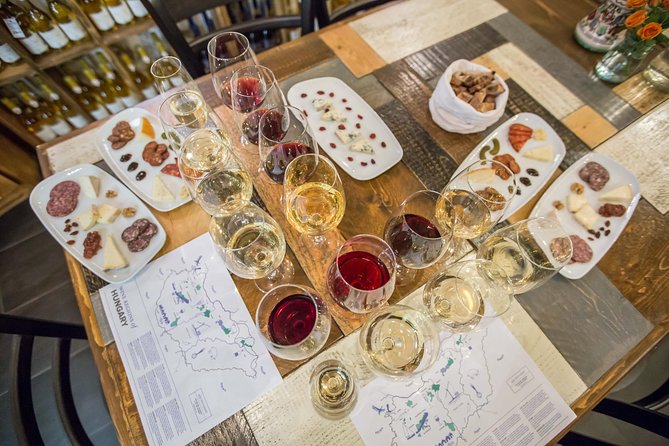
The activity is offered in English and begins at 6 p.m. Confirmation arrives when you book, and the experience is limited to people aged 18 and older.
Bring a mobile ticket, and make your own plans for getting to and from the cellar. The experience ends at the meeting point, with no hotel transportation included.
The booking is non-refundable and cannot be changed for any reason. Read that rule carefully before paying. If Taste Hungary cancels because the minimum number of participants is not reached, you will be offered another date or experience, or a full refund.
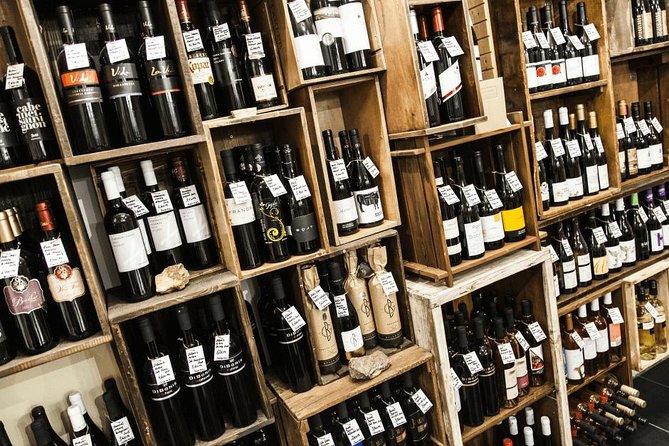
If you enjoy a particular bottle, ask where you can find it later. Taste Hungary also has a shop with Hungarian wines, so you may want room in your luggage for a bottle or two.
Should you book the Budapest wine tasting?
I would book this experience early in your Budapest visit. It gives you a useful introduction to Hungarian wine before you start ordering bottles at restaurants or browsing wine shops. The cellar is comfortable, the food pairings are well chosen, and the format leaves room for conversation.
Book it especially if you like local food, regional wine, and informal group activities. Tomas and the other sommelier-guides bring enough expertise to make the evening worthwhile, while the relaxed tone keeps it friendly for beginners.
Skip it if your priority is a full dinner or a private tasting. For everyone else, $65 buys more than eight drinks. It buys a practical way to understand one of Hungary’s most rewarding and least familiar food traditions.
FAQ
Where does the wine tasting take place?
It takes place at Taste Hungary’s Tasting Table Cellar, located at Bródy Sándor u. 9, 1088 Budapest, Hungary.
What time does the experience begin?
The tasting starts at 6 p.m. and lasts approximately two hours.
How many wines will I taste?
You will taste eight Hungarian wines. The lineup generally includes sparkling wine, three whites, three reds, and a sweet Tokaj wine to finish.
Is food included?
Yes. The tasting includes light food pairings with the wines, including local cheese and charcuterie. Additional food and drinks are not included.
Is the tasting suitable for someone who is new to wine?
Yes. The experience is designed for anyone interested in Hungarian wine, and the sommelier explains regions, grapes, aromas, styles, and winemaking in English.
Can I cancel or change my booking?
No. The experience is non-refundable and cannot be changed for any reason. If the operator cancels because the minimum number is not met, you will be offered another date or experience, or a full refund.
Just added around Budapest
- Private Wine Tasting in Budapest★ 5.0 · 107 reviews
- Budapest: Bar Crawl Tour with Drinks and Shots Included★ 5.0 · 194 reviews
- Budapest Party District Bar-Hop with 2hrs Unlimited Drinks★ 4.5 · 90 reviews
- All You Can Drink Pub Crawl Through The Ruin Bars in Budapest★ 5.0 · 68 reviews
- Food and Wine Tasting in Budapest City Center with Sommelier★ 5.0 · 57 reviews
- Budapest Food Tasting Tour with Nelli & her local guides★ 5.0 · 190 reviews
- Szentendre and Visegrad Private Danube bend Tour With Wine Tasting and Lunch★ 4.5 · 52 reviews
- Cocktail Cruise and City Views on the Danube in Budapest★ 4.0 · 236 reviews
Drinks Tours, compared.
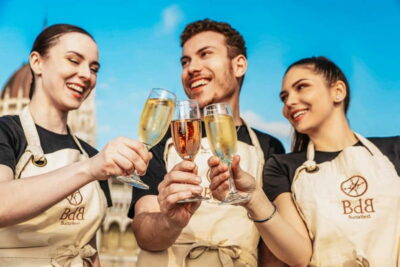
Unlimited Prosecco, Beer and Aperol Spritz Cruise
Read our review →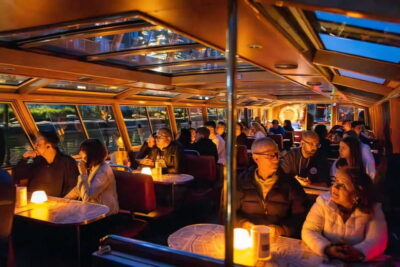
Evening Cruise with Optional Wine and Snacks
Read our review →
Douro Valley w/ Boat Tour, Wine Tasting & Lunch
Read our review →
Chichen Itza, Cenote & Valladolid Tour with Tequila and Lunch
Read our review →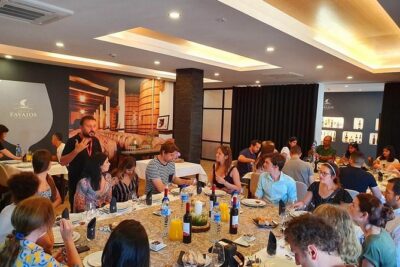
Complete Douro Valley Wine Tour with Lunch, Wine Tastings and River Cruise
Read our review →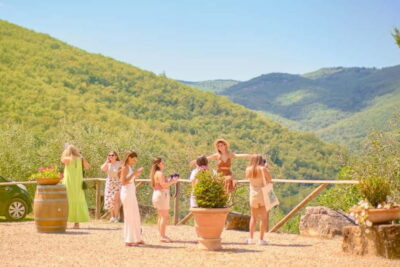
Small-Group Wine Tasting Experience in the Tuscan Countryside
Read our review →
Douro Valley with Winery Lunch, Tastings & Cruise
Read our review →Browse the lists this tour appears in