
Review · SPAIN
Visit and wine tasting with sausage and BODEGA PIRINEOS cheese
The best part of this Bodega Pirineos visit is that it takes you behind the bottle. You move from the grape intake area through the working winery, old cellar, barrel room, underground bottle rack, and bottling machine before sitting down to taste four wines with Aragón cheese and sausage. It is a compact look at how local wine is made, not just a tasting at a counter.
I like the clear winemaking route and the generous tasting lineup: one rosé, one white, and two reds. I also like the friendly, personal service associated with guides such as Jorge and Álvaro. The main consideration is time. At about 90 minutes, this is a focused introduction rather than a long winery day, and you will need to reach the Bodega Pirineos meeting point outside Barbastro yourself.
Key points to know before you book
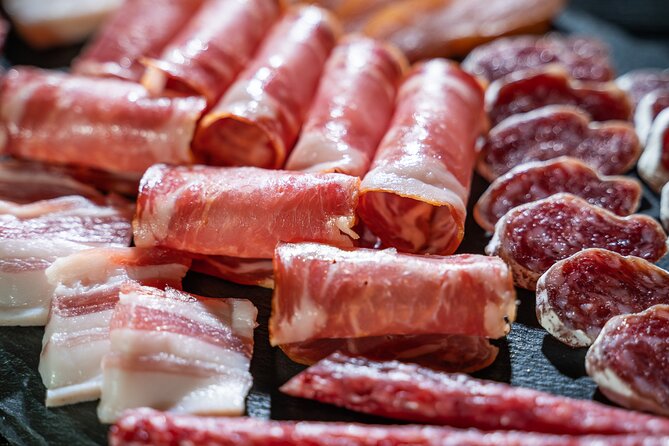
- Four wines in one sitting: Taste a rosé, white, and two red wines, with local cheeses and sausages.
- A real look at production: The visit includes grape reception, processing, the old cellar, barrel room, underground bottle storage, and bottling equipment.
- English is offered: You can book the experience in English, an important detail for international visitors.
- Small group size: The maximum is 20 people, enough to keep the explanation manageable without making it a private tour.
- Friendly named staff: Jorge and Álvaro are specifically praised for warm, attentive service.
- Good short-stop value: At $24.14 per person, the price covers the guided visit and tasting, making it easy to fit into a Barbastro or Somontano day.
Why this short winery visit works
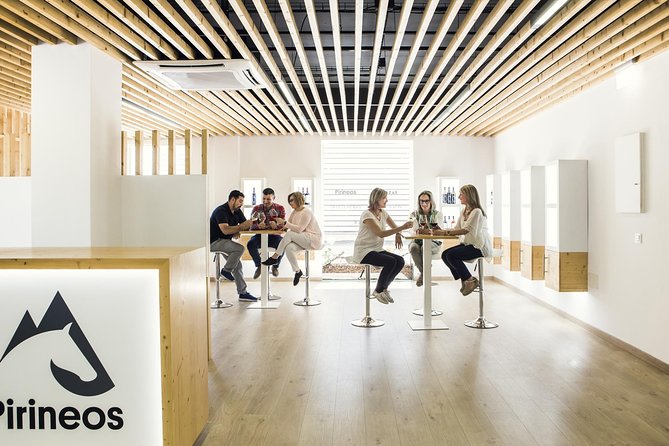
Bodega Pirineos gives you the sort of visit I find most useful at a working winery: it connects the finished wine to the steps that came before it. You are not asked to taste four glasses with no context. The guide explains the process while leading you through the facilities, so each room has a job in the story.
That matters because wine tasting can feel vague if you only hear grape names and tasting notes. Here, you see where grapes arrive, where they are processed, how wine is stored, and how bottles are prepared for sale. Even if you know little about wine, the sequence gives you a simple framework to follow.
The visit also keeps its promises modestly. It lasts around an hour and a half, so you should not expect a full-day estate visit, a long meal, or a broad tour of the entire Aragón wine scene. What you get is a concentrated introduction with food and four pours at the end.
For $24.14, I consider that a fair package. The price is not only for the wine in your glass. It includes access to the production areas, an explanation of the work behind the wine, and a regional snack pairing. If you are already near Barbastro, it offers a pleasant and affordable way to add local food and wine to your plans.
More Wine Tasting Tours in Spain
- Montserrat & Cogwheel Train, Gourmet Wine Tasting & Tapas/Lunch
★ 5.0 · 6,290 reviews - Madrid Tapas & Wine Tasting Walking Tour – Small Group Local Bars
★ 5.0 · 3,644 reviews - Toledo Tour & Vineyard Walk with Wine Tasting from Madrid
★ 5.0 · 2,546 reviews
Starting at Bodega Pirineos near Barbastro
The meeting point is Bodega Pyrenees, S.A., at A1232 Naval, kilometer 3.5, on the Barbastro to Naval road, in the province of Huesca. The experience begins and ends at the winery, so this is a destination visit rather than a town walking tour.
That location makes planning important. The supplied information does not include transport from Barbastro or another pickup point, so you should arrange your own way to the winery. Allow enough time to find the address and arrive before the scheduled start. The experience is short, and a late arrival could cut into the explanation and tasting.
The winery setting is useful for another reason: you begin with the production site itself. You do not need to imagine the route from vineyard to bottle. The guide can point out the areas where the process happens, giving the visit a practical feel from the first minutes.
The maximum group size is 20 people. That is not a private tour, but it is still a controlled number for a 90-minute explanation. You should have a better chance of hearing the guide and following the route than you would in a very large group.
From grape intake to the processing area
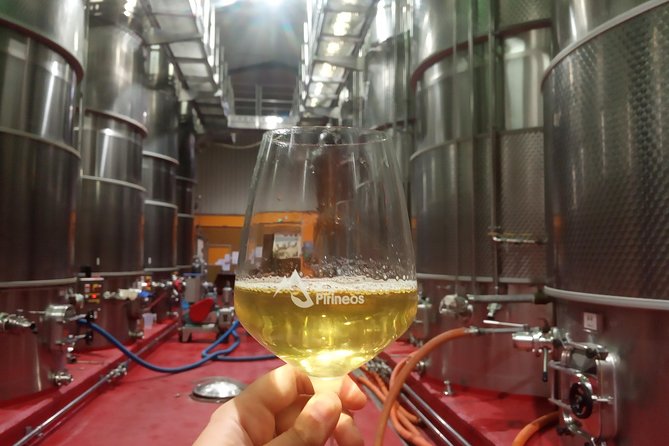
The first production stages covered are the grape entrance area and the processing area. This is where the tour shifts from wine as a finished drink to wine as an agricultural product that must be handled carefully and efficiently.
You will hear the guide explain how the process moves through the winery. The value here is not in seeing a decorative display. It is in understanding the order of operations and how the winery turns harvested grapes into something ready for storage, aging, and bottling.
The exact level of technical detail can depend on the guide and the questions asked by the group. Still, the route gives you the right foundation for the tasting later. When you try the white, rosé, and reds, you have already seen the spaces where the wine begins its life.
I would pay attention here even if your main interest is simply drinking the wine. These opening rooms help explain why wines from the same broad area can have different styles. They also make the later visit to the cellars feel connected rather than like a series of unrelated stops.
The old cellar and barrel room
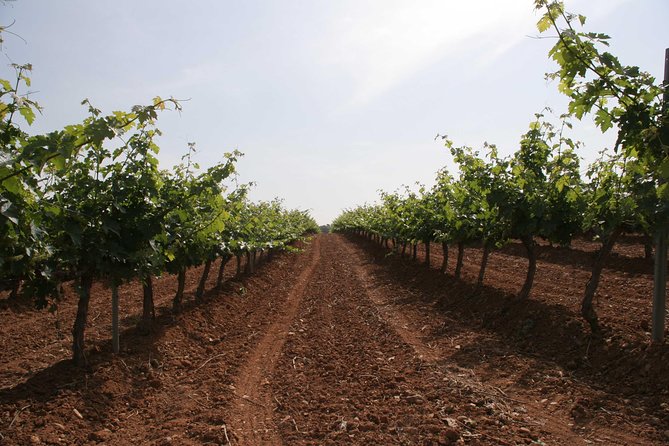
The old cellar adds a sense of place to the tour. The supplied details do not promise a long historical lecture, so I would treat this part as a visual and atmospheric stop rather than expect a detailed account of every past vintage.
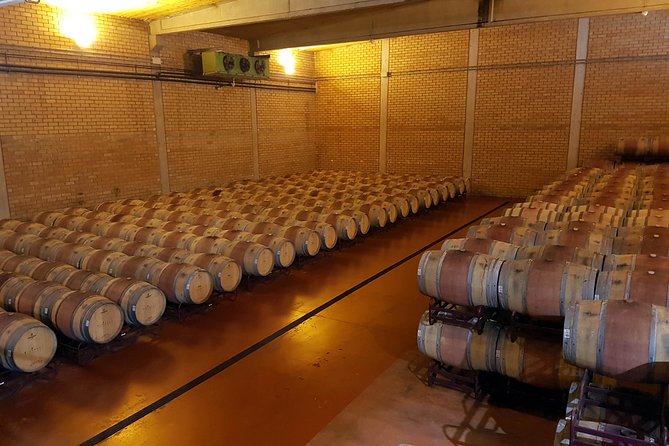
The barrel room is likely to be one of the more interesting areas for anyone curious about red wine. You can see where barrel storage fits into the production chain, then taste two reds later in the visit. That pairing of sight and taste is one of the experience’s strongest features.
You should also keep expectations grounded. The tour does not state that you will taste wine directly from a barrel, inspect a particular vintage, or receive a technical lesson in wood aging. What it does offer is a guided look at the room and an explanation of the winery’s facilities.
The old cellar and barrel room also break up the more industrial parts of the route. After grape reception and processing, these spaces show the quieter side of wine production. They give the visit a change of pace before the group reaches the underground bottle rack and bottling equipment.
More Wine Tastings in Spain:
- Madrid: Tapas & Wine Tasting Tour with Local Guide
★ 4.8 · 2,171 reviews - Paella Cooking Class, Wine Tasting & Central Market in Valencia
★ 5.0 · 1,150 reviews - Bilbao: Basque Food Tour and Wine Tasting with Guide
★ 4.9 · 772 reviews - Madrid Countryside Wineries Guided Tour with Wine Tasting
★ 5.0 · 740 reviews
The underground bottle rack and bottling machine
The underground bottle rack is a particularly useful stop because it shows that wine production does not end once the liquid leaves the barrel or tank. Bottles need a place to sit, and the storage conditions form part of the final stage before sale.
The bottling machine then brings you back to the practical side of the business. A winery must not only make wine but also fill, seal, label, and prepare bottles. Seeing the equipment helps you understand the scale of the operation and the work needed to get a finished bottle into a shop or restaurant.
These details may sound small, but they are exactly what makes a winery tour more satisfying than a tasting alone. You get a look at the less glamorous parts of the process, including the machinery and storage areas that most people never see.
The route is also a good fit for anyone who likes how things are made. You are not limited to talk about vineyards and flavor. You see a chain of spaces with different purposes, from arrival and processing to storage and packaging.
Four wines with Aragón cheese and sausage
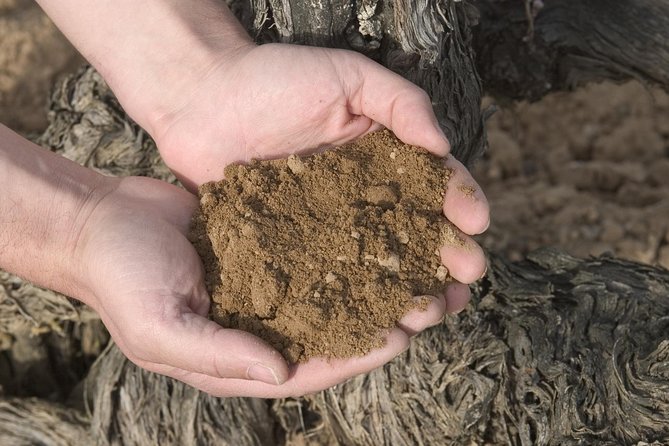
The activity ends with a commented tasting of four wines: a rosé, a white, and two reds. That mix gives you a useful range without turning the tasting into an exhausting flight of similar bottles.
A commented tasting means the guide explains the wines as you try them. You can compare the lighter styles with the reds and notice how the food changes the experience. The cheese and sausage are from the area, so the tasting also works as a small introduction to local eating habits.
I like this format because it gives the visit a proper finish. The production tour answers how the wine is made. The tasting answers what the finished product is like in the glass. The regional food adds something salty and substantial, rather than leaving you with four small pours and no bite to eat.
The tasting is also where you should ask questions. If you prefer the white or one of the reds, ask about it while the bottle is open. One useful detail from the experience is that, at the end, you may be able to request another wine you would like to try. This appears to depend on what is available, so treat it as a pleasant possibility, not a guaranteed extra flight.
Do not assume the tasting replaces lunch. The description specifies cheese and sausage, not a full meal. If you are planning a long afternoon, eat beforehand or arrange another meal in Barbastro.
The human side of the visit
The service is one of the clearest strengths. Jorge and Álvaro are named among the staff praised for excellent attention and friendly treatment. That matters at a winery because the guide controls the pace, explains unfamiliar terms, and sets the tone for the tasting.
You may not have either person on your particular date, but the specific praise gives you a useful sense of the service style to expect. The best version of this visit is conversational rather than stiff. You can ask about the wines, the rooms, and the food without needing specialist knowledge.
The available language is English, which makes the activity practical for international visitors. Some public comments about the experience are in Spanish, but the booking information confirms an English option. If language is important to you, choose the English offering when reserving.
The group limit of 20 supports that personal feel, though it does not promise one-on-one attention. Larger groups can also affect how long you wait between rooms and how easily you can ask questions. Still, the cap is reasonable for the length and price.
Who will get the most from this experience
I would recommend this visit to you if you want a simple, well-priced wine activity near Barbastro. It suits couples, friends, and small family groups who like food and drink but do not want to spend half a day at a winery.
It also works well for people who are new to wine. The route gives you a basic production lesson, and the four-wine tasting lets you compare styles without requiring advanced knowledge. You can enjoy the tasting on flavor alone, while the guide provides enough context to make the differences easier to understand.
This is a good match for anyone interested in local products. The cheese and sausage are from the area, and the setting connects the tasting to Aragón rather than presenting a generic wine bar experience.
I would be more cautious if you want a large meal, a long vineyard walk, or a private tasting. None of those features is included in the supplied details. You should also think twice if reaching the winery is difficult for your schedule, since the activity begins and ends at the Bodega Pirineos address.
The experience is accessible to most people, and service animals are allowed. The information does not give a detailed accessibility plan for every room, so you should contact the provider if you need specific assistance beyond that.
Timing, booking, and cancellation
The visit lasts approximately 1 hour and 30 minutes. That makes it easy to place between other plans, but you should not count on it expanding into a longer afternoon. The official confirmation arrives within 48 hours of booking, subject to availability.
It is commonly reserved about 12 days ahead, so I would avoid leaving it until the last minute if your schedule in Aragón is fixed. The group size is limited to 20, and available times may not line up with your day.
You can cancel for a full refund if you do so at least 24 hours before the start time. Cancellations or changes made less than 24 hours before the activity are not accepted for a refund, and the cutoff uses local time. That is a useful safety net, but it is not a reason to book a time you cannot reasonably reach.
The mobile ticket is convenient. Keep it available on your phone, and make sure you have the exact winery address before setting out from Barbastro.
Is Bodega Pirineos worth booking?
Yes, I would book this experience if you are near Barbastro and want a short, friendly introduction to Aragón wine. The price is sensible for a guided production visit, four wines, and local cheese and sausage, while the route gives you more substance than a tasting-room stop alone.
Book it for the working-winery access, the useful range of wines, and the warm service associated with Jorge and Álvaro. Skip it only if you want a full meal, a private appointment, or a much longer estate visit. For most people with 90 minutes to spare, Bodega Pirineos offers an easy and worthwhile taste of the area.
FAQ
Where does the Bodega Pirineos wine visit begin?
It begins at Bodega Pyrenees, S.A., at A1232 Naval, kilometer 3.5, on the Carretera Barbastro-Naval, 22300 Barbastro, Huesca, Spain.
Where does the activity end?
The activity ends back at the Bodega Pirineos meeting point.
How long does the experience last?
The visit and tasting last approximately 1 hour and 30 minutes.
How many wines are included?
The tasting includes four wines: one rosé, one white, and two reds.
Is food included with the wine tasting?
Yes. The tasting includes cheeses and sausages from the area.
Is the experience offered in English?
Yes. The activity is offered in English.
How large can the group be?
The maximum group size is 20 people.
Are service animals allowed?
Yes. Service animals are allowed.
Can most people participate?
Yes. The activity information states that most people can participate.
Can I cancel for a full refund?
Yes. You can cancel at least 24 hours before the start time for a full refund. Cancellations or changes made less than 24 hours before the start time are not accepted for a refund.
More Cheese Tastings in Spain
- Tacoronte: Guided Winery Tour with Wine and Cheese Tastings
★ 4.6 · 481 reviews - Santiago de Compostela: Cheese and Wine Tasting Experience
★ 4.8 · 43 reviews - Krakow–Zakopane: Cable Car, Chocholow Baths, Cheese & Vodka
★ 5.0 · 10,720 reviews - Krakow–Zakopane: Cable Car, Chocholow Baths, Cheese & Vodka
★ 4.8 · 8,989 reviews
Just added around Spain
- Visit a winery of the 19th century and its draft★ 5.0 · 62 reviews
- Ribera del Duero Underground Cellar & Wine Tasting Experience★ 4.5 · 49 reviews
- Visit and Wine Tasting at the Territorio Luthier Winery★ 5.0 · 89 reviews
- Semi-Private Rioja Tour of 3 Premium Wineries from Bilbao★ 5.0 · 128 reviews
- Paella and Burnt Basque Cheesecake Cooking Class (in Bilbao)★ 5.0 · 46 reviews
- La Rioja Boutique Wine Tour & Charming Lunch (From Bilbao)★ 5.0 · 62 reviews
- Basque Best Bites – #1 Food & Wine tour of Bilbao★ 5.0 · 268 reviews
- Rioja Wine Tour: 2 Wineries From Bilbao★ 5.0 · 111 reviews
Wine Tasting Tours, compared.
Douro Valley w/ Boat Tour, Wine Tasting & Lunch
Read our review →
Complete Douro Valley Wine Tour with Lunch, Wine Tastings and River Cruise
Read our review →
Small-Group Wine Tasting Experience in the Tuscan Countryside
Read our review →
SMALL-GROUP Wine Safaris: Tuscan Wine Tasting Tours from Florence
Read our review →
San Gimignano, Siena, Monteriggioni, Chianti Day Trip with Lunch & Wine Tasting
Read our review →
Cálem Cellar Tour, Interactive Museum & Wine Tasting
Read our review →
Browse the lists this tour appears in