
Review · TOKYO
Tokyo: Ramen Tasting Tour with 6 Mini Bowls of Ramen
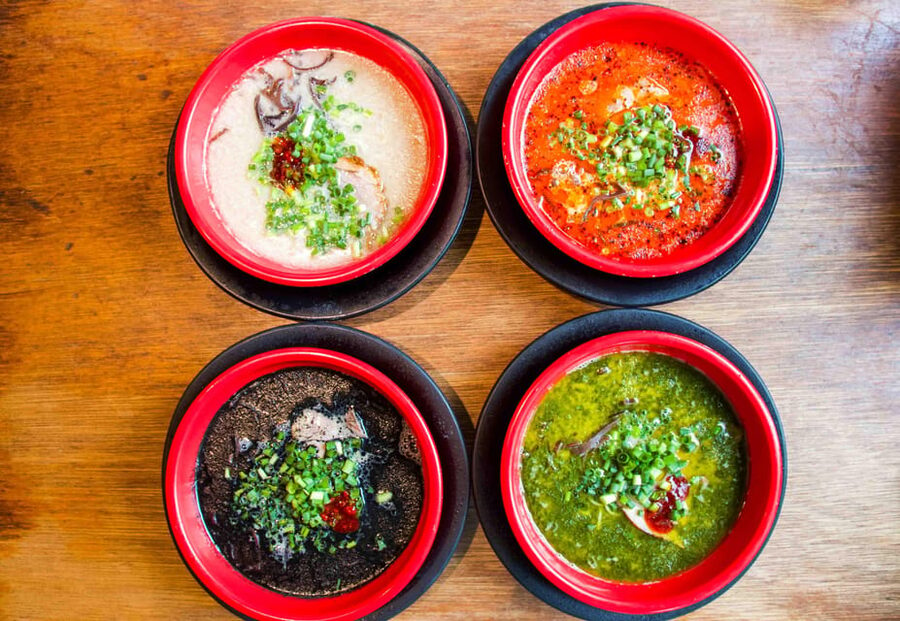
Tokyo’s ramen scene is much bigger than tonkotsu and miso. This three-hour tasting lets you try six quarter-size bowls at three different shops, choosing from about 11 or 12 options. You get a quick education in broth, noodles, toppings, and regional styles while walking through some of the city’s most famous neighborhoods.
I like the smart portion sizes and the way each stop serves a different style. I also like the small-group format, capped at eight people, and the guides who make the lesson lively. Sahori, Bunga, Makayla, Daisy, and others are repeatedly praised for clear explanations and warm company.
The catch is simple: $122 is a serious price for ramen, and six bowls still add up to a very filling meal. You will also walk about 3 kilometers, with possible train travel between stops, so this works best if you arrive hungry and ready to move.
Key points at a glance
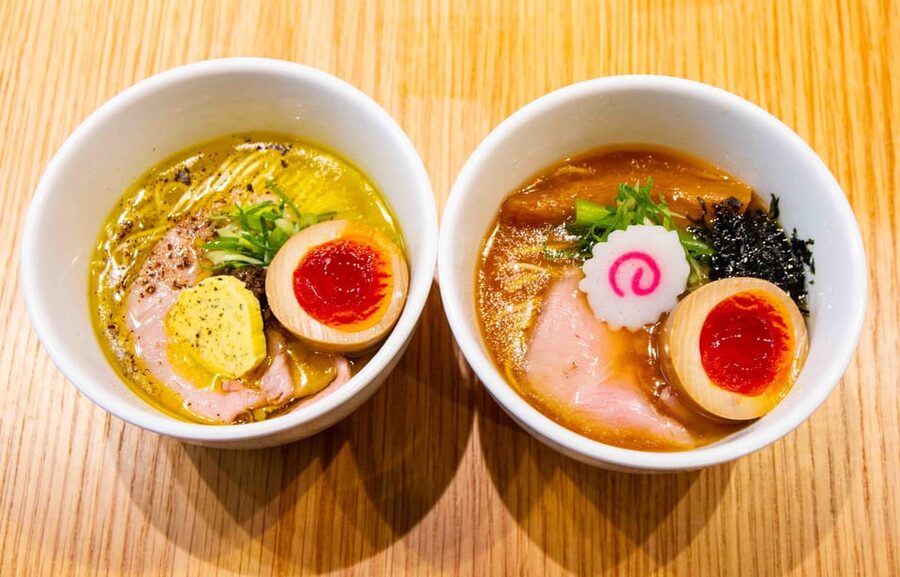
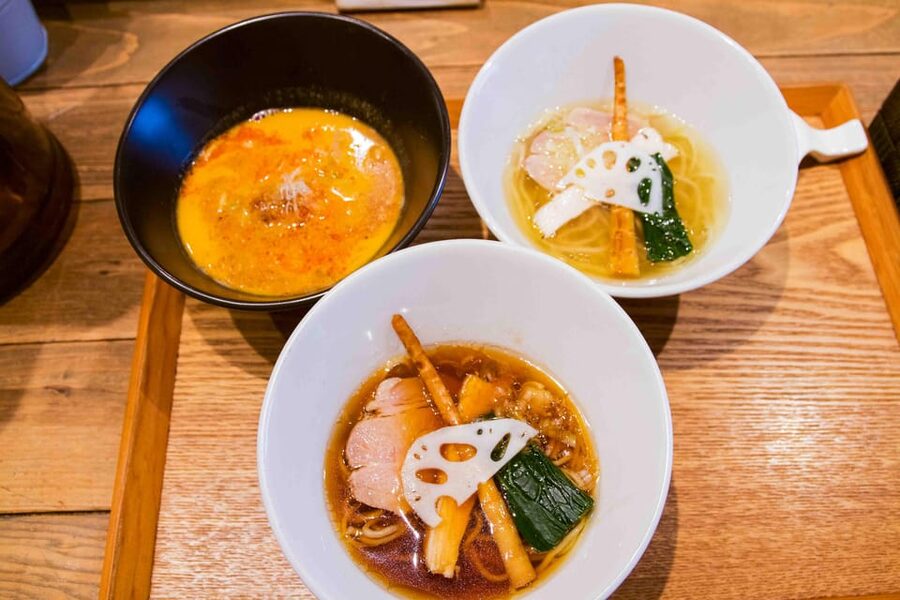
- Six rare tasting portions: The mini bowls are about one-quarter the size of a normal bowl and are made specially for this tour.
- Three shops, three neighborhood stops: Routes use Shibuya, Shinjuku, or Ueno, with the Shibuya option ending in Ebisu.
- A wide choice of styles: Depending on the route, you may taste Hokkaido, Kyushu, classic Tokyo, curry, tonkotsu, tori paitan, tsukemen, chicken, or fish ramen.
- Useful food education: Slides and handouts explain ramen’s origins, regional types, noodles, broth, and preparation.
- A small English-speaking group: The limit is eight people, giving you a better chance to ask questions than on a large food walk.
- Important dietary warning: Every ramen broth on this tour contains chicken, pork, and fish. Vegans and vegetarians should book the separate vegan and vegetarian tour.
Why six small bowls work better than one big bowl
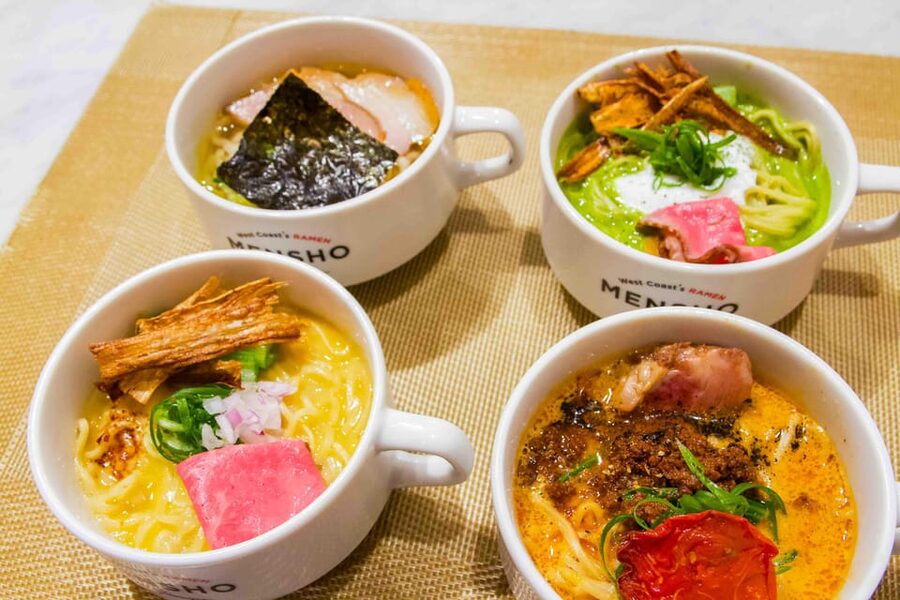
A standard ramen bowl is a commitment. It is hot, filling, and often rich enough to end your tasting before you have learned much about the next style. The quarter-size bowls solve that problem neatly.
You can compare six broths in one sitting without ordering six full meals. The portions are small, but not symbolic. You will taste the broth, noodles, and toppings well enough to notice how one bowl differs from the next.
The tour generally gives you a choice of six from 11 or 12 possibilities. At each shop, you can usually select two styles, which makes the experience feel more like a guided tasting than a fixed meal. If the group is small, your guide may be able to explain more choices or help you compare what others order, but the standard promise is six bowls per person.
You should still treat this as a substantial lunch or dinner. One visitor who tried to finish every last bowl found the final portion difficult, while another advised skipping lunch. The walking between shops helps, but it does not turn six servings of ramen into a light snack.
A few more tastings around Japan worth a look
- Tokyo Bar Hopping Tour in Shinjuku (All-You-Can-Drink + Dinner)
★ 5.0 · 3,587 reviews - Shibuya Meltdown Nightlife Tour: All-You-Can-Drink Bar Hopping
★ 5.0 · 1,058 reviews - 1-Day Snow Monkeys, Zenko-ji Temple & Sake in Nagano
★ 5.0 · 1,020 reviews
The three routes and what each one offers
The exact route depends on the option booked and the day. The three versions have a useful common idea: three different neighborhoods, three shops, and a steady change in ramen style.
Shibuya route: Hokkaido, tonkotsu, and curry
The Shibuya route begins with classic Hokkaido ramen. This style often gives you a taste of northern Japan through its substantial noodles and miso-led character, although the precise bowl depends on the shop and current selection.
The second stop brings fusion tonkotsu, based on pork-bone broth but presented in a more modern way. This is a good point of comparison because it shows how ramen shops can start with a familiar base and push it in a new direction.
The final Shibuya stop focuses on savory curry ramen. It is a useful reminder that ramen is not one fixed dish. Curry changes the aroma and weight of the broth, giving you a clear contrast after the first two bowls.
The route starts in Shibuya and ends in Ebisu. That makes it practical if you are already exploring Shibuya, though you should not assume the meeting point is identical for every booking. Check the confirmed details before setting out.
Shinjuku route: Tokyo tradition and modern chicken broth
The Shinjuku route opens with classic Tokyo ramen. This gives you a traditional reference point before the more modern bowls arrive.
Next comes tori paitan, a creamy chicken ramen with a full texture. It can feel as rich as a pork broth, but the flavor profile is different, and the contrast is one of the more useful lessons on the tour.
The final stop offers luxurious chicken or fish ramen. This route is a good fit if you want to see how far a ramen shop can move from the basic noodle-and-broth formula while still remaining recognizably ramen.
The tour information notes that the Shinjuku option may have a different finishing point from the Shibuya route. The meeting point can also vary, so use the details attached to your selected departure rather than relying on a general map pin.
Same town, a different glass:
- Osaka Bar Hopping Night Walking Tour in Namba (3 bars, 6 tastes)
★ 5.0 · 958 reviews - Tokyo: Pub Crawl and Bar Tour
★ 4.5 · 951 reviews - 3-Hour Kyoto Insider Sake Brewery Tour with Tastings & Pairings
★ 5.0 · 917 reviews - Nagano: Snow Monkeys, Zenkoji Temple & Sake Day Trip
★ 4.9 · 833 reviews
Ueno route: Kyushu, tsukemen, and modern Tokyo
The Ueno route starts with classic Kyushu ramen, a style often associated with thin noodles and pork-bone broth. It gives you another regional benchmark, especially when compared with Hokkaido ramen on the Shibuya route.
The second shop serves contemporary tsukemen, or dipping ramen. Here, the noodles and dipping broth are served separately. You control each bite, and the texture can feel quite different from noodles sitting in hot soup.
The last stop is modern Tokyo ramen. It brings the tasting back to the capital and shows how local shops continue to change familiar forms.
The Ueno option may suit you if you want a route that includes a preparation method rather than only different broths. Tsukemen is one of the clearest examples of how a small change in serving style can alter the whole meal.
The shops are part of the lesson
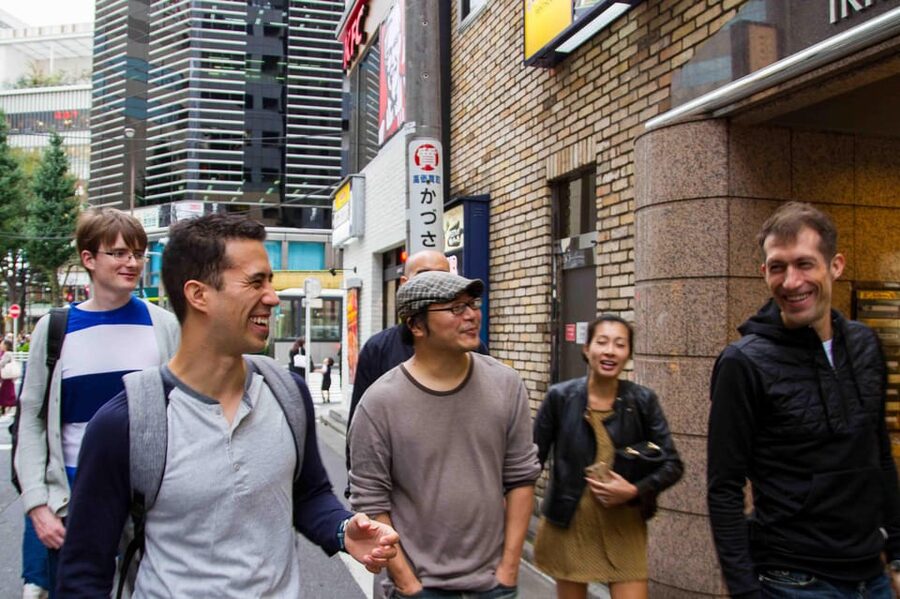
This is not a food presentation in a hotel room. You move between three award-winning ramen shops, taking in the sounds and pace of working Tokyo along the way. The shops themselves are part of the appeal.
The route may include small, casual places that you would not easily choose on your own. Several people found the second shop especially memorable, and one tasting included unusual bowls such as squid ink, curry, pesto, salty miso, and a less familiar noodle style connected with Hokkaido ramen.
That variety is the main reason to book a tour instead of simply eating ramen independently. If you already know how to order and have a shortlist of famous shops, you can certainly spend less by going alone. But a guide helps you choose styles rather than simply ordering the most familiar bowl each time.
There is also time between servings. The walking route is not just a way to get from one restaurant to another. It gives you a chance to digest, see parts of Shibuya, Shinjuku, or Ueno, and ask questions before the next bowl arrives.
What the guide adds
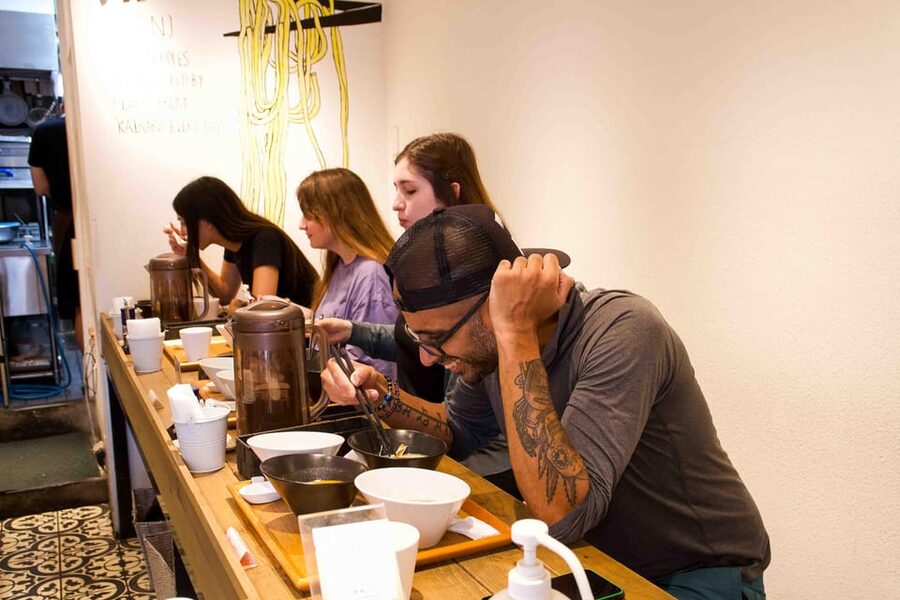
The guide is the difference between six small meals and a useful food experience. Expect an English-speaking guide with slides or handouts covering ramen’s origins, regional styles, broth, noodles, and preparation.
The teaching is visual rather than purely verbal. One guide used an iPad to show how ramen came to Japan and changed over roughly the last century. That approach helps because ramen terminology can blur together when you hear several new names in one evening.
Guides named Sahori, Bunga, Makayla, Daisy, Manny, Michaela, and Brian have all led this experience at different times. Their styles vary, but the strongest pattern is clear: the guides answer questions, explain what makes each bowl different, and offer advice about food and Tokyo beyond the ramen stops.
Bunga is especially associated with lively explanations of regional ramen and unusual varieties. Sahori is praised for a polished command of English and a friendly manner. Makayla is noted for explaining each broth carefully, while Daisy has helped families and offered broader Tokyo tips.
You should not book this expecting a formal culinary lecture. The tone is social and practical. You learn enough to understand your meal, then return to eating. That balance works well for most people.
Walking, trains, and the pace of the evening
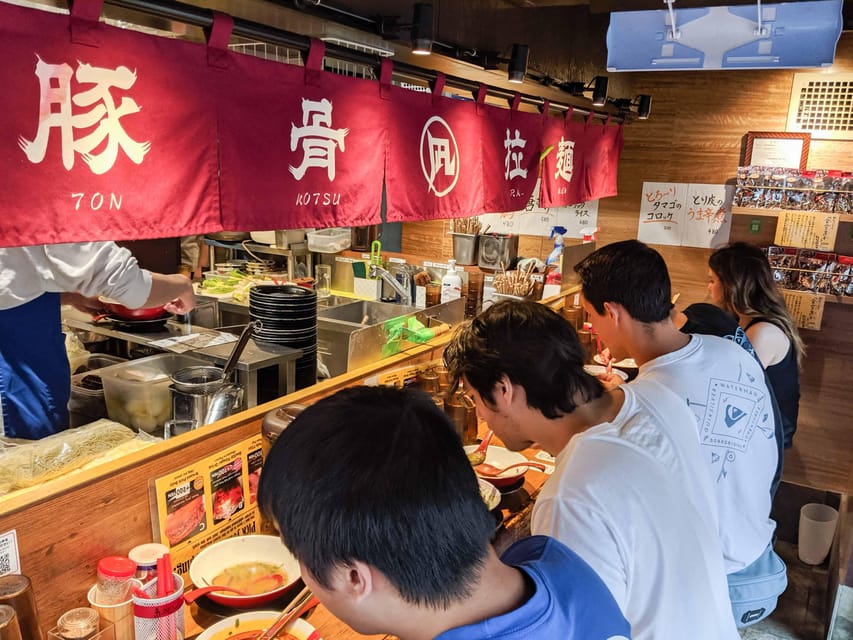
The tour covers about 3 kilometers on foot. You may also need a train between neighborhoods, and the train fare is not included.
The walking is useful, since six bowls can leave you very full. It also means you should wear comfortable shoes and allow room in your schedule for streets, station areas, and changes in pace. The experience is not recommended if you have a low level of fitness.
Weather matters too. One group dealt with heavy rain between stops and was helped into a taxi for the final restaurant. That shows the guide may try to manage difficult conditions, but you should still bring suitable rain gear and avoid planning a tight activity immediately afterward.
The tour lasts three hours, but it is not three hours of sitting. You will walk, listen, choose, eat, and move on. Families can enjoy it, and a nine-year-old handled the experience well with the right guide and group, but the amount of food and walking may be tiring for younger children.
What you should know about the broth
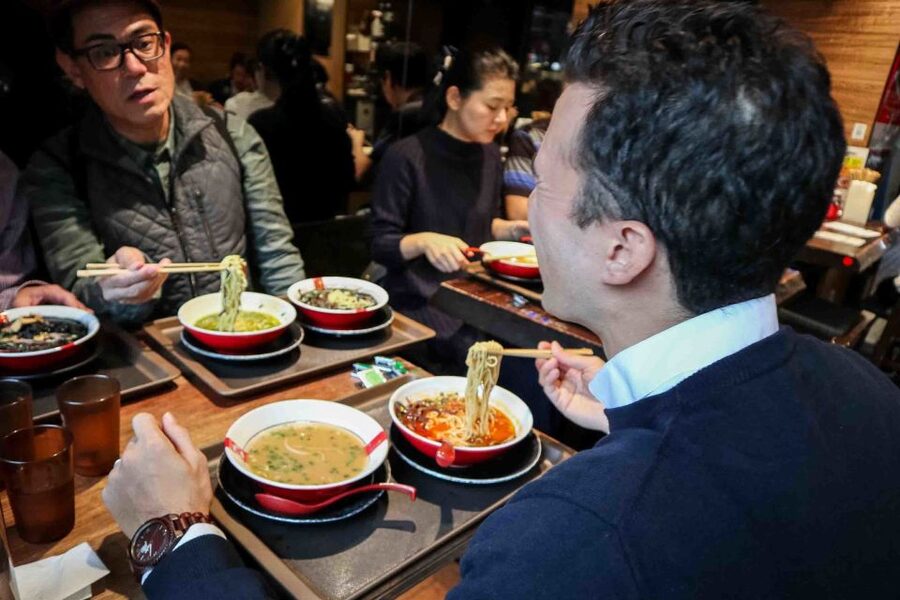
This point deserves special attention. All ramen broths on this tour contain chicken, pork, and fish.
That means the regular tour is not suitable for vegetarians, vegans, or anyone avoiding one of those ingredients. The separate vegan and vegetarian ramen tasting tour is the correct choice for those diets.
For everyone else, the mixed broths are part of the range you are tasting. Ramen shops often build flavor from several ingredients, and this tour lets you compare how those bases are used in different styles. If you have allergies or strict dietary limits beyond vegetarian or vegan eating, ask the provider before booking. The supplied details do not promise other substitutions.
Is $122 a fair price?
At first glance, $122 for ramen may feel steep. You could order a full bowl in Tokyo for much less, and six mini bowls contain less food than six standard meals.
The value comes from the structure. Your price covers six tasting portions, three shops, one beverage, an English-speaking guide, and the work of selecting a varied route. You are also paying to try styles you might otherwise miss, including tsukemen, curry ramen, tori paitan, or less familiar regional forms.
The small group matters here. With no more than eight participants, the guide can explain choices and respond to questions without turning every stop into a queue-management exercise. The format also removes some of the uncertainty of eating alone in a busy ramen shop.
I would call it good value for a ramen enthusiast who wants an organized introduction and does not mind paying for guidance. I would call it less attractive if your goal is simply to eat a large, inexpensive bowl. The price is one of the few consistent reservations, but the tasting format makes it easier to understand why the cost is higher than a normal meal.
How to plan your day around it
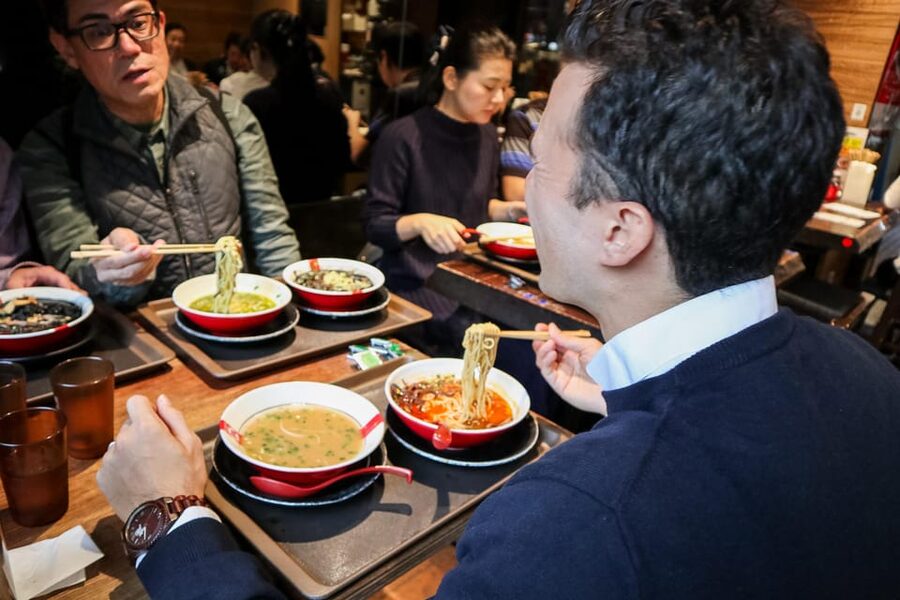
Arrive hungry, but not already starving. You want enough appetite for six bowls, yet you do not want to rush through the first stop because you skipped food all day.
I would schedule this as a main meal rather than an appetizer. Avoid booking another major food activity immediately afterward. You will likely leave satisfied, and possibly very full.
Choose the route by location and style. Shibuya offers Hokkaido, fusion tonkotsu, and curry. Shinjuku leans toward Tokyo, chicken, and fish. Ueno adds Kyushu and tsukemen. If one style matters most to you, check the exact route and available choices before paying, since the selection can include 11 or 12 options but does not mean every bowl appears on every route.
Remember that the meeting point may vary. The tour starts in Shibuya and ends in Ebisu, or uses Shinjuku depending on the day and route, while Ueno has its own route details. Build in time for the meeting point and any train fare.
Free cancellation is available up to 24 hours before the start, and you can reserve while paying later. Those policies are useful when your Tokyo plans are still shifting, but the most important practical step is confirming the route and meeting location after booking.
Who should book this ramen tasting?
I would recommend it to you if:
- You love ramen but know only the familiar styles.
- You want to compare several broths without ordering six full bowls.
- You enjoy food history and practical explanations.
- You are comfortable walking about 3 kilometers.
- You prefer a small group to a large food tour.
- You want help finding casual shops outside your own itinerary.
It is also a strong first or early-trip activity. The guide can give you useful food vocabulary, explain what you are seeing on menus, and point you toward other places to eat in Tokyo and elsewhere in Japan.
I would hesitate if you are on a tight food budget, have mobility limits, or need a fully vegetarian meal. I would also skip it if you dislike rich food or tend to fill up quickly. Six small bowls are easier than six full bowls, but they remain six servings of ramen.
FAQ
How many bowls of ramen do I get?
You get six mini bowls of ramen. Each is approximately one-quarter the size of a full bowl, and you choose from about 11 or 12 available options.
How many ramen shops does the tour visit?
The tour visits three ramen shops, each with its own style. The shops are located across three Tokyo neighborhoods, depending on the route selected.
Which neighborhoods are included?
The available routes use Shibuya, Shinjuku, or Ueno. The Shibuya route starts in Shibuya and ends in Ebisu, while the ending point and meeting details can vary by route and day.
Is the tour suitable for vegetarians or vegans?
No. All regular-tour broths contain chicken, pork, and fish. Vegans and vegetarians should book the separate vegan and vegetarian ramen tasting tour.
Is transportation included?
A beverage and six mini bowls are included. Train tickets, if required, are not included.
How much walking is involved?
The tour involves approximately 3 kilometers, or 1.86 miles, of walking. It is not recommended for people with a low level of fitness.
Should you book it?
Book this tour if you want ramen to become more than a quick noodle meal. The six-bowl format gives you real range, the neighborhood walks break up the eating, and a good guide can turn unfamiliar names into clear choices for the rest of your Japan trip.
Skip it if you mainly want the cheapest possible bowl or if six tastings sound excessive. For everyone else, especially serious ramen fans and first-time visitors who want a friendly introduction, the combination of small portions, three shops, and guides such as Sahori or Bunga makes the $122 price easier to justify.
Just added around Japan
- Tokyo: Shinjuku Izakaya and Golden Gai Bar Hopping Tour (2h)★ 4.9 · 67 reviews
- Tokyo: Sushi Cooking Class with Sake Tasting★ 4.8 · 55 reviews
- Tokyo: Shinjuku Bar Hopping & Night Walking Tour★ 4.6 · 137 reviews
- Tokyo: Sushi and Ramen Cooking Class with Sake Pairing Set★ 5.0 · 81 reviews
- Takayama: Authentic Sake Tasting at a Historic Brewery★ 4.8 · 50 reviews
- Shibuya Meltdown Night Tour: All-You-Can-Drink Bar Hopping★ 4.8 · 183 reviews
- Tsukiji: Unlimited Sake Tasting Experience★ 4.9 · 67 reviews
- Osaka: Mind & Spirit Balance Temple Reiki Healing★ 5.0 · 41 reviews
Drinks Tours, compared.

Unlimited Prosecco, Beer and Aperol Spritz Cruise
Read our review →
Evening Cruise with Optional Wine and Snacks
Read our review →
Douro Valley w/ Boat Tour, Wine Tasting & Lunch
Read our review →
Chichen Itza, Cenote & Valladolid Tour with Tequila and Lunch
Read our review →
Complete Douro Valley Wine Tour with Lunch, Wine Tastings and River Cruise
Read our review →
Small-Group Wine Tasting Experience in the Tuscan Countryside
Read our review →
Douro Valley with Winery Lunch, Tastings & Cruise
Read our review →Browse the lists this tour appears in