
Review · TURIN
The Turin Chocolate Tasting Experience
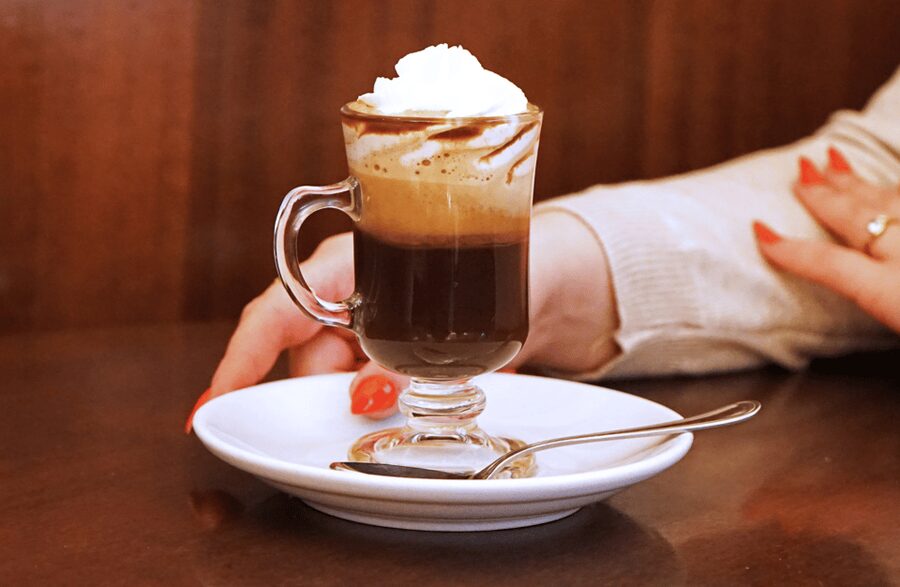
Turin’s chocolate story begins with a drink, not a candy bar. At historic Caffè Elena, you’ll taste Bicerin, a layered mix of coffee, chocolate, and milk, before moving into the city for Gianduja, dark bean-to-bar chocolate, and Barolo Chinato. It is a tasty way to connect Turin’s royal past with its modern food scene.
I like the small group of no more than 10 and the workshop-style tasting, where Fabio or another local guide can explain how cocoa, hazelnuts, and wine work together. I also like that you see a little of Turin along the way, rather than sitting in one shop for the whole 90 minutes. The main drawback is clear: anyone with a hazelnut allergy or intolerance should skip this experience.
Key points to know before booking
- Start with Bicerin at Caffè Elena: Taste Turin’s historic coffee and chocolate drink in a traditional café near Piazza Vittorio Veneto.
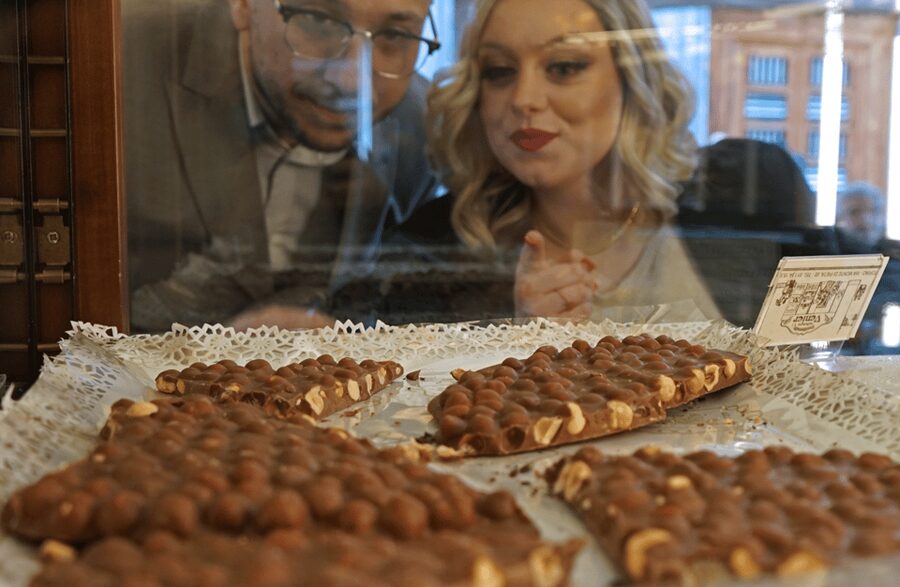
- Try Turin’s signature Gianduja: Sample giandujotti, cremini, and related sweets made with finely ground Piedmont hazelnuts.
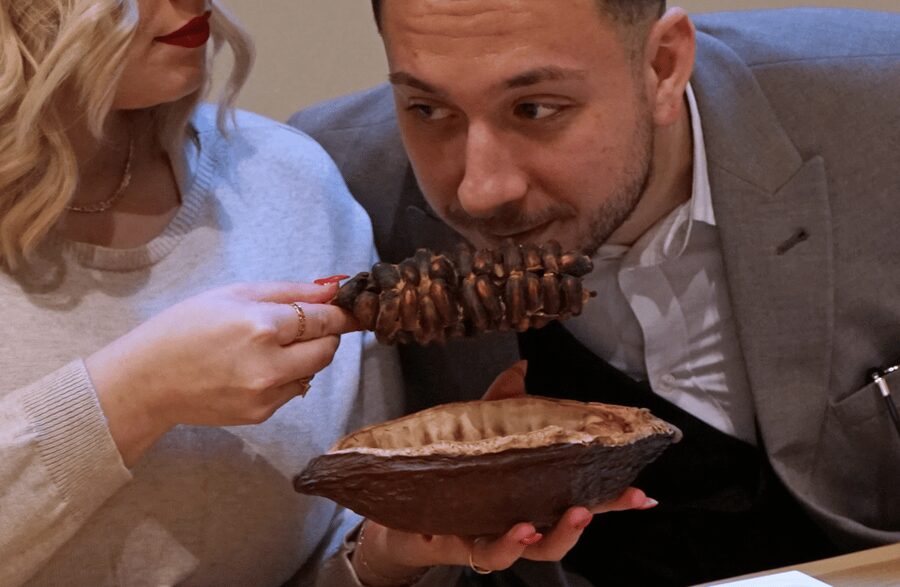
- Explore bean-to-bar chocolate: The workshop includes organic dark chocolate made with carefully selected cocoa.
- Pair chocolate with Barolo Chinato: This aromatized Piedmont wine adds a grown-up edge to the tasting.
- Walk under Turin’s porticoes: The route includes Piazza Vittorio Veneto, the Gran Madre church, photo stops, and lesser-known corners.
- Allow for personal guidance: Fabio has received especially warm praise, while Frederick has also led the experience for families.
Why Turin is such a good place for a chocolate tour
Turin is not simply a city that sells chocolate to tourists. Chocolate is tied to its old royal and noble culture, its historic cafés, and the practical problem of expensive cocoa in the 19th century.
Local confectioners began blending chocolate with finely ground hazelnuts from Piedmont. That mixture became Gianduja, a smooth, nutty style that later produced the familiar giandujotto and cremino. The story gives you something useful to remember as you taste: these sweets were shaped by both local ingredients and the cost of imported cocoa.
That context makes the tour more than a sequence of sugar samples. You learn why a Gianduja chocolate tastes softer and rounder than a very dark bar, and why Turin developed such a strong café culture around chocolate drinks.
I also appreciate the contrast between tradition and modern production. The Bicerin belongs to the old café world. The bean-to-bar tasting looks at cocoa origins, processing, and the limited supply of the finest cocoa. You get both sides of Turin’s chocolate identity in a short period.
A few more tastings around Italy worth a look
- Rome: Pasta Making Class with Wine, Limoncello, and Dessert
★ 4.9 · 3,177 reviews - Florence: Pasta Class with Wine, Limoncello and Dessert
★ 4.9 · 674 reviews - The Turin Chocolate & Wine Tasting Experience
★ 4.7 · 87 reviews
Meeting at Caffè Elena and tasting Bicerin
The meeting point is beneath the porticoes in front of Caffè Elena at Piazza Vittorio Veneto 5/B. Look for the guide under the covered walkway, not inside the café. This is an important detail if you are arriving in a hurry or meeting the group in poor weather.
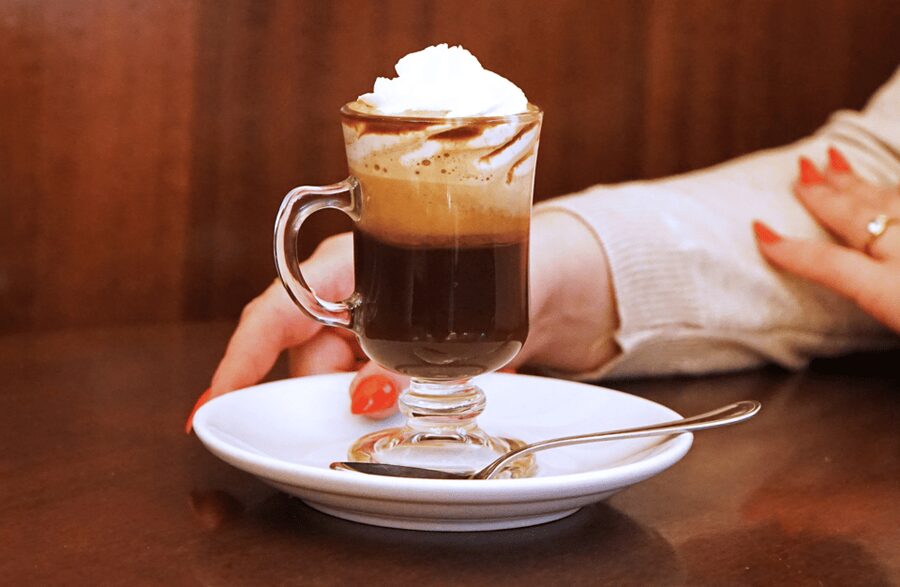
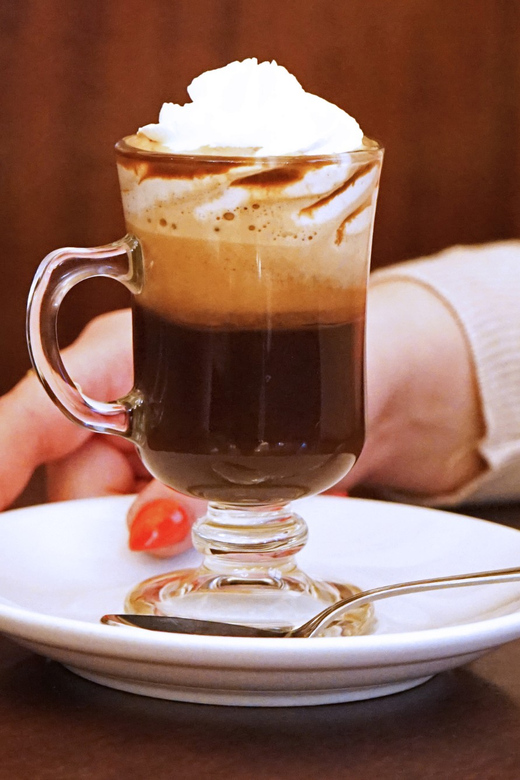
Your first tasting lasts about 20 minutes. You receive one cup of Bicerin, Turin’s traditional hot drink made with coffee, chocolate, and milk. The layers are part of its character, so it is best approached as a local specialty rather than as an ordinary cappuccino.
The guide explains the role of Bicerin in 19th-century Turin cafés and the way the recipe continues to be served. This is a strong opening because you are tasting the city’s café tradition in the setting where it makes sense.
If you prefer, the experience may offer a Marocchino instead. A typical Turin ice cream can also be available as an alternative. Lactose-free options are offered, but tell the guide at the start so the substitution can be arranged.
The café stop is also a useful pace-setter. You are not asked to rush through six chocolates immediately. Instead, you begin with a drink, hear some background, and then set off on foot.
A short walk through Piazza Vittorio Veneto
After the café, the route takes you through Piazza Vittorio Veneto and toward the Chiesa Parrocchiale della Gran Madre di Dio. These sightseeing stops are brief, about five minutes each, so you should not expect a formal church tour or a detailed architectural lecture.
That is fine. The purpose is to give your tasting a Turin setting. The porticoes, broad square, church, and nearby streets provide a break between food stops and help you notice how the city is laid out.
The walk includes photo stops and a few less obvious places along the route. Since much of Turin’s center is covered by porticoes, the experience can continue in rainy weather. Bring comfortable shoes, though. Even a short walking route feels less pleasant if you are wearing footwear meant only for photographs.
The walking portion also keeps the event from becoming too shop-focused. You get a small dose of local orientation, and the guide can connect places in the city with the food traditions being discussed.
The workshop tasting and the bean-to-bar lesson
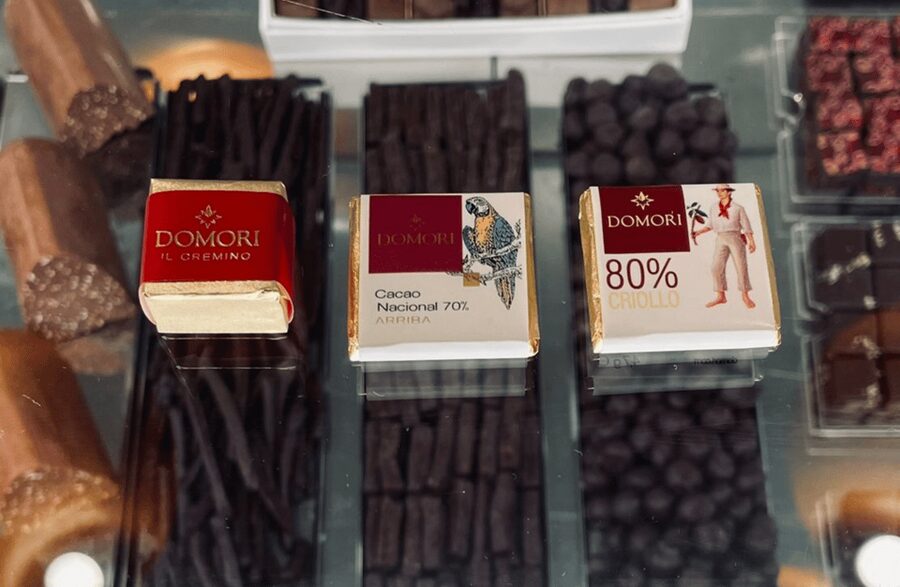
The main tasting takes place at a bistrot and lasts about 45 minutes. This is described as a workshop-style session, which means you should expect explanation and discussion alongside the samples.
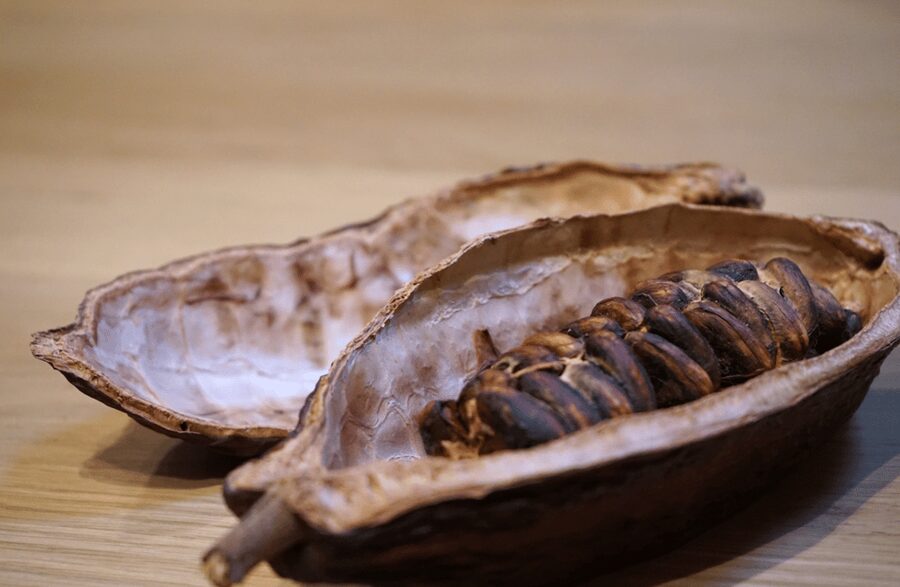
The first focus is premium dark chocolate made with fine cocoa. The activity uses organic, bean-to-bar products, so the guide can explain the process from cocoa bean to finished chocolate. The experience also draws attention to the fact that the finest cocoa represents only about 10 percent of worldwide production.
That figure is useful because it helps explain why dark chocolate can vary so much in price and taste. You are not simply being told that one bar is better than another. You are given a way to think about quality, cocoa selection, and production.
You taste several chocolates rather than one large dessert. Six different chocolates are included, with both Gianduja and dark chocolate in the selection. The exact mix can be adjusted to your preferences, according to the details of the experience. If you like bitter chocolate, ask the guide to point out the darkest or most cocoa-forward sample.
The workshop takes place in an air-conditioned venue during the summer. That matters after walking through Turin, especially if you have already spent the afternoon sightseeing.
Same town, a different glass:
- Tuscany Day Trip from Florence: Siena, San Gimignano, Pisa and Lunch at a Winery
★ 5.0 · 21,634 reviews - Florence: Chianti Wineries Tour with Wine Tasting
★ 4.5 · 10,071 reviews - Small-Group Wine Tasting Experience in the Tuscan Countryside
★ 5.0 · 7,392 reviews - Rome: Tuscany & Montepulciano Day Trip with Lunch & Wine Tasting
★ 4.5 · 5,232 reviews
Giandujotto, cremino, and the Piedmont hazelnut
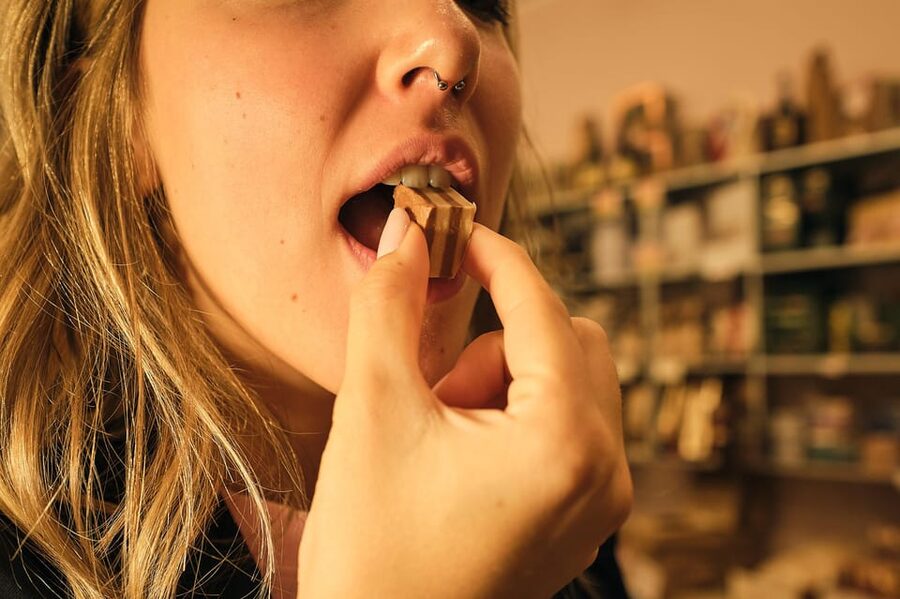
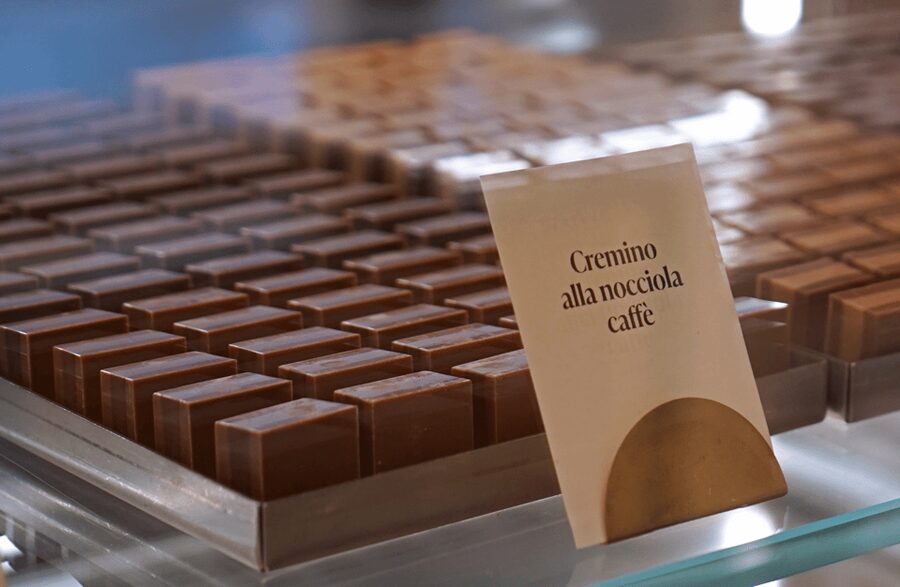
The traditional chocolate portion is the heart of the Turin connection. You will sample Giandujotto, cremino, and other Gianduja chocolates.
A Giandujotto is usually recognized by its small, distinctive shape and soft, nutty texture. Gianduja comes from blending chocolate with finely ground hazelnuts, creating a filling and smooth style that is different from a plain dark bar.
Cremino gives you another texture and presentation. It is often made in layers, so the tasting lets you compare how chocolate, hazelnut, and creaminess work together.
This is where the hazelnut warning matters. Hazelnuts are not a minor garnish in this experience. They are central to the local chocolate tradition and appear in several of the tastings. If you have a serious allergy or intolerance, do not book this tour.
For everyone else, this part offers a good lesson in regional food. Piedmont’s hazelnuts are not simply added for decoration. They helped Turin create its own style when cocoa was scarce and costly. That practical origin story makes the sweets easier to remember.
Barolo Chinato with chocolate
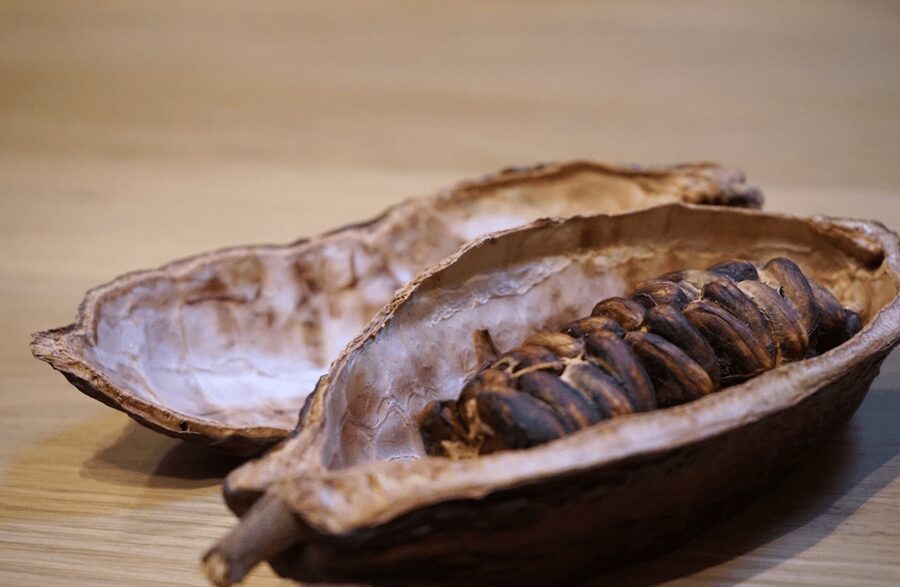
The chocolate tasting is paired with Barolo Chinato, an aromatized wine produced in the Barolo area of Piedmont. It is sweet enough to work with chocolate, but it gives the session a more adult character than coffee and confectionery alone.
The pairing is valuable because wine changes how you notice sweetness and bitterness. A dark chocolate can taste sharper on its own, while the wine can soften or balance it. The guide explains the pairing as you taste, so you are not left guessing how the two belong together.
This is also one reason the experience may suit couples and adult groups particularly well. Families can attend, but the wine pairing is naturally aimed at adults. Children can take part in the chocolate side, while anyone who does not want to taste chocolate can be booked in the infant slot if they are over age three, according to the activity rules.
Do not expect a full wine tasting. Barolo Chinato is one pairing within a chocolate experience, not a separate visit to the Barolo wine country.
The guides and the feel of the group
Fabio is the guide most closely associated with the experience, and his role includes both food explanation and local context. He has been praised for being friendly, patient, and able to personalize the tasting. That last point matters if your group has different preferences, such as one person who likes very dark chocolate and another who prefers milkier Gianduja.
Frederick has also led the tour and handled a family group with young children. The language options are Italian and English.
The group is limited to 10 people. That is a useful size for a tasting because you can hear the explanation and ask questions without turning the event into a lecture from across a crowded room. It also leaves enough space for the guide to notice what you like.
The experience is social, but it is not built around a formal sit-down meal. Come hungry enough to enjoy a series of samples, but do not expect lunch. The tastings are spread across the café and workshop stop.
Is $51 a fair price?
At $51 per person, the value depends on what you want from a Turin food activity. If you only want a cup of Bicerin and a few chocolates, you can spend less by visiting cafés and shops on your own.
The price makes more sense if you want the explanation that connects everything. You receive the café drink, six chocolate tastings, Gianduja, dark bean-to-bar chocolate, and Barolo Chinato, plus more than an hour with a local food expert. You also get a short walking tour through central Turin.
A private chocolate shopping trip could easily become confusing. Turin offers many sweets, but without guidance, it is hard to know what is traditional, what is modern, and what is simply packaged for visitors. This experience gives you a starting point and may help you decide what to buy later.
I would call it a fair price for a small group, especially if you value the workshop and the guide’s explanations. It is less attractive for someone who wants a large meal, a long city tour, or a serious wine seminar.
Who will enjoy this experience most?
I would recommend it to couples, families with children, and friends who want a light activity between major Turin sights. The short duration fits well into a sightseeing day, and the covered walking route helps in wet weather.
It also suits anyone who feels worn out by historic monuments and wants to understand Turin through food. One particularly appealing feature is the way the tasting gives you a local story without demanding several hours of concentration.
Chocolate fans will get the most from the bean-to-bar section and the comparison between dark cocoa and hazelnut-based Gianduja. If you already know a lot about chocolate, the guide can still give you regional context and new samples to compare.
I would not choose it for a person with hazelnut allergies, someone avoiding all dairy without checking alternatives in advance, or anyone looking for a full meal. It is also not the right choice if your schedule is so tight that a 90-minute activity feels risky.
The start time varies, so check availability when booking. Cancellation is free up to 24 hours before the experience, and you can reserve now and pay later. Tips are not included.
Should you book the Turin Chocolate Tasting Experience?
Book it if you want a compact, well-explained introduction to Turin’s chocolate culture, not just a box of sweets. The Bicerin, Giandujotto, cremino, organic bean-to-bar chocolate, and Barolo Chinato create a nicely varied tasting, while the walk adds a little city context.
I would book early if you want a small group and a guide such as Fabio. Tell the guide at the start about lactose needs, and avoid the tour entirely if hazelnuts are a health risk.
For $51, this is a sensible choice for first-time visitors who want food, local history, and a little walking in one package. If you mainly want to eat as much chocolate as possible, shop independently instead. If you want to understand why Turin tastes the way it does, this short experience earns its place in your itinerary.
FAQ
Where does the Turin Chocolate Tasting Experience start?
Meet the guide under the porticoes in front of Caffè Elena at Piazza Vittorio Veneto 5/B in Turin.
How long does the experience last?
The experience lasts about 1.5 hours, including the café tasting, walking stops, and workshop-style chocolate tasting.
What languages are available?
The tour is offered in Italian and English.
How many people are in the group?
The group is limited to 10 participants.
What is included in the price?
The price includes one Bicerin or Marocchino, or alternatively a typical city ice cream, six different chocolates, Gianduja and dark bean-to-bar chocolates, a Barolo Chinato pairing, and more than one hour with a local food expert.
Is Bicerin included?
Yes. One cup of Bicerin is included, with Marocchino or a typical local ice cream available as alternatives.
What chocolates will I taste?
The selection includes traditional Gianduja chocolates such as Giandujotto and cremino, as well as premium dark chocolates made with fine cocoa.
Can people with lactose intolerance join?
Yes. Lactose-free alternatives are available. Tell the guide at the beginning of the experience.
Is the tour suitable for someone with a hazelnut allergy?
No. The tour is not suitable for people who are allergic or intolerant to hazelnuts because hazelnuts are central to several Turin chocolate specialties included in the tasting.
Can the tour run in rainy weather?
Yes. Part of the walking route takes place under Turin’s porticoes, so the experience can run on rainy days.
Just added around Italy
- Catamaran tour stops bathing and snorkeling toast with prosecco★ 5.0 · 214 reviews
- Cagliari Boat Tour by Maxi Rib – Wine and Snorkeling★ 5.0 · 128 reviews
- Small-Group Food and Wine Tour from Cagliari★ 5.0 · 237 reviews
- Cagliari Boat Tour with Sardatrips; Swim, Snorkeling, Sip & Snack★ 5.0 · 106 reviews
- Cagliari 3 Hours Luxury Motorboat Tour – Wine and Snorkeling★ 5.0 · 118 reviews
- Wine Experience: vineyard, wines and food★ 5.0 · 155 reviews
- Dinner in the vineyard with wine tasting and walk★ 5.0 · 58 reviews
- Wine Tour and Tasting of Lugana Wines in Desenzano★ 5.0 · 58 reviews
Drinks Tours, compared.
Unlimited Prosecco, Beer and Aperol Spritz Cruise
Read our review →
Evening Cruise with Optional Wine and Snacks
Read our review →
Douro Valley w/ Boat Tour, Wine Tasting & Lunch
Read our review →
Chichen Itza, Cenote & Valladolid Tour with Tequila and Lunch
Read our review →
Complete Douro Valley Wine Tour with Lunch, Wine Tastings and River Cruise
Read our review →
Small-Group Wine Tasting Experience in the Tuscan Countryside
Read our review →
Douro Valley with Winery Lunch, Tastings & Cruise
Read our review →Browse the lists this tour appears in