
Review · SORRENTO
Sorrento: Lemon, Olive Oil and Wine Tasting Tour with Lunch
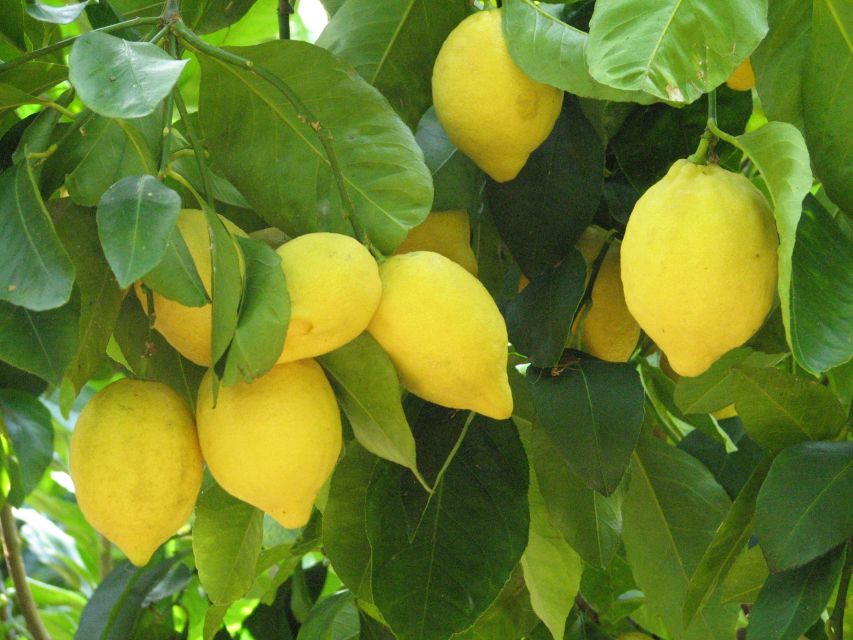
The best part of this Sorrento food tour is that you see the whole chain from soil to table. At a fourth-generation family farm, you walk through century-old olive trees, visit groves filled with 800 lemon trees, meet the animals, and finish with food made from the farm’s own produce.
I like the personal welcome from the Gargiulo family and the chance to taste several products in one place, including olive oil, honey, cheese, lemonade, wine, marmalade, and limoncello. I also like that Raffaele, Eugenio, and their family explain the work behind the food instead of simply handing you samples.
The main thing to consider is the terrain. The farm sits on a hill, with some steep paths and cobblestones, so comfortable shoes matter. The activity is listed as wheelchair accessible, but anyone with limited mobility should confirm that the walking route suits their needs before booking.
Key points to know before you book
- The 800 lemon trees are the star of the walk: You learn how Sorrento lemons are picked and how traditional pergolas protect the trees.
- The meal is more than a snack: Farm-made wine, a seasonal first course, bread, olive oil, and a lemon dessert with limoncello make this a substantial half-day outing.
- You meet the working family: Raffaele, Eugenio, their parents, and other relatives may all play a part in the welcome, tour, cooking, or tasting.
- The old cellar and oil mill add real context: You see traditional equipment used for wine and learn how meats are cured.
- The transfer keeps the outing simple: A shuttle takes you from the bus parking area opposite the Grand Hotel Europa Palace in Sorrento and returns you there.
- The setting is active, not polished for show: Animals, beehives, crops, forest, steep paths, and working farm areas are part of the experience.
From Sorrento to a fourth-generation family farm
Your outing begins at the bus parking area opposite the Grand Hotel Europa Palace in Sorrento. A short shuttle ride takes you out to the farm on the Sorrento Peninsula, with the return to the same meeting point after about four hours.
That transfer is useful in a region where roads can be narrow and local transport takes time to figure out. It also means you can enjoy the farm wine and limoncello without worrying about driving. The pickup has been described as a little hard to spot on occasion, so arrive early and keep an eye out for the shuttle.
At the farm, a fourth-generation owner and family members welcome you. Raffaele and Eugenio are among the guides associated with the experience. Their style is friendly and informal, with explanations mixed with humor. One guide even helped older participants manage hills and wet cobblestones during rainy weather, which tells you something useful about the family’s approach: they pay attention to the people in front of them.
The farm is not a staged museum. It is a working property where food production, animals, and family life overlap. You see how available space is used for crops and livestock, and how scraps can be put to work as animal feed. For me, that practical approach gives the visit more meaning than a quick tasting at a shop in town.
More Wine Tasting Tours in Italy
- Sorrento Farm and Food Experience including Olive Oil, Limoncello, Wine tasting
★ 5.0 · 2,524 reviews - From Sorrento: Mount Vesuvius Tour with Lunch & Wine Tasting
★ 4.5 · 169 reviews - From Sorrento: Full-Day Pompeii & Wine Tasting Tour
★ 4.8 · 77 reviews
Walking among olive trees, bees, and farm animals
The first part of the visit takes you through the orchards and olive groves. You may meet friendly farm animals along the way, including animals that support the farm’s approach to sustainable agriculture. Children often appreciate this part, but adults will find it useful too because it shows the farm as a living system rather than a single-product business.
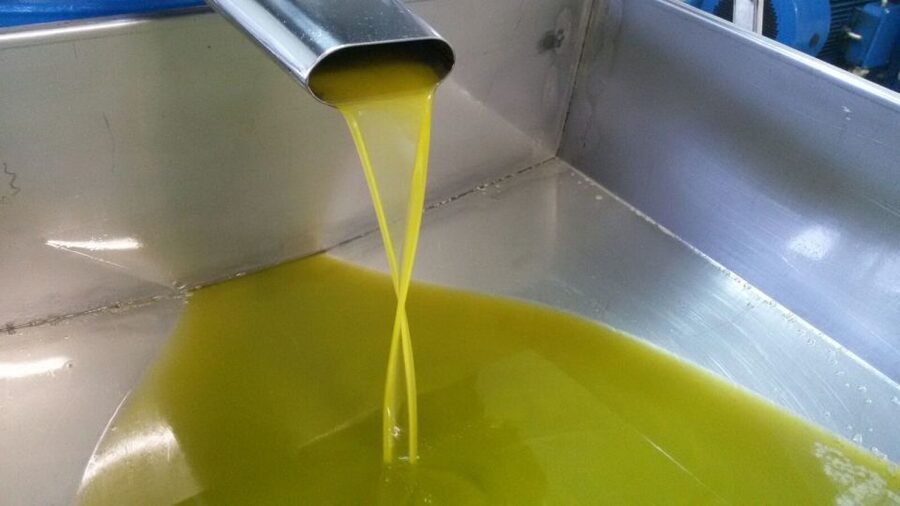
Among the old olive trees, your guide explains how extra-virgin olive oil is produced. You learn about the care required for fruit trees, seasonal vegetables, and traditional harvesting methods. Demonstrations and explanations help connect the work in the grove with the bottle of oil on your table later.
The farm also has beehives. You learn why bees matter to organic farming and how they support the wider growing process. You do not need to handle the hives, and the visit is presented as an explanation rather than a risky encounter.
This part of the tour is most valuable if you enjoy knowing how food is made. You will not simply hear that the oil is local. You see the trees, the growing conditions, the picking methods, and the family’s daily work. That makes the later tasting more useful because you know what you are tasting and why it matters.
The walking can be uneven. The farm is on a hill, and reports of steep sections and cobblestones are worth taking seriously. Wear shoes with a firm grip, especially if rain is in the forecast. The activity is listed as wheelchair accessible, but because the farm tour includes outdoor paths, contact the provider in advance if you need a fully step-free route.
The Sorrento lemon grove and its traditional pergolas
The lemon grove is the most distinctive stop. With about 800 lemon trees, the farm gives you a close look at the citrus that has become a symbol of the Sorrento Peninsula.
Your guide explains how the lemons are picked and how the traditional pergolas are built. These structures help protect the trees and shape the way the grove is managed. You also learn about the importance of seasonal care, not just the final harvest.
The setting includes a wild chestnut forest beyond the lemon trees. This change from cultivated grove to woodland gives the walk some variety, and it helps you see how agriculture fits into the wider area around Massa Lubrense and Sorrento.
I like this part because it avoids the usual postcard version of Sorrento. In town, lemons often appear as souvenirs, decorations, and bottles of liqueur. Here, you see the trees and the work behind that familiar image. You also get a better sense of why local citrus products taste different from something produced for a supermarket shelf.
The route is not a long wilderness hike, but it is still a walking tour. The pace includes stops for explanations and demonstrations, though the paths may feel demanding for anyone who is unsteady on slopes. Bring water if you normally need it on walks, and do not wear sandals with a smooth sole.
Inside the old wine cellar and oil mill
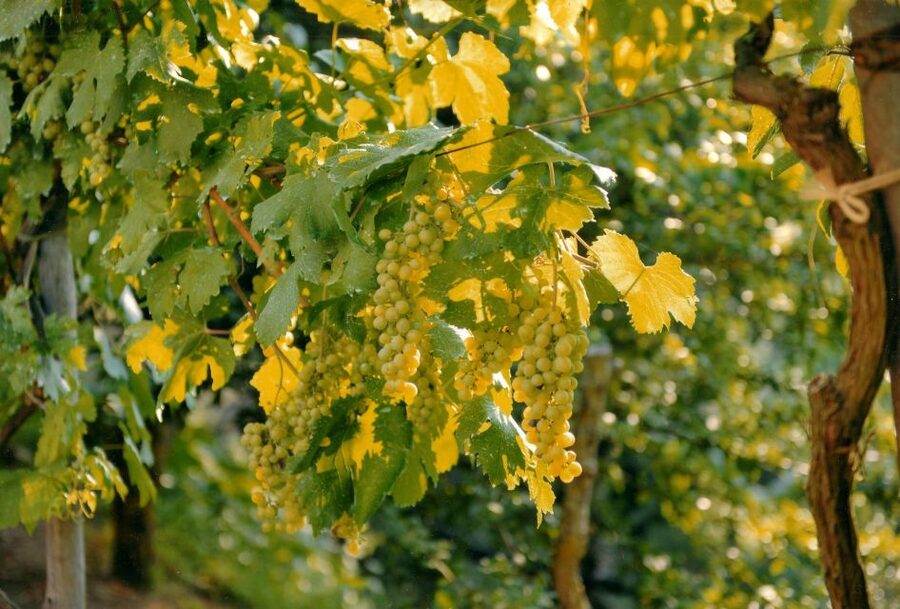
After the orchard walk, you visit the family’s ancient wine cellar. The family still makes red wine using an old wine press, and the guide explains how the process works. You also learn how meats are cured, adding another side of farm production beyond lemons and olive oil.
This is where the tour becomes more than a garden stroll. You see older tools and methods alongside the family’s current work. The point is not to turn you into a winemaker or olive-oil expert. It is to show how several foods can come from one small family operation and how older methods remain part of the farm’s identity.
The cellar visit also sets up the tasting that follows. You understand that the wine is not just a generic local pour, and that the cured foods and bread have a place in the family’s own production. That connection helps the food feel grounded in the farm instead of assembled for a tourist menu.
More Wine Tastings in Sorrento:
- From Porto: Douro Valley w/ Boat Tour, Wine Tasting & Lunch
★ 4.7 · 19,061 reviews - Complete Douro Valley Wine Tour with Lunch, Wine Tastings and River Cruise
★ 5.0 · 12,920 reviews - Florence: Chianti Wineries Tour with Wine Tasting
★ 4.5 · 10,071 reviews - From Split: Krka Waterfalls, Food & Wine Tasting Tour
★ 5.0 · 9,326 reviews
Tasting lemonade, olive oils, honey, and cheese
At the tasting area, you try fresh lemonade, different olive oils, homemade bread, citrus marmalades, honey, and cheeses. The olive oils are served with bread, which lets you compare their flavors without too many competing ingredients.
This is a good place to slow down. Ask questions, taste the oil on its own, and pay attention to the difference between fresh lemonade and the sweeter bottled drinks common in tourist shops. The citrus marmalades and honey show how the family uses more than just the main harvest.
The farm shop gives you a chance to buy products such as olive oil and limoncello afterward. That is convenient if you want a practical souvenir, although you should leave room in your luggage. Storage for luggage is not included, so do not arrive expecting the farm to hold large bags during the visit.
The tasting is generous enough to feel like part of the meal rather than a tiny sample before lunch. It also gives you a chance to decide what you actually like before buying anything. I prefer this approach to a sales stop where the product appears without any explanation of how it was made.
A homemade lunch built around seasonal produce
The final meal is the heart of the experience. Family members prepare a traditional first course using seasonal farm products, followed by a lemon dessert and a chilled glass of limoncello. Farm-made wine accompanies the meal, and the full spread can feel closer to a generous home lunch than to the light refreshment suggested by the basic tour description.
The food is simple in the best sense. It relies on produce, bread, oil, wine, citrus, and family recipes rather than complicated presentation. You get a clearer idea of how local ingredients fit together after seeing them in the fields and cellar.
The family also shares the recipe for the limoncello. That small detail gives the final tasting a personal touch, since you are not just drinking a famous Sorrento product but hearing how this family makes its own version.
Dietary needs have been accommodated in some cases, including gluten-free, vegetarian, and other allergy-related requests. Still, you should communicate your needs when booking rather than assume a substitute will be ready. The supplied information confirms special meals have been handled, but it does not provide a fixed menu or guarantee every dietary option.
Lunch is also the point where the tour becomes social. You sit down after the walk, share food and wine, and have time to talk with the family and other people in the group. If you dislike group activities, this is still one of the better formats to try because the meal and farm setting give everyone something natural to discuss.
Is $115.71 a fair price?
At $115.71 per person, this is not a cheap lemon tasting. It is a four-hour outing that includes the shuttle from Sorrento, a guided farm walk, the cellar and oil-mill visit, multiple tastings, wine, limoncello, and a homemade meal.
I consider the price fair if you value access to a working family farm and want more than a single winery visit or a short cooking demonstration. The cost covers several different parts of the property and supports a family operation that grows, processes, cooks, and sells its own products.
The value is weaker if you only want a quick olive-oil tasting or if you do not enjoy walking on uneven ground. You could spend less on a shop tasting in Sorrento, but you would miss the orchards, animals, beehives, cellar, and family connection.
The experience also offers practical value for people staying in Sorrento without a car. The shuttle removes the need to plan local transport to the farm, and the return drop-off brings you back to the original meeting point. If you are staying in Ravello or elsewhere on the Amalfi Coast, allow extra travel time to reach Sorrento first. One booking party found the journey from Ravello long, though they still considered the farm visit worthwhile.
Who will enjoy this Sorrento food tour?
I would recommend it most strongly to you if you want an authentic food experience, enjoy meeting local families, and like seeing production before tasting the final product. It also suits families, since the animals and outdoor setting add interest beyond the food.
Food lovers will appreciate the range of products. You taste olive oil, citrus, honey, cheese, wine, marmalade, and limoncello in one visit, while learning how much work goes into growing and processing them.
It is also a good choice for anyone who wants a slower break from churches, viewpoints, and busy coastal roads. The farm provides a quieter setting and a chance to see local life outside the main tourist centers.
I would think twice if steep paths are a serious problem, if you need a very short activity, or if your schedule cannot handle a fixed four-hour outing. The walking is not extreme, but the hill and cobblestones are real considerations. The activity is in English, and the listed host or greeter speaks English.
Free cancellation is available up to 24 hours before the activity, and you can reserve now and pay later. Those terms help if your Sorrento plans depend on weather, ferry schedules, or changing coastal transport.
Should you book La Masseria Farm?
Book this tour if you want to understand Sorrento through its food rather than simply buy lemon souvenirs. The strongest reasons are the family welcome, the range of farm products, and the homemade lunch served after you have seen the groves, cellar, and animals.
Skip it if you want a polished city tasting with no walking or if you are uncomfortable with a working farm’s uneven paths. For everyone else, the combination of practical farming stories, generous food, and direct contact with the Gargiulo family makes this one of the more personal food experiences near Sorrento.
FAQ
Where does the Sorrento farm tour begin?
It begins at the bus parking area opposite the Grand Hotel Europa Palace in Sorrento.
How long does the experience last?
The activity lasts four hours. Starting times vary, so check availability when booking.
What food and drinks are included?
You can taste fresh lemonade, cheeses, honey, citrus marmalades, several olive oils, homemade bread, farm wine, and limoncello. The experience also includes a homemade meal with a seasonal first course and lemon dessert.
Is transportation to the farm included?
Yes. A shuttle takes you from the Sorrento meeting point to the farm and returns you to the same meeting point.
What should I wear?
Wear comfortable shoes. The farm includes hills, outdoor paths, and some cobblestones.
Is the tour wheelchair accessible?
The activity is listed as wheelchair accessible. Because the farm tour includes hills and some steep walking areas, confirm the route’s suitability with the provider if you use a wheelchair or have limited mobility.
More Lunch Experiences in Sorrento
- Tuscany Day Trip from Florence: Siena, San Gimignano, Pisa and Lunch at a Winery
★ 5.0 · 21,634 reviews - Chichen Itza, Cenote & Valladolid Tour with Tequila and Lunch
★ 4.5 · 15,789 reviews - Porto: Douro Valley with Winery Lunch, Tastings & Cruise
★ 4.7 · 7,002 reviews - Montserrat & Cogwheel Train, Gourmet Wine Tasting & Tapas/Lunch
★ 5.0 · 6,290 reviews
Just added around Sorrento
- Sorrento: Private Sunset Cuise with Prosecco and Limoncello★ 4.8 · 57 reviews
- Sorrento: Sightseeing Cruise with Limoncello Tasting★ 4.0 · 224 reviews
- Sorrento: Sunset City Walking Tour with Limoncello Tasting★ 5.0 · 274 reviews
- SORRENTO: Limoncello Making And Tasting Experience★ 4.8 · 85 reviews
- Sorrento: Boat Coastal Cruise with Swim and Limoncello★ 4.8 · 140 reviews
- Sorrento: E-Bike Wine & Food Tour★ 4.8 · 95 reviews
- Sorrento: Guided Walking Tour & Limoncello Tasting★ 5.0 · 472 reviews
- Sorrento: Coast E-Bike Tour with Limoncello Tasting★ 4.9 · 92 reviews
Wine Tasting Tours, compared.

Douro Valley w/ Boat Tour, Wine Tasting & Lunch
Read our review →
Complete Douro Valley Wine Tour with Lunch, Wine Tastings and River Cruise
Read our review →
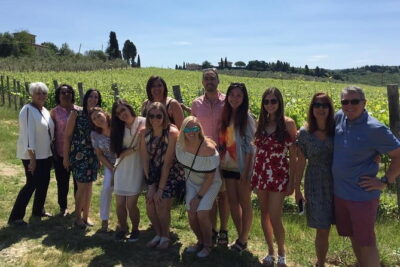
Small-Group Wine Tasting Experience in the Tuscan Countryside
Read our review →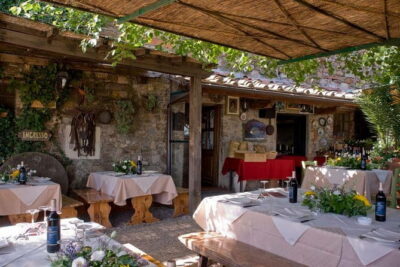
SMALL-GROUP Wine Safaris: Tuscan Wine Tasting Tours from Florence
Read our review →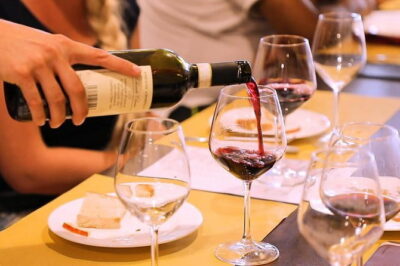
San Gimignano, Siena, Monteriggioni, Chianti Day Trip with Lunch & Wine Tasting
Read our review →
Cálem Cellar Tour, Interactive Museum & Wine Tasting
Read our review →
Browse the lists this tour appears in