
Review · SEOUL
Seoul: Soju Tasting at Distillery
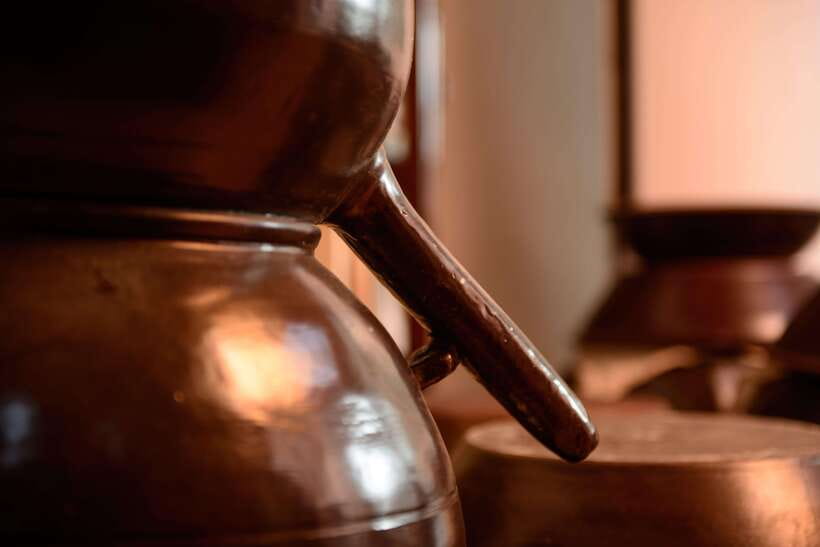
The most interesting thing here is that this is not a green-bottle soju stop. You taste traditional Korean spirits, including the celebrated Samhae, or three-pig, soju, while learning how rice becomes takju, cheongju, and distilled alcohol. Sam, your English-speaking host, explains both the craft and the drinking culture around it.
I like the clear focus on traditional production and the chance to taste at least seven samples rather than one token sip. I also like the location: the distillery is close to Hongdae, so you can pair the tasting with dinner or a night out. The catch is simple but important: much of the tasting is strong liquor at 45 to 50 percent, so it is a poor match if you prefer light drinks.
Key points at a glance
- Taste premium 45 to 50 percent soju: This is serious spirit, closer in strength to whisky or tequila than standard commercial soju.
- Learn the three Korean alcohol families: Sam explains takju, cheongju, and soju, with samples from different stages and methods.
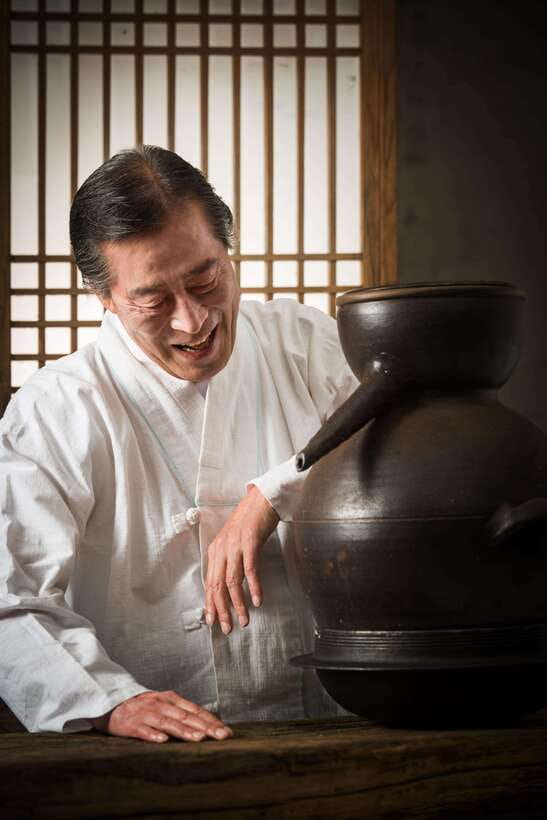
- Meet Sam in English: His clear explanations and easy conversation are a major part of the experience.
- Explore a Joseon-era tradition: Samhae soju was once favored by Korea’s noble class and is tied to a family recipe passed down through generations.
- Stay near Hongdae: The meeting point is about 1.3 kilometers from Hongik University Station Exit 1, with a short bus option.
- Expect at least seven samples: The exact selection changes, but the tasting mainly features distilled soju.
What this Seoul soju tasting is really about
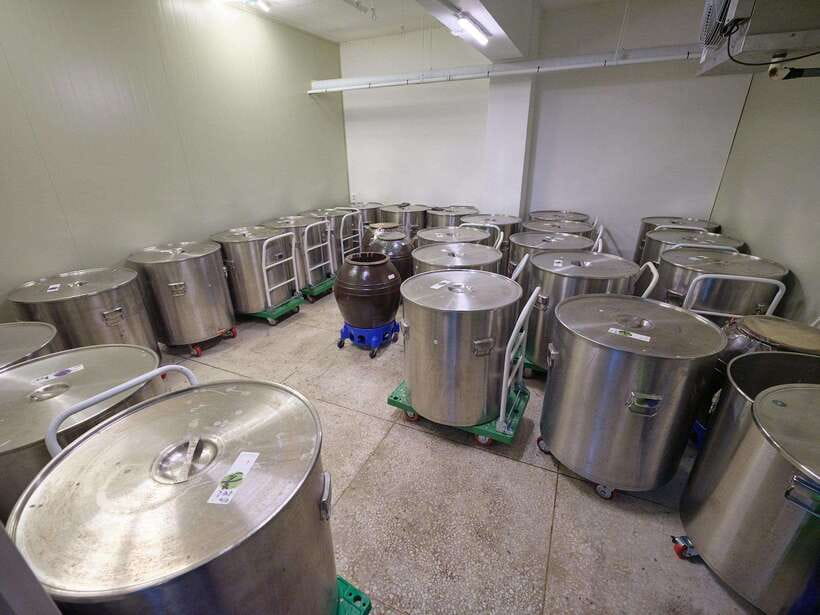
Korean alcohol is much broader than the familiar green bottle found in convenience stores. That mass-market drink is usually diluted and sweetened, while this tasting centers on traditional rice-based alcohol and handmade spirits with more character.
The main lesson is the difference between three broad types. Takju is unfiltered rice wine, usually cloudy and textured. Makgeolli belongs here. Cheongju is filtered rice wine, clearer and generally more refined in texture. Soju is distilled, making it the strongest of the three.
You will focus on soju, but the tasting can include unfiltered takju and filtered cheongju when available. That matters because you can compare the drink before and after filtering, then see how distillation changes the strength, aroma, and finish.
Sam guides the session in English. That removes one of the common frustrations of a food or drink activity abroad: nodding along while missing the details. You can ask about ingredients, production, Korean drinking customs, or the difference between Korean alcohol and better-known drinks such as sake.
More Distillery Tours in the world:
- Dublin: Jameson Whiskey Distillery Tour with Tastings
★ 4.7 · 4,859 reviews - Dublin Jameson Distillery Bow St. Tour and Tasting 45 mins
★ 5.0 · 4,690 reviews - Dublin Jameson Distillery and Guinness Storehouse Guided Tour
★ 4.5 · 2,608 reviews
Meeting Sam near Hongdae
The tasting does not begin at a major tourist landmark. You make your own way to a meeting point in the Seongsan-dong area, near Hongik University Station and Hongdae.
The exact meeting spot is a small triangle-shaped parking lot next to the building. A Pizza Hut sits across the street, which is a useful visual marker. The supplied mobile map links are the safest way to navigate, since the written address can place you near the area without putting you at the precise pickup point.
From Hongik University Station Exit 1, the walk is about 1.3 kilometers, or roughly one mile. You can also take a bus for about five minutes. I would allow extra time, especially if this is your first visit to Seoul. The directions specifically ask you to arrive at least five minutes early, and Sam picks the group up shortly before the tasting.
The late-arrival rule deserves attention. You may be allowed in if you are no more than 20 minutes late, but you should not plan around that grace period. A tasting is a group activity, and the opening explanation sets up everything that follows.
The opening lesson: three kinds of Korean alcohol
Once the group is together, Sam lays out the basic categories before the glasses begin to do the talking. This is useful because Korean alcohol labels and styles can seem confusing at first.
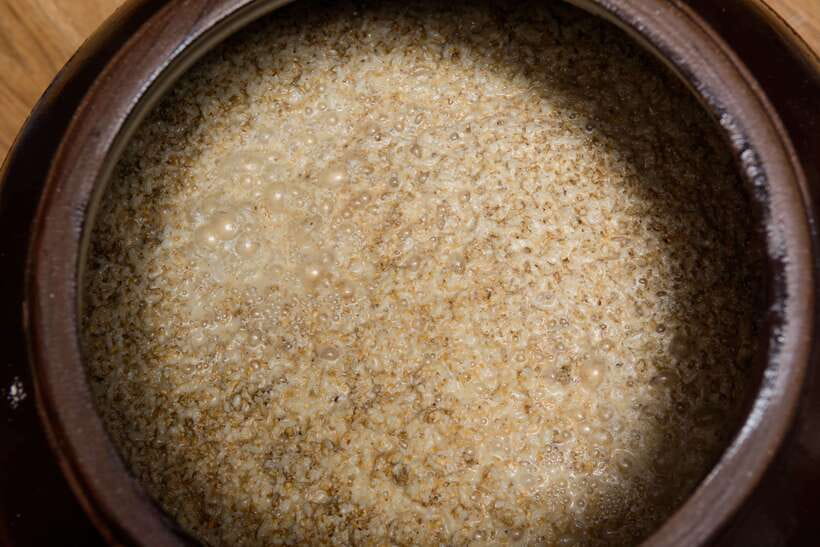
The first category is takju. It is unfiltered and often cloudy, with rice solids and a fuller texture. Makgeolli is the best-known example, though this experience is not primarily a makgeolli tasting.
Cheongju is filtered rice wine. It is clearer and can show a cleaner expression of the fermented rice base. Soju is distilled rice spirit. The distillation step concentrates the alcohol, which explains why the premium bottles served here can reach 45 to 50 percent.
This introduction gives the tasting a logical order. Instead of simply asking which drink you prefer, you can think about how filtering and distilling change the drink. That makes the samples more useful and helps you understand what you are drinking in restaurants later.
Sampling traditional soju and early-stage alcohol
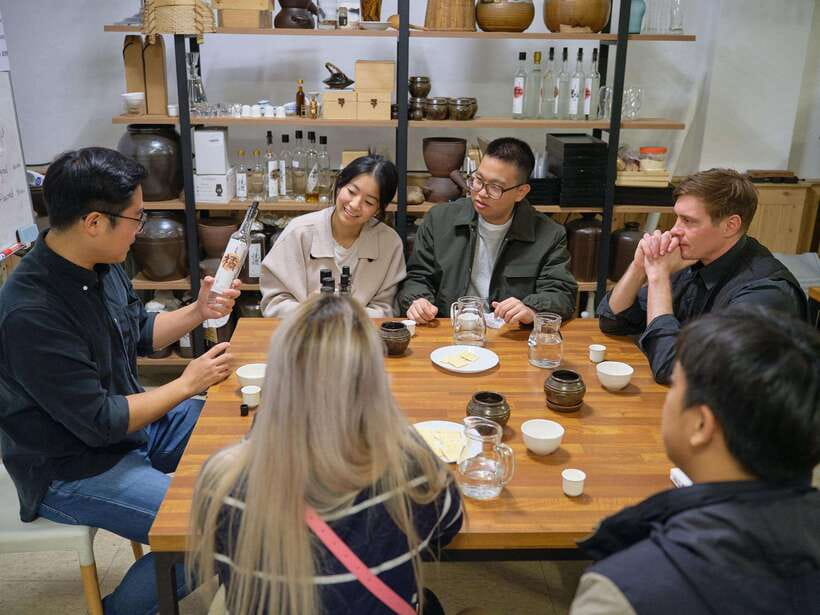
The exact menu changes with availability, but you receive at least seven samples. Most are spirits, with some tastings including alcohol from earlier stages of production as well as finished bottles.
One reported format included two samples from the early stages of the process followed by six finished products. The point is not to promise that exact lineup every time. Rather, you should expect a broad comparison of brewing methods, styles, and flavors instead of seven near-identical pours.
Sam explains what each sample is made from and how it differs from the others. That may include traditional methods, local soju, and distinctive flavors produced by changing the brewing or distilling process. The format gives you a chance to notice how much variety can exist inside a drink that many visitors know only as a cheap, clear shot.
The tasting is educational, but it is not stiff. Sam’s humor is part of the appeal. Several comments describe him as entertaining, warm, and easy to talk with, and one group even continued on to Korean barbecue afterward. You should expect conversation and questions rather than a formal lecture.
A few more tastings around the world worth a look
- Budapest: Unlimited Prosecco, Beer and Aperol Spritz Cruise
★ 4.8 · 37,304 reviews - Amsterdam: Evening Cruise with Optional Wine and Snacks
★ 4.4 · 22,178 reviews - Tuscany Day Trip from Florence: Siena, San Gimignano, Pisa and Lunch at a Winery
★ 5.0 · 21,634 reviews - From Porto: Douro Valley w/ Boat Tour, Wine Tasting & Lunch
★ 4.7 · 19,061 reviews
The story behind Samhae, or three-pig, soju
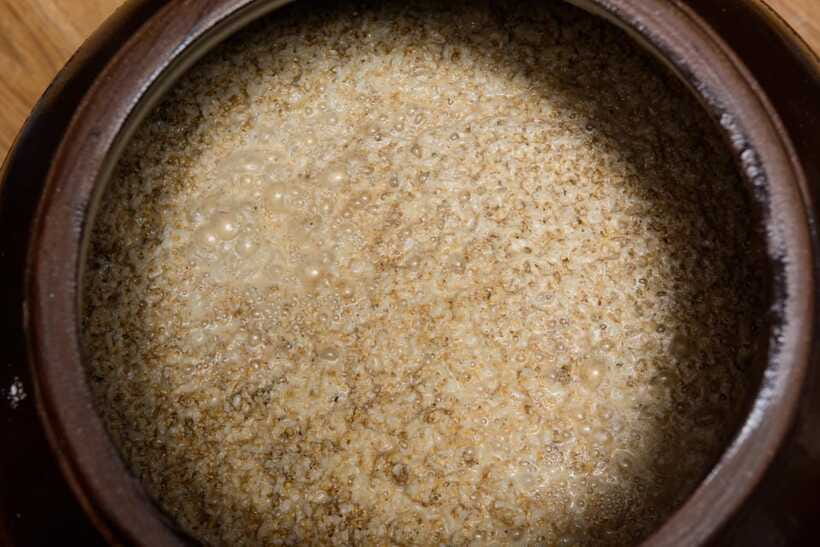
The signature draw is the premium three-pig soju, also called Samhae soju. It has a connection to the Joseon dynasty, which lasted from 1392 to 1894, when this type of spirit was associated with the noble class.
The recipe is linked to a long family tradition. The current master, Hyeonjong Kim, spent more than ten years learning and practicing under master Taeksang Kim, who inherited and protected the family method. Other explanations given during the tasting describe the tradition as stretching back more than 400 years.
This background gives the drink a sense of place. You are not just comparing alcohol percentages. You are tasting a spirit connected to Korean craftsmanship, social history, and a recipe that survived through a family line.
The name three-pig may sound playful, but the drink itself is not light. At 45 to 50 percent alcohol, it can be powerful even for people who enjoy ordinary soju. Sip slowly and treat the tasting as a lesson in aroma and production, not a race through the samples.
How strong is the alcohol?
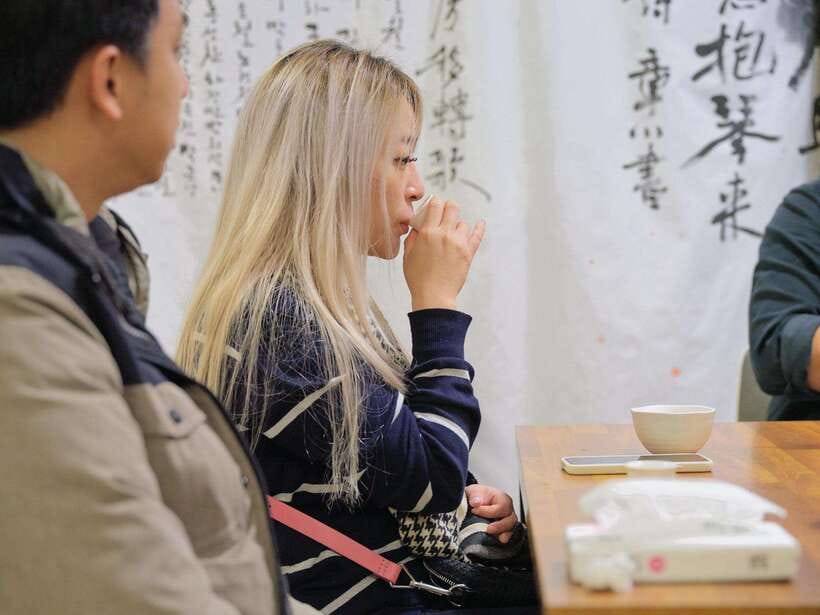
This is the most important practical question. The premium soju served here is between 45 and 50 percent alcohol. That is far stronger than the standard green-bottle soju commonly served in Korean restaurants.
If you enjoy whisky, tequila, or other strong spirits, the tasting should make sense. You can compare the samples much as you would compare different whiskies or brandies. If you usually choose beer, wine, or light cocktails, you may find the experience intense.
The host himself recommends a different activity for people who do not generally enjoy strong liquor. A separate tasting focuses on lighter alcohol, especially makgeolli. That is useful advice, not a sales pitch. Pick the experience that fits your palate.
The session lasts 80 minutes, so the timing is fairly compact. You receive several samples, but you are not spending half a day drinking. Still, the alcohol adds up. Eat beforehand, take small sips, and do not schedule a demanding activity immediately afterward.
Why Sam makes a difference
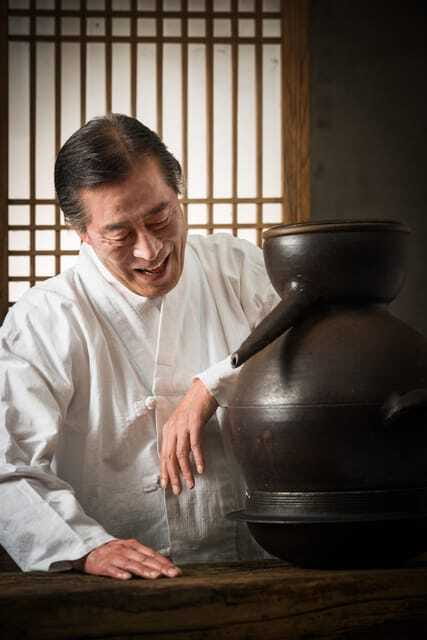
The drink is the subject, but Sam is a large part of the experience. He speaks fluent English and can explain the production process without leaving you to guess at technical points.
His role also extends beyond the glasses. He can answer questions about Korean life and drinking customs, and he has offered suggestions for bars and restaurants in the Hongdae area. In one case, he helped with a restaurant recommendation and booking. That sort of local help can be especially handy if you are planning your first Seoul evening in the neighborhood.
The atmosphere appears social rather than anonymous. One group included about ten people from several nationalities, and the format made it easy to talk with others. You should not expect a private lesson unless you arrange a private group in advance, but the shared table can be a pleasant way to meet people.
For private groups and events, you can reserve a date and then message the provider about changes. The standard experience is better suited to people who enjoy asking questions and sharing a tasting with a small group.
Value at $49 per person
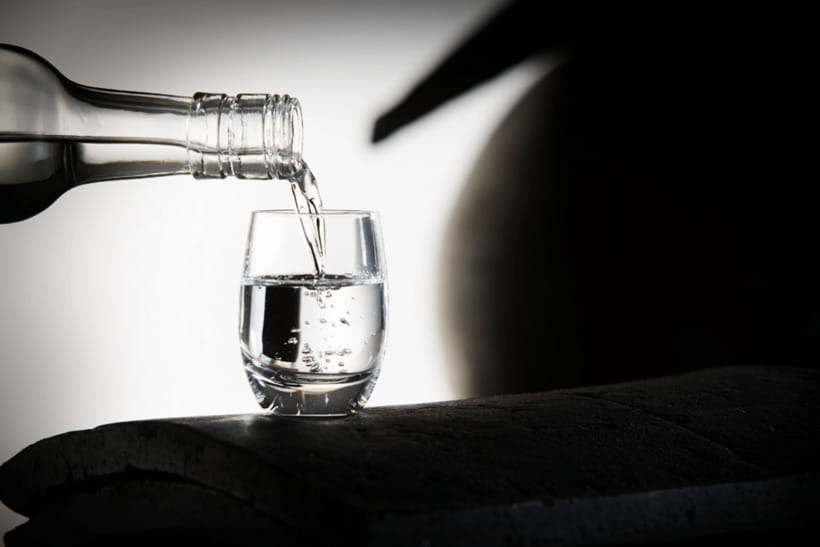
At $49 per person, this is not a bargain drinking stop. You are paying more than you would for a few ordinary shots at a Seoul bar. The value comes from the guided comparison, the traditional production, the English explanations, and access to spirits you may not find easily on your own.
The total of at least seven samples helps justify the price. So does the chance to taste high-strength traditional soju rather than only commercial brands. You are also getting a cultural explanation of Korean alcohol, which is difficult to recreate by ordering random bottles from a menu.
Food is not listed as part of the experience, so do not book it expecting a meal or a full pairing menu. Plan to eat before or after. Hongdae gives you plenty of options, and the tasting can lead neatly into Korean barbecue or another local dinner.
The price makes the most sense for someone who has a real interest in spirits, fermentation, or Korean food culture. If you only want a quick taste of ordinary soju, spend the money elsewhere. If you want to understand why Korean alcohol is more varied than the green bottle suggests, the cost is easier to defend.
Accessibility, age limits, and booking flexibility
The activity is listed as wheelchair accessible. You still need to reach the meeting point independently, so check the route from your accommodation and use the exact mobile map location.
You must be at least 18, and the experience is not suitable for pregnant women. Since the session involves several alcoholic samples, those limits are central rather than minor footnotes.
The booking terms are practical. You can reserve now and pay later, which helps if your Seoul schedule is still moving around. You can also cancel up to 24 hours before the tasting for a full refund.
Starting times vary, so check availability for your chosen date. Most of all, arrive early. The meeting point is not described as a major landmark, and the small parking lot can be easy to miss if you rush.
Who should book this experience?
I would choose this tasting if you enjoy strong spirits, want more context than a restaurant pour provides, or are curious about traditional Korean production. It also suits solo visitors and couples who like meeting other people while learning something specific about Seoul.
It is a particularly good fit if you already plan to spend an evening around Hongdae. The location saves you a long trip across the city, and Sam’s local recommendations can help shape the rest of your night.
I would skip it if you dislike tequila, whisky, or other high-proof drinks. I would also choose the lighter makgeolli-focused tasting if your main goal is a gentle introduction to Korean alcohol.
Should you book the Seoul soju tasting?
Book it if you want the real story behind Korean soju, not just the familiar sweetened bottle. The strongest parts are the traditional Samhae soju, the range of at least seven samples, and Sam’s fluent English and lively explanations.
The main warning is the alcohol strength. This is a serious spirit tasting in a compact 80-minute format, not a casual pub crawl. Arrive early at the Hongdae meeting point, eat beforehand, and pace yourself.
For curious drinkers who value craft, family tradition, and useful local conversation, $49 is a reasonable price. For anyone seeking light drinks or a food-heavy evening, choose the makgeolli alternative instead.
FAQ
How long does the soju tasting last?
The tasting lasts 80 minutes. Starting times vary, so check availability for your chosen date.
How many drinks will I taste?
At least seven samples are served. The selection can change with availability and mainly consists of distilled soju, with unfiltered takju and filtered cheongju included when available.
How strong is the soju?
The premium soju served during the tasting is between 45 and 50 percent alcohol. It is much stronger than standard commercial green-bottle soju.
Where is the meeting point?
The meeting point is in Seongsan-dong, near Hongik University Station and the Hongdae area. You meet at a small triangle-shaped parking lot next to the building, with a Pizza Hut across the street. The exact mobile map links should be used to find it.
Can I join if I am late?
You should arrive at least five minutes early. You may be allowed to join if you are no more than 20 minutes late, but arriving on time is strongly recommended.
Is the activity available in English?
Yes. The tasting is led in English by Sam, who explains the production process, Korean drinking culture, and differences between takju, cheongju, and soju.
Just added around the world
- Catamaran Sunset Champagne Cruise Cape Town★ 4.5 · 85 reviews
- Luxury Sunset Cruise with Prosecco★ 4.5 · 71 reviews
- Private Tour of Top 5 Stellenbosch Wineries From Cape Town★ 4.0 · 56 reviews
- Private Stellenbosch, Franschhoek Paarl Wine Tour from Cape Town★ 5.0 · 89 reviews
- Full-Day Stellenbosch, Franschhoek and Paarl Wine Tasting Tour from Cape Town★ 4.0 · 98 reviews
- From CapeTown: Stellenbosch Half Day Wine Tour★ 4.5 · 287 reviews
- Private Full Day Stellenbosch Wine Tour with Pick Up and Drop Off★ 5.0 · 425 reviews
- Full Day Small Group Wine Tour Cape Town and Stellenbosch★ 5.0 · 79 reviews
Distillery Tours, compared.
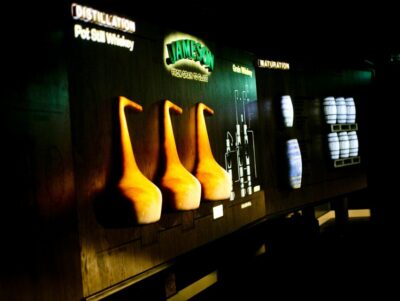
Jameson Whiskey Distillery Tour with Tastings
Read our review →
Dublin Jameson Distillery Bow St. Tour and Tasting 45 mins
Read our review →
Dublin Jameson Distillery and Guinness Storehouse Guided Tour
Read our review →
Nashville to Jack Daniel’s Distillery Bus Tour + Whiskey Tastings
Read our review →
Dublin Teeling Whiskey Distillery Guided Tour and Tasting 1 Hour
Read our review →
Hierve el Agua, Tule Tree, Mitla and Mezcal Distillery Tour
Read our review →Browse the lists this tour appears in