
Review · PRAGUE
Prague: Unique Wine Tasting Experience
This is not a formal wine class where someone pours one glass and talks for ten minutes. You get small samples from roughly 60 to 64 wines, then choose your own path through Moravian bottles, classic European regions, and wines from around the world. I like the freedom to taste at your speed, and I like that sommelier Justin and the team can step in with clear advice when you want it. The main catch is that the format can feel a little self-directed if you expect a detailed explanation of every wine.
I especially like two things here: the wide price and style range, which helps you learn what you actually enjoy, and the relaxed setting, where a two-hour booking may turn into a longer evening if the venue remains open and your tasting credit lasts. You will need to pace yourself, though. Small samples add up quickly, and food is not included unless you order it separately.
Key points at a glance
- Roughly 60 to 64 wines: Compare grapes, countries, styles, and price levels without committing to a full bottle.
- Moravian wines included: The Czech Republic’s main wine region gets a proper place in the selection.
- Choose your level of help: Ask Justin, Mathias, Johana, or another sommelier for advice, or work through the list on your own.
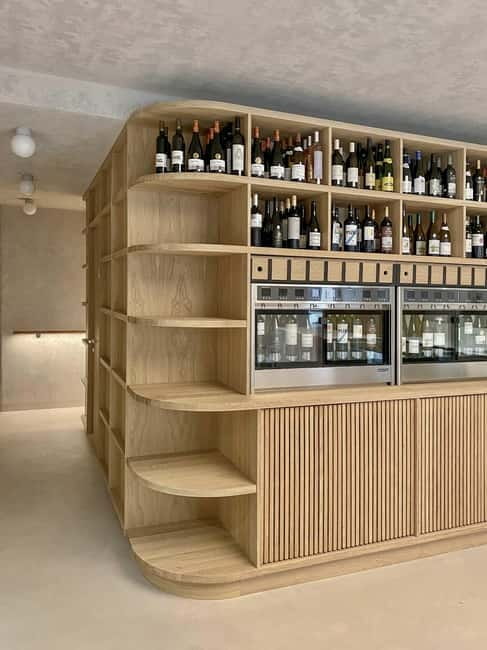
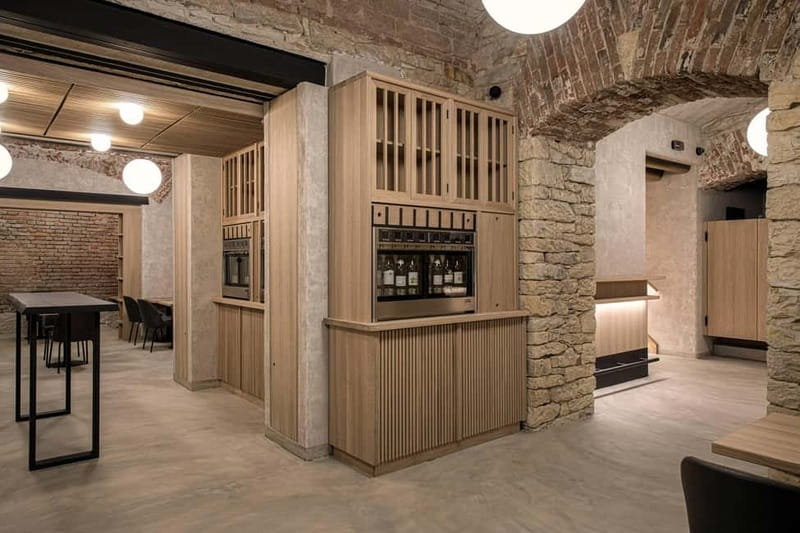
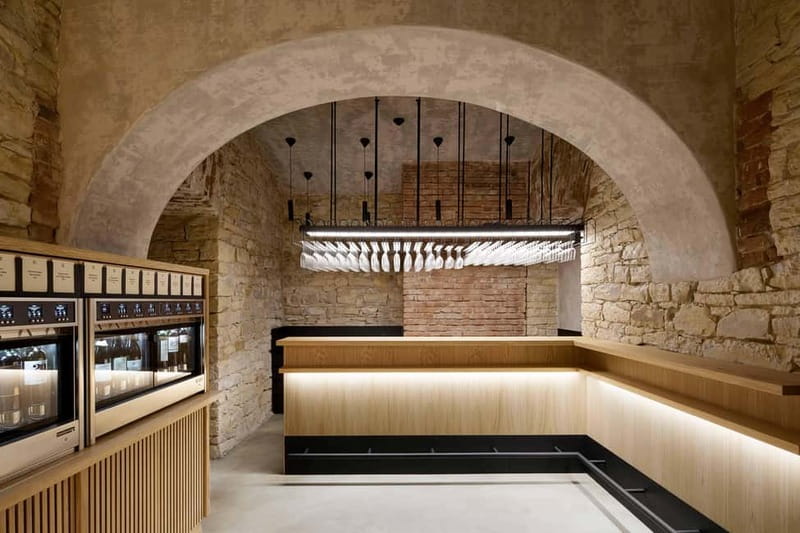
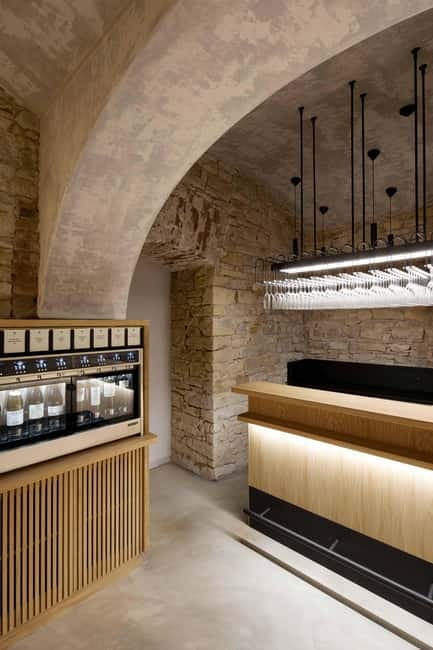
- Modern cellar setting: The room has a clean, contemporary look with wine-serving machines and a calm atmosphere.
- Useful for beginners and wine fans: You can learn the basics, test your palate, or hunt for a bottle to enjoy later.
- Optional food pairing: Cheese, meats, bread, focaccia, and similar boards are available, but they cost extra.
A self-guided tasting with room to experiment
The central idea is simple: you receive access to a large selection of wines and taste them in small pours. Instead of following a fixed flight, you can compare a Sauvignon Blanc from one region with a different white, move from sparkling wine to red, or test several price levels side by side.
I like this approach because it makes wine less intimidating. You do not need to know the difference between a grape variety and a wine region before you arrive. You can start with familiar styles, then take a chance on something you would not normally order.
The staff can explain what you are tasting, suggest an order, and help you make sense of the differences. Justin has received particular praise for his friendly teaching style, while Mathias and Johana have also been singled out for their warm service. The guidance is available, but it is not forced on you.
That freedom is also the experience’s main limitation. If you want a polished lecture with a tasting sheet and a fixed sequence, this may feel loose. One visitor wanted more detail about the flavor profile and origin of each wine. You can ask for that information, but you should take the initiative.
More Wine Tastings in Prague:
- From Porto: Douro Valley w/ Boat Tour, Wine Tasting & Lunch
★ 4.7 · 19,061 reviews - Complete Douro Valley Wine Tour with Lunch, Wine Tastings and River Cruise
★ 5.0 · 12,920 reviews - Florence: Chianti Wineries Tour with Wine Tasting
★ 4.5 · 10,071 reviews
What happens during the two-hour session
Your two hours begin with an explanation of how the tasting works. You receive small samples rather than full glasses, which is the only sensible way to approach such a large selection. Water is included, and you can keep track of what you try and which bottles you prefer.
Some people use the experience as a guided lesson. In that case, ask the sommelier to build a sensible order, perhaps starting with lighter wines and moving toward fuller or sweeter styles. You can also ask about a particular grape, country, or price level.
Other people treat it as a wine playground. Pick a few familiar names, then compare them with bottles from a different country. The point is not to taste every wine in the room. The point is to notice what changes when the grape, climate, winemaking style, or price changes.
The tasting list has been described as containing about 60 to 64 wines. The exact number may vary, but the selection is clearly large enough to support several different visits. You might focus on white wines one time and reds the next. You might also spend the session comparing Czech wines with better-known bottles from France, Italy, Spain, or other major producers.
The format works well for couples. A tasting card or list can turn the session into a small game, with each person marking favorites and choosing a bottle to buy or order later. It also suits solo visitors, since you can ask the sommelier for a more personal lesson without slowing down a group.
Why Moravian wine matters here
The Czech wine scene is often overlooked by visitors who associate the country mainly with beer. That is a mistake, especially if you are spending time in Prague and want to try something local beyond the usual drinks.
The main Czech wine region is Moravia, not the city of Prague itself. Moravian wines are included in this selection, giving you a chance to taste local grapes and styles beside bottles from other wine-producing countries.
This comparison is useful. A local wine can taste quite different when placed beside a French or Italian example made from a similar grape. You can ask the sommelier to explain the difference in style and origin, then decide which one suits your palate.
I would make Moravian wine one of your first stops, even if you think you already know what you like. Local bottles may be less familiar, and that is exactly the point. The experience gives you a low-risk way to try them by the sample instead of buying a full bottle based on a label you cannot pronounce.
The room, equipment, and atmosphere
The setting is a modern minimalist cellar rather than a grand historic wine hall. That makes the experience feel contemporary and practical. The wine machines allow you to sample many bottles without opening a full bottle for every customer.
The room has been described as attractive, relaxed, and comfortable enough for people to stay longer than the advertised two hours. Some bookings have stretched to three or four hours, and one group stayed until closing. This depends on the venue’s hours and the arrangement on the day, so do not assume that every two-hour booking automatically becomes an all-evening stay.
The atmosphere suits conversation. You can come with friends, compare tasting notes, and order food to share. Solo visitors can sit with a list and focus on the wine. The staff are friendly without making the event feel stiff or formal.
There is one practical warning: alcohol can sneak up on you when you are tasting many small portions. A few people have sampled around 20 wines over a long visit. Pace yourself, drink the included water, and use the spittoon or ask how it works if you want to taste without swallowing every sample.
A few more tastings around Prague worth a look
- Prague: Pilsner Urquell Experience & Beer Tasting
★ 4.7 · 3,480 reviews - Prague: Pub Crawl with Unlimited Drinks & 5-floor Club Entry
★ 4.2 · 2,955 reviews - Prague: Pub Crawl with 2-Hour Open Bar at Drunken Monkey
★ 4.1 · 861 reviews - Prague: Evening Vltava River Eco Cruise with Prosecco
★ 4.2 · 770 reviews
How much help should you ask for?
You can choose from three levels of guidance.
First, ask for a full introduction. This is the best option if you are new to wine or want a structured lesson. Tell the sommelier what you normally drink, then ask for a progression that shows clear differences in grape, region, sweetness, body, or age.
Second, request occasional advice. This suits most people. You can browse on your own, then ask why one bottle tastes more floral, dry, heavy, acidic, or fruit-forward than another. The staff can also suggest what to try next.
Third, go fully independent. You receive the information needed to work through the wines, and you can follow a recommended order without having someone talk to you constantly. This makes the event feel more like a relaxed tasting bar than a classroom.
I would choose the middle option. Try a few wines on your own, then ask for an explanation when something surprises you. That way, you learn from your own reactions rather than simply accepting someone else’s description.
The English-language instruction is useful for international visitors. Justin has been praised for speaking clear English and making beginners feel welcome. The staff can explain the basics, but do not be shy about asking for more detail if the first description feels too brief.
Food is optional, but it improves the evening
Food is not part of the $45 price. You do not need to order anything, but I would consider adding a board if you plan to stay longer than two hours or sample many wines.
Cheese, meats, bread, focaccia, and similar items have been available as add-ons. A shared board gives you something salty and filling between pours, and it lets you see how the wine changes with food. A dry white may seem sharper on its own, while a red may work better with meat or cheese.
One useful tip is to order food at the venue rather than adding it in advance. The extra cost may be lower that way. Since the food is optional, this also lets you decide after seeing the portion and selection.
Do not arrive expecting a meal. The tasting focuses on wine, and any board is a companion rather than the main event. If you want a full dinner, plan that separately.
Is $45 a good value?
At $45 per person, the value depends on how you use the format. For a casual drink, it is not cheap. For access to dozens of wines, small pours, water, and a sommelier who can teach you, the price is reasonable for anyone who is genuinely curious about wine.
The main value is comparison. Buying several glasses at a normal bar would cost more, and you would probably be limited to a much smaller list. Here, you can sample a high-priced bottle beside a more affordable one and decide if the difference matters to you.
Beginners get a low-pressure introduction. Experienced wine drinkers get variety and the chance to test unfamiliar regions. Couples can turn it into a tasting challenge, while solo visitors can treat it as a short private lesson.
The price becomes less attractive if you only want two or three ordinary glasses and do not care about trying different styles. It also becomes less attractive if you expect a full meal or a formal guided seminar. You are paying for choice, flexibility, and access to expertise, not for a fixed dinner or a long lecture.
Who should book this experience?
I would recommend it most strongly to:
- Wine beginners who want to learn without committing to a bottle
- Couples looking for an interactive evening activity
- Solo visitors who enjoy asking questions and trying new things
- Wine fans interested in Moravian bottles and lesser-known selections
- Small groups who want to compare favorites and share a food board
- Anyone who prefers a flexible tasting instead of a fixed tour
It is less suitable for children and anyone who is pregnant, since alcohol is the focus. It may also disappoint you if you dislike making your own choices or want every pour explained in detail without asking.
Smoking is not allowed. Transportation is not included, so you need to make your own way to the venue in Prague.
The activity lasts two hours officially, but the actual visit may be longer if the venue is open and the tasting credit remains available. Check the starting times before booking. The experience is offered in English.
Smart ways to get more from your tasting
Start slowly. The large selection can tempt you to race through the list, but your palate will tire and the wines will blur together.
Taste lighter wines before heavier ones when possible. Ask the sommelier to suggest an order if you are unsure. You can also ask for a simple explanation of each wine’s grape, country, sweetness, acidity, and body.
Keep notes. A list of wines you tried and liked is more useful than relying on memory after several samples. If you are with a partner, compare your choices. Disagreeing about a wine is part of the fun.
Try at least one Moravian wine, even if you normally stick to French, Italian, or Spanish bottles. The local selection is one of the experience’s most distinctive features.
Finally, order food if you plan to stay. Water is included, but bread, cheese, and meat will help make a long tasting more comfortable.
Should you book the Prague wine tasting?
Book it if you want choice rather than ceremony. The chance to compare roughly 60 to 64 wines, including Moravian selections, is the real draw. You can ask Justin, Mathias, Johana, or another sommelier for help, or quietly follow your own route through the list.
The $45 price is fair when you use the tasting as a lesson and comparison session. It is less compelling if you want only a quick drink or a formal presentation with every wine explained in depth.
For most wine-curious adults, I would book it and arrive with a plan: taste local Moravian wines, compare a few regions, write down your favorites, and leave room for an optional cheese or charcuterie board. Just pace yourself. Two hours of small samples can become a very cheerful evening.
FAQ
Where does the wine tasting take place?
The experience takes place in Prague, in the Central Bohemian Region of the Czech Republic.
How long does the wine tasting last?
The stated duration is two hours. Some visitors have stayed longer, in some cases until closing, but the extra time depends on the venue’s hours and arrangements on the day.
How many wines can I taste?
The selection includes roughly 60 to 64 wines, served as small tasting samples. The exact number can vary, and you are not expected to taste every bottle.
Are Moravian wines included?
Yes. Moravian wines are part of the selection, alongside wines from major wine-producing countries and regions around the world.
Is a sommelier available to help?
Yes. An English-speaking sommelier can explain the wines, suggest an order, and recommend bottles. You can also taste independently or use a suggested list without continuous guidance.
Is food included in the price?
No. Food is not included, and you do not need to order it. Cheese, meats, bread, focaccia, and similar options may be available separately at the venue.
Who can take part in the tasting?
The experience is for adults aged 18 and over. It is not suitable for children or pregnant women, and smoking is not allowed.
Just added around Prague
- Prague: Pub Crawl with Shots & Entrance to Rooftop Club★ 3.8 · 122 reviews
- Prague: Self-Pour Czech Beer-Tasting Experience★ 4.7 · 208 reviews
- Prague: Pub Crawl with Unlimited Drinks, Bars & Club Entry★ 4.1 · 72 reviews
- From Prague: Medieval Dinner, Show, Castle and Brewery★ 4.3 · 48 reviews
- Prague: Brewery Tour with Unlimited Tastings★ 4.7 · 100 reviews
- Prague: Clock Tower Bar Crawl ending at the BIGGEST CLUB★ 4.1 · 131 reviews
- Prague: 3-Hour Microbrewery Tour★ 4.5 · 88 reviews
- From Prague: Hike, Castle and Brewery in Bohemian Paradise★ 5.0 · 198 reviews
Wine Tasting Tours, compared.
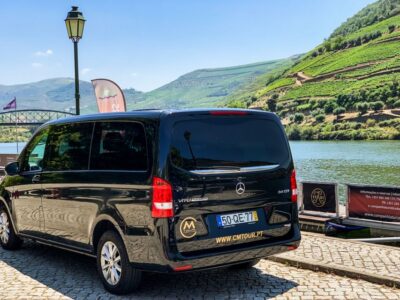
Douro Valley w/ Boat Tour, Wine Tasting & Lunch
Read our review →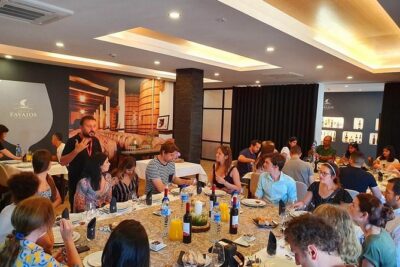
Complete Douro Valley Wine Tour with Lunch, Wine Tastings and River Cruise
Read our review →
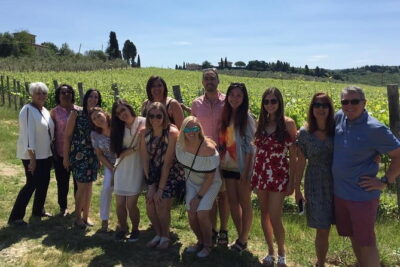
Small-Group Wine Tasting Experience in the Tuscan Countryside
Read our review →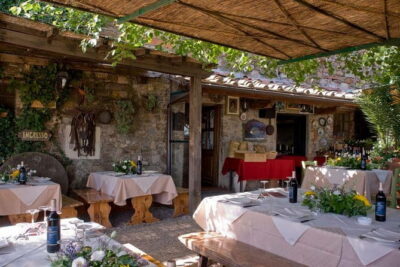
SMALL-GROUP Wine Safaris: Tuscan Wine Tasting Tours from Florence
Read our review →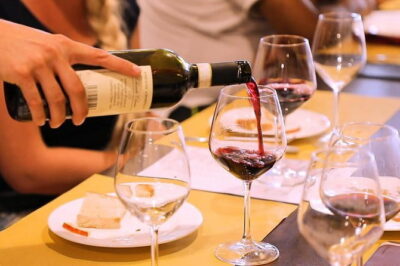
San Gimignano, Siena, Monteriggioni, Chianti Day Trip with Lunch & Wine Tasting
Read our review →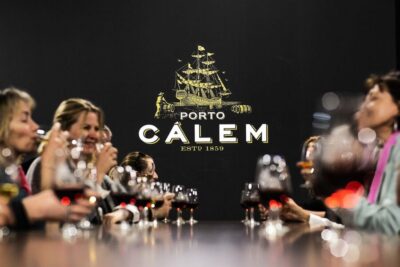
Cálem Cellar Tour, Interactive Museum & Wine Tasting
Read our review →
Browse the lists this tour appears in